

10 Sweet Syndrome Symptoms You Shouldn’t Ignore
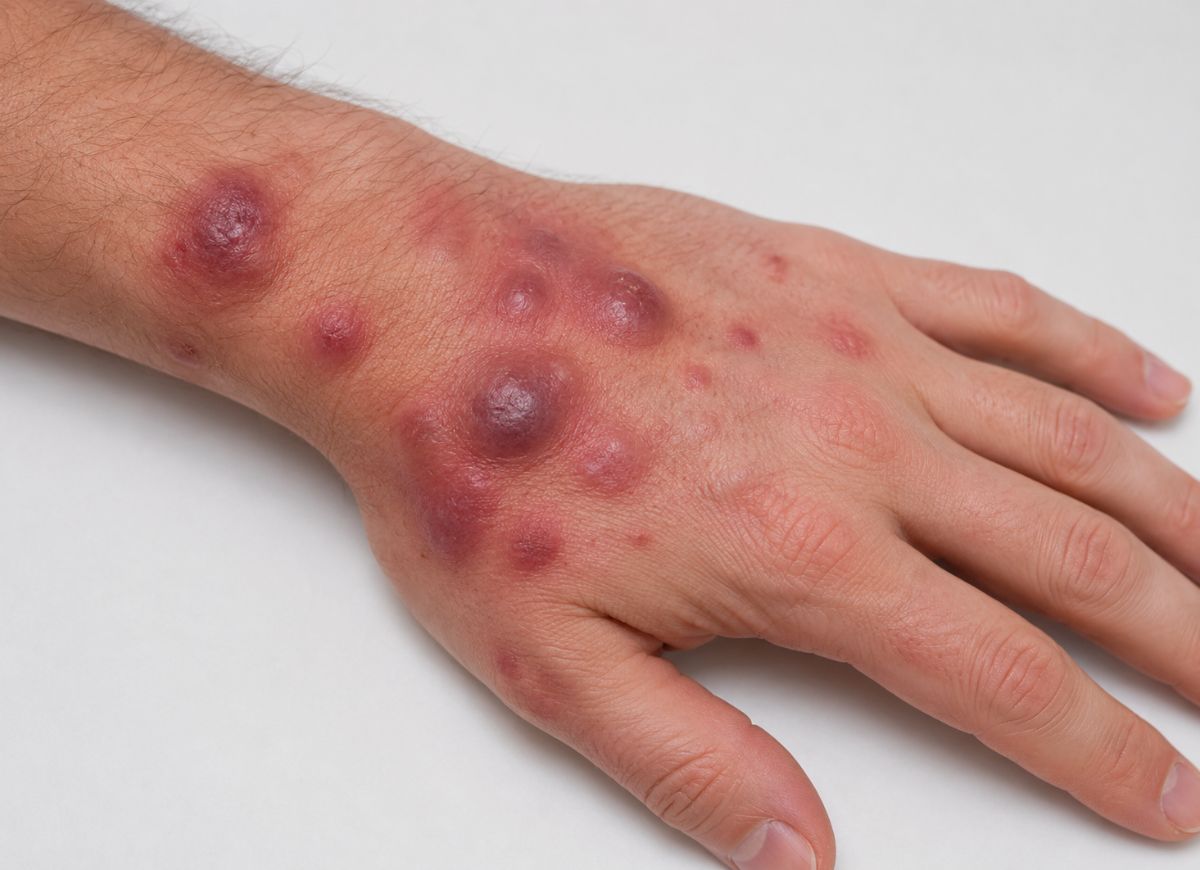
Have you ever noticed sudden painful changes on your skin, an unexplained fever, or red, swollen patches that seem to appear out of nowhere? These symptoms can sometimes be linked to a rare inflammatory condition known as Sweet syndrome. Also called acute febrile neutrophilic dermatosis, Sweet syndrome develops when the immune system causes an intense inflammatory response that mainly affects the skin and can occasionally involve other areas of the body.
Although Sweet syndrome is uncommon, recognizing its symptoms early can be helpful. The condition can develop rapidly and produce uncomfortable or concerning changes. Many people first notice painful red bumps, raised plaques, or tender skin lesions that may initially look like an allergic reaction, infection, or another type of skin problem.
Sweet syndrome can also occur in connection with other medical conditions or triggers. In some cases, it has been associated with infections, certain medicines, inflammatory disorders, or blood-related diseases. However, there are also cases where no clear cause can be identified.
The condition is not restricted to the skin. People may also develop fever, extreme tiredness, joint pain, headaches, or a general feeling of illness. Since these symptoms can resemble those of many other conditions, proper medical assessment is important for reaching the correct diagnosis.
In this article, we’ll look at 10 Sweet syndrome symptoms you shouldn’t ignore, along with its common warning signs, possible triggers, and situations in which medical attention may be needed. Knowing what to look for can help you recognize unusual changes and seek appropriate care.
10 Key Symptoms of Sweet Syndrome
Painful Skin Rash
The most noticeable skin feature of Sweet syndrome is the sudden development of painful, tender, and inflamed lesions. These may appear as small bumps called papules, raised plaques, or deeper lumps known as nodules.
These skin lesions are often the first visible indication of Sweet syndrome. They occur because large numbers of neutrophils, a type of white blood cell, move into the upper layers of the skin and create a strong inflammatory response.
The tenderness and pain of these lesions are particularly characteristic. This can help distinguish Sweet syndrome from rashes that are mainly itchy and are not especially painful when touched.
The lesions are commonly bright red, dark red, or purplish in color and usually have clearly defined edges. Because of swelling caused by inflammation, the affected areas can have a soft, fluid-like, or edematous appearance. Some lesions may also develop small blisters or pus-filled bumps, which can sometimes make them look like a bacterial infection.
Sweet syndrome most often affects the upper part of the body. Common areas include the face, neck, arms, and hands, although the chest, trunk, and back may also become involved. The lesions do not necessarily appear evenly on both sides of the body.
Another characteristic is how quickly the lesions develop. Small papules can appear suddenly and then enlarge or join together to create larger plaques within a few days. In most cases, the lesions heal without permanent scars, although temporary darker or lighter areas of skin may remain afterward.
Fever
Fever is one of the major symptoms of Sweet syndrome and occurs in more than 80% of patients. It often develops suddenly and may reach 100.4°F (38°C) or higher. The fever can appear shortly before the skin lesions or at approximately the same time, contributing to the feeling of being acutely unwell.
General Malaise
A strong feeling of illness is another common feature. People may experience significant fatigue, weakness, low energy, and an overall sense that something is wrong. This goes beyond ordinary tiredness and often occurs alongside fever and widespread inflammation.
Arthralgia (Joint Pain)
Joint discomfort is frequently reported by people with Sweet syndrome. The pain can vary from mild aching to severe discomfort that interferes with normal movement. Several joints may be affected at the same time, and in some cases the affected joints may become swollen or red.
Myalgia (Muscle Pain)
Generalized muscle aches are also possible and can add to the flu-like feeling caused by the condition. These muscle symptoms are thought to be related to the body’s widespread inflammatory response.
Ocular Involvement
Sweet syndrome can sometimes affect the eyes. Common problems include conjunctivitis, which involves inflammation of the outer surface of the eye, and episcleritis, which affects tissue between the conjunctiva and the white part of the eye.
More serious eye inflammation, such as uveitis, can also occur. Because some forms of eye involvement may affect vision, prompt medical assessment is important when eye symptoms develop.
Headaches
Headaches may occur as part of the broader inflammatory response. They can be associated with the fever and other systemic symptoms that accompany Sweet syndrome.
Oral Ulcers
Some people develop painful sores resembling aphthous ulcers inside the mouth. These sores may occur on the tongue, lips, or other areas inside the mouth and can make eating, drinking, or speaking uncomfortable.
Leukocytosis
Leukocytosis is not a symptom that a person can directly feel, but it is an important laboratory finding associated with Sweet syndrome. Blood testing may show an elevated white blood cell count, particularly an increase in neutrophils, reflecting the inflammatory activity occurring in the body.
Internal Organ Involvement
In rare situations, Sweet syndrome can affect internal organs, making this one of its more serious possible manifestations. Neutrophilic inflammation may involve organs such as the lungs, kidneys, or nervous system.
For example, inflammation in the lungs may cause coughing or difficulty breathing, while involvement of the nervous system can lead to conditions such as aseptic meningitis. These complications require prompt medical evaluation and treatment.
What is Sweet Syndrome (Acute Febrile Neutrophilic Dermatosis)?
Sweet syndrome is a rare inflammatory disorder characterized by a combination of sudden symptoms, fever, and skin inflammation caused by an accumulation of mature neutrophils in the skin. Because of these features, it is also called acute febrile neutrophilic dermatosis.
The condition is considered a reactive skin disorder. In other words, the skin inflammation usually represents a reaction to a trigger elsewhere in the body rather than being a primary infectious skin disease.
Sweet syndrome is not contagious and is not caused by a skin infection or skin cancer. It was first described by Dr. Robert Douglas Sweet in 1964. The medical name itself describes several of its defining characteristics: acute onset, fever, and neutrophil-related skin inflammation.
Sweet syndrome belongs to a group of conditions known as neutrophilic dermatoses. These disorders involve an abnormal buildup of neutrophils in the skin without evidence of a primary infection. The inflammation is considered sterile, meaning bacteria, viruses, or fungi are not directly responsible for the skin lesions.
Instead, an abnormal immune response causes neutrophils to collect in the skin and sometimes other tissues. These cells release inflammatory substances that contribute to the painful skin lesions, fever, joint discomfort, and other symptoms associated with the syndrome.
The condition often responds very well to systemic corticosteroid treatment, which further supports its inflammatory nature. Because Sweet syndrome can occasionally be associated with an underlying serious illness, including certain blood cancers, doctors generally investigate possible causes after making a diagnosis.
Main Triggers Associated With Sweet Syndrome
Sweet syndrome is generally divided into three broad categories: idiopathic or classical Sweet syndrome, malignancy-associated Sweet syndrome, and drug-induced Sweet syndrome. The idiopathic form is considered the most common.
Finding the possible trigger is an important part of treatment because managing an underlying condition or stopping a responsible medication may help resolve the syndrome and reduce the chance of recurrence. Doctors may use a medical history, physical examination, blood tests, and other investigations to determine the likely cause.
Firstly, Idiopathic (Classical) Sweet Syndrome is the most common form and represents more than half of cases. In this type, doctors cannot identify a specific underlying cause. Even so, the condition may develop after an infection, suggesting that an exaggerated immune response could play a role.
Upper respiratory infections, including viral or streptococcal infections, are among the more frequently reported preceding events. Gastrointestinal infections, including infections involving bacteria such as Yersinia, may also occur beforehand. Sweet syndrome has also been associated with inflammatory bowel diseases such as Crohn’s disease and ulcerative colitis and, less commonly, pregnancy.
Malignancy-Associated Sweet Syndrome represents approximately 20–25% of cases and is clinically important because the skin condition can sometimes appear before an underlying cancer is diagnosed. Most associated cancers involve the blood or bone marrow.
Acute myeloid leukemia (AML) is one of the cancers most strongly associated with Sweet syndrome. Other related conditions include myelodysplastic syndromes, lymphoma, and multiple myeloma. Less commonly, the syndrome may occur with solid tumors involving areas such as the breast, gastrointestinal tract, or genitourinary system.
When Sweet syndrome is related to malignancy, the skin lesions may be more extensive, severe, or likely to return.
Next, Drug-Induced Sweet Syndrome can occur as an uncommon reaction to certain medications. One of the most established triggers is granulocyte-colony stimulating factor (G-CSF), which is often used to increase white blood cell production in people receiving cancer treatment.
Other medications that have been associated with Sweet syndrome include all-trans-retinoic acid (ATRA), certain antibiotics, non-steroidal anti-inflammatory drugs (NSAIDs), and some diuretics. Symptoms often appear within several weeks after beginning the responsible medicine, and stopping the medication may lead to improvement.
Sweet Syndrome Diagnosis
Diagnosing Sweet syndrome usually requires several pieces of information because there is no single test that can confirm the condition in every case.
A doctor will first examine the skin and ask about the timing of symptoms. The sudden appearance of painful red or purple papules and plaques, particularly when accompanied by fever and malaise, can raise suspicion of Sweet syndrome.
Blood tests are commonly performed to support the diagnosis. A complete blood count (CBC) may show neutrophilia, meaning an unusually high number of neutrophils. Inflammatory markers such as erythrocyte sedimentation rate (ESR) and C-reactive protein (CRP) are also commonly elevated because of the systemic inflammation.
Although blood tests can provide useful clues, a skin biopsy is an important part of confirming the diagnosis. During a biopsy, a small piece of an affected skin lesion is removed and examined under a microscope.
The characteristic finding is a dense collection of mature neutrophils within the upper layer of the dermis. Importantly, this inflammation occurs without leukocytoclastic vasculitis, which involves damage and inflammation of small blood vessels. The absence of this type of blood vessel damage helps doctors distinguish Sweet syndrome from several other skin disorders.
Doctors may use a combination of major and minor diagnostic criteria. Major features include the sudden development of typical painful skin lesions and evidence of neutrophilic inflammation. Supporting features can include fever, elevated inflammatory markers, an associated medical condition, and improvement after corticosteroid treatment.
The skin biopsy is particularly valuable because it not only demonstrates the characteristic neutrophil infiltration but also helps exclude other possible explanations, including infections and diseases involving blood vessels.
Additional testing may be required depending on the person’s symptoms and medical history. Blood cultures may be used when infection or sepsis is a concern, while imaging or other investigations may be recommended if doctors suspect an underlying malignancy.
Can Sweet Syndrome be Confused With Other Skin Conditions?
Sweet syndrome can resemble several other skin disorders because it often causes sudden, painful, red inflammatory plaques along with fever and other systemic symptoms. Correctly distinguishing it from similar conditions is therefore important.
Cellulitis is one of the most common conditions that can initially look similar. Cellulitis is a bacterial skin infection and is often limited to one side of the body. There may also be an obvious entry point, such as a cut, wound, or break in the skin.
Sweet syndrome can produce several lesions at once and may affect both sides of the body. Its lesions also generally do not improve with antibiotics. When a presumed case of cellulitis fails to respond to appropriate antibiotic treatment, doctors may reconsider the diagnosis and investigate other causes, including Sweet syndrome.
Erythema multiforme is another possible mimic. This immune-related skin reaction can occur after infections such as herpes simplex or after exposure to certain medications.
Although both conditions may develop suddenly, their skin appearances are usually different. Erythema multiforme is well known for its target-shaped lesions, which look like concentric rings or bullseyes. Sweet syndrome more commonly produces swollen, red or purple plaques and nodules without the classic target pattern.
Sweet syndrome may also resemble other neutrophilic dermatoses, particularly pyoderma gangrenosum. Both conditions involve neutrophilic inflammation, but pyoderma gangrenosum usually develops into painful ulcers with a distinctive purple, undermined edge. Sweet syndrome generally produces non-ulcerated plaques or nodules instead.
Recognizing these differences is important because the treatment approach can vary considerably between these conditions.
Is Sweet Syndrome a Chronic Condition and Can It Recur?
Sweet syndrome is usually considered an acute inflammatory condition rather than a disease that remains continuously active over many years. With appropriate treatment, most episodes improve and resolve within a few weeks. However, recurrence is possible, and some people experience another episode later.
The chance of recurrence can depend on the underlying form of Sweet syndrome. People with classical or idiopathic Sweet syndrome may develop another episode after a future infection or inflammatory event, such as an upper respiratory infection.
The risk and pattern of recurrence can also be connected to an underlying disease. In malignancy-associated Sweet syndrome, the activity of the skin condition may sometimes correspond with the course of the associated cancer.
For this reason, a new episode in someone with a known malignancy may require investigation to determine whether the underlying disease has changed or returned. In drug-induced cases, symptoms generally improve after the responsible medication is discontinued and are less likely to return unless the same medication is used again.
Although Sweet syndrome itself is not usually life-threatening, discovering its underlying cause is important because another medical condition may influence the person’s overall health. Recurrent cases are often managed using treatments similar to those used during the initial episode, including corticosteroid-based therapy when appropriate.
FAQs
1. How serious is Sweet syndrome?
Sweet syndrome is usually not considered life-threatening, but it can cause sudden and painful symptoms. Its seriousness can vary depending on how extensive the inflammation is and whether it is connected to another underlying condition. Many people improve with treatments such as corticosteroids or other anti-inflammatory medicines. When another health problem is involved, that condition may also need to be identified and treated.
2. Can Sweet syndrome go away? Does Sweet syndrome spread?
Yes, Sweet syndrome can resolve, particularly when the appropriate treatment or underlying trigger is addressed. Some cases may improve without treatment, although medical therapy can often shorten the duration and reduce symptoms.
Sweet syndrome does not spread from person to person like an infection. However, additional lesions may develop on different parts of the body while the condition is active.
3. How long does Sweet syndrome last?
The duration can vary depending on the cause, severity, and treatment. Symptoms may improve within days or weeks after appropriate therapy, although some cases can continue for several months. Recurrence is also possible, particularly when an underlying trigger remains present.
4. Is Sweet syndrome a rare disease?
Yes. Sweet syndrome is considered an uncommon inflammatory skin disorder. Because it is rare, some healthcare professionals may encounter relatively few cases. Nevertheless, recognizing the condition is important because it can sometimes provide a clue to another underlying illness.
5. What is another name for Sweet syndrome?
Sweet syndrome is also known as acute febrile neutrophilic dermatosis. This name refers to its characteristic features, including sudden onset, fever, and inflammation involving neutrophils, which are a type of white blood cell.
6. How does Sweet syndrome start?
Sweet syndrome often develops quickly. Early symptoms may include fever, fatigue, and the sudden appearance of painful red, purple, or swollen skin lesions. These may look like raised bumps or plaques and can develop over a short period of time.
In some people, the condition follows an infection or is related to medication use or another underlying disease.
7. What age does Sweet syndrome occur?
Sweet syndrome can affect people of different ages, although it is most frequently diagnosed in adults between approximately 30 and 60 years old. Children and older adults can also develop the condition, particularly when it occurs in association with another medical problem.
Conclusion
Sweet syndrome is a rare inflammatory condition that can cause sudden painful skin lesions along with fever, fatigue, joint discomfort, and other systemic symptoms. Although the appearance of the condition can be alarming, many cases respond well when the diagnosis is made and appropriate treatment is started.
Because Sweet syndrome may sometimes be associated with infections, medications, inflammatory disorders, or underlying diseases, identifying a possible trigger is an important part of medical care. Treating the underlying cause, when one is found, can also help reduce the risk of future episodes.
Learning to recognize the warning signs and seeking medical advice when unusual symptoms appear can support earlier diagnosis and appropriate management of Sweet syndrome.