

How to Identify Bed Bug Bites vs Mosquito or Flea Bites
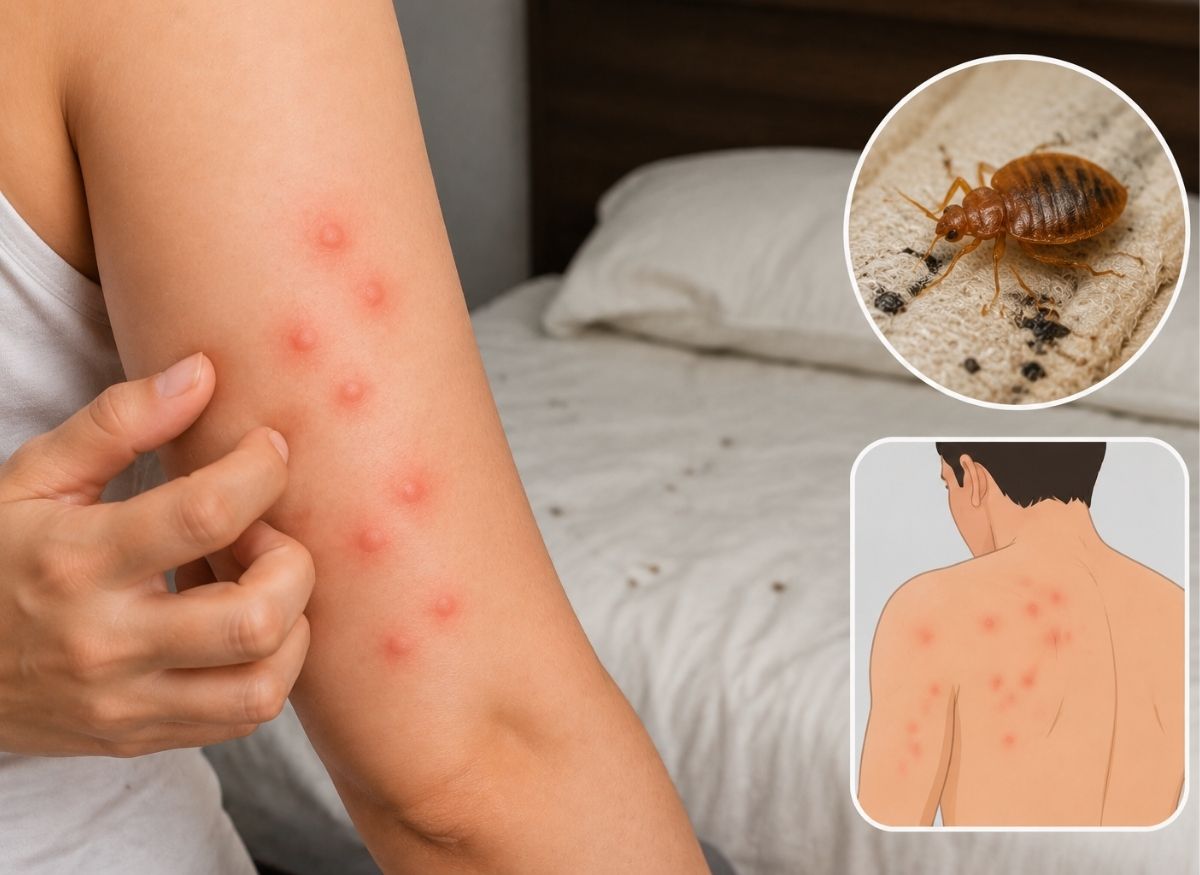
Waking up with unexplained red and itchy spots can be frustrating, especially when you are unsure what caused them. Bed bug bites are commonly mistaken for mosquito or flea bites because all three can look quite similar at first. However, each type of bite can have different patterns, timing, and skin reactions. Recognizing these differences can help you determine whether you may be dealing with an indoor infestation or simply an outdoor insect bite.
Mosquito bites generally appear as individual bumps after spending time outdoors, while flea bites are often grouped around the ankles and lower legs. Bed bug bites, on the other hand, commonly appear in clusters or lines on areas of the body that remain uncovered while sleeping. Identifying the likely source early can help reduce further bites, manage irritation, and address the underlying problem.
Knowing which insect may be responsible is also useful when deciding how to respond. Mild mosquito bites may only need an over-the-counter itch treatment, while bed bug bites can indicate an infestation that needs attention inside the home. Flea bites may suggest that pets or other animals need to be checked and treated. In this article, we will look at the patterns, symptoms, and visual clues that can help you distinguish between bed bug, mosquito, and flea bites.
Bite Comparison: How Do Bed Bug, Mosquito, and Flea Bites Differ?
Finding the source of skin irritation is an important first step, especially when an infestation may be involved. Understanding how bed bug bites look compared with bites from mosquitoes and fleas can make identification easier. Although many insect bites look alike, their feeding habits can leave different patterns on the skin.
Bed bugs often crawl across the skin and may bite several times before moving on. This can create a noticeable straight-line or zigzag pattern, sometimes described as a “breakfast, lunch, and dinner” pattern. Mosquito bites are more likely to be scattered and separate, while flea bites tend to be smaller and are commonly found around the ankles and lower legs.
Visual and Physical Indicators of Bed Bug Bites
When checking for early bed bug bites, pay attention to areas that are uncovered while sleeping. These can include the face, neck, hands, arms, and shoulders. Bed bug bites often appear as small, red, slightly raised bumps.
Compared with a typical mosquito bite, a bed bug welt may feel somewhat firmer. Some bites can also have a small darker point in the middle where the insect pierced the skin.
The timing of the reaction can vary greatly. When asking how long bed bug bites take to appear, there is no single answer for everyone. Some people notice marks within hours, while others may not develop a visible reaction for several days or even up to two weeks.
The itching caused by bed bug bites can be quite strong. People who are particularly sensitive may develop larger, raised areas of redness or hives. These reactions happen because the immune system responds to proteins found in the insect’s saliva.
Bed bugs also release substances while feeding that can reduce the sensation of the bite itself. Because of this, many people do not notice the insect biting them and instead discover red, swollen, and itchy marks later.
Environmental Evidence and Detection
If you are uncertain whether a skin mark is an insect bite, inspect the area where you sleep for additional evidence. Signs on bedding can be particularly useful when determining whether bed bugs are present.
Small dark or rusty-colored marks on sheets may result from crushed insects or their droppings. You may also notice pale, empty shells left behind as young bed bugs grow and shed their outer coverings.
Knowing what a bed bug looks like can also help during an inspection. Adult bed bugs are usually reddish-brown, flat, and about the size of an apple seed. They do not have wings and cannot fly or jump.
If an insect resembles a bed bug but has long back legs designed for jumping, it may actually be a flea. Spotting a live bed bug while it is feeding is uncommon because these insects are mainly active at night and often hide in mattress seams, bed frames, and other small spaces during daylight.
Main Difference in Bite Patterns Between Bed Bugs, Mosquitoes, and Fleas
The feeding behavior of each insect influences the pattern it leaves on the skin. Recognizing these patterns can be one of the most useful clues when trying to identify the source.
Bed bugs often remain close to the skin while feeding and may bite more than once. As they move and search for a suitable feeding spot, the bites can form a straight line or zigzag pattern.
This is sometimes called the “breakfast, lunch, and dinner” pattern. Mosquitoes generally fly away after feeding, so their bites are more likely to appear as separate, randomly positioned bumps. Fleas can also bite repeatedly, but their jumping behavior usually produces small groups of bites rather than organized lines.
How Bed Bug Bite Patterns Develop
Bed bug bites may appear in a line because the insect can move a short distance when searching for a suitable blood vessel. If the first feeding attempt is unsuccessful, it may pierce the skin again nearby.
This repeated feeding behavior can create a noticeable trail of red marks along an exposed arm, shoulder, neck, or other part of the body.
Because bed bugs usually feed while a person is sleeping and remains still, they can continue moving and feeding without being disturbed. Flea bites are different because fleas often remain around clothing or lower body areas, resulting in smaller and less organized clusters.
Identifying the Culprit Through Pattern and Location
The location of the bites can be just as useful as their appearance. Early bed bug bites commonly develop on skin that is not covered by blankets or pajamas, including the face, shoulders, arms, and other exposed areas.
For example, a row of red marks across the upper body without similar bites on the legs may fit the pattern associated with bed bugs. In contrast, small, itchy marks concentrated around the ankles or lower legs may point more toward fleas.
Beyond the Pattern: Confirming the Source
Although bite patterns can provide useful clues, they should not be used alone to confirm bed bugs. Look around the sleeping area for other evidence.
Dark smears or small rusty spots on sheets may indicate bed bug activity. You may also find shed skins or other physical signs around mattress seams and bed frames.
If the bites are especially itchy or develop into larger hives, it may mean that your body is having a stronger reaction to repeated exposure.
For bed bug bites treatment at home, treating the irritated areas can help reduce itching while you investigate the source. An anti-itch cream may calm individual welts, while an oral antihistamine may sometimes help with more widespread itching when appropriate.
Recognizing that bed bug bites can form a deliberate-looking trail rather than appearing randomly can encourage you to inspect your sleeping area and address a possible infestation early.
The Symptoms of a Bite Infection
Most insect bites cause temporary redness, swelling, and itching. Problems can develop when repeated scratching damages the skin and allows bacteria to enter.
If a bite becomes increasingly painful or appears worse after the first couple of days rather than improving, watch carefully for signs of a secondary infection.
Warning Signs of a Progressing Infection
An infected bite may look different from an ordinary bed bug welt. Instead of gradually becoming less red, the affected area may become increasingly red and spread outward.
One concerning sign is lymphangitis, which can appear as red streaks extending from the bite toward nearby lymph nodes. This may indicate that an infection is spreading through the lymphatic system.
The affected skin may also become hotter, firmer, and more painful than a normal bite reaction. Thick or cloudy pus is another important warning sign that a bacterial infection may be developing.
Systemic Symptoms and Cellulitis
When an infection extends beyond the original bite, additional symptoms can appear. These may include fever, chills, tiredness, or a general feeling of being unwell.
An infected insect bite can sometimes develop into cellulitis, a bacterial infection involving deeper layers of the skin and surrounding tissue. Prompt medical attention is important if these symptoms develop.
Bite Reactions: When Should You See a Doctor for an Insect Bite?
Knowing when home care is no longer enough is important when dealing with insect bites. Most bed bug welts are uncomfortable but not dangerous. However, certain symptoms can indicate an infection or a serious allergic reaction.
Monitoring the Evolution of Bed Bug Welts
A typical bed bug reaction may appear as small red bumps that remain around the area where the insect fed. Itching can be strong, and swelling may become more noticeable during the first couple of days before gradually improving.
If the redness continues expanding, the swelling becomes severe, or pain keeps increasing instead of improving, professional medical advice may be necessary.
When to Seek Urgent Care: Anaphylaxis and Systemic Reactions
A severe allergic reaction called anaphylaxis is rare but can be life-threatening. Emergency care is needed if an insect bite is followed by trouble breathing, wheezing, or a feeling that the throat is closing.
Other warning signs can include widespread hives, swelling of the face, lips, or tongue, dizziness, nausea, or a rapid heartbeat.
These symptoms can develop quickly, sometimes within minutes to an hour after exposure. A severe whole-body reaction requires immediate emergency treatment.
Recognizing Secondary Infections and Cellulitis
A secondary infection is another important reason to seek medical attention. Constant scratching can break the skin and create an opening for bacteria.
Yellow or green pus, increasing redness, warmth, severe tenderness, or red streaks extending away from the bite can indicate an infection. Fever and chills may suggest that the infection has progressed further.
At this stage, home treatments such as calamine lotion or hydrocortisone may not be enough, and a healthcare professional should evaluate the affected area.
Summary: Doctor Visit Checklist
You should consult a healthcare professional if your situation matches any of the following:
- Respiratory Distress: Difficulty breathing, wheezing, or chest tightness.
- Facial Swelling: Swelling involving the lips, eyes, tongue, or throat.
- Widespread Hives: Hives or a rash appearing beyond the areas where bites occurred.
- Signs of Infection: Pus, increasing warmth, spreading redness, or red streaks.
- Systemic Illness: Fever, chills, severe weakness, or ongoing dizziness after the bites.
Although discovering bites or suspicious marks on your bedding can be stressful, most insect bite reactions are manageable. Paying attention to these warning signs can help ensure that a more serious allergic reaction or infection is treated promptly.
Can Insect Bites Be Dangerous If Left Untreated?
Most insect bites are temporary and eventually improve, but complications can occur when severe allergic reactions, infections, or other risks are overlooked.
The main concerns include serious allergic reactions, bacterial infections caused by scratching, and diseases associated with certain insects. Understanding these possibilities can help you know when simple home care is enough and when medical attention is needed.
The Immediate Threat: Anaphylaxis
Anaphylaxis is one of the most serious potential reactions to an insect bite. Although it is uncommon with bed bug bites, a severe immune reaction can affect the entire body.
The airway may become swollen and blood pressure can fall quickly. Unlike ordinary localized itching, anaphylaxis can cause symptoms such as tongue swelling, difficulty breathing, a racing heartbeat, or severe weakness.
These symptoms require immediate emergency medical attention.
The Creeping Threat: Secondary Infection and Sepsis
Another concern is infection caused by repeated scratching. Scratching itchy welts can create tiny breaks in the skin, allowing bacteria such as Staphylococcus aureus or Streptococcus to enter.
An untreated skin infection can develop into cellulitis and, in severe cases, sepsis. Sepsis is a dangerous response to infection that can affect the body’s organs and tissues.
For this reason, symptoms such as spreading redness, red streaks, fever, or worsening pain should not be ignored.
The Hidden Threat: Vector-Borne Diseases
Bed bugs are not currently considered established transmitters of diseases to humans. However, mosquitoes and fleas can transmit certain infections.
- Mosquitoes: Can spread illnesses such as West Nile virus, Zika, and dengue.
- Fleas: Can transmit conditions such as murine typhus and, in some areas, bacteria associated with plague.
If you develop flu-like symptoms after noticing insect bites, consider whether another insect may have been responsible and seek medical advice when appropriate.
Beyond Identification: How Do You Manage and Prevent Insect Bites?
Managing insect bites involves two important steps: relieving the irritation and finding the source of the insects. Since different bites can look similar, it is useful to treat the symptoms while also inspecting your surroundings.
At-Home Management of Itchy Bites
The main goal of home treatment is to reduce itching and prevent scratching. Gently wash the affected area with soap and water first.
A cold compress or ice pack wrapped in cloth and applied for around 10 to 15 minutes can help reduce itching and swelling. Calamine lotion or a 1% hydrocortisone cream may also provide relief when appropriate. Oral antihistamines can help with itching for some people.
If there are many bites, a lukewarm bath containing colloidal oatmeal may soothe larger areas of irritated skin. Aloe vera may also provide a cooling sensation.
The most important goal is to avoid scratching because broken skin increases the risk of infection.
Identifying the Source: Bed Bugs vs. Fleas and Mosquitoes
Stopping repeated bites requires finding the insect responsible.
If bed bugs are suspected, inspect mattress seams, bed frames, headboards, and other hiding areas. Look for tiny rusty or dark marks on bedding, shed skins, eggs, or live insects. A flashlight can make the inspection easier.
If bites mainly occur around the lower legs, fleas may be more likely. Check pets, pet bedding, carpets, and other areas where fleas can live. Flea dirt can also be a useful clue.
For mosquitoes, inspect areas around the home where they can enter or reproduce. Check window screens and remove standing water from containers, flowerpots, gutters, and other outdoor areas.
Prevention and Long-Term Peace of Mind
Preventing future bites requires addressing the source. When traveling, inspect hotel mattresses and headboards before unpacking, and keep luggage away from the floor.
At home, reducing clutter and using protective mattress encasements can reduce hiding places and make signs of bed bugs easier to identify.
If a bed bug infestation is confirmed, professional pest control may be necessary because bed bugs can hide in very small spaces and are difficult to eliminate completely.
By combining skin care with careful inspection of the living environment, you can reduce the chance of repeated bites. If new bites continue despite cleaning and basic prevention, the insects may be hiding in areas that require more thorough professional treatment.
Most Effective Ways to Prevent Bites from Bed Bugs, Mosquitoes, and Fleas
Preventing insect bites is generally easier when you understand how each pest behaves. Bed bugs, mosquitoes, and fleas require different prevention strategies because they enter and survive in different environments.
For bed bugs, careful inspection and prevention of their movement into the home are particularly important.
Because bed bugs can travel on luggage, clothing, and other belongings, prevention can begin while traveling. Inspect hotel mattresses and headboards before unpacking.
After returning home, washing clothing in hot water and drying it thoroughly can help eliminate insects that may have traveled with you. At home, zippered mattress encasements can limit hiding places and make new signs of bed bugs easier to detect.
Personal and Environmental Mosquito Defense
Mosquito prevention involves protecting your skin while also reducing breeding areas around your home.
Using an EPA-registered insect repellent containing ingredients such as DEET or picaridin can help protect exposed skin. When mosquitoes are most active, such as around dawn and dusk, wearing long sleeves and other protective clothing can provide another barrier.
It is also important to remove standing water around the property. Emptying water from flowerpots, gutters, birdbaths, buckets, and other containers reduces places where mosquitoes can lay eggs.
Flea Prevention through Pet and Home Care
Flea prevention is closely connected to pet care and household cleaning. Use a veterinarian-approved flea treatment for pets as recommended.
Inside the home, regularly vacuum carpets, rugs, upholstered furniture, and other areas where fleas and their eggs may be present.
Vacuum contents should be emptied into a sealed bag and disposed of properly. Pet bedding should also be washed regularly in hot water to reduce flea activity.
Strategic Landscape and Professional Intervention
Outdoor maintenance can also reduce exposure to fleas and mosquitoes. Keeping grass trimmed and removing piles of leaves or other organic debris can reduce shaded areas where pests may hide.
If you continue finding new bed bug welts or evidence of bed bugs despite your prevention efforts, professional pest control may be necessary.
Bed bug infestations can be particularly difficult to eliminate because the insects can hide deep inside cracks, furniture, and other structural spaces. Professional treatments may be required for complete control.
Conclusion
Understanding the differences between bed bug, mosquito, and flea bites can make it easier to determine what may be causing your skin irritation. Although all three can produce red and itchy marks, their location, timing, and pattern can provide useful clues.
Early identification is especially important when bed bugs are suspected because an infestation can spread and may require professional treatment. Flea and mosquito bites are generally manageable but should still be addressed when they continue occurring.
Paying attention to bite patterns and other symptoms can help you choose the right response. Whether you need to inspect your home for bed bugs, soothe mosquito bites, or address fleas affecting pets, identifying the likely source is an important first step.
Taking preventive measures and monitoring for changes can help reduce repeated bites and protect your household from ongoing irritation.
FAQ
How can I tell if a bite is from a bed bug, mosquito, or flea?
Bed bug bites commonly appear in groups or lines on areas exposed while sleeping, including the arms, shoulders, neck, and face. Mosquito bites are usually separate, raised bumps that may appear after spending time outdoors. Flea bites are often smaller and occur in clusters around the ankles and lower legs.
Looking at the location, pattern, and timing of the bites can provide clues about the insect responsible.
Do bed bug bites itch more than mosquito or flea bites?
Bed bug bites can cause significant itching, although the intensity varies from person to person. Flea bites can also be extremely itchy and are often concentrated around the legs and ankles.
Mosquito bites may begin itching relatively quickly and can become swollen. Individual sensitivity plays a major role in how severe the reaction becomes.
Can bed bug bites appear without me noticing them at night?
Yes. Many people do not notice bed bugs biting because the insects can release substances during feeding that reduce the sensation.
As a result, the bites may only become noticeable later when red, swollen, and itchy spots develop. This delayed reaction can make it difficult to determine exactly when the bites occurred.
How long do bites from these pests usually last?
The duration depends on the insect and the person’s individual reaction. Bed bug bites may remain noticeable for several days or longer. Mosquito bites commonly improve within a few days, while flea bites can sometimes take one to two weeks to fully settle.
Avoiding scratching and using suitable anti-itch measures can help make the healing process more comfortable.
When should I call a professional pest control service?
If you repeatedly find new bites that appear in clusters or lines, or you discover signs of bed bugs around your sleeping area, professional pest control may be necessary.
Mosquito and flea problems may also require pest control when the infestation continues despite basic prevention. Addressing an infestation early can help prevent it from becoming more difficult to control.