12 Amaxophobia Symptoms and How to Overcome Driving Fear
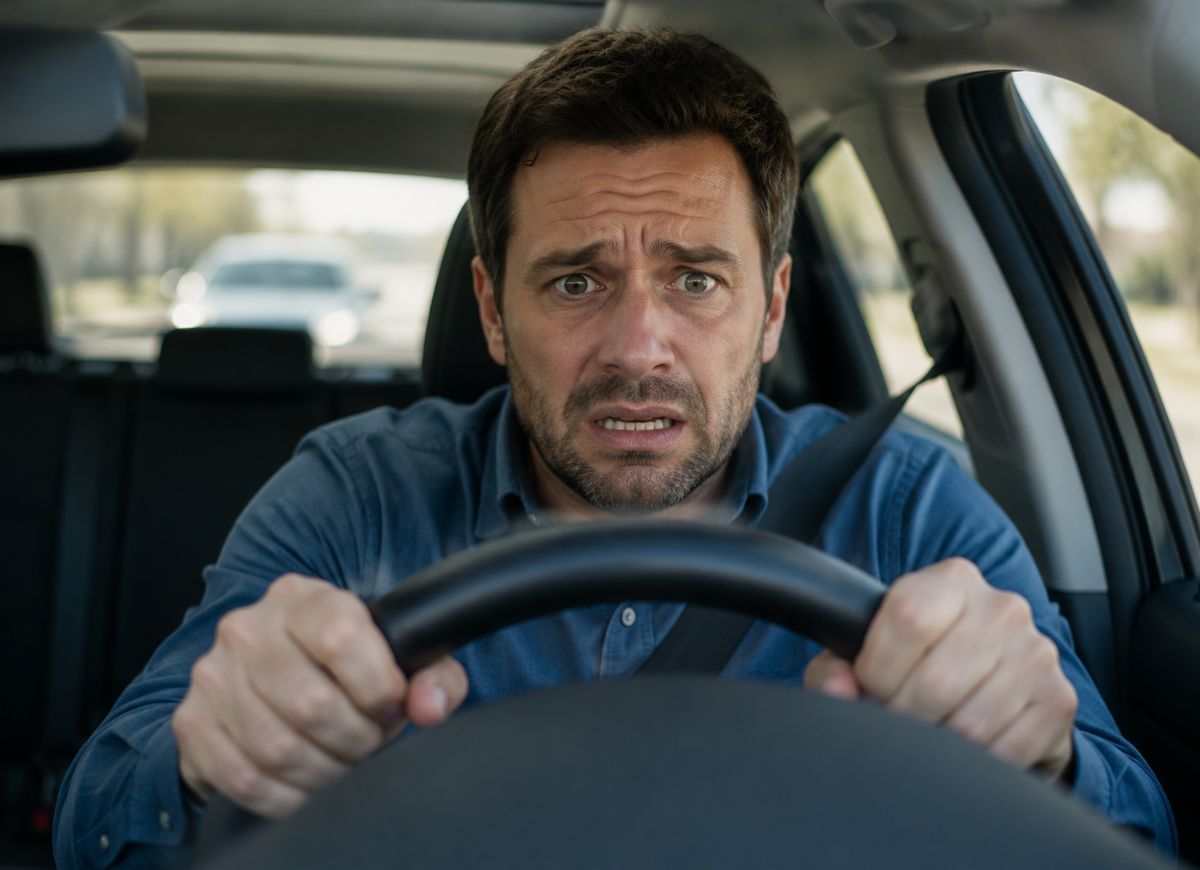
For many people, driving is second nature. But for others, sliding into the driver’s seat brings on real fear racing heart, sweaty palms, a mind full of worst-case scenarios. This is amaxophobia, the fear of driving. It shows up on a spectrum, from mild jitters to a complete refusal to get behind the wheel, and it can quietly shrink a person’s world: fewer job options, less independence, a smaller social life.
It’s more widespread than people assume. Research on specific phobias points to as many as 12% of adults dealing with some form of driving anxiety at some point in their lives, and a smaller group develops avoidance patterns severe enough to disrupt everyday routines. It rarely appears out of nowhere usually it builds after something specific: a crash, a near-miss, a panic attack while driving, or just too many white-knuckle trips through heavy traffic.
Symptoms differ from person to person. Some feel it in the body pounding heart, dizziness, trembling hands, breathlessness. Others get stuck in their head flashes of crashing, a sense of losing control, dread that spikes on highways or at busy intersections. Left unchecked, the fear often turns into avoidance: leaning on other people for rides, or reshaping daily life around never having to drive.
That avoidance is part of the trap. Skipping driving doesn’t make the fear smaller it usually makes the next attempt feel scarier, which reinforces the belief that driving itself is dangerous.
The encouraging part: amaxophobia responds well to treatment. Gradual exposure, practical coping tools, and professional support all help people rebuild their confidence behind the wheel. Below, we break down 12 common symptoms and the strategies that actually help.
What is Amaxophobia?
Amaxophobia is a specific phobia an intense, persistent fear of driving or even riding as a passenger. It’s not the normal caution a new driver feels, or the extra alertness anyone might have in bad weather. It’s a full anxiety response that can be set off by actually driving, thinking about an upcoming drive, or sometimes just the sight of a car. For someone with this phobia, a vehicle isn’t transportation it’s a threat, and a place where they feel like they have no control.
What Defines The Fear of Driving as a Specific Phobia?
Clinically, the fear of driving crosses into “specific phobia” territory when it checks several boxes from the DSM-5: it’s out of proportion to any real danger, it triggers near-instant anxiety, it drives active avoidance, and it gets in the way of daily life. This is a meaningful line amaxophobia isn’t just disliking driving, it’s a diagnosable anxiety disorder.
The fear itself is disproportionate. People with amaxophobia usually know, on some level, that their reaction doesn’t match the actual risk but they can’t just talk themselves out of it. It’s not ordinary worry about accidents; it’s an overwhelming sense of dread.
Just thinking about driving, or getting near a car, can trigger a genuine panic response pounding heart, tight chest, a feeling that something terrible is about to happen. The nervous system reacts as though it’s facing real danger.
People with this phobia will restructure their lives to dodge driving. That might mean relying on buses or trains no matter the hassle, passing on jobs that require a commute, or pulling back from social plans that involve travel.
For it to count as a true phobia (rather than situational nerves), it has to noticeably disrupt someone’s routine, work, relationships, or social life. Someone in a walkable city with great public transit might sidestep this problem entirely but most people who can’t drive lose independence, career options, and end up depending heavily on others.
And it has to stick around generally six months or more. That’s what separates a lasting phobia from short-term jitters after a minor scare that fade naturally.
Is Amaxophobia a Common Condition?
Driving-related fear, in one form or another, touches a huge number of people. Exact numbers for the full clinical phobia are hard to pin down, but studies on driving anxiety in general suggest it’s far from rare and plenty of people who don’t meet every diagnostic criterion still find their quality of life affected.
Part of why it’s so common comes down to what driving actually demands: constant attention, split-second decisions, and coordinating all of that at speed, inches away from other vehicles doing the same thing.
The risk of a serious mistake is real, and news coverage of crashes doesn’t help. Living through a crash, witnessing one, or losing someone to one are all major triggers for a lot of people, amaxophobia is essentially a form of trauma response.
Other anxiety conditions play a role too. Panic disorder and agoraphobia (fear of being somewhere escape feels impossible) often show up as driving fear, especially around highways or bridges where turning back isn’t an option. Add in the pressure of being responsible for everyone’s safety in the car, and ordinary performance anxiety can snowball into a full phobia. Since driving is essentially mandatory in much of the world, this fear ends up being unusually disruptive compared to other phobias.
12 Key Symptoms of Amaxophobia
Rapid Heartbeat (Tachycardia)
Anxiety pushes the heart to pump faster, sending more blood to the muscles for a fight-or-flight response that isn’t actually needed. The pounding or fluttering sensation can be scary on its own, sometimes even triggering fears of a heart attack.
Excessive Sweating (Hyperhidrosis)
The body’s cooling system goes into overdrive under stress. Cold, clammy hands on the wheel or a full-body sweat only add to the sense of things spiraling out of control.
Trembling or Shaking
Adrenaline tightens the muscles, which can show up as shaky hands, legs, or a whole-body tremor. Since driving needs fine motor control steering, braking this shakiness can feel especially alarming and feeds the fear of losing control of the car.
Shortness of Breath (Dyspnea)
Anxiety often causes quick, shallow breathing or a tight, breathless feeling in the chest. This throws off the body’s oxygen balance, which can trigger lightheadedness and tingling on top of everything else.
Dizziness or Lightheadedness
Shifts in breathing and blood pressure during an anxiety spike can leave someone feeling unsteady or faint a genuinely risky sensation to have while operating a vehicle, since it interferes with focus and reaction time.
Nausea or Gastrointestinal Distress
Stress pulls blood away from digestion and toward the muscles, which can bring on cramping, nausea, or an urgent bathroom need making an already uncomfortable drive worse.
Overwhelming Anxiety
This goes beyond nerves. It’s a heavy, constant sense of dread that can start building hours or days before a drive, often accompanied by catastrophizing mentally running through every possible disaster.
Panic Attacks
A sudden surge of intense fear that peaks fast and comes with severe physical symptoms. Behind the wheel, this can include a frightening sense of detachment from reality or from one’s own body, paired with a conviction that death, a breakdown, or a crash is imminent.
Vivid Images of Accidents
Intrusive, graphic mental images of crashes sometimes tied to a real past event, sometimes entirely imagined can loop uninvited, making it hard to ever see driving as neutral or safe.
Fear of Losing Control
A central piece of the phobia. It might mean fear of losing control of the car (swerving, crashing), fear of losing control of the body (fainting, panicking mid-drive), or fear of losing emotional control (screaming, freezing up).
Actively Avoiding Driving
The defining behavioral symptom. Life gets rearranged around not driving turning down a promotion, cutting back socially, choosing where to live based on transit access, and leaning heavily on other people for rides.
Making Excuses
To hide the fear or justify avoiding it, people often lean on cover stories: the car’s “acting up,” they’re “not feeling well,” someone else is “just a better driver,” or public transit is “better for the environment” anything besides admitting the real reason.
How to Overcome the Fear of Driving
The most effective path combines professional, evidence-based treatment with steady self-help habits. Tackling both the psychological roots of the fear and the practical mechanics of driving is what actually rebuilds confidence long-term.
Therapies like CBT, exposure therapy, and VR-based practice give structure to the process, while tools like breathing exercises and gradual self-exposure help manage anxiety in the moment. Combining both approaches addresses the phobia at its source and in daily life.
Professional Treatments for Amaxophobia
The main clinical treatments are Cognitive-Behavioral Therapy (CBT), exposure therapy, and VR therapy, typically guided by a psychologist or anxiety specialist.
These work because they go straight at the distorted thoughts and avoidance habits keeping the phobia alive. A trained therapist creates a safe space to face the fear step by step, without it becoming overwhelming.
CBT is generally seen as the most reliable treatment for phobias like this one. It’s built on the idea that thoughts, feelings, and behavior all feed into each other. A therapist helps identify the specific catastrophic thoughts fueling the fear things like “I’ll crash if I merge onto the highway” or “I’ll panic in traffic and have no way out.”
From there comes cognitive restructuring: learning to challenge those thoughts and replace them with more realistic ones, whether that’s looking at actual crash statistics or building a concrete plan for handling anxiety mid-drive.
Exposure therapy, often used alongside CBT, involves facing the feared situation gradually and repeatedly until the anxiety response fades a process called habituation. For driving fear, this usually follows a “fear ladder”: starting with something small, like looking at pictures of cars, then sitting in a parked one, starting the engine, driving around an empty lot, moving to a quiet street, and eventually tackling busier roads always at a pace the person can handle.
VR therapy is a newer take on exposure therapy, using simulated driving environments city streets, highways, storms to let someone practice in a completely safe setting. It’s a useful middle step for people whose fear is too intense to start with real-world driving, letting them feel the anxiety and practice coping skills before ever touching a real steering wheel.
Self-help Strategies to Manage Driving Anxiety
Useful self-help tools include breathing exercises, mindfulness and grounding techniques, gradual self-exposure, and building real driving skills through a defensive driving course.
These can stand alone or support formal therapy. They give people direct tools to interrupt the fear-avoidance cycle and build resilience over time.
Breathing: Anxiety makes breathing shallow and fast, which only amplifies physical symptoms. Slow, deep belly breathing activates the body’s calming (parasympathetic) system, lowering heart rate and blood pressure before things spiral into a full panic attack. Practicing regularly and especially right before or during a drive helps keep anxiety from building.
Mindfulness and grounding: Staying focused on the present the feel of the wheel, the pressure on the pedal, the sounds around you instead of spinning into “what if” thinking. The 5-4-3-2-1 technique (naming 5 things you see, 4 you feel, 3 you hear, 2 you smell, 1 you taste) is a quick way to pull attention back to the moment.
Gradual self-exposure: A DIY version of exposure therapy. Start small sit in the car for five minutes without going anywhere. Once that’s comfortable, start the engine. Then drive to the end of the driveway and back. The goal is steady, manageable challenge, not overwhelm, so the brain slowly builds positive associations with being in the car.
Skill-building: Sometimes the fear is really about confidence in driving ability. A defensive driving course teaches real skills handling a skid, emergency braking, anticipating other drivers’ mistakes and that competence often translates directly into calmer nerves on the road.
Underlying Factors and Related Conditions of Amaxophobia
Amaxophobia usually comes from some mix of trauma, learned behavior, and personal anxiety tendencies, and it frequently overlaps with other anxiety disorders and phobias.
Amaxophobia and Normal Driving Anxiety
The line between amaxophobia and ordinary driving nerves comes down to intensity, how rational the fear is, and how much it disrupts daily life. Normal anxiety feeling tense on your first highway drive, or in a storm is proportional, temporary, and doesn’t stop someone from driving altogether. It fades with experience and doesn’t interfere with work or social life.
Amaxophobia is different: the fear is persistent, excessive, and out of proportion to any real risk, and it can be set off just by thinking about getting in a car. It comes with real physical and psychological symptoms panic attacks, racing heart, breathlessness, deep dread and pushes people into avoidance that seriously limits their independence.
Events Can Cause or Trigger Amaxophobia
This phobia usually traces back to specific experiences or learned patterns often more than one working together.
The most direct cause is a personal accident, even a minor one, which the brain can link permanently to the fear and helplessness felt in that moment. Witnessing a crash, seeing graphic news coverage, or hearing a vivid account from someone close can have a similar effect, even without direct experience.
It can also be learned early on growing up around a parent who was visibly anxious about driving can teach a child that driving is inherently dangerous.
Sometimes it’s unrelated to cars at all: someone has a panic attack for other reasons while driving, and the brain wrongly links the panic itself to the act of driving, creating fear that it’ll happen again.
And sometimes it builds slowly repeated near-misses, getting lost somewhere unsafe, or dealing with road rage can chip away at confidence over time until it becomes a full phobia.
Amaxophobia Diagnosis
A proper diagnosis under the category “Specific Phobia, Situational Type” needs to come from a psychologist, psychiatrist, or licensed clinical social worker, since the symptoms can overlap with other anxiety and trauma-related conditions. Self-diagnosis isn’t reliable here.
The process starts with a detailed clinical interview covering the nature, length, intensity, and triggers of the fear, along with how much it’s affecting work, relationships, and independence. The clinician checks this against DSM-5 criteria: the fear has to be excessive, unreasonable, and present for at least six months; driving (or even anticipating it) has to reliably trigger anxiety, sometimes a full panic attack; and the person has to be avoiding driving or enduring it with real distress, in a way that disrupts their life.
Ruling out other conditions is a key part of the process too PTSD (if it stems from a serious accident), agoraphobia (if the core fear is being trapped), or panic disorder.
Other Phobias Associated With a Fear of Driving
Amaxophobia rarely shows up alone it often overlaps with other fears centered on confinement, control, or mortality.
Agoraphobia fear of being somewhere escape or help isn’t easily available often shows up as dread of being stuck in traffic, on a long bridge, or in a tunnel. The real fear isn’t crashing; it’s being trapped mid-panic with no way out.
Claustrophobia fear of enclosed spaces can make a car’s cabin feel suffocating, triggering an urge to escape that makes any trip miserable.
Thanatophobia (fear of death) can turn every drive into a reminder of mortality, since car accidents are a well-known cause of death.
Dystychiphobia (fear of accidents) is often baked directly into amaxophobia an obsessive worry about causing harm to yourself or others.
Fear of having a panic attack while driving is common too the worry being that losing control during an episode could cause a crash.
Gephyrophobia (fear of bridges) frequently adds to the broader fear, since bridges combine height, open space, and a narrow, hard-to-escape lane a particularly triggering combination.
FAQs
1. Is amaxophobia real?
Yes it’s a recognized specific phobia involving intense, persistent fear of driving or riding in a vehicle. It goes well beyond normal nerves and can bring real anxiety, avoidance, and physical symptoms like sweating or a racing heart. Left unaddressed, it can meaningfully affect daily life.
2. Does driving anxiety go away?
It often does improve, especially with the right support gradual exposure, CBT, relaxation techniques, and confidence-building all help. Without addressing it, though, avoidance tends to let the fear persist or worsen.
3. How is amaxophobia usually diagnosed?
Through clinical evaluation by a mental health professional there’s no lab test for it. Diagnosis relies on reported symptoms, avoidance patterns, and how much the fear disrupts daily life, along with a look at past experiences like accidents or panic attacks.
4. What calms claustrophobia?
The same tools that help with driving anxiety: deep breathing, grounding exercises, mindfulness, and gradual exposure to confined spaces. Therapy and guided relaxation can help too.
5. Can medication help with amaxophobia?
In some cases, yes particularly for severe symptoms. Doctors may prescribe anti-anxiety medication or antidepressants to make therapy more effective, though medication tends to work best paired with psychological treatment rather than used alone.
Conclusion
Amaxophobia can chip away at someone’s confidence, independence, and daily quality of life, especially since driving is so hard to avoid entirely. But it’s a real, well-understood, and treatable condition.
The 12 symptoms above show how this fear plays out physically, emotionally, and behaviorally and catching the early signs can help stop avoidance from taking root before it hardens into a deeper phobia.
The good news is that recovery is realistic. Gradual exposure, relaxation techniques, CBT, and sometimes medical support can all move someone toward more comfort and confidence behind the wheel. It takes time, but steady effort tends to pay off.
If driving fear is getting in the way of daily life, reaching out for professional support is a strong first step toward rebuilding trust in your own ability to drive.