
Leukemia: A Comprehensive Guide to Blood Cancer, Symptoms, and Treatment
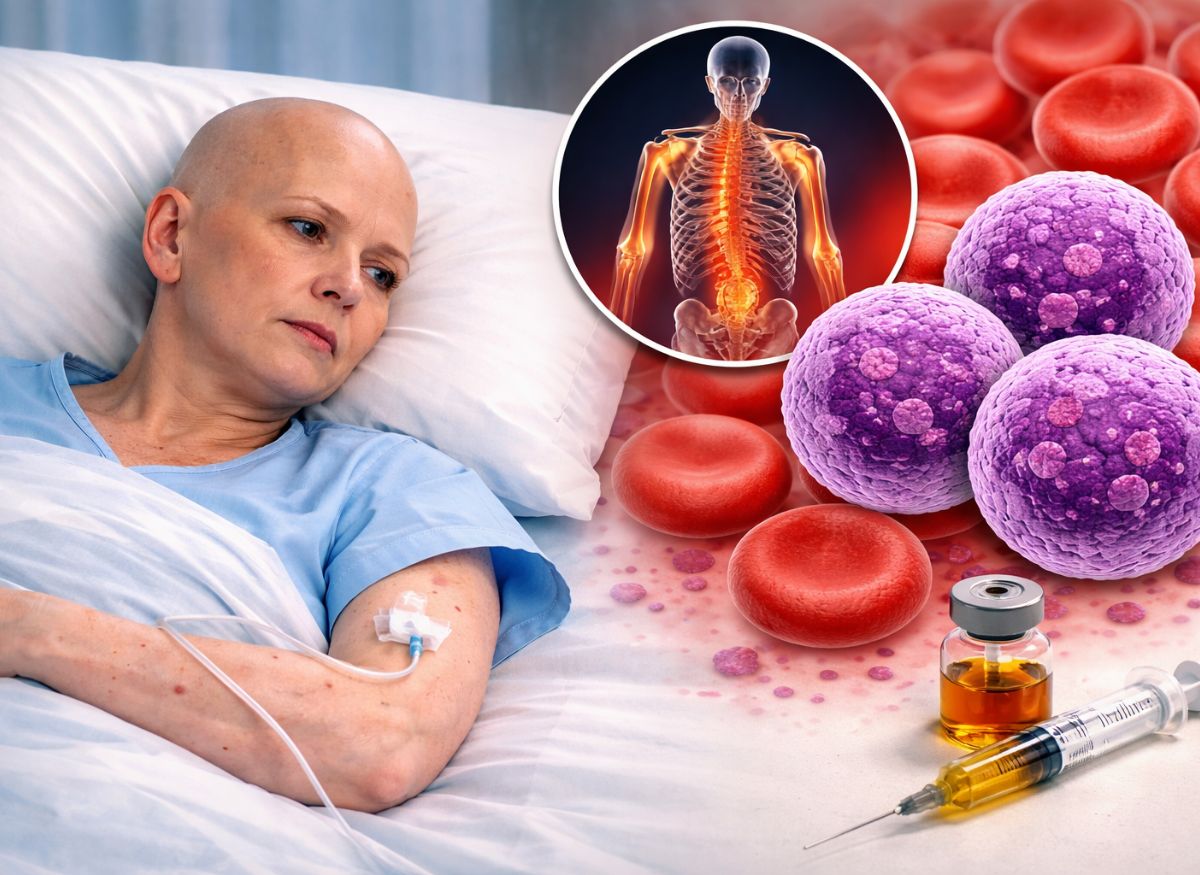
Leukemia is a type of cancer that develops in the blood-forming tissues of the body, especially the bone marrow and blood.
Unlike cancers that create solid tumors, leukemia begins in the cells responsible for making blood. Because these abnormal cells can circulate through the bloodstream, leukemia can affect different parts of the body.
The way leukemia develops can vary greatly from one person to another. Some forms progress quickly and cause noticeable symptoms within a short period, while others develop gradually and may cause few or no symptoms for years.
Leukemia is generally divided into acute and chronic forms. Each type behaves differently and requires its own approach to diagnosis and treatment.
Although leukemia is a serious disease, medical advances have greatly improved the treatment of many types. Some forms can be successfully controlled for long periods, while others can potentially be cured.
Learning about the signs, types, causes, diagnosis, and treatment of leukemia can help people recognize concerning symptoms and seek medical evaluation when necessary.
Blood and Bone Marrow Basics
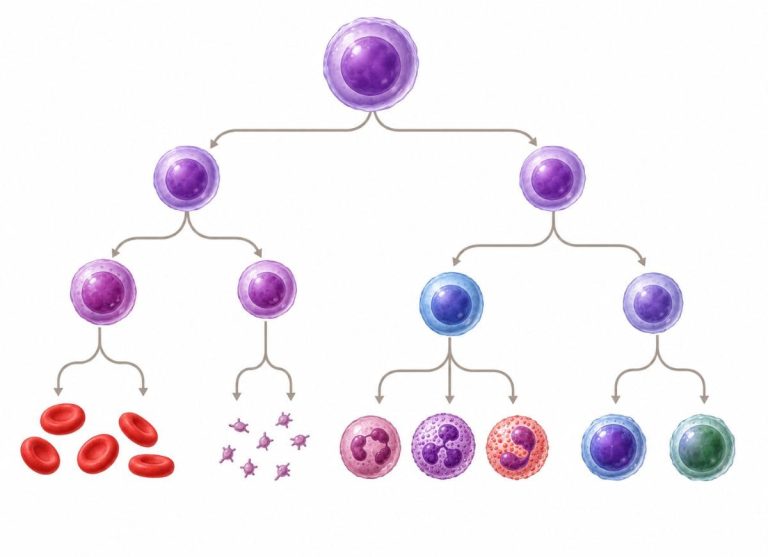
Bone marrow is the soft, spongy tissue located inside many of the body’s bones. One of its most important functions is producing blood cells through a process known as hematopoiesis.
Blood-forming stem cells in the bone marrow develop into three main types of blood cells:
- Red blood cells (RBCs): Carry oxygen from the lungs to the body’s tissues
- White blood cells (WBCs): Help protect the body against infections and other threats
- Platelets: Help blood clot and control bleeding
Normally, the body carefully controls how many blood cells are produced and how they mature.
With leukemia, this normal process becomes disrupted. Abnormal white blood cells are produced in excessive numbers and may remain immature or function incorrectly.
As these abnormal cells accumulate in the bone marrow and bloodstream, they can crowd out healthy blood cells. This may reduce the body’s ability to transport oxygen, fight infections, and control bleeding.
What is Leukemia?
Leukemia is a cancer of the blood-forming tissues that causes abnormal white blood cells to grow and multiply uncontrollably.
These abnormal cells do not work like healthy white blood cells. Depending on the type of leukemia, they may:
- Fail to mature normally
- Be unable to fight infections effectively
- Multiply rapidly or accumulate gradually
As leukemia cells take up space in the bone marrow, they can interfere with the production of normal red blood cells, platelets, and healthy white blood cells. This can result in anemia, increased infections, and bleeding problems.
Unlike many other cancers, leukemia usually does not produce a single solid tumor. Instead, it affects the blood and bone marrow and can involve other areas of the body, including the liver, spleen, lymph nodes, and, in some cases, the central nervous system.
Types of Leukemia
Leukemia is not one single disease. It includes several different conditions that are classified according to how quickly they progress and which blood-forming cells are affected.
Understanding the specific type of leukemia is important because it influences the choice of treatment and helps doctors assess the likely course of the disease.
Based on Disease Progression
- Acute leukemia:
Acute leukemia develops quickly and involves large numbers of immature white blood cells, commonly called blasts.
These cells do not develop into normal functioning blood cells and can accumulate rapidly in the bone marrow. As a result, symptoms such as fatigue, infections, fever, and abnormal bleeding may appear over a relatively short period.
Without appropriate treatment, acute leukemia can become life-threatening quickly, so prompt medical evaluation and treatment are important.
- Chronic leukemia:
Chronic leukemia generally develops more slowly and involves abnormal cells that are more mature than those seen in acute leukemia.
Some people have few or no symptoms for a long time, and the condition may first be detected during routine blood testing.
Although chronic leukemia often progresses more gradually, it can become more advanced over time and may eventually require treatment.
Based on Cell Type
- Lymphocytic (lymphoblastic) leukemia: This form develops from lymphoid cells, which normally become lymphocytes such as B cells and T cells. These cells have important roles in the immune system.
- Myeloid leukemia: This form develops from myeloid blood-forming cells, which can give rise to red blood cells, platelets, and several types of white blood cells. Therefore, myeloid leukemia can interfere with multiple blood cell types.
Major Types of Leukemia
- Acute lymphoblastic leukemia (ALL): This is the most common type of leukemia in children, although adults can also develop it. It progresses quickly but can respond very well to treatment, particularly in children.
- Acute myeloid leukemia (AML): AML is more common in adults, especially older adults. It usually requires prompt treatment, and outcomes can vary depending on genetic and other disease-related factors.
- Chronic lymphocytic leukemia (CLL): CLL usually affects older adults and often develops slowly. Some people are diagnosed during routine blood testing and may not need immediate treatment.
- Chronic myeloid leukemia (CML): CML is commonly associated with a genetic change called the Philadelphia chromosome. This abnormality promotes uncontrolled growth of certain blood cells. Targeted medicines have substantially changed the treatment of CML.
Each form of leukemia has different symptoms, treatment options, and expected outcomes.
Epidemiology
Leukemia occurs in people of all ages and represents an important part of the worldwide cancer burden.
- Global incidence and prevalence: Leukemia accounts for a significant number of cancer cases worldwide. Rates differ between regions and populations and can be influenced by environmental factors, genetics, and access to healthcare.
- Age distribution:
Different leukemia types tend to occur more commonly in particular age groups:- ALL is particularly common among children
- AML is more frequently diagnosed in adults
- CLL primarily affects older adults
- CML can occur at different ages but is often diagnosed during adulthood
- Gender differences: Leukemia is generally diagnosed somewhat more often in males than females, although the reasons for this difference are not completely understood.
- Trends in survival rates: Improvements in chemotherapy, targeted medicines, immunotherapy, transplantation, and supportive care have improved outcomes for many patients. Childhood leukemia, in particular, has seen major improvements in survival. However, outcomes remain dependent on the specific leukemia type and individual patient factors.
Causes of Leukemia and Risk Factors
Genetic Factors
- Chromosomal abnormalities: Changes in chromosomes or genes can contribute to the development of leukemia. For example, the Philadelphia chromosome found in many cases of CML creates an abnormal protein that promotes uncontrolled cell growth.
- Inherited syndromes: Certain inherited conditions, including Down syndrome and some other genetic disorders, are associated with an increased risk of leukemia.
Environmental Factors
- Radiation exposure: Significant exposure to ionizing radiation, including radiation associated with certain medical treatments or nuclear events, can increase the risk of leukemia.
- Chemical exposure: Long-term exposure to certain chemicals, particularly benzene, is associated with an increased risk of some leukemias, including AML.
Medical Risk Factors
- Previous chemotherapy or radiation therapy: Some cancer treatments can damage blood-forming cells and increase the risk of developing leukemia later.
- Immune system disorders: Certain conditions involving an abnormal or weakened immune system may increase leukemia risk.
Lifestyle Factors
- Smoking: Cigarette smoking is associated with an increased risk of certain types of leukemia, including AML. Tobacco smoke contains substances that can damage cells and DNA.
Pathophysiology of Leukemia
Leukemia develops through genetic and cellular changes that interfere with the normal production and function of blood cells.
- Mutation in hematopoietic stem cells: Leukemia can begin when genetic changes occur in blood-forming cells within the bone marrow. These changes can interfere with normal controls over cell growth and survival.
- Uncontrolled proliferation of immature white blood cells: Abnormal cells may multiply excessively while remaining immature. Because they do not develop normally, they cannot perform their intended functions effectively.
- Suppression of normal blood cell production: As abnormal cells accumulate in the bone marrow, they leave less room for healthy cells. This can reduce the production of red blood cells, platelets, and functional white blood cells.
- Infiltration into blood and organs: Leukemia cells can enter the bloodstream and spread to tissues and organs such as the liver, spleen, and lymph nodes. This may cause enlargement or interfere with normal organ function.
The combination of reduced healthy blood cell production and the spread of abnormal cells helps explain the wide range of symptoms associated with leukemia.
Clinical Presentation of Leukemia
General Leukemia Symptoms
Leukemia symptoms are often not specific to the disease and may appear suddenly or develop gradually.
Common symptoms include:
- Fatigue and weakness, often related to anemia
- Fever or repeated infections
- Unexplained weight loss
- Night sweats, which may occur particularly with some chronic forms of leukemia
Symptoms Related to Blood Cell Deficiency
When leukemia interferes with normal blood cell production, symptoms can develop according to which blood cells are affected:
- Anemia → fatigue, pale skin, weakness, and shortness of breath
- Thrombocytopenia → easy bruising, bleeding gums, frequent nosebleeds, or small red or purple spots called petechiae
- Low or abnormal white blood cells → greater susceptibility to infections
These changes can provide important clues that the bone marrow is not functioning normally.
Physical Findings
A physical examination may reveal findings that increase suspicion of leukemia, including:
- Enlarged lymph nodes (lymphadenopathy)
- Enlarged spleen or liver
- Bone or joint pain, which can occur when abnormal cells build up in the bone marrow
These findings do not by themselves confirm leukemia, but they can help doctors determine which tests are needed.
Diagnosis of Leukemia
Diagnosing leukemia usually involves blood tests, examination of the bone marrow, and specialized genetic or molecular testing.
Laboratory Tests
- Complete blood count (CBC): A CBC can identify unusual levels of white blood cells, red blood cells, or platelets. Some patients may have very high or very low white blood cell counts.
- Peripheral blood smear: A blood sample is examined under a microscope to look for abnormal or immature blood cells, including blasts.
Bone Marrow Examination
- Bone marrow aspiration and biopsy: These procedures are important for confirming leukemia and determining its specific type.
- They allow doctors to examine the number, appearance, and characteristics of abnormal cells in the bone marrow.
This information helps distinguish leukemia subtypes and assists with treatment planning.
Cytogenetic and Molecular Testing
- These tests identify specific genetic mutations, chromosome changes, and other molecular abnormalities.
- The results can help determine the type of leukemia, assess risk, and identify treatments that target particular abnormalities.
- One example is testing for the Philadelphia chromosome in CML.
Imaging (if needed)
- CT or MRI scans may sometimes be used to examine enlarged lymph nodes, organs, or other areas affected by the disease.
- Imaging is not necessary for every person with leukemia but may be useful when doctors need to evaluate possible complications or organ involvement.
Leukemia Staging and Classification
Leukemia is generally not staged in the same way as cancers that form solid tumors. Instead, doctors use classification systems and risk assessments to understand the disease and determine treatment.
- Acute vs chronic leukemia: Acute leukemia is evaluated partly according to the presence and proportion of immature cells, while chronic leukemia is assessed using disease-specific clinical and laboratory features.
- Classification systems:
- FAB (French-American-British) classification emphasizes the appearance and characteristics of leukemia cells.
- WHO classification incorporates genetic, molecular, and other biological information to provide a more detailed classification.
- Risk stratification: Patients may be placed into different risk groups based on genetic findings, disease characteristics, response to treatment, and other clinical factors. This information helps doctors select an appropriate treatment strategy.
Complications of Leukemia
Leukemia itself, as well as its treatment, can cause serious complications.
- Severe infections: Abnormal or reduced white blood cells can weaken the body’s ability to fight infections.
- Bleeding disorders: A low platelet count can cause bruising, bleeding, and, in severe cases, serious hemorrhage.
- Organ infiltration: Leukemia cells can collect in organs such as the liver, spleen, lymph nodes, and central nervous system, potentially affecting their function.
- Tumor lysis syndrome: This potentially serious complication can occur when a large number of cancer cells are destroyed rapidly, releasing their contents into the bloodstream and causing dangerous changes in body chemistry.
Because these complications can become serious, patients with leukemia require careful monitoring and appropriate medical care.
How to Treat Leukemia
Treatment depends on the specific type of leukemia, its genetic characteristics, how advanced it is, and the person’s overall health.
Care often involves several specialists working together. The main goals are to eliminate or control leukemia cells, restore healthy blood cell production, prevent complications, and reduce the risk of relapse.
Chemotherapy
Chemotherapy remains an important treatment for many leukemias, particularly acute forms.
Treatment may be divided into several phases:
- Induction therapy: The first phase focuses on rapidly reducing leukemia cells and achieving remission.
- Consolidation therapy: Additional treatment is given after remission to destroy remaining leukemia cells and lower the risk of recurrence.
- Maintenance therapy: Used for certain types of leukemia, such as ALL, to help maintain remission over an extended period.
Because chemotherapy can also affect healthy cells that divide quickly, it may cause side effects and requires careful monitoring.
Targeted Therapy
Targeted treatments are designed to act on specific changes or proteins that help leukemia cells survive and multiply.
- Tyrosine kinase inhibitors (TKIs): These medicines are particularly important in CML because they block abnormal signals associated with the genetic change driving the disease.
Targeted treatments have greatly changed the management of some leukemias and can offer effective disease control for many patients.
Immunotherapy
Immunotherapy uses the body’s immune system to identify and attack leukemia cells.
- Monoclonal antibodies: These medicines are designed to recognize particular markers on leukemia cells and help the immune system target them.
- CAR T-cell therapy: In this treatment, a patient’s T cells are collected and genetically modified so they can recognize and attack certain leukemia cells. CAR T-cell therapy has been used for selected cases, particularly some relapsed or treatment-resistant leukemias.
Stem Cell Transplant
Stem cell transplantation may be considered for certain patients with high-risk, relapsed, or otherwise difficult-to-treat leukemia.
- The procedure involves replacing damaged or diseased blood-forming cells with healthy stem cells, often obtained from a donor.
- Intensive chemotherapy, and sometimes radiation, may be used before the transplant to prepare the body and eliminate as many leukemia cells as possible.
- For selected patients, transplantation can provide a chance for long-term remission or cure.
Because transplantation can cause significant complications, doctors carefully evaluate whether its potential benefits outweigh its risks for an individual patient.
Supportive Care for Leukemia
Supportive care is an essential part of leukemia treatment. It helps manage symptoms, prevent complications, and support patients while they receive treatment.
- Blood transfusions: Red blood cell or platelet transfusions may be used when blood cell levels become dangerously low or symptoms develop.
- Infection management: Antibiotics, antifungal medicines, and preventive measures may be needed because leukemia and its treatments can weaken the immune system.
- Symptom control: Medical teams may provide treatment for pain, fatigue, nausea, and other symptoms associated with the disease or its treatment.
Good supportive care can improve comfort, safety, and the ability to continue cancer treatment.
Prognosis
The outlook for someone with leukemia can vary considerably. Several factors influence prognosis, including:
- Type and stage of leukemia: Acute leukemias often require immediate treatment, while some chronic leukemias may progress more slowly.
- Genetic and molecular features: Certain genetic changes can affect how the disease responds to treatment and its expected course.
- Patient-related factors: Age, overall health, other medical conditions, and response to treatment can also influence outcomes.
Treatment advances have substantially improved outcomes for many leukemia patients, particularly in childhood leukemia and diseases that can be treated with targeted medicines.
Early recognition and accurate diagnosis can help ensure that appropriate treatment begins as soon as possible.
Prevention and Risk Reduction
There is no guaranteed way to prevent leukemia because many cases develop without an identifiable cause.
However, some steps may help reduce exposure to known risk factors:
- Avoid unnecessary exposure to ionizing radiation
- Reduce exposure to harmful chemicals such as benzene
- Avoid smoking and tobacco products
- People with known risk factors may benefit from appropriate medical monitoring
Not every case of leukemia can be prevented, but understanding known risk factors can help people make informed choices about their health.
Living with Leukemia
Living with leukemia can affect physical health as well as emotional well-being. People may experience:
- Persistent fatigue or reduced physical stamina
- Side effects from treatment
- Emotional stress, anxiety, or uncertainty about the future
Managing leukemia often includes:
- Regular follow-up appointments and testing
- Following the recommended treatment plan
- Maintaining appropriate nutrition and physical activity as advised by the healthcare team
- Accessing emotional or psychological support when needed
Support from healthcare professionals, family members, friends, and patient support groups can also make it easier to manage the challenges associated with the disease.
When to Seek Medical Attention
Some leukemia symptoms can resemble common illnesses, but persistent or unexplained changes should be evaluated by a healthcare professional.
Medical attention is especially important if you experience:
- Ongoing or unexplained fatigue
- Frequent or unusual infections
- Unexplained bruising or bleeding
- Petechiae or unusual skin spots
- Persistent fever
- Unexplained weight loss
These symptoms do not necessarily mean someone has leukemia. However, a healthcare professional can determine whether further testing is appropriate.
Conclusion
Leukemia is a complex group of blood cancers that interfere with the body’s normal production and function of blood cells.
Because different forms of leukemia can behave very differently, symptoms, treatment, and prognosis can vary significantly from one person to another.
Advances in chemotherapy, targeted therapy, immunotherapy, stem cell transplantation, and supportive care have changed the outlook for many patients.
Recognizing concerning symptoms, receiving an accurate diagnosis, and beginning appropriate treatment promptly are important parts of leukemia care.
Continued research into genetic changes and immune-based treatments is also creating new treatment possibilities and improving the long-term outlook for many people living with leukemia.
FAQs
1. What is leukemia cancer?
Leukemia is a type of blood cancer that develops in the bone marrow and blood-forming tissues.
It causes abnormal blood cells, often white blood cells, to grow and accumulate uncontrollably. These abnormal cells can interfere with the body’s ability to produce healthy blood cells and fight infections.
2. What are blood cancer symptoms?
Blood cancer symptoms can vary depending on the specific type of cancer. Common symptoms associated with leukemia include:
- Persistent fatigue or weakness
- Frequent infections
- Fever
- Unexplained weight loss
- Easy bruising or bleeding
Because these symptoms can occur with many other conditions, they do not automatically indicate leukemia.
3. What are the early signs of leukemia?
Early leukemia symptoms can be mild and easy to overlook. Possible signs include:
- Unusual or persistent tiredness
- Repeated minor infections
- Pale skin
- Easy or unexplained bruising
These symptoms are not specific to leukemia, so medical evaluation is needed to determine the underlying cause.
4. What are the symptoms of leukemia in adults?
Adults with leukemia may experience symptoms such as:
- Persistent fatigue and weakness
- Fever or night sweats
- Unexplained weight loss
- Frequent infections
- Bone or joint discomfort
- Enlarged or swollen lymph nodes
The symptoms can differ depending on the particular type of leukemia and how advanced it is.
5. What causes leukemia?
Leukemia develops when genetic changes occur in blood-forming cells and interfere with normal cell growth and development.
Some genetic changes happen without a known cause, while certain factors can increase risk. These include significant radiation exposure, exposure to chemicals such as benzene, previous cancer treatment, and certain inherited conditions.
6. How do you get leukemia?
Leukemia is not contagious, so it cannot be caught or passed from one person to another.
It develops when genetic changes occur in blood-forming cells. Known risk factors can include:
- Significant radiation exposure
- Exposure to certain chemicals, including benzene
- Previous chemotherapy or radiation treatment for cancer
- Certain inherited genetic conditions