

11 Common Symptoms of Acute Cystitis You Shouldn’t Ignore
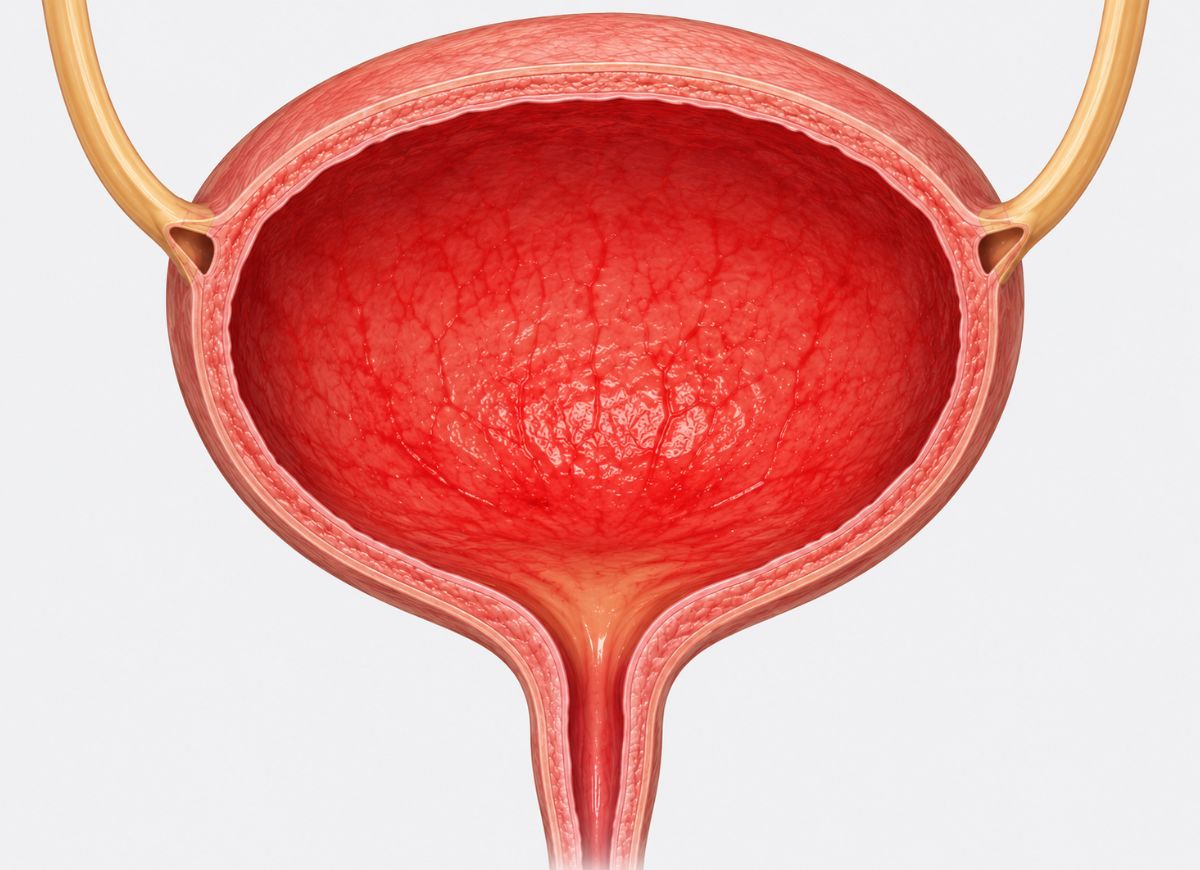
Acute cystitis ranks among the most frequently diagnosed urinary tract infections (UTIs), impacting countless people annually. While anyone can develop this condition, women face a considerably higher risk because of differences in anatomy. Research indicates that over half of all women will deal with at least one urinary tract infection at some point in their lives, and acute cystitis makes up a substantial share of these cases. That said, men, older individuals, and children aren’t immune—certain risk factors can make them susceptible too.
This condition arises when bacteria invade the bladder and cause inflammation. Symptoms can appear rapidly, sometimes within hours of the infection taking hold. Most cases are mild and clear up with proper treatment, but brushing off the warning signs can allow the infection to intensify or travel to the kidneys, raising the chances of more serious health issues.
Part of what makes acute cystitis tricky to catch is that its early symptoms can feel minor. A mild stinging sensation while urinating, a more frequent urge to use the bathroom, or slight pelvic discomfort might be mistaken for a passing irritation. Yet these subtle clues often point to an infection already underway. Catching them early gives you a better shot at treating the problem before it escalates.
Fortunately, acute cystitis responds well to treatment when caught in time, and most people notice quick improvement once the infection is addressed. The real challenge is learning which symptoms warrant concern versus which shifts in bathroom habits are simply temporary annoyances.
Getting familiar with the typical warning signs empowers you to act faster, ease discomfort, and cut down the risk of complications. Below, we break down 11 common symptoms of acute cystitis that deserve your attention—some obvious, others easy to dismiss. Knowing what to watch for can help safeguard your urinary health and signal when it’s time to consult a doctor.
11 Key Symptoms of Acute Cystitis
Urgency and Frequency
Bacterial inflammation—often from organisms like E. coli—makes the bladder wall overly sensitive. This triggers a sudden, powerful urge to urinate (urgency). Because the irritated bladder sends “empty me” signals to the brain well before it’s actually full, you end up needing the bathroom far more often (frequency), even though each trip only produces a small amount of urine. This pattern can seriously interfere with sleep, work, and everyday routines.
Dysuria (Painful Urination)
This is perhaps the most recognizable cystitis symptom. It’s typically felt as a sharp, burning, or stinging pain as urine flows through the inflamed urethra. The discomfort comes from acidic urine passing over tissue that’s already raw and irritated.
Changes in Urine Appearance and Smell
Normally, urine is clear to pale yellow with a faint smell. Once bacteria take hold in the bladder, they release byproducts and provoke an immune reaction, which can make urine look cloudy or milky—a sign of pus (white blood cells battling the infection) mixed with bacteria. Urine may also darken to a cola or reddish-pink hue if blood is present. In addition, bacteria can convert urea into ammonia, producing a strong, unusual, or even sickly-sweet odor.
Hematuria (Blood in Urine)
Though it can be frightening to see, blood in the urine is a fairly common feature of bladder infections. Inflammation weakens small blood vessels lining the bladder, causing them to leak or rupture. This bleeding may be so slight it’s only detectable under a microscope, or noticeable enough to tint urine pink, red, or brown.
Pelvic Pressure or Suprapubic Pain
This shows up as a dull, ongoing ache or heaviness centered just above the pubic bone. It results directly from the swelling of the inflamed bladder wall, which presses against nearby pelvic tissue. The sensation tends to be persistent and often intensifies as the bladder fills. A warm heating pad applied to the area can help relax the bladder muscles and ease this discomfort.
Abdominal Cramping
Much like menstrual cramps, bladder infections can cause lower abdominal cramping as the detrusor muscle (the bladder’s main muscle) becomes irritated and prone to spasms. These involuntary contractions—essentially the body’s attempt to expel the bacteria-tainted urine—can produce sharp or dull cramps that often worsen right before or during urination.
Malaise
This refers to an overall sense of feeling unwell, run-down, or fatigued. Even though the infection is localized to the bladder, the immune system mounts a body-wide response, releasing inflammatory compounds called cytokines. These chemicals can leave you feeling tired, achy, and generally unwell—similar to flu symptoms—as your body redirects energy toward fighting the infection.
High Fever
A body temperature exceeding 101°F (38.3°C) suggests the infection may have progressed beyond the bladder. Because kidneys have a rich blood supply, an infection there sets off a powerful, systemic immune reaction that drives temperatures up significantly.
Shaking and Chills (Rigors)
Uncontrollable shivering paired with an intense feeling of cold is a telltale sign of a more serious infection, such as a kidney infection (pyelonephritis). These episodes occur as the body works to quickly raise its internal temperature to combat a widespread infection.
Flank Pain
A classic marker of kidney infection, flank pain presents as a deep ache in the upper back or side, just under the ribs. It’s usually confined to the side of the affected kidney and often tender when touched—quite different from the lower, more central pressure felt with a bladder infection.
Nausea and Vomiting
When an infection becomes systemic, it can disrupt digestion, leading to nausea and sometimes vomiting. This reflects how seriously the body is reacting to the spreading infection.
What Causes Acute Cystitis?
The leading cause of acute cystitis is bacterial infection, with most cases traced back to bacteria originating in the gut. While other triggers—like chemical irritants or certain medical conditions—can inflame the bladder, infection remains by far the most frequent culprit.
Typically, bacteria from the bowel or vaginal region make their way into the urethra and travel upward into the bladder, which is normally free of bacteria. Once there, they attach to the bladder lining and multiply, sparking the inflammation responsible for cystitis symptoms.
The Leading Bacterial Culprit
Escherichia coli (E. coli) is behind roughly 80-90% of uncomplicated bladder infections, making it the most common bacterial cause of acute cystitis. E. coli normally lives harmlessly in the gut, but once it reaches the urinary system, it becomes disease-causing and can spark a significant infection. Understanding how E. coli travels from the digestive tract to the bladder helps explain most cystitis cases.
The infection process generally unfolds step by step. E. coli is naturally present in feces, and given how close the anus, vagina, and urethra are in women, these bacteria can easily spread to the skin near the urethral opening. Habits like wiping back to front after using the toilet can push bacteria closer to the urethra.
From there, E. coli can settle at the urethral opening. Some strains have tiny hair-like structures called pili or fimbriae that let them cling tightly to the cells lining the urethra, making it hard for urine flow to wash them away.
The bacteria can then climb into the bladder, a process that sexual activity can accelerate by pushing bacteria upward, or that can be worsened by anything blocking normal urine flow. Once inside the bladder, bacteria encounter a warm, nutrient-dense environment—urine—perfect for rapid growth.
Disease-causing E. coli strains are particularly skilled at attaching to and invading the bladder’s inner lining (urothelium). This provokes a strong immune reaction, as white blood cells flood the area, causing the swelling, redness, and irritation behind cystitis symptoms like urgency, frequent urination, and pain.
Why Women Face Higher Risk
Women are far more likely than men to develop acute cystitis, largely due to anatomical differences in the urinary tract. An estimated 50-60% of women will have at least one UTI during their life, with many experiencing repeat infections—their overall risk is roughly 30 times greater than men’s. This isn’t a matter of hygiene or behavior; it’s simply a consequence of anatomy that gives bacteria a shorter, more direct path to the bladder.
Several biological factors drive this increased vulnerability. Urethral length is the biggest one: women’s urethras measure only about 1.5 to 2 inches (4 cm), compared to roughly 8 inches (20 cm) in men. This dramatically shorter distance gives bacteria from the perianal region a much quicker path to the bladder.
Additionally, the female urethral opening sits close to both the vagina and anus—two natural bacterial hotspots, especially for E. coli. This proximity makes bacterial transfer easy, whether through wiping or sexual activity.
Sex is a well-known trigger for cystitis in women, sometimes called “honeymoon cystitis.” Intercourse can physically introduce bacteria from the vaginal and perineal areas into the urethra, and friction can push these bacteria further along. Urinating shortly after sex helps flush bacteria out before they can multiply.
Menopause also plays a role. Declining estrogen levels cause thinning and drying of urethral and vaginal tissue (atrophic vaginitis) and shift the vaginal microbiome, reducing protective Lactobacillus bacteria. This creates a less acidic environment where E. coli and other pathogens can flourish.
How Acute Cystitis Is Diagnosed
Diagnosing acute cystitis starts with a careful review of symptoms and medical history. Providers typically ask about classic indicators—painful urination, urgency, frequency—to form an initial impression, followed by a physical exam that may include pressing on the lower abdomen to check for tenderness. However, lab testing of a urine sample is what confirms the diagnosis.
Urinalysis is the first-line test, offering quick insight into the urine’s condition. Using a dipstick or microscopic examination, it checks for white blood cells (a sign the immune system is fighting infection), nitrites (produced when bacteria like E. coli break down nitrates, strongly suggesting bacterial infection), and red blood cells (indicating bladder inflammation).
To pinpoint the exact bacteria involved, doctors often order a urine culture, growing the sample in a lab setting to confirm infection and identify the specific strain. This also enables sensitivity testing, which reveals which antibiotics will work best against that particular bacteria—guiding more precise treatment.
Managing Acute Cystitis
Treatment for acute cystitis usually combines antibiotics to clear the bacterial infection with home care to ease symptoms and support recovery. Since bacteria cause the vast majority of bladder infections, antibiotics remain essential for a cure—self-care alone can’t eliminate the underlying bacteria. Your provider will choose the right antibiotic and treatment length based on the likely bacterial strain, local resistance trends, and your overall health.
Standard Medical Treatment
A short course of oral antibiotics is the standard treatment for an uncomplicated bladder infection. The aim is to wipe out the bacteria, resolve symptoms, and prevent the infection from reaching the kidneys. Most people feel noticeably better within one to three days of starting antibiotics. It’s important to finish the entire prescribed course, even after symptoms fade, to fully clear the bacteria and avoid recurrence or antibiotic resistance.
Diagnosis typically begins with a symptom review, followed by urinalysis and urine culture to confirm the infection and identify the bacteria involved, along with which antibiotics will work best.
For a straightforward case in an otherwise healthy woman, doctors commonly prescribe antibiotics known to be effective against E. coli, usually for 3 to 7 days. Men, pregnant women, or those with more complex infections (such as catheter use or other health conditions) may need a longer course of 7 to 14 days.
Doctors may also suggest over-the-counter pain relief. For severe burning during urination, a short-term urinary analgesic might be prescribed to numb the bladder and urethra lining—though this only manages pain and doesn’t treat the infection itself. Note that this medication turns urine a bright orange-red color.
Home Remedies for Symptom Relief
While they can’t cure a bacterial infection on their own, several home strategies can ease discomfort while antibiotics do the real work:
Drinking plenty of water dilutes urine, easing the stinging sensation during urination, and encourages more frequent bathroom trips—each one helping flush bacteria out of the system. Aim for urine that’s pale yellow and clear.
A warm heating pad or hot water bottle on the lower abdomen or back can relieve pelvic pressure, cramping, and lower back discomfort by relaxing bladder muscles. Use a low-to-medium setting and place a cloth between the pad and skin to avoid burns.
Certain foods and drinks can aggravate an already inflamed bladder. During an active infection, it helps to steer clear of caffeine (coffee, black tea, soda), alcohol, spicy foods, acidic items (citrus, tomatoes), and artificial sweeteners.
Don’t hold urine in—doing so gives bacteria more time to multiply. Go as soon as you feel the urge, and make sure to fully empty your bladder each time. For women, wiping front to back after using the bathroom helps prevent bacteria from migrating from the anus to the urethra.
When to Seek Medical Help
It’s almost always worth seeing a doctor for acute cystitis symptoms—especially for a first-time infection, or if you’re male, pregnant, postmenopausal, or experiencing severe or persistent symptoms. Bladder infections might seem minor, but self-diagnosing and self-treating carries real risks.
A proper medical evaluation confirms whether symptoms stem from a bacterial infection rather than something else with overlapping symptoms, like a sexually transmitted infection or interstitial cystitis. Only a doctor can prescribe the antibiotics needed to cure the infection and prevent it from progressing to the kidneys.
Why You Shouldn’t Skip the Doctor
Delaying treatment can lead to serious complications. An untreated bladder infection can spread to the kidneys, causing pyelonephritis—a condition that can result in lasting kidney damage or, in severe cases, a life-threatening blood infection (sepsis). Seeing a healthcare provider ensures accurate diagnosis and appropriate treatment.
Bladder infection symptoms can overlap with other conditions, including urethritis, vaginitis, and STIs like chlamydia or gonorrhea. Testing helps confirm a bacterial infection and rule out these alternatives.
Growing antibiotic resistance is another reason to consult a doctor—a urine culture helps identify which antibiotic will actually work against your specific bacterial strain, since using the wrong one can fail to clear the infection and fuel broader resistance issues.
Certain groups need prompt evaluation: UTIs are uncommon in men and often point to an underlying issue like an enlarged prostate or kidney stones. UTIs during pregnancy raise the risk of premature labor and low birth weight. Children and older adults are more vulnerable to complications and may show less typical symptoms. If infections keep recurring, a doctor can help uncover the cause and develop a prevention plan, potentially including low-dose preventive antibiotics.
Warning Signs of a Kidney Infection
Symptoms pointing to a more serious kidney infection (pyelonephritis) include a high fever (above 101°F/38.3°C), chills and shaking, severe flank pain, nausea, and vomiting. These red flags suggest bacteria have traveled from the bladder through the ureters into one or both kidneys—a condition requiring immediate treatment to avoid complications like kidney scarring, high blood pressure, or sepsis.
It’s important to tell these apart from simple bladder infection symptoms. Unlike the mild fever sometimes seen with cystitis, a kidney infection triggers a powerful, body-wide immune response, driving temperatures higher and often bringing intense chills alongside the fever.
Flank pain is the hallmark symptom—a deep, persistent ache in the upper back on one or both sides, just below the ribs, often tender to the touch. This differs clearly from the lower pelvic pressure typical of bladder infections, and the pain may radiate toward the groin.
The intensity of a kidney infection can also disrupt digestion, causing nausea and difficulty keeping food or fluids down, sometimes leading to dehydration severe enough to require hospitalization for IV fluids and antibiotics.
While fatigue can accompany a bladder infection, it’s usually far more pronounced with a kidney infection—potentially leaving you too weak to manage daily tasks. Any combination of fever, flank pain, and urinary symptoms warrants immediate medical attention.
Acute Cystitis Compared to Other Urinary Conditions
Acute Cystitis vs. Interstitial Cystitis
Both conditions involve bladder inflammation and share symptoms like urgency and frequency, but they differ fundamentally: acute cystitis is infection-driven, while interstitial cystitis is a chronic, non-infectious pain condition.
Acute cystitis stems from bacterial infection—usually E. coli—causing sudden symptoms that resolve with antibiotics. Interstitial cystitis (IC), also called bladder pain syndrome, has no known infectious origin and is thought to relate to issues like bladder lining defects, autoimmune responses, or nerve dysfunction, leading to long-term discomfort.
Acute cystitis symptoms are sharp but short-lived, typically resolving within days to a week with treatment. IC symptoms are chronic, fluctuating over months or years, often marked by pelvic pain that worsens as the bladder fills and eases after urination—a pattern less typical of acute cystitis.
Diagnosis differs too: acute cystitis is confirmed through positive urinalysis and culture results, while IC shows no signs of infection and is diagnosed by ruling out other conditions. Treatment reflects this difference—antibiotics for cystitis versus a broader, long-term approach for IC involving dietary adjustments, physical therapy, stress management, and pain-focused medications.
Acute Cystitis vs. Kidney Infection
The difference between bladder and kidney infections comes down to location and severity, reflecting how far the infection has spread. Cystitis stays confined to the bladder with localized symptoms, while pyelonephritis occurs when bacteria reach one or both kidneys, producing systemic effects.
Bladder infection symptoms center on the pelvic region: urgency, painful urination, frequent small urinations, lower abdominal pressure or cramping, and cloudy, strong-smelling, or bloody urine.
Kidney infections include these same symptoms but add body-wide signs: high fever, chills, nausea, vomiting, and notably, severe flank pain on the side of the affected kidney.
This distinction matters because while a bladder infection is uncomfortable, a kidney infection is a medical emergency requiring immediate attention and aggressive treatment to prevent sepsis or lasting kidney damage.
Preventing Acute Cystitis
Prevention centers on hygiene and lifestyle habits that limit bacterial entry and growth in the urinary tract. While not every infection is avoidable, these strategies can meaningfully lower your risk, particularly if you’re prone to recurrent UTIs:
Drink plenty of water throughout the day—this dilutes urine and increases urination frequency, mechanically flushing out bacteria before they can establish an infection.
Urinate when you feel the urge rather than holding it, since stagnant urine creates a breeding ground for bacteria. Urinating shortly after sex is also key to clearing out any bacteria pushed into the urethra during activity.
Women should wipe front to back after using the bathroom, directing bacteria away from the urethral opening and reducing the chance of E. coli migrating from the anal area.
Avoid irritating products like douches, scented feminine sprays, powders, and harsh soaps in the genital area, as these can increase vulnerability to infection. Bubble baths may also cause irritation for some.
Certain birth control methods, like diaphragms or spermicide-coated condoms, have been linked to higher UTI risk. If you experience recurrent infections, it’s worth discussing alternative options with your doctor.
Frequently Asked Questions
1. Is acute cystitis the same as a UTI?
Acute cystitis is a type of UTI, but the terms aren’t perfectly interchangeable. UTI is a broad category covering infections anywhere in the urinary system—kidneys, ureters, bladder, or urethra. Acute cystitis specifically refers to a bladder infection, the most common form of UTI, which is why the terms often get used interchangeably even though cystitis is technically just one subtype.
2. What’s the fastest way to get rid of a bladder infection naturally?
There’s no proven natural cure for a bacterial bladder infection. Drinking water, resting, avoiding alcohol and caffeine, and using a heating pad can ease discomfort while your body fights the infection. Cranberry products are sometimes used too, though research on their effectiveness is mixed. If symptoms are severe or persist, medical treatment—usually antibiotics—is often necessary.
3. Can drinking water flush out a UTI?
Increased water intake can help by boosting urine production and diluting urine, which may ease burning sensations and help clear some bacteria. However, water alone often can’t eliminate an active infection once bacteria have multiplied significantly. Staying hydrated supports recovery but shouldn’t replace medical care for persistent or severe symptoms.
4. What’s the main cause of acute cystitis?
Bacterial infection—most often from E. coli—is the leading cause. These bacteria normally reside in the intestines but can travel to the urinary tract and multiply in the bladder. Other risk factors include sexual activity, hygiene practices, urinary tract abnormalities, menopause, catheter use, and weakened immunity. Women are more susceptible due to their shorter urethra.
5. Is acute cystitis life-threatening?
Generally, no—most cases resolve well with prompt treatment. However, ignoring it can allow the infection to spread to the kidneys, causing pyelonephritis. In rare instances, particularly among older adults or those with weakened immune systems, bacteria can enter the bloodstream and cause a dangerous systemic infection. Early treatment greatly reduces this risk.
6. What foods should I avoid with cystitis?
Bladder irritants to limit during recovery include coffee, tea, energy drinks, alcohol, carbonated drinks, spicy foods, tomatoes, citrus fruits, and artificial sweeteners. These don’t cause the infection but can worsen discomfort and urgency.
7. When should I be concerned about cystitis?
Seek medical attention if symptoms are severe, don’t improve within a few days, or keep recurring. Warning signs include fever, chills, nausea, vomiting, back or side pain, visible blood in urine, or trouble urinating—these may signal the infection has spread or another condition is at play. Pregnant women, older adults, and those with diabetes should be especially cautious.
8. What happens if cystitis goes untreated?
Left untreated, the infection can spread to the kidneys, leading to a more serious infection that may require intensive treatment and, in rare cases, cause lasting kidney damage. Recurring or untreated infections can also diminish quality of life through ongoing discomfort. Early treatment helps prevent these outcomes and supports faster recovery.
Final Thoughts
Acute cystitis is a widespread condition that can cause real discomfort, but catching the symptoms early makes a meaningful difference. Frequent urination, burning sensations, pelvic discomfort, cloudy urine, and other changes shouldn’t be ignored—especially when they appear suddenly or intensify.
Most cases are mild and treat easily, but putting off care raises the risk of complications, including kidney infections. Staying alert to your body’s signals and seeking medical guidance when needed can lead to faster recovery and better long-term urinary health. If several of these symptoms sound familiar, reach out to a healthcare professional for evaluation.