
Deep Vein Thrombosis (DVT): Blood Clot Symptoms in Leg You Should Know
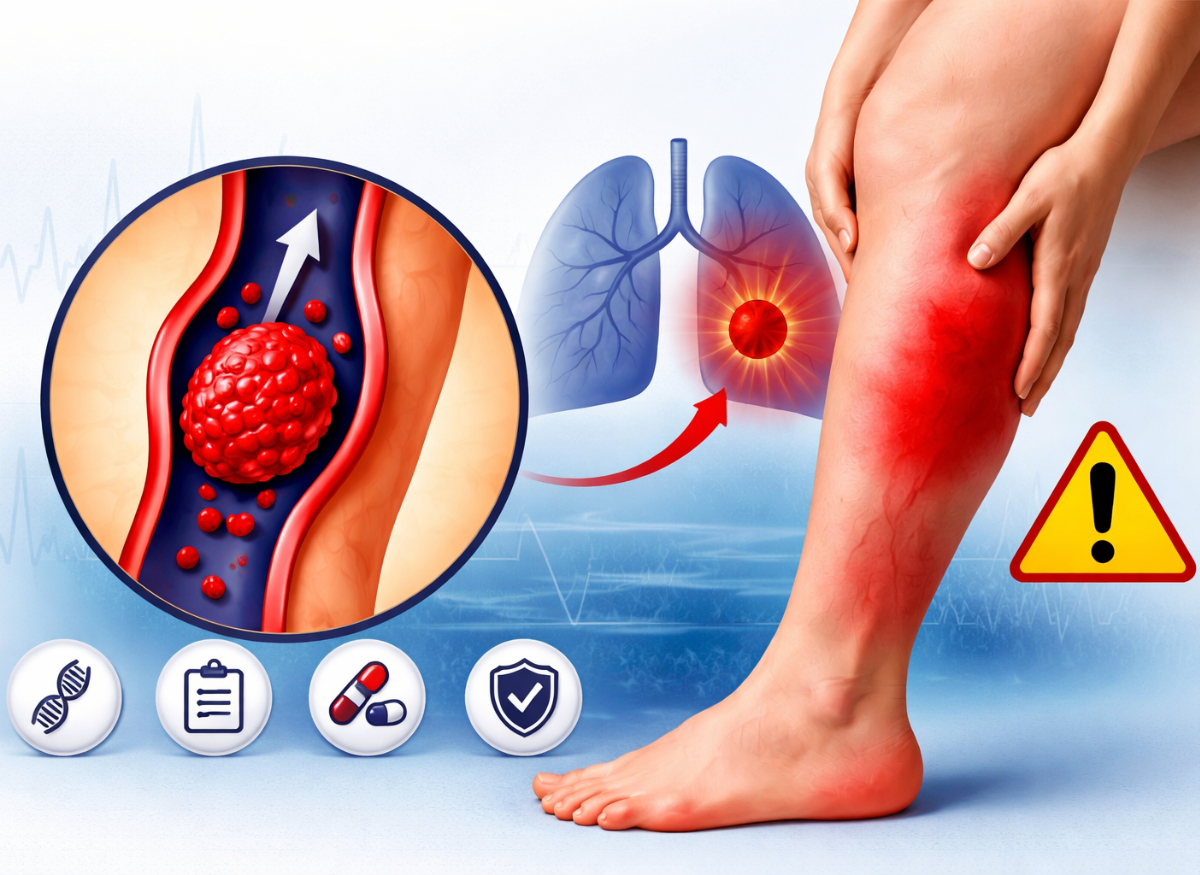
A blood clot in the leg is a condition that can easily be overlooked, especially when the first symptoms seem mild. Medically, this condition is called deep vein thrombosis (DVT). In some cases, it develops with only subtle symptoms that may not immediately seem concerning.
Some people initially notice mild swelling, tightness, or discomfort in one leg and assume it is caused by muscle strain, exercise, or tiredness. These early stage blood clot in leg symptoms can be easy to dismiss, which may delay diagnosis and treatment.
Knowing the possible blood clot symptoms in leg areas such as the calf, thigh, or foot is important. If a clot is left untreated, it can sometimes break away and travel through the bloodstream to the lungs. This can cause a potentially life-threatening condition known as pulmonary embolism.
This guide explains common DVT symptoms, possible causes and risk factors, how blood clots in legs are diagnosed and treated, and practical ways to reduce your risk. The goal is to help you recognize concerning symptoms and understand when medical attention is needed.
What Is Deep Vein Thrombosis (DVT)?
Deep vein thrombosis (DVT) occurs when a blood clot develops inside a deep vein, most commonly in the leg. This is why the condition is often described as a blood clot in leg or blood clot leg. The clot can interfere with normal blood circulation and may cause swelling, pain, or other changes in the affected leg.
DVT is the common dvt medical abbreviation used for deep vein thrombosis. It is part of a broader group of conditions known as thrombosis, which refers to a blood clot forming inside a blood vessel. While not every blood clot causes serious problems, clots in deep veins can require prompt medical attention.
Deep vein thrombosis dvt can be particularly serious because a clot may break loose and travel through the bloodstream. If it reaches the lungs, it can cause a pulmonary embolism. This is one of the main reasons early recognition and treatment are so important.
Where Can Blood Clots Occur in the Leg?
Blood clots can develop in different areas of the leg. The calf is one of the most common locations, which is why people often refer to a blood clot in calf. Although a clot may initially be small, it can become larger if it is not identified and treated.
A blood clot in thigh can be particularly concerning because the thigh contains larger veins. A clot in this area may have a greater potential to travel through the bloodstream and cause complications.
Although less common, a blood clot in foot may also occur. Localized swelling or discomfort can develop in the affected area and should be evaluated by a healthcare professional. Overall, blood clots in legs can vary in seriousness depending on their location, size, and the person’s overall health.
Why Deep Vein Thrombosis Is Dangerous
Deep vein thrombosis can become dangerous when the clot breaks free and travels to the lungs. This can result in a pulmonary embolism, which may block blood flow in the lungs and interfere with normal oxygen circulation.
DVT can also lead to a long-term complication called post-thrombotic syndrome. This may cause ongoing swelling, pain, skin discoloration, and other changes in the affected leg. These symptoms can interfere with mobility and everyday activities.
Recognizing blood clot symptoms early and receiving appropriate treatment can help lower the risk of serious complications. Timely care for deep vein thrombosis dvt is important for both short-term safety and long-term recovery.
Blood Clot Symptoms in Leg (DVT Symptoms)
Common Blood Clot Symptoms
Blood clot symptoms in leg areas often affect one leg rather than both. This difference can be an important clue, although symptoms alone cannot confirm DVT. Symptoms may appear gradually or develop more suddenly.
Common leg blood clot symptoms include:
- Swelling in one leg
- Pain, tenderness, or cramping, particularly in the calf
- Increased warmth in the affected area
- Redness or changes in skin color
These blood clot symptoms should be taken seriously, particularly when they are new, persistent, or becoming worse.
Early Stage Blood Clot Symptoms in Leg
Early stage blood clot symptoms in leg cases may be relatively subtle. Because mild discomfort can resemble muscle soreness, tiredness, or a minor injury, some people may not recognize the possibility of a blood clot.
Typical early stage dvt symptoms leg may include:
- Mild swelling
- Slight pain or tightness
- A heavy or unusual feeling in the leg
- Discomfort while walking or standing
Being aware of these early stage blood clot symptoms in leg areas can encourage people to seek medical evaluation before the condition becomes more serious.
Signs of a Blood Clot in Leg
As a blood clot develops, signs of a blood clot in leg areas may become easier to notice. Some changes can be seen on the skin, while others may be experienced as pain or discomfort.
Common signs of blood clot in leg include:
- More visible or enlarged veins
- Ongoing pain when standing or walking
- Changes in skin color
- Increasing swelling
These signs of dvt can occur with other conditions as well, so medical evaluation is needed to determine the actual cause.
DVT Signs and Symptoms
Dvt signs and symptoms are not identical for everyone. Some people may have noticeable symptoms, while others may have very few or no obvious signs.
Common deep vein thrombosis symptoms include:
- Pain and swelling in one leg
- Warmth or redness around the affected area
- Symptoms of blood clot in leg that appear to move upward
- Increasing discomfort over time
Understanding symptoms of dvt can help people recognize when they should seek medical attention.
Causes of Deep Vein Thrombosis
DVT can develop when blood flow becomes slower than normal or when other factors make clot formation more likely. Long periods of inactivity, such as staying in bed or sitting for extended periods, can reduce circulation and allow blood to collect in the veins.
Damage to a blood vessel can also contribute to thrombosis. When a vein is injured, the body’s natural response may involve forming a clot as part of the healing process.
Certain medical conditions can also increase the tendency for blood to clot. These may include inherited clotting conditions or other health problems that affect normal blood circulation. When several risk factors occur together, the likelihood of developing dvt may increase.
Risk Factors for Blood Clots in Legs
Certain health conditions, medications, and lifestyle factors can raise the risk of blood clots in legs. Knowing your risk factors can help you take appropriate preventive measures.
Common risk factors include:
- Previous dvt or certain heart conditions
- Obesity
- Pregnancy
- Smoking
- Hormonal medications
Extended periods of sitting, including during long-distance travel, can also increase the risk of blood clot in leg formation because of reduced movement and circulation.
Diagnosis of DVT
Diagnosing deep vein thrombosis (DVT) involves looking at symptoms, medical history, risk factors, and appropriate medical tests. Blood clot symptoms in leg areas such as swelling or calf pain can have several possible causes, so doctors use a structured process to determine whether DVT is present.
A healthcare professional will usually begin by asking about your medical history and possible risk factors. This may include recent surgery, long periods of travel, pregnancy, previous blood clots in legs, or other relevant health conditions. The doctor may also ask about leg blood clot symptoms, including when they started and whether they have changed over time.
During a physical examination, the healthcare provider may look for signs of a blood clot in leg, such as swelling, warmth, redness, or tenderness. However, these findings by themselves cannot confirm dvt symptoms or establish a diagnosis.
Clinical Assessment and Risk Scoring
Doctors may use a clinical assessment tool called the Wells Score to estimate how likely DVT may be. The scoring system considers factors such as symptoms, physical findings, and medical history.
For instance, someone with several risk factors and clear signs of blood clot in leg may require further testing. People with less typical symptoms may also need testing to safely rule out DVT. This approach helps healthcare providers decide which diagnostic tests are appropriate.
Ultrasound Imaging (Primary Test)
Ultrasound is commonly used to diagnose DVT. It uses sound waves to examine blood flow through the veins and can help identify a blockage caused by a blood clot in leg.
One method is compression ultrasound, where gentle pressure is applied to the vein. A healthy vein normally compresses under pressure, while a vein containing a clot may not compress as expected.
Ultrasound is non-invasive and does not require an incision. It is widely used when dvt signs and symptoms suggest that a blood clot may be present.
D-dimer Blood Test
A D-dimer test measures a substance produced when blood clots are broken down in the body. The test can be useful when a person has symptoms but the likelihood of DVT is not clear.
However, an elevated D-dimer level does not automatically mean someone has DVT. Levels can rise for other reasons, including infection, pregnancy, or recent surgery. Therefore, doctors generally interpret the result together with the person’s symptoms and other findings.
A normal D-dimer result can make DVT less likely in appropriate patients. If the result is elevated, additional testing, such as an ultrasound, may be needed to determine whether deep vein thrombosis dvt is present.
Venography (Rarely Used)
Venography is an imaging procedure in which contrast dye is injected into a vein before X-ray images are taken. It can provide a detailed view of blood flow and help identify a blood clot leg.
This test is rarely used today because ultrasound is generally easier and less invasive. Venography may be considered in certain complicated or uncertain cases. Because it involves contrast dye and an invasive procedure, it can carry additional risks.
Additional Imaging (In Special Cases)
In certain situations, doctors may use CT or MRI imaging to examine blood vessels more closely. These tests can be useful when a clot is suspected in an area that is difficult to evaluate with standard ultrasound.
Additional imaging may also be needed when doctors are concerned about complications such as pulmonary embolism. However, CT and MRI are not usually the first tests used for routine DVT diagnosis.
Why Early Diagnosis Matters
Early diagnosis of DVT is important because untreated clots may grow or break away and travel through the bloodstream. One of the most serious complications is pulmonary embolism, which can be life-threatening.
Recognizing early stage blood clot symptoms in leg and seeking medical evaluation promptly can allow treatment to begin sooner. Early care may reduce the risk of serious complications and long-term problems.
Understanding how DVT is diagnosed can also make the process less confusing. If you develop persistent symptoms of blood clot in leg, getting evaluated rather than waiting for symptoms to disappear can be important.
Treatment Options for Deep Vein Thrombosis
Treatment for deep vein thrombosis (DVT) is designed to prevent the clot from becoming larger and reduce the risk of it traveling to another part of the body. The main focus is preventing complications while allowing the body to gradually break down the existing clot. Treatment generally begins once blood clot symptoms in leg have been evaluated and DVT has been confirmed.
Anticoagulant medicines, commonly called blood thinners, are the main treatment for many people with DVT. These medicines do not directly dissolve an existing clot. Instead, they reduce the blood’s ability to form additional clots and help prevent the existing clot from growing.
Anticoagulant Medications (First-Line Treatment)
Anticoagulants are commonly used to treat deep vein thrombosis dvt. Depending on the individual situation, treatment may continue for several months or longer.
Common anticoagulant medications include:
- Heparin, which may be used at the beginning of treatment in certain situations
- Warfarin, which requires regular blood testing and monitoring
- Direct oral anticoagulants (DOACs), including medicines such as apixaban or rivaroxaban
These medications can be effective for managing blood clots in legs, but they can also increase the risk of bleeding. They should therefore be taken exactly as prescribed and monitored according to medical advice.
Thrombolytic Therapy (For Severe Cases)
Thrombolytic medicines work by actively breaking down blood clots. They are generally reserved for selected severe cases because they can cause significant bleeding.
This treatment is usually provided in a hospital or specialized medical setting. Doctors consider factors such as the size and location of the clot, the severity of symptoms, and the person’s overall risk before using this approach.
Compression Stockings
Compression stockings may sometimes be recommended to help manage swelling and discomfort after DVT. They apply controlled pressure to the legs and can support blood flow.
For some people, compression stockings may also help reduce the risk of post-thrombotic symptoms. They can be particularly useful when leg blood clot symptoms such as swelling continue after treatment.
Surgical and Interventional Procedures
Some patients may require a procedure if medication is not suitable or if the clot is particularly serious. These treatments are less common and are generally considered in specific circumstances.
Possible procedures include:
- Thrombectomy, which involves removing the clot
- An inferior vena cava (IVC) filter, which can help prevent certain clots from reaching the lungs
These treatments may be considered in carefully selected situations involving severe thrombosis or a high risk of complications.
Lifestyle and Home Care During Treatment
Medical treatment is the main part of DVT management, but healthy daily habits can also support recovery. Unless a healthcare professional advises otherwise, avoiding unnecessary periods of inactivity can help maintain circulation.
Helpful practices may include:
- Elevating the affected leg when appropriate
- Drinking adequate fluids
- Following medication instructions carefully
- Staying gently active as recommended by your healthcare provider
These measures can support recovery and help manage ongoing blood clot symptoms.
Prevention of Blood Clots in Legs
Some blood clots can be prevented by reducing known risk factors and maintaining regular movement. This is especially important for people who spend long periods sitting or who have medical conditions that increase their risk.
Regular physical activity helps keep blood moving through the veins. Even short periods of movement throughout the day can be useful for people who otherwise remain inactive for long periods.
Daily Habits That Reduce Risk
Simple changes to your everyday routine may help lower the risk of blood clots in legs.
Key prevention tips include:
- Move around every 1–2 hours, particularly during long periods of sitting
- Drink enough fluids to stay hydrated
- Exercise regularly, based on your health and ability
- Avoid staying seated or standing in one position for extended periods
These habits can support healthy circulation and reduce some factors associated with blood clot leg formation.
Prevention During Travel or Sitting Long Hours
Long-distance travel and extended desk work can reduce movement in the legs. Remaining seated for long periods can slow blood circulation and may increase the risk of DVT, particularly in people who already have other risk factors.
To help reduce this risk:
- Stretch your legs regularly
- Get up and walk around when it is safe and practical
- Flex and move your ankles and calves while seated
These simple movements can help maintain circulation during long periods of sitting.
Medical Prevention for High-Risk Individuals
People at particularly high risk may need additional preventive measures. This can include individuals with a previous history of dvt, recent surgery, or certain chronic medical conditions.
A doctor may recommend preventive anticoagulant medication for some high-risk patients. Compression stockings may also be considered depending on the person’s circumstances.
Complications of Untreated DVT
Untreated DVT can cause serious complications. One of the most dangerous is pulmonary embolism, which happens when a piece of the clot breaks away and travels to the lungs.
Symptoms of pulmonary embolism may include:
- Sudden shortness of breath
- Chest pain
- Rapid or irregular heartbeat
A suspected pulmonary embolism requires emergency medical attention because it can become life-threatening.
Post-Thrombotic Syndrome (PTS)
Post-thrombotic syndrome is another possible complication of DVT. It can develop when a blood clot damages the veins and affects normal blood flow in the affected leg.
Possible symptoms include:
- Long-lasting leg pain
- Ongoing swelling
- Changes in skin color
- Skin ulcers in more severe cases
These problems can persist for a long time and may interfere with daily activities and quality of life.
Chronic Venous Insufficiency
Chronic venous insufficiency occurs when the veins have difficulty returning blood from the legs to the heart. This can cause persistent swelling, discomfort, and other circulation-related symptoms.
The condition may occur after damage to the veins from blood clots in legs. Early evaluation and appropriate treatment of DVT may help reduce the risk of lasting complications.
Why Early Treatment Matters
Recognizing and treating DVT as early as possible is important because treatment can help prevent the clot from growing and reduce the chance of serious complications.
If you develop symptoms of blood clot in leg, especially sudden or unexplained swelling and pain in one leg, seek medical evaluation rather than assuming the symptoms are simply muscle soreness.
When to Seek Medical Help
Unusual symptoms affecting one leg should not be ignored, particularly when they appear suddenly or continue to worsen. Blood clot symptoms in leg areas can have several causes, but DVT needs to be considered when the symptoms fit the pattern.
Warning signs include:
- Sudden swelling in one leg
- Significant or worsening leg pain
- Shortness of breath
- Chest pain
Shortness of breath or chest pain occurring with a possible DVT can indicate a medical emergency and requires immediate medical attention.
Conclusion
A blood clot in the leg can be a serious medical condition, particularly when it is not recognized and treated promptly. Understanding blood clot symptoms in leg areas, including early stage dvt symptoms leg, can help people recognize concerning changes and seek appropriate care.
This guide has covered deep vein thrombosis dvt, including where clots can develop, possible causes and risk factors, diagnostic methods, treatment options, prevention, and potential complications. Knowing the signs of a blood clot in leg can help you respond appropriately when unusual symptoms occur.
If you notice new or unexplained symptoms, especially swelling, pain, warmth, or skin changes in one leg, speak with a healthcare professional. Getting evaluated early can help identify the cause and, when DVT is present, allow appropriate treatment to begin.
FAQs (Frequently Asked Questions)
1. What are the early stage blood clot symptoms in leg?
Early stage blood clot symptoms in leg may be subtle and can include mild swelling, slight pain, tightness, or an unusual feeling of heaviness in one leg. Because these early stage dvt symptoms leg can resemble muscle soreness or tiredness, some people may overlook them. Persistent or unexplained symptoms should be evaluated by a healthcare professional.
2. What are the most common blood clot symptoms in leg?
Common blood clot symptoms in leg include swelling, pain or tenderness, warmth, redness, and changes in skin color, usually affecting one leg. These leg blood clot symptoms can vary from person to person and may become more noticeable as the condition develops.
3. Is a blood clot in thigh more dangerous than in calf?
A blood clot in thigh can be particularly concerning because the thigh contains larger veins. Depending on its size and location, a clot may have a risk of traveling through the bloodstream and reaching the lungs. Both a blood clot in thigh and a blood clot in calf require appropriate medical evaluation.
4. Can deep vein thrombosis go away without treatment?
Although the body can gradually break down blood clots, suspected deep vein thrombosis should not be left untreated or managed without medical advice. DVT can lead to serious complications, including pulmonary embolism. Anyone experiencing concerning dvt symptoms or blood clot symptoms in leg should seek medical evaluation.
5. What causes blood clots in legs?
Blood clots in legs can develop when blood flow slows, a blood vessel is damaged, or the blood has an increased tendency to clot. Risk factors can include prolonged inactivity, surgery, injury, pregnancy, certain medications, smoking, obesity, and some underlying medical conditions. When several risk factors occur together, the likelihood of thrombosis may increase.