7 Enthesopathy Symptoms to Help You Understand Joint Pain
Joint pain ranks among the most widespread musculoskeletal issues people face, and it can seriously disrupt everyday movement, work, and overall quality of life. Most people assume that joint pain comes down to arthritis or an injury but there’s another condition that flies under the radar and deserves more attention: enthesopathy.
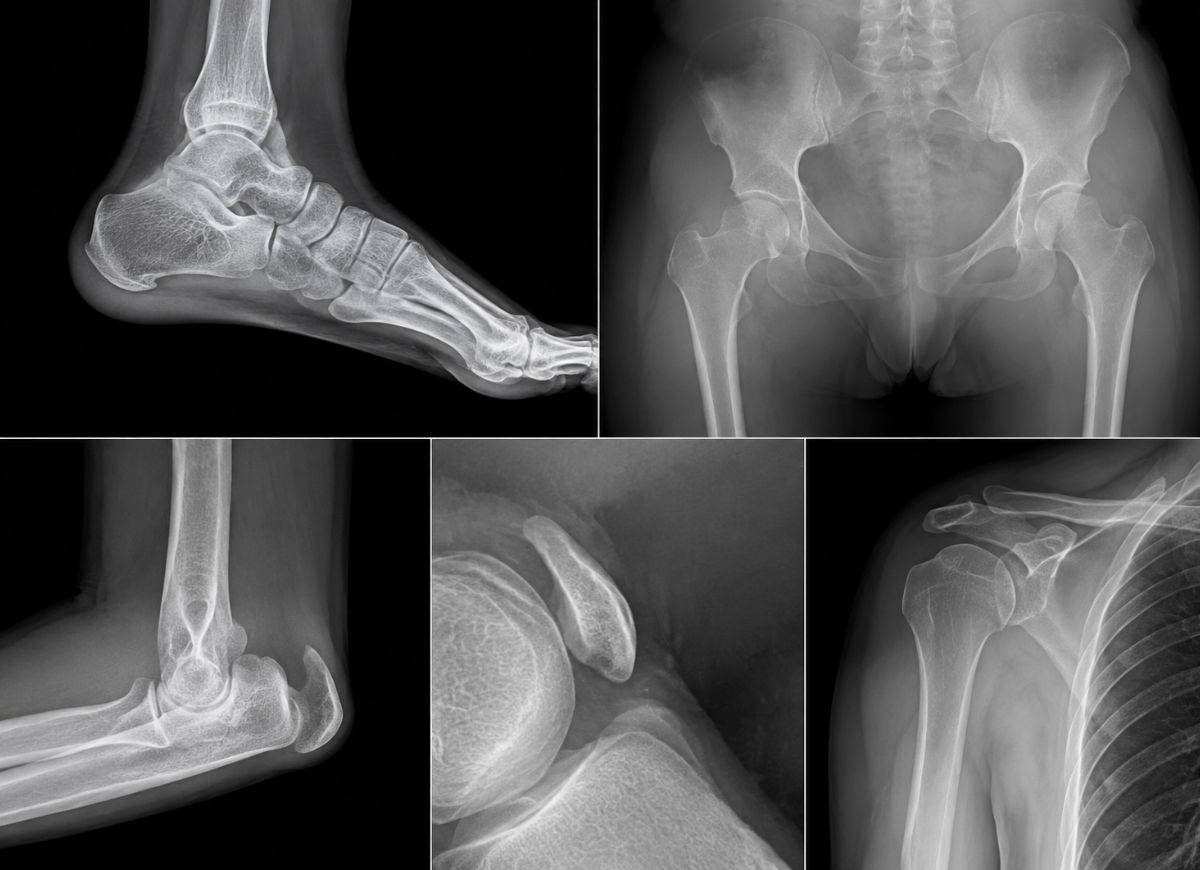
Enthesopathy is the umbrella term for problems affecting the entheses the specialized connective tissue zones where tendons and ligaments anchor into bone. These attachment sites are essential for movement and joint stability. When they become irritated, inflamed, or damaged, pain and stiffness follow in the nearby joint. Since entheses exist all over the body heels, knees, elbows, shoulders, spine enthesopathy is frequently misread as a different joint or soft-tissue problem.
Evidence shows enthesopathy is far from uncommon, especially among people with inflammatory diseases like psoriatic arthritis or ankylosing spondylitis. Some studies put the rate of enthesitis-related symptoms at roughly 30–50% among patients with certain inflammatory rheumatic conditions a sign of how often this issue drives chronic pain. Athletes, people with repetitive-strain injuries, and workers in physically demanding jobs also face elevated risk, simply because of the ongoing stress placed on their tendon and ligament attachments.
What makes enthesopathy tricky is that it tends to creep in slowly, with subtle early symptoms. People often notice pain near a joint, stiffness after resting, or discomfort that gets worse with movement. Left unaddressed, these symptoms can turn chronic and start limiting mobility and daily function.
Catching the early warning signs matters, because it opens the door to timely diagnosis and treatment. This article walks through seven key symptoms of enthesopathy so you can better understand what might be driving your joint pain and recognize when it’s time to see a doctor.
What is Enthesopathy and How Does It Relate to Joint Pain?
Enthesopathy describes inflammation, injury, or degeneration at the entheses the points where tendons and ligaments meet bone and it’s a direct cause of pain localized to that joint area. It’s often mistaken for arthritis, but the two are fundamentally different: enthesopathy originates at the soft-tissue-to-bone junction, not inside the joint’s cartilage or synovial fluid.
What Exactly Are The Entheses and What is Their Function?
Entheses are intricate anatomical structures where tendons, ligaments, and joint capsules insert into bone. Their job is to anchor these soft tissues firmly and transmit mechanical force from muscle to skeleton, making movement possible. They’re not basic connection points they’re finely engineered transition zones built for durability under load.
An enthesis exists mainly to spread out the stress generated by muscle contraction across a broader area of bone, rather than letting force pile up at one spot (which could otherwise cause tears or fractures). The design behind this is remarkably precise.
Fibrous entheses occur where a tendon or ligament attaches along the shaft of a long bone. Here, collagen fibers merge directly with the periosteum the tough membrane wrapping the bone creating a connection built to handle tension spread along the bone’s length.
Fibrocartilaginous entheses are both more common and more structurally complex, usually located near joints at the ends of long bones. These have a four-layer transition: dense connective tissue from the tendon or ligament, a layer of uncalcified fibrocartilage, a calcified fibrocartilage zone (the “tidemark”), and finally bone. This gradual shift in stiffness from pliable tendon to rigid bone acts like a built-in shock absorber, preventing stress from concentrating at the insertion. It’s this design that makes entheses so critical to smooth, powerful, and safe movement.
Enthesopathy Pain vs. Arthritis Pain
The key difference between enthesopathy and arthritis lies in where the pain sits and how it feels. Enthesopathy produces pain at specific, tender attachment points, while arthritis produces a deeper, more spread-out ache throughout the joint capsule. Both can bring stiffness and reduced function, but recognizing these distinctions helps get to the right diagnosis faster.
With enthesopathy, you can often point to the exact spot with one finger this is called “point tenderness.” Tennis elbow, for example, hurts right at the bony bump on the outer elbow. Achilles enthesopathy hurts precisely where the tendon meets the heel. Osteoarthritic knee pain, on the other hand, is usually described as a vague ache spread throughout or deep within the joint, without one clear pressure point.
Enthesopathy pain tends to be sharp or aching and flares up noticeably when the specific tendon or ligament is put under stress gripping something aggravates tennis elbow, and the first steps out of bed are brutal with plantar fasciitis. Arthritis pain, by contrast, is more often a steady, dull throb that can linger even at rest and often shifts with the weather.
Swelling shows up differently too. In enthesopathy, it stays localized right over the affected attachment point. In inflammatory arthritis like rheumatoid arthritis, the whole joint can swell, giving it a puffy, boggy look. And enthesopathy is a defining feature of a disease family called spondyloarthropathies, which can bring along extra symptoms inflammatory back pain, eye inflammation, psoriasis that osteoarthritis simply doesn’t cause.
7 Key Symptoms of Enthesopathy
Localized Tenderness at Insertion Points
This is arguably the clearest sign of enthesopathy. Rather than aching across the whole joint, the pain sits at one specific, identifiable spot where soft tissue meets bone a doctor can often trigger the exact pain by pressing firmly on that point.
Common examples: the back of the heel (Achilles enthesopathy), the sole near the heel (plantar fasciitis), the outer elbow bump (tennis elbow), or the base of the kneecap (jumper’s knee). This point tenderness is a major diagnostic clue.
Aching Pain That Worsens with Activity
Because an enthesis exists to transmit force, an inflamed or damaged one hurts whenever it’s put to work. Any motion that loads the affected tendon or ligament will intensify the pain.
For plantar fasciitis, that means agonizing first steps each morning as the fascia stretches. For tennis elbow, simple actions like lifting a carton of milk, shaking hands, or turning a screwdriver can spike the pain. It typically calms down with rest, then flares again once the activity resumes.
Stiffness, Especially in the Morning
Morning stiffness shows up in many joint conditions, but in enthesopathy it has its own signature localized to the affected spot, driven by overnight inflammation and fluid buildup.
It usually eases after a bit of gentle movement, as the tendon or ligament “warms up.” This same stiffness, sometimes called gelling, can also hit after long periods of stillness sitting through a movie or a long drive, for example.
Chronic, Dull Pain During Rest
Acute enthesopathy pain is closely tied to activity, but as the condition drags on, the pain can settle into more of a constant presence, driven by low-grade inflammation and gradual tissue breakdown. People often describe a dull, nagging ache in the background even when the joint isn’t being used and it can disrupt sleep and daily comfort.
Swelling and Warmth Around the Affected Area
These are classic inflammation signs. The body directs its inflammatory response right at the enthesis, boosting blood flow (warmth) and letting fluid seep into the surrounding tissue (swelling).
Unlike the widespread, firm swelling seen across an entire arthritic joint, enthesopathy swelling stays soft and confined to the tender spot for instance, a tender, swollen lump at the back of the heel with Achilles enthesopathy.
Reduced Range of Motion in the Joint
When an enthesis hurts, the joint’s function takes a hit too. Limited range of motion often works as the body’s protective response, avoiding movements that would trigger pain.
Someone with shoulder enthesopathy, for example, may struggle to lift their arm fully overhead. Left unaddressed, this can lead to muscles and ligaments tightening over time and scar tissue forming, causing a more lasting loss of flexibility.
Grating or Popping Sensation (Crepitus) During Movement
Crepitus is more often linked to osteoarthritis, where rough cartilage surfaces grind together but it can happen with enthesopathy too. Here, it comes from a thickened or irregular tendon moving over bone or nearby tissue, producing a clicking, popping, or grating sensation.
This symptom points to meaningful structural change at the enthesis and usually signals a more advanced or long-standing case the tendon’s normally smooth glide has been disrupted.
What Are the Primary Causes and Risk Factors for Enthesopathy?
Enthesopathy generally falls into two causal categories: mechanical factors repetitive overuse and acute injury and underlying systemic inflammatory disease, most notably the spondyloarthropathies.
Figuring out which category applies matters a lot, since it shapes the whole treatment path, from simple lifestyle tweaks to more involved immune-targeted therapy. Mechanical causes are much more common overall, while inflammatory causes point toward a more serious, chronic autoimmune condition.
Activities and Injuries
Mechanical enthesopathy usually stems from repetitive strain or overuse think tennis elbow or runner’s knee as well as sudden trauma like sprains or direct impacts that damage the tendon or ligament attachment.
Essentially a wear-and-tear injury, it develops when the load on an enthesis outpaces its ability to repair itself, resulting in micro-tears, inflammation, and gradual breakdown. This can affect anyone active or in a physically demanding line of work, regardless of age.
Many of these conditions are literally named after the sports that cause them, since they come from performing the same motion over and over. Examples: tennis elbow from repetitive wrist extension in racquet sports, golfer’s elbow from repetitive wrist flexion, jumper’s knee from repeated jumping in basketball or volleyball, and Achilles tendinopathy or plantar fasciitis from the repetitive pounding runners put on their feet.
It’s not just athletes, either. Carpenters swinging hammers, office workers typing with poor posture, and painters working overhead all face similar risk the mechanism is the same chronic overload on a particular attachment point.
A single traumatic incident can also trigger enthesopathy a sudden, forceful contraction (like lifting something too heavy), a direct blow (falling onto the elbow), or an ankle sprain that stretches and damages ligament insertions.
Poor technique, worn-out gear, muscle imbalances, or tight, inflexible tissue can all set someone up for mechanical enthesopathy by creating abnormal loading patterns that overstress specific entheses.
Underlying Medical Conditions
The most important medical link is a group of autoimmune diseases called spondyloarthropathies ankylosing spondylitis, psoriatic arthritis, reactive arthritis, and enteropathic arthritis tied to inflammatory bowel disease.
In these conditions, enthesitis isn’t wear-and-tear it’s a core disease feature, driven by an immune system mistakenly attacking the entheses. Its presence is often a strong clue pointing toward one of these systemic diseases.
Ankylosing spondylitis (AS) mainly targets the spine, inflaming the entheses where ligaments attach to vertebrae. Over time, this can trigger new bone formation that fuses vertebrae together, stiffening the spine. AS also commonly causes enthesitis at peripheral sites, especially the heel.
Psoriatic arthritis (PsA) affects a subset of people with psoriasis, and enthesitis is central to the disease, able to strike any enthesis in the body. It’s behind classic PsA signs like dactylitis a swollen, “sausage-like” finger or toe from combined tendon and joint inflammation. Heel pain is also very common with PsA.
Reactive arthritis follows an infection elsewhere in the body often the gut or genitourinary tract where the immune response cross-reacts with joint tissue, frequently causing enthesitis in the feet and ankles.
Enteropathic arthritis is linked to inflammatory bowel disease (Crohn’s or ulcerative colitis), where chronic gut inflammation is thought to spark an immune response that reaches the joints and entheses.
Beyond spondyloarthropathies, other conditions play a role too gout can deposit urate crystals at entheses and trigger intense inflammation, and certain medications or infections can occasionally cause enthesitis as well.
Enthesopathy Diagnosis
Diagnosing enthesopathy combines a detailed clinical exam and patient history with imaging usually ultrasound or MRI to confirm what’s happening. Treatment then follows a layered approach: conservative care, medication, and targeted therapies as needed.
The diagnostic goal is twofold: pinpoint exactly where the pain lives, and determine whether the root cause is mechanical or inflammatory, since that distinction shapes everything about treatment.
The process typically starts with a physical exam focused on locating point tenderness and checking range of motion, followed by imaging mainly musculoskeletal ultrasound and MRI to visualize inflammation and structural or bone changes at the entheses.
Rarely does one single test confirm the diagnosis; it’s more of a puzzle pieced together from history, physical exam, and imaging, sometimes supported by blood work to check for autoimmune causes.
Patient history and physical examination form the foundation. The doctor asks about the pain’s location, duration, triggers, relief factors, and any morning stiffness plus whether there’s a history of repetitive activity, recent injury, or symptoms like rashes, digestive issues, or back pain that might hint at a systemic condition. The physical exam involves pressing on common enthesis sites to find the exact point of maximum tenderness, along with checking range of motion, strength, and stability.
Musculoskeletal ultrasound has become a go-to diagnostic tool it’s non-invasive, affordable, and allows real-time assessment. A skilled sonographer can spot tendon or ligament thickening, fiber disruption, and calcification. Power Doppler ultrasound can also detect increased blood flow at the enthesis, a direct marker of active inflammation.
MRI offers highly detailed imaging of both soft tissue and bone. It costs more and is less accessible than ultrasound, but it’s exceptionally good at catching inflammation. The telltale MRI sign of enthesitis is bone marrow edema right next to the tendon or ligament insertion known as osteitis a strong signal of active inflammation, especially useful for diagnosing spondyloarthropathies.
No single blood test confirms enthesopathy on its own, but when an inflammatory cause is suspected, markers like CRP and ESR may run elevated, and testing for the HLA-B27 genetic marker is common, since it’s closely tied to ankylosing spondylitis and related conditions.
Common Treatment Strategies for Managing Enthesopathy Symptoms
Treatment usually builds up in layers, starting simple and escalating only as needed. For mechanical enthesopathy, conservative and physical therapy comes first starting with reducing or pausing the activity causing the strain, giving inflamed tissue time to recover.
Ice applied for 15–20 minutes several times a day helps calm acute inflammation, while heat tends to work better for chronic stiffness. Physical therapy plays a central role, with a therapist designing targeted stretching and strengthening exercises. Eccentric exercises lengthening a muscle under tension have shown particular promise for tendinopathies, aiming to build tissue resilience, fix biomechanical issues, and prevent recurrence.
Most Common Types of Enthesopathy by Location
Enthesopathy can develop anywhere a tendon or ligament meets bone, but certain spots see it more often due to higher mechanical stress. Pinpointing where the pain sits is usually the first step toward identifying it.
Plantar fasciitis is one of the most common forms, affecting the plantar fascia’s attachment at the heel bone causing sharp, stabbing pain at the bottom of the heel, worst with the first steps of the day. Achilles tendinopathy involves the Achilles tendon’s insertion at the back of the heel and is common among runners and anyone who repeatedly stresses their ankles.
In the knee, patellar tendinopathy (“jumper’s knee”) causes pain at the base of the kneecap where the patellar tendon meets the shinbone, closely tied to jumping-heavy sports like basketball and volleyball. And lateral epicondylitis (“tennis elbow”) affects the outer elbow, where the forearm’s extensor tendons attach to the lateral epicondyle of the humerus.
Enthesopathy and Tendinitis or Bursitis
These three conditions all cause localized pain and get confused with one another often, but each involves a different anatomical structure understanding the difference is key to getting the right diagnosis and treatment.
Enthesopathy specifically involves the enthesis itself the exact junction where tendon, ligament, or joint capsule meets bone, with problems like inflammation, micro-tearing, or degeneration happening right at that anchor point.
Tendinitis refers to inflammation within the tendon’s main body, away from the bone insertion. The more accurate modern term, tendinopathy, covers a wider range of degenerative tendon issues that may or may not involve real inflammation.
Bursitis involves inflammation of a bursa a small fluid-filled cushion that reduces friction near joints. The pain here comes from the inflamed sac itself, not the tendon or its attachment. Shoulder pain, for example, could be enthesopathy at the rotator cuff insertion, tendinitis within the rotator cuff tendon, or bursitis of the subacromial bursa three different problems with overlapping symptoms.
Can Enthesopathy Be Permanently Cured or Prevented?
Whether enthesopathy can be fully cured or prevented depends heavily on its underlying cause. Mechanical or injury-related cases often fully resolve, essentially amounting to a cure. When it’s tied to a chronic systemic inflammatory disease, though, the focus shifts from curing to long-term management.
For mechanical cases, addressing the root cause physical therapy, ergonomic fixes, better technique can lead to complete resolution, and once the tissue heals and the stressor is removed, it may never come back. Prevention remains the most effective strategy overall.
Proper conditioning, including warm-ups before activity and stretching afterward, prepares tissue for stress. Gradually increasing exercise intensity, duration, and frequency helps avoid overloading the entheses.
Ergonomic changes at work and home adjusting desk height, wearing supportive footwear can reduce chronic strain on vulnerable attachment points, and maintaining a healthy weight eases the overall load on weight-bearing joints like hips, knees, and heels.
Long-term Outlook for Someone Diagnosed With Enthesopathy
The long-term outlook varies a lot depending on whether the cause is mechanical or inflammatory. For most people, this diagnosis isn’t a lifelong debilitating sentence, but the management path and expected results differ significantly. Overall, the prognosis tends to be favorable with proactive care.
For mechanical enthesopathy from overuse, trauma, or poor biomechanics, the outlook is generally excellent rest, ice, physical therapy to fix muscle imbalances and flexibility, and modified activity usually lead to full recovery. The key is fixing the underlying cause so it doesn’t come back; otherwise, it can become a recurring issue.
For enthesopathy linked to autoimmune diseases like ankylosing spondylitis or psoriatic arthritis, the outlook hinges on how well the underlying disease is managed. It can’t be cured outright, but its progression can be controlled.
Modern treatments, especially biologic medications (DMARDs) that target specific inflammatory pathways, have dramatically improved long-term prognosis. The goals are controlling inflammation, easing pain, preventing joint damage, and preserving function. Without effective management, ongoing inflammation can lead to bone erosion, new bone growth, and permanent joint damage or fusion.
FAQs
1. Is enthesopathy an autoimmune disease?
Not on its own it describes inflammation or damage at tendon/ligament attachment points. But it’s frequently linked to autoimmune conditions like psoriatic arthritis and ankylosing spondylitis, where the underlying disease drives the enthesis inflammation.
2. What does enthesopathy feel like?
Localized pain at or near a joint attachment point, often sharp, aching, or tender to touch. Stiffness especially in the morning or after rest is common too, and discomfort usually worsens with activity while easing slightly with gentle stretching or rest.
3. What is the best pain relief for enthesitis?
NSAIDs like ibuprofen or naproxen are commonly used to reduce pain and inflammation. Depending on severity, doctors may also recommend corticosteroid injections, physical therapy, or targeted exercise. A medical evaluation helps determine the right approach.
4. Does enthesitis cause damage?
Yes, if it goes untreated or stems from a chronic inflammatory disease ongoing inflammation can lead to tissue thickening, calcification, or bone erosion. Early diagnosis and treatment help prevent lasting stiffness and functional limits.
5. Is walking good for enthesitis?
Generally yes gentle walking helps maintain mobility and prevents stiffness, though high-impact activity or overexertion can make symptoms worse. Balancing movement with rest, ideally guided by a healthcare provider or physical therapist, works best.
6. What kind of doctor treats enthesitis?
Rheumatologists, who specialize in joint, muscle, and autoimmune conditions, typically handle it. Orthopedic doctors, sports medicine specialists, or primary care physicians may also be involved early on, but rheumatologists usually lead chronic or inflammatory cases.
Conclusion
Enthesopathy tends to develop quietly, but it can meaningfully affect daily movement and quality of life if it goes unrecognized. Because it centers on the points where tendons and ligaments meet bone, even mild inflammation can bring noticeable pain, stiffness, and reduced mobility. Catching the early signs matters for heading off long-term discomfort and joint damage.
The seven symptoms covered here paint a clearer picture of how enthesopathy shows up from localized tenderness to stiffness that flares with rest or activity. These signs often get mistaken for general joint pain or overuse injuries, which can delay the right diagnosis and treatment.
Paying attention early makes a real difference. With the right care anti-inflammatory treatment, guided exercise, medical support most people manage their symptoms well and stay active. When it’s tied to an inflammatory condition, treating that underlying disease becomes essential for long-term control.
If you’re dealing with persistent joint or tendon pain, don’t brush it off. A medical evaluation can determine whether enthesopathy or something else is behind it and with the right diagnosis and plan, reducing pain and protecting joint function is very achievable.