
7+ Causes of Ridges on Fingernails and What They May Mean
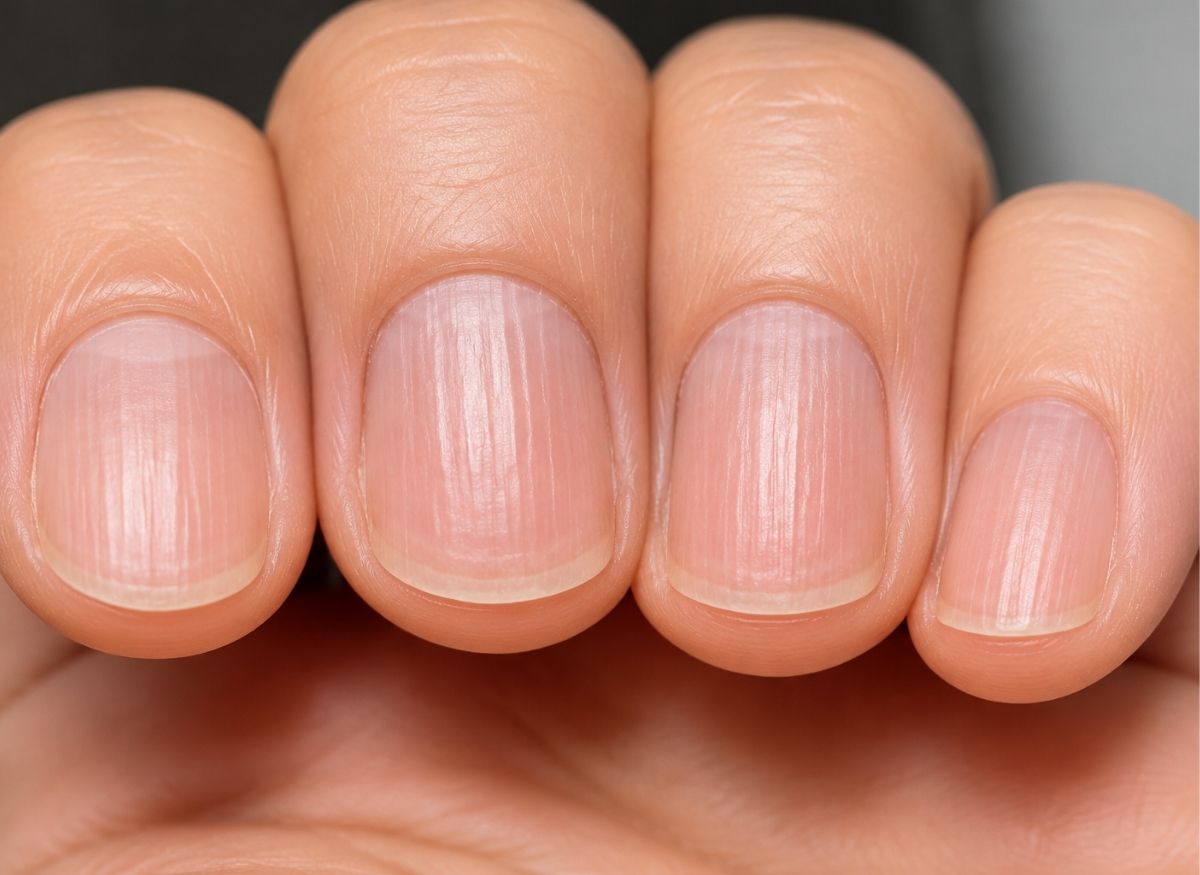
Your fingernails can sometimes provide clues about what is happening in your body. Changes in their texture, color, or shape are often harmless, but certain changes may be linked to injury, nutritional problems, skin conditions, or other health concerns.
One common change is the appearance of ridges on fingernails. These may run vertically from the cuticle toward the tip or appear horizontally across the nail. Vertical ridges are especially common as people get older and are usually harmless. Horizontal ridges, however, may develop after illness, injury, or another event that temporarily affects nail growth.
Understanding the different types of nail ridges can help you recognize when they are simply part of normal nail changes and when they may deserve closer attention.
Vertical Ridges (Onychorrhexis): The Signs of Aging
Vertical ridges, sometimes called onychorrhexis, are lines that extend from the cuticle to the tip of the nail. They are extremely common and often become more noticeable with age.
The nail matrix, which is responsible for producing the nail, gradually changes over time. As nail growth becomes less uniform, the surface can develop fine ridges. These may make the nails look slightly uneven or feel bumpy.
In most cases, vertical ridges are harmless and are simply part of the normal aging process. They can become more noticeable when the nails are dry, brittle, or frequently exposed to water, detergents, or other irritants.
Although aging is a common explanation, deeper or newly appearing ridges can sometimes occur alongside nutritional deficiencies or certain health conditions. Their significance depends on the overall appearance of the nails and whether other symptoms are present.
Horizontal Ridges (Beau’s Lines): Markers of Past Stress
Horizontal grooves across the nail are known as Beau’s lines. Unlike the fine vertical ridges associated with aging, these indentations can indicate that nail growth was temporarily interrupted.
A serious illness, high fever, severe infection, major physical stress, or significant injury can interfere with the nail matrix. Once normal growth resumes, the interruption may appear later as a horizontal groove.
Because fingernails grow gradually, the location of a Beau’s line can sometimes provide an approximate idea of when the event occurred. However, nail growth varies from person to person, so the timing cannot be determined precisely.
If a horizontal groove appears on only one nail, a local injury may be responsible. When similar grooves develop across several nails, a systemic illness or other widespread stress may be more likely.
7+ Common Causes of Vertical Ridges on Fingernails
Vertical ridges are often harmless, but several factors can make them more noticeable. Aging is one of the most common causes, while dryness, repeated trauma, nutritional problems, and certain health conditions can also affect nail texture.
The Natural Process: Aging and Genetics
One of the most common reasons for vertical ridges is simply getting older. As the nail matrix changes with age, it may produce the nail plate less evenly. This can create fine lines running from the cuticle to the tip.
Genetics may also play a role. Some people naturally develop more noticeable ridges than others, and prominent nail ridges may run in families.
When the ridges are shallow, appear gradually, and affect several nails in a similar way, they are usually not a cause for concern.
Nutritional and Hydration Factors
Healthy nails require adequate nutrition and moisture. When the body does not receive enough of certain nutrients, nail growth and strength may be affected.
Vitamin and Mineral Deficiencies: Low levels of nutrients such as iron, zinc, or certain B vitamins may contribute to brittle or abnormal-looking nails. Iron deficiency can also cause changes such as spoon-shaped nails in some people.
Chronic Dehydration: Dry nails can become brittle and make existing ridges more visible. Frequent handwashing, harsh soaps, cleaning products, and low humidity can also contribute to dryness.
Although drinking enough water is important for overall health, nail dryness is not always caused by dehydration alone. External exposure to water and chemicals can also have a major effect.
Systemic Health and Autoimmune Influence
Certain medical conditions can affect nail growth and texture. Thyroid disorders, for example, may be associated with brittle, slow-growing, or otherwise altered nails.
Inflammatory and autoimmune conditions can also affect the nail. Psoriasis may cause ridges, pits, thickening, or other changes in the nail surface. Other skin conditions, including eczema and lichen planus, can sometimes involve the nails as well.
If nail changes appear together with other symptoms, it is worth discussing them with a healthcare professional rather than assuming they are caused by aging alone.
Localized Trauma and Physical Impact
A ridge affecting only one nail may be caused by local damage to the nail or nail matrix. This can happen after crushing or hitting a finger, repeatedly putting pressure on the nail, or picking at the cuticle.
Because the nail matrix produces the nail plate, an injury to this area can leave a lasting groove. In some cases, the ridge continues to appear as the nail grows.
Health Conditions Linked to Horizontal Ridges on Fingernails
Horizontal ridges, particularly Beau’s lines, can occur when nail growth is temporarily interrupted. They may develop after a significant illness, physical stress, injury, or certain medical treatments.
The appearance of these lines does not automatically mean that someone has a serious disease. The cause depends on the person’s recent health history and whether other nail or body changes are present.
The Impact of High Fever and Acute Illness
A serious infection or illness accompanied by a high fever can temporarily disrupt nail growth. Conditions such as severe respiratory infections and other illnesses may place enough stress on the body to affect the nail matrix.
The resulting groove may not become visible until weeks after the illness occurred because the nail needs time to grow outward.
If similar horizontal ridges appear across several fingernails, it may indicate that the entire body experienced an event that temporarily affected nail growth.
Circulation and Metabolic Disorders
The nail matrix depends on an adequate blood supply and nutrients to continue producing healthy nail cells. Problems that affect circulation or metabolism may sometimes influence nail growth.
Diabetes and Peripheral Vascular Disease: Poor circulation associated with certain vascular or metabolic conditions may affect the tissues of the fingers and toes. Nail changes can occur alongside other signs of reduced circulation.
Raynaud’s Phenomenon: Raynaud’s causes blood vessels in the fingers or toes to narrow in response to cold or stress. Frequent or severe episodes can affect the appearance and growth of the nails in some people.
Nail changes alone cannot diagnose these conditions, so other symptoms and medical history are important.
Nutritional Gaps and Medical Treatments
Severe nutritional deficiencies can interfere with normal nail growth. Zinc deficiency, for example, may affect the development of the nail plate and has been associated with Beau’s lines in some cases.
Certain medical treatments can also temporarily change nail growth. Chemotherapy is a well-known example because these medications affect rapidly dividing cells, including cells involved in nail production.
Nail changes caused by treatment may appear as horizontal lines or other alterations and often grow out gradually after treatment ends.
Physical Trauma vs. Systemic Stress
The number of nails affected can sometimes provide a useful clue.
A groove on one nail is more likely to be related to local trauma, such as hitting or crushing a finger. Similar horizontal ridges across several nails are more likely to have a systemic cause, especially if they appeared around the same time.
Recent illness, surgery, significant nutritional problems, or certain medical treatments may help explain widespread nail changes.
Hidden Health Clues That Ridges on Fingernails Reveal
Nail ridges are not always a sign of illness, but their pattern, timing, and accompanying changes can provide useful information.
Looking at whether the ridges are vertical or horizontal, whether they affect one nail or many, and whether other symptoms are present can help put the change into context.
Deciphering the Vertical Path: Aging or Health Risk?
In many cases, vertical ridges are simply a normal part of aging. They tend to develop gradually and may become more visible over the years.
Dryness can make these ridges look deeper. Frequent handwashing, exposure to cleaning products, and other environmental factors may weaken the nail surface and make its natural texture more noticeable.
However, a sudden or dramatic change should not automatically be blamed on age. New nail changes may sometimes occur alongside nutritional deficiencies, skin disorders, thyroid problems, or other conditions.
Differentiating Aging From Vertical Ridges on Fingernails Vitamin Deficiency
It can be difficult to determine the cause of nail ridges simply by looking at them. However, certain patterns may provide clues.
Aging-related ridges are usually fine, relatively even, and develop slowly. Nail changes related to nutritional problems may occur with other signs of poor nail health, such as brittleness, thinning, splitting, or changes in shape.
- Iron Deficiency: Low iron can cause brittle nails and, in more severe cases, spoon-shaped nails known as koilonychia.
- Zinc and Biotin Gaps: Severe nutritional deficiencies can interfere with normal nail growth and may contribute to brittle or abnormal nails.
- The Thyroid Connection: Thyroid disorders can sometimes cause nails to grow slowly or become brittle and fragile. Other symptoms may occur at the same time.
Because these nail changes can have many possible causes, testing is often more useful than trying to identify a deficiency based on nail appearance alone.
Targeted Nutrient Support for Nail Integrity
If a nutritional deficiency is contributing to nail problems, correcting the deficiency can support healthier nail growth.
Important nutrients include iron, zinc, protein, and several B vitamins. However, supplements are not always necessary and should not be taken in high doses without a reason. A healthcare professional can help determine whether testing is appropriate.
Existing ridges will not disappear immediately because the damaged portion of the nail must grow out. As healthier nail grows from the matrix, the appearance of the nail may gradually improve.
When Should You See a Doctor About Ridges on Fingernails?
Most mild vertical ridges do not require medical treatment. However, sudden, severe, or unusual nail changes deserve more attention, particularly when they occur with other symptoms.
A dermatologist or primary healthcare provider can examine the nails and determine whether further testing is needed.
Red Flags: Horizontal Ridges and Rapid Changes
Deep horizontal grooves or Beau’s lines may be worth discussing with a healthcare professional, especially when several nails are affected and there is no obvious injury.
A sudden change in nail texture that develops over a short period may also warrant evaluation. Possible causes range from recent illness and physical trauma to nutritional problems, skin disorders, or systemic conditions.
The timing of the nail change and any recent illness or medical treatment can provide useful information during an evaluation.
When Discoloration and Shape Shifts Matter
Changes in nail color and shape can sometimes be more significant than mild ridges.
A new dark or black streak under a fingernail should be evaluated, particularly if it affects one nail and continues to change. Although dark nail streaks can have harmless causes, they can sometimes be associated with subungual melanoma, a rare type of skin cancer.
Other changes to watch for include:
- Pitting: Small depressions in the nail surface can occur with psoriasis and other conditions.
- Spooning (Koilonychia): Thin, concave nails may be associated with iron deficiency.
- Clubbing: Enlargement of the fingertips and increased curvature of the nails can be associated with certain heart or lung conditions.
These signs do not provide a diagnosis on their own, but they are worth discussing with a healthcare professional when they are new or persistent.
Physical Distress and Nail Separation
Pain, swelling, redness, or tenderness around a nail can indicate inflammation, infection, or injury.
Nail separation, known as onycholysis, occurs when the nail plate begins lifting away from the nail bed. It can have several causes, including trauma, fungal infections, skin conditions, and some systemic disorders.
If nail changes are accompanied by pain, swelling, persistent discoloration, or separation from the nail bed, professional evaluation can help identify the cause.
The Best Home Care for Improving Nail Texture
Improving nail texture takes time because fingernails grow slowly. Healthy nail care focuses on keeping the nails moisturized, protecting them from damage, and avoiding habits that injure the nail matrix.
Intensive Hydration and Cuticle Care
Keeping the nails and surrounding skin moisturized can help reduce dryness and brittleness.
- Nourishing Oils: Applying cuticle oil or a moisturizing product can help keep the nail and surrounding skin from becoming excessively dry.
- Moisture Barriers: Apply hand cream after washing your hands, especially if your skin and nails tend to become dry.
Moisturizing will not remove ridges caused by changes in the nail matrix, but it can improve the overall appearance and reduce splitting and brittleness.
Physical Protection and Gentle Maintenance
Everyday habits can have a significant effect on nail health.
- The Glove Habit: Wear protective gloves when washing dishes or handling household cleaning products. Repeated exposure to water and detergents can dry and weaken the nails.
- Strategic Buffing: If ridges are mainly a cosmetic concern, very gentle buffing may temporarily smooth the surface. Avoid aggressive or frequent buffing because it can thin the nail.
- Filing Technique: File gently in one direction instead of repeatedly sawing back and forth. This can reduce unnecessary splitting and damage.
Fortifying the Nail Structure
For brittle or fragile nails, protective nail products may help reduce splitting while the nail grows.
- Keratin Strengtheners: Nail strengtheners or ridge-filling products can temporarily improve the appearance of uneven nails and provide some protection.
- Breaking the Cycle: Avoid biting, picking, or cutting the cuticles. Repeated trauma around the nail matrix can interfere with normal nail growth and contribute to persistent ridges.
If the ridges are caused by an underlying medical condition or nutritional deficiency, cosmetic products alone will not address the root cause.
Does Diet Play a Role in Preventing Ridges on Fingernails?
Nutrition plays an important role in maintaining healthy nails. Because nails are primarily made of keratin, the body needs adequate protein, vitamins, and minerals to produce strong nail tissue.
However, nail ridges do not automatically mean that someone has a nutritional deficiency. A balanced diet supports healthy nail growth, but specific deficiencies are best confirmed through medical evaluation when appropriate.
Keratin’s Building Blocks: Protein and Biotin
Protein provides the amino acids needed to produce keratin. Foods such as eggs, fish, beans, lentils, tofu, poultry, and other protein-rich foods can help support normal nail growth.
Biotin, also known as vitamin B7, is involved in several processes related to protein metabolism. Severe biotin deficiency is uncommon, but when it occurs, it can contribute to brittle or abnormal nails.
Rather than relying on high-dose supplements, focus on a varied diet unless a healthcare professional recommends additional supplementation.
Essential Minerals: Iron and Zinc
Iron and zinc are also important for normal cell function and nail growth.
- Iron: Iron is needed to make hemoglobin, which carries oxygen throughout the body. Severe iron deficiency can cause nail changes, including spoon-shaped nails.
- Zinc: Zinc supports cell division and tissue growth. Severe deficiency can interfere with normal nail development.
Good dietary sources include leafy greens, beans, lentils, meat, seafood, nuts, seeds, and other nutrient-dense foods.
The Systemic Connection: Thyroid and Hydration
Overall health can also influence nail growth. Thyroid disorders, for example, may cause changes in nail growth and texture.
Staying adequately hydrated and protecting the nails from excessive exposure to water, detergents, and chemicals can also help maintain their strength.
A healthy diet will not make existing ridges disappear overnight. Fingernails need time to grow, so any improvement related to better nutrition or treatment of an underlying problem will generally become visible gradually.
Conclusion
Ridges on fingernails are common and are often harmless, particularly when they are fine vertical lines that develop gradually with age. However, nail ridges can also appear after injury, illness, nutritional problems, skin conditions, or other health changes.
Pay attention to the pattern of the ridges and whether other changes occur at the same time. Horizontal grooves, sudden changes, unusual discoloration, nail separation, or significant changes in nail shape deserve more attention than mild, longstanding vertical ridges.
If you are concerned about a persistent or unusual change, a healthcare professional can examine your nails and determine whether additional testing is needed. Taking care of your nails, eating a balanced diet, protecting your hands, and addressing underlying health issues can all support healthier nail growth over time.
FAQ
What causes vertical ridges on fingernails?
Vertical ridges are commonly associated with normal aging and often become more noticeable over time. Dryness, repeated exposure to chemicals, trauma, nutritional deficiencies, and certain medical conditions can also contribute to changes in nail texture.
Can horizontal ridges on fingernails be a sign of a health problem?
Yes. Horizontal ridges, or Beau’s lines, can develop when nail growth is temporarily interrupted by significant illness, high fever, injury, nutritional problems, or certain medical treatments. When several nails are affected, it may be useful to discuss the changes with a healthcare professional.
Are ridges on fingernails always a sign of a medical condition?
No. Mild vertical ridges are extremely common and often have no serious medical significance. Aging and dryness are common contributors. However, sudden or severe ridges, unusual discoloration, or changes accompanied by other symptoms should be evaluated.
Can nutritional deficiencies cause ridges on fingernails?
Certain nutritional deficiencies can contribute to abnormal or brittle nails. Iron and zinc deficiencies are among the nutritional problems that may affect nail health. However, nail appearance alone cannot reliably identify a deficiency, so testing may be necessary when a deficiency is suspected.
When should I see a doctor about ridges on my fingernails?
Consider seeing a healthcare professional if the ridges appear suddenly, become deep or widespread, or occur with changes in nail color, shape, or attachment. You should also seek evaluation if the nail changes occur alongside symptoms such as significant fatigue, unexplained weight changes, swelling, pain, or other unusual symptoms.