
6 Risk Factors That Could Trigger Ogilvie Syndrome After Surgery
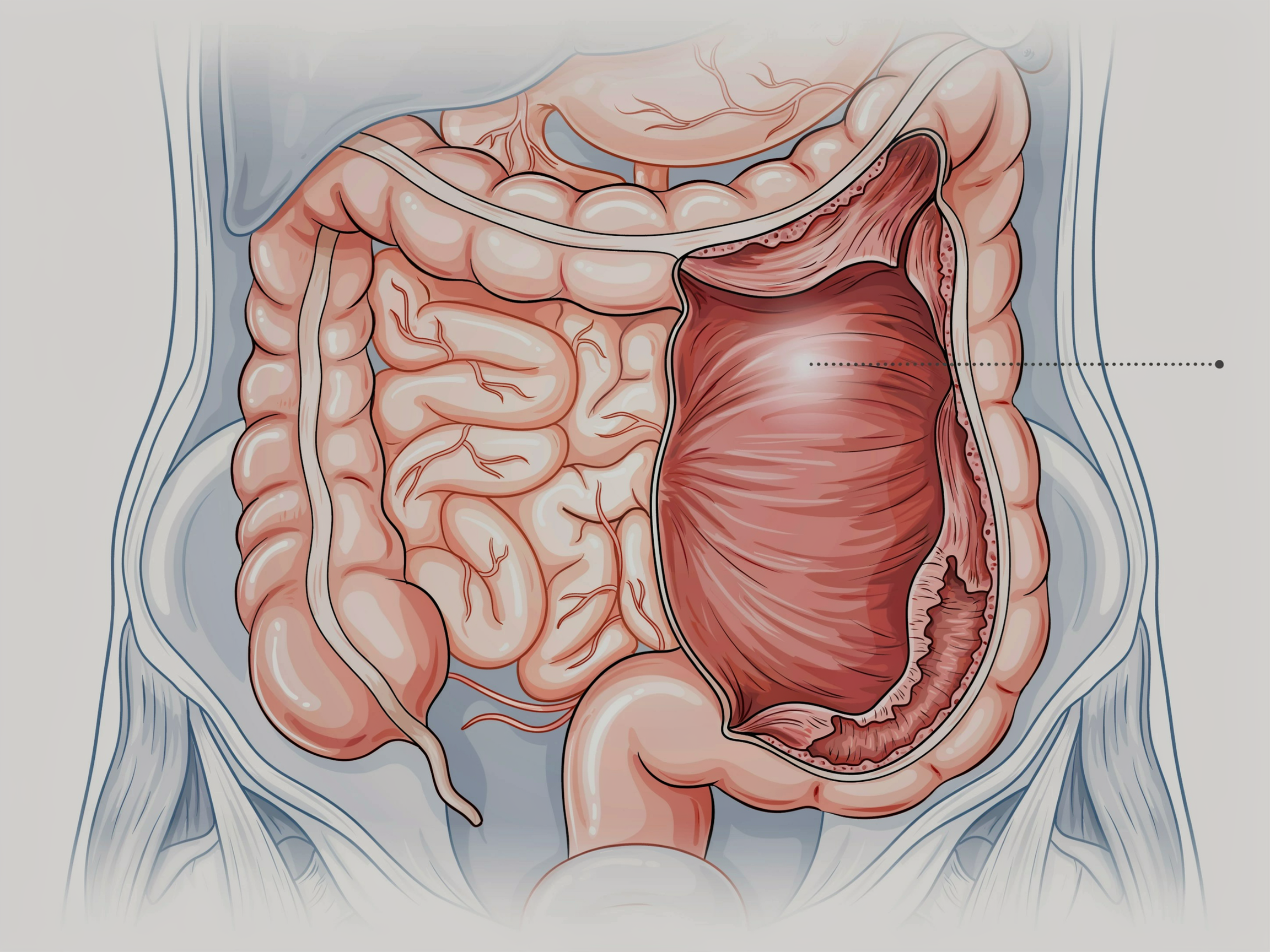
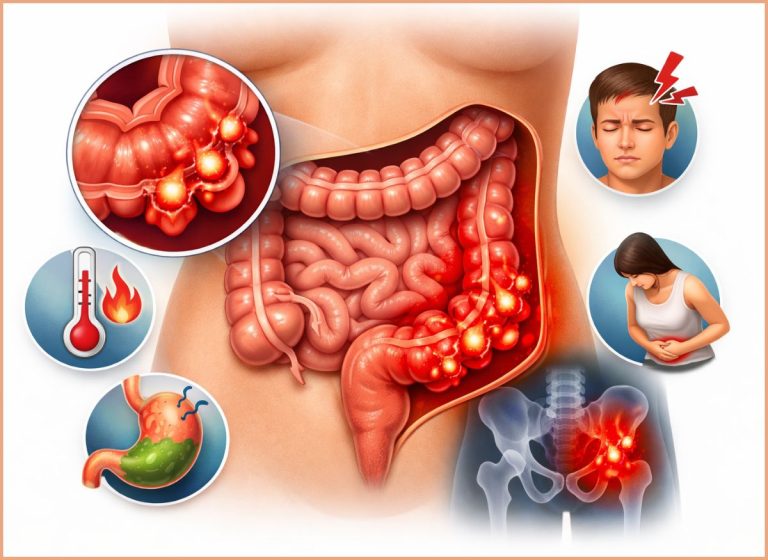
Ogilvie syndrome, also called acute colonic pseudo-obstruction, is an uncommon but potentially dangerous condition that may develop after major surgery. It causes the colon to become severely enlarged even though there is no physical blockage preventing intestinal contents from moving through. This can result in abdominal swelling and pain and, in serious cases, bowel perforation. Although the condition can affect people after different types of major procedures, several factors can substantially increase the risk. Recognizing these factors can help healthcare professionals identify vulnerable patients and respond to early symptoms.
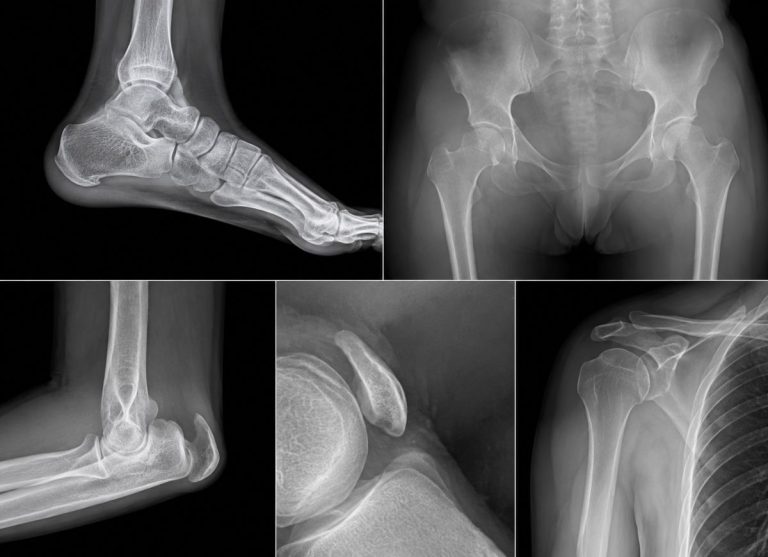
Postoperative Ogilvie syndrome is particularly associated with recovery from cardiovascular, orthopedic, and abdominal procedures. Certain medications, abnormal electrolyte levels, and medical conditions that interfere with normal nerve or muscle activity in the digestive tract can also contribute.
Early diagnosis and appropriate management are important because untreated Ogilvie syndrome may progress quickly and lead to serious complications or a prolonged hospital stay. Identifying patients at increased risk allows medical teams to provide closer observation, take preventive measures, and begin treatment promptly when symptoms appear.
What Exactly Is Ogilvie Syndrome (Acute Colonic Pseudo-Obstruction)?
Ogilvie syndrome, medically referred to as Acute Colonic Pseudo-Obstruction (ACPO), is a serious gastrointestinal disorder in which the large intestine becomes markedly dilated without a genuine physical obstruction. Unlike a conventional bowel obstruction caused by something such as a tumor, scar tissue, or twisted intestine, there is no structural object physically blocking the colon.
The word “pseudo-obstruction” describes this important distinction. Patients may develop symptoms that resemble those of a traditional large-bowel obstruction, but the underlying problem is functional rather than mechanical. The colon loses its ability to move its contents effectively because normal intestinal motility has been disrupted.
Pathophysiology: A Neurological Imbalance
The development of Ogilvie syndrome is closely associated with an abnormal balance within the autonomic nervous system, which regulates involuntary intestinal activity. Under normal circumstances, the parasympathetic nervous system encourages intestinal movement, while the sympathetic nervous system suppresses or slows it.
With Ogilvie syndrome, this balance becomes disturbed. Reduced parasympathetic activity or excessive sympathetic stimulation can interfere with the normal contractions of the colonic muscles. As the colon becomes functionally inactive, gas and stool begin accumulating inside it. This causes progressive distension, particularly in the cecum and right side of the colon.
Clinical Setting and Risk Factors
Ogilvie syndrome is most often encountered in hospitalized patients rather than otherwise healthy people living independently. It commonly develops in individuals who are critically ill or recovering from significant physiological stress.
Important contributing factors include:
- Major Surgical Procedures: Extensive orthopedic procedures, spinal operations, and abdominal or pelvic surgeries are commonly associated with ACPO.
- Severe Medical Conditions: Sepsis, major cardiovascular events, respiratory failure requiring mechanical ventilation, and neurological problems such as stroke can increase risk.
- Metabolic Disturbances: Low potassium, magnesium, or sodium levels can interfere with normal neuromuscular activity in the colon.
- Medications: Opioid pain medications, anticholinergic drugs, and strong sedatives can slow intestinal movement and contribute to colonic paralysis.
The Primary Clinical Danger: Perforation
One of the most serious complications of Ogilvie syndrome is perforation of the cecum. Because the cecum is the widest portion of the large intestine, increasing dilation places considerable stress on its wall.
As the cecum becomes increasingly enlarged, the intestinal wall can become thinner and its blood supply may be compromised. Severe distension can eventually produce ischemia and tissue damage.
If the damaged bowel wall ruptures, intestinal contents can escape into the abdominal cavity. This may cause peritonitis, severe infection, septic shock, and potentially life-threatening complications requiring emergency treatment.
6 Key Risk Factors for Post-Surgical Ogilvie Syndrome
Although Ogilvie syndrome may arise in several medical situations, it is particularly recognized as a postoperative complication. It is usually not caused by one isolated factor. Instead, several circumstances may combine, including the effects of surgery, existing health problems, medications, and limited movement after the procedure.
Understanding the major risk factors can help healthcare professionals identify patients who require closer monitoring.
High-Risk Surgical Categories
The type of operation a patient undergoes can influence the likelihood of developing Ogilvie syndrome. Procedures associated with substantial physical stress, prolonged anesthesia, or disruption around autonomic nerve pathways may carry increased risk.
Orthopedic Surgery:
Spinal, hip, and knee procedures have been associated with ACPO. Total hip and knee replacement surgeries may contribute through postoperative pain, opioid exposure, restricted movement, and possible effects on nerve pathways.
Cardiac and Thoracic Surgery:
Major heart operations, including coronary artery bypass grafting (CABG), can place significant stress on the body. Cardiopulmonary bypass, fluid shifts, anesthesia, and sedative medications may all interfere with normal autonomic regulation of the colon.
Abdominal and Pelvic Surgery:
Operations involving the abdomen or pelvis may affect the nerves responsible for controlling intestinal movement. Cesarean delivery, particularly when spinal or epidural anesthesia is involved, as well as major gynecological and urological procedures, can be associated with the condition.
Severe Patient Comorbidities
Patients who already have significant medical problems may be more vulnerable to postoperative Ogilvie syndrome. Serious illness can affect the body’s ability to maintain normal neurological, metabolic, and gastrointestinal function.
Severe Infection and Sepsis:
Sepsis can produce widespread inflammation and significant physiological stress. The inflammatory response, along with medications such as vasopressors used in critically ill patients, may further interfere with normal colonic activity.
Acute Respiratory Failure:
Patients who require mechanical ventilation may face an increased risk. Severe respiratory disease creates substantial systemic stress, while positive-pressure ventilation can also influence abdominal pressure and gastrointestinal function.
Cardiovascular Disease:
Conditions such as myocardial infarction, heart failure, or cardiogenic shock may reduce overall blood circulation. Reduced intestinal perfusion can impair the nerves and muscles involved in normal bowel activity.
Pre-existing Neurological Disorders:
Neurological conditions, including stroke, spinal cord injury, Parkinson’s disease, and multiple sclerosis, may interfere with the nerve pathways responsible for coordinated intestinal movement.
Pharmacological Interference
Medications used during surgery and recovery can significantly affect bowel motility. Some of the drugs routinely given for pain control, sedation, or other postoperative needs may slow intestinal function.
Opioids are particularly important because they act on receptors within the gastrointestinal tract and reduce normal peristaltic activity. They can also increase water absorption within the bowel, making intestinal contents more difficult to move.
Other medications that may contribute include anticholinergic drugs, which interfere with acetylcholine, a neurotransmitter involved in intestinal muscle contraction. Sedatives and benzodiazepines may further contribute by depressing central and autonomic nervous activity.
Metabolic and Electrolyte Disturbances
Normal intestinal muscle activity depends on an appropriate balance of electrolytes. Surgery, intravenous fluids, fluid shifts, and diuretic medications can all contribute to electrolyte abnormalities.
Hypokalemia (Low Potassium):
Potassium is essential for electrical activity in muscle cells. When potassium levels become too low, the muscles of the colon may become weak and less capable of contracting normally.
Hypomagnesemia and Hypocalcemia:
Low magnesium or calcium levels can interfere with neuromuscular communication and make normal intestinal contractions more difficult.
Advanced Age
Older age is another recognized risk factor for Ogilvie syndrome. The condition is frequently seen in older adults, partly because autonomic nervous system responsiveness may decline with age.
Older patients may also process medications such as opioids more slowly. As a result, the effects of standard medication doses may persist longer and have a stronger impact on gastrointestinal motility.
Post-Operative Immobility
Remaining in bed for extended periods after surgery can further reduce normal intestinal activity.
Physical movement provides natural stimulation for gastrointestinal motility. Walking and maintaining an upright position can help promote movement of gas and intestinal contents. When a patient remains immobile, this stimulus is reduced, allowing gas and fluids to accumulate inside the colon.
The risk can become greater when immobility occurs together with advanced age and opioid use. These factors can collectively contribute to significant slowing of colonic function and may precipitate acute pseudo-obstruction.
Post-Operative Ogilvie Syndrome Diagnosed and Its Symptoms
Diagnosing postoperative Ogilvie syndrome requires careful attention, particularly when a patient has recently undergone major surgery and develops symptoms suggestive of bowel obstruction. Since ACPO can resemble a mechanical obstruction, physicians generally combine clinical assessment with imaging studies.
Primary Post-Surgical Symptoms
Symptoms often become noticeable within several days after surgery. They occur as gas and fluid accumulate within a colon that is no longer contracting effectively.
Marked Abdominal Distention
Severe and progressive abdominal swelling is one of the most characteristic signs. The abdomen may become visibly enlarged and tense. Significant distension can also create discomfort and, in severe cases, interfere with breathing by pushing against the diaphragm.
Diffuse Abdominal Pain
Patients may experience persistent abdominal discomfort, cramping, or a dull ache. Pain may initially be relatively mild but can become more severe as intestinal distension increases and complications develop.
Nausea and Vomiting
The buildup of intestinal contents can cause nausea and vomiting. Patients may vomit stomach or bile-containing material and may become unable to tolerate food or fluids by mouth.
Alteration in Bowel Function
Some patients develop obstipation, meaning they are unable to pass stool or gas.
The Diarrhea Paradox:
Despite the apparent lack of bowel movement, some people with Ogilvie syndrome can experience watery diarrhea. This may occur when liquid stool passes around accumulated fecal material within the poorly functioning colon.
Confirming the Diagnosis with Imaging
Because ACPO can closely resemble a mechanical obstruction, imaging is important for confirming the diagnosis and excluding other causes.
Plain Abdominal Radiography (X-ray)
An abdominal X-ray is commonly used as an initial imaging study when postoperative abdominal distension develops. It can demonstrate extensive gas accumulation and enlargement of the colon, especially around the cecum, right colon, and transverse colon.
Cecal size is particularly important because increasing diameter is associated with a greater risk of bowel wall injury and perforation. However, an X-ray alone may not be sufficient to completely exclude a physical obstruction.
Computed Tomography (CT) Scan
A contrast-enhanced CT scan of the abdomen and pelvis provides a more detailed assessment and can help establish the diagnosis.
It serves two major purposes:
- Excluding a Mechanical Obstruction: CT imaging can identify or rule out structural causes such as tumors, strictures, adhesions, or volvulus.
- Identifying Complications: CT can show signs of bowel ischemia, abnormal bowel-wall changes, or free air that could indicate perforation.
Differentiating Ogilvie Syndrome from Mechanical Obstruction
Correctly distinguishing functional pseudo-obstruction from a true mechanical blockage is essential because the two conditions require different management strategies.
| Diagnostic Feature | Ogilvie Syndrome (ACPO) | Mechanical Bowel Obstruction |
|---|---|---|
| Root Cause | Functional loss of colonic motility | Physical blockage caused by conditions such as tumor, adhesion, or volvulus |
| Clinical Context | Often follows major surgery, severe illness, or prolonged immobility | Can occur in different settings and may be associated with previous surgery or cancer |
| CT Transition Point | Dilated colon may transition to a non-dilated segment without an obstructing mass | Dilated bowel usually ends at an identifiable structural obstruction |
| Contrast Movement | Contrast may continue gradually through the colon | Contrast may stop at the obstruction |
On CT imaging, a mechanical obstruction typically produces dilation before the blockage with collapse beyond it. In Ogilvie syndrome, the colon may also demonstrate a transition between dilated and less-dilated areas, but there is no physical lesion blocking the intestinal pathway.
How the Risk of Ogilvie Syndrome Be Managed or Minimized
Managing the risk of Ogilvie syndrome involves prevention, careful monitoring, supportive treatment, and escalation when necessary. The primary objective is to restore bowel function and prevent excessive colonic dilation that could result in ischemia or perforation.
Early Post-Operative Mobilization (Prevention)
Getting patients out of bed and encouraging walking as soon as it is medically appropriate can help reduce postoperative intestinal stasis. Early mobility is also an important component of Enhanced Recovery After Surgery (ERAS) approaches.
Movement encourages normal gastrointestinal activity and helps prevent gas and fluid from remaining trapped inside the colon. An upright position can also assist with the movement of intestinal contents.
Physical activity may additionally support normal autonomic function and can reduce dependence on high doses of opioid pain medication by improving postoperative recovery.
Initial Conservative Treatment Steps
When Ogilvie syndrome is diagnosed, physicians generally begin with supportive measures designed to reduce factors contributing to intestinal paralysis and give the colon an opportunity to recover.
Discontinuing Offending Medications
Healthcare providers review the patient’s medications and discontinue or reduce drugs that may be worsening intestinal inactivity when clinically appropriate.
Fluid and Electrolyte Correction
Patients may be placed on nil per os (NPO) status, meaning that they temporarily receive nothing by mouth. Intravenous fluids can be used to maintain hydration while electrolyte abnormalities are corrected.
Restoring appropriate potassium, magnesium, and calcium levels is particularly important because these electrolytes are involved in normal nerve and muscle function.
Gastrointestinal Decompression
A nasogastric (NG) tube may be placed into the stomach and connected to suction to remove accumulated air and gastric secretions. This can reduce nausea and vomiting.
A rectal tube may also be considered to assist with the release of gas from the lower bowel. During conservative management, patients require close observation, including repeated abdominal examinations and imaging when appropriate.
Pharmacological Treatment with Neostigmine
If conservative treatment does not adequately improve colonic dilation, physicians may consider neostigmine, provided the patient has no contraindications.
Neostigmine inhibits acetylcholinesterase, the enzyme responsible for breaking down acetylcholine. Increasing acetylcholine activity enhances parasympathetic stimulation and can encourage stronger contractions of the colon, helping trapped gas and stool move out.
Because neostigmine can produce significant cardiovascular effects, it must be administered under appropriate medical monitoring. Bradycardia, or an abnormally slow heart rate, is an important potential adverse effect. Increased secretions and bronchospasm may also occur.
For this reason, continuous cardiac monitoring is generally required during administration, with atropine available to treat clinically significant bradycardia if necessary.
Invasive Decompression and Emergency Surgery
If conservative treatment and medication do not resolve the condition, or if there are signs of bowel ischemia or perforation, more invasive treatment may be necessary.
Two important warning situations include:
- The 12-Centimeter Threshold: Significant cecal enlargement, particularly around or above 12 cm, is associated with increased risk of bowel-wall injury and may prompt urgent decompression.
- Signs of Peritonitis: Fever, increasing white blood cell counts, severe abdominal tenderness, or a rigid abdomen may indicate ischemia or perforation and require urgent intervention.
Decompressive Colonoscopy
Colonoscopic decompression may be used when other measures fail. A gastroenterologist advances a colonoscope through the colon while minimizing additional insufflation and uses the procedure to release trapped gas and fluid.
In some cases, a decompression tube may be left in place temporarily to help prevent the bowel from becoming distended again.
Surgical Intervention
Surgery may become necessary when endoscopic decompression cannot be performed, fails to relieve the pressure, or when the bowel has already become severely damaged.
A cecostomy may be considered in selected cases to provide a route for decompression. If the bowel has become necrotic or perforated, emergency surgery may require removal of damaged bowel and, when necessary, creation of an ostomy to divert intestinal contents and control abdominal contamination.
Exploring the Pathophysiology and Specific Contexts of Ogilvie Syndrome
Differentiating Ogilvie Syndrome from CIPO
Ogilvie syndrome and Chronic Intestinal Pseudo-Obstruction (CIPO) can both resemble mechanical intestinal obstruction, but they differ substantially in their onset, duration, and underlying mechanisms.
Ogilvie Syndrome (Acute Colonic Pseudo-Obstruction)
Ogilvie syndrome is an acute condition that primarily affects the large intestine, particularly the cecum and right colon. It generally develops suddenly in hospitalized or postoperative patients experiencing significant physiological stress.
The underlying problem is usually a temporary disruption of neurological control rather than permanent structural damage to the bowel. Once the acute episode and its underlying trigger are addressed, normal colonic function may return.
Chronic Intestinal Pseudo-Obstruction (CIPO)
CIPO is a chronic gastrointestinal motility disorder that may affect different portions of the digestive tract, from the esophagus through the rectum.
Unlike the generally temporary neurological disturbance associated with Ogilvie syndrome, CIPO may involve structural abnormalities affecting the nerves or muscles of the intestinal wall. It can occur without an identified cause or develop in association with systemic disorders such as scleroderma, amyloidosis, or mitochondrial disease.
Management is generally focused on controlling symptoms, improving gastrointestinal motility when possible, and providing nutritional support when normal digestion and absorption are severely impaired.
Detailed Pathophysiology of Ogilvie Syndrome
The mechanism behind Ogilvie syndrome involves disruption of the autonomic nerve signals that regulate colonic movement. Effective peristalsis depends on a coordinated relationship between sympathetic pathways, which suppress intestinal activity, and parasympathetic pathways, which encourage it.
The Sacral Parasympathetic Interruption
The distal colon and rectum receive important parasympathetic input from the sacral spinal cord, particularly the S2, S3, and S4 segments. These signals travel through the pelvic splanchnic nerves and help stimulate coordinated intestinal contractions.
Surgical injury, inflammation, or systemic illness that interferes with this parasympathetic activity can reduce colonic tone and contribute to functional paralysis.
The Sympathetic Surge
Major surgery, severe infection, trauma, and other forms of physiological stress can produce increased sympathetic nervous system activity. Excess sympathetic stimulation can further suppress movement within the colon.
When this autonomic imbalance occurs alongside medications such as opioids or anticholinergic drugs, intestinal muscle activity may become even more severely impaired. Gas and intestinal contents then accumulate, producing progressive colonic distension.
Prognosis, Mortality, and Recurrence Risks
The outcome of Ogilvie syndrome depends heavily on how quickly it is recognized and treated. When identified early and managed appropriately, many patients recover normal gastrointestinal function.
An important goal is to prevent excessive cecal enlargement because continued distension increases pressure on the bowel wall and can compromise its blood supply.
If ischemia develops and the bowel wall becomes damaged, the risk of perforation and severe infection increases substantially. Patients who continue to have underlying risk factors may also face a greater possibility of recurrent episodes.
Factors such as prolonged immobility, ongoing opioid use, significant kidney disease, and persistent electrolyte abnormalities may increase susceptibility to future episodes.
Management in Spinal Surgery and Spinal Cord Injury (SCI) Patients
Ogilvie syndrome can present particular management challenges in patients recovering from complex spinal surgery or living with spinal cord injury. In these individuals, disruption of the neurological pathways controlling bowel function may play a particularly important role.
Because autonomic regulation may already be impaired, standard conservative measures can sometimes be less effective or take longer to produce improvement.
High-Risk Pharmacological Considerations
Although neostigmine can stimulate colonic contractions, it requires special caution in patients with spinal cord injuries.
Profound Bradycardia:
Patients with existing autonomic instability may experience an excessive reduction in heart rate after neostigmine administration.
Autonomic Dysreflexia:
Individuals with spinal cord lesions at or above T6 may be vulnerable to autonomic dysreflexia. Strong intestinal stimulation can potentially trigger this serious reflex response, causing a sudden and dangerous increase in blood pressure.
For this reason, neostigmine should only be administered in an appropriately monitored clinical environment, with cardiac monitoring and emergency treatment for bradycardia readily available.
Tailored Treatment Protocols
Because conservative treatment may be less successful and medication may carry additional risks in spinal cord injury patients, clinicians may consider endoscopic decompression earlier when appropriate.
Long-term prevention is also important. After recovery from an acute episode, patients with neurogenic bowel dysfunction may require an individualized bowel-management program. Depending on the patient’s condition, this may include scheduled bowel care, digital stimulation, medications that promote motility, suppositories, or enemas.
Conclusion
Ogilvie syndrome is a potentially serious postoperative complication in which the colon becomes severely dilated without a physical obstruction. Recognizing the factors that increase its likelihood can help healthcare professionals identify vulnerable patients and monitor them more closely.
Major surgery, severe illness, neurological disorders, electrolyte abnormalities, medications that slow intestinal movement, advanced age, and postoperative immobility can all contribute to the development of the condition.
Early recognition of abdominal distension, pain, nausea, vomiting, and changes in bowel function is important. Appropriate treatment may range from medication adjustments and electrolyte correction to pharmacological therapy and decompression procedures. Prompt intervention can reduce the likelihood of serious complications such as ischemia and bowel perforation.
With careful monitoring, appropriate preventive measures, and timely treatment, healthcare teams can help reduce the complications associated with postoperative Ogilvie syndrome.
FAQ
What Exactly Is Ogilvie Syndrome?
Ogilvie syndrome is a condition in which the colon becomes significantly enlarged despite the absence of a physical blockage. It commonly occurs after major surgery or during severe illness and is associated with disruption of the autonomic nervous system’s control of intestinal movement.
Common symptoms include abdominal swelling, pain, nausea, vomiting, and reduced bowel movements. Prompt assessment is important because untreated colonic dilation can lead to serious complications.
Who Is at the Highest Risk for Ogilvie Syndrome After Surgery?
People recovering from major abdominal, orthopedic, or cardiovascular operations may have an increased risk of developing Ogilvie syndrome. Older adults and patients with neurological conditions or other illnesses that affect intestinal function may also be more vulnerable.
Medications that reduce gastrointestinal motility can further increase the risk. Careful postoperative observation can help identify symptoms at an early stage.
How Can Electrolyte Imbalances Trigger Ogilvie Syndrome?
Electrolytes such as potassium and magnesium are important for normal nerve and muscle activity. When their levels fall too low, the smooth muscles of the colon may not contract effectively.
Monitoring and correcting electrolyte abnormalities after surgery can therefore be an important part of preventing or managing impaired bowel motility.
Can Medications Increase the Risk of Ogilvie Syndrome?
Yes. Certain medications can slow gastrointestinal movement and increase susceptibility to pseudo-obstruction. Opioids and anticholinergic drugs are notable examples, while some other medications may also contribute.
Healthcare professionals may review postoperative medications and reduce, discontinue, or replace contributing drugs when medically appropriate.
What Are the Warning Signs of Ogilvie Syndrome After Surgery?
Important warning signs include increasing abdominal swelling, abdominal discomfort or pain, nausea, vomiting, and a noticeable reduction in bowel movements or passage of gas.
Postoperative healthcare teams may also identify abdominal distension or tenderness during routine examinations. New or worsening symptoms should be evaluated promptly because early treatment may help prevent serious complications.
How Is Ogilvie Syndrome Treated Once It Develops?
Treatment depends on the severity of the condition and the patient’s overall health. Management may include stopping medications that slow intestinal activity, correcting electrolyte abnormalities, restricting oral intake temporarily, and providing gastrointestinal decompression.
Neostigmine may be used in appropriate patients when conservative measures are unsuccessful. Endoscopic decompression may be required when the colon remains severely distended. Surgery is generally reserved for situations in which other treatments fail or complications such as ischemia or perforation occur.