
Laser Lithotripsy: 7 Things to Expect Before and After the Procedure
Laser lithotripsy is a minimally invasive treatment used to break up kidney stones and certain urinary tract stones so they can pass naturally or be removed with less difficulty. It’s become one of the go-to options for stones that are too large to pass alone or that are causing pain, blockage, or infection.
If your doctor has suggested this procedure, it’s natural to wonder what the process actually involves before, during, and after. Knowing what to expect with recovery, side effects, and results can ease some of the worry and help you prepare.
Here’s a breakdown of seven key things to know about laser lithotripsy, from prep work to long-term prevention.
What Is Laser Lithotripsy?
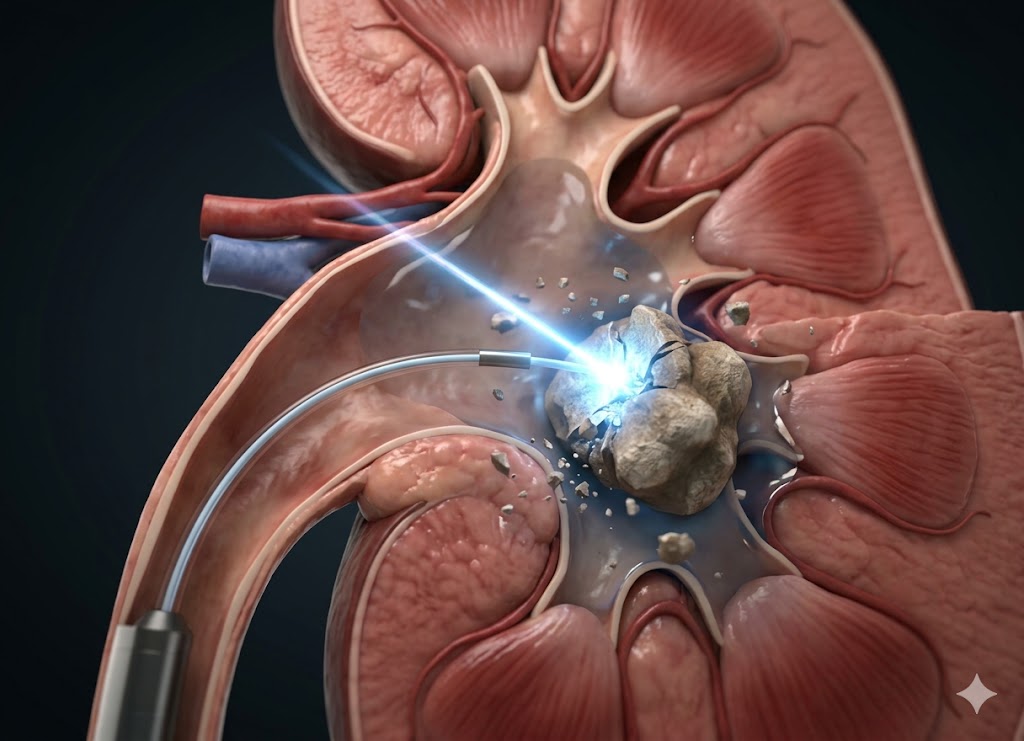
Laser lithotripsy is a minimally invasive procedure that breaks kidney stones, ureter stones, and some bladder stones into small pieces that can pass on their own or be removed. A urologist guides a thin, flexible scope (called a ureteroscope) through the urethra and bladder until it reaches the stone. From there, a laser usually a holmium laser fragments the stone into tiny pieces.
Because it doesn’t require any incisions, laser lithotripsy tends to mean less pain, quicker healing, and fewer complications compared to traditional surgery. Doctors typically recommend it when a stone is too big to pass naturally, is causing significant pain, is blocking urine flow, or keeps leading to infections.
The procedure works well across a range of stone sizes and types. Sometimes the fragments are removed right away during surgery; other times, patients simply pass the smaller pieces over the following days or weeks. A temporary stent is often placed afterward to keep urine flowing and support healing.
Laser lithotripsy is now one of the most widely used and successful ways to treat urinary tract stones, sparing many patients from more invasive surgery.
What Preparation Is Required Before Laser Lithotripsy?
Getting ready for laser lithotripsy involves medical evaluations, dietary guidelines like fasting, and adjustments to your regular medications all aimed at keeping you safe and setting the surgical team up for success. This prep work falls into two main areas: medical testing, and changes to your diet and medications.
What Pre-Operative Consultations and Tests Are Necessary?
Before the procedure, you’ll go through consultations with specialists and a round of diagnostic testing blood work, urinalysis, and imaging. These aren’t just routine boxes to check; they give your care team a full picture of your health and the specifics of your stone.
Your first stop is a consultation with your urologist, who will review your medical history, talk through your stone situation, and walk you through the procedure benefits, risks, and what to expect. This is your chance to ask anything you’re unsure about. After this conversation, several tests typically follow.
Imaging Scans
Imaging is essential for pinpointing the stone’s exact location, size, and density, along with the surrounding anatomy. A non-contrast CT scan is the most common choice because of how detailed it is, though an X-ray or ultrasound may sometimes be enough. This information helps the surgeon plan the best approach.
Blood Tests
A full blood panel checks for infection, evaluates red and white blood cell counts, and tests kidney function through markers like creatinine and BUN. Your blood’s clotting ability is also checked to reduce bleeding risk during surgery.
Urinalysis and Urine Culture
You’ll be asked for a urine sample to check for blood, crystals, or other irregularities. A culture is also run to rule out infection if one is found, it needs to be treated with antibiotics first, since operating during an active infection risks a more dangerous condition called urosepsis.
Pre-Anesthesia Evaluation
Finally, you’ll meet with the anesthesia team, who will go over your full medical history allergies, past reactions to anesthesia, current medications to build a safe, personalized anesthesia plan.
What Are the Dietary and Medication Restrictions to Follow?
In the days leading up to surgery, you’ll need to follow fasting guidelines and pause certain medications, especially anything that affects blood clotting. These steps matter for your safety under anesthesia.
The main dietary rule is fasting typically no food or drink (including water, gum, or candy) after midnight the night before surgery. This lowers the risk of aspiration, a serious complication where stomach contents enter the lungs during anesthesia. Your doctor will give you the exact cutoff time.
Blood-Thinning Medications
Anticoagulants and antiplatelet drugs raise your bleeding risk, so you’ll usually be told to stop them several days ahead of time often five to seven days. This includes things like aspirin, NSAIDs, and newer oral blood thinners. Your urologist and prescribing doctor will set the exact timeline.
Herbal Supplements
Many supplements fish oil, vitamin E, ginkgo biloba, garlic can also thin the blood or interact with anesthesia. Share your full supplement list with your doctor, and expect to pause most of them one to two weeks before surgery.
Routine Medications
For medications you take regularly blood pressure, thyroid, diabetes drugs get specific guidance from your surgical team. You may be told to take essential medications with just a small sip of water on the morning of surgery. Diabetes medications, both oral and insulin, often need adjusting because of the fasting period.
Every patient is a little different, so never guess which medications to stop or continue always follow your care team’s specific instructions.
How Does the Laser Lithotripsy Procedure Work?
The procedure uses a small, flexible ureteroscope to travel through your body’s natural urinary pathways to the stone, where a laser fiber breaks it into passable pieces all under general anesthesia. Because there are no external incisions, the surgeon can directly see and treat stones anywhere in the ureter or kidney.
What Happens During the Anesthesia and Surgery Itself?
Once you’re under general anesthesia, the surgeon threads a thin scope through the urethra and into the ureter to find the stone, then uses a laser fiber to break it apart. The anesthesia team starts by administering medication through an IV, putting you fully to sleep so you feel nothing and stay still throughout. You’ll typically be positioned on your back with legs raised (the lithotomy position).
The urologist then guides the ureteroscope equipped with a light, camera, and working channel through the urethra, bladder, and up into the ureter, using the live video feed to navigate. A guidewire may be used first to help direct the scope safely. Once the stone is in view, a fine laser fiber is passed through the scope until it makes contact.
The surgeon activates the laser most often a holmium laser which delivers targeted energy pulses to break the stone apart. Depending on the stone’s size, makeup, and location, the surgeon may use one of two techniques. The whole procedure generally takes 30 minutes to a couple of hours:
Fragmentation The stone is broken into smaller chunks, which are then retrieved with a small basket-like tool passed through the scope. This is used when pieces need to be physically removed.
Dusting A different laser setting pulverizes the stone into fine, sand-like particles small enough to pass naturally in urine over the following days and weeks.
Will a Ureteral Stent Be Placed After the Procedure?
In most cases, yes a temporary stent is placed after the stone is broken up. This thin, hollow tube runs from the kidney to the bladder. While it can cause some discomfort, it plays an important role in recovery.
The stent keeps the ureter open so urine can drain freely, which matters because the lining of the ureter can swell after the procedure. Without a stent, that swelling could block urine flow and cause a painful backup in the kidney (hydronephrosis). The stent also helps flush out any leftover stone dust or fragments, preventing them from clumping and causing a new blockage.
Stents usually stay in for a few days to a few weeks, depending on how much swelling there is and the surgeon’s judgment. They’re fully internal, though some have a string that exits the urethra to make removal easier. Removing the stent is a quick, separate office visit much faster than the original procedure.
What Does Recovery Involve After Laser Lithotripsy?
Recovery means managing expected side effects like pain and blood in the urine, easing back into normal activities on a gradual timeline, and following through on important follow-up care, including stent removal and stone analysis.
What Are the Common Side Effects and Pain Levels to Expect Immediately After?
Right after surgery, it’s normal to see blood in your urine, feel moderate pain in your flank or bladder, and notice urinary symptoms like urgency and frequency mostly caused by the stent. These effects are expected, even if uncomfortable.
Blood in the urine (hematuria) is often the most noticeable symptom your urine may look pink, red, or brownish. This usually clears up within a few days to a week, and drinking plenty of water helps speed things along.
Pain levels vary, but are typically manageable. You might feel a dull ache in your flank or lower abdomen, though the stent itself is often the bigger source of discomfort, causing:
- Bladder spasms sudden, sharp cramping in the lower abdomen
- Urinary frequency and urgency needing to go often, sometimes urgently
- A burning sensation during urination
- Discomfort that worsens with certain movements
Your doctor will likely prescribe a short course of pain medication for the first few days, transitioning to over-the-counter options after that. Medications like oxybutynin (to relax the bladder) or tamsulosin (to relax the ureter) may also be prescribed to ease stent-related discomfort.
What Is the Typical Recovery Timeline and When Can Normal Activities Resume?
Recovery tends to move fairly quickly most people go home the same day, rest for a day or two, and are back to light activities within a week, though full recovery usually lines up with when the stent comes out. This is almost always an outpatient procedure, so you’ll head home a few hours after surgery once the anesthesia wears off. Make sure someone can drive you.
First 24–48 hours:
Focus on rest, pain management, and drinking plenty of water (around 2–3 liters a day) to help flush your system. Avoid strenuous activity.
The first week:
You can gradually increase activity. Many people with desk jobs return to work within two to four days, and driving is usually fine once you’re off narcotic pain medication. Light walking is good, but avoid heavy lifting (over 10–15 pounds), intense exercise, or anything jarring, since it can worsen stent discomfort or bleeding.
Beyond one week:
How you feel largely depends on whether the stent is still in. Discomfort, urgency, and blood in the urine can continue while it’s in place, especially with activity but symptoms usually clear up quickly, often within a day, once it’s removed.
What Follow-Up Appointments and Stone Analysis Are Needed?
Follow-up care includes at least one appointment for a progress check and stent removal, plus collecting any passed stone fragments for lab analysis. Your first follow-up is usually scheduled one to two weeks after surgery, where your urologist checks your recovery and symptoms.
An imaging test like a KUB X-ray or ultrasound often confirms the stone is cleared and checks the stent’s position. If all looks good, stent removal is scheduled (or sometimes done on the spot). It’s a quick in-office procedure using a small scope to grasp and remove the stent typically over in a minute or two.
One of the most valuable parts of follow-up care is stone analysis. You’ll go home with a urine strainer and collection cup, and you’ll need to strain your urine for the first couple of weeks to catch any fragments you pass. These get sent to a lab to determine what the stone is made of calcium oxalate, uric acid, struvite, or something else.
Knowing your stone type is key to preventing future ones. Based on the results, your urologist can recommend specific dietary changes, more fluids, or medication to adjust your urine chemistry. This turns a one-time treatment into a long-term prevention plan.
What Are the Broader Considerations for Kidney Stone Treatment?
Beyond the procedure itself, it helps to understand how laser lithotripsy compares to other options like ESWL, what factors affect success, the technology involved, and how to prevent stones long-term.
How Does Laser Lithotripsy Compare to Other Stone Removal Procedures Like ESWL?
Laser lithotripsy and Extracorporeal Shock Wave Lithotripsy (ESWL) are two common treatment paths, and they work quite differently.
Method: ESWL is non-invasive, using sound waves from outside the body to break up stones. Laser lithotripsy is minimally invasive, requiring a scope to reach the stone directly.
Effectiveness and location: ESWL avoids incisions and can mean a faster initial recovery, but it works best on smaller, softer stones in the upper kidney. Laser lithotripsy generally has a higher success rate across more stone sizes, densities, and locations including harder-to-reach spots like the lower kidney or ureter.
Recovery: ESWL can mean painful passage of larger fragments afterward, sometimes needing further treatment. Laser lithotripsy often produces finer dust that passes more easily, though it more often requires a stent.
Hard stones: For tough stones like calcium oxalate monohydrate, laser lithotripsy tends to work better, since shock waves alone can struggle to break them down.
Anesthesia: ESWL can sometimes be done with light sedation, while laser lithotripsy usually requires general anesthesia. The right choice ultimately depends on the stone’s size, makeup, location, and your overall health.
What Factors Influence the Success Rate of Laser Lithotripsy?
Success isn’t guaranteed and depends on a mix of anatomical, stone-related, and clinical factors that your surgeon weighs before deciding if this is the best approach or if something like PCNL might work better for very large stones.
Stone size and burden:
Laser lithotripsy works best for stones up to about 2 cm. Larger stones can mean longer procedures and sometimes a second session.
Stone density and composition:
A pre-op CT scan measures density in Hounsfield Units. Denser stones (over 1000 HU) are tougher to break and take more time and laser energy.
Stone location:
A stone in a straight part of the ureter is easier to treat than one tucked in a hard-to-reach part of the kidney.
Surgeon experience:
An experienced urologist can navigate more efficiently, choose the right laser settings, and use retrieval tools effectively for the best results with the least tissue trauma.
What Are the Different Types of Lasers Used in Lithotripsy?
Holmium:YAG (Ho:YAG) has been the standard for decades. It creates a small vapor bubble at the fiber tip that expands and collapses, producing a shockwave that breaks the stone apart. It works on all stone types and densities and can also handle soft tissue procedures.
Thulium Fiber Laser (TFL) is a newer option gaining popularity:
- Mechanism: TFL uses a different wavelength that’s better absorbed by water, using lower energy at higher frequency to superheat water in the stone and break it into fine dust.
- Efficiency: This dusting effect produces particles small enough to pass on their own, potentially reducing the need for a stent. TFL is also more energy-efficient with less retropulsion (the stone getting pushed away during treatment).
- Fiber size: TFL works with smaller, more flexible fibers, helping surgeons reach tight or angled spots in the kidney.
Ho:YAG remains the standard, but TFL’s precision and efficiency are making it increasingly popular.
What Long-Term Dietary Changes Can Help Prevent Future Kidney Stones?
Nearly half of patients form another stone within five years without taking preventive steps, so long-term prevention matters. The best strategies are usually dietary and depend on your specific stone type.
A 24-hour urine collection test can reveal specific risk factors high calcium, oxalate, or uric acid levels, or low urine volume or citrate. While personalized guidance is ideal, a few general changes help most people, especially those prone to calcium oxalate stones:
Increase fluid intake: This is the single most effective step. Aim for enough water to produce 2–2.5 liters of urine daily. Lemon juice in water adds citrate, a natural stone inhibitor.
Reduce sodium: High sodium intake pushes more calcium into your urine. Keep sodium under 2,300 mg a day by cutting back on processed and canned foods.
Moderate animal protein: Diets heavy in meat, poultry, fish, and eggs raise uric acid and calcium while lowering citrate. Moderating portions helps, especially for uric acid or calcium stone formers.
Balance calcium and oxalate: Don’t cut calcium out it actually helps by binding to oxalate in the gut before it can be absorbed. Pair calcium-rich foods with high-oxalate foods like spinach, nuts, beets, and rhubarb.
Conclusion
Laser lithotripsy has changed the landscape of kidney stone treatment, offering an effective, minimally invasive way to break up and clear problematic stones. Most patients recover quickly and find real relief once the stones are gone.
Knowing what to expect before, during, and after can help you feel more prepared and at ease. Following your doctor’s guidance, staying hydrated, keeping up with follow-up visits, and making recommended lifestyle changes all support a smooth recovery and lower your risk of future stones.
Every patient’s experience looks a little different, but understanding the process can make the journey easier and help you get the best outcome possible.
FAQs
What is laser lithotripsy?
It’s a procedure that uses a laser, delivered through a small scope, to break kidney or urinary tract stones into pieces that can be removed or passed naturally.
Is laser lithotripsy painful?
The procedure itself is done under anesthesia, so you won’t feel pain during treatment. Some soreness, burning during urination, or discomfort can occur during recovery.
How long does laser lithotripsy take?
Most procedures take 30 minutes to 2 hours, depending on the stone’s size, number, and location.
How long is recovery after laser lithotripsy?
Light activities are often possible within a few days, with full recovery typically taking one to two weeks.
Will I need a stent after laser lithotripsy?
Many patients need a temporary stent to support urine drainage and reduce swelling. Your doctor will decide if it’s necessary for you.
What side effects are common after laser lithotripsy?
Temporary blood in the urine, mild pain, urinary urgency, burning during urination, and stent-related discomfort are the most common.
What foods should I avoid after laser lithotripsy?
It depends on your stone type your doctor may recommend limiting sodium, oxalate-rich foods, or animal protein.
Can kidney stones come back after laser lithotripsy?
Yes. The procedure clears existing stones but doesn’t prevent new ones. Staying hydrated and following prevention advice can lower your risk.
When should I call my doctor after the procedure?
Reach out if you have severe pain, heavy bleeding, fever, chills, trouble urinating, or symptoms that get worse instead of better.
Is laser lithotripsy better than shock wave lithotripsy?
Both can work well. Laser lithotripsy is often preferred for larger, harder, or hard-to-reach stones since it allows direct visualization and treatment.