6 Warning Signs of Magnesium Overdose You Should Never Ignore
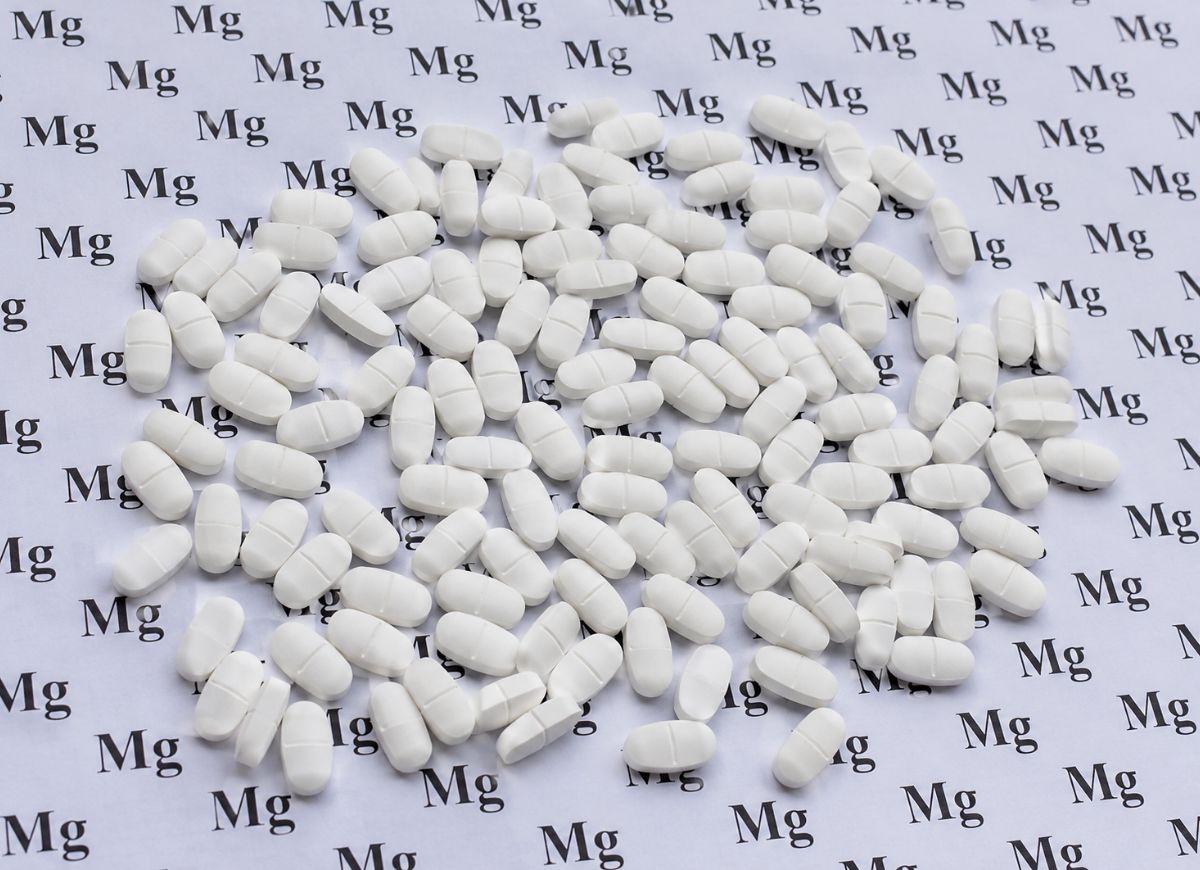
I’ll rewrite the full article in fresh, natural wording while keeping the original intent, heading structure, and key information intact.
Magnesium is widely recognized as an important mineral, and that reputation is well deserved. Your body relies on it for proper muscle movement, nerve communication, heart function, blood pressure regulation, blood sugar control, and energy production. Because of these benefits, many people use magnesium supplements to support sleep, ease muscle cramps, relieve constipation, manage headaches, or reduce stress. However, getting too much magnesium can create problems, especially when it comes from concentrated supplements or medications.
A magnesium overdose is relatively uncommon, but it can become dangerous when excessive amounts accumulate in the bloodstream. This is more likely to occur with supplements, antacids, laxatives, or Epsom salt products than with magnesium obtained from food. Healthy kidneys normally remove excess magnesium through urine, while people with reduced kidney function, older adults, or those taking unusually large doses face a greater risk.
The recommended upper limit for magnesium obtained from supplements or medications is 350 mg per day for adults. This limit does not apply to magnesium naturally present in foods because dietary sources such as nuts, seeds, leafy vegetables, beans, and whole grains rarely cause toxicity in people with healthy kidneys. Research involving hospitalized patients has also found hypermagnesemia in roughly 5% to 27% of some hospital populations.
One reason magnesium toxicity can be difficult to recognize is that its early symptoms may appear fairly ordinary. Diarrhea, nausea, stomach discomfort, weakness, dizziness, and tiredness can easily be mistaken for another condition or medication side effect. As magnesium levels continue to rise, however, more serious problems may develop, including low blood pressure, reduced reflexes, abnormal heart rhythms, confusion, breathing difficulties, and, in severe cases, cardiac arrest. Toxicity is most commonly associated with excessive magnesium-containing products or inadequate kidney clearance.
In this article, we’ll cover 6 important warning signs of magnesium overdose that should not be ignored. Recognizing these symptoms early may help prevent excessive magnesium intake from developing into a serious medical emergency.
6 Critical Signs of Magnesium Overdose
Gastrointestinal Distress (Nausea, Vomiting, Diarrhea)
Some forms of magnesium, especially magnesium citrate and magnesium oxide, can have a strong laxative effect. When too much is consumed, these magnesium salts pull additional water into the intestines, stimulating bowel movements. As a result, abdominal cramps, diarrhea, nausea, and sometimes vomiting may occur.
For many people, digestive symptoms are among the earliest indications that their magnesium intake may be excessive.
Facial Flushing
Facial flushing can occur because magnesium affects calcium channels and promotes relaxation of smooth muscle. When magnesium levels become elevated, the muscles surrounding blood vessels may relax, causing the vessels to widen, a process known as vasodilation.
The resulting increase in blood flow to areas such as the face and neck can create warmth and noticeable redness. Although flushing is often not dangerous on its own, it can indicate that elevated magnesium is having systemic effects on the body.
Lethargy and Drowsiness
Magnesium can have a calming effect on the central nervous system. It influences neurotransmitter activity, including pathways involving GABA, which can contribute to relaxation and sedation.
When magnesium levels become mildly elevated, some people may experience unusual sleepiness, lethargy, or a general feeling of being mentally slowed down. When these symptoms appear together with digestive problems or other signs of excessive magnesium intake, they may indicate that magnesium levels have risen beyond a safe range.
Muscle Weakness and Respiratory Depression
At toxic concentrations, magnesium can interfere with the release of acetylcholine at the neuromuscular junction. Acetylcholine is necessary for muscles to contract normally.
One early effect may be a reduction or loss of deep tendon reflexes. As magnesium levels increase further, muscle weakness can become much more pronounced and may eventually affect the entire body.
In severe cases, the diaphragm and other muscles required for breathing can become weakened or paralyzed. This may result in shallow breathing, respiratory depression, and ultimately respiratory arrest.
Hypotension and Cardiac Arrhythmias
The blood-vessel-relaxing effects of magnesium can become much stronger during significant toxicity. Excessive magnesium may cause blood pressure to fall sharply, resulting in dizziness, fainting, or even shock.
High magnesium levels can also interfere with the electrical activity of the heart by affecting calcium movement. This may lead to bradycardia, which is an abnormally slow heartbeat, atrioventricular block, or other potentially dangerous heart rhythm disturbances.
Cardiac Arrest
In the most severe cases, magnesium toxicity can progress to cardiac arrest. Extremely low blood pressure, combined with magnesium’s effects on heart muscle contraction and electrical conduction, can prevent the heart from maintaining an effective rhythm.
Cardiac arrest is the most serious possible consequence of magnesium poisoning and requires immediate emergency treatment. In severe toxicity, intravenous calcium may be used to counteract magnesium’s effects on the heart and neuromuscular system.
Primary Causes of Magnesium Overdose
Magnesium toxicity generally develops when a person consumes excessive amounts of magnesium, particularly through high-dose supplements, laxatives, or antacids, while the kidneys are unable to remove the excess efficiently.
People with healthy kidney function rarely develop magnesium toxicity because the kidneys are highly effective at maintaining magnesium balance by eliminating excess amounts through urine.
Can you Get Magnesium Toxicity from Food Alone?
For people with normal kidney function, magnesium toxicity from food alone is extremely unlikely. The body has several mechanisms that help prevent excessive accumulation of dietary magnesium.
The kidneys play the main role in maintaining magnesium balance. When magnesium intake increases, the kidneys can increase the amount eliminated through urine.
Magnesium-rich foods such as spinach, nuts, seeds, and whole grains also provide the mineral as part of a broader nutritional package. Magnesium from these foods is not absorbed completely, and intestinal absorption can decrease when intake is high.
The digestive system provides another protective mechanism. Large amounts of magnesium in the intestines can create an osmotic laxative effect, leading to diarrhea. This can remove some of the excess before it is absorbed into the bloodstream.
Because of these mechanisms, developing hypermagnesemia from ordinary dietary intake is highly unlikely in someone with normal kidney function.
The Role of Supplements and Medications In Magnesium Overdose
Supplements and magnesium-containing medications are much more likely to cause excessive intake because they can provide concentrated amounts of the mineral. This risk becomes considerably greater when kidney function is impaired.
Unlike magnesium obtained from food, supplemental magnesium is commonly delivered in concentrated forms such as magnesium oxide, citrate, or sulfate. Large doses can therefore provide the body with considerably more magnesium than it would typically receive from a normal diet.
The growing use of magnesium supplements for sleep, stress, anxiety, and muscle cramps can also encourage some people to take very high doses without medical supervision. Regularly consuming several times the recommended amount can increase the risk of magnesium accumulation, particularly among older adults whose kidney function may have declined with age.
Many over-the-counter products also contain magnesium. For example, magnesium hydroxide is used in laxatives such as Milk of Magnesia, while magnesium carbonate and other magnesium salts are present in certain antacids. Frequent or long-term use can significantly increase total magnesium exposure.
People with undiagnosed chronic kidney disease are especially vulnerable because their bodies may not be able to eliminate the mineral efficiently.
Magnesium toxicity can also occur as a result of medical treatment. Intravenous magnesium sulfate is used for certain medical conditions, including pre-eclampsia and some heart rhythm problems. If the dose is too high or kidney function is not monitored appropriately, magnesium levels can rise rapidly.
What Should You Do If You Suspect Magnesium Overdose?
If you think you may have taken too much magnesium, stop taking magnesium-containing supplements or medications and seek appropriate medical advice. The level of urgency depends on the amount consumed, the person’s health, and the symptoms present.
The first important step is to stop additional magnesium exposure. Check supplements, laxatives, antacids, and other products you use to determine whether they contain magnesium. Preventing further intake can help keep magnesium levels from rising.
In the United States, the Poison Help hotline can be reached 24 hours a day at 1-800-222-1222. Poison-control specialists can assess the situation based on factors such as the amount consumed, the specific product, the person’s age and weight, and current symptoms.
If severe symptoms occur, emergency medical attention should not be delayed. Difficulty breathing, severe muscle weakness or paralysis, fainting, confusion, dizziness, or an unusually slow or irregular heartbeat require urgent evaluation. If possible, bring the product packaging or container so healthcare professionals can determine exactly what was taken.
How to Treat Severe Magnesium Overdose in a hospital
For severe magnesium toxicity, intravenous calcium gluconate may be used as an antidote. Calcium counteracts many of magnesium’s effects, particularly those involving the cardiovascular and neuromuscular systems. It may help improve muscle function, breathing, blood pressure, and heart activity.
Supportive treatment is also important. If respiratory muscles are too weak to maintain normal breathing, mechanical ventilation may be required. Patients with dangerously low blood pressure may receive IV fluids or medications known as vasopressors to help restore adequate blood pressure.
Continuous ECG monitoring is often necessary to identify and manage abnormal heart rhythms.
After the patient has been stabilized, doctors focus on removing the excess magnesium. People with functioning kidneys may receive IV fluids and loop diuretics such as furosemide to increase magnesium excretion through urine.
When kidney function is severely impaired or magnesium toxicity is life-threatening, hemodialysis may be necessary. Dialysis filters the blood directly and can remove magnesium relatively quickly.
Magnesium Overdose Diagnosis
Doctors diagnose magnesium toxicity, also called hypermagnesemia, by combining laboratory testing with a detailed medical assessment. A serum magnesium blood test is the primary laboratory test used to determine the magnesium concentration in the bloodstream.
A typical serum magnesium range is approximately 1.7 to 2.2 mg/dL (0.70 to 0.90 mmol/L). Levels above about 2.6 mg/dL (1.07 mmol/L) are generally considered elevated. More severe complications tend to occur as magnesium levels rise substantially higher, with serious toxicity often associated with levels above approximately 4.8 mg/dL (2.0 mmol/L).
Doctors also evaluate physical symptoms. They may look for muscle weakness, lethargy, nausea, facial flushing, and reduced deep tendon reflexes to determine how strongly elevated magnesium is affecting the body.
Medical history is another important part of the evaluation. Particular attention is given to kidney function because impaired kidneys are a major risk factor for magnesium accumulation. Doctors also review prescription medicines, supplements, laxatives, antacids, and other possible magnesium sources.
When toxicity is moderate or severe, an ECG or EKG may be performed to identify effects on the heart, including bradycardia or other rhythm abnormalities. Blood tests such as creatinine and blood urea nitrogen (BUN) may also be used to evaluate kidney function.
Who Is Most at Risk for Developing Magnesium Overdose?
Magnesium toxicity is uncommon among the general population because healthy kidneys normally remove excess magnesium effectively. The greatest risk occurs in people who cannot eliminate magnesium efficiently or who are exposed to unusually large amounts.
Kidney disease is one of the most important risk factors. People with chronic kidney disease or acute kidney failure may have difficulty clearing magnesium from the bloodstream. As kidney function decreases, magnesium may accumulate even when intake is not extremely high. Individuals receiving dialysis are particularly vulnerable.
Older adults may also face greater risk. Kidney function can decline naturally with age, and older people may be more likely to have other medical conditions that affect mineral balance. They may also use magnesium-containing antacids or laxatives more frequently.
In hospitals, high-dose intravenous magnesium may be used for specific medical conditions, including eclampsia and certain cardiac arrhythmias. Although such treatment is monitored by healthcare professionals, excessive administration or inadequate monitoring can lead to medically induced hypermagnesemia.
Other conditions may also affect magnesium regulation. These include hypothyroidism, Addison’s disease, and milk-alkali syndrome.
The Differences Between Magnesium Overdose and Magnesium Deficiency
Magnesium toxicity, or hypermagnesemia, and magnesium deficiency, known as hypomagnesemia, are opposite forms of magnesium imbalance. They differ in their causes, symptoms, frequency, and treatment.
Hypermagnesemia is generally associated with excessive magnesium exposure combined with impaired kidney function. Hypomagnesemia, on the other hand, can develop because of inadequate dietary intake, poor gastrointestinal absorption, chronic diarrhea, diuretic use, or heavy alcohol consumption.
Their symptoms can also differ. Excess magnesium tends to suppress nerve and muscle activity, causing symptoms such as weakness, tiredness, low blood pressure, reduced reflexes, and respiratory depression.
Low magnesium can have more stimulating neuromuscular effects. Possible symptoms include muscle cramps, spasms, tremors, anxiety, personality changes, and abnormal heart rhythms.
Clinically significant hypermagnesemia is relatively uncommon and is seen most often in people with substantial kidney impairment. Mild or moderate magnesium deficiency is more frequently encountered, particularly among people whose diets contain limited amounts of magnesium-rich foods such as leafy vegetables, nuts, and whole grains.
The Tolerable Upper Intake Level for Magnesium Supplements
The Tolerable Upper Intake Level (UL) provides a safety guideline for magnesium obtained from supplements and medications. For adults and adolescents aged 19 and older, the UL is 350 mg of supplemental magnesium per day.
Importantly, this limit applies to magnesium from supplements and medications, not magnesium naturally present in food or water.
The 350 mg limit was established primarily to reduce common side effects rather than to define the amount that causes severe systemic poisoning. Digestive problems are the most common adverse effects associated with high supplemental intake. Taking large supplemental doses can cause diarrhea, abdominal cramping, and nausea because unabsorbed magnesium draws water into the intestines.
There is no established UL for magnesium naturally obtained from food. Dietary absorption is partly regulated by the body, and absorption can decrease as intake increases. Combined with normal kidney function, this makes toxicity from magnesium-rich foods extremely unlikely.
The UL is a general safety guideline and should not be confused with the Recommended Dietary Allowance (RDA). In certain medical circumstances, healthcare professionals may recommend amounts above the UL, but such use should be medically supervised.
FAQs
1. How much magnesium per day is an overdose?
There is no single dose that automatically causes an overdose in every person. Risk depends on factors such as kidney function, age, medications, and whether magnesium comes from food, supplements, or medications.
For healthy adults, the upper limit for magnesium from supplements and medications is 350 mg per day. This does not include magnesium naturally found in foods.
Taking more than 350 mg does not automatically mean a person has magnesium poisoning, but higher supplemental intake can increase the likelihood of diarrhea, nausea, abdominal cramping, and, in vulnerable individuals, more serious toxicity.
2. Is 1500mg of magnesium too much?
Yes. A dose of 1,500 mg of magnesium from supplements or medications is substantially above the typical adult upper limit and may be excessive for many people.
Such a dose may cause diarrhea, abdominal cramps, nausea, weakness, dizziness, low blood pressure, or abnormal heart rhythms, particularly when taken repeatedly or by someone with impaired kidney function.
It is also important to distinguish elemental magnesium from the total weight of a magnesium compound. Magnesium citrate, magnesium oxide, and magnesium glycinate contain different amounts of elemental magnesium. If a product actually provides 1,500 mg of elemental magnesium, that represents a very high dose and should only be taken when specifically directed by a healthcare professional.
3. Can magnesium affect your HRV?
Magnesium may influence HRV, or heart rate variability, because it contributes to nerve signaling, muscle relaxation, stress regulation, and normal heart rhythm. Some people use magnesium to promote relaxation or improve sleep, which may indirectly affect HRV.
However, increasing magnesium intake does not necessarily improve HRV. Excessive amounts may slow certain body functions and cause weakness, low blood pressure, fatigue, or abnormal heart rhythms.
If HRV changes after beginning a high-dose magnesium supplement, particularly when accompanied by dizziness, palpitations, faintness, or unusual tiredness, medical advice may be appropriate.
4. What organ is most affected by magnesium?
The kidneys play a central role in magnesium balance because they remove excess magnesium through urine. When kidney function is normal, the body can generally eliminate additional magnesium efficiently.
When kidney function is impaired, however, magnesium can accumulate in the bloodstream. The heart and nervous system may also be significantly affected when magnesium levels become excessively high.
Severe toxicity can lead to low blood pressure, reduced reflexes, confusion, breathing difficulties, abnormal heart rhythms, and, in extreme situations, cardiac arrest.
5. How do you flush out excess magnesium?
If symptoms are mild, the usual first step is to stop magnesium supplements and magnesium-containing laxatives, antacids, or Epsom salt products unless a healthcare professional has instructed you to continue them.
For people with healthy kidney function, adequate hydration may support normal urinary elimination of excess magnesium.
Severe toxicity requires medical treatment rather than home remedies. Depending on the situation, doctors may use IV fluids, medications that increase magnesium removal, intravenous calcium to counteract magnesium’s effects, or dialysis when kidney function is severely impaired.
6. Is magnesium toxicity reversible?
Magnesium toxicity is often reversible when identified and treated promptly. Mild cases may improve after the source of excess magnesium is discontinued and the body has time to eliminate the mineral.
Severe toxicity requires urgent medical attention because excessive magnesium can interfere with breathing, blood pressure, reflexes, and heart rhythm.
Difficulty breathing, fainting, confusion, severe weakness, very low blood pressure, or a very slow heartbeat should be treated as an emergency rather than managed at home.
7. How long does excess magnesium stay in your system?
The time required to eliminate excess magnesium varies depending on the amount consumed, the form of magnesium, kidney function, hydration, age, and other medications or health conditions.
In people with healthy kidneys, excess magnesium can generally be eliminated through urine after intake is stopped.
People with kidney disease may retain magnesium for much longer, increasing the possibility of dangerous accumulation. Symptoms may also persist when a person continues using magnesium-containing supplements, laxatives, or antacids without realizing they are contributing to the problem.
8. What foods block magnesium absorption?
Certain dietary factors can affect magnesium absorption or magnesium balance. Very high-fiber diets, large amounts of phytates found in some grains and legumes, and heavy alcohol consumption may reduce magnesium availability. High caffeine intake may also increase mineral loss through urine in some people.
This does not mean that healthy foods such as beans, grains, nuts, and vegetables should be avoided. Many of these foods are themselves valuable sources of magnesium. Overall dietary balance is more important than avoiding a particular food.
If magnesium deficiency is suspected, factors such as diet, digestive health, medications, alcohol intake, and overall nutritional status should be considered.
9. How do I tell if I’m low on magnesium?
Magnesium deficiency can be difficult to identify because its symptoms are often nonspecific. Possible signs include muscle cramps, twitching, fatigue, weakness, sleep problems, headaches, nausea, numbness, tingling, mood changes, or irregular heartbeats.
Low magnesium can also occur alongside low potassium or calcium because magnesium contributes to the regulation of these minerals.
Symptoms alone cannot establish a magnesium deficiency. Blood testing can provide useful information, although assessing magnesium status can be complicated because much of the body’s magnesium is stored in bones and tissues rather than circulating in the blood.
If you suspect that your magnesium level is low, consult a healthcare professional before taking high-dose supplements.
Conclusion
Magnesium is an essential mineral, but excessive intake can become a genuine health concern. Magnesium-rich foods are unlikely to cause an overdose in people with healthy kidneys, while high-dose supplements, laxatives, antacids, and Epsom salt products can increase the risk, particularly when kidney function is impaired.
Symptoms such as diarrhea, nausea, abdominal cramps, weakness, dizziness, or unusual tiredness should be taken seriously when they occur after increasing magnesium intake. More severe signs, including low blood pressure, confusion, breathing difficulties, reduced reflexes, or an irregular heartbeat, require prompt medical attention.
The safest approach is to pay attention to dosage, identify every source of magnesium you are using, and avoid unintentionally combining multiple magnesium-containing products. Magnesium can be beneficial when used appropriately, but excessive amounts can have serious consequences. Balance is essential.