
9+ Causes and Signs of Ringworm and How to Prevent It
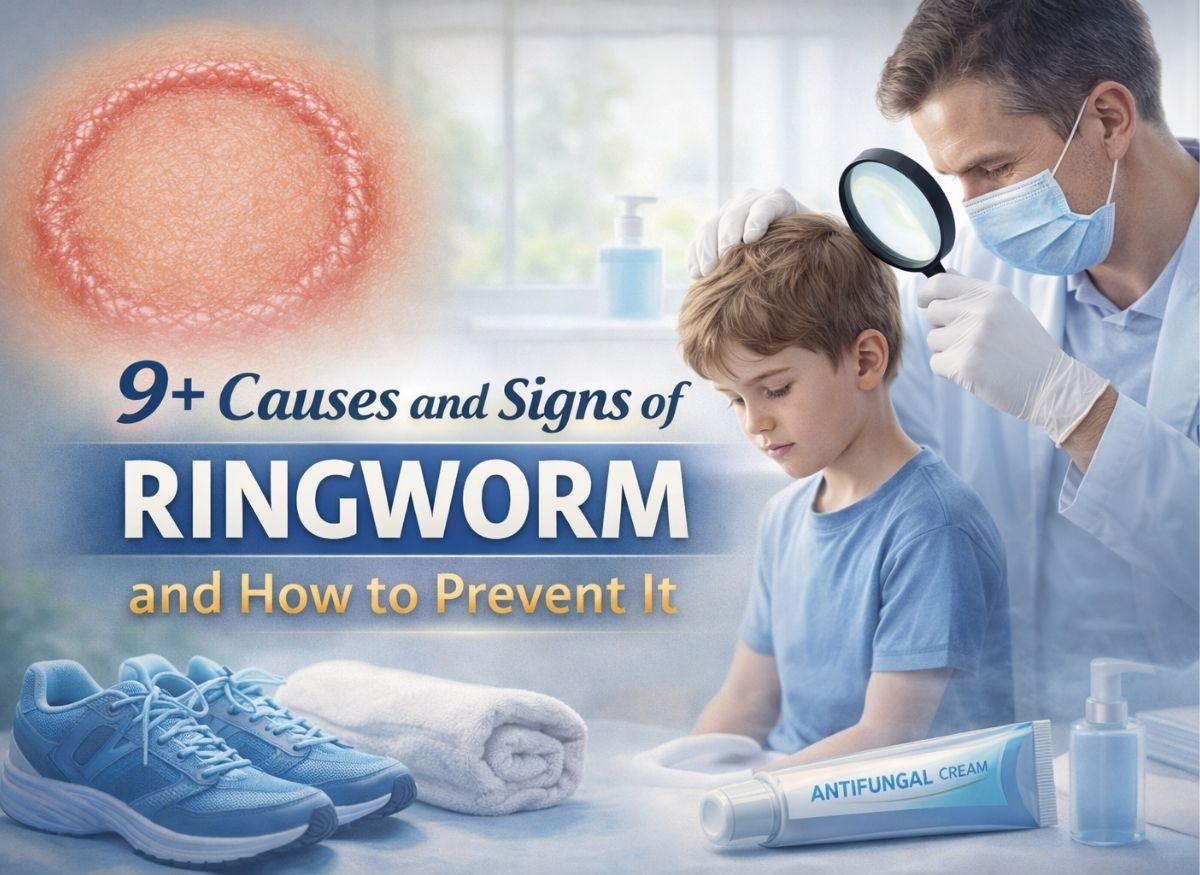
Skin infections are among the most widespread health concerns, and ringworm is one of the conditions that is often misunderstood. Despite its name, ringworm has nothing to do with worms. It is a contagious fungal infection known medically as dermatophytosis. It can develop on the skin, scalp, nails, and feet, commonly producing red, itchy, circular rashes that may spread through contact with infected people, animals, or contaminated objects.
Ringworm can affect individuals of any age, although children, athletes, and people with weakened immune systems may be more susceptible. Warm and humid surroundings, poor hygiene, and sharing personal belongings can also increase the risk. Although ringworm is usually not considered dangerous, it can cause significant discomfort and may lead to complications when ignored.
In this guide, we will explore 9+ common causes and signs of ringworm, along with practical ways to reduce your risk and prevent the infection from spreading.
A Comprehensive Clinical Definition of Ringworm
Ringworm is a contagious fungal infection affecting the superficial layers of the skin. Its medical names include dermatophytosis and tinea. The infection is caused by fungi known as dermatophytes, which live on keratinized tissues such as the skin, hair, and nails.
The term “ringworm” comes from the characteristic circular appearance of many infections. Historically, people mistakenly believed that a worm was moving underneath the skin because of the raised, winding border of the rash.
Ringworm can affect different areas of the body, including the torso, arms, legs, scalp, feet, groin, and nails. The symptoms can vary depending on which part of the body becomes infected.
Is Ringworm Actually Caused by a Worm?
No. Ringworm is not caused by a worm or parasite.
The name comes from the round or ring-shaped appearance that the rash can develop. Modern medical knowledge confirms that ringworm is caused by fungi rather than parasitic worms.
Because the infection is fungal, treatment requires antifungal medication rather than antiparasitic medicine. Using the wrong type of treatment may allow the infection to continue and potentially return.
Understanding the Fungi Behind Ringworm
Ringworm is caused by microscopic fungi called dermatophytes. These organisms are adapted to living on keratin, a protein found in the outer layers of the skin as well as in hair and nails.
Dermatophytes produce enzymes that help them break down keratin. Because they generally remain within keratinized tissues, ringworm is usually a superficial infection. However, the body’s immune response to the fungus can produce itching, redness, scaling, and inflammation.
The Three Main Groups of Dermatophytes
Three major genera are associated with human dermatophyte infections:
- Trichophyton: This is a common cause of infections involving the body, feet, and groin. It is also responsible for many cases of athlete’s foot and jock itch.
- Microsporum: This group is frequently associated with scalp infections and ringworm affecting hair. Certain species can spread from animals such as dogs to humans.
- Epidermophyton: This group commonly affects the body, feet, and skin folds but generally does not infect hair.
How Dermatophytes Are Classified
Dermatophytes can also be grouped according to where they naturally live and how they spread.
Human-to-Human Transmission
Anthropophilic fungi are adapted to humans and can spread from one person to another. They may cause persistent infections and can spread through environments such as shared showers, locker rooms, and other communal areas.
Animal-to-Human Transmission
Zoophilic fungi primarily live on animals. Contact with an infected dog, cat, or other animal can transfer the fungus to humans. These infections may cause stronger inflammation because the fungus is primarily adapted to animal hosts.
Soil-to-Human Transmission
Some dermatophytes live in soil and feed on keratin-containing material such as hair and feathers. People may occasionally become infected through direct contact with contaminated soil.
Understanding where these fungi come from is important for preventing repeated infections and limiting their spread.
Detailed Signs and Symptoms of Ringworm
Recognizing ringworm can sometimes be difficult because its symptoms may resemble other skin conditions, including eczema and psoriasis. While the classic circular rash is one of its best-known signs, ringworm can produce several different symptoms depending on the affected body area.
9+ Common Signs of Ringworm
1. Ring-Shaped Rash
The classic sign of ringworm is a circular or ring-shaped skin lesion. It may begin as a small red area and gradually expand outward. The outer edge can become raised, red, and scaly while the center becomes clearer.
2. Persistent Itching
Intense or ongoing itching is another common symptom. Heat and moisture may make the irritation worse. In babies and young children, itching may appear as increased fussiness or repeated rubbing of the affected area.
3. Scaly or Flaking Skin
Ringworm can cause noticeable scaling and flaking. When the scalp is affected, the scaling may sometimes look similar to severe dandruff. Scalp ringworm, however, often produces distinct affected patches rather than evenly distributed flakes.
4. Blisters or Pustules
Some infections can trigger a stronger inflammatory response, particularly when the fungus has been transmitted from an animal. Small fluid-filled blisters or pustules may develop around the active edge of the rash.
5. Hair Loss
When ringworm affects the scalp or hair, the fungus can weaken the hair shafts and cause them to break. This may create patches of thinning hair or areas where short broken hairs appear as dark dots.
6. Nail Changes
Fungal infections involving the nails can cause the nail plate to become thick, brittle, discolored, or opaque. Nails may develop white or yellow areas and can eventually crumble.
7. Cracking Between the Toes
A form of ringworm commonly known as athlete’s foot can affect the skin between the toes. The area may become white, moist, cracked, and painful, increasing the possibility of secondary bacterial infection.
8. Kerion or Deep Inflammation
A severe scalp infection can sometimes produce a kerion, which is a swollen, soft, inflamed area that may contain pus. This condition requires medical attention because severe inflammation can result in scarring and hair loss.
9. Groin Rash or Jock Itch
Tinea cruris, commonly called jock itch, can produce an itchy reddish-brown rash in the groin folds. The rash may extend toward the thighs and typically has a distinct scaly border.
10. Expanding or Merging Rings
As ringworm progresses, individual circular patches can become larger. Several nearby lesions may eventually join together, creating a larger irregular or multi-lobed rash.
Factors That Can Affect Symptom Severity
The appearance and severity of ringworm can depend partly on how the infection was acquired.
- Animal exposure: Infections transmitted from animals may produce stronger redness, swelling, or blistering.
- Age: Adults may sometimes have less noticeable symptoms, while children can develop more obvious circular rashes and scalp infections.
How Ringworm Spreads
Ringworm is caused by dermatophytes rather than a parasitic worm. These fungi use keratin in the skin, hair, and nails as a source of nutrients.
The organisms can also remain infectious on contaminated objects for extended periods, making it important to understand how transmission occurs.
Human-to-Human Contact
Direct contact with an infected person is one of the main ways ringworm spreads. This can be particularly common among children who have frequent physical contact while playing.
Athletes involved in close-contact sports, including wrestling and martial arts, may also be at increased risk because the fungus can spread through repeated skin-to-skin contact.
Within households, sharing living spaces with someone who has an active infection can increase the chance of transmission.
Animal-to-Human Contact
Infected pets and other animals can transmit ringworm to people. Dogs and cats may carry the fungus even when the signs are difficult to notice beneath their fur.
People who groom, cuddle, or frequently handle infected animals may therefore come into contact with fungal spores.
Farm animals and animals encountered in petting zoos can also be sources of infection.
Object-to-Human Transmission
Ringworm can spread through contaminated personal belongings and surfaces. Hairbrushes, combs, hats, towels, pillows, clothing, and other objects may carry fungal material.
Walking barefoot in shared showers, locker rooms, or around communal swimming areas can also increase exposure to fungi that cause infections of the feet.
Environmental and Biological Risk Factors
Certain conditions make it easier for dermatophytes to grow.
Warm and Humid Conditions
Dermatophytes thrive in warm, moist environments. Frequent sweating, humid weather, and damp skin can create favorable conditions for fungal growth.
Wearing tight or poorly ventilated clothing can also trap moisture against the skin.
Weakened Immune System
People with weakened immune systems may have a greater risk of developing persistent or more difficult-to-manage fungal infections.
Age and Close Contact
Children may be particularly vulnerable to scalp ringworm because of frequent physical contact with other children and greater sharing of personal items.
How to Prevent and Control Ringworm
Preventing ringworm involves maintaining good hygiene, reducing exposure to contaminated objects, and keeping the skin dry.
The goal is to reduce opportunities for dermatophytes to remain on the skin or spread between people, animals, and household surfaces.
Maintain Good Daily Hygiene
Keeping your skin clean and dry is an important part of prevention. Wash your hands regularly, particularly after handling animals or spending time outdoors.
After bathing or showering, dry your body thoroughly. Pay special attention to areas where skin touches skin, as moisture can become trapped there.
Taking a shower after heavy exercise can also help remove sweat and contaminants from the skin.
Do Not Share Personal Items
Avoid sharing items that come into direct contact with the skin or hair.
These include:
- Towels
- Clothing
- Razors
- Hairbrushes
- Combs
- Hats
- Bedding
Shared gym equipment and sports surfaces should also be cleaned appropriately before and after use.
Choose Breathable Clothing
Wear clothing that allows moisture to escape. Change socks and underwear regularly, especially when they become sweaty or damp.
In communal showers, swimming areas, and locker rooms, wearing waterproof sandals can help reduce direct contact with potentially contaminated surfaces.
Household Prevention and Containment
When someone in the household develops ringworm, preventing further spread requires attention to the infected person, shared belongings, household surfaces, and pets.
Follow the Recommended Treatment
Anyone with a confirmed infection should follow the antifungal treatment recommended by a healthcare professional. Depending on the affected area, treatment may involve topical medication or oral antifungal medicine.
Keeping the affected area appropriately covered may also help reduce contact with infectious material.
People with active infections should avoid close-contact activities until they have received appropriate medical guidance about when it is safe to resume them.
Wash Bedding, Towels, and Clothing
Regularly clean items that have been in contact with the infected person’s skin.
Bedding, towels, and clothing should be washed according to appropriate laundering instructions, followed by thorough drying. Items should be handled carefully to reduce the possibility of spreading fungal material.
Clean Household Surfaces
Frequently clean surfaces that may have come into contact with infected skin, hair, or shed material.
Regular vacuuming can help remove contaminated skin flakes and hair from carpets and upholstered furniture. Appropriate household disinfectants can also be used on suitable hard surfaces according to their instructions.
Check Pets for Possible Infection
Pets can sometimes be a source of repeated infection. If a dog or cat develops circular areas of missing fur, scaling, or unusual skin changes, a veterinarian should evaluate the animal.
If ringworm is diagnosed, the pet should receive appropriate veterinary treatment. Its bedding, toys, and surrounding areas should also be cleaned to help reduce continued exposure.
Conclusion
Recognizing the causes and symptoms of ringworm can help you identify the infection early and reduce its spread. Although ringworm is common and contagious, it is generally treatable when addressed appropriately.
Signs such as circular rashes, itching, scaling, redness, hair loss, and nail changes should not be ignored, particularly when symptoms continue to spread.
Good hygiene, keeping the skin dry, avoiding shared personal belongings, and limiting contact with infected people or animals can help reduce transmission.
If symptoms continue, become more severe, or affect the scalp, nails, or other difficult-to-treat areas, seek advice from a healthcare professional for an accurate diagnosis and suitable treatment.
Frequently Asked Questions
What is ringworm and what causes it?
Ringworm is a fungal infection caused by dermatophytes. These fungi feed on keratin found in the skin, hair, and nails. Despite its name, ringworm is not caused by a worm.
Is ringworm contagious?
Yes. Ringworm can spread through direct contact with an infected person or animal. Contaminated items such as towels, clothing, combs, and other personal belongings can also contribute to transmission.
What are the most common symptoms?
A red, circular rash with a raised, scaly border and a clearer center is a common sign. Other symptoms can include itching, flaking, redness, irritation, hair loss, cracked skin, and nail changes.
How is ringworm treated?
Ringworm is commonly treated with antifungal creams, sprays, or powders. Infections involving the scalp or nails, as well as severe or persistent cases, may require prescription oral antifungal medication.
How can ringworm be prevented?
Good hygiene can lower the risk. Keep your skin clean and dry, avoid sharing personal belongings, wear breathable clothing, wash your hands regularly, and use protective footwear in communal showers and locker rooms.
Can ringworm disappear without treatment?
Ringworm may continue to spread if it is left untreated. Appropriate antifungal treatment can help clear the infection and reduce the chance of passing it to others.
When should you see a doctor?
Seek medical advice if the infection spreads quickly, does not improve with treatment, or affects the scalp, nails, or beard area. People with weakened immune systems should also seek professional medical guidance promptly.