6 Common Triggers of Vasovagal Syncope and How to Prevent Fainting
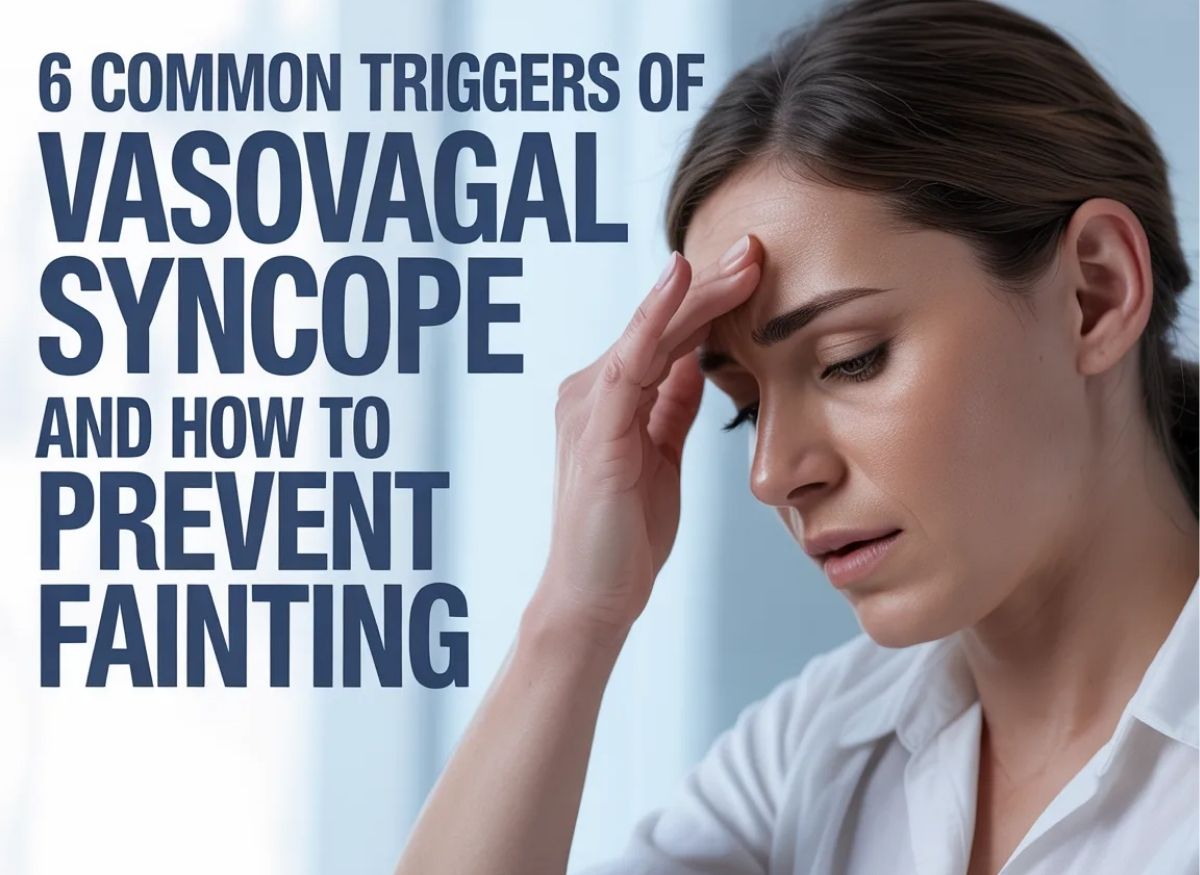
Vasovagal syncope is a common reason people faint. It happens when the body has an unusually strong response to triggers such as emotional stress, pain, or standing for a long time. This reaction can cause the heart rate and blood pressure to fall suddenly, reducing blood flow to the brain and resulting in a short loss of consciousness. Although vasovagal syncope is generally harmless, an unexpected episode can be frightening and may lead to injuries from falling.
Knowing what can trigger vasovagal syncope is an important part of preventing episodes and managing symptoms. Many people notice warning signs such as dizziness, nausea, sweating, or weakness before they faint, but these symptoms can sometimes be ignored. Understanding the common causes and knowing what to do when symptoms begin can help reduce the risk of fainting and keep you safer.
What is Vasovagal Syncope?
Vasovagal syncope is the medical term for fainting caused by an exaggerated response from the body’s nervous system. It is also known as neurocardiogenic syncope or reflex syncope. The condition can occur when the body reacts too strongly to certain situations, including seeing blood, experiencing intense emotions, or dealing with sudden pain.
During this response, the nervous system can cause the heart to beat more slowly while the blood vessels relax. As a result, blood pressure can drop and less blood reaches the brain. When the brain does not receive enough blood for a short period, a person may briefly lose consciousness.
The Mechanics of the Vaso Vagal Reflex
The vaso vagal reflex is the main process behind this type of fainting. It involves the vagus nerve and the body’s automatic control of heart rate and blood pressure. When the reflex is activated, signals from the nervous system can slow the heart while also causing the blood vessels in the legs to widen.
This allows more blood to remain in the lower part of the body instead of returning efficiently to the heart. As the heart rate decreases and blood pressure falls, the amount of blood reaching the brain can also decrease, which may result in a brief loss of consciousness.
Recognizing the Pre Syncopal State
Many people experience a pre-syncopal stage before they actually faint. This period, sometimes referred to as near syncope, is an important warning window because the body begins showing signs that blood flow to the brain may be decreasing.
You may suddenly feel dizzy or as though you are about to pass out. Your vision may become gray, blurry, or narrow into tunnel vision. Other symptoms can include cold sweating, nausea, weakness, warmth, and pale skin. Recognizing these symptoms quickly is important because sitting or lying down may help prevent a complete fainting episode.
The Role of the Vagus Nerve and Fainting
Vasovagal syncope is considered neurocardiogenic because it involves an abnormal response from the autonomic nervous system. The vagus nerve normally plays an important role in controlling heart rate and helping the body return to a calmer state. During a vasovagal episode, however, its influence can become unusually strong.
This sudden slowing effect can separate vasovagal fainting from some other causes of loss of consciousness, such as certain heart rhythm disorders. When a person lies down, the head is closer to the level of the heart, making it easier for blood to reach the brain. As circulation improves, consciousness often returns quickly.
6 Common Triggers of Vasovagal Syncope
Vasovagal syncope usually has a recognizable trigger rather than happening completely at random. Emotional stress, physical strain, environmental conditions, and certain internal factors can all place enough stress on the body to activate the vaso vagal reflex.
These triggers can cause heart rate and blood pressure to fall, reducing blood flow to the brain and potentially leading to fainting.
Emotional Distress and Sensory Phobias
Strong emotions are among the most recognized triggers of neurocardiogenic syncope. Intense fear, shock, emotional distress, or the sight of blood can cause a powerful response from the autonomic nervous system.
People with a blood-injury-injection phobia may experience a distinctive response in which heart rate briefly rises before the vagal response causes it to fall. This sudden change can lower blood pressure and result in fainting.
Even anticipating a needle, medical procedure, or highly stressful situation may bring on faintness symptoms in some people. This shows how closely emotional reactions and the vagus nerve are connected.
Mechanical Stress: Prolonged Standing and Heat
Standing for a long period can make it harder for blood to return from the legs to the heart. This effect can become stronger in hot surroundings because the blood vessels expand to help the body release heat.
Dehydration can make this situation worse by reducing the amount of blood circulating through the body. In people who are prone to vasovagal episodes, these factors can cause the body’s normal compensation system to overreact.
As a result, fainting may occur after standing for a long time, especially in crowded, hot, or poorly ventilated environments.
Physical Strain and the Valsalva Maneuver
Heavy physical effort can sometimes change pressure inside the chest and interfere with normal blood flow. Activities involving the Valsalva maneuver, such as heavy lifting, forceful coughing, or straining during a bowel movement, can sharply increase pressure in the chest.
This can temporarily reduce blood returning to the heart. Once the strain stops, blood pressure can change quickly, and in some people this shift may trigger an exaggerated vagal response. The result can be a brief loss of consciousness associated with neurocardiogenic vasovagal syncope.
Internal Vulnerabilities: Pain, Hunger, and Dehydration
The body’s physical condition can also affect how easily a person experiences a syncopal episode. Sudden or severe pain can send strong signals to the nervous system and may trigger fainting in susceptible individuals.
Hunger and low blood sugar can contribute to weakness and lightheadedness, while dehydration lowers circulating blood volume. When these factors occur alongside another trigger, such as emotional stress or prolonged standing, the pre-syncopal stage may progress more quickly into complete fainting.
How To Prevent a Vasovagal Syncope Fainting Episode
Preventing vasovagal syncope often means recognizing the body’s warning signs and responding before the reflex becomes severe. The pre-syncopal period can provide valuable time to protect yourself from losing consciousness.
Physical counter-pressure techniques can help support blood pressure when symptoms begin, while adequate fluids, regular meals, and avoiding known triggers may reduce the likelihood of future episodes.
Mastering Physical Counter-Pressure Maneuvers
Physical counter-pressure maneuvers can be useful when you start feeling faint. These movements involve tightening large muscle groups to help push blood back toward the heart and support blood pressure.
Crossing your legs and tightening your thigh, buttock, and abdominal muscles can compress the veins in the lower body. This may improve venous return and help restore blood pressure so more blood can reach the brain.
Other techniques include tightly squeezing your fists or using arm-tensing movements. If you are in a safe location, squatting can also help because it reduces pooling of blood in the legs and places the head closer to the heart.
The Power of Hydration and Salt
Adequate hydration is an important part of managing vasovagal episodes. When you are dehydrated, your circulating blood volume is lower, which can make it more difficult for your body to maintain stable blood pressure during a vasovagal response.
The original guidance recommends drinking around 2 to 3 liters of water each day to support blood volume. Some people may also be advised by a doctor to consume more sodium because salt helps the body retain fluid. However, increasing salt intake should be discussed with a healthcare professional because it may not be appropriate for everyone.
Nutritional Stability and Routine
Maintaining regular meals can also help reduce factors that may contribute to faintness. Skipping meals can lead to low blood sugar, which may cause dizziness or weakness and make the body less able to handle other triggers.
Eating regular meals that include protein and complex carbohydrates can help provide a steady supply of energy. A consistent eating routine, combined with proper hydration, can support normal nervous-system and cardiovascular function.
It’s Important To Identify and Avoid Your Specific Triggers
Learning your personal vasovagal triggers is one of the most practical ways to prevent future episodes. Different people may react to different situations, so paying attention to what happens before fainting can reveal useful patterns.
Once you understand what tends to bring on your symptoms, you can avoid those situations when possible or prepare for them when they cannot be avoided.
The Power of Pattern Recognition
Vasovagal syncope often follows a recognizable pattern. For some people, standing in a hot environment may be enough to trigger symptoms. Others may be more sensitive to pain, needles, emotional stress, hunger, or dehydration.
Keeping a record of fainting and near-fainting episodes can help identify these patterns. You might notice that symptoms occur mainly when you are dehydrated and under significant stress. Recognizing this combination allows you to take preventive measures, such as drinking more fluids and using counter-pressure techniques when needed.
Environmental Engineering and Staged Transitions
Once you know your triggers, small changes to your daily environment can help reduce your risk. If standing for long periods is difficult, try to sit whenever possible and avoid staying upright in hot or crowded areas for too long.
Changing positions gradually can also help. Instead of getting out of bed immediately, sit on the edge of the bed for a short time before standing. If heat is a trigger, staying cool and carrying a cold drink may be useful. These simple steps create extra time for your body to adjust.
Managing Unavoidable Triggers
Some triggers cannot always be avoided. Blood tests and other medical procedures are common examples. If you have a history of fainting during blood draws or similar procedures, tell the healthcare professional beforehand.
The procedure may be performed while you are lying down instead of sitting or standing. This position can help keep blood flowing toward the brain and also reduces the chance of injury if you lose consciousness.
Psychological Resilience and Control
Worrying about fainting can sometimes increase stress around situations that have caused previous episodes. Understanding your triggers and learning to recognize early symptoms can help reduce some of this uncertainty.
When you know that hunger, needles, emotional stress, or another specific situation can cause symptoms, you can prepare in advance. Having a plan to sit or lie down and use appropriate physical techniques can make these situations easier to manage.
What Should You Do Immediately When You Feel Warning Signs?
The time between the first signs of faintness and actual loss of consciousness can be very short. When dizziness, nausea, sweating, tunnel vision, or weakness begins, your priority should immediately become protecting yourself from a fall.
Do not try to continue walking or simply wait while standing. Remaining upright can make it harder for blood to reach the brain and can increase the chance of falling if you lose consciousness.
The Supine Position: Gravity as Your Ally
If possible, lie flat on your back as soon as you notice warning signs. This reduces the effect of gravity and allows blood to return more easily toward the heart and brain.
If it is safe and comfortable, raising your legs can further help move pooled blood from the lower body back into the central circulation. This can support blood pressure and improve blood flow to the brain.
The Seated Alternative: Head Below Heart
If lying down is not practical, sit on the floor or on a sturdy chair immediately. Once seated, bend forward and place your head between your knees.
This position reduces the distance blood needs to travel to reach the brain. You can also tighten your leg and buttock muscles while sitting to help support blood pressure. Sitting is much safer than remaining upright if you feel you may lose consciousness.
Avoiding the “Stand and Wait” Trap
Some people may feel uncomfortable sitting or lying down in public when they begin to feel faint. They may lean against a wall or try to wait until the symptoms disappear.
However, staying upright can increase the risk of losing consciousness and falling. Moving to a safe seated or lying position is not simply a matter of comfort; it is an important safety measure that can reduce the risk of injury.
Recovery and Staged Re-Entry
Once dizziness, nausea, or tunnel vision has improved, do not immediately stand up. Symptoms can return if you move too quickly after a vasovagal episode.
Stay in your recovery position for several minutes and make sure you feel stable before changing position. When you are ready, move gradually from lying to sitting and then slowly to standing. This gives your body time to adjust and may reduce the chance of another episode.
What Else Should You Know About Managing Vasovagal Syncope?
Managing vasovagal syncope involves more than knowing how to respond to symptoms. It is also important to understand how doctors evaluate fainting and how vasovagal episodes can differ from more serious cardiac causes.
Although vasovagal syncope is commonly a reflex response, fainting can sometimes be connected to heart rhythm problems or structural heart conditions. Giving your doctor a clear description of what happened before, during, and after an episode can help with the evaluation.
The Diagnostic Path: From EKG to Tilt-Table
A doctor may first focus on determining whether the fainting could be related to the heart. An EKG is a basic test that records the heart’s electrical activity and can help identify abnormal rhythms.
If your history suggests a vasovagal reflex but the diagnosis remains uncertain, a tilt-table test may be recommended. During this test, you are secured to a table that changes from a lying position toward an upright position while your heart rate and blood pressure are monitored.
This allows doctors to observe how your body responds to the effects of standing and whether the changes resemble those associated with neurocardiogenic syncope.
Differentiating Benign Reflex from Cardiac Danger
Recognizing warning signs before fainting can provide useful clues. Vasovagal syncope commonly includes a prodrome, such as nausea, sweating, dizziness, or a feeling of weakness before consciousness is lost.
By contrast, fainting that occurs suddenly without any warning can sometimes be linked to an abnormal heart rhythm. Fainting during exercise or while lying down is also not typical of a straightforward vasovagal episode and should be evaluated promptly.
If fainting occurs along with chest pain, palpitations, or sudden loss of consciousness during physical activity, medical assessment is especially important.
The Real Danger: Environmental Risks and Injury
Although the fainting episode itself is often brief, the biggest immediate danger can be the injury caused by falling. A person may hit their head, fracture a bone, or suffer another injury if they lose consciousness without warning.
This makes the environment especially important. Fainting near stairs, while driving, or around hard surfaces can have serious consequences. Recognizing faintness symptoms and moving to a safe position as soon as possible can help reduce these risks.
Living with Neurocardiogenic Syncope
For many people, managing neurocardiogenic vasovagal syncope involves lifestyle changes rather than intensive treatment. Staying hydrated, avoiding known triggers, maintaining regular meals, and using counter-pressure techniques can all play a role.
If episodes happen frequently or significantly interfere with daily life, a doctor may discuss additional treatment options. Depending on the individual circumstances, these may include medication or, in rare cases involving significant bradycardia, more specialized treatment such as a pacemaker.
The appropriate approach depends on the person’s symptoms, medical history, and underlying cause.
The Difference Between Vasovagal Syncope and Cardiac Syncope
Vasovagal syncope and cardiac syncope can both cause temporary loss of consciousness, but their underlying mechanisms can be very different. Knowing the differences is important because cardiac causes may require more urgent evaluation.
Neurological Reflex vs. Mechanical Failure
The main difference is where the problem begins. Vasovagal syncope involves an abnormal reflex from the autonomic nervous system. Signals involving the vagus nerve can slow the heart and lower blood pressure, reducing blood flow to the brain.
Cardiac syncope begins within the heart itself. It may result from a structural problem, such as hypertrophic cardiomyopathy or aortic stenosis, or from an abnormal heart rhythm that makes the heart beat too quickly or too slowly to maintain adequate blood pressure.
The Importance of the Warning Period (Prodrome)
The presence of a warning period can provide an important clue. A person experiencing vasovagal syncope may notice dizziness, nausea, sweating, or tunnel vision before losing consciousness.
Cardiac syncope can occur suddenly and without noticeable warning. A person may collapse unexpectedly while talking or performing another activity. A sudden unexplained loss of consciousness therefore deserves appropriate medical evaluation.
Triggers: Emotion vs. Exertion
The circumstances surrounding an episode can also help doctors determine the possible cause. Vasovagal syncope can be triggered by dehydration, the sight of needles, emotional stress, pain, or standing in a hot and crowded environment.
Cardiac syncope can occur during physical exertion. Fainting while running, exercising, or lifting heavy weights can indicate that the heart is struggling to meet the body’s increased demand and should be medically evaluated.
Risk Profiles and Long-Term Outlook
Vasovagal syncope is generally considered a benign form of fainting, although falling can result in serious injury. Once blood flow to the brain returns, the episode usually ends without lasting organ damage.
Cardiac syncope can be more serious because it may indicate an underlying structural or electrical problem with the heart. For this reason, unexplained fainting, particularly fainting without warning or during exercise, should not be ignored.
Conclusion
Vasovagal syncope can be unsettling, but understanding its triggers and recognizing early warning signs can help reduce the risk of fainting. Staying hydrated, avoiding prolonged standing, managing stress, and paying attention to your body’s signals can all support prevention.
Learning which situations trigger your symptoms can also help you prepare ahead of time. When you recognize the early signs, moving to a safe seated or lying position can reduce the chance of injury and may prevent a complete loss of consciousness.
If you experience frequent or unexplained episodes of vasovagal syncope, seek medical advice to make sure another underlying condition is not responsible. With proper awareness, preventive habits, and appropriate medical guidance, many people can manage vasovagal syncope and continue their normal activities safely.
Frequently Asked Questions (FAQ) About Vasovagal Syncope
What is vasovagal syncope?
Vasovagal syncope is a type of fainting that occurs when the body has an unusually strong reaction to a particular trigger. This reaction can cause the heart rate and blood pressure to drop, reducing blood flow to the brain and briefly causing a person to lose consciousness.
The episode is usually short, and consciousness often returns as circulation improves. Although fainting can be frightening, vasovagal syncope is often harmless in otherwise healthy individuals.
What triggers vasovagal syncope?
Common triggers include emotional stress, fear, pain, dehydration, and standing for extended periods. Seeing blood or needles, being exposed to intense heat, and certain sudden changes in posture can also trigger an episode.
Identifying your own triggers can make it easier to take preventive measures and lower the chance of fainting.
What are the warning signs before fainting?
Before a vasovagal episode, many people experience symptoms such as dizziness, lightheadedness, nausea, sweating, blurred or tunnel vision, weakness, or a feeling of warmth.
These warning signs may occur seconds or minutes before fainting. Recognizing them early gives you an opportunity to sit or lie down and reduce the risk of losing consciousness or getting injured.
Is vasovagal syncope dangerous?
In most cases, vasovagal syncope itself is not considered dangerous. The main concern is the possibility of injury caused by falling during an episode.
Frequent fainting, unexplained episodes, or fainting without warning should be evaluated by a doctor. An appropriate medical assessment can help rule out other possible causes.
How can vasovagal syncope be prevented?
Preventing vasovagal syncope usually involves identifying and avoiding known triggers while maintaining adequate hydration. Drinking enough fluids, standing up gradually, eating regular meals, and avoiding excessive heat may help lower the risk.
When early symptoms appear, techniques such as crossing your legs or tightening your muscles may help support blood pressure. Moving to a safe seated or lying position is also important.
When should I see a doctor for vasovagal syncope?
You should seek medical advice if vasovagal episodes happen frequently, occur without warning, happen during exercise, or are accompanied by symptoms such as chest pain or an irregular heartbeat.
A healthcare professional may perform tests to evaluate heart rhythm, blood pressure, and other possible causes. Early assessment can help identify the reason for fainting and determine the appropriate management.