
Epstein-Barr Virus (EBV): Transmission, Symptoms, and Treatment Options
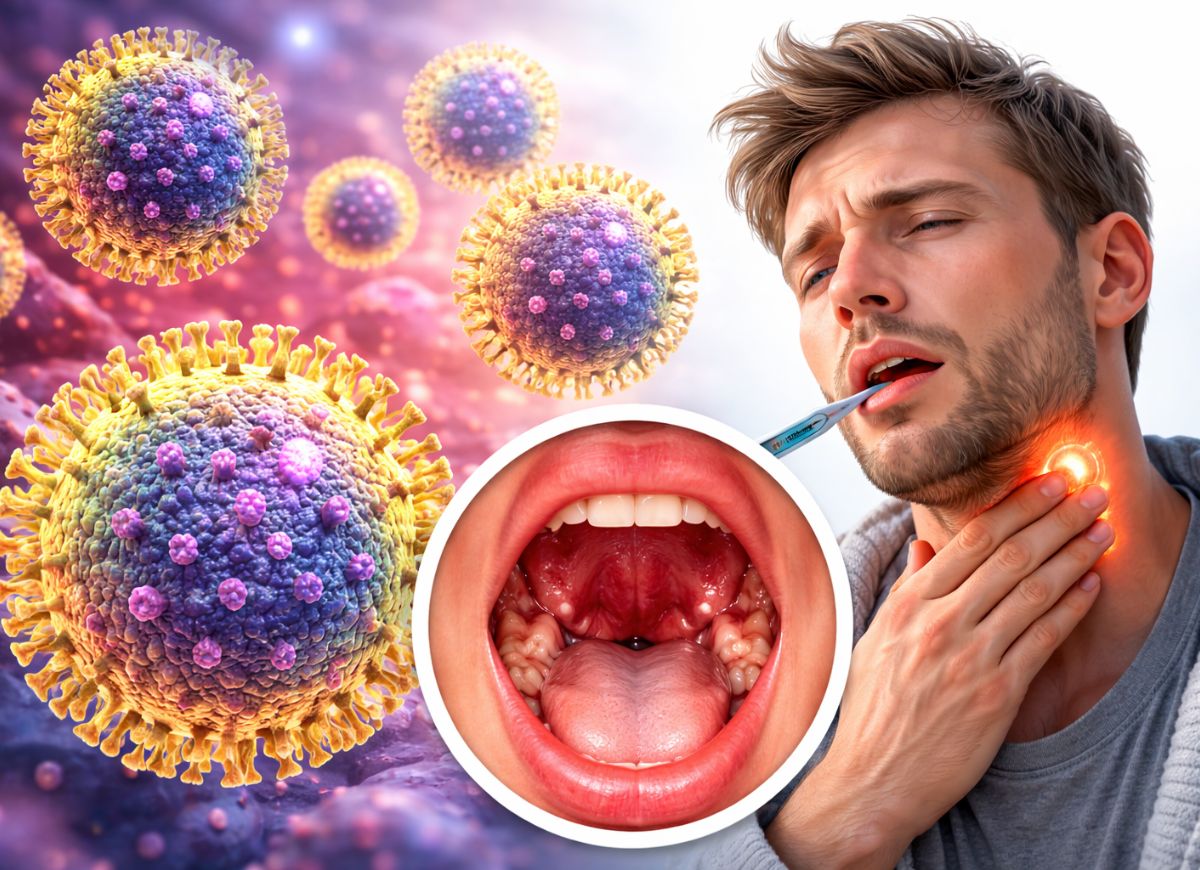
Epstein-Barr Virus (EBV) is among the most widespread viruses worldwide, and many people are exposed to it at some point during their lives. The Centers for Disease Control and Prevention (CDC) reports that a large majority of adults have been infected with EBV by adulthood.
EBV is commonly associated with infectious mononucleosis, often called mono, but an infection does not always produce noticeable symptoms. Some people have mild symptoms, while others may not realize they were infected at all. Although EBV is extremely common, most infections resolve without serious complications.
EBV belongs to the herpesvirus family and is mainly transmitted through bodily fluids, particularly saliva. Because kissing is a common route of transmission, mono is sometimes known as the “kissing disease.”
The virus can also spread through other forms of close contact, including sharing drinks or utensils and, less commonly, through blood or organ transplantation. Many people who become infected never develop severe symptoms.
Symptoms can vary considerably from one person to another. Classic signs of mono include fever, a painful sore throat, and swollen lymph nodes. Fatigue, headaches, and muscle aches may also continue for several weeks. Serious complications are uncommon but can occur in certain situations.
Fortunately, most EBV infections can be managed with supportive care. There is no specific routine antiviral cure for uncomplicated EBV infection, so treatment generally focuses on rest, adequate fluids, and medications that relieve pain or fever. More serious cases may require additional medical treatment.
This article explains how Epstein-Barr virus spreads, the symptoms it may cause, how it is diagnosed, and the treatment and management options available.
What is the Epstein-Barr Virus (EBV)?
Epstein-Barr virus is a double-stranded DNA virus belonging to the Herpesviridae family. This family also includes viruses responsible for conditions such as cold sores, genital herpes, and chickenpox or shingles.
EBV was identified in 1964 by British researchers Michael Anthony Epstein and Yvonne Barr. They discovered viral particles in cells grown from a Burkitt lymphoma tumor.
This discovery was especially important because it provided the first direct evidence connecting a virus with a human cancer. EBV is extremely common, and most people become infected during childhood or adolescence, often without developing obvious symptoms.
EBV primarily targets two types of cells. It initially infects epithelial cells lining the oropharynx, the area at the back of the mouth and throat. The virus can reproduce in these cells and enter saliva, which helps it spread from one person to another.
After this early stage, EBV infects B lymphocytes, which are white blood cells involved in the immune system. The virus can remain inside these cells in a dormant or latent state for the rest of a person’s life.
By maintaining its genetic material inside infected cells, EBV can persist within the body and occasionally reactivate. This ability to remain hidden and later become active is a defining feature of herpesviruses and plays an important role in EBV infection.
What is Chronic Active EBV Infection (CAEBV)?
Chronic Active EBV Infection (CAEBV) is a rare and potentially life-threatening condition associated with uncontrolled EBV activity. Unlike a typical EBV infection, where symptoms eventually improve and the virus becomes latent, CAEBV causes persistent illness because the body cannot adequately control the infection.
Individuals with CAEBV may develop ongoing symptoms similar to severe infectious mononucleosis. These can include persistent fever, extreme fatigue, enlarged lymph nodes, and enlargement of the spleen and liver.
The condition is associated with high levels of EBV DNA in the blood and evidence that infected cells are affecting organs. This indicates that the infection is active and widespread rather than simply representing the tiredness that can remain after ordinary mono.
CAEBV is different from post-viral fatigue. Instead, it involves continuing viral activity and inflammation that may progressively damage organs.
Without appropriate treatment, serious complications can develop. These may include liver problems, spleen rupture, pneumonia, abnormalities in blood cell counts, hemophagocytic lymphohistiocytosis (HLH), and EBV-associated lymphomas.
CAEBV is reported most often in children and young adults and appears to occur more frequently in some East Asian and Latin American populations. Genetic and other biological factors may contribute to this pattern.
Because the condition can resemble other illnesses, diagnosis usually involves several tests and careful evaluation. Treatment may include immunosuppressive therapy, chemotherapy, and, in appropriate cases, hematopoietic stem cell transplantation, which can offer a potential cure.
Phases of an EBV Infection
The Epstein-Barr virus infection cycle generally includes two major phases: the lytic phase, when the virus actively reproduces, and the latent phase, when the virus remains dormant inside infected B cells.
This two-stage process allows EBV to establish a lifelong infection. The virus can move between active replication and latency, which is important both during the initial illness and throughout its long-term persistence.
During the lytic, or active, phase, the virus activates specific genes that allow it to copy its DNA and produce new viral particles.
Infected cells can become sites where large numbers of new viruses are produced. Eventually, some infected cells break down and release newly formed viral particles, allowing the virus to infect additional cells.
The body’s immune response to this active infection contributes to the symptoms of infectious mononucleosis. During active replication, the virus can also be released into saliva, allowing transmission to other people.
After the initial active infection, EBV can enter a latent state. The virus infects B lymphocytes and maintains its DNA inside the cell nucleus in the form of an episome.
During latency, EBV produces only a limited number of viral proteins. This allows the virus to remain relatively hidden from immune defenses while maintaining a reservoir of infected cells that can remain in the body for life.
The virus can occasionally reactivate, potentially in response to immune suppression or other factors. Reactivation may result in viral shedding, although healthy people often experience no noticeable symptoms when this occurs.
Symptoms of an Epstein-Barr Virus Infection
Common Signs of Infectious Mononucleosis
Infectious mononucleosis caused by EBV is commonly associated with three main symptoms: fever, a severe sore throat, and swollen lymph nodes, particularly those located at the back of the neck.
These symptoms are largely related to the immune system’s response to infected B lymphocytes. Although this classic combination is common, EBV-related mono can cause several other symptoms, especially in teenagers and young adults.
Systemic and Constitutional Symptoms
Mono often develops gradually. A person may initially feel generally unwell or unusually tired before developing more intense fatigue.
Fever can also occur and may continue for one to two weeks. Headaches, muscle aches, reduced appetite, and a general feeling of weakness are also possible.
Throat and Lymphatic System Symptoms
A severe sore throat is one of the most recognizable symptoms of mono. The throat may become very red, while the tonsils can swell and develop a thick white or gray coating that may resemble strep throat.
Swollen lymph nodes are also common. The neck is the most frequently affected area, although lymph nodes in the armpits and groin can also become enlarged.
Abdominal and Skin Symptoms
Some people with mono develop splenomegaly, which means the spleen becomes enlarged.
Because the spleen plays an important role in immune activity and blood filtration, it may enlarge during an EBV infection. The liver can also become inflamed or enlarged in some cases, occasionally resulting in mild jaundice, which causes yellowing of the skin or eyes.
A faint, non-itchy rash can also occur. This rash may become especially noticeable when someone with mono is incorrectly given antibiotics such as amoxicillin or ampicillin.
How Long Do Symptoms of EBV Typically Last?
EBV symptoms often improve within two to four weeks, although fatigue may remain for several additional weeks or even months. The infection begins with an incubation period during which the virus is multiplying but the person may not notice any symptoms.
The long period between exposure and symptoms can make it difficult to identify exactly when or from whom the infection was acquired. Recovery also varies from person to person.
After exposure, the incubation period is commonly around four to six weeks. During this period, the virus can spread within the body, including to B lymphocytes, without producing obvious symptoms.
Viral shedding in saliva can also occur around this time, meaning a person may be able to spread EBV before realizing they are sick.
Once the acute stage begins, symptoms such as fever and severe sore throat generally continue for several weeks. Fever and throat symptoms often improve before swollen lymph nodes and an enlarged spleen return to normal.
Fatigue is often the symptom that lasts the longest. Some people continue to experience significant tiredness for several weeks, while others may take several months to fully regain their usual energy.
Because an enlarged spleen can be vulnerable to injury, people recovering from mono should avoid strenuous exercise and contact sports until their healthcare provider says it is safe. A direct blow to the abdomen can rarely cause the spleen to rupture, which is a medical emergency.
Doctors commonly advise avoiding strenuous or contact activities for several weeks and may provide individualized guidance based on symptoms and the condition of the spleen.
The Relationship Between Epstein-Barr Virus and Mononucleosis
Epstein-Barr virus is the main cause of infectious mononucleosis. Mono develops when the body’s immune system mounts a strong response to the initial EBV infection.
Although other viruses can cause illnesses that resemble mono, EBV is responsible for the large majority of infectious mononucleosis cases.
Does the Epstein-Barr Virus Always Cause Mono?
No. An EBV infection does not automatically result in infectious mononucleosis. Many infections, particularly those acquired during early childhood, cause few or no noticeable symptoms.
Whether someone develops classic mono depends partly on their age when they become infected and how their immune system responds. This is one reason many adults have antibodies showing previous EBV exposure even though they do not remember having mono.
Young children often experience a less noticeable infection. They may have no symptoms or only mild signs such as a low-grade fever, minor sore throat, or tiredness.
As a result, the infection can easily be mistaken for an ordinary childhood illness. Afterward, the virus remains in the body in a latent state.
When EBV infection first occurs during adolescence or young adulthood, the immune response can be much stronger. This may produce the characteristic symptoms of mono, including fever, severe sore throat, swollen lymph nodes, and prolonged fatigue.
These symptoms are largely caused by the body’s immune response rather than simply by direct destruction of cells by the virus. Cytotoxic T lymphocytes become highly active as they attempt to control EBV-infected B lymphocytes, contributing to the intensity of the illness.
Mono Symptoms vs. The Flu or Strep Throat
Mono can sometimes look similar to influenza or strep throat because all three conditions may cause fever and throat discomfort. However, prolonged fatigue, swollen lymph nodes, and possible spleen enlargement are more characteristic of mono.
The causes are also different. Mono is usually viral, influenza is caused by influenza viruses, and strep throat is caused by bacteria. Correctly identifying the illness helps determine the appropriate treatment.
Mono vs. Influenza (the Flu)
Influenza often begins suddenly. Fever, body aches, headache, fatigue, and respiratory symptoms such as cough or a runny nose may appear quickly.
Mono generally develops more gradually. Although both illnesses can cause fever and tiredness, the fatigue associated with mono can be particularly intense and may continue long after the other symptoms improve.
A severe sore throat and swollen lymph nodes are also more characteristic of mono than typical influenza.
Mono vs. Strep Throat
Strep throat is caused by the bacterium Streptococcus pyogenes. It commonly produces a painful sore throat, difficulty swallowing, fever, and swollen or red tonsils that may contain white patches.
Unlike mono, strep throat generally does not cause the same prolonged fatigue or enlargement of the spleen and liver.
Another important difference is treatment. Strep throat may require antibiotics, while antibiotics do not treat EBV because it is a viral infection.
People with mono can also develop a noticeable rash after taking certain antibiotics, particularly amoxicillin. Rapid strep testing or a throat culture can help identify strep throat, while EBV antibody testing may help confirm an EBV infection.
The Common Transmitted Ways of Epstein-Barr Virus
Saliva is the primary route through which EBV spreads. This is why infectious mononucleosis is commonly called the kissing disease.
The virus can be present in saliva because it replicates in cells of the mouth and throat. A person may continue shedding EBV in saliva for an extended period after symptoms improve.
Because EBV can reactivate, viral shedding may also occur at different times throughout a person’s life, sometimes without causing noticeable symptoms.
Kissing is not the only way the virus spreads. EBV can also be transmitted through objects contaminated with infected saliva.
Examples include drinking glasses, eating utensils, water bottles, toothbrushes, and straws. Young children may also spread the virus by sharing toys that have been placed in their mouths.
Coughing or sneezing may contribute to transmission when people are in close contact, although saliva remains the primary route.
EBV can also be present in other bodily fluids. It has been detected in semen, so sexual transmission may be possible.
Less commonly, EBV can spread through blood transfusions and organ transplantation. This is particularly important in transplant medicine because people taking immune-suppressing medications may be more vulnerable to serious EBV-related complications.
Epstein-Barr Virus Infection Diagnois
Doctors can use several blood tests to determine whether an EBV infection is recent, active, or occurred in the past. These tests are generally referred to as EBV serology.
Rather than directly detecting the virus, these tests look for antibodies produced by the immune system in response to different parts of EBV. The combination and timing of these antibodies can help healthcare professionals interpret the stage of infection.
Three important markers in an EBV antibody panel are Viral Capsid Antigen (VCA) IgM, Viral Capsid Antigen (VCA) IgG, and Epstein-Barr Nuclear Antigen (EBNA) antibodies.
VCA-IgM usually appears early after an initial EBV infection. Its presence can indicate a recent or current infection. These antibodies generally decrease over time and may eventually become undetectable.
VCA-IgG also develops relatively early, but unlike VCA-IgM, it usually remains detectable for life. A positive VCA-IgG result indicates that a person has been exposed to EBV at some point.
EBNA (Epstein-Barr Nuclear Antigen) IgG develops later after infection and generally remains detectable for life. When VCA-IgG and EBNA antibodies are present while VCA-IgM is absent, the pattern is generally consistent with a past infection.
Active Epstein-Barr Virus Infection Treatment
Treatment for an uncomplicated active EBV infection, including infectious mononucleosis, is generally focused on supportive care. There is no routine cure that eliminates EBV from the body, and specific antiviral medications are not usually recommended for uncomplicated mono.
The main goal is to control symptoms while allowing the immune system time to manage the infection.
Adequate rest is especially important. Significant fatigue is common during mono, and trying to maintain a normal level of activity despite severe exhaustion may make recovery more difficult.
Staying well hydrated is also important. Water, broth, and other suitable fluids can help prevent dehydration, particularly when fever is present, and may also provide some relief for a sore throat.
Over-the-counter medicines may help reduce fever, headaches, and muscle aches. Acetaminophen and NSAIDs such as ibuprofen or naproxen are commonly used when appropriate. Aspirin should not be given to children or teenagers because of its association with Reye’s syndrome.
For throat discomfort, warm salt-water gargles, throat lozenges, and throat sprays may provide temporary relief.
Avoiding strenuous exercise and contact sports is particularly important when the spleen is enlarged. A blow to the abdomen can potentially cause a swollen spleen to rupture, creating a life-threatening emergency.
People recovering from mono should follow their healthcare provider’s recommendations regarding when to resume exercise and sports.
Complication of Epstein-Barr Virus Infection
Most people infected with EBV do not develop serious complications. However, EBV has been associated with several uncommon but important health conditions, including certain cancers and autoimmune diseases.
Because the virus can remain inside B lymphocytes, it can affect the behavior of these cells in certain circumstances. In rare cases, these changes may contribute to abnormal cell growth.
EBV has been associated with certain lymphomas, including Burkitt lymphoma and some cases of Hodgkin lymphoma. It is also strongly associated with nasopharyngeal carcinoma and some stomach cancers.
However, EBV alone does not cause these cancers in every infected person. Other factors, including genetics, immune function, and environmental influences, also play important roles.
Research has also identified a strong association between EBV and multiple sclerosis (MS), an autoimmune disease affecting the central nervous system.
One proposed explanation involves molecular mimicry, in which immune responses directed against viral proteins may also react with certain proteins in the body’s own tissues. The exact biological mechanisms linking EBV with autoimmune diseases continue to be studied.
EBV has also been investigated as a possible contributing factor in conditions such as systemic lupus erythematosus (SLE) and rheumatoid arthritis.
Does the Epstein-Barr Virus Ever Truly Leave Your Body?
After an initial EBV infection, the virus generally remains in the body for life. Instead of being completely eliminated, it enters a dormant state called viral latency.
Once the acute infection has passed, EBV stops actively reproducing and remains primarily within certain B lymphocytes. The person typically no longer experiences the symptoms of the original infection.
During latency, the virus remains inside infected cells and can persist for many years.
Occasionally, EBV may reactivate. When this happens, the virus can begin producing new viral particles and may be shed through saliva again.
For most healthy people, reactivation does not cause noticeable symptoms because the immune system is able to keep the virus under control.
More serious problems are more likely in people whose immune systems are significantly weakened. This can include people with advanced HIV infection, organ transplant recipients taking immunosuppressive medications, or individuals receiving certain cancer treatments.
In these situations, the immune system may have difficulty controlling EBV, increasing the risk of conditions such as EBV-related lymphoproliferative disorders.
FAQs
1. How does someone get the Epstein-Barr virus?
Epstein-Barr virus is mainly spread through bodily fluids, especially saliva. Kissing is one common way the virus can pass from one person to another, which is why mono is often called the kissing disease.
EBV can also spread through shared drinks, utensils, toothbrushes, or other objects contaminated with saliva. Less commonly, transmission can occur through blood transfusions or organ transplantation.
2. How serious is the Epstein-Barr virus?
For most people, EBV causes either no noticeable symptoms or a temporary illness. When it causes infectious mononucleosis, common symptoms include fever, sore throat, swollen lymph nodes, and significant fatigue.
Serious complications are uncommon but can occur, particularly in people with weakened immune systems. EBV is also associated with certain cancers and autoimmune conditions, although most people who carry the virus never develop these complications.
3. Can I kiss people if I have EBV?
If you currently have an EBV infection, avoiding kissing and other activities that involve sharing saliva can help reduce the chance of spreading the virus.
EBV can remain detectable in saliva even after symptoms improve, so there is no simple point at which transmission risk completely disappears. People who are especially vulnerable to infections should take additional precautions.
4. Who is most at risk for EBV?
Anyone who has not previously been infected can contract EBV. Teenagers and young adults are more likely to develop noticeable infectious mononucleosis after a first infection.
People who have frequent close contact with others may also have greater opportunities for exposure. Individuals with weakened immune systems are at increased risk of developing serious EBV-related complications.
5. Is there a cure for EBV?
There is currently no specific treatment that completely removes EBV from the body. For uncomplicated infections, treatment generally focuses on rest, fluids, and medications that relieve symptoms.
Antibiotics do not treat EBV itself, although a doctor may prescribe them if a separate bacterial infection, such as strep throat, is also present.
Severe EBV-related complications may require specialized treatment, depending on the condition involved.
6. How much vitamin C for Epstein-Barr?
There is no established vitamin C dose specifically recommended for treating Epstein-Barr virus infection. Although vitamin C is an important nutrient for normal immune function, it should not be considered a treatment or cure for EBV.
Anyone considering high-dose vitamin C supplements should first discuss them with a healthcare professional. Excessive amounts can cause problems such as digestive discomfort and, in some people, kidney stones.
7. What foods should you avoid if you have EBV?
There is no specific diet proven to eliminate or cure EBV. During an infection, the focus should be on maintaining a balanced and nutritious diet while drinking enough fluids.
It may be helpful to limit alcohol, particularly if the infection is affecting the liver, and to avoid foods that worsen your individual symptoms. Fruits, vegetables, whole grains, and adequate sources of protein can help provide the nutrients needed during recovery.
8. Is the COVID vaccine linked to EBV?
There is no established evidence that COVID-19 vaccination causes Epstein-Barr virus infection. Although vaccination temporarily activates the immune system, this does not mean that it causes EBV.
Anyone with specific concerns about vaccination or an existing medical condition should discuss them with a healthcare professional who can provide advice based on their individual circumstances.
9. What is the life expectancy of someone with Epstein-Barr virus?
For most people, an EBV infection does not shorten life expectancy. The majority of infected individuals either have no symptoms or recover from illnesses such as mono without lasting complications.
Rarely, EBV may be associated with serious conditions such as certain cancers or complications in people with severely weakened immune systems. The outlook in those situations depends on the specific condition and the person’s overall health.
Conclusion
Epstein-Barr Virus (EBV) is an extremely common infection that often produces mild symptoms or no symptoms at all. Learning how the virus spreads, recognizing possible symptoms, and understanding available treatment options can help people manage an infection appropriately.
Although there is no specific cure that removes EBV from the body, supportive care can ease symptoms and give the immune system time to control the infection. Rest, adequate hydration, nutritious foods, and appropriate symptom management can all support recovery.
If you believe you may have an EBV infection or develop persistent or severe symptoms, speaking with a healthcare professional can help determine the cause and appropriate care. Most people recover well and do not develop serious long-term complications.