

7 Symptoms of Disembark Syndrome That Can Be Easy to Miss
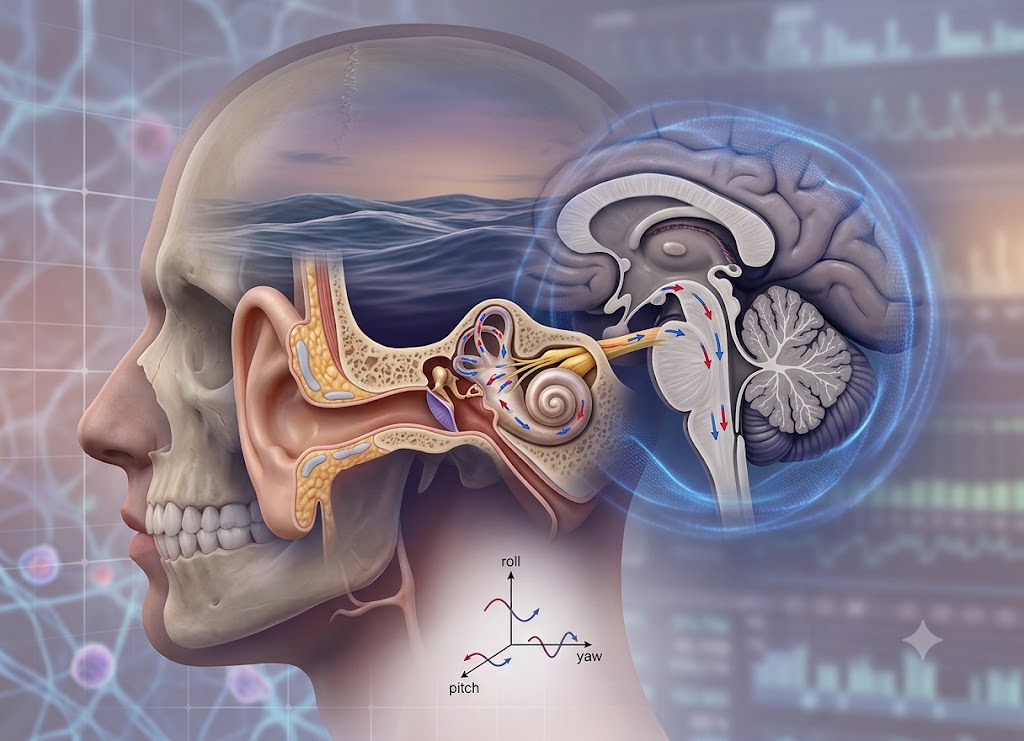
Disembark syndrome, also called Mal de Débarquement syndrome (MdDS), is a condition that can make you feel as though you are still moving even after travel or passive motion has stopped. People may describe the sensation as rocking, swaying, bobbing, or floating while standing on a stable surface.
It is common to briefly feel this way after getting off a cruise ship, boat, airplane, train, or after a long car ride. With disembark syndrome, however, the sensation lasts much longer than expected. Because the symptoms can be difficult to describe, they may be mistaken for vertigo, motion sickness, anxiety, or ordinary dizziness.
Recognizing the symptoms can help explain why a person continues to feel unsteady after returning to solid ground. Symptoms may include persistent rocking, balance problems, sensitivity to visual motion, fatigue, headaches, difficulty concentrating, anxiety, and discomfort when sitting or standing still.
One unusual feature is that some people experience temporary relief while riding in a car or being exposed to passive motion again. This article covers seven symptoms of disembark syndrome that can be easy to overlook and explains why persistent dizziness or rocking should be evaluated.
Defining the Neurological Phenomenon of Phantom Motion
After stepping off a cruise ship, airplane, or train, most people expect their sense of balance to return to normal within a short time. People with disembark syndrome may instead experience a persistent sensation that their body is still moving. This neurological condition is medically known as mal de debarquement syndrome, a French term that means “sickness of disembarkation.”
The condition can develop when the brain adapts to prolonged motion during travel but does not fully readjust after the motion ends. As a result, the person may continue to experience a sensation of rocking or swaying even while standing on stable ground.
Unlike ordinary motion sickness, which usually occurs during travel and improves after the movement stops, disembark syndrome begins after passive motion has ended. The invisible sensation of movement can sometimes continue for months or longer and may interfere with everyday life.
Central Nervous System Recalibration and Neuroplasticity
To understand disembark syndrome, it helps to distinguish it from common balance disorders such as vertigo. Many balance problems are associated with the peripheral vestibular system, which includes the fluid-filled structures of the inner ear.
Disembark syndrome is thought to involve the central nervous system and the brain’s ability to adapt to its environment. This ability is known as neuroplasticity.
During a long trip, the brain learns to anticipate and respond to the repeated movement of a ship, airplane, or other vehicle. This adaptation helps a person maintain balance while the environment is moving.
For some people, the brain may have difficulty switching back to a stable environment after the journey ends. Instead of quickly returning to its normal balance pattern, it may continue processing movement as though the person were still traveling. This can create the ongoing sensation of rocking or swaying.
The Automobile Paradox and Diagnostic Distinctions
A distinctive feature of disembark syndrome is that symptoms may temporarily improve when a person is exposed to passive motion again. Some people report feeling better while riding in a car, only for the rocking sensation to return after the vehicle stops.
The actual movement of the vehicle may temporarily match or override the brain’s internal movement signals. This response can provide an important clue when doctors are evaluating the condition.
People with disembark syndrome may have normal inner-ear function, meaning routine balance testing may not reveal an obvious abnormality. Because the symptoms can resemble other conditions, the syndrome may sometimes be confused with anxiety, chronic fatigue, inner-ear disorders, or other causes of dizziness.
The Common Symptoms of Disembarkment Syndrome
The most common symptoms of Disembarkment Syndrome include a persistent sensation of movement, such as rocking, swaying, or bobbing, along with unsteadiness and balance difficulties.
The ongoing feeling of moving while standing on a stable surface is the main feature of the condition. Other symptoms can develop alongside it and may affect concentration, vision, energy levels, hearing, and emotional well-being.
The Core Symptom: Persistent Phantom Motion
The main symptom of disembark syndrome is a continuous internal feeling of movement, sometimes called phantom self-motion. It is different from the spinning sensation commonly associated with vertigo.
Instead, the person may feel as though their body is gently rocking, swaying, bobbing, or floating even though they are standing, sitting, or lying on a stable surface.
People may compare the sensation to standing on a boat in choppy water, walking on a trampoline, or standing on an unstable waterbed.
The sensation is subjective, so an outside observer may not notice anything unusual. Its intensity can also change throughout the day. Some people find that symptoms are less noticeable after waking and become stronger with fatigue, stress, or sensory overload.
Another important feature is the response to passive movement. Unlike many balance problems that become worse with motion, disembark syndrome may temporarily improve while riding in a car. The rocking sensation can return once the vehicle stops.
Accompanying Physical Instability and Equilibrium Disruptions
Although the phantom movement is an internal sensation, it can also lead to noticeable problems with balance and movement. The brain is constantly trying to manage conflicting signals, which can make coordinated movement more difficult.
People may develop a wider walking stance because they feel unsteady and want to create a larger base of support. They may also find it harder to walk in a straight line, turn quickly, or move through visually crowded environments.
Busy places such as supermarkets can be particularly difficult because the brain has to process many visual signals while also dealing with the internal sensation of movement.
Balance may become more difficult on soft or unstable surfaces such as deep carpeting, sand, or loose gravel. Closing the eyes or walking in a dark environment may also make the instability more noticeable because visual information is an important part of maintaining balance.
The 7 Subtle Symptoms of Disembarkment Syndrome
The seven subtle symptoms of Disembarkment Syndrome that can occur beyond the main rocking sensation are brain fog and cognitive difficulties, visual sensitivity, headaches or migraines, ear fullness and tinnitus, anxiety and depersonalization, extreme fatigue, and spatial disorientation.
These symptoms are called subtle because they can easily be overlooked or blamed on another condition. They are not necessarily mild. For some people, they can have a major effect on daily activities and quality of life.
Cognitive Exhaustion: The Mechanics of Brain Fog
The brain fog associated with disembark syndrome may occur because the brain is constantly working to manage and suppress unusual movement signals.
When the nervous system continues processing conflicting balance information, a large amount of attention can be directed toward maintaining stability. This can make other mental tasks more difficult.
Common cognitive difficulties may include:
- Short-Term Memory Lapses: Forgetting why you entered a room or losing track of a conversation.
- Word-Finding Difficulties (Anomia): Having trouble recalling familiar everyday words while speaking.
- Severe Attention Deficits: Finding it difficult to concentrate on activities such as reading, computer work, or other tasks that require sustained attention.
The constant sensation of movement can act as a distraction, making clear and focused thinking more difficult.
Sensory Overload: Visual Sensitivity and Vertigo
When the brain’s balance system is struggling, it may rely more heavily on visual information to understand where the body is in space. This can make visually busy environments particularly overwhelming.
Crowded or fast-moving surroundings may increase rocking, dizziness, or nausea. Looking at a smartphone or computer screen for long periods can also cause disorientation for some people.
Other possible visual triggers include fluorescent lights, large crowds, fast-moving scenes in movies, and complicated patterns on carpets or wallpaper.
Because these environments can increase symptoms, some people choose to limit time in busy public places or use sunglasses to reduce the amount of visual stimulation they experience.
Physical Strains: Secondary Headaches and Vestibular Migraines
The constant effort involved in managing the sensation of movement can place physical strain on the body. People may make frequent small adjustments to their posture to feel more stable, which can lead to tension in the neck, shoulders, and scalp.
This ongoing muscle tension may contribute to headaches that feel like pressure or a tight band around the head.
Disembark syndrome can also overlap with vestibular migraine, a type of migraine that may cause dizziness, balance problems, and vertigo, sometimes without a typical headache.
The ongoing sensory conflict associated with disembark syndrome may increase neurological stress and potentially trigger migraine symptoms in people who are already susceptible to them.
Neurological Spillover: Aural Fullness and Tinnitus
Although disembark syndrome is considered a central nervous system condition rather than a disorder of the inner ear, some people report ear-related symptoms.
The brain pathways involved in balance and hearing are closely connected. Changes in activity within balance-related networks may be associated with sensations such as ear pressure or tinnitus.
Two possible symptoms include:
- Aural Fullness: A feeling of pressure or fullness in the ears, sometimes similar to the sensation experienced when an airplane changes altitude.
- Somatosensory Tinnitus: Hearing sounds such as ringing, buzzing, humming, or roaring when there is no external sound producing them.
These sensations may become more noticeable when the internal rocking sensation becomes stronger.
Psychological Defense: Reactive Anxiety and Depersonalization
Living with a constant sensation of movement can be stressful, especially when other people cannot see or understand what the person is experiencing.
The fear of falling, difficulty maintaining stability, and uncertainty surrounding the symptoms may contribute to anxiety and increased awareness of physical sensations.
The conflict between what the body feels and what the eyes see can also be overwhelming. In some people, this may be associated with dissociative experiences such as depersonalization or derealization.
- Depersonalization: Feeling detached from yourself or as though you are observing yourself from outside your body.
- Derealization: Feeling that the surrounding world seems unreal, dreamlike, or distorted.
These experiences can occur in response to intense sensory conflict and do not necessarily mean that a person has a psychotic disorder.
Metabolic Depletion: Deep Physical and Mental Fatigue
The fatigue associated with disembark syndrome can be much more intense than ordinary tiredness. Constantly managing balance and conflicting sensory information can be mentally and physically exhausting.
The brain may remain highly engaged in processing balance information, while the body may continuously tense its muscles to maintain stability. Even when sitting or lying down, a person may feel as though they have been physically active for hours.
This combination of mental effort and physical tension can lead to deep fatigue and may make it necessary to carefully manage daily activities and energy levels.
Disrupted Mapping: Spatial Disorientation
The brain uses information from the eyes, muscles, and inner ears to understand where the body is located in space. This internal system helps a person walk, judge distances, and maintain balance.
When disembark syndrome introduces persistent false movement signals, this internal sense of space may become less reliable.
Possible difficulties include:
- Bumping into doorframes, walls, or furniture because it becomes harder to judge the body’s position.
- Feeling the need to lean or tilt while moving through a doorway.
- Misjudging the height of curbs or stairs.
- Feeling as though a flat floor is sloped, tilted, or moving away.
These changes in spatial awareness can make both familiar and unfamiliar environments feel unpredictable.
The Causes and Triggers of Disembarkment Syndrome
The most common triggers for Disembarkment Syndrome are long periods of passive motion, such as travel by sea, air, or land. The exact cause remains uncertain, but the condition is thought to involve a problem with how the brain’s balance and vestibular systems adapt after prolonged motion.
Central Nervous System Maladaptation: A Software Disruption
The underlying cause of disembark syndrome is still being studied. Current explanations focus on how the central nervous system adapts to prolonged movement rather than on obvious structural damage to the brain.
The brain is highly adaptable and continually changes how it processes sensory information based on the surrounding environment.
During a long cruise, for example, the brain adapts to the repeated movement of the ship. This adjustment allows a person to maintain balance while traveling and is often described as developing their “sea legs.”
After returning to land, the brain normally readjusts to a stable environment. In people with disembark syndrome, this transition may not happen normally.
The neural systems that adapted to the moving environment may continue producing movement-related signals even after the person returns to stable ground. This creates a mismatch between what the body and eyes detect and what the brain continues to process.
Common Motion Triggers: Passive and Oscillating Environments
The most common triggers involve extended exposure to passive or repeated motion, where the body is moved by an external source.
Traditional Travel Catalysts
- Sea Voyages: Multi-day cruises, fishing trips, and ferry journeys are among the commonly reported triggers.
- Aviation: Long flights and flights involving significant turbulence may trigger symptoms.
- Land Transit: Long train journeys, extended road trips, and lengthy bus rides may also be associated with the condition.
Digital and Stationary Triggers
Some non-travel situations can create a similar mismatch between visual information and physical movement.
Immersive Virtual Reality (VR) can produce strong differences between what the eyes see and what the body physically experiences. For some sensitive individuals, this may contribute to motion-related symptoms.
Other possible triggers include prolonged use of motion simulators, sleeping on waterbeds, and spending extended periods on exercise equipment such as treadmills or elliptical machines.
Spontaneous Onset: Non-Motion Triggers
Although the condition commonly begins after travel, some people develop similar symptoms without a recent period of passive motion. These cases are sometimes described as spontaneous onset.
In these situations, the person may experience the same persistent rocking, swaying, and related symptoms despite not having recently traveled.
Possible factors associated with spontaneous cases include major physical or psychological stress and changes affecting the nervous system.
Hormonal Changes: The condition is reported more often in perimenopausal women, suggesting that hormonal changes may influence the brain’s ability to process sensory information. Some cases have also been associated with pregnancy, childbirth, or starting hormonal medications.
Systemic Stress and Illness: Severe psychological stress or physical events such as head and neck injuries may be associated with onset. Some cases have also been reported after significant viral illness or surgery involving general anesthesia.
How are Disembarkment Syndrome and its Related Conditions Managed?
Management of Disembarkment Syndrome generally focuses on confirming the diagnosis, ruling out other possible causes, managing symptoms, and helping the brain adapt to the persistent motion signals.
Because there is no single treatment that works for everyone, care may involve vestibular therapy, medications, lifestyle adjustments, and strategies for managing triggers.
Understanding the differences between MdDS and other balance disorders is also important because persistent rocking and dizziness can have many possible causes.
The Diagnostic Process: A Path of Systematic Exclusion
There is no single blood test, brain scan, or genetic test that can definitively confirm disembark syndrome. Instead, doctors generally make the diagnosis after considering the person’s symptoms and ruling out other possible causes.
The medical history is especially important. A doctor may ask when the symptoms began, whether they followed a cruise, flight, train journey, or long car trip, and whether passive movement temporarily improves the symptoms.
The exact sensation is also important. A persistent feeling of rocking, swaying, or bobbing is more characteristic of disembark syndrome than the spinning sensation associated with many forms of vertigo.
A neurological examination may be performed to evaluate walking, coordination, balance, and cranial nerve function. Additional tests may be used to rule out other conditions.
- Videonystagmography (VNG): This test records eye movements while the patient follows visual targets or moves the head. It can help identify or rule out certain vestibular disorders, including Benign Paroxysmal Positional Vertigo (BPPV).
- Magnetic Resonance Imaging (MRI): An MRI may be used to look for structural causes of chronic dizziness or imbalance, including tumors, multiple sclerosis-related changes, or previous strokes.
- Audiometry and Vestibular Evoked Myogenic Potentials (VEMP): These tests evaluate hearing and specific vestibular pathways. Abnormal findings may point toward other conditions affecting the inner ear or hearing system.
Multidisciplinary Treatment and Bedside Coping Strategies
There is no universal cure for disembark syndrome. Treatment is generally focused on reducing symptoms and helping people function more comfortably in daily life.
A combination of specialized therapy, medication when appropriate, and lifestyle strategies may be used.
Vestibular Rehabilitation Therapy (VRT)
Vestibular Rehabilitation Therapy (VRT) uses specific exercises designed to improve balance and help the brain process conflicting sensory information.
A therapist with experience in vestibular disorders can create an individualized program. Exercises may include gaze stabilization, balance training, and habituation exercises designed to reduce sensitivity to movement and visual stimulation.
Some specialized approaches may also use controlled virtual reality environments to expose patients to specific visual motion patterns in a gradual and structured way.
Pharmacological Interventions
Some medications are prescribed off-label to help manage symptoms, although their effectiveness varies between individuals.
Benzodiazepines: Low-dose medications such as clonazepam may temporarily reduce the sensation of rocking and help with associated anxiety. Because these medications can cause dependence and other side effects, they are generally used carefully and for limited periods when appropriate.
SSRIs and SNRIs: Medications such as sertraline or venlafaxine may be considered when anxiety or depression occurs alongside chronic symptoms. They may also influence brain pathways involved in processing sensory information.
Lifestyle and Environmental Adjustments
Daily habits and environmental changes may help reduce symptom flare-ups.
Some people benefit from identifying and limiting personal triggers, such as prolonged screen use, crowded stores, or environments with intense fluorescent lighting.
Stress management may also be useful. Techniques such as mindfulness and yoga can help reduce stress, while maintaining a consistent sleep schedule may help prevent fatigue from making symptoms worse.
Gentle and predictable physical activity, such as walking on flat, stable surfaces, may also be easier to tolerate than activities involving sudden or unpredictable movement.
Clinical Distinctions: MdDS vs. Vertigo vs. Meniere’s Disease
It is useful to distinguish mal de debarquement syndrome from other balance disorders because their symptoms, triggers, and duration can differ.
| Diagnostic Feature | Disembark Syndrome (MdDS) | Benign Paroxysmal Positional Vertigo (BPPV) | Meniere’s Disease |
|---|---|---|---|
| Primary Sensation | Persistent rocking, swaying, or bobbing that does not usually involve spinning. | Intense spinning sensation or rotational vertigo. | Severe episodes of rotational spinning vertigo. |
| Duration & Pattern | Can remain constant for weeks, months, or years and may temporarily improve during passive car travel. | Usually brief episodes that often last less than a minute. | Attacks that come and go and may last from about 20 minutes to several hours. |
| Triggers | Often begins after prolonged passive motion or, in some cases, significant systemic stress. | Often triggered by specific head movements, such as rolling over in bed. | Episodes may occur without a clear external movement trigger. |
| Auditory Symptoms | Hearing is generally not physically impaired, although some people report ear fullness or tinnitus. | Hearing loss and tinnitus are not typical features. | May involve fluctuating hearing loss, tinnitus, and a feeling of pressure or fullness in the ear. |
Prognosis, Fluctuations, and the Remission Horizon
The long-term course of disembark syndrome varies from person to person. Some people, particularly those whose symptoms begin after a clear travel-related trigger, may experience spontaneous improvement.
For some individuals, the brain gradually readjusts and the rocking sensation decreases over time. Symptoms may fade within six to twelve months in some cases.
Even after symptoms improve, some people may remain more sensitive to balance disruptions and could experience symptoms again after future travel.
For others, the condition can become chronic and continue for years. When this happens, treatment generally focuses on symptom management and maintaining quality of life.
Symptoms may also fluctuate over time.
- Waxing Phases (Flares): Symptoms may become stronger after poor sleep, periods of high stress, hormonal changes, physical fatigue, or exposure to visually busy environments.
- Waning Phases (Baselines): Symptoms may become less intense on some days, allowing people to read, socialize, work, and complete normal activities more comfortably.
Early evaluation and appropriate rehabilitation may help people better understand their symptoms and develop strategies for managing changes over time.
Conclusion
Disembark syndrome can be difficult to recognize because it does not always cause the spinning sensation associated with traditional vertigo. Instead, many people experience a persistent feeling of rocking, swaying, bobbing, or floating after travel has ended.
Other symptoms may include fatigue, brain fog, headaches, sensitivity to visual motion, anxiety, and difficulty maintaining balance in visually busy environments.
If these symptoms continue for more than a few days, interfere with everyday activities, or occur alongside new hearing loss, fainting, severe headache, weakness, chest pain, or other neurological changes, medical evaluation is important.
Frequently Asked Questions
1. What is disembark syndrome?
Disembark syndrome is a condition that causes a persistent feeling of movement after travel or passive motion has stopped. It is also known as Mal de Débarquement syndrome or MdDS.
People may feel as though they are rocking, swaying, bobbing, or floating even while standing still. The sensation commonly begins after a cruise, boat trip, flight, train journey, or long car ride.
2. What are common symptoms of disembark syndrome?
Common symptoms include rocking, swaying, bobbing, imbalance, fatigue, headaches, brain fog, and sensitivity to visual movement.
Some people feel worse while sitting or standing still or when they are in visually busy environments. Symptoms may become less noticeable during passive motion, such as riding in a car, which can make the condition difficult to recognize.
3. How is disembark syndrome different from vertigo?
Disembark syndrome usually produces a rocking or swaying sensation rather than the spinning feeling associated with vertigo.
Vertigo often feels as though the room or surroundings are rotating. Disembark syndrome is more likely to feel like being on a boat even after returning to land.
People with disembark syndrome may also experience temporary relief during passive movement, such as a car ride. A healthcare professional can help determine whether symptoms are caused by MdDS, an inner-ear condition, migraine, anxiety, or another neurological problem.
4. How long does disembark syndrome last?
For many people, the feeling of movement after travel disappears within hours or days. With disembark syndrome, symptoms can last much longer and may continue for weeks, months, or even years.
Diagnostic criteria commonly consider symptoms that continue for more than 48 hours after the motion exposure. Persistent symptoms should be evaluated, especially if they interfere with work, sleep, walking, or other daily activities.
5. How is disembark syndrome treated?
Treatment may include vestibular rehabilitation, symptom management, education, stress reduction, and medication when appropriate.
Some specialized treatments are designed to help the brain adapt to abnormal motion signals and improve balance processing. Standard motion sickness medications may not provide significant relief for persistent symptoms.
A healthcare professional who is familiar with vestibular disorders can help determine the most appropriate approach for each person’s symptoms.





![Understanding BMI: How It Affects Health and Weight Management By Cara May 22, 2026 Body Mass Index (BMI) is a commonly used measurement for evaluating whether a person’s weight is appropriate for their height. It is calculated by dividing weight in kilograms by height in meters squared (kg/m²). Although BMI is simple and convenient, it does not directly measure body fat. Instead, it gives a general indication of whether someone falls into an underweight, healthy weight, overweight, or obese category. Understanding BMI is useful because it is linked with several health risks, including heart disease, diabetes, and some cancers, and can help guide weight-management efforts. BMI can also be affected by age, sex, muscle mass, bone density, and overall body composition. Someone with a large amount of muscle, such as an athlete, may have a higher BMI without having excess body fat. In this article, we will look at how BMI relates to health, its limitations, and practical approaches to maintaining a healthy weight and supporting long-term wellness. Table of Contents What is Body Mass Index (BMI) and How Is It Measured? To better understand body weight and physical composition, healthcare professionals often use a quick and standardized measurement called Body Mass Index. Instead of considering body weight alone, BMI compares weight with height and provides an initial indication of whether a person falls within a healthy range or a higher-risk category. The Formal Definition of Body Mass Index Body Mass Index is an anthropometric measurement that compares weight with height. It is generally expressed in kilograms per square meter (kg/m²). Historical Roots: BMI was originally developed in the 19th century by Belgian mathematician and statistician Adolphe Quetelet and was called the Quetelet Index. Quetelet did not develop it as a diagnostic tool for individual patients. Instead, he used mathematics to describe average characteristics across populations. A Proxy for Body Fatness: During the 20th century, researchers found that BMI had a moderate to strong relationship with more direct measurements of body fat, including DEXA scans and underwater weighing. The Clinical Role: Today, organizations such as the World Health Organization (WHO) use BMI as an inexpensive and convenient screening measurement. It can help identify possible metabolic and cardiovascular risks, but it should be viewed as a starting point rather than a complete measure of health. Standard Mathematical Formulas to Calculate Your BMI BMI can be calculated using either metric or imperial measurements. Both methods produce the same BMI value when the appropriate formula and units are used. Subscribe to Woman & Lifestyle! Receive the latest posts and updates from Woman & Lifestyle directly in your inbox. Subscribe We use your personal data for interest-based advertising, as explained in our Privacy Notice. The Metric Formula (kg and m) The metric BMI formula is used internationally. If you are calculating BMI using kilograms and meters, use the following equation: BMI = Weight (kg) ÷ Height (m)² Step 1: Measure your weight in kilograms, such as 70 kg. Step 2: Measure your height in meters and square the number. For someone who is 1.75 m tall: 1.75 × 1.75 = 3.0625 m² Step 3: Divide the weight by the squared height: 70 ÷ 3.0625 = 22.86 The resulting BMI is approximately 22.9. The Imperial Formula (lbs and in) When using pounds and inches, a conversion factor of 703 is needed to calculate BMI correctly. Step 1: Record your weight in pounds, such as 150 lbs. Step 2: Convert your complete height into inches. For someone who is 5 feet 9 inches tall: (5 × 12) + 9 = 69 inches Step 3: Square the height: 69 × 69 = 4,761 in² Step 4: Divide the weight by the squared height: 150 ÷ 4,761 = 0.031506 Step 5: Multiply the result by 703: 0.031506 × 703 = 22.14 The final BMI score is approximately 22.1. Evaluating Categories on the BMI Scale After calculating your BMI, the result can be compared with the standard weight categories. [THE BMI WEIGHT CLASSIFICATION] │ ┌───────────────────────────┼───────────────────────────┐ ▼ ▼ ▼ [UNDERWEIGHT ZONE] [HEALTHY ZONE] [OVERWEIGHT / OBESE] • BMI: Below 18.5. • BMI: 18.5 – 24.9. • Overweight BMI: 25.0 – 29.9. • Elevated health risks. • Optimal balance. • Obese BMI: 30.0 and Above. Underweight BMI (Below 18.5): A BMI below 18.5 may indicate that a person’s body weight is low for their height. It can sometimes be associated with nutritional deficiencies or concerns involving bone health. Healthy Weight (18.5 – 24.9): This range is generally associated with the lowest statistical risk of several chronic health conditions. Overweight (25.0 – 29.9): This range represents a higher weight relative to height and may encourage further evaluation of lifestyle and cardiovascular health. Obese (30.0 and Above): A BMI of 30 or higher falls within the obesity category. Healthcare professionals may use this as a reason to evaluate possible concerns such as type 2 diabetes, sleep apnea, and joint problems. Obesity can also be divided into Class I, II, and III. Biological Variations: Sex and Age Factors The BMI equation uses the same basic calculation for everyone, but its interpretation can vary depending on age, sex, and body composition. Adult Biological Sex Nuances: Men generally have greater amounts of lean muscle and bone mass, while women naturally have a higher proportion of essential body fat. Because muscle is denser than fat, a muscular athlete may have a high BMI while still having a relatively low body-fat percentage. Although the standard healthy BMI range for adults is generally 18.5 to 24.9, individual body composition should also be considered. Age-Based Metrics: BMI is interpreted differently in children and adolescents, where age- and sex-specific growth charts are used instead of adult cutoffs. In older adults, body composition changes with age, including possible muscle loss and changes in body fat, so BMI should be considered alongside other health measurements. What Do the BMI Categories Mean for Your Health? BMI is more than a number on a chart. It is commonly used as a screening measurement to identify possible long-term health concerns. Because body weight can affect the cardiovascular system, metabolism, and joints, healthcare professionals may consider BMI when evaluating overall health and disease risk. Standard BMI Categories and the Obesity Scale The World Health Organization (WHO) provides standard BMI ranges for adults aged 20 and older. These categories offer a general way to compare body weight with height. Category BMI Range Health Risk Level Underweight BMI Below 18.5 Elevated (Nutritional / Structural) Normal Weight 18.5 – 24.9 Lowest Statistical Risk Overweight 25.0 – 29.9 Increased Risk Obesity Class I 30.0 – 34.9 High Risk Obesity Class II 35.0 – 39.9 Very High Risk Obesity Class III 40.0 and above Extremely High (Severe) Risk Medical Risks Associated with a High BMI If a BMI calculation falls within the overweight or obesity ranges, it may indicate a higher amount of body fat. Fat stored deep within the abdomen, known as visceral fat, is particularly active metabolically and can influence several processes within the body. [HIGH BMI SYSTEMIC IMPACT] │ ┌────────────────────────┼────────────────────────┐ ▼ ▼ ▼ [CARDIOVASCULAR STRAIN] [METABOLIC DISRUPTION] [STRUCTURAL STRESS] • Increases blood pressure. • Triggers insulin resistance. • Accelerates joint wear. • Alters lipid profiles. • Affects blood sugar control. • Causes osteoarthritis. • Leads to atherosclerosis. • Raises diabetes risk. • Triggers sleep apnea. Cardiovascular Disease and Hypertension: Excess body weight can make the heart work harder and is associated with high blood pressure. Over time, high blood pressure together with unhealthy cholesterol and triglyceride levels can contribute to plaque buildup in the arteries, increasing cardiovascular risk. Type 2 Diabetes: Higher BMI is strongly associated with insulin resistance. Abdominal fat can interfere with the way the body responds to insulin, requiring the pancreas to produce more insulin to regulate blood glucose. Over time, this can contribute to type 2 diabetes. Oncology Risks: Public health research has associated obesity with a higher risk of several cancers, including colorectal, kidney, endometrial, esophageal, and postmenopausal breast cancer. Mechanical and Pulmonary Strain: Extra body weight can place additional pressure on the knees, hips, and other joints, contributing to osteoarthritis. Fat around the neck can also affect the airway during sleep and contribute to obstructive sleep apnea. Medical Risks Associated with a Low BMI Although much attention is given to obesity, being in the underweight BMI category can also be associated with important health concerns. Malnutrition and Nutritional Anemia: A low BMI may sometimes indicate inadequate calorie or nutrient intake. Insufficient iron, for example, can interfere with hemoglobin production and contribute to iron-deficiency anemia, fatigue, and dizziness. Osteoporosis and Bone Fractures: Inadequate amounts of nutrients such as calcium, magnesium, and vitamin D can negatively affect bone health. Reduced bone density may increase susceptibility to osteoporosis and fractures. Impaired Immune Function: The immune system needs sufficient energy, protein, and nutrients to produce immune cells and antibodies. Severe undernutrition can weaken immune defenses and may slow wound healing. Reproductive and Hormonal Shutdown: Very low body weight can interfere with reproductive hormone production in women. This may cause the menstrual cycle to stop, a condition known as amenorrhea, and can affect fertility. Clinical Context: One Tool Among Many Although a height-weight-BMI calculator can be useful for identifying possible health concerns, BMI is only a screening measurement and not a complete diagnosis. The BMI equation cannot distinguish between muscle and body fat. As a result, a highly muscular person may fall into an overweight or obese BMI category despite having relatively little body fat. For a more complete health assessment, healthcare professionals may consider BMI together with waist circumference, blood pressure, body composition, and metabolic laboratory results. The Limitations of BMI as a Health Indicator BMI is useful for quick population-level screening, but it has important limitations when applied to individuals. The calculation does not separate muscle, bone, body water, and fat tissue. Using BMI alone can therefore produce an incomplete picture. Some healthy people may be classified as overweight because of their muscle mass, while others with metabolic risks may have a BMI within the normal range. The Muscle vs. Fat Conundrum One of the biggest limitations of BMI is that the calculation cannot tell the difference between lean muscle and body fat. The Dense Tissue Problem: Muscle is denser than fat, meaning the same volume of muscle weighs more than the same volume of fat. The Athlete False Positive: Strength-trained people, bodybuilders, and athletes can have a high weight-to-height ratio because they carry substantial amounts of muscle. As a result, their BMI may fall within the overweight or obese category even when their actual body-fat percentage is relatively low. The Sarcopenic False Negative: An older or inactive person may have a BMI within the normal range while having reduced muscle mass and a higher proportion of body fat. This condition, sometimes described as sarcopenic obesity, may involve metabolic risks that a basic BMI measurement does not reveal. Demographic and Ethnic Disparities in BMI Accuracy Standard adult BMI thresholds do not fully reflect differences in body composition, age, sex, and ethnicity. [ETHNIC AND AGE BMI ADJUSTMENTS] │ ┌───────────────────────────┴───────────────────────────┐ ▼ ▼ [THE AGING TRANSLATION] [ETHNICITY CUTOFF SHIFTS] • Muscle declines; fat increases. • Asian populations may hold more visceral fat. • Same BMI can mean different body fat. • WHO Asian Overweight Threshold: 23.0. • Standard charts may miss some risks. • Higher diabetes risk at lower weights. Biological Sex and Aging Shifts Sex Differences: At the same BMI, women generally have a higher percentage of body fat than men because of natural differences in body composition. The standard BMI scale, however, uses the same adult categories for both sexes. The Aging Shift: Aging can lead to gradual muscle loss and increased body fat even when overall weight remains relatively stable. Therefore, the same BMI can represent different body compositions in younger and older adults. Ethnic-Specific Biomarkers Research indicates that the relationship between BMI, body fat, and metabolic disease risk can vary among ethnic groups. South Asian, Chinese, and Hispanic Populations: People from some of these populations may have a greater tendency to store fat around internal organs rather than beneath the skin. Visceral fat is associated with inflammation and insulin resistance. South Asian populations, in particular, can experience type 2 diabetes and cardiovascular disease at lower BMI levels than some other populations. Altered Clinical Cutoffs: Because standard BMI values may not capture the same level of metabolic risk across all populations, lower BMI thresholds are sometimes used for Asian populations. The overweight threshold may be set at 23.0 and the obesity threshold at 27.5. Conversely, differences in muscle and bone density among other populations can affect how accurately standard BMI categories represent body-fat levels. Metabolically Healthy Obesity (MHO) The concept of “metabolically healthy obesity” demonstrates why overall health cannot always be represented by one BMI number. A person may have a BMI within the obesity range while still having favorable blood sugar, cholesterol, and blood pressure measurements. Good blood sugar control and insulin sensitivity. A healthy lipid profile, including favorable triglyceride and HDL levels. Normal blood pressure. These characteristics may be influenced by genetics, dietary habits, physical activity, cardiovascular fitness, and how body fat is distributed. A Note of Clinical Caution: Metabolic health can change over time. Some people who initially appear metabolically healthy may develop metabolic problems as they age. In addition, higher body weight can continue to contribute to mechanical concerns such as osteoarthritis and sleep apnea. Comprehensive Metabolic Alternatives Because BMI has limitations, healthcare professionals can use additional measurements to gain a broader understanding of body composition and metabolic health. Waist-to-Hip Ratio (WHR): This measurement helps evaluate where body fat is distributed. A higher ratio may indicate greater abdominal and visceral fat. Direct Body Fat Percentage (DEXA / BIA): DEXA scans and Bioelectrical Impedance Analysis (BIA) can provide estimates of body fat, lean muscle mass, and bone density. Comprehensive Metabolic Panels: Measurements such as fasting blood glucose, HbA1c, blood pressure, and other laboratory markers can provide additional information about metabolic health. How should BMI be used for children and adolescents? BMI is interpreted differently in children and adolescents than it is in adults. Since young people are continuously growing and their muscle, bone, and body-fat levels change throughout development, adult BMI categories cannot simply be applied to children. Instead, pediatricians use age- and sex-specific BMI percentile charts to monitor growth patterns and changes over time. Why Static BMI Charts Fail for Growing Bodies For adults, a BMI of 26 falls into the overweight category regardless of whether the person is 25 or 75. For children, however, a single fixed cutoff does not work because body composition changes considerably during development. Fluctuating Adiposity Waves: Children naturally experience changes in body fat throughout development. Body fat may increase during infancy, decrease during early childhood, and rise again as adolescence approaches. The Biological Sex Divergence: Boys and girls develop muscle and body fat at different rates and at different stages of puberty. For this reason, pediatric BMI must be interpreted using age- and sex-specific growth charts rather than adult BMI tables. Deciphering the Pediatric Percentile System When a healthcare provider calculates a child’s BMI, the result is converted into a percentile. This percentile compares the child’s BMI with those of other children of the same age and sex. The CDC divides pediatric BMI results into four primary categories: Underweight BMI (Below the 5th Percentile): A BMI below the 5th percentile may indicate that a child weighs less relative to height than most peers of the same age and sex. A healthcare professional may evaluate nutrition, growth, and possible underlying concerns. Healthy Weight (5th Percentile up to the 85th Percentile): This range represents the standard healthy-weight category for children and adolescents and indicates that weight is generally proportionate to height and development. Overweight (85th Percentile up to the 95th Percentile): A BMI within this range may indicate a higher weight relative to height compared with peers. It can be a reason to review nutrition, physical activity, and overall health habits rather than automatically beginning restrictive dieting. Obesity (95th Percentile and Above): A BMI at or above the 95th percentile falls within the pediatric obesity category. This can prompt healthcare professionals to monitor factors such as blood pressure, insulin resistance, and joint health. The Power of Trend Tracking vs. Single Snapshots For children, the pattern of growth over time is often more informative than one BMI measurement. Ideally, children continue to follow a relatively consistent growth curve as they develop. Stable Growth vs. Sudden Spikes: If a child has consistently followed around the 80th percentile and is otherwise healthy and active, that pattern may simply reflect their individual growth. However, a rapid change from the 50th percentile to the 95th percentile within a short period may warrant further evaluation. A Screening Tool, Not a Diagnosis: Pediatric BMI cannot determine whether a child’s weight comes from muscle, bone, or body fat. A muscular teenager who participates in sports may have a high BMI percentile because of increased muscle mass. For this reason, pediatricians do not rely on BMI percentiles alone. They may also consider sleep, physical activity, screen time, blood pressure, growth history, and overall health when evaluating a child. Conclusion Understanding Body Mass Index can provide useful information about body weight and potential health risks. Staying within a generally healthy BMI range is associated with a lower risk of conditions such as cardiovascular disease, type 2 diabetes, joint problems, and other obesity-related concerns. However, BMI should not be viewed on its own. Measurements such as waist circumference, body-fat percentage, lifestyle habits, and metabolic health can provide a more complete picture. A balanced diet, regular physical activity, sufficient sleep, and effective stress management can support healthy weight management and overall wellness. Speaking with a healthcare professional can also help ensure BMI is interpreted appropriately within a person’s broader health picture. Understanding both the usefulness and limitations of BMI allows people to make informed choices that support long-term health. Read more: Blurry Vision Causes: 8 Reasons Eyes May Be Foggy FAQ What is Body Mass Index and how is it calculated? Body Mass Index (BMI) is a measurement that compares a person’s weight with their height. It is calculated by dividing weight in kilograms by height in meters squared (kg/m²). BMI is commonly used to place people into categories such as underweight, normal weight, overweight, or obese. However, it does not directly measure body fat or account for factors such as muscle mass and bone density. Why is Body Mass Index important for health? BMI is useful because it is associated with several chronic health risks. A BMI outside the standard healthy range may be linked with a greater risk of conditions such as heart disease, high blood pressure, type 2 diabetes, certain cancers, and joint problems. Healthcare professionals can use BMI as one screening measure when evaluating potential health concerns. What are the limitations of Body Mass Index? BMI does not account for muscle mass, body-fat distribution, age, sex, or bone density. For example, athletes and muscular individuals may have a high BMI despite having relatively little body fat. Similarly, an older adult may have a normal BMI while carrying a higher proportion of body fat. For a fuller assessment, BMI can be considered alongside measurements such as waist circumference, body-fat percentage, and metabolic health indicators. How can I maintain a healthy Body Mass Index? Maintaining a healthy BMI can involve balanced nutrition, regular exercise, sufficient sleep, and effective stress management. Eating a variety of fruits, vegetables, whole grains, lean proteins, and healthy fats can support overall nutrition. Limiting highly processed foods and sugary drinks while staying physically active can also support healthy weight management. When should I consult a healthcare professional about my Body Mass Index? Consider speaking with a healthcare professional if your BMI remains consistently above or below the standard healthy range or if you have additional concerns such as high blood pressure, blood sugar problems, or cardiovascular risk factors. A healthcare professional can assess your overall health, identify possible underlying concerns, and help develop an appropriate weight-management approach.](https://dubaiinfohub.com/wp-content/uploads/2026/09/ll-1-768x560.jpg)