
7 Common Symptoms of Chronic Venous Insufficiency and What You Can Do About It
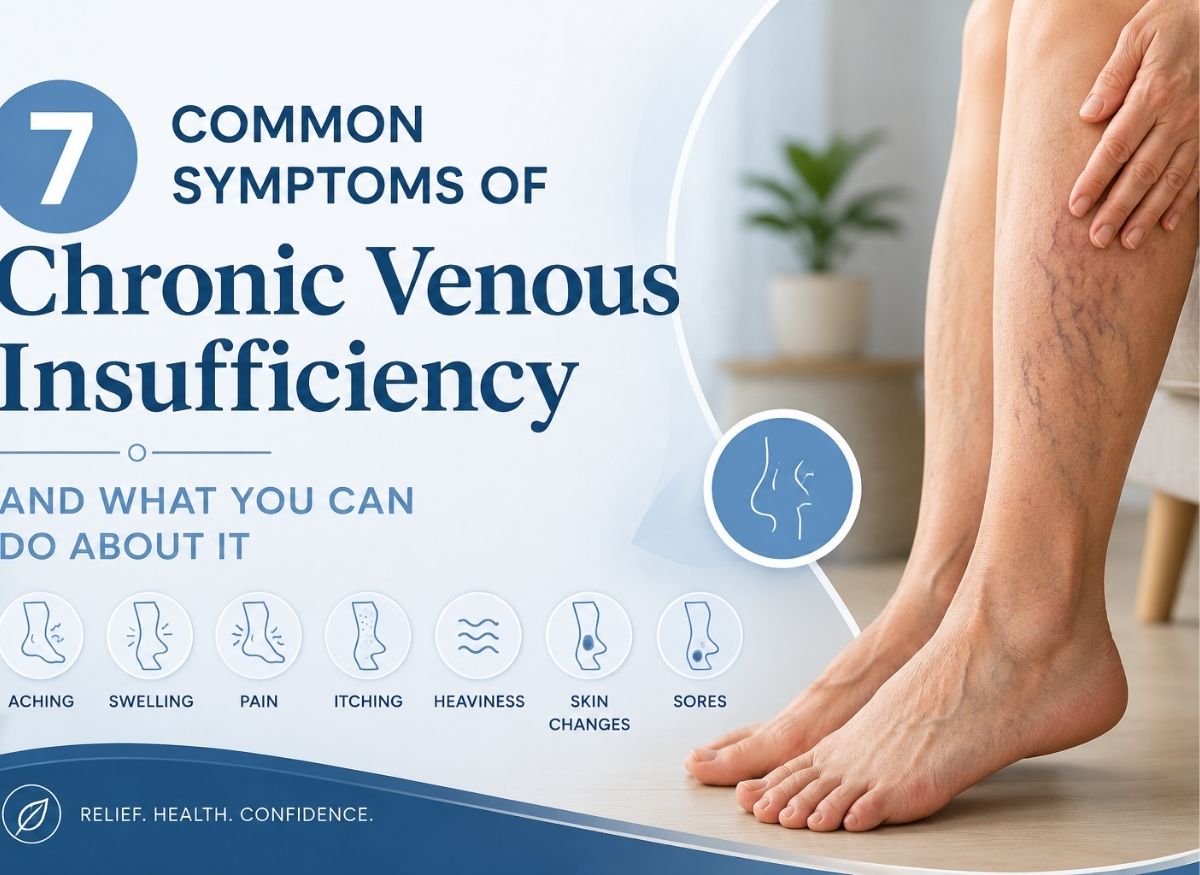
Chronic venous insufficiency (CVI) is a condition that occurs when the veins in your legs are unable to send blood back to the heart effectively. This leads to poor circulation, which can cause a range of symptoms such as swelling, varicose veins, and even skin ulcers. CVI is common and typically worsens over time if left untreated. It can significantly affect quality of life, making it difficult to walk, stand, or maintain a normal lifestyle.
Although CVI is often associated with aging or genetic factors, it can also result from obesity, a history of blood clots, or prolonged periods of standing or sitting. The good news is that with early diagnosis and treatment, the progression of CVI can be slowed, and its symptoms can be managed effectively. This article explores the most common symptoms of CVI, what they mean for your health, and how to ease discomfort while preventing further complications.
7 Warning Signs of Chronic Venous Insufficiency
Chronic venous insufficiency is a progressive circulatory disorder that arises when the veins in the legs, which have the difficult job of fighting gravity to return blood to the heart, begin to fail. The cause is usually a malfunction of tiny one-way valves. When these valves become insufficient, blood flows backward, a process known as venous reflux, leading to high pressure in the lower leg. Understanding the warning signs is essential, as the condition moves through distinct stages, from mild discomfort to severe, life-altering tissue damage.
Swelling, Edema, and Venous Stasis
The earliest warning sign of CVI is often swelling, or edema, in the ankles and lower legs. This occurs because the weakened venous system allows blood to pool, creating venous hypertension. This high pressure pushes fluid out of the blood vessels and into the surrounding soft tissues.
In the early stages, this is often pitting edema, where a thumb press leaves a temporary indentation. Because the cause of venous stasis is gravity-dependent, the swelling typically worsens throughout the day and improves overnight when the legs are elevated. If left untreated, this fluid buildup can indirectly affect overall health by limiting mobility and increasing the risk of localized infections.
The Progression of Varicose Veins
New or worsening varicose veins serve as a visible map of venous deficiency. These aren’t just cosmetic spider veins; they’re superficial vessels that have become engorged and twisted because they’re carrying the overflow of blood that the deeper veins can’t handle. As symptoms progress, these veins may throb, itch, or burn. The appearance of these rope-like cords indicates that the internal valves are no longer closing, allowing blood to sit stagnant in the leg rather than moving toward the heart.
Heaviness, Pain, and Postural Discomfort
A persistent feeling of heaviness or a deep, dull ache is a classic hallmark of venous insufficiency. Patients often describe their legs as feeling like lead or full to the point of bursting. This discomfort is a direct result of venous congestion; the stagnant blood is low in oxygen and high in metabolic waste products, which irritates the local nerves. This pain is uniquely postural, meaning it intensifies during long periods of standing but finds immediate relief through elevation. This relief upon elevation is a primary clue used during diagnosis.
Skin Changes: Stasis Dermatitis to Lipodermatosclerosis
As the condition reaches more advanced stages, the skin itself begins to change. The persistent leakage of red blood cells into the skin leads to hemosiderin staining, a permanent reddish-brown discoloration typically found around the ankles.
The skin may become dry, itchy, and scaly, a condition known as venous eczema or stasis dermatitis. In severe cases, the tissue undergoes lipodermatosclerosis, where the skin and fat layers become scarred and woody. This can cause the lower leg to narrow while the calf remains swollen, creating an inverted champagne bottle appearance. At this stage, the risk of infection increases, as the compromised skin becomes a gateway for bacteria.
Venous Ulcers: The Failure of Skin Repair
In the final stages of venous dysfunction, the skin can no longer maintain its barrier. Venous stasis ulcers typically develop in the gaiter area just above the ankle. Because the weakened venous system prevents oxygen-rich blood from reaching the surface, the skin becomes malnourished and fragile.
A minor scratch that would normally heal in days can turn into a chronic, weeping sore because the high pressure in the veins prevents the formation of healthy new tissue. These ulcers are characterized by their shallow depth, irregular edges, and a tendency to ooze fluid. Without treatments aimed at reducing pressure, such as medical-grade compression, these wounds can persist for years, significantly affecting long-term health by increasing the risk of systemic infection.
Muscle Cramping and Nighttime Leg Cramps
The cramping and spasms associated with CVI are the result of a perfect storm of metabolic issues within the calf muscles. When you’re active, your calf muscles act as a pump to push blood upward. At night, this pump stops, and gravity allows blood to pool heavily.
This stagnant blood is a poor environment for muscle cells; it’s low in oxygen and high in lactic acid. This metabolic imbalance, combined with the way venous deficiency disrupts electrolytes like potassium and calcium, makes the muscle fibers hyper-excitable. The result is sudden, agonizing nighttime cramps. These aren’t just sore muscles; they’re a cry for help from tissue that’s essentially being suffocated by its own oxygen-poor blood.
Secondary Restless Leg Syndrome and Venous Congestion
Many patients are surprised to find that their restless legs are actually a symptom of venous insufficiency. In the context of CVI, the irresistible urge to move the legs is a biological response to the discomfort of pooling blood. As the pressure builds, it creates crawling or tingling sensations deep within the calves.
Moving or shaking the legs provides temporary relief because it mechanically forces some of that stagnant blood out of the lower leg, momentarily lowering the venous pressure. This is a key part of diagnosis; if the restless feelings improve significantly with leg elevation or compression stockings, the issue is likely venous reflux rather than a primary neurological disorder. Treating the venous problem at its source often leads to a complete resolution of these sleep-disrupting urges.
Most Effective Lifestyle Changes for Managing CVI
Managing CVI is a marathon, not a sprint, and lifestyle changes serve as the foundation of treatment. Because the cause of venous stasis is a mechanical failure of the valves, the most effective strategies focus on assisting the calf muscle pump, the body’s secondary heart, and using gravity to your advantage. By making these changes, individuals can often slow the progression of the condition and significantly improve their daily quality of life.
Activating the Calf Muscle Pump Through Exercise
Regular, low-impact exercise is arguably the most critical lifestyle intervention for venous insufficiency. When you walk, swim, or cycle, your calf muscles rhythmically contract and relax, physically squeezing the deep veins and forcing blood upward toward the heart. This action bypasses the faulty valves and directly counteracts venous reflux.
Strengthening these muscles creates a more efficient pump, which is essential for preventing the higher-pressure states that lead to venous ulcers. For those who must sit or stand for long periods at work, simple pedal exercises or calf raises while standing can provide a micro-boost to circulation and prevent the heavy, leaden feeling associated with venous stasis.
Therapeutic Leg Elevation and Gravitational Drainage
Leg elevation is a highly effective, non-invasive way to manage CVI symptoms. By positioning your feet above the level of your heart for 15 to 30 minutes several times a day, you allow gravity to do the work that your damaged valves can’t. This position facilitates the drainage of stagnant, oxygen-poor blood and reduces the venous hypertension that causes fluid to leak into your tissues.
This practice is particularly vital in the evening to reverse the accumulation of edema that occurs during the day. Consistent elevation can help prevent the skin from reaching the advanced stages where it becomes thin, discolored, and prone to ulceration.
Weight Management and the Impact of Abdominal Pressure
Weight management is a cornerstone of CVI care because excess body weight exerts direct physical pressure on the pelvic veins. This creates a bottleneck effect that makes it even harder for blood to climb out of the legs, worsening venous deficiency.
A diet high in fiber and low in sodium is also a key component of management. High sodium intake leads to systemic fluid retention, which worsens swelling in the legs, while fiber prevents constipation. Straining during bowel movements significantly increases abdominal pressure, which is an often-overlooked contributor to venous stasis. By reducing these internal pressures, you decrease the overall workload on your already stressed venous system.
How Does Compression Therapy Work to Alleviate Symptoms?
Compression therapy is widely regarded as the gold standard of CVI treatment because it provides a mechanical solution to a mechanical problem. Since the cause of venous stasis is the inability of the veins to resist gravity, external compression acts as a secondary sleeve of support. By narrowing the diameter of the veins, compression increases the velocity of blood flow, much like putting a thumb over a garden hose, and physically pushes the vein walls closer together so that the faulty valves can finally meet and close properly.
The Engineering Behind Graduated Compression
The most effective form of this treatment is graduated compression, which is engineered with a specific pressure gradient. The garment is tightest at the ankle and becomes progressively looser as it moves up the calf and thigh. This design is crucial for addressing venous reflux because it creates a high-to-low pressure pathway that mimics the natural flow of blood toward the heart.
By applying the highest pressure at the furthest point from the heart, these garments counteract the dysfunction that allows blood to pool at the ankles. This pressure gradient also encourages the reabsorption of excess fluid that causes swelling, sending it back into the circulatory system to be processed and filtered by the kidneys.
Types of Garments and Daily Compliance
The delivery system for compression, whether stockings, wraps, or pumps, is chosen based on the patient’s specific diagnosis. Knee-high stockings are often sufficient because most venous dysfunction occurs in the calf muscle pump area. However, for some, specialized Velcro wraps are easier to apply, especially if they have limited hand strength or are managing active venous ulcers.
The greatest challenge with this therapy is compliance; for the treatment to be effective, the garments must be worn daily, usually from the moment one wakes up until bedtime. Without this consistent external pressure, the cause of venous stasis returns the moment the legs are placed in a downward position.
Specific Exercises That Help Improve Circulation
Specific exercises targeted at the lower legs are among the most powerful treatments available, as they directly address the mechanical cause of venous stasis. CVI is essentially a plumbing issue that can be partially corrected through movement. By focusing on the calf muscle, often called the second heart, these exercises provide the necessary force to overcome venous reflux and move stagnant blood toward the torso.
Ankle Pumps: The Foundation of Venous Health
Ankle pumps are a critical tool for anyone with venous dysfunction, especially those who spend long periods sitting at a desk or traveling. This exercise involves a simple gas pedal motion: pointing the toes away and then flexing them back toward the shins. This rhythmic action causes the calf muscles to contract and relax, which physically squeezes the deep veins and prevents the pooling of blood that leads to symptoms like swelling and heaviness. Because this can be done while sitting, it’s the primary defense against the stagnant stages of CVI.
Calf Raises and the Power of the Second Heart
To more vigorously activate the venous pump, calf raises are highly effective. By standing and lifting the heels off the floor, you engage the major calf muscles with the added resistance of your body weight. This creates a high-pressure squeeze on the deep veins, which is essential for patients in the more advanced stages where venous hypertension is severe. Strengthening these muscles not only moves blood in the short term but also builds a more resilient pump that can better handle the pressure of venous reflux over time.
Walking: The Gold Standard for CVI Management
Walking is considered the most comprehensive exercise for managing CVI. Every step involves a complex sequence of foot and calf contractions that efficiently vacuum blood out of the lower extremities. Consistent, brisk walking for 30 minutes a day helps lower the pressure that causes venous ulcers. For those already dealing with mild cellulitis, gentle walking, within the limits of comfort, can help reduce the swelling that contributes to the infection, provided the skin is properly protected.
Integrating these movements into a daily routine can slow the progression of venous deficiency and even improve long-term outlook by reducing the risk of deep vein thrombosis (DVT) and pulmonary embolism.
How Is Chronic Venous Insufficiency Formally Diagnosed by a Healthcare Provider?
A formal diagnosis is a structured clinical process designed to move beyond the visible symptoms and identify the specific mechanical failures within the leg’s vascular network. Because CVI can mimic other conditions, such as lymphedema, heart failure, or simple arterial issues, healthcare providers must verify exactly where the venous dysfunction is occurring. This ensures that the chosen treatments are targeting the correct veins, whether they’re in the superficial or deep systems.
The Clinical Consultation and Physical Mapping
The diagnostic journey begins with a detailed venous history. The provider will investigate the cause of venous stasis by looking at risk factors like a history of DVT, a family history of venous deficiency, or occupations that require prolonged standing. They will also assess the severity of symptoms, specifically asking if the heaviness and swelling resolve with overnight elevation, a classic sign that the issue is venous in nature.
During the physical examination, the provider performs a visual and hands-on mapping of the legs. They look for telltale signs of advanced stages, such as hemosiderin staining (brownish discoloration) and the inverted champagne bottle leg shape indicative of lipodermatosclerosis. The doctor will often examine the patient while standing, as the force of gravity makes venous reflux and bulging varicose veins more apparent. They will also inspect the gaiter area for any early signs of ulcers.
The Duplex Ultrasound: The Gold Standard
The definitive tool for confirming CVI is the duplex ultrasound. This is considered the gold standard because it provides two distinct sets of data simultaneously. The traditional ultrasound component creates a physical image of the vein’s structure, allowing the doctor to see if the veins are abnormally dilated or if there are chronic blockages.
The Doppler component of the test measures the actual movement of the blood. By observing the screen, the technician can see the blood’s velocity and direction. If the blood is seen flowing backward for more than 0.5 to 1.0 seconds after a squeeze of the calf, a diagnosis of venous reflux is confirmed. This test is non-invasive and painless, and it provides the data needed to determine whether the CVI is mild, moderate, or severe.
Secondary Testing and Differential Diagnosis
In some complex cases, particularly when the ultrasound is inconclusive, additional tests may be ordered. These might include:
Venography: An X-ray procedure where a special dye is injected into the veins to provide a highly detailed map of the venous anatomy, often used if surgery is being planned.
Ankle-Brachial Index: A test that compares the blood pressure in the ankle to the blood pressure in the arm. This is crucial to rule out peripheral artery disease before a doctor prescribes firm compression therapy, as compressing an artery-damaged leg can be dangerous.
Plethysmography: A test that measures changes in the volume of the leg to assess how well the venous reservoir is emptying and refilling.
Who Is Most at Risk for Developing Chronic Venous Insufficiency?
The risk profile for CVI is a mosaic of factors that either weaken the structural integrity of the veins or increase the physical resistance blood must overcome to reach the heart. While venous dysfunction can technically affect anyone, it’s most common in individuals whose veins have been subjected to prolonged periods of high pressure or hormonal shifts. By identifying these risk factors, patients can work with healthcare providers to begin early treatment before the condition reaches the stage of venous ulcers.
Biological and Genetic Predispositions
Age remains the most persistent risk factor for CVI. Over decades of life, the elastic fibers in the vein walls begin to break down, and the delicate valves become less resilient. This natural wear and tear is often accelerated by genetics; if your parents had venous deficiency or varicose veins, you’re significantly more likely to develop CVI yourself due to inherited traits in the strength of your vascular tissue.
Gender also plays a definitive role. Women are disproportionately at risk due to the influence of hormones, particularly progesterone, which acts as a natural muscle relaxant that can cause the vein walls to dilate. This vulnerability is compounded during pregnancy, where the body must manage a 40 to 50% increase in blood volume while the growing uterus exerts direct mechanical pressure on the pelvic veins, a primary cause of venous stasis.
Occupational and Lifestyle Drivers
The gravity of the situation is most apparent in people whose lifestyle or occupation involves prolonged, static positions. Whether you’re a surgeon standing for hours or an office worker sitting at a desk, the lack of activity in the calf muscle allows blood to pool. Without the rhythmic squeeze of the muscles, the weakened valves must bear the full weight of the blood column, leading to venous reflux and eventual valve failure.
Obesity is a major contributing factor that acts as a continuous weight on the circulatory system. Excess body mass increases abdominal pressure, which acts like a dam, slowing the return of blood from the lower extremities. Furthermore, a history of DVT is a significant risk factor for secondary CVI, often called post-thrombotic syndrome. When a clot forms, it can physically scar the valves or leave the vein permanently narrowed, creating lifelong venous dysfunction.
Understanding your risk profile is a key part of the diagnostic process. If you fall into several of these high-risk categories, proactive measures like wearing compression stockings early can alter the long-term course of the disease.
Can Chronic Venous Insufficiency Be Fully Cured or Only Managed?
To understand the long-term outlook for CVI, it helps to view the condition as a permanent structural change rather than a temporary illness. Because the cause of venous stasis is the physical stretching or scarring of the delicate one-way valves, the condition is categorized as a manageable chronic disease. Once these valves lose their ability to meet in the center of the vein, the body can’t regrow or repair them. Consequently, the goal of modern medicine is not to restore the original valves, but to work around the dysfunction and prevent progression toward venous ulcers.
The Permanent Nature of Valve Failure
The reason CVI isn’t curable in the traditional sense is rooted in the mechanical nature of the veins. Healthy valves act like a series of locks in a canal, holding blood against the pull of gravity. In CVI, these locks become permanently broken.
Because the damaged venous structure can’t be reversed, the underlying reflux remains a constant threat. If management is abandoned, for instance, if a patient stops wearing compression stockings or becomes sedentary, symptoms like swelling and heaviness will inevitably return. This is why long-term outlook and quality of life depend heavily on consistent, lifelong adherence to management protocols.
Management vs. Rerouting the Blood Flow
While we can’t fix a broken vein, we can effectively retire it. Advanced treatments focus on closing off the most damaged vessels. Procedures such as endovenous laser ablation or sclerotherapy use heat or chemical agents to collapse the leaky vein.
Once the damaged vein is sealed, it eventually turns into scar tissue and is absorbed by the body. The circulatory system then naturally reroutes the blood into deeper, healthier veins with functional valves. While this can lead to a total disappearance of symptoms in the treated area, it doesn’t cure the patient’s overall predisposition to the disease. The same factors that caused the first vein to fail, such as genetics or lifestyle, could eventually cause dysfunction in a different vessel.
Living with a Chronic Condition
Managing CVI is about maintaining a pressure balance in the legs. By using a combination of treatments, patients can often remain symptom-free for years.
- Conservative Foundation: Daily use of compression garments, calf-strengthening exercises, and weight control.
- Proactive Monitoring: Regular check-ups to identify new areas of reflux before they lead to ulcers.
- Symptom Awareness: Recognizing when mild symptoms, such as CVI with mild cellulitis, require immediate medical intervention.
Conclusion
Chronic venous insufficiency is a progressive condition that affects millions of people worldwide, but its impact can be significantly reduced with the right approach. If you’re experiencing symptoms like leg swelling, varicose veins, or persistent leg pain, it’s important to seek medical attention as soon as possible to avoid complications like skin ulcers or deep vein thrombosis. Treatment options range from lifestyle changes, such as exercising and elevating your legs, to more advanced interventions like compression therapy or even surgery.
Taking proactive steps toward managing CVI can improve circulation, reduce symptoms, and help maintain a high quality of life. Early detection and treatment are key to preventing the condition from worsening. By working closely with your healthcare provider, you can make informed decisions about the best strategies for managing CVI and continue to lead an active, healthy life.
Frequently Asked Questions (FAQ) About Chronic Venous Insufficiency
What causes chronic venous insufficiency?
CVI is primarily caused by weakened or damaged veins that fail to effectively return blood from the legs to the heart. This can happen when the valves inside the veins, which normally help keep blood flowing in one direction, become damaged or incompetent. As a result, blood can pool in the lower legs, causing swelling, pain, and other symptoms.
CVI can also be caused by other factors such as blood clots (which can damage vein valves), pregnancy, obesity, prolonged sitting or standing, or a family history of venous issues. Additionally, aging can make vein walls less elastic, further contributing to poor circulation.
What are the common symptoms of chronic venous insufficiency?
The most common symptoms of CVI include swelling in the legs or ankles, particularly at the end of the day. You may also notice varicose veins, which are enlarged, twisted veins that are often visible just beneath the skin. Chronic pain, a feeling of heaviness in the legs, and fatigue are also frequent complaints. Over time, untreated CVI can lead to changes in the skin, such as redness, dryness, or a leathery appearance, and even the development of skin ulcers or sores. If these symptoms are present, it’s important to seek treatment to prevent further complications.
Can chronic venous insufficiency be prevented?
While it may not always be entirely preventable, there are several steps you can take to reduce your risk of developing CVI or prevent it from worsening. Maintaining a healthy weight, exercising regularly, and avoiding prolonged periods of standing or sitting can help improve circulation. Wearing compression stockings can also prevent blood from pooling in your legs and reduce symptoms.
Elevating your legs regularly, particularly at the end of the day, can alleviate swelling and discomfort. If you have a family history of venous issues or have already been diagnosed with CVI, working with your doctor to manage the condition early can prevent further complications.
How is chronic venous insufficiency diagnosed?
Diagnosis of CVI typically begins with a physical examination and a review of the patient’s medical history, including risk factors such as family history or previous blood clots. A healthcare provider may also perform tests like a duplex ultrasound, which uses sound waves to assess blood flow in the veins and check for signs of obstruction or valve dysfunction. In some cases, venography (a special X-ray of the veins) may be used to provide a more detailed image. These diagnostic tools help determine the severity of the condition and guide treatment options.
How is chronic venous insufficiency treated?
Treatment for CVI depends on the severity of the condition and may include conservative measures such as lifestyle changes, including regular exercise, weight management, and wearing compression stockings. Elevating the legs can help reduce swelling and discomfort.
For more severe cases, medical treatments such as sclerotherapy (injections to close off damaged veins), laser therapy, or vein surgery may be necessary. In some cases, when ulcers or blood clots are present, additional medications or surgical interventions may be required to address the complications. Your healthcare provider will recommend the most appropriate treatment based on the severity of your symptoms.
Can CVI affect my quality of life?
Yes, CVI can significantly affect your quality of life if left untreated. The swelling, pain, and discomfort in the legs can make it difficult to stand for long periods, walk, or engage in physical activities. Over time, the visible appearance of varicose veins or skin changes may affect self-esteem.
If CVI progresses to the point where ulcers develop, it can make daily activities even more challenging. However, with proper treatment, most people with CVI can manage their symptoms effectively and continue to lead an active lifestyle. Early intervention is key to maintaining quality of life and preventing long-term complications.