
6 Causes of Hyperlipidemia and How It Affects Your Heart
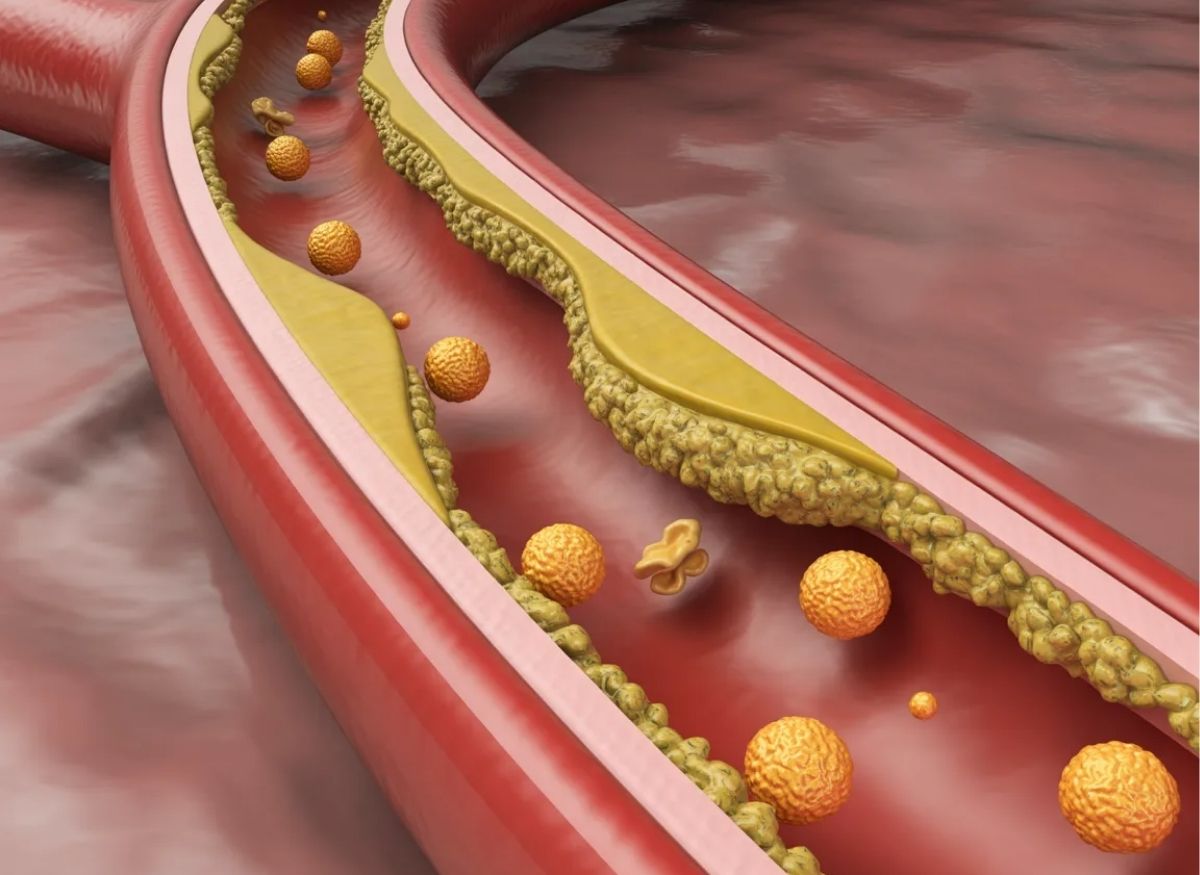
Hyperlipidemia is a condition in which there are elevated levels of fats, such as cholesterol and triglycerides, in the blood. These substances are necessary for many normal body functions, but excessive amounts can accumulate inside blood vessels. Over time, this buildup can narrow the arteries, restrict blood flow, and increase the risk of serious cardiovascular problems.
Hyperlipidemia often develops without obvious symptoms, which is why it is sometimes described as a “silent” condition. Although you may feel completely healthy, persistently high lipid levels can gradually affect your heart and blood vessels. Understanding the causes of hyperlipidemia and its effects can help explain why early detection and proper management are so important.
Definition of Hyperlipidemia: What Is Hyperlipidemia?
Hyperlipidemia refers to having an excessive amount of fatty substances in the blood. These substances include cholesterol, triglycerides, and the lipoproteins that transport fats throughout the body.
In simple terms, the condition develops when the body has difficulty producing, processing, transporting, or removing lipids efficiently. Hyperlipidemia can range from mild or borderline elevations to more significant abnormalities that require medical attention.
The Spectrum of Lipid Disorders: Pure vs. Mixed
Healthcare professionals may use more specific terms to describe different lipid abnormalities.
Pure hypercholesterolemia refers primarily to elevated cholesterol, particularly LDL cholesterol. By comparison, mixed hyperlipidemia occurs when both cholesterol and triglyceride levels are elevated.
Understanding the meaning of mixed hyperlipidemia is important because it may be associated with broader metabolic problems, including insulin resistance or metabolic syndrome. If a medical report describes hyperlipidemia as “unspecified,” it generally means that elevated lipid levels have been identified but the specific type has not yet been determined.
Etiology of Hyperlipidemia: Why Do Lipid Levels Rise?
The causes of hyperlipidemia are generally divided into two categories: primary and secondary.
Primary hyperlipidemia is related to inherited genetic factors. One example is Familial Hypercholesterolemia, an inherited condition that affects the body’s ability to remove LDL cholesterol from the bloodstream.
Secondary hyperlipidemia develops because of lifestyle factors, other health conditions, or certain medications. A diet high in saturated fats, physical inactivity, and obesity can contribute to elevated lipid levels. Conditions such as hypothyroidism, kidney disease, and other metabolic disorders may also cause secondary changes in blood fats.
The Connection Between High Blood Pressure and Hyperlipidemia
The combination of hypertension and hyperlipidemia can increase cardiovascular risk. High blood pressure places additional stress on artery walls, while excess lipids can contribute to plaque formation.
When these conditions occur together, they can accelerate the development of atherosclerosis. Because mild hyperlipidemia may not cause noticeable symptoms, the added effects of high blood pressure can go unnoticed unless both conditions are identified and managed.
Understanding Dyslipidemia
Dyslipidemia is a broader term used for abnormal levels of blood lipids. It can include lipid levels that are too high as well as levels that are too low, such as low HDL cholesterol.
This term provides a more complete description of a person’s lipid profile than simply saying “high cholesterol.” Whether the abnormality is mild, borderline, inherited, or related to another condition, identifying the specific lipid problem can help guide appropriate management.
Causes of Hyperlipidemia: What Are the Primary Risk Factors for Developing High Blood Fats?
Hyperlipidemia can result from a combination of genetics, lifestyle, and other medical conditions. In some people, the body produces too many lipids, while in others it cannot remove them efficiently.
Although lifestyle plays an important role, not every case of high cholesterol or triglycerides is caused by diet. Genetic factors can also have a major influence.
Lifestyle Factors That Contribute to Dyslipidemia
Some of the most common causes of hyperlipidemia are related to modifiable lifestyle habits.
A diet high in saturated and trans fats can contribute to higher cholesterol levels. Physical inactivity can also negatively affect the lipid profile. Regular exercise may help increase HDL cholesterol and improve the body’s ability to process fats.
Obesity, particularly excess visceral fat, can also contribute to abnormal lipid levels. It may promote metabolic changes that increase triglycerides and contribute to mixed hyperlipidemia.
The Genetic Basis of Primary Hyperlipidemia
For some people, genetics are the main reason lipid levels remain high.
Familial Hypercholesterolemia (FH) is an inherited condition associated with changes in the genes responsible for LDL receptors. These receptors normally help liver cells remove LDL cholesterol from the bloodstream.
When these receptors do not work properly, LDL can accumulate in the blood from an early age. This can result in long-term exposure to high cholesterol levels and increase cardiovascular risk.
Secondary Causes and the Relationship With High Blood Pressure
Several medical conditions can contribute to hyperlipidemia.
Uncontrolled Type 2 diabetes can contribute to mixed hyperlipidemia because abnormal blood sugar metabolism can interfere with triglyceride processing. High blood pressure combined with high lipid levels can further increase cardiovascular risk.
Doctors may also investigate conditions such as kidney disease and hypothyroidism when lipid levels are abnormal. Certain medications can contribute to changes in cholesterol or triglycerides as well.
Understanding Mild and Borderline Hyperlipidemia
Even mild or borderline elevations in blood lipids can become important when they persist for many years.
The amount of time a person is exposed to elevated lipid levels matters. Smoking can further increase cardiovascular risk by affecting HDL cholesterol and contributing to changes in LDL particles.
For this reason, identifying abnormal lipid levels early can help reduce the chance that they will contribute to more serious cardiovascular problems later.
Management of Hyperlipidemia: How Can You Control High Blood Fats With Lifestyle Changes?
Lifestyle changes are an important part of managing hyperlipidemia. Whether a person has elevated LDL cholesterol, high triglycerides, or both, the goal is to improve the body’s handling of fats and support healthier blood lipid levels.
For some people with mild or borderline elevations, consistent lifestyle changes may produce meaningful improvements. Others may require medication in addition to lifestyle measures, depending on their overall cardiovascular risk.
A Heart-Healthy Dietary Strategy
Diet plays an important role in managing abnormal lipid levels. The goal is to reduce foods that contribute to unhealthy lipid patterns while increasing foods that support cardiovascular health.
Soluble Fiber: Foods such as oats, barley, beans, and lentils contain soluble fiber. This type of fiber can help reduce LDL cholesterol by binding to bile acids in the digestive system and supporting their removal from the body.
Omega-3 Fatty Acids: Fatty fish such as salmon and mackerel provide omega-3 fatty acids, including EPA and DHA. These nutrients can help reduce triglyceride levels and may be particularly useful for people with elevated triglycerides.
Reducing Refined Carbohydrates and Alcohol: Excess refined carbohydrates and alcohol can contribute to higher triglyceride levels. Reducing these sources may help improve triglyceride results, particularly when they are elevated.
Exercise and Metabolic Health
Regular physical activity can support healthier cholesterol and triglyceride levels.
Aerobic Exercise: Activities such as brisk walking, swimming, and cycling can help improve cardiovascular fitness and support the body’s ability to process triglycerides.
Resistance Training: Strength exercises can help improve insulin sensitivity and support healthy metabolism. Because insulin resistance can contribute to abnormal lipid levels, maintaining muscle activity can be beneficial for overall metabolic health.
Managing the Combination of Hypertension and Hyperlipidemia
Managing high blood pressure becomes especially important when it occurs alongside hyperlipidemia.
High blood pressure places additional stress on artery walls, while elevated lipids can contribute to plaque formation. Maintaining a healthy weight, staying physically active, following a balanced diet, and managing blood pressure can help address multiple cardiovascular risk factors at the same time.
How Is Hyperlipidemia Formally Diagnosed?
Hyperlipidemia is diagnosed primarily through a blood test called a lipid panel. Because mild and borderline cases often do not cause symptoms, blood testing is an important way to identify abnormal lipid levels.
A lipid panel helps doctors determine whether a person has elevated LDL cholesterol, high triglycerides, low HDL cholesterol, or a combination of these abnormalities.
The Diagnostic Components: Understanding the Lipid Profile
A lipid panel typically includes several important measurements:
- Low-Density Lipoprotein (LDL): Often called “bad” cholesterol, LDL can contribute to plaque buildup in the arteries. Doctors consider the LDL level along with a person’s overall cardiovascular risk.
- High-Density Lipoprotein (HDL): Often referred to as “good” cholesterol, HDL helps transport cholesterol and is an important part of the overall lipid profile. Low HDL may be considered an abnormal lipid finding.
- Triglycerides: Elevated triglycerides can occur with metabolic problems, dietary factors, and other health conditions. High levels may contribute to cardiovascular risk.
- Total Cholesterol: This provides an overall measurement of cholesterol in the blood, but doctors generally consider the individual components of the lipid panel when evaluating risk.
Fasting and Non-Fasting Lipid Tests
Traditionally, lipid testing was often performed after fasting for several hours, particularly because triglyceride levels can be affected by recent food intake.
However, non-fasting lipid testing is also used in modern clinical practice for many initial screenings. If a non-fasting result shows elevated triglycerides or another abnormality, a healthcare provider may recommend additional testing, including a fasting lipid panel, depending on the circumstances.
Considering Other Cardiovascular Risk Factors
A lipid result is not interpreted on its own. Doctors consider the entire cardiovascular risk profile.
For example, a person with both high blood pressure and elevated cholesterol may have a different level of cardiovascular risk than someone with the same cholesterol level but fewer risk factors.
Diabetes, smoking, family history, age, and other health conditions can also influence how doctors interpret lipid results and determine an appropriate management approach.
Identifying Primary and Secondary Causes
An important part of the evaluation is determining why lipid levels are elevated.
Very high cholesterol levels that persist despite a healthy lifestyle may raise concern about an inherited condition such as Familial Hypercholesterolemia. In other cases, lipid levels may change in response to diet, weight, medical conditions, or medications.
Identifying the underlying cause helps healthcare professionals determine the most appropriate way to manage cholesterol and triglycerides.
Potential Long-Term Complications of Untreated Hyperlipidemia
Hyperlipidemia can gradually affect the blood vessels without producing noticeable symptoms. Over time, excess cholesterol and other lipids can contribute to plaque buildup within artery walls.
This process, known as atherosclerosis, can make arteries narrower and less flexible. Reduced blood flow can eventually contribute to serious cardiovascular and circulation-related complications.
The Primary Threat: Coronary Artery Disease
Coronary artery disease is one of the major complications associated with abnormal lipid levels.
When plaque builds up in the arteries supplying the heart, blood flow to the heart muscle can become restricted. This may cause chest discomfort or angina.
If a plaque becomes unstable and a blood clot blocks blood flow, a heart attack can occur. This is one reason why managing elevated cholesterol and triglycerides is an important part of protecting cardiovascular health.
Stroke and Cerebrovascular Risk
Hyperlipidemia can also affect the blood vessels supplying the brain.
When plaque develops in arteries such as the carotid arteries, blood flow may become restricted. A blood clot or plaque-related blockage can reduce blood supply to the brain and contribute to an ischemic stroke.
When high blood pressure occurs together with abnormal lipid levels, the combined cardiovascular risk can be greater.
Peripheral Artery Disease
Atherosclerosis does not affect only the arteries supplying the heart and brain. It can also develop in the arteries that supply the legs and other parts of the body.
Peripheral artery disease (PAD) can reduce blood flow to the legs and may cause cramping or discomfort during walking. More advanced disease can lead to wounds that are difficult to heal and other circulation-related complications.
Acute Pancreatitis and Very High Triglycerides
Very high triglyceride levels can cause another serious complication called acute pancreatitis, or inflammation of the pancreas.
The risk becomes particularly important when triglycerides reach very high levels. Acute pancreatitis can cause significant abdominal discomfort and requires prompt medical evaluation.
This complication is different from the gradual artery changes caused by atherosclerosis and highlights why extremely high triglyceride levels need medical attention.
The Combined Impact of High Blood Pressure and Hyperlipidemia
High blood pressure and hyperlipidemia can work together to increase stress on the cardiovascular system.
High blood pressure can damage artery walls, while elevated lipids can contribute to plaque formation. Over time, the combination can increase the likelihood of problems involving blocked or weakened blood vessels.
Managing both conditions is therefore an important part of reducing long-term cardiovascular risk.
Can Hyperlipidemia Cause Noticeable Symptoms?
One of the most important features of hyperlipidemia is that it often causes no symptoms.
The condition itself generally does not produce pain or discomfort. Instead, symptoms may appear only after elevated lipid levels have contributed to complications such as atherosclerosis, reduced circulation, or cardiovascular disease.
This is why people may have high cholesterol or triglycerides for years without realizing it. Routine blood testing can identify abnormal lipid levels before complications develop.
Rare Physical Signs of Severe Hyperlipidemia
In some people, particularly those with severe inherited forms of hypercholesterolemia, very high lipid levels can produce visible physical changes.
Xanthomas and Xanthelasmas: These are lipid deposits that can appear as yellowish bumps or plaques. Xanthomas may develop around areas such as the elbows, knees, or tendons, while xanthelasmas can appear around the eyelids.
Corneal Arcus: This appears as a white or gray ring around the colored part of the eye. Although it can occur as a normal part of aging, it may sometimes be associated with high cholesterol when it develops at a younger age.
Lipemia Retinalis: In cases of extremely high triglyceride levels, changes in the appearance of retinal blood vessels may be visible during an eye examination.
When Complications Produce Symptoms
Although hyperlipidemia itself is usually silent, its complications can cause noticeable symptoms.
- Pancreatitis: Very high triglyceride levels can contribute to acute pancreatitis, which may cause significant upper abdominal discomfort and other symptoms requiring medical attention.
- Angina and Claudication: Reduced blood flow to the heart can cause chest discomfort, while reduced circulation to the legs may cause pain or cramping during walking.
- Heart Attack or Stroke: In some people, a major cardiovascular event may be the first sign that long-standing lipid abnormalities have contributed to significant artery disease.
This is why even mild or borderline lipid abnormalities should be discussed with a healthcare professional rather than ignored.
The Added Risk of High Blood Pressure
Hyperlipidemia can be especially concerning when it occurs with hypertension.
Both conditions can remain unnoticed for a long time while gradually affecting the blood vessels. High blood pressure places stress on artery walls, while abnormal lipid levels contribute to plaque formation.
Because the damage can accumulate over time, identifying and managing both conditions is important for long-term cardiovascular health.
The Difference Between Hyperlipidemia and Hypercholesterolemia
The terms hyperlipidemia and hypercholesterolemia are related but do not mean exactly the same thing.
Hyperlipidemia is the broader term and refers to elevated levels of different types of fats or lipid-related substances in the blood.
Hypercholesterolemia is more specific and refers primarily to elevated cholesterol levels.
Understanding which type of lipid is elevated can help doctors determine the underlying cause and appropriate management strategy.
Hyperlipidemia: The Umbrella Term
Hyperlipidemia is a broad category that can include abnormalities involving:
- Cholesterol: A substance the body uses for cell membranes and hormone production.
- Triglycerides: Fats that the body stores and uses for energy.
- Lipoproteins: Particles such as LDL and VLDL that transport fats through the bloodstream.
Because many different factors can cause abnormal lipid levels, doctors may initially use the general term hyperlipidemia before determining the specific abnormality.
Hypercholesterolemia: A Specific Type
Pure hypercholesterolemia refers specifically to elevated cholesterol, particularly LDL cholesterol.
For example, if a person’s triglycerides are within the expected range but their LDL cholesterol is elevated, the condition may be described as hypercholesterolemia rather than mixed hyperlipidemia.
Inherited conditions such as Familial Hypercholesterolemia can cause significantly elevated LDL levels because the body’s normal mechanisms for removing LDL from the bloodstream do not work properly.
Mixed Hyperlipidemia: When Cholesterol and Triglycerides Are Both High
Mixed hyperlipidemia occurs when both cholesterol and triglycerides are elevated.
This pattern may be associated with metabolic syndrome, insulin resistance, lifestyle factors, or other medical conditions. Because both types of lipids are elevated, management may need to address multiple contributing factors.
Clinical Differences and Treatment
Understanding the specific type of lipid abnormality can help determine the appropriate management strategy.
- Pure Hypercholesterolemia: Management generally focuses on reducing elevated LDL cholesterol and addressing overall cardiovascular risk.
- Hypertriglyceridemia: Management may focus on dietary changes, reducing excess sugars and alcohol, increasing physical activity, and medications when appropriate.
- Mixed Hyperlipidemia: Management may require attention to both cholesterol and triglyceride levels, along with the underlying metabolic or lifestyle factors contributing to them.
Even mild or borderline hyperlipidemia is worth monitoring. Knowing whether the primary concern is LDL cholesterol, triglycerides, or both can help guide dietary and medical decisions.
Conclusion
Hyperlipidemia is a common condition that can gradually affect cardiovascular health without causing noticeable symptoms. Over time, elevated cholesterol and triglycerides can contribute to plaque buildup, narrowed arteries, reduced blood flow, and a higher risk of heart disease and other vascular complications.
Understanding the causes of hyperlipidemia is an important first step toward managing the condition. Genetic factors, diet, physical inactivity, obesity, diabetes, other medical conditions, and certain medications can all play a role.
The good news is that many aspects of hyperlipidemia can be managed through healthy lifestyle habits, including a balanced diet, regular physical activity, and maintaining a healthy weight. Some people may also need medication or additional medical care based on their lipid levels and overall cardiovascular risk.
Regular checkups and lipid testing can help identify abnormal levels early. Working with a healthcare professional to monitor and manage cholesterol and triglycerides can help protect long-term heart and blood vessel health.
Frequently Asked Questions (FAQ) About Hyperlipidemia
What is hyperlipidemia?
Hyperlipidemia is a condition in which levels of lipids, including cholesterol and triglycerides, are higher than recommended in the blood.
Although these fats are necessary for normal body functions, excessive amounts can contribute to plaque buildup in the arteries. Over time, this may restrict blood flow and increase cardiovascular risk.
Because hyperlipidemia often has no obvious symptoms, blood testing is an important way to detect it.
What causes hyperlipidemia?
Hyperlipidemia can have several causes, including dietary habits, lack of physical activity, obesity, genetic factors, diabetes, and certain medical conditions.
Eating large amounts of foods high in saturated fats and refined sugars can contribute to abnormal lipid levels. Inherited conditions can also cause very high cholesterol levels even when a person follows a healthy lifestyle.
What are the symptoms of hyperlipidemia?
Hyperlipidemia usually does not cause noticeable symptoms, especially during its early stages.
Many people discover they have high cholesterol or triglycerides only after having a routine blood test. Symptoms such as chest discomfort, fatigue, or circulation problems generally occur because elevated lipids have contributed to an underlying cardiovascular complication.
How does hyperlipidemia affect the heart?
Hyperlipidemia can contribute to the buildup of fatty plaque inside the arteries. This process, known as atherosclerosis, can narrow the arteries and reduce blood flow to the heart.
Over time, this can increase the risk of coronary artery disease, heart attack, stroke, and other cardiovascular problems.
How is hyperlipidemia diagnosed?
Doctors usually diagnose hyperlipidemia with a blood test called a lipid panel.
The test measures cholesterol and triglyceride levels and may include measurements of LDL and HDL cholesterol. Healthcare professionals use these results along with other cardiovascular risk factors to determine the significance of the findings.
How can hyperlipidemia be treated or managed?
Management often includes lifestyle changes such as following a balanced diet, exercising regularly, maintaining a healthy weight, and limiting foods that can negatively affect lipid levels.
Increasing dietary fiber and reducing excessive saturated fats, refined carbohydrates, and other contributing factors may also help.
Depending on the individual’s lipid levels and overall cardiovascular risk, a doctor may recommend medication in addition to lifestyle changes. Regular monitoring can help determine whether the management plan is working effectively.