
Diverticulitis and Alcohol: Everything You Need to Know About this Dangerous Link
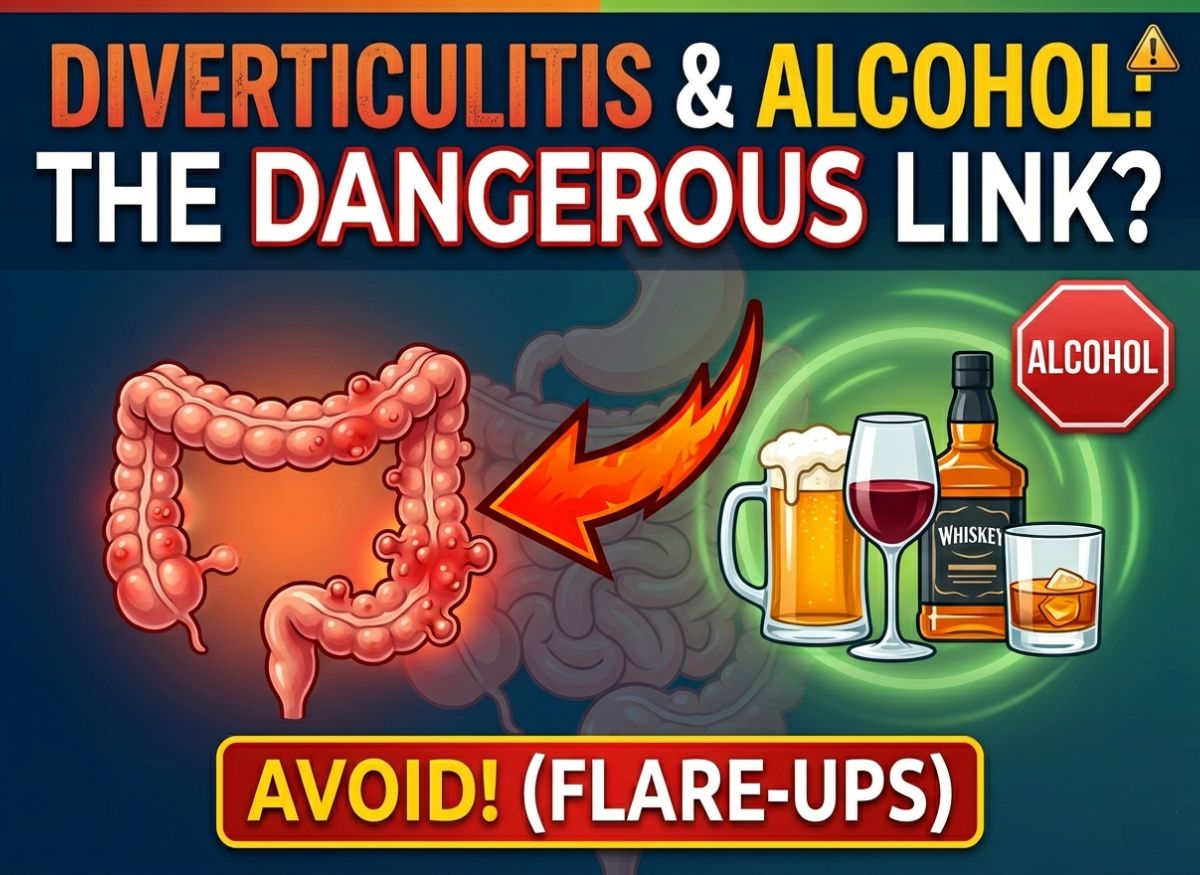
Diverticulitis is painful and can be dangerous, and it affects millions of people around the world. If you enjoy an occasional drink, you may not realize how much alcohol can affect your condition. The connection between the two is easy to overlook, but it matters. Alcohol can trigger flare-ups and make existing ones worse. Whether you were diagnosed last week or have lived with diverticulitis for years, what you drink can make a real difference to your health.
Alcohol can raise inflammation in the colon, which makes the small pouches (diverticula) in your intestinal wall more likely to become irritated or infected. The result can be painful flare-ups, slower recovery, and serious complications such as abscesses, perforations, or bowel obstruction. For someone who already has diverticulitis, alcohol adds stress to a digestive system that is already fragile.
So how much is too much? Can you drink in moderation and still manage diverticulitis? Many people struggle with these questions because alcohol is so woven into social life and culture. This article explains how alcohol affects your gut, what risks it carries, and how you can protect yourself. Knowing how alcohol affects your condition is the first step toward managing it better and living more comfortably.
The Effects of Alcohol on Diverticulitis
Alcohol can make existing diverticulitis much worse by triggering flare-ups and intensifying symptoms. Current evidence does not show that it directly causes diverticula to form in the first place. Its harm comes from creating a pro-inflammatory environment in the gut, which leaves people who already have diverticulosis more exposed to acute attacks. Understanding the difference between causing the condition and aggravating it is the key to understanding both the risk and how to manage it.
The Link Between Alcohol Consumption and Developing Diverticulitis
There is no solid scientific proof that moderate drinking directly causes diverticulosis, the presence of pouches in the colon wall. These pouches mostly develop because of long-term factors: a low-fiber diet that raises pressure inside the colon, plus aging, genetics, obesity, and a sedentary lifestyle. Studies have not consistently shown alcohol to be an independent, primary risk factor. The connection looks more like correlation than causation, because heavy drinking often goes hand in hand with other habits that do raise the risk.
- Correlation: Heavy drinkers are more likely to eat poorly, get too little fiber, and move less, all of which are established risk factors for diverticulosis. Alcohol is part of a cluster of unhealthy habits, not the single culprit behind a weakened colon wall.
- Indirect Contribution: Years of heavy drinking can lead to body-wide inflammation and poor gut health. In theory, this could weaken the colon’s muscular wall and make it easier for pouches to form under pressure. This idea is still speculative and has far less support than the role of fiber and colon pressure.
- Mixed Research Findings: Some large studies found a weak link between heavy drinking and diverticular disease, while others found none. Because the results disagree, alcohol is best seen as a secondary or contributing factor for some people, especially when they drink excessively, rather than a main driver.
Drinking Alcohol to Trigger a Diverticulitis Flare-up
Once pouches exist, they become weak points that can easily get inflamed or infected. Alcohol is a strong trigger because it irritates the digestive tract directly and promotes inflammation, the two main ingredients of an acute attack. These mechanisms are well understood, which is why doctors commonly advise limiting or avoiding alcohol during and after a flare-up. Alcohol can set off a flare-up in three main ways:
- Direct Mucosal Irritation: Ethanol, the main ingredient in alcoholic drinks, irritates the lining of the whole digestive tract, including the colon. This can cause local inflammation in and around the diverticula and set the stage for a flare-up.
- Increased Intestinal Permeability: Alcohol loosens the tight junctions between the cells of the gut lining, a problem often called “leaky gut.” Bacteria and toxins from inside the colon can then slip through the gut wall. When they reach the tissue around a diverticulum, they can provoke a strong inflammatory or infectious reaction and lead to acute diverticulitis.
- Dehydration and Constipation: Alcohol is a diuretic, so you lose more fluid. Dehydration makes stools harder to pass, and the colon muscles have to strain to move them. That raises pressure inside the colon, aggravates the diverticula, and adds to pain and inflammation. This pressure is a central factor in diverticular disease.
Alcohol’s Effects on the Gut Aggravate Diverticulitis Symptoms
The Inflammatory Effect of Alcohol on The Intestinal Lining
Alcohol acts as a chemical irritant that damages the epithelial cells forming the gut’s protective barrier. This damage sets off a chain of inflammatory reactions and makes the gut much more permeable, the “leaky gut” described above. Once the barrier is weakened, harmful substances such as bacterial toxins (for example, lipopolysaccharides) and undigested food particles can escape into the bloodstream and surrounding tissues. The immune system detects them and launches a strong inflammatory response.
In a person with diverticulosis, that inflammation concentrates in the colon, especially around the weak spots the diverticula create. It can escalate quickly into a painful and potentially dangerous flare-up. The process happens in three steps:
- Cellular Damage: Ethanol and its main breakdown product, acetaldehyde, are toxic to the cells lining the intestine (enterocytes). They cause oxidative stress, which damages cell structures and kills cells. This opens gaps in the intestinal wall and weakens it.
- Increased Permeability: Damage to the enterocytes and the tight junctions holding them together lets substances cross the wall that should stay inside. This breach is a critical step, because the immune system outside the gut is suddenly exposed to what is inside it.
- Immune System Activation: Immune cells in the gut wall detect the toxins and bacteria that cross the barrier and release inflammatory signaling molecules called cytokines (such as TNF-alpha and interleukins). Cytokines make blood vessels more permeable and draw more immune cells to the area. That produces the classic signs of inflammation (pain, swelling, and redness inside the body), which show up as the severe abdominal pain of diverticulitis.
Alcohol’s Effects on Beneficial Gut Bacteria
Alcohol throws the gut out of balance, a state called dysbiosis, in which harmful, inflammatory microbes multiply while beneficial, anti-inflammatory ones decline. It does this by killing off helpful bacteria directly, changing the gut environment (such as its pH), and depriving good microbes of the nutrients they need. Without a healthy microbiome, the gut struggles to control inflammation and keep its lining intact. A gut in this state stays chronically inflamed, which invites flare-ups and slows healing after an attack.
- Direct Antimicrobial Effect: Ethanol can kill certain bacteria, and it does not discriminate. It can wipe out helpful species like Lactobacillus and Bifidobacterium, which digest fiber and produce anti-inflammatory compounds. That leaves room for opportunistic and harmful bacteria to take over.
- Reduced Production of Short-Chain Fatty Acids (SCFAs): Friendly gut bacteria ferment fiber into SCFAs, and butyrate is the most important one for colon health. Butyrate is the main fuel for colon cells, supports the gut barrier, and has strong anti-inflammatory effects. When alcohol reduces the bacteria that make it, the colon loses its main energy source and a key protective molecule.
- Fostering a Pro-Inflammatory Environment: Overgrown harmful bacteria produce more inflammatory substances such as lipopolysaccharides (LPS). If alcohol has also damaged the gut barrier, LPS can leak into the bloodstream and cause low-grade inflammation throughout the body. That makes the whole body, colon included, more reactive and more likely to suffer an acute event like a diverticulitis flare-up.
Specific Risks and Recommendations for Different Types of Alcohol
Risks differ by type of drink. Beer and other carbonated drinks cause bloating and gas. Sugary cocktails and wines feed inflammation through their sugar. Red wine can bother some people because of its tannins and histamines. Since every drink has its own issues, the advice needs to be personal: keep intake strictly moderate, choose drinks carefully, and avoid alcohol completely during an active or recent flare-up.
Is Beer Worse Than Wine or Spirits for Diverticulitis?
Beer is often seen as the worst of the three because its carbonation and high yeast content can increase gas, bloating, and uncomfortable pressure in the abdomen. That swelling puts physical stress on the colon and can aggravate sensitive diverticula. No alcohol is good for diverticulitis, but each type of drink brings its own problems. Red wine contains tannins and histamines that irritate the gut in some people. Spirits have no carbonation or yeast, but they are often mixed with sugary drinks that promote inflammation and gut imbalance. Which one is worst really depends on your own sensitivities and triggers.
- Beer and Carbonated Beverages: Carbonation is the main problem. The dissolved carbon dioxide is released in your digestive tract, causing bloating and gas. The extra internal pressure can be very painful for an inflamed or sensitive colon. The yeast and gluten in many beers can also trigger people with underlying sensitivities, adding to inflammation and digestive upset.
- Wine: Red wine is rich in tannins, which can irritate the digestive tract in sensitive people and sometimes cause stomach upset or changes in bowel habits. Red and white wines can both be high in histamines, which may set off inflammation in people with histamine intolerance. Sweet wines and wine coolers are especially problematic because their sugar feeds inflammatory gut bacteria.
- Spirits (Liquor): With vodka, gin, whiskey, and rum, the trouble is often the mixer rather than the liquor. Cocktails made with sugary juices, sodas, or tonic water send a large dose of sugar to the gut and fuel inflammation. A very small amount of clear spirit mixed with water or a splash of low-sugar juice is sometimes tolerated better than beer or sweet wine, since it has no carbonation, yeast, or tannins. Even so, the high alcohol concentration is still a strong gut irritant.
Medical Guidelines for Alcohol Intake During Diverticulitis Remission
No official, universal guidelines exist for alcohol during diverticulitis remission. Still, gastroenterologists and dietitians largely agree on the advice: keep drinking to a minimum, or ideally avoid it altogether. If you choose to drink after recovering from a flare-up, follow some cautious rules. Drink only when you are completely symptom-free, limit yourself to one standard drink a day at most, stay well hydrated, pick drinks that avoid carbonation and sugar, and stop right away if symptoms appear.
The most important rule is to listen to your body, because tolerance varies a lot from person to person. If you are in remission and decide to drink, these principles can help you lower the risk:
- Confirm Full Remission: Never drink during an active flare-up or the early recovery period. Your gut needs time to heal fully, and alcohol slows that process and risks a relapse.
- Strict Moderation: Have no more than one standard drink a day, and keep several alcohol-free days each week. A standard drink is 12 ounces of beer, 5 ounces of wine, or 1.5 ounces of spirits.
- Hydration is Crucial: Alcohol dehydrates you, so drink a full glass of water with every alcoholic drink. Staying hydrated keeps stools soft and lowers pressure in the colon.
- Choose Your Drink Wisely: Pick non-carbonated drinks and skip sugary mixers. A small amount of clear spirit like vodka or gin with water and a squeeze of lime or lemon is usually the gentlest choice. Avoid beer, sparkling wine, and sweet cocktails.
- Never Drink on an Empty Stomach: Having food in your stomach slows alcohol absorption and may soften its irritating effect on the digestive lining.
- Monitor Your Symptoms: Keep a food and symptom journal to see whether alcohol, or a certain type, sets off your symptoms. Pain, bloating, or changes in bowel habits after drinking are a clear signal to stop.
- Consult Your Healthcare Provider: Before you bring alcohol back, talk to your doctor or a registered dietitian. They can advise you based on how severe your condition is and on your overall health.
The Broader Lifestyle Considerations for Managing Diverticulitis
Managing diverticulitis well takes a whole-lifestyle approach that goes beyond alcohol. It includes diet, taking medication as prescribed, managing stress, and staying active. It also means adjusting these habits to the phase you are in, whether that is an active flare-up or remission. Taking a proactive role in these areas helps you ease the strain on your colon, support a healthy gut microbiome, and lower body-wide inflammation. All of that helps keep diverticulitis under control and improves your quality of life.
Alcohol Consumption’s Impacts on Diverticulitis During a Flare-up vs. Remission
Alcohol affects diverticulitis very differently depending on whether you are in a flare-up or in remission. During a flare-up, the colon is inflamed and often infected, and the tissues are extremely sensitive. Alcohol irritates the digestive lining directly, which can worsen inflammation and abdominal pain and raise the risk of complications like perforation. Its dehydrating effect can also harden stools, increasing pressure in the colon and straining its weakened areas. For these reasons, doctors strongly recommend giving up alcohol completely during a flare-up so the colon can heal and treatments like antibiotics can work without interference.
In remission, the pouches are still there but no longer inflamed, a state referred to as diverticulosis. The colon is far more stable, and some people can tolerate alcohol in moderation. Even so, caution is essential, and it is best to decide about reintroducing alcohol together with your healthcare provider. Heavy drinking can still disturb the gut microbiome, feed low-grade inflammation, and irritate the diverticula, so a new flare-up remains possible. Knowing this difference helps you make choices that fit your current health.
The reason for the difference lies in the state of the colon in each phase:
- During a flare-up: The goals are to reduce inflammation, clear the infection, and rest the bowel. Alcohol works against all three. It promotes inflammation, adds to the liver’s workload while the liver is processing medications, and can upset fluid balance.
- During remission: The focus moves to prevention and gut health. Moderate drinking may not cause immediate harm, but its long-term effects on gut permeability and microbial balance could raise the chance of another flare-up.
- Individual sensitivity: Tolerance in remission differs greatly between people. The type of drink, the amount, and what you have it with can all change how your digestive system reacts.
The Interaction Between Alcohol with Common Diverticulitis Medications
Alcohol can interact dangerously with medications commonly used for flare-ups, especially antibiotics. The best-known and most severe case is metronidazole (Flagyl), an antibiotic often prescribed to target anaerobic bacteria in the gut. Drinking while on metronidazole can cause a disulfiram-like reaction, named after a drug used to treat alcohol dependence. Symptoms can be immediate and intense, including severe nausea, vomiting, facial flushing, headache, and a racing heart. The reaction happens because both substances are processed by the same liver enzymes, which leads to a toxic buildup of acetaldehyde. For this reason, patients should avoid alcohol completely during treatment and for at least 72 hours after the last dose of metronidazole.
Ciprofloxacin, a fluoroquinolone antibiotic, is often prescribed alongside metronidazole. It does not cause the same severe reaction, but mixing it with alcohol is still a bad idea. Alcohol can worsen its common side effects, such as dizziness, lightheadedness, nausea, and diarrhea. Both alcohol and antibiotics also put a load on the liver, so taking them together adds strain. Alcohol can also weaken the immune system’s ability to fight infection. These risks are why it is so important to follow your medical advice closely during treatment.
- Reduced Efficacy: Alcohol dehydrates the body and dampens immune function, which can undermine your recovery from infection even while you are taking antibiotics.
- Increased Side Effects: Apart from specific chemical reactions, alcohol can amplify general medication side effects like fatigue, headache, and stomach discomfort, making recovery harder.
- Patient Adherence: Be open with your doctor and pharmacist about everything you consume, including alcohol, so you can avoid harmful effects and get the most from your treatment.
Alcohol’s Impacts on Diverticulitis vs. Other Dietary Triggers
It helps to compare alcohol with other well-known dietary triggers, such as a low-fiber diet, red meat, and high-fat foods. Alcohol usually acts faster and more directly. As a liquid irritant, it can inflame the lining of the digestive tract right away, bringing on pain and cramping quickly, especially during a flare-up. Its dehydrating effect and its influence on gut movement can add to the discomfort. Other triggers tend to work more slowly, contributing to the condition or raising flare-up risk over a longer period.
A low-fiber diet is considered a main risk factor for developing diverticulosis in the first place. Too little fiber produces harder, smaller stools that take more pressure to pass. That pressure is believed to push weak spots in the colon wall outward, forming diverticula. Large studies have linked red and processed meats to a higher risk of diverticulitis attacks, probably because they shift the gut microbiome toward inflammatory bacteria and add to low-grade inflammation. Diets high in saturated and trans fats can also create an inflammatory environment that makes flare-ups more likely. Each factor plays a different role:
- Alcohol: An acute irritant and inflammatory agent that can trigger symptoms quickly and interfere with healing during a flare-up. You often feel its effects soon after drinking.
- Low Fiber: A foundational risk factor that, over years, puts mechanical stress on the colon and contributes to the structural changes that form diverticula.
- Red Meat and High-Fat Foods: Long-term promoters of inflammation and unfavorable gut bacteria, creating an internal environment that is more prone to flare-ups over time.
Safe, Non-alcoholic Drink Alternatives for Social Situations
You have plenty of safe, enjoyable non-alcoholic options for social occasions. Look for drinks that hydrate, are low in sugar, and avoid common gut irritants like caffeine and heavy carbonation. Simple choices often work best. Sparkling water with a slice of lemon, lime, or cucumber feels festive without any irritating ingredients. Herbal teas, hot or iced, are another good choice. Peppermint, ginger, and chamomile are especially helpful: peppermint can relax the intestinal muscles, ginger can ease nausea, and chamomile has anti-inflammatory properties.
If you want something fancier, a well-made mocktail can do the job. Start with soda water or coconut water, add muddled herbs like mint or basil, and finish with a splash of juice from gut-friendly, low-FODMAP fruits. Berries such as strawberries or blueberries can be pureed in for flavor and antioxidants without being harsh on digestion. It is wise to avoid drinks high in processed sugar, artificial sweeteners, or acidic juices like orange and grapefruit, since these can trigger symptoms in sensitive people.
- Infused Waters: Add slices of cucumber, mint leaves, ginger, or low-FODMAP fruits like strawberries to still or sparkling water for a simple, hydrating, flavorful drink.
- Gut-Friendly Mocktails: Mix a little 100% blueberry or cranberry juice (not a sugary cocktail mix) with sparkling water and a sprig of rosemary for an elegant, safe option.
- Herbal Iced Teas: Brew a strong batch of peppermint or ginger tea, let it cool, and serve it over ice with a lemon wedge. It is refreshing and good for digestion.
FAQs
1. Can drinking alcohol make diverticulitis worse?
Yes. Alcohol irritates the digestive system and increases inflammation in the colon. It can also slow your body’s healing during a flare-up, leading to worse symptoms such as abdominal pain, fever, and bloating. Regular heavy drinking can also aggravate constipation, which is a key risk factor for diverticulitis.
2. How much alcohol is safe to drink if I have diverticulitis?
Moderation may be fine for some people, but the general advice is to avoid alcohol, especially during an active flare-up. Even small amounts can irritate the gut in some individuals and make recovery harder. If you are in remission and would like to drink, talk to your doctor first to make sure it won’t interfere with your health.
3. Does alcohol directly cause diverticulitis?
No, alcohol does not directly cause diverticulitis, but it can raise the risk of complications. Heavy drinking can lead to ongoing digestive problems like constipation and inflammation, which are linked to diverticula formation and the possibility of diverticulitis. It can also get in the way of healing when the condition is already present.
4. What types of alcohol should I avoid with diverticulitis?
It is best to avoid all alcohol, but especially the types most likely to irritate the digestive tract, such as beer, wine, and sugary cocktails. These can increase bloating, acidity, and inflammation in the colon. Carbonated drinks like beer or fizzy cocktails can make discomfort worse during an episode.
5. Can I drink alcohol if I’ve recovered from diverticulitis?
Even after recovery, alcohol can still affect your gut health. The colon stays vulnerable to irritation, and alcohol can trigger a future flare-up. Be cautious and make sure drinking doesn’t undermine your overall digestive health. Talk to your doctor about alcohol after recovery to be sure it is safe for you.
Conclusion
The connection between diverticulitis and alcohol is stronger than many people realize. Alcohol may not directly cause diverticulitis, but it can worsen symptoms, slow recovery, and raise the risk of further complications. Whether you are in a flare-up or in remission, alcohol puts extra strain on your digestive system and can lead to painful consequences.
Taking charge of your health starts with understanding how alcohol affects your body and making informed choices. Some people can handle small amounts without major problems, but the safest approach is to limit or avoid alcohol to protect your colon and reduce the chance of repeat flare-ups. If you stay proactive, follow medical advice, and stay mindful of what you drink, you can improve your digestive health and avoid the painful effects of diverticulitis. Your health comes first. A balanced diet, good hydration, and a thoughtful approach to alcohol can make a real difference in how you feel and help you manage your condition over the long term.