
6 Causes of Thrush in Mouth You Might Not Expect
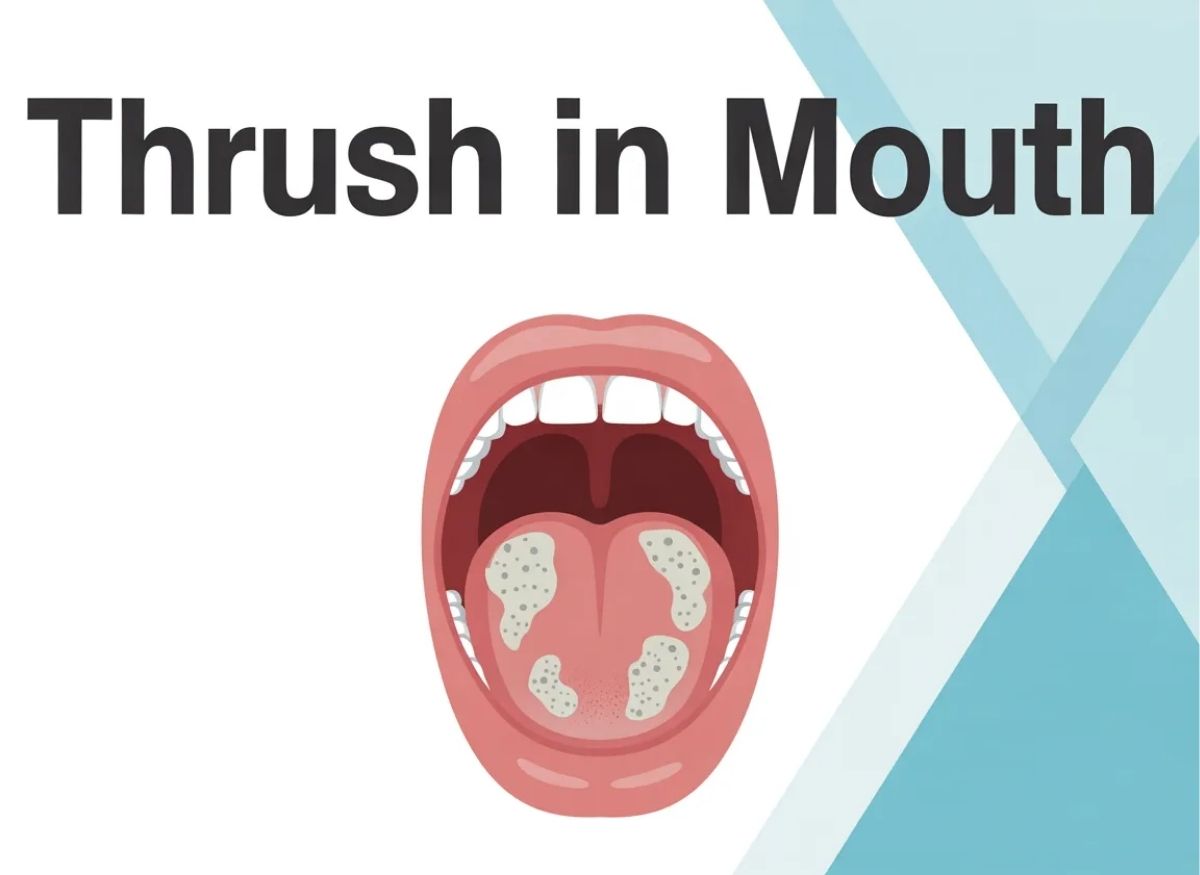
Thrush in mouth, also called oral thrush, is a common fungal infection that develops when Candida yeast grows too much inside the mouth. Candida normally lives in the body without causing problems, but certain changes can disturb this natural balance. When that happens, white patches, soreness, and irritation may develop. Although oral thrush is often associated with babies or people with weakened immune systems, adults can also develop it for less obvious reasons.
Many people do not realize that everyday issues such as stress, diet, medications, or changes in oral health can contribute to thrush in mouth. Early symptoms may be subtle, so the infection can sometimes go unnoticed until the discomfort becomes more obvious. In this article, we’ll look at six unexpected causes of thrush in mouth, explain how they may contribute to the condition, and discuss ways to manage and prevent it.
What is Thrush In Mouth (Mouth Fungus)?
Thrush in mouth, medically known as oral candidiasis, is a fungal infection that occurs when the normal balance inside the mouth is disturbed. Candida albicans is a yeast-like fungus that naturally lives in the body and is harmless for many people when kept under control.
However, when the body’s local or overall defenses become weaker, Candida can multiply excessively and begin affecting the mucous membranes. This can lead to a yeast infection inside mouth, producing visible patches, irritation, and sometimes painful areas.
Recognizing the Symptoms of Yeast in Mouth
One of the most noticeable symptoms is the development of raised, creamy-white patches that can look similar to cottage cheese. These patches are commonly found on the tongue and inside the cheeks, but they may also appear on the roof of the mouth or along the gums.
If the patches are gently scraped or brushed away, they may leave behind a red, irritated area that can bleed slightly. This inflammation can cause oral thrush pain ranging from a mild cotton-like sensation to a stronger burning feeling. In some cases, the discomfort can make eating or speaking difficult.
The infection may sometimes spread beyond the main areas of the mouth. If the overgrowth reaches the throat or esophagus, it can cause a candida sore throat, painful swallowing, or a sensation that something is stuck in the throat. Candida can also affect the corners of the lips, causing yeast in the corners of mouth. This condition, called angular cheilitis, may result in redness, cracking, soreness, and crusting around the lips.
Vulnerable Populations: Infants and the Elderly
The likelihood of developing oral thrush can differ at different stages of life. Infant oral thrush is fairly common because a baby’s immune system is still developing. Parents may first notice white patches covering parts of a newborn’s tongue or mouth.
Newborn oral thrush can sometimes pass between a breastfeeding baby and the mother’s breast, creating a cycle of reinfection that requires proper management. Parents should watch for signs such as fussiness while feeding or difficulty latching because the affected areas may be painful for the baby.
In adults, thrush in an adults mouth may be associated with age-related immune changes, medications, or other lifestyle factors. Older adults who wear dentures can also be more vulnerable. Dentures that are not cleaned properly or do not fit correctly can trap moisture and create an environment where mouth fungus can grow. When irritation develops beneath a denture, the gums may become very red and swollen even without the typical white patches.
The Role of Antibiotics and Systemic Triggers
One of the common oral thrush causes in otherwise healthy adults is recent antibiotic use. Antibiotics are intended to eliminate harmful bacteria, but they can also reduce beneficial bacteria that normally help keep yeast under control. When this balance changes, Candida may multiply more easily and cause mouth fungus.
People with poorly controlled diabetes may also have a greater risk of developing thrush. Higher sugar levels in saliva can provide an environment that encourages yeast growth. Recognizing these yeast in mouth causes is important because oral thrush can sometimes be connected to a broader change in the body.
6 Surprising Causes of Thrush In Mouth
Thrush in mouth does not always develop because of one obvious event. Instead, several environmental, medical, and lifestyle factors can create conditions that allow Candida to grow. Antibiotics are a well-known trigger, but other less obvious factors can also interfere with the body’s natural defenses against mouth fungus.
Inhaled Corticosteroids and Localized Immunosuppression
People who use corticosteroid inhalers for asthma or COPD may have a higher risk of developing thrush inside mouth. These medications help reduce inflammation in the airways, but some of the medication can remain on the tongue or toward the back of the throat.
The steroid residue may temporarily reduce local immune activity, giving yeast an opportunity to multiply. This can contribute to white patches or even a candida sore throat. One helpful preventive measure is to rinse the mouth thoroughly after using an inhaler to remove remaining medication.
Xerostomia: The Dangers of Chronic Dry Mouth
Xerostomia, or persistent dry mouth, is another frequently overlooked factor among yeast in mouth causes. Saliva does more than keep the mouth moist. It also contains substances that help protect against microorganisms, including fungi.
When saliva production decreases because of medications, aging, or certain medical conditions such as Sjögren’s syndrome, the mouth loses some of this natural protection. Reduced saliva can also make it easier for mouth fungus to remain attached to oral tissues and multiply.
Dietary Influence and the “Sugar Feast”
A diet high in sugar may contribute to thrush in an adults mouth because Candida can use simple sugars as a source of energy. Regularly consuming large amounts of sugary foods, refined carbohydrates, and sweet drinks can create favorable conditions for yeast growth.
This may be especially relevant for people with uncontrolled diabetes, since elevated sugar levels can also affect saliva. Reducing excessive sugar intake may therefore be part of a balanced diet for thrush in mouth and overall oral health.
Denture-Related Stomatitis and Hygiene
For people who wear dentures, gum thrush can become a recurring concern. Dentures can create a warm and moist space between the appliance and the mouth, which may allow yeast to grow.
If dentures are not cleaned properly or are worn overnight, microorganisms can remain on the appliance and continue multiplying. The tissue underneath may become bright red and irritated, even when the familiar white patches of thrush in mouth are not present in other areas.
Smoking and the Disruption of Oral Homeostasis
Smoking can contribute to yeast in mouth causes by affecting the tissues and natural balance of microorganisms inside the mouth. Tobacco smoke and heat may irritate the oral lining, making it easier for fungal overgrowth to develop.
Smoking can also interfere with the normal oral microbiome and reduce beneficial bacteria that compete with Candida. Some smokers may also experience yeast in corners of mouth, especially when irritation and moisture collect around the edges of the lips.
The Impact of Chronic Stress and Cortisol
Long-term stress can indirectly contribute to thrush in mouth. During prolonged stress, the body produces more cortisol, which can affect immune function. When the immune system is less effective at controlling microorganisms, Candida may have an easier time multiplying.
Managing ongoing stress through healthy lifestyle habits may therefore support the body’s natural defenses and become part of broader oral thrush natural treat strategies.
How Do Doctors Confirm a Diagnosis of Thrush In Mouth?
Doctors generally diagnose thrush in mouth by combining a physical examination with additional testing when needed. Because several oral conditions can produce white patches, healthcare professionals need to distinguish a yeast infection inside mouth from conditions such as leukoplakia or oral lichen planus.
A doctor may examine the appearance and texture of the patches and determine whether they can be removed. If the diagnosis is unclear, laboratory testing can provide additional information about the cause of the symptoms.
The Visual Exam and the “Scrape Test”
The diagnostic process usually begins with a close examination of the tongue, inner cheeks, gums, and other areas of the mouth. One characteristic feature of thrush inside mouth is that its white patches can often be wiped or scraped away.
When a healthcare provider gently removes the material, the tissue underneath may appear red, irritated, or tender and may bleed slightly. This finding can help distinguish oral thrush sore spots from other conditions that produce persistent white patches.
Microscopic Analysis: The KOH Smear
If additional confirmation is needed, a healthcare provider may perform a KOH, or potassium hydroxide, smear. This test can help confirm the presence of a yeast infection inside mouth.
The Process: A small sample is collected from the affected white material and placed on a glass slide. A KOH solution is then added to the sample.
What They See: The solution breaks down human cells and other debris, making fungal structures easier to see under a microscope. The presence of structures such as pseudohyphae can support the diagnosis of an active fungal infection.
Fungal Culture and Species Identification
A fungal culture may be considered when the infection keeps returning or does not improve with standard thrush in mouth medications. Testing can help identify the particular Candida species involved.
Species Diversity: Candida albicans is a common cause, but other species, including Candida glabrata and Candida krusei, can also be responsible for mouth fungus.
Sensitivity Testing: A laboratory can test the cultured fungus against different medications to determine which treatments are most effective. This can help healthcare providers select a more targeted treatment when the infection does not respond as expected.
Investigating Systemic Triggers
Because thrush in mouth can sometimes be connected to an underlying health issue, doctors may order blood tests, especially when there is no obvious explanation such as recent antibiotic use.
- Blood Glucose Levels: Testing can help identify diabetes or determine whether blood sugar is poorly controlled.
- Immune Panel: Testing may be used to look for immune system problems that could make it harder for the body to control mouth fungus.
- Nutritional Screen: Tests for nutrients such as iron, vitamin B12, and folic acid may help identify deficiencies that could affect the health of the oral tissues.
When Is It Necessary To See a doctor for Thrush In Mouth?
A mild case of thrush in mouth may sometimes seem to improve temporarily, but professional evaluation is important when symptoms persist, return, or become more severe. A doctor can confirm whether the problem is actually a yeast infection inside mouth and determine whether another condition is responsible.
Medical evaluation can also help identify why the fungal overgrowth occurred and reduce the risk of the infection spreading beyond the mouth.
Red Flags and Systemic Spread
Medical attention is particularly important when symptoms suggest that the infection has moved beyond the mouth. If thrush inside mouth occurs along with a candida sore throat, difficulty swallowing, a sensation of food becoming stuck, or pain behind the breastbone, the esophagus may be involved.
Esophageal candidiasis can require systemic thrush in mouth medications rather than simple topical treatments. A high fever or chills occurring with a serious infection may also indicate a more widespread problem that requires urgent medical care.
The Importance of Investigating Recurrence
If you have already used home remedies for mouth fungus or completed treatment but the infection returns within a short period, it is important to look for an underlying cause.
Repeated yeast in mouth causes may be connected with conditions such as:
Undiagnosed Diabetes: Elevated glucose levels can create conditions that encourage yeast growth.
Immune Vulnerability: Repeated thrush inside mouth can sometimes occur when the immune system is weakened.
Nutritional Deficiencies: Low levels of iron, vitamin B12, or folic acid may affect the health and strength of the oral lining.
High-Risk Groups: Infants and the Immunocompromised
Certain people need medical attention sooner rather than waiting for symptoms to disappear. With infant oral thrush, painful patches may interfere with breastfeeding or bottle feeding. If a baby stops taking enough fluids, dehydration can become a concern.
Because infant oral thrush can sometimes pass between the baby and breastfeeding mother, healthcare providers may recommend treating both areas to reduce the chance of reinfection.
For people with significantly weakened immune systems, such as those receiving chemotherapy or living with a transplant, thrush in mouth should receive prompt medical attention because the infection may become more serious.
Differentiating Thrush from Mimics
Another reason to seek professional care is that some conditions can look similar to thrush inside mouth but require very different treatment. Leukoplakia, for example, can cause thick white patches that generally cannot be scraped away. Oral lichen planus can also create white patterns inside the mouth.
Because these conditions are not treated in the same way as a fungal infection, a professional examination and, when necessary, testing such as a KOH smear or biopsy can help establish the correct diagnosis.
The Differences Between Oral Thrush and Other Oral Conditions Like Leukoplakia
Distinguishing thrush in mouth from other oral conditions is important because similar-looking white patches can have very different causes. A yeast infection inside mouth is generally related to Candida overgrowth, while leukoplakia involves changes in the oral tissue and may sometimes have precancerous potential.
The appearance, texture, symptoms, and behavior of the affected area can help healthcare professionals determine which condition may be involved.
The “Scrape Test”: Fixed vs. Removable Lesions
One of the noticeable differences between thrush of the mouth adults and leukoplakia is whether the white patch can be removed. Creamy-white areas caused by mouth fungus can often be gently wiped or scraped away, exposing red or irritated tissue underneath.
Leukoplakia, on the other hand, is attached to the oral tissue and generally does not disappear when gently scraped or wiped. A white patch that remains firmly in place should therefore be evaluated by a healthcare professional rather than automatically assumed to be thrush in an adults mouth.
Etiology: Infection vs. Chronic Irritation
The causes behind oral thrush and leukoplakia are different.
Thrush Triggers: Mouth fungus can develop when immune defenses are reduced or the normal oral microbiome is disturbed. Antibiotics, high sugar levels, and other factors can encourage yeast to multiply.
Leukoplakia Triggers: Leukoplakia is commonly associated with long-term irritation of the oral tissues. Tobacco use, repeated rubbing from a sharp tooth, or poorly fitting dentures can contribute. Unlike oral thrush sore spots, these changes usually develop gradually.
Sensory Experience and Pain Levels
Symptoms can also help distinguish the two conditions. Oral thrush pain may include burning, soreness, changes in taste, or a cotton-like sensation in the mouth. If the infection affects the throat, swallowing may become uncomfortable.
Leukoplakia is often painless and may go unnoticed until a dentist or doctor identifies the patch during an examination. Therefore, a painful or burning white patch may be more consistent with thrush in mouth, although professional evaluation is still necessary.
Clinical Stakes: Benign Infection vs. Precancerous Risk
Although both conditions deserve appropriate medical attention, their potential implications are different. Thrush in mouth is a fungal infection that generally improves when the underlying cause is addressed and suitable thrush in mouth medications are used.
Leukoplakia can sometimes be considered a premalignant condition. Most cases do not become cancerous, but some can develop abnormal changes. For that reason, persistent white patches that cannot be confirmed as thrush inside mouth may require further examination or a biopsy.
Conclusion
Thrush in mouth is usually treatable, but understanding the possible causes can help reduce the chance of repeated infections. Although weakened immunity and antibiotic use are familiar triggers, less obvious factors such as stress, smoking, diet, dry mouth, dentures, and inhaled medications may also contribute.
If symptoms continue, become more painful, or return after treatment, seeking medical advice is important. Proper diagnosis can help identify the cause and ensure that the appropriate treatment is used. Good oral hygiene, balanced nutrition, proper denture care, and management of underlying health issues can all support better oral health and help reduce recurrence.
Frequently Asked Questions (FAQ) About Thrush in Mouth
What is thrush in mouth?
Thrush in mouth is a fungal infection that develops when Candida yeast grows excessively inside the oral cavity. Candida normally exists in small amounts in the mouth, but changes in the body or oral environment can allow it to multiply. The infection commonly appears as creamy-white patches on areas such as the tongue, inner cheeks, gums, or throat and may cause soreness or burning.
What causes thrush in mouth?
Thrush in mouth can have several causes. Antibiotic use can reduce beneficial bacteria that normally help control Candida. Other possible factors include weakened immunity, uncontrolled diabetes, chronic dry mouth, smoking, poor denture hygiene, inhaled corticosteroids, stress, and dietary habits. Identifying the underlying trigger can be important for preventing the infection from returning.
What are the symptoms of thrush in mouth?
The most recognizable symptom is the appearance of white or creamy patches that may resemble cottage cheese. These patches can sometimes be wiped away, leaving red or irritated tissue underneath. Other symptoms may include soreness, burning, difficulty swallowing, changes in taste, and cracking at the corners of the mouth.
Is thrush in mouth contagious?
Thrush in mouth is generally not considered highly contagious among healthy people because Candida commonly exists naturally in the body. However, transmission can occur in certain situations, particularly between a breastfeeding mother and baby or between people who have weakened immune systems. Good oral hygiene and avoiding the sharing of personal oral items can help reduce potential spread.
How is thrush in mouth treated?
Treatment usually involves antifungal medication designed to control the excess Candida. Depending on the severity, treatment may include mouth rinses, gels, lozenges, or oral medication. Maintaining good oral hygiene and properly cleaning dentures can also help. If an underlying problem such as uncontrolled blood sugar or medication-related dry mouth is contributing to the infection, addressing that issue can help prevent recurrence.
How can I prevent thrush in mouth?
Preventive steps include keeping up with regular oral hygiene, brushing the teeth twice daily, and flossing regularly. Limiting excessive sugary foods and drinks may also help maintain a healthier oral environment. Staying hydrated supports normal saliva production, while people using inhaled medications should rinse their mouth afterward. Regular dental visits and proper management of underlying health conditions can also reduce the risk of recurring thrush.