
9 Symptoms of Colitis & Gut Inflammation to Watch for
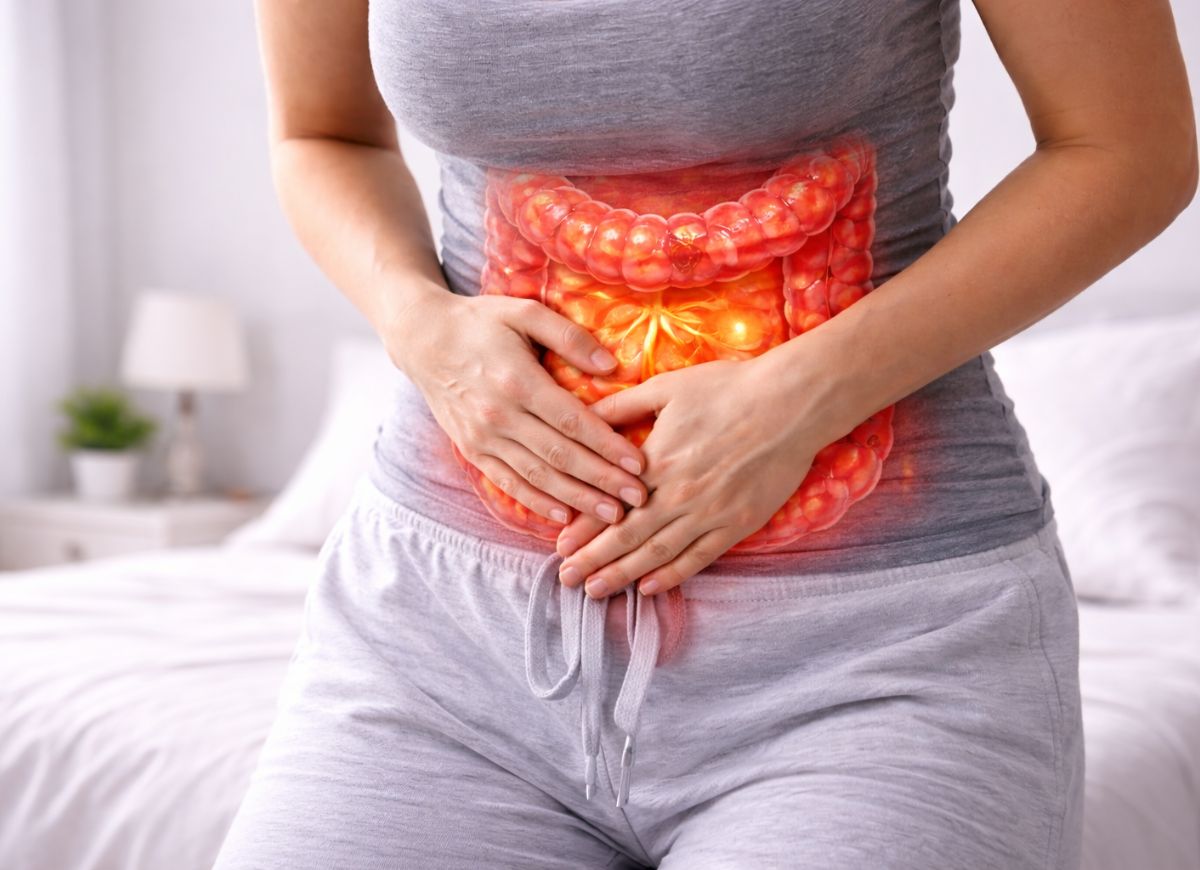
Imagine trying to get through your normal routine while your digestive system constantly feels unsettled. You may deal with abdominal cramps, bloating, diarrhea, or a persistent feeling that something is wrong with your gut.
For many people, these symptoms may be connected to colitis or another form of intestinal inflammation. Colitis can result from inflammatory bowel diseases such as ulcerative colitis and Crohn’s disease, while infections and other conditions can also cause inflammation in the digestive tract.
One of the challenges with colitis is that its symptoms can resemble many other digestive problems. As a result, people may dismiss them as temporary stomach trouble. Recognizing persistent symptoms early can help you receive an appropriate diagnosis and treatment.
Colitis can sometimes continue for months before a person receives a diagnosis. Without proper treatment, certain forms of ongoing intestinal inflammation can result in complications and damage to the digestive tract.
So, what symptoms should you pay attention to? Abdominal pain, diarrhea, and rectal bleeding are among the most recognizable signs, but they are not the only ones.
Gut inflammation can also cause fatigue, unexpected weight loss, fever, joint problems, and skin changes. For someone experiencing a flare-up, these symptoms can interfere with everyday life.
The good news is that recognizing concerning symptoms and seeking medical care can make it easier to manage the underlying condition and reduce the risk of complications. In this article, we’ll discuss 9 important symptoms of colitis and gut inflammation that deserve attention.
Taking persistent digestive symptoms seriously is an important step toward understanding and protecting your gut health.
What is Colitis & Gut Inflammation?
Colitis refers specifically to inflammation of the colon, which is the large intestine. Gut inflammation is a broader term that can describe inflammation occurring anywhere within the digestive system.
This distinction matters because colitis is one type of gut inflammation, but inflammation can also develop in other areas, such as the stomach or small intestine.
What Does The Term “Colitis” Specifically Refer to?
The medical term “colitis” means inflammation of the colon. The word comes from “colon,” referring to the large intestine, and “-itis,” a suffix used to describe inflammation.
The colon has several important functions during digestion. It absorbs water and electrolytes from material that remains after digestion and helps turn the remaining waste into stool.
When the inner lining of the colon, called the mucosa, becomes inflamed, these normal functions can become disrupted.
Inflammation can interfere with the colon’s ability to absorb water, contributing to frequent and watery diarrhea.
The irritated lining may also become fragile and develop ulcers. This can cause bleeding and may lead to mucus or other inflammatory material appearing in the stool.
Inflammation can also interfere with the normal muscular movements that move stool through the colon. This may result in abdominal cramping, pain, urgency, and frequent bowel movements.
Understanding that colitis specifically involves the colon can help distinguish it from other inflammatory digestive conditions.
For example, Crohn’s disease can affect almost any section of the digestive tract, from the mouth through to the anus. Celiac disease primarily affects the small intestine and has a different underlying cause.
Inflammation Manifesting In the Gut Lining
Inflammation in the digestive tract occurs when the body’s immune and inflammatory systems become activated. This response can cause swelling, irritation, tissue injury, and in some cases, ulcer formation.
Normally, inflammation is part of the body’s defense system against injury or infection. However, in inflammatory conditions such as colitis, the immune response can become excessive or continue for too long.
The process involves immune cells moving into the intestinal lining. These cells release chemical messengers, including cytokines and other inflammatory substances, that promote inflammation.
These chemicals can cause blood vessels in the intestinal wall to widen and become more permeable. As a result, more blood, fluid, and immune cells enter the affected tissue.
The extra fluid can cause swelling, known as edema. This swelling can contribute to thickening of the intestinal wall and may make abdominal discomfort or cramping worse.
Ongoing inflammation can eventually damage the protective mucosal lining and create ulcers. These ulcers may bleed and contribute to blood appearing in the stool.
This chain of inflammatory changes helps explain many of the common symptoms associated with colitis, including diarrhea, abdominal pain, rectal bleeding, and bowel urgency.
9 Primary Symptoms of Colitis & Gut Inflammation
Persistent Diarrhea
Persistent diarrhea is one of the most common symptoms associated with colitis. Unlike a short episode caused by a temporary stomach infection, diarrhea related to inflammatory bowel conditions can continue for weeks or longer.
Inflammation can interfere with the colon’s ability to absorb water properly. This results in loose or watery bowel movements that may happen frequently throughout the day.
Depending on the underlying condition, stool may also contain mucus or blood because of irritation and ulceration of the intestinal lining.
Abdominal Pain and Cramping
Abdominal discomfort caused by colitis is often described as cramping, aching, or spasms, frequently occurring in the lower part of the abdomen.
The pain can develop because inflammation irritates nerves within the intestinal wall. Changes in the way the colon contracts can also contribute to discomfort.
Some people experience mild, ongoing aches, while others may have intense cramps during a flare-up. In certain cases, passing stool may temporarily relieve the pain.
Rectal Bleeding
Blood in the stool is an important symptom that should not be ignored.
With colitis, inflammation can damage the lining of the colon and cause ulcers that bleed. Because the source of bleeding may be relatively close to the rectum, the blood can appear bright red.
Blood may be mixed with stool, appear on the outside of the stool, or be noticed on toilet paper after wiping.
Although there are several possible causes of rectal bleeding, persistent or unexplained blood should be evaluated by a healthcare professional.
Urgent Bowel Movements
A sudden and difficult-to-control need to have a bowel movement is another common symptom of colitis.
Some people experience tenesmus, which is the feeling that they urgently need to empty their bowels even when little stool is present.
Inflammation of the rectum can trigger nerves that send strong signals to the brain, creating a persistent feeling of urgency.
This may lead to repeated trips to the bathroom and, in some cases, difficulty controlling bowel movements.
Unexplained Weight Loss
Unintentional weight loss can occur when intestinal inflammation becomes moderate or severe.
Several factors may contribute. Ongoing inflammation can increase the body’s energy demands, while abdominal pain, nausea, and changes in appetite may cause a person to eat less.
Some inflammatory digestive conditions can also interfere with nutrient absorption. As a result, the body may not receive enough calories and nutrients even when food intake appears adequate.
Significant unexplained weight loss should always be discussed with a healthcare professional.
Fatigue and Low Energy
Fatigue associated with colitis can be much more intense than ordinary tiredness. Some people may feel exhausted even after getting enough sleep.
Chronic inflammation requires energy from the body and can contribute to ongoing weakness.
Blood loss from intestinal bleeding may also result in iron-deficiency anemia, which can reduce the blood’s ability to carry oxygen and contribute to fatigue.
Diarrhea-related dehydration, poor nutrition, nutrient deficiencies, pain, and disrupted sleep can further worsen low energy levels.
Fever
A fever can occur when significant inflammation or infection is present.
During an inflammatory response, immune cells release substances that can affect the body’s temperature-regulating system.
A persistent or significant fever, especially when it occurs alongside diarrhea, abdominal pain, or other digestive symptoms, may indicate active inflammation or infection and should be medically evaluated.
Joint Pain and Swelling (Arthritis)
Joint symptoms can occur outside the digestive tract in people with inflammatory bowel disease.
This type of joint inflammation, sometimes called enteropathic arthritis, may affect larger joints such as the knees, ankles, or elbows. Symptoms can include pain, stiffness, and swelling.
For some people, joint symptoms become more noticeable when intestinal inflammation is active.
Another condition associated with inflammatory bowel disease is ankylosing spondylitis, which primarily affects the spine and joints around the pelvis. It can cause persistent back pain and stiffness.
These problems are believed to be connected to inflammation affecting areas beyond the digestive system.
Skin Rashes or Sores
Inflammatory bowel disease can also be associated with certain skin conditions.
One example is erythema nodosum, which causes painful, tender red or purplish bumps, often appearing on the shins or ankles. These lesions are related to inflammation beneath the skin.
Another, less common condition is pyoderma gangrenosum. It can begin as a small bump or blister and develop into a painful ulcer with a characteristic appearance.
These skin conditions can occur alongside active inflammatory bowel disease and should be assessed by a healthcare professional.
Different Types of Colitis
The word “colitis” simply means inflammation of the colon, but several different conditions can cause it. Each type has its own causes, symptoms, and treatment requirements.
Ulcerative Colitis and Crohn’s Disease are two major forms of inflammatory bowel disease (IBD). Ulcerative Colitis causes continuous inflammation in the inner lining of the colon and rectum. Crohn’s disease can affect different parts of the digestive tract and may involve deeper layers of the bowel wall.
Ischemic Colitis develops when blood flow to part of the colon is reduced. This can damage intestinal tissue and is more common in older adults or people with certain vascular risk factors.
Infectious Colitis occurs when bacteria, viruses, or parasites cause inflammation. Organisms such as Clostridioides difficile and Salmonella are among the possible causes.
Microscopic Colitis includes lymphocytic colitis and collagenous colitis. In these conditions, inflammation may not be visible during a routine colonoscopy and is identified by examining tissue under a microscope.
Diversion Colitis may occur in a section of the colon that is no longer exposed to the normal flow of stool, such as after certain ostomy procedures.
Allergic Colitis is seen most often in infants and can occur when the digestive system reacts to certain food proteins, commonly proteins found in cow’s milk.
What are the Causes of Colitis?
Colitis can develop for many different reasons. Possible causes include infections, immune system problems, reduced blood supply, genetic factors, medications, and other environmental influences.
In some cases, the exact cause cannot be identified. However, several major causes and risk factors are well recognized.
Infections (Infectious Colitis)
Infectious colitis occurs when harmful microorganisms infect the colon and trigger inflammation.
Bacteria such as Campylobacter, Salmonella, Shigella, and certain strains of Escherichia coli can cause intestinal infection and inflammation.
Clostridioides difficile, often called C. diff, is another important cause. It can occur after antibiotic use because antibiotics may disrupt the normal balance of bacteria in the gut.
Certain viruses and parasites can also cause infectious colitis.
Autoimmune Responses (Inflammatory Bowel Disease – IBD)
Inflammatory bowel diseases develop when the immune system responds abnormally and contributes to ongoing inflammation in the digestive tract.
Ulcerative Colitis primarily affects the colon and rectum, while Crohn’s Disease can affect almost any part of the gastrointestinal tract.
Researchers believe that an abnormal interaction between the immune system, gut bacteria, genetics, and environmental factors contributes to these conditions.
Ischemia (Ischemic Colitis)
Ischemic colitis occurs when the colon does not receive enough blood and oxygen.
Reduced blood flow can injure intestinal tissue and result in inflammation, abdominal pain, and bleeding.
It is more common among older adults and people with conditions that affect blood vessels or circulation, including atherosclerosis, low blood pressure, or blood clots.
Genetic Predisposition
A family history of inflammatory bowel disease can increase the likelihood of developing conditions such as Crohn’s disease or ulcerative colitis.
Researchers have identified many genetic variations that may affect how the immune system interacts with the digestive tract.
These genetic factors do not guarantee that someone will develop IBD, but they may increase susceptibility when combined with environmental or other triggers.
Microscopic Colitis
Microscopic colitis includes collagenous colitis and lymphocytic colitis.
In these conditions, inflammation and characteristic tissue changes may only become visible when biopsy samples are examined under a microscope.
The exact cause remains unclear. However, abnormal immune responses, certain medications, infections, and other autoimmune conditions may contribute to its development.
Gut Inflammation Diagnosis
Diagnosing colitis involves several types of tests because doctors need to determine whether inflammation is present and identify its underlying cause.
The evaluation may begin with stool tests. These can help identify infections, detect blood, and measure markers of intestinal inflammation, such as fecal calprotectin.
Blood tests can provide additional information. They may show anemia, signs of infection, or elevated inflammatory markers such as C-reactive protein (CRP) and erythrocyte sedimentation rate (ESR).
A colonoscopy is often an important part of the diagnostic process. During the procedure, a gastroenterologist uses a flexible camera to examine the lining of the colon for inflammation, ulcers, bleeding, or other abnormalities.
Small tissue samples called biopsies may be collected during the procedure. A pathologist examines these samples under a microscope to help determine the specific type of colitis.
Imaging tests such as CT scans or MRI enterography may also be used when doctors need to examine areas that cannot be fully assessed with colonoscopy or when complications are suspected.
Flexible sigmoidoscopy is similar to colonoscopy but focuses on the lower portion of the colon. It may be useful for evaluating symptoms or monitoring inflammation in this area.
When Crohn’s disease affecting the small intestine is suspected, capsule endoscopy may sometimes be used. The patient swallows a small camera capsule that takes images as it moves through the digestive tract.
A barium enema is now used less frequently but can still provide images of the colon after a contrast material is introduced.
Colitis vs. from Irritable Bowel Syndrome (IBS)
Colitis and Irritable Bowel Syndrome (IBS) can produce similar symptoms, including abdominal pain, bloating, cramping, diarrhea, and changes in bowel habits. However, they are different medical conditions.
Colitis involves actual inflammation or other physical changes within the colon. Depending on the type, this can cause ulcers, bleeding, tissue injury, and other abnormalities that can be detected through diagnostic testing.
IBS is considered a functional gastrointestinal disorder. People with IBS can experience significant digestive symptoms, but the condition does not typically cause the visible inflammation, ulcers, or structural damage associated with inflammatory colitis.
A colonoscopy in someone with IBS is generally normal unless another condition is present. IBS is more closely associated with changes in gut sensitivity, communication between the brain and digestive system, and intestinal movement.
Inflammatory conditions such as IBD may also cause elevated inflammatory markers in blood or stool. These markers are generally not elevated because of IBS itself.
Untreated inflammatory bowel disease can lead to complications such as significant bleeding, severe intestinal inflammation, toxic megacolon, and an increased long-term risk of colorectal cancer. IBS does not cause these types of physical complications.
Treatment also differs. Colitis caused by IBD may require anti-inflammatory medicines, immune-modifying drugs, or biologic therapies. IBS treatment generally focuses on controlling individual symptoms through dietary changes, stress management, and medications that affect bowel function.
When to Seek Medical Help?
Digestive symptoms should be evaluated by a doctor when they are severe, continue for several days, repeatedly return, or occur alongside warning signs.
Mild digestive upset can happen for many reasons, but persistent symptoms may indicate an underlying condition that requires treatment.
If diarrhea, abdominal pain, or cramping is severe enough to interfere with daily activities or continues without improvement, medical evaluation is appropriate.
Blood in the stool is another important warning sign. Bright red blood may appear in the toilet, on toilet paper, or mixed with stool. Although hemorrhoids and other less serious conditions can cause bleeding, it can also be a symptom of colitis or another gastrointestinal disorder.
Unintentional weight loss is another reason to seek medical care. Losing a significant amount of weight without changing your diet or exercise routine can indicate an underlying digestive or systemic problem.
A fever of 100.4°F (38°C) or higher, particularly when accompanied by abdominal pain or diarrhea, can indicate infection or significant inflammation and should be assessed.
Severe diarrhea can also cause dehydration by reducing the body’s fluid and electrolyte levels. Warning signs include intense thirst, dry mouth, reduced urination, dark urine, dizziness, and unusual weakness or fatigue.
If digestive symptoms repeatedly wake you from sleep, particularly because of severe pain or an urgent need to use the bathroom, you should discuss them with a healthcare provider.
How to Manage Colitis Symptoms
Diet can be an important part of managing colitis symptoms, but food changes should not be viewed as a replacement for medical treatment. The main goal is to maintain good nutrition while identifying foods that worsen symptoms.
There is no universal colitis diet because food triggers can vary significantly from one person to another. During a flare-up, some people may find that high-fiber foods such as raw vegetables, nuts, and seeds worsen diarrhea, bloating, or discomfort.
Fatty or fried foods, spicy meals, alcohol, and caffeine can also aggravate symptoms in some individuals. Dairy products may cause problems for people who are lactose intolerant.
During periods when symptoms are controlled, a balanced eating pattern that includes a variety of nutrient-rich foods may be helpful. Some dietary approaches, including the Mediterranean diet, low-FODMAP diet, or Specific Carbohydrate Diet, have been studied for digestive symptom management, although their usefulness varies from person to person.
Before making major dietary changes, it is important to speak with a healthcare professional or registered dietitian. Restrictive diets can make it difficult to get enough calories, vitamins, minerals, and other nutrients.
Keeping a food and symptom diary can also help identify individual triggers. Recording what you eat and how your digestive system responds may reveal patterns that can be discussed with your healthcare provider.
During a flare-up, maintaining adequate hydration is particularly important. Easily tolerated foods such as cooked vegetables, lean proteins, and simple carbohydrates may be easier for some people to digest.
Chronic diarrhea and intestinal inflammation can also contribute to nutrient deficiencies. Depending on blood tests and individual needs, a doctor may recommend supplements such as iron, vitamin B12, vitamin D, or calcium.
FAQs
1. What foods should I avoid with colitis?
There is no single list of foods that everyone with colitis needs to avoid. However, certain foods can make symptoms worse, particularly during an active flare-up.
- Spicy foods – Chili, hot peppers, and heavily spiced dishes may increase digestive discomfort in some people.
- High-fiber foods – Raw vegetables, whole grains, nuts, and seeds may worsen bloating, gas, or diarrhea during an active flare.
- Dairy products – People who are lactose intolerant may experience increased diarrhea, bloating, or cramps after consuming dairy.
- Caffeine – Coffee, tea, energy drinks, and other caffeinated beverages can stimulate bowel activity and may worsen diarrhea.
- Alcohol – Alcohol can irritate the digestive tract and may contribute to dehydration or worsening symptoms.
During a flare-up, some people tolerate simpler, easier-to-digest foods better. However, dietary needs are individual, so it is best to develop a plan with a healthcare provider or dietitian.
2. How do you treat a colitis flare-up?
Treatment for a colitis flare-up depends on its cause and severity.
For inflammatory bowel disease, doctors may use anti-inflammatory medications such as mesalamine or corticosteroids when appropriate. People with more severe disease may need immune-modifying medicines or biologic therapies.
Dietary adjustments may also help reduce symptoms during an active flare. If diarrhea is significant, replacing lost fluids and electrolytes is particularly important.
Some medications can help control specific symptoms, but they should be used carefully and according to medical advice. Severe or uncontrolled inflammation may require hospitalization, and in certain situations, surgery may be necessary.
3. Is colitis very serious?
Colitis can range from relatively mild to severe, depending on its cause and how much inflammation is present.
Chronic inflammatory conditions such as ulcerative colitis and Crohn’s disease can lead to complications if they are not appropriately managed. Possible complications include severe bleeding, significant intestinal damage, perforation, toxic megacolon, and an increased risk of colorectal cancer in certain long-standing cases.
Early diagnosis and appropriate treatment can help control inflammation and reduce the risk of complications.
4. Can you live with colitis without medication?
Some people with mild symptoms may be able to manage certain aspects of their condition through lifestyle and dietary measures, but medication is often important for controlling inflammation in conditions such as ulcerative colitis and Crohn’s disease.
Stopping or avoiding prescribed treatment without medical guidance can allow inflammation to continue even when symptoms temporarily improve.
The appropriate treatment depends on the specific type of colitis, severity, symptoms, and overall health. Always discuss medication decisions with your healthcare provider.
5. What is end-stage ulcerative colitis?
“End-stage ulcerative colitis” is not a standard formal stage used for everyone with the disease. However, severe or medically refractory ulcerative colitis can cause extensive inflammation and serious complications.
These may include severe bleeding, toxic megacolon, perforation, or symptoms that do not respond adequately to medications.
In some severe cases, surgery to remove the colon, known as a colectomy, may become necessary.
6. What does colitis pain feel like?
Colitis pain can feel different from one person to another. Many people describe it as cramping, pressure, bloating, aching, or tenderness in the abdomen.
During an active flare, the pain may be intermittent or persistent and can occur alongside diarrhea or an urgent need to use the bathroom.
Some people experience temporary relief after passing stool or gas, while severe inflammation may cause more continuous discomfort.
7. What is the number one cause of colitis?
There is not one single cause of all types of colitis.
Ulcerative colitis and Crohn’s disease involve abnormal immune activity along with genetic and environmental influences. Infectious colitis, on the other hand, results from microorganisms such as bacteria, viruses, or parasites.
Other forms, including ischemic colitis, develop because of reduced blood flow to the colon, while certain medications or other conditions can contribute to microscopic colitis.
Determining the cause is important because treatment depends on the specific type of colitis.
8. What are the home remedies for colitis?
Home measures may provide some comfort with mild digestive symptoms, but they should not replace medical treatment for inflammatory bowel disease or significant colitis.
Some supportive approaches include:
- Probiotics: Certain probiotic products may help support the gut microbiome, although their benefits vary depending on the condition.
- Bone broth: This can provide fluids and nutrients and may be easier to tolerate when appetite is reduced.
- Aloe vera: Some people use aloe products for digestive symptoms, but they can also cause side effects, so medical advice is recommended before use.
- Herbal teas: Peppermint or chamomile tea may provide temporary relief from some digestive discomfort.
- Low-residue diet: During certain flare-ups, temporarily reducing high-fiber foods may make digestion easier for some people.
Before using supplements or home remedies, discuss them with your healthcare provider, particularly if you are taking prescription medication.
Conclusion
Colitis and gut inflammation can cause a wide range of symptoms, from abdominal cramps and diarrhea to fatigue, weight loss, fever, joint discomfort, and skin changes.
Although some digestive symptoms may seem minor at first, persistent or worsening problems deserve proper medical evaluation. Identifying the underlying cause is important because different forms of colitis require different treatments.
Managing the condition may involve medication, dietary adjustments, hydration, lifestyle changes, and regular medical follow-up.
If you experience ongoing abdominal pain, persistent diarrhea, rectal bleeding, unexplained weight loss, fever, or other concerning symptoms, speak with a healthcare professional. With an appropriate diagnosis and treatment plan, many people with colitis can effectively manage their symptoms and protect their long-term digestive health.