
7 Signs of Hansen’s Disease (Leprosy) and How It Affects the Skin
Hansen’s disease, more commonly known as leprosy, is a chronic infectious disease that primarily affects the skin, peripheral nerves, upper respiratory tract, and eyes. While the disease is often associated with historical accounts of disfigurement and social stigma, modern medical advancements have made it a treatable condition. Hansen’s disease is caused by the bacterium Mycobacterium leprae, which slowly damages the nervous system and can lead to physical disabilities if not diagnosed and treated early.
In the past, leprosy was a feared and misunderstood condition, but today it’s recognized as a treatable disease with antibiotics. However, the early signs of Hansen’s disease can be subtle and easily overlooked, leading to delays in diagnosis and treatment. This article explores the common symptoms of leprosy, how it affects the skin, and the importance of early detection and treatment in preventing long-term damage.
What Is Hansen’s Disease (Leprosy)?
Hansen’s disease is the modern medical name for what is historically known as leprosy, a chronic infectious condition that has influenced human culture and medicine for millennia. It’s caused by the slow-growing bacterium Mycobacterium leprae, which targets the cooler parts of the body, specifically the skin, the peripheral nerves, the eyes, and the lining of the nose. To understand leprosy in a contemporary context, one must look past the ancient myths of rotting flesh and recognize it as a bacterial infection that, while potentially disabling if ignored, is completely treatable in the 21st century.
The Biological Cause of Hansen’s Disease
At its core, Hansen’s disease is caused by an acid-fast bacterium that was first identified by Gerhard Armauer Hansen in 1873. This discovery was revolutionary because it proved that leprosy was a biological infection rather than a divine curse or a hereditary defect. The cause is unique because the bacteria have an exceptionally long doubling time; they grow much slower than typical bacteria, which explains why the incubation period, the time between infection and the appearance of symptoms, can range from five to twenty years. This slow progression often makes it difficult for patients to identify exactly when or where they were exposed.
Recognizing Leprosy Symptoms and the “Leprosy Face”
The initial sign for most patients is the appearance of specific skin lesions. These patches may be light or reddish, and they’re distinct because they typically lose sensation; the person can no longer feel heat, cold, or pain in that specific area. As the bacteria move into the peripheral nerves, they cause the nerves to enlarge, which can lead to muscle weakness and the clawing of fingers or toes.
In advanced, untreated cases, involvement of the facial nerves and nasal lining can lead to what’s historically termed leprosy face, characterized by the collapsing of the nasal bridge or the loss of eyebrows. It’s important to clarify that the loss of limbs often associated with the disease isn’t caused by the bacteria eating the flesh, but rather by secondary infections and injuries that occur because the patient can no longer feel pain in their hands or feet.
Is Leprosy Contagious and Is Leprosy Curable?
One of the most persistent questions about this condition is whether leprosy is contagious. Contrary to historical panic, Hansen’s disease is actually very difficult to catch. It’s believed to spread through respiratory droplets during prolonged, close contact with an untreated individual, but over 95% of the human population has a natural immune system that’s completely resistant to the bacteria. Furthermore, as soon as a patient begins treatment, they’re no longer able to transmit the disease to others.
The most vital piece of modern information is whether leprosy is curable. The answer is a definitive yes. The modern cure is a standard regimen of specialized medications known as multidrug therapy. This treatment is provided free of charge worldwide by the World Health Organization. When detected early, it kills the bacteria and stops the disease in its tracks, preventing the permanent nerve damage and physical changes that defined the historical experience of leprosy.
7 Primary Skin Signs of Hansen’s Disease
The dermatological presentation of Hansen’s disease is a complex interplay between the presence of Mycobacterium leprae and the body’s specific immune response. These symptoms aren’t merely superficial changes; they’re external indicators of deep-seated nerve damage and bacterial infiltration. Because the bacteria thrive in cooler temperatures, the face, earlobes, and extremities often show the most prominent signs. Understanding these seven primary signs is the first step in replacing the ancient notion of a cursed illness with a modern clinical understanding of a treatable bacterial infection.
Discolored Skin Patches and Sensory Loss
The most frequent early sign of Hansen’s disease is the appearance of light-colored or reddish skin patches. These patches are unique because they exhibit a distinct loss of sensation. While conditions like vitiligo or fungal infections can cause discoloration, only Hansen’s disease is caused by a pathogen that specifically attacks the sensory nerves within the skin.
A physician will often test these patches for loss of feeling, the inability to feel light touch, temperature, or pain. Because the nerves controlling automatic functions are also affected, these patches may stop sweating or lose their hair. This sensory deficit is the cardinal diagnostic feature that separates Hansen’s disease from other dermatological conditions.
Nodules and the “Leprosy Face”
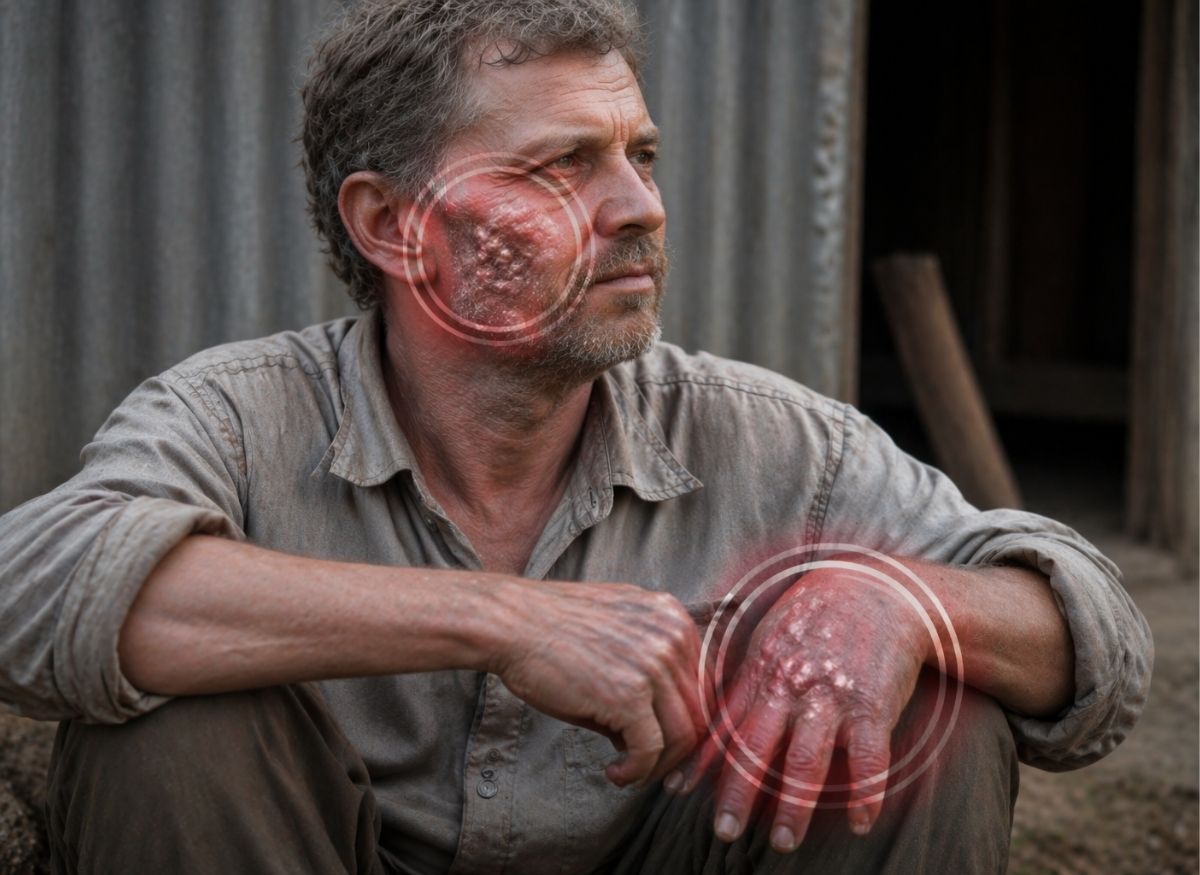
In more advanced cases, particularly a form called lepromatous leprosy, the skin may develop solid, raised lumps known as nodules. These develop when the skin becomes heavily infiltrated with bacteria-laden cells. These nodules typically appear on the face, specifically the forehead, nose, and cheeks, and the earlobes.
Over time, this infiltration can lead to a significant thickening of the skin, resulting in what’s called leonine facies, where the facial features become coarse and the skin furrows deepen, resembling the face of a lion. Unlike inflammatory acne, these nodules are usually painless and slow-growing, reflecting the sluggish nature of the slow-doubling bacteria that cause the disease.
Thickened Skin and Loss of Eyebrows
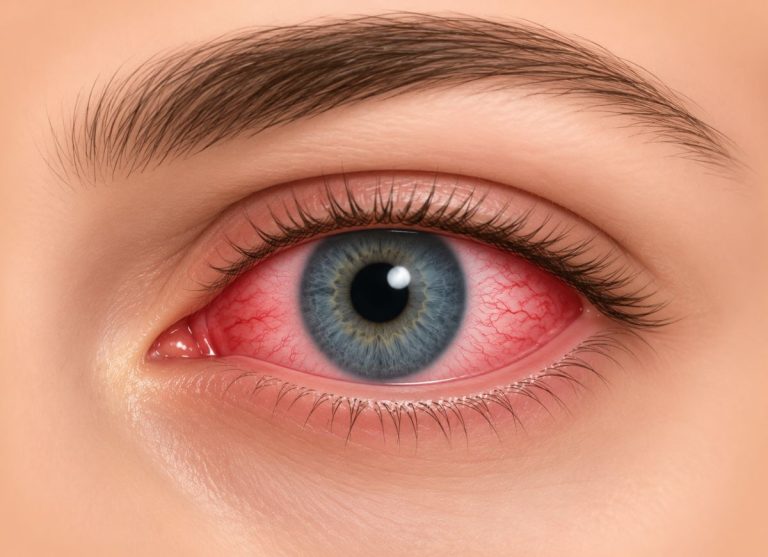
Diffuse infiltration can cause the skin to become generally thick, stiff, and waxy. This is often accompanied by the loss of eyebrows and eyelashes. In Hansen’s disease, hair loss typically starts at the outer edges of the eyebrows and moves inward. This occurs because the bacteria prefer the slightly cooler environment of the brow and eyelids over the warmer scalp. This change in appearance is one of the most historically stigmatized symptoms, yet it’s a direct result of follicular damage that can be halted with the correct treatment.
Painless Ulcers and Nerve Enlargement
Perhaps the most dangerous sign of the disease is the development of painless foot ulcers. These result from nerve damage; because the patient can’t feel pain, they sustain repetitive micro-trauma to the soles of their feet without realizing it. These punched-out ulcers can lead to deep infections and bone damage if not managed with protective footwear.
Supporting these skin signs is the enlargement of peripheral nerves. When a doctor examines the nerve at the elbow or the nerve at the knee, they may feel a thickened, cord-like structure. This enlargement results from the body’s inflammatory response to the bacteria living inside the nerve sheaths. The combination of a visible skin lesion and a palpably thickened nerve provides definitive clinical evidence for a diagnosis of Hansen’s disease.
Summary of Primary Skin Signs
Identifying these signs early is the key to ensuring leprosy is curable without permanent disability. While the physical changes can be striking, they respond remarkably well to modern multidrug therapy.
What Causes the Skin Manifestations of Leprosy?
The diverse skin manifestations of Hansen’s disease aren’t caused by the bacteria eating the tissue, but rather by the specific way an individual’s immune system reacts to the presence of Mycobacterium leprae. This bacterium has a unique preference for cooler environments and specifically targets immune cells in the skin and the cells that insulate nerve fibers. Because the bacteria thrive between 27°C and 33°C, the most visible damage occurs on the points of the body: the nose, ears, and extremities, where the temperature is slightly lower than the core.
The Biological Mechanism: Bacteria vs. Immune Response
The cause of Hansen’s disease involves the formation of granulomas, tight clusters of immune cells attempting to wall off the bacteria. The visual appearance of the disease is a direct map of this internal struggle. If a person has a high level of natural immunity, they develop tuberculoid leprosy, characterized by a few well-defined patches where the body has successfully trapped the bacteria.
However, if the immune response is weak, the bacteria multiply rapidly within immune cells, leading to the nodules and diffuse thickening seen in lepromatous leprosy. In both cases, the visible skin signs are merely the battleground where the immune system is engaging the infection.
Nerve Invasion and the Signature Sensory Loss
A fundamental question for diagnosis is whether a skin patch is simply a rash or a sign of leprosy. The definitive answer lies in the sensation. Hansen’s disease is caused by bacteria that specifically invade the cells that provide insulation for our nerves. As the bacteria multiply, they trigger inflammation that disrupts the nerve’s ability to send signals. This is why a loss of sensation is almost always present in leprosy skin patches.
This sensory deficit is so unique that it effectively confirms the diagnosis. While a fungal infection or vitiligo might change the color of your skin, they don’t damage the underlying nerves. In Hansen’s disease, the small nerves in the skin are often destroyed before the patch even fully matures. This leads to a dangerous painless state where a person might sustain a burn or a cut within the patch and never feel it, which is the primary cause of complications like chronic ulcers.
The Clinical Spectrum: Tuberculoid vs. Lepromatous
The clinical spectrum of Hansen’s disease is defined by how many bacteria are present, categorized as paucibacillary (few bacteria) or multibacillary (many bacteria).
Tuberculoid Leprosy: This form represents a strong immune stand. The skin patches are few, usually dry, and have very sharp borders. Because the immune system is fighting so hard, the nerve damage in these specific areas is often quite severe and sudden, leading to immediate localized loss of sensation.
Lepromatous Leprosy: This form occurs when the immune system fails to recognize the threat effectively. The bacteria spread through the skin and blood, causing numerous symmetric nodules and a widespread waxy appearance. Because the bacteria are everywhere rather than concentrated in a few spots, the loss of sensation may be more gradual and widespread.
Why Is Leprosy Contagious? Myths vs. Reality
Despite the historical terror surrounding the word, is leprosy contagious the way we think of the flu? Absolutely not. Because the bacteria grow so slowly and are so sensitive to temperature, it usually takes months or years of close, respiratory contact for transmission to occur. Furthermore, once a patient starts treatment, they become non-infectious within days. The real danger of the disease isn’t its contagiousness, but the fact that the loss of sensation allows injuries to go unnoticed until they become permanent disabilities.
How Do Doctors Officially Diagnose Hansen’s Disease?
The official diagnosis of Hansen’s disease is a deliberate process that combines physical assessment with microscopic evidence. Because the bacterium is slow-growing and hides within the nerves and skin cells, doctors can’t rely on a simple visual check. Instead, they look for a diagnostic triad: characteristic skin lesions with sensory loss, thickened peripheral nerves, and the presence of specific bacteria in tissue samples. This multi-layered approach ensures the disease is correctly identified and categorized as either paucibacillary or multibacillary, which dictates the length of treatment.
The Clinical Examination and Sensory Testing
The first and most critical step in diagnosis is the sensory exam. A physician will examine the body for light-colored or reddish patches. The gold-standard clinical test involves checking for loss of sensation within these patches. Using a fine nylon filament or a simple cotton wisp, the doctor will touch the center of the patch while the patient’s eyes are closed. If the patient can feel a touch on the surrounding healthy skin but not within the patch, it’s a definitive indicator of nerve damage in that area.
The doctor will also perform a systematic examination of the peripheral nerves, specifically looking for enlargement in the nerve at the elbow, the nerve at the side of the knee, and the nerve near the neck. A cord-like or thickened nerve, especially when paired with a loss of sensation in the hands or feet, provides the second pillar of the clinical diagnosis.
Slit-Skin Smears and the Bacterial Index
To provide biological confirmation, doctors often perform a slit-skin smear. This procedure involves taking small samples of tissue fluid from sites where the bacteria are likely to congregate, such as the earlobes, the eyebrows, or the center of an active skin patch. The fluid is smeared onto a glass slide and stained using a special method that colors the bacteria bright red. This allows the laboratory to calculate a bacterial index, which measures the density of the bacteria and helps determine the severity of the infection.
Skin Biopsy and Tissue Examination
When a slit-skin smear is inconclusive, common in tuberculoid leprosy where the bacterial count is very low, a skin biopsy is the most definitive tool. A small sample of skin is removed and examined by a pathologist. This test looks for granulomas and the specific way immune cells are organized around the nerves. Even if no bacteria are visible under the microscope, the specific pattern of nerve inflammation and tissue destruction can confirm the diagnosis.
By the time the diagnostic process is complete, the physician has moved from identifying general symptoms to having a precise understanding of the bacterial load and nerve involvement. This clinical certainty is what makes leprosy curable today, as it allows for the immediate start of the correct multidrug regimen.
How Do Leprosy Skin Signs Compare to Fungal Infections or Vitiligo?
Differentiating Hansen’s disease from more common dermatological conditions like fungal infections or vitiligo is a frequent challenge in clinical practice. Because the early signs, such as light-colored or reddish skin patches, can mimic many benign conditions, doctors rely on the sensory test as the ultimate tie-breaker. While a fungal infection or vitiligo only affects the surface appearance or pigmentation of the skin, Hansen’s disease is caused by a bacterium that fundamentally alters the neurological function of the area it inhabits.
Comparing Leprosy to Fungal Infections
Fungal infections, particularly tinea versicolor, are the most common look-alikes for the early patches of leprosy. Tinea versicolor is caused by an overgrowth of yeast on the skin, resulting in patches that are lighter or darker than the surrounding tissue. These patches often appear on the back, chest, and upper arms.
The primary difference lies in the texture and sensation. Fungal patches often have a fine, powdery scale and may become itchy when the skin gets warm. Most importantly, the sensation remains perfectly intact; the patient can feel a light touch or a pinprick throughout the lesion. In contrast, a patch associated with Hansen’s disease is typically smooth, non-itchy, and shows a definite loss of feeling because the underlying cause is destruction of the small nerves in the skin.
Distinguishing Leprosy from Vitiligo
Vitiligo is another condition often confused with the light-colored patches of Hansen’s disease. However, vitiligo is an autoimmune disorder where the body destroys its own pigment-producing cells. This results in patches that are milky-white or completely depigmented, whereas leprosy patches are usually just a few shades lighter than the natural skin tone.
Furthermore, vitiligo has a tendency to appear around the eyes, mouth, and joints, and the borders of the patches are often very sharp. Like fungal infections, vitiligo doesn’t involve the nervous system. A person with vitiligo will have normal hair growth within the patch and full sensitivity to heat, cold, and touch. In Hansen’s disease, the patch may lose hair and will definitely lose sensation, providing a clear clinical path toward treatment.
The Role of Sensation in Diagnostic Clarity
When a patient presents with a suspicious skin lesion, the monofilament test or cotton wisp test is the most important diagnostic tool. This simple assessment of sensory response allows the physician to rule out the majority of dermatological look-alikes. If the patient can feel the touch, the doctor can pivot toward antifungal treatments or vitiligo management.
If the patch is numb, the clinical focus shifts immediately toward Hansen’s disease, leading to a slit-skin smear or biopsy to confirm the presence of the bacteria. This distinction is vital because while vitiligo and fungal infections are cosmetic or surface-level issues, leprosy is curable only if the underlying bacterial infection is addressed before it causes permanent, irreversible nerve damage.
Are There Complications Besides the Primary Skin Signs?
Beyond the visible dermatological signs, Hansen’s disease is characterized by its potential for acute immunological crises known as leprosy reactions. It’s a common misconception that these episodes result from treatment itself; in reality, they’re caused by the body’s immune system mounting a sudden, hyper-intense attack on the bacterial remnants already present in the tissues. These reactions can occur at any stage of the disease, even years after treatment has successfully cleared the active infection, and they represent the most significant threat for permanent disability and disfigurement.
Type 1 Reactions: Reversal Reactions
Type 1 reactions, or reversal reactions, typically occur in the borderline forms of the disease. This complication is caused by a sudden shift in the body’s immune response. During a Type 1 reaction, existing skin patches become acutely inflamed, swollen, and red. More critically, the peripheral nerves become rapidly inflamed.
Because the nerves are encased in a tight sheath, this swelling causes intense pressure, leading to excruciating pain and a sudden loss of motor and sensory function. If not treated immediately to reduce the inflammation, the nerve fibers can be permanently crushed, leading to irreversible muscle paralysis, such as claw hand or foot drop.
Type 2 Reactions
The second major complication is a Type 2 reaction. This occurs almost exclusively in patients with a high bacterial load, such as those with lepromatous leprosy. Certain secondary immune responses can cause painful skin lumps and systemic discomfort. These episodes require professional medical monitoring and standard clinical care to manage inflammation.
Systemic symptoms including high fever, debilitating joint pain, and malaise often accompany these episodes. This reaction can also lead to dangerous inflammation in the eyes and the testes, which can result in blindness or infertility if not managed with specialized anti-inflammatory medications.
Long-Term Neurological and Ocular Complications
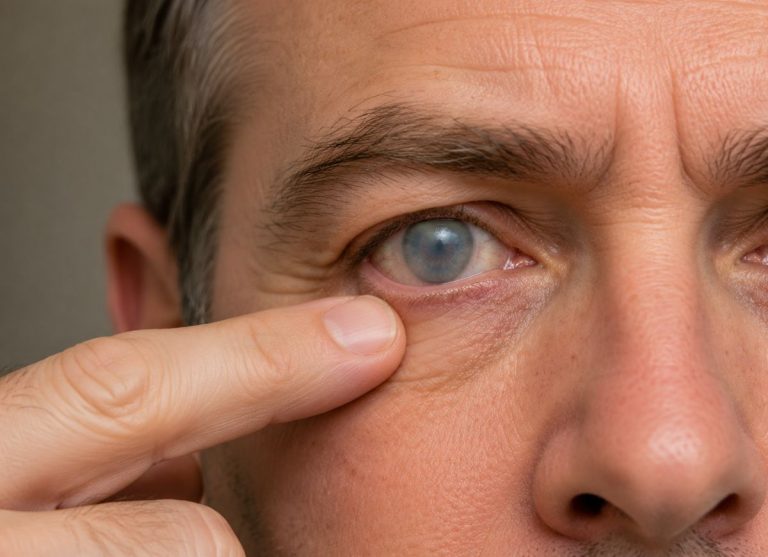
Even without acute reactions, chronic Hansen’s disease can lead to profound complications due to the progressive loss of sensation. Because the disease is caused by the destruction of nerve fibers, patients may develop silent nerve damage. This leads to the characteristic clawing of the fingers and toes as the muscles atrophy from lack of nerve stimulation. Additionally, the loss of the blink reflex and reduced sensation in the cornea can lead to unnoticed corneal ulcers and eventual blindness. This is why modern treatment includes self-care training, where patients are taught to inspect their hands, feet, and eyes daily for minor injuries they can no longer feel.
The management of Hansen’s disease extends far beyond simply killing the bacteria. A patient may be biologically cured of the infection while still suffering from the inflammatory and neurological fallout. Consistent medical monitoring is required to catch these complications early, ensuring that the face and limbs are protected from the secondary effects of the body’s own immune response.
Conclusion
Hansen’s disease, or leprosy, is still a disease that requires attention and awareness. Although it’s rare and treatable today, early recognition of symptoms is key to avoiding complications such as nerve damage, skin lesions, and disfigurement. With advancements in medicine, the outlook for people diagnosed with leprosy is much more positive, and treatment can effectively stop the progression of the disease.
If you suspect you may have been exposed to Mycobacterium leprae or are experiencing symptoms consistent with Hansen’s disease, it’s important to seek medical care as soon as possible. With prompt treatment, people living with leprosy can lead normal lives, and the risk of transmission to others is significantly reduced. By understanding the symptoms and seeking early intervention, we can reduce the stigma and improve outcomes for those affected by this once-feared disease.
Frequently Asked Questions (FAQ) About Hansen’s Disease
What is Hansen’s disease (leprosy)?
Hansen’s disease, or leprosy, is a chronic infectious disease caused by the bacterium Mycobacterium leprae. It primarily affects the skin, peripheral nerves, eyes, and upper respiratory tract. Leprosy can lead to skin lesions, nerve damage, and muscle weakness, but it progresses very slowly. If left untreated, it can cause permanent disability, but with early detection and the use of multidrug therapy, leprosy is fully treatable, and most people affected can lead normal, productive lives. Despite its stigma, leprosy isn’t highly contagious and is considered a rare disease in most parts of the world today.
What are the early signs of Hansen’s disease?
The early signs of Hansen’s disease are often subtle and can mimic other skin or nerve conditions. Common early symptoms include patches of discolored skin, often lighter or darker than the surrounding skin, that may lack feeling or have reduced sensitivity. You may also notice thickening of the skin or areas with a loss of hair or sweating. If left untreated, nerve damage can cause numbness, weakness, and muscle atrophy, especially in the hands, feet, and face. The disease progresses slowly, and symptoms often develop over several years, making early diagnosis essential.
How does Hansen’s disease affect the skin?
Hansen’s disease has a significant impact on the skin, with the development of lesions and discoloration. The affected skin areas may appear lighter, darker, or redder than normal, and they may feel numb or insensitive. Over time, these patches can become thickened, leading to tissue damage. In severe cases, repeated skin infections and ulcers may form. If left untreated, Hansen’s disease can cause permanent scarring, disfigurement, and loss of sensation. Skin changes are often the first signs of leprosy, making early diagnosis critical to avoid long-term skin and nerve damage.
How is Hansen’s disease diagnosed?
Diagnosis of Hansen’s disease typically begins with a physical examination and a review of the patient’s medical history, especially if they’ve been exposed to areas where leprosy is more common. A skin biopsy is often performed to confirm the presence of Mycobacterium leprae. A positive biopsy can provide a definitive diagnosis, although blood tests may also be used to support this. Additionally, nerve function may be tested to check for signs of nerve damage. Early diagnosis is crucial to prevent permanent damage and reduce the spread of the disease.
How is Hansen’s disease treated?
The treatment for Hansen’s disease involves a combination of antibiotics known as multidrug therapy. The World Health Organization provides free treatment for leprosy, which typically lasts for six months to a year, depending on the severity of the disease. Multidrug therapy is effective in stopping the progression of the disease and preventing further complications. With early treatment, individuals can fully recover without long-term damage. Treatment can also prevent the transmission of the disease to others, and the risk of relapse is very low once therapy is completed.
Can Hansen’s disease be prevented?
While Hansen’s disease can’t be completely prevented, early detection and treatment can greatly reduce the risk of complications. The bacterium Mycobacterium leprae isn’t highly contagious and requires prolonged contact for transmission. Individuals living in endemic areas who have close contact with infected individuals should be vigilant for early symptoms. Preventative measures such as avoiding close contact with untreated individuals and early medical care for suspected cases can help control the spread.