
7 Symptoms of REM Sleep Disorders You Shouldn’t Ignore
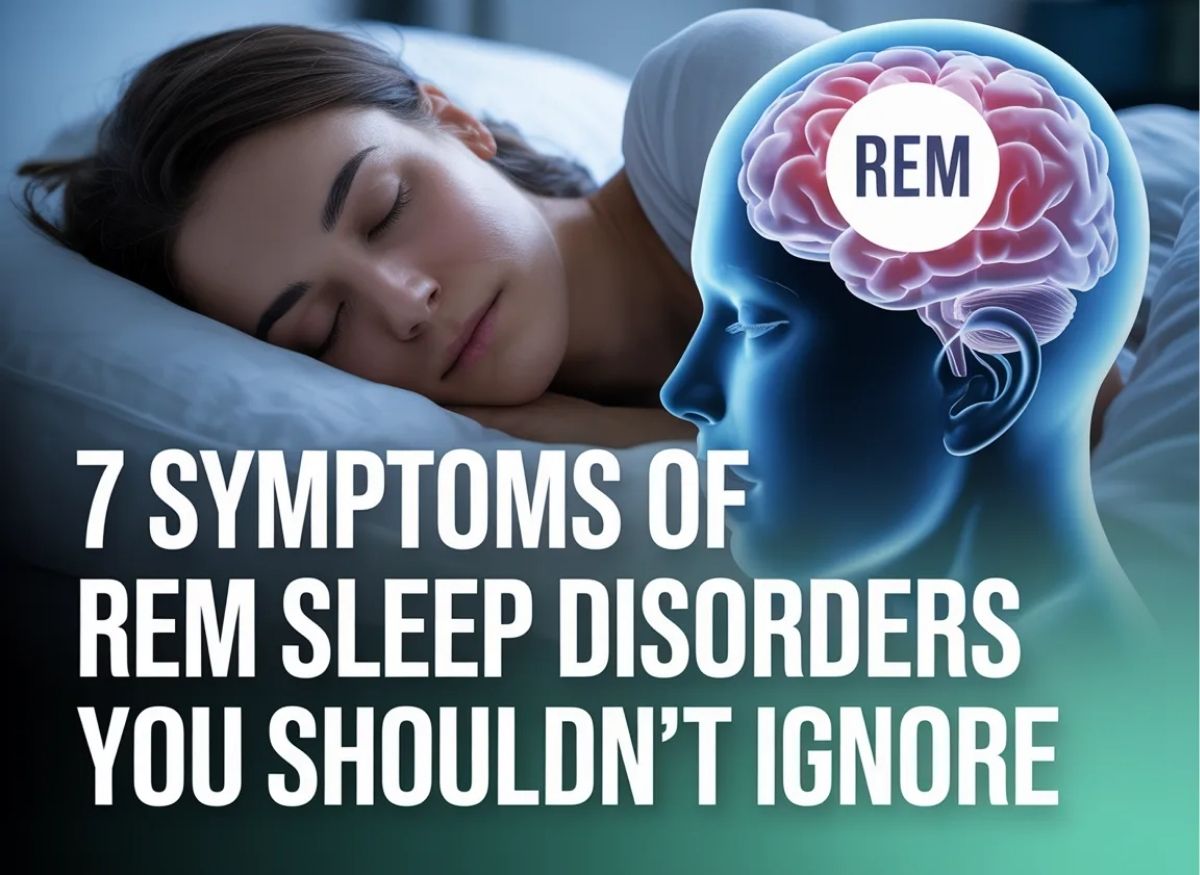
Sleep helps your body recover, keeps your emotions steady, and supports clear thinking. But not every stage of sleep does the same job. Rapid Eye Movement (REM) sleep is the stage where you dream, store memories, and refresh your brain. When this stage is disrupted, the problems are grouped under the name REM sleep disorders. If they go unnoticed or untreated, they can hurt sleep quality, brain health, and overall well-being.
Normally, your muscles are paralyzed during REM sleep. In REM sleep disorders, that paralysis fails or behaves abnormally, so people may act out their dreams or have other disruptions in the sleep cycle. Symptoms range from vivid nightmares and sleep talking to sudden movements and heavy daytime tiredness, and they can be alarming or even dangerous. REM sleep behavior disorder (RBD) can also be an early warning sign of brain conditions such as Parkinson’s disease or Lewy body dementia, which is why catching it early matters.
In this guide, we go through the seven most common warning signs, what causes them, and how they can affect long-term health. Knowing them helps you decide when to see a doctor and how to work toward better, more restful sleep.
Understanding the Pathophysiology of REM Sleep Disorders
REM sleep is a complex brain state and the brain’s main stage for processing emotions and thoughts. REM sleep disorders are a specific group of parasomnias that happen only during the REM phase. They arise when the brain systems that control dreaming and muscle relaxation (atonia) stop working properly.
In these disorders, either the normal muscle paralysis fails, or features of REM sleep leak into wakefulness. This sets them apart from non-REM parasomnias like sleepwalking, which occur in the N3 stage of deep sleep. REM disorders are tied to the dreaming brain.
During REM sleep, the brain is as active as when you are awake, but the body is supposed to stay still. If the brainstem circuits that create this paralysis malfunction, people can physically act out their dreams, which is the hallmark of REM sleep behavior disorder. On the other hand, when paralysis or vivid hallucinations spill into the moments between sleep and waking, the result is REM sleep paralysis. Understanding how the REM stage works is the first step in spotting these breakdowns.
The Biological Significance and Characteristics of REM Sleep
REM is the final, “paradoxical” stage of the sleep cycle. It features rapid eye movements, faster breathing, and brain waves that look like those of an alert mind. It is essential for memory consolidation and emotional regulation. The brain processes intense experiences in a chemically safe setting, which loosens the emotional charge attached to memories. You could call it “overnight therapy,” and it is a big reason REM sleep is so good for psychological resilience.
A key protective feature is REM atonia, a temporary paralysis of the voluntary muscles. It is triggered by brainstem chemicals such as GABA and glycine, and it prevents us from physically acting out vivid dreams. Without it, the body would move along with the dream, causing disturbed REM sleep and possible injury. Only the diaphragm and eye muscles stay active. When this safeguard fails, it directly causes the dangerous behavior seen in REM sleep disorders.
Primary Classifications of REM Sleep Disorders
REM sleep disorders are sorted by how the boundary between waking and dreaming is breached. They often cause serious sleep loss for both the patient and their partner. The three best-known types are REM sleep behavior disorder, narcolepsy, and REM sleep paralysis. Each is a different breakdown in the body’s sleep-wake control.
Rapid Eye Movement Sleep Behavior Disorder (RBD)
RBD is the classic case of failed REM atonia. The normal paralysis of dream sleep is missing, so people physically and often violently act out their dreams. Movements range from twitches to punching, kicking, or shouting. The dreams are usually action-packed and unpleasant, so injuries are common. Beyond the immediate danger, idiopathic RBD is now recognized as a major early marker of brain diseases like Parkinson’s, which makes early diagnosis through a sleep study very important.
Narcolepsy and REM Dysregulation
Narcolepsy is a long-term disorder in which the brain cannot control sleep-wake cycles. Its most telling symptoms come from REM intruding into waking life. Cataplexy, a sudden loss of muscle tone triggered by emotion, is essentially REM paralysis appearing while awake. People often have heavy daytime sleepiness and broken nighttime sleep, and they struggle to get the REM sleep the brain needs. The resulting chronic sleep loss can affect every part of daily life.
Recurrent Isolated Sleep Paralysis
Here, the temporary paralysis of REM continues as the person wakes up. They are awake but cannot move or speak for several minutes. This often comes with a feeling of pressure on the chest and vivid, frightening hallucinations. Occasional episodes are common, but it counts as a REM sleep disorder when it keeps happening and causes real distress. Many patients start fearing sleep, which creates a harmful cycle of lost sleep and more strain on the brain.
Sleep Architecture and Restorative Needs
To avoid sleep deprivation, you need to understand the balance between REM and deep sleep. The N3 stage, dominated by slow delta waves, repairs the body, while REM works for the mind. The general target for REM is about 20% to 25% of total sleep, or roughly 90 to 120 minutes for most adults. Reaching that takes four to five full cycles a night, which helps prevent disturbed REM sleep.
Deep sleep in N3 is vital, but it cannot replace what REM does for thinking. Many people ask whether you only dream in REM sleep. Fragmented dreams can occur in N3, but the most vivid, story-like dreams belong to REM. So REM’s value extends to problem-solving and emotional balance.
To protect your health, aim for the usual four to five REM cycles to avoid the cognitive decline linked to chronic REM sleep disorders. Whether you track brain waves or deep sleep totals, keeping these stage boundaries intact is the only way to get truly restorative rest.
Identifying Major Indicators of REM Sleep Disorders
REM sleep is a highly active brain state in which emotions are processed and memories stored while the body stays safely still. REM sleep disorders are a breakdown of these protective boundaries. The seven main warning signs act as clinical red flags. They suggest that muscle atonia or vivid dreaming is failing or intruding into wakefulness. Recognizing them is key to identifying RBD or narcolepsy, which can seriously affect safety and long-term brain health.
1. Physically Acting Out Dreams
Acting out dreams is the hallmark warning sign of RBD. Called dream-enactment behavior, it happens when the muscle paralysis of REM sleep fails. Unlike the simple twitches of N3 sleep, these movements are complex, purposeful, and often violent. A person may punch, kick, or leap out of bed, mirroring what is happening in the dream.
It occurs because the brainstem’s inhibitory signals are weakened. In healthy people, these signals stop the body from obeying the dream’s motor commands. In RBD, that safeguard is lost, and the dreamer or their partner is often injured. Episodes usually happen in later REM cycles, so the person often remembers the dream in vivid detail on waking, which separates it from non-REM sleepwalking.
2. Vivid, Violent Dream Content
A shift toward consistently vivid, violent, or action-packed dreams is a significant sign of REM sleep disorders. Occasional nightmares are normal, but in RBD dreams follow a distressing pattern of self-defense, conflict, or being chased. These dreams provide the “script” for the physical acting-out. REM involves a very active emotional brain, and in these disorders that intensity turns directly into movement.
When someone describes cinematic, aggressive dreams along with disturbed sleep, it points to neurological instability. This consistent theme is an important clue for sleep specialists, showing the brain is struggling to keep the dreaming mind separate from the body.
3. Loud Noises and Vocalizations During Sleep
Making loud, emotional noises in sleep is a prominent sign. Shouting, screaming, or yelling swear words is part of dream enactment. Because the vocal muscles are normally paralyzed in REM, these sounds show that REM atonia has failed.
The sounds often match the dream plot, such as shouting for help during a nightmare, and are usually loud enough to wake others. This is very different from the mumbled, nonsensical sleep talking of lighter sleep or N3. Persistent, dramatic vocalizations in adults strongly suggest RBD and call for a medical consultation.
4. Cataplexy: Sudden Muscle Weakness While Awake
A sudden loss of muscle control while awake is a defining symptom of Narcolepsy Type 1. Known as cataplexy, it is REM muscle paralysis breaking into wakefulness. It is typically triggered by strong positive emotions such as laughter or surprise. The weakness can range from a slack jaw to a full collapse, yet the person stays fully conscious.
This shows a serious failure in the brain’s control of REM features. Loss of specific neurons in the hypothalamus means the brain cannot stop paralysis from appearing during the day. Cataplexy is a clear sign of REM dysregulation and one of the most specific markers of narcolepsy.
5. Excessive Daytime Sleepiness and Sleep Attacks
An overwhelming, constant need to sleep during the day is a major red flag, particularly for narcolepsy. Called Excessive Daytime Sleepiness (EDS), it goes beyond ordinary tiredness from lost sleep. The pressure to sleep is intrusive and can cause sudden, irresistible “sleep attacks” during activities like eating or driving.
EDS happens because the line between sleep and wakefulness is fragile, so sleep signals break into the day. Many kinds of sleep loss cause tiredness, but the suddenness of narcoleptic sleep attacks is a unique sign of REM-related instability.
6. Recurrent Sleep Paralysis
Being unable to move when waking up or falling asleep is a distinct sign. REM sleep paralysis occurs when the mind wakes while the body is still in REM paralysis. It can be terrifying, often with pressure on the chest or a sense of an “ominous presence.”
7. Hallucinations at the Edge of Sleep
Hypnagogic (falling asleep) and hypnopompic (waking up) hallucinations are vivid, dream-like sensations at the edge of sleep. They signal that REM features are intruding into the transition to waking. In narcolepsy, the shift into REM happens too fast, so dream imagery appears while the person is still partly aware of their surroundings.
Summary of REM vs. Non-REM Characteristics
- Brain activity: REM has high brain activity with waking-like brain waves, while N3 is defined by slow delta waves.
- Muscle tone: REM involves paralysis (atonia), while N3 muscles are relaxed but active.
- Dreaming: vivid, story-like dreams occur in REM, while N3 dreams are usually fragmented or absent.
- Disorder type: REM disorders involve boundary failures (acting out, paralysis), while N3 disorders involve automatic behaviors (sleepwalking).
Getting the right amount of REM (typically 20 to 25% of total sleep) is vital for health. When these warning signs appear, they suggest your REM sleep is being disrupted, which can lead to the cognitive and physical decline linked to sleep loss.
Professional Diagnostic Protocols for REM Sleep Disorders
Diagnosing REM sleep disorders combines clinical observation with body measurements. Because these conditions breach the brain’s boundaries around REM, a general checkup is rarely enough. A team approach, often with neurologists and board-certified sleep specialists, is needed to move from a personal report of disturbed sleep to a firm diagnosis.
Clinical Evaluation and Behavioral Tracking
It begins with a full sleep evaluation. The specialist reviews your history, focusing on REM disruptions such as dream enactment or sleep paralysis. Since patients are often unaware of what they do at night, a bed partner’s account is extremely valuable for identifying vocalizations or violent movements.
To get a clearer view of your body clock, you may be asked to keep a sleep diary for two weeks. It helps the clinician spot sleep loss and check whether you get the REM sleep your age group needs.
Polysomnography: The Gold Standard for Diagnosis
The cornerstone of diagnosis is an overnight polysomnography (PSG). It is done in a controlled lab where sensors track body functions, including brain waves (EEG) and muscle activity (EMG).
- Identifying atonia failure: for RBD, the PSG is essential for detecting “REM sleep without atonia.” EMG readings show whether the skeletal muscles stay active during REM, when they should be paralyzed.
- Brain wave analysis: the EEG shows the brain-wave patterns that characterize REM, making sure the patient is not actually in N3 (delta waves) during an episode.
Specialized Testing for Narcolepsy and Boundary Failure
When symptoms like cataplexy or extreme sleep loss appear despite seemingly enough rest, more testing is needed. These tests show how much REM you get versus how quickly your brain tries to enter it during the day.
Multiple Sleep Latency Test (MSLT): for suspected narcolepsy, this test is done the day after a PSG. It has five scheduled nap opportunities. The specialist measures how long you take to fall asleep and, importantly, whether you enter REM almost immediately. These “sleep-onset REM periods” (SOREMPs) are definitive markers of narcolepsy, showing that the brain’s control of REM has broken down.
Differentiating REM Sleep Disorders from NREM Parasomnias
Both involve unwanted behaviors at night, but they are separate brain events in different phases of sleep. The key differences are timing, how complex the actions are, and the person’s level of awareness. REM disorders such as RBD usually happen in the second half of the night, when REM cycles are longest and most frequent. NREM parasomnias like sleepwalking or night terrors usually occur in the first third of the night, in the N3 stage.
The mental state also differs greatly. A person in an NREM parasomnia is in a “confusional arousal”: hard to wake and disoriented. Someone in an RBD episode is usually easy to wake and becomes alert almost at once. Memory is another clear marker. NREM events are followed by complete amnesia, with no memory the next morning. A person with RBD, however, can often recall the dream in cinematic detail.
Comparative Behavioral Characteristics
Sleepwalking involves fairly automatic acts like sitting up, walking, or sometimes moving furniture. It occurs in deep N3 sleep, when the brain is not dreaming.
In REM disorders, actions are elaborate and match a dream plot. Because muscle atonia has failed, the dreamer may punch, kick, or run in place. These actions are purposeful and driven by brain activity that resembles an awake mind. Telling REM from NREM is essential for diagnosis, because treating an RBD patient as if they were sleepwalking could be ineffective and even dangerous.
The Neurological Link to Neurodegenerative Diseases
One of the most important findings in modern sleep medicine is the link between RBD and progressive brain diseases. RBD is now seen as a powerful “prodromal marker,” or early warning sign, for a group of disorders called synucleinopathies. These include Parkinson’s disease, Lewy body dementia, and multiple system atrophy (MSA), all marked by a toxic buildup of the protein alpha-synuclein in the brain.
Research indicates that about 80% of people with idiopathic RBD will eventually be diagnosed with a neurodegenerative condition. The loss of muscle atonia is believed to come from early, microscopic damage to brainstem circuits that control REM paralysis. These are often the same areas first hit by the spread of alpha-synuclein.
Clinical Implications of the RBD-Parkinson’s Connection
The gap between the start of a REM sleep disorder and a full Parkinson’s diagnosis can last decades, which creates a “critical window” for medical action. RBD is no longer viewed as a simple sleep problem, but as a sign that the brain’s internal structure is under stress.
For this reason, neurologists now recommend long-term monitoring for anyone with disturbed REM sleep. Finding these markers early is important for future neuroprotective treatments. Deep sleep may look healthy in many of these patients at first, but the breakdown of the REM-wake boundary is a significant neurological red flag. If you track how much REM you get, it matters just as much that the REM you do get has the healthy paralysis that protects your brain and body.
Natural Strategies for Enhancing REM Sleep Quality
Healthy rest is the cornerstone of managing REM sleep disorders and keeping your mind and emotions stable over the long term. Because these disorders disrupt the dreaming stage, good daily habits can help restore balance in the brain. Conditions like RBD often need medical treatment, but natural strategies play an important supporting role in stabilizing sleep. Improving the transition from N3 into REM can reduce disturbed REM sleep and make your rest more restorative.
Establishing a Foundation for Healthy Sleep Cycles
The brain relies on predictability to move through sleep stages properly. A steady routine is the best way to get the REM sleep your brain needs for repair.
Maintaining Circadian Consistency
Go to bed and wake up at the same time every day, including weekends, to keep your body clock regular. A stable routine helps the body move smoothly from deep delta-wave sleep into REM. When the schedule is erratic, the brain may go through “REM rebound,” trying to pack too much dreaming into a short window, which often worsens REM sleep disorder symptoms.
Optimizing the Sleep Environment
A good sleep setting is a physical safeguard against disturbed REM sleep. Keep the bedroom dark, quiet, and cool. Blackout curtains or earplugs can stop outside disturbances from pulling you out of REM early. This stability helps maintain muscle atonia and prevents midnight awakenings from cutting your sleep short.
Reducing Chemical and Biological Disruptors
Some substances and habits work directly against healthy REM sleep. To understand why REM is good for you, it helps to know what prevents it from working properly.
- Limiting stimulants and sedatives: caffeine blocks adenosine, the chemical that signals sleep need. Alcohol may help you fall asleep faster, but it strongly suppresses REM during the first half of the night. As it wears off, REM becomes fragmented, which can trigger sleep paralysis or vivid nightmares.
- Managing blue light exposure: blue light from screens suppresses melatonin, the hormone that controls the sleep-wake cycle. Avoiding phones and tablets for at least one hour before bed lets your brain drift naturally into deep sleep instead of staying in a high-alert state that delays rest.
Physical and Mental Wellness for REM Stability
The mind-body connection strongly affects REM sleep disorders. Stress and activity levels directly influence how much REM sleep you get.
Stress Reduction and Relaxation
Chronic stress keeps the nervous system on high alert, which is the enemy of restorative rest. Mindfulness meditation or progressive muscle relaxation can help calm the brainstem. This matters especially for people with RBD, since a calmer mind is less likely to produce the violent, action-packed dreams that lead to physical enactment.
The Role of Regular Exercise
Regular exercise increases time in N3 sleep, which builds a solid base for the REM cycles that follow. Timing matters, though. Late-night workouts can overstimulate the body and raise core temperature, making deep sleep harder. Aim for morning or afternoon exercise to support healthy REM sleep management.
Why Consistent Sleep Duration Matters
Adults generally need seven to nine hours of quality sleep to complete the usual four to five REM cycles. REM periods get longer as the night goes on, so cutting sleep short by even an hour can disproportionately reduce your REM time.
Getting enough sleep also helps the brain clear out irrelevant data and consolidate procedural memories. If you regularly get your N3 sleep but miss your final REM cycles, you may still suffer the cognitive decline linked to serious sleep loss. These natural habits support brain health and also improve mood and long-term well-being.
Conclusion
Recognizing the signs of REM sleep disorders is essential for protecting both sleep quality and overall health. Vivid dreams, sleep-related movements, disrupted sleep patterns, and heavy daytime tiredness are more than inconveniences. They may point to an underlying neurological or sleep condition. Early identification allows timely diagnosis and treatment, lowering the risk of complications and improving quality of life.
REM sleep disorders can be unsettling, but they are often manageable with proper medical care and lifestyle changes. Treatment may include medication, better sleep hygiene, and therapies that regulate the sleep cycle and keep you safe during sleep. Seeing a healthcare professional or sleep specialist is the best way to find the cause and build a personalized plan.
By understanding the warning signs in this guide, you can take charge of your sleep health. Addressing REM sleep disorders promptly can improve thinking, emotional stability, and long-term brain health. If you or a loved one has persistent or unusual sleep disturbances, seeking professional help is a crucial step toward restful, uninterrupted sleep.
Frequently Asked Questions (FAQ) About REM Sleep Disorders
What are REM sleep disorders?
REM sleep disorders are conditions that disrupt the Rapid Eye Movement (REM) stage of sleep, which is essential for dreaming, memory storage, and emotional processing. They occur when the normal muscle paralysis of REM sleep is impaired, or when REM features intrude into wakefulness. Common examples are REM Sleep Behavior Disorder (RBD), narcolepsy, and sleep paralysis. Left untreated, they can seriously affect sleep quality and brain health.
What are the most common symptoms of REM sleep disorders?
Typical symptoms include acting out dreams, vivid or violent dreams, shouting or kicking during sleep, sleep paralysis, and excessive daytime sleepiness. Some people also have hallucinations when falling asleep or waking up. These symptoms can put both the patient and their bed partner at risk. Persistent or worsening signs should be checked by a sleep specialist.
What causes REM sleep disorders?
They are often caused by problems in the brainstem, which controls REM sleep and muscle atonia. They may be linked to neurodegenerative diseases such as Parkinson’s disease and Lewy body dementia. Other causes include narcolepsy, certain medications (especially antidepressants), stress, and traumatic brain injury. Aging and genetics may also raise the risk.
Are REM sleep disorders dangerous?
Yes, they can be if untreated. People with RBD may injure themselves or their bed partners while acting out dreams. REM sleep disorders can also be early signs of an underlying neurological condition. Early diagnosis and treatment reduce risks and improve long-term health.
How are REM sleep disorders diagnosed?
Diagnosis usually starts with a full clinical evaluation by a sleep specialist. The gold standard test is polysomnography (PSG), an overnight sleep study that monitors brain waves, muscle activity, heart rate, and breathing. Sometimes extra neurological assessments are needed. These evaluations confirm the condition and guide treatment.
Can REM sleep disorders be treated or managed?
Yes, most can be managed with proper medical care. Treatment may include medications such as melatonin or clonazepam, lifestyle changes, and better sleep hygiene. Treating underlying conditions and making the sleep environment safe are also important. With early treatment, many people see major improvement in their symptoms.
How much REM sleep do adults need each night?
REM usually makes up 20 to 25% of total sleep, or about 90 to 120 minutes a night for most adults. Getting enough REM takes 7 to 9 hours of quality sleep. A consistent sleep schedule and healthy habits help maintain good sleep structure and overall well-being.