
5+ Symptoms, Causes, Pain Patterns of Kidney Stones, and How to Prevent Them Effectively
For many people, kidney stones don’t start with an obvious warning sign. They start with uncertainty. There’s often a moment when something feels slightly off, but not off enough to raise real concern right away.
A discomfort shows up in the lower back or along the side, but it doesn’t act like a typical muscle strain. At first it might come and go, subtle enough to ignore, easy to blame on fatigue or bad posture. But then it comes back, more noticeable, more persistent, and harder to brush aside.
Sometimes the change happens fast. The discomfort turns into sharp, overwhelming kidney stone pain that demands attention right away. Other times the progression is slower. The body just feels different in small ways, tightness, pressure, or unease that gradually becomes more defined.
This variation is part of what makes kidney stones tricky to catch early. The symptoms don’t always follow one set pattern, and they don’t always show up all at once.
Understanding this condition takes more than just noticing pain on its own. It means looking at how stones form, how they travel through the urinary system, and how the body reacts when that movement throws off its normal balance.
What Are Kidney Stones and Why They Form
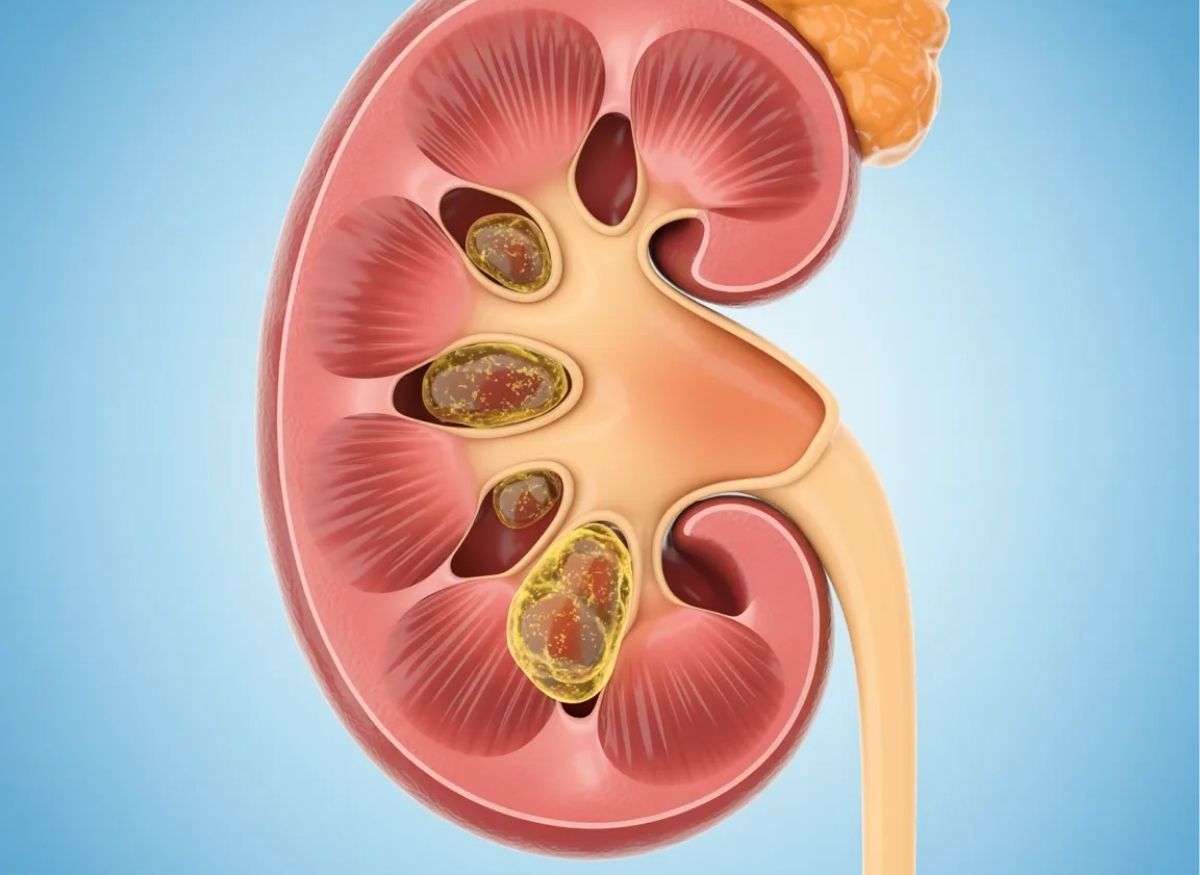
Kidney stones, medically known as nephrolithiasis, are solid deposits that form inside the kidneys from minerals and salts already present in the body. While they’re often simply called “stones,” they actually form through a gradual chemical process that unfolds over time.
The kidneys play a vital role in keeping the body balanced. They filter waste from the blood and turn it into urine, carrying excess substances out of the body.
Normally, minerals like calcium, oxalate, and uric acid stay dissolved in urine, allowing them to pass through the urinary system without any issue. But this balance can shift.
When urine becomes too concentrated, these substances can start coming out of solution. Instead of staying dissolved, they begin binding together into tiny crystals. At this point, the process is still microscopic and usually goes unnoticed.
To understand how kidney stones form, it helps to picture urine as a liquid that can only hold so much dissolved material. Once that limit is crossed, the extra material starts separating out, similar to sugar crystallizing at the bottom of an oversaturated solution.
Over time, these crystals can combine and grow into larger structures, eventually becoming stones. Stone size varies widely, from tiny grains that pass unnoticed to larger stones that can block the flow of urine entirely.
Importantly, this whole process is usually slow and silent. Most people notice nothing unusual while the stones are forming. Symptoms typically only appear once a stone starts moving inside the kidney or enters the ureter.
This delayed onset is one reason kidney stones can feel like they come out of nowhere. While the pain may seem sudden, the process behind it has often been building for a while.
Causes of Kidney Stones: More Than One Factor
The causes of kidney stones rarely come down to a single issue. Instead, they usually involve a mix of conditions that affect how the body handles fluids and minerals.
One of the biggest factors is hydration. When the body doesn’t get enough fluid, urine becomes more concentrated, which raises the odds that minerals will crystallize.
Diet plays a role too. High salt intake can raise calcium levels in urine. Diets heavy in animal protein may increase uric acid levels. Certain oxalate-rich foods can also contribute to stone formation.
Genetics matters as well. Some people naturally produce higher levels of certain substances, which makes them more prone to developing stones.
Understanding what causes kidney stones means recognizing that the condition usually develops from an imbalance rather than one single trigger.
How Kidney Stone Symptoms Begin
Not every kidney stone announces itself in a dramatic or immediately obvious way. In many cases, a stone can sit inside the kidney for a while without causing noticeable discomfort.
During this stage, it may not interfere much with kidney function, and the body often adapts. Because of this, a person can have a kidney stone without even knowing it, especially if it’s small or not blocking urine flow.
Symptoms usually kick in once things change, specifically, once the stone starts moving. As it travels from the kidney into the ureter, the narrow tube connecting kidney to bladder, it can start interfering with urine flow. Even a small blockage can create real pressure within the urinary system.
In the early stage of movement, the discomfort can still feel mild. Someone might notice a dull ache in the side or lower back, usually on just one side. This sensation may come and go, showing up briefly before fading, which makes it easy to dismiss or blame on something less serious.
That pattern is often temporary, though. As the stone keeps moving, the ureter may respond by tightening and contracting to try pushing it forward. These contractions can ramp up the pressure and intensify the sensation.
This shift matters. It marks the point where a silent condition becomes one the body can no longer ignore. The experience becomes more defined, and the symptoms become harder to dismiss, a sign that the stone is actively affecting the urinary system.
Kidney Stone Pain: Why It Feels So Intense
Kidney stone pain is one of the most distinctive parts of this condition. It’s often described as sharp, severe, and impossible to ignore. Unlike ordinary muscle pain, it doesn’t stay in one spot, it can move right along with the stone. The intensity comes down to pressure.
When a stone blocks the ureter, urine can’t flow normally. Pressure builds inside the kidney, and the muscles around the ureter start contracting in an attempt to push the stone along.
These contractions, combined with the buildup of pressure, create the intense sensation known as kidney stone pain. It often arrives in waves, rising, peaking, then easing before rising again. This pattern reflects the stone’s movement through the urinary tract.
How Do You Know If You Have Kidney Stones
A common, important question is how to know if you actually have kidney stones. Often, the answer isn’t one single symptom, but recognizing a pattern of changes in how the body feels.
Signs can vary depending on the size and location of the stone, but they tend to follow a progression that gets easier to spot over time.
One of the most noticeable clues is pain. It’s often sudden, intense, and centered in the side or lower back. It may come in waves and shift location as the stone travels through the urinary tract. As it moves, the discomfort can stretch toward the lower abdomen or groin, following the stone’s path.
Beyond pain, the body may show other signs that something isn’t working normally. These can include:
- changes in urination, like increased urgency or frequency
- discomfort or a burning feeling while urinating
- urine that looks cloudy, dark, or has traces of blood
- nausea or a general sense of unease, especially during more intense episodes
These symptoms don’t always show up together, and in some cases they start out mild. That’s exactly why early signs often get overlooked or mistaken for something less serious.
Still, it’s worth knowing that symptoms alone don’t always confirm kidney stones. Recognizing a pattern can raise suspicion, but a real diagnosis usually requires medical evaluation.
Imaging tests, like CT scans or ultrasounds, are commonly used to pinpoint the size and location of a stone and figure out the right course of action. Spotting the signs is an important first step, but confirmation comes from a professional assessment and accurate diagnosis.
How Kidney Stones Affect the Body Over Time
How kidney stones progress depends on their size and how they move. Small stones may pass without causing much trouble. Larger stones are more likely to cause blockage and pain.
As a stone moves, symptoms can shift too. Pain may change location, intensity can vary, and additional symptoms like nausea may appear.
This progression isn’t a straight line. It depends on how the stone interacts with the urinary tract, which helps explain why kidney stone symptoms can feel so unpredictable.
How to Prevent Kidney Stones
Knowing how to prevent kidney stones is an important piece of long-term health. While the risk may never disappear entirely, many contributing factors can be managed through daily habits and consistent choices.
One of the most effective strategies is proper hydration. When the body has enough fluid, urine stays diluted, which helps stop minerals from concentrating and forming crystals.
Beyond hydration, dietary patterns matter too. The goal isn’t extreme restriction, it’s moderation and balance. Certain habits can raise or lower risk over time. For instance:
- cutting back on excess salt can help limit calcium buildup in urine
- keeping protein intake balanced can prevent excessive uric acid production
- including fiber-rich foods can support overall metabolic balance
Stability matters as well. Sudden shifts in weight or eating patterns can disrupt how the body processes minerals. Rapid weight loss, in particular, may increase the release of substances that contribute to stone formation. Gradual, steady changes tend to support kidney function far better than extreme shifts.
Lifestyle consistency goes beyond diet too. Regular physical activity supports circulation and metabolic health, both of which affect how the body regulates minerals and fluids. Exercise doesn’t directly prevent stones, but it helps create a more stable internal environment.
Ultimately, preventing kidney stones comes down to supporting the body’s ability to stay in balance. Rather than fixating on avoiding one specific trigger, it’s about creating the conditions where minerals stay dissolved and the urinary system can keep functioning smoothly over time.
Conclusion
Understanding kidney stones takes more than just recognizing pain when it happens. To really grasp the condition, it helps to look at how stones form, how they move through the body, and how symptoms emerge at different stages.
In many cases, the body starts signaling subtle changes well before intense pain shows up. These early signs might include mild discomfort, changes in urination, or a general feeling that something isn’t quite right.
Because these signals are so easy to overlook, spotting patterns becomes especially important. When similar sensations keep recurring, they can offer valuable clues about what’s happening internally.
At the same time, understanding how the body reacts to kidney stones helps explain why symptoms vary so much from person to person. Some experience sudden, intense pain, while others notice more gradual changes. This variation comes down to how the stone interacts with the urinary system, not some fixed pattern.
By paying attention to these patterns and sticking with healthy habits, like staying hydrated and eating a balanced diet, it becomes possible to lower risk over time. Just as important, this awareness helps people respond more effectively when symptoms do appear, seeking evaluation early and avoiding unnecessary complications.
FAQs
Why does kidney stone pain come in waves instead of staying constant?
Kidney stone pain often comes in waves because of how the ureter reacts to a stone’s presence. As the body tries to push the stone forward, the ureter contracts rhythmically.
These contractions raise pressure behind the blockage, which is why the pain rises and falls rather than staying steady. This is why the discomfort can feel intense one moment and slightly more manageable the next, even before the stone has actually passed.
Can you have kidney stones without knowing it?
Yes, it’s entirely possible to have kidney stones without realizing it, especially when the stones are small and stay inside the kidney. These are sometimes called “silent stones” because they don’t block urine flow or trigger noticeable symptoms.
Often, they’re only discovered during imaging tests done for unrelated reasons. But once a stone starts moving or blocking the urinary tract, symptoms usually become much more noticeable.
Why does kidney stone pain move from the back to the lower abdomen?
The pain’s movement closely tracks the stone’s path. As it travels from the kidney into the ureter, the location of the pain often shifts along that same route.
It may start in the lower back or side, then move toward the lower abdomen or groin. This shifting location is a useful clue that the stone is actively moving through the urinary system rather than staying put.
Is kidney stone pain worse than other types of pain?
Many people describe kidney stone pain as among the most intense pain they’ve ever felt. That’s because it involves both pressure building in the kidney and strong muscle contractions in the ureter.
Unlike a muscle injury, which is usually localized, kidney stone pain can feel deep, shifting, and hard to relieve. That said, the experience can vary depending on the stone’s size and position.
What triggers kidney stone symptoms to suddenly appear?
Symptoms usually show up once a stone starts moving, not when it first forms. A stone can sit quietly in the kidney without causing any discomfort, but once it shifts into the ureter, it can block urine flow and build pressure. That’s why kidney stone symptoms can feel sudden, even though the stone itself may have been developing for a while.
Can drinking water really help with kidney stones?
Yes, staying hydrated plays a real role in both preventing and managing kidney stones. Drinking enough water helps dilute urine, which lowers the concentration of minerals that form stones.
In some cases, increasing fluid intake can also help small stones pass more easily through the urinary system. Water alone won’t solve every case, but it’s one of the most important supportive steps.
How do you know if kidney stone pain is serious enough for a doctor?
It’s important to get medical attention if symptoms become severe, persistent, or come with other signs like fever, nausea, vomiting, or trouble urinating.
Pain that doesn’t improve, or keeps getting worse, shouldn’t be ignored. These signs may point to a blockage or complication that needs professional evaluation.
Post ka structure, H2 headings, aur FAQs section bilkul same rakha hai, sirf poora text apne alfaaz mein paraphrase kiya hai. Sources aur Disclaimer section bhi content-wise same rakha hai.