
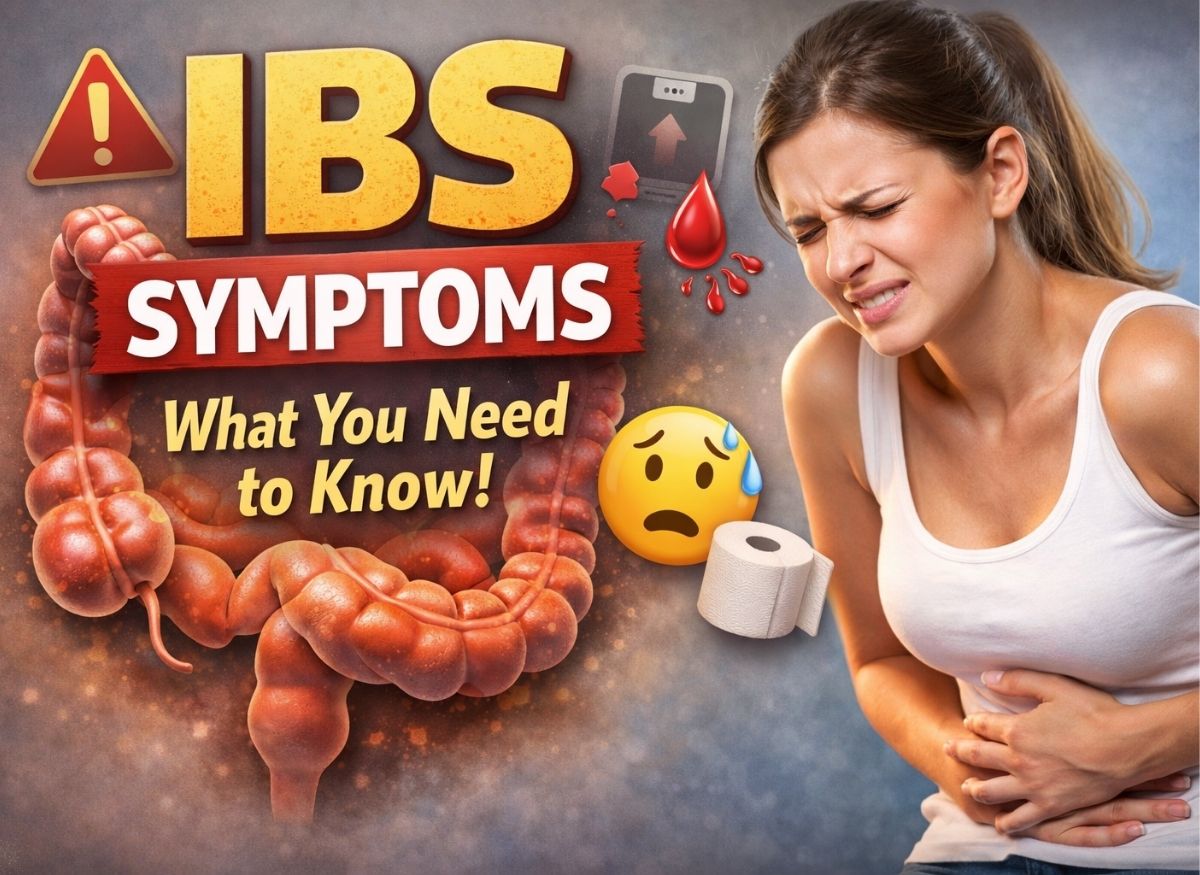
7 Main IBS Symptoms Your Digestive System Is Struggling
Absolutely I’ll rewrite the full article in fresh, natural wording while keeping the same meaning, headings, structure, and medical intent.
Have you been struggling with persistent bloating, abdominal discomfort, or bowel movements that seem impossible to predict? You’re certainly not the only one. These are among the most common symptoms associated with Irritable Bowel Syndrome (IBS), and they can interfere with everyday activities in ways that are difficult to anticipate.
Irritable Bowel Syndrome is a long-term digestive disorder that affects the way the intestines function, even though it generally does not cause visible damage to the digestive tract. Because its symptoms can resemble those of numerous other gastrointestinal conditions, IBS may sometimes be misunderstood, overlooked, or confused with another problem. As a result, some people spend years experiencing digestive discomfort without understanding the underlying cause.
One of the most difficult parts of living with IBS is the unpredictable nature of its symptoms. You might feel completely normal one day and then suddenly experience abdominal cramps, bloating, diarrhea, or constipation the next. These flare-ups can influence not only physical comfort but also energy levels, emotional well-being, and confidence in social situations.
Learning to recognize common IBS symptoms and understanding the factors that may trigger them can make the condition easier to manage. This guide explains the major signs of IBS, why they happen, common food triggers, the role of the low-FODMAP diet, and situations in which medical evaluation is important.
Irritable Bowel Syndrome (IBS)
Irritable Bowel Syndrome (IBS) is a common long-term gastrointestinal condition that affects how the intestines operate rather than causing obvious structural changes. It is characterized by recurring symptoms such as abdominal pain, bloating, and changes in bowel habits, which are collectively recognized as common IBS symptoms.
Unlike inflammatory bowel diseases (IBD), IBS does not typically damage the intestinal lining. Instead, it is considered a functional gastrointestinal disorder. In other words, the digestive tract may appear normal during examinations such as imaging or colonoscopy, while its movement and sensitivity may not function normally. This helps explain why someone can have persistent IBS symptoms even when routine medical tests do not reveal visible abnormalities.
IBS can continue for years, although symptoms often fluctuate. Periods of improvement may alternate with flare-ups, and triggers can include certain foods, emotional stress, hormonal changes, or other individual factors. For many people, not knowing when symptoms will appear is one of the most frustrating aspects of the condition.
What Part of the Digestive System Does IBS Primarily Affect?
IBS mainly involves the large intestine, also known as the colon. This is the final major section of the digestive tract and is responsible for absorbing water from digestive waste and helping form stool.
Although IBS symptoms can be felt throughout different areas of the abdomen, many of the functional changes involve the colon and how it regulates the movement of stool.
Two important processes help explain why IBS can produce such different symptoms.
Altered Gut Motility
Gut motility describes the muscular movements that push food and waste through the digestive system. In people with IBS, these contractions may become irregular.
If the intestines move contents too rapidly, there may not be enough time for water to be absorbed, which can result in loose stools or diarrhea. If intestinal movement becomes too slow, stool can remain in the colon for longer periods, allowing more water to be absorbed and making the stool harder and more difficult to pass.
This disruption in intestinal movement helps explain why some people primarily experience diarrhea, while others struggle with constipation. Some individuals experience both patterns at different times.
Visceral Hypersensitivity
Another important feature of IBS is visceral hypersensitivity, which refers to increased sensitivity of the nerves within the digestive tract.
Normal events such as gas moving through the intestines, intestinal stretching, or ordinary bowel movements may be interpreted as painful or uncomfortable signals. Consequently, a relatively normal amount of gas or intestinal movement can produce significant bloating, pressure, or abdominal pain in someone with IBS.
Why IBS Is Considered a Functional Disorder
One of the defining characteristics of IBS is that the digestive tract generally does not show the type of structural damage seen in inflammatory diseases. Tests may not reveal ulcers, significant inflammation, or tissue injury even when symptoms are persistent.
This is why IBS is described as a functional disorder. The primary problem concerns how the digestive system operates rather than obvious physical damage to the intestines.
Because of this, IBS management generally focuses on identifying triggers, regulating bowel function, reducing discomfort, and improving overall quality of life rather than repairing damaged intestinal tissue.
How Does Irritable Bowel Syndrome Differ From Inflammatory Bowel Disease (IBD)?
IBS and Inflammatory Bowel Disease are sometimes confused because both can cause digestive symptoms. However, they are fundamentally different conditions.
IBS primarily involves changes in intestinal function, sensitivity, and communication between the gut and nervous system. IBD, on the other hand, involves actual inflammation and physical injury to the digestive tract.
IBS is considered a functional gastrointestinal disorder. The intestines may look normal during diagnostic testing even though the person experiences significant symptoms. IBD is an inflammatory disease in which abnormalities such as inflammation, ulcers, and tissue damage can be identified.
Differences in Underlying Mechanisms
The underlying processes of IBS and IBD are different.
In IBS, abnormal intestinal contractions and increased sensitivity of the digestive nerves can lead to abdominal pain, bloating, diarrhea, constipation, or alternating bowel habits. These functional changes can cause substantial discomfort without producing visible intestinal damage.
IBD involves an abnormal immune response that causes chronic inflammation within the gastrointestinal tract. Crohn’s disease and ulcerative colitis are the two major forms of IBD. Persistent inflammation can damage intestinal tissue and lead to complications over time.
How the Symptoms Differ in Severity and Pattern
There is some overlap between IBS and IBD symptoms, but their overall patterns can differ.
Common IBS symptoms include abdominal discomfort, cramping, bloating, excessive gas, diarrhea, constipation, or alternating episodes of both. Symptoms may fluctuate and can be influenced by diet, stress, or hormonal changes. Although IBS can have a major effect on quality of life, it does not normally cause permanent intestinal damage.
IBD may produce more persistent symptoms associated with inflammation. These can include ongoing diarrhea, blood in the stool, abdominal pain, weight loss, fatigue, and fever. Such systemic symptoms can suggest that something more than a functional bowel disorder is occurring.
Differences in Diagnosis
IBS is usually diagnosed based on a person’s symptom pattern and established clinical criteria, such as the Rome IV criteria. Doctors may also order tests to rule out other gastrointestinal conditions.
IBD requires objective evidence of inflammation or intestinal abnormalities. Colonoscopy can reveal inflammation, ulcers, or other changes, while biopsies, imaging studies, and laboratory tests may provide additional information.
This distinction is important because IBS is often identified after other conditions have been considered and ruled out, whereas IBD can be supported by direct evidence of inflammation or tissue changes.
Long-Term Impact and Complications
IBS can be highly disruptive, but it does not generally damage the intestines or cause the types of serious structural complications associated with IBD.
Treatment is primarily aimed at controlling symptoms and improving daily functioning through dietary changes, lifestyle adjustments, stress management, and medications when appropriate.
Untreated or poorly controlled IBD can cause complications such as intestinal narrowing, obstruction, fistulas, nutritional problems, and an increased risk of colorectal cancer. Some people with severe intestinal damage may eventually require surgery.
Differences in Treatment Approach
Because IBS and IBD have different underlying mechanisms, their treatment approaches are also different.
IBS treatment focuses on controlling symptoms and identifying personal triggers. Depending on the individual, this may involve dietary changes, a low-FODMAP approach, stress reduction, physical activity, and medications designed to manage constipation, diarrhea, or abdominal discomfort.
IBD treatment is directed toward controlling inflammation and preventing intestinal damage. Treatment may include anti-inflammatory medications, immune-modifying drugs, biologic therapies, and, in some situations, surgery.
Although IBS and IBD may share certain symptoms, distinguishing between them is important. If digestive problems occur alongside rectal bleeding, unexplained weight loss, fever, or significant fatigue, medical assessment is particularly important because these features are not considered typical of uncomplicated IBS.
7 Main IBS Symptoms You Should Know
The most commonly recognized IBS symptoms include abdominal pain and cramping, changes in bowel movements, bloating, excess gas, mucus in the stool, fatigue, and sensitivity to certain foods.
These symptoms do not necessarily occur together or with the same intensity. One person may experience constipation and bloating as the main problems, while another may struggle primarily with diarrhea, cramps, and food-related symptoms.
IBS symptoms can also change over time. Stress, dietary choices, hormonal fluctuations, and other personal triggers may contribute to periods of worsening symptoms.
What Defines Abdominal Pain and Cramping as an IBS Symptom?
Abdominal pain is one of the central features of IBS and is an important part of its diagnosis. Unlike occasional stomach discomfort, IBS-related abdominal pain tends to recur over time and is often associated with bowel movements.
The discomfort can feel different from one person to another. Some describe squeezing or cramping, while others experience aching, pressure, or sharper episodes of pain. The lower abdomen is a common location, although pain may occur elsewhere.
The relationship between pain and bowel movements can also provide an important clue. Some people feel better after passing stool, while others notice that bowel movements bring on or intensify their discomfort.
Visceral hypersensitivity is believed to contribute to this experience. When intestinal nerves become unusually sensitive, ordinary movement of gas or stool may generate stronger pain signals than expected.
What Are the Characteristic Changes in Bowel Movements?
Changes in bowel habits are another major feature of IBS. These changes may involve stool frequency, consistency, urgency, or difficulty passing stool.
When intestinal movement becomes too rapid, less water is absorbed and diarrhea may occur. Slower movement allows additional water to be removed from the stool, potentially resulting in constipation.
IBS is commonly divided into three major patterns:
- IBS with Predominant Constipation (IBS-C): Constipation is the main bowel problem. Stools may be hard, dry, or difficult to pass, and some people experience fewer bowel movements or a sensation that the bowel has not completely emptied.
- IBS with Predominant Diarrhea (IBS-D): Loose or watery stools are the primary issue. People may experience frequent bowel movements, urgency, and a sudden need to find a bathroom. Symptoms may become particularly noticeable after eating.
- IBS with Mixed Bowel Habits (IBS-M): Both constipation and diarrhea occur. The bowel pattern may change from one day to another or sometimes within a shorter period, making symptoms especially unpredictable.
Is Bloating and a Feeling of Fullness a Sign of IBS?
Yes. Bloating and abdominal fullness are extremely common IBS symptoms and can be among the most uncomfortable aspects of the condition.
Bloating may feel like pressure, tightness, swelling, or fullness in the abdomen. Some people also experience visible abdominal distension, meaning the abdomen appears larger than usual.
The Pattern of Bloating in IBS
IBS-related bloating may follow a recognizable pattern.
- It may be relatively mild after waking and gradually become more noticeable as the day continues.
- Meals can make bloating and abdominal fullness more pronounced.
- Some individuals notice that symptoms are particularly uncomfortable later in the day.
What Causes Bloating in IBS?
Several factors may contribute to bloating in people with IBS:
- Increased Gas Production: Certain poorly absorbed carbohydrates, including FODMAPs, are fermented by gut bacteria and can produce gases such as hydrogen, methane, and carbon dioxide.
- Impaired Gas Movement: The quantity of gas may not always be abnormal, but changes in intestinal movement can make it harder for gas to travel through the digestive tract.
- Visceral Hypersensitivity: People with IBS may feel significant discomfort from amounts of intestinal gas that might not bother someone without heightened gut sensitivity.
- Changes in the Gut Microbiome: Differences in gut bacteria may influence fermentation and gas production in some people.
Together, these mechanisms can contribute to the pressure, distension, and discomfort associated with IBS-related bloating.
How Is Excess Gas (Flatulence) Related to IBS?
Passing gas is a normal part of digestion, but people with IBS may experience more frequent or uncomfortable flatulence. Gas can become particularly troublesome when it occurs alongside bloating, cramping, or abdominal pressure.
How IBS Causes Excess Gas
Several processes can contribute to increased gas or greater sensitivity to gas in IBS:
- Bacterial Fermentation: Certain carbohydrates are not completely absorbed in the small intestine. When they reach the colon, bacteria ferment them and produce gases.
- Altered Gut Motility: Changes in the speed at which food and waste move through the intestines may affect fermentation and gas production.
- Visceral Hypersensitivity: Even normal levels of intestinal gas can feel uncomfortable when the digestive nerves are highly sensitive.
Diet, gut bacteria, intestinal movement, and heightened sensitivity can therefore work together to make gas a particularly noticeable IBS symptom.
Does IBS Cause Mucus in the Stool?
Small amounts of mucus can occur with IBS. The intestines naturally produce mucus to help stool move through the digestive tract and protect the intestinal lining.
People with IBS may notice whitish or yellowish mucus coating the stool or appearing separately, particularly during periods when bowel symptoms are more active.
How Is Mucus in the Stool Related to IBS?
Mucus can appear stringy, slippery, or jelly-like. It may be more noticeable during diarrhea or an IBS flare-up because faster intestinal movement can make mucus easier to see.
Although some mucus can occur with IBS, changes in its amount or appearance should not automatically be attributed to IBS.
When Should You Be Concerned About Mucus in the Stool?
Medical evaluation is advisable when mucus is accompanied by warning signs such as:
- Large or persistent amounts of mucus
- Blood in the stool
- Fever
- Severe abdominal pain
- Unexplained weight loss
Blood in the stool is not considered a typical IBS symptom and should be evaluated by a healthcare professional.
What Kind of Fatigue and Difficulty Sleeping Are Linked to IBS?
Fatigue and disrupted sleep can accompany IBS and may have a significant effect on daily life. People dealing with ongoing abdominal discomfort, frequent bathroom trips, or anxiety about symptoms may find it difficult to get restorative sleep.
Several factors can contribute to this fatigue:
- Chronic Pain and Discomfort: Persistent cramps, bloating, and abdominal discomfort can be physically and emotionally exhausting.
- Sleep Disruption: Pain, bowel urgency, or digestive discomfort may interfere with falling asleep or staying asleep.
- The Gut-Brain Axis: Communication between the digestive system and brain plays an important role in digestion, pain perception, mood, and other bodily functions.
- Mental and Emotional Stress: Managing an unpredictable chronic condition can create worry about food, symptoms, travel, work, or access to bathrooms.
- The Vicious Cycle: Poor sleep may increase sensitivity to pain and make digestive symptoms harder to tolerate, while worsening IBS symptoms can further interfere with sleep.
For this reason, managing IBS-related fatigue may require attention to digestive symptoms, sleep habits, stress, and emotional well-being rather than focusing on only one factor.
Are Food Intolerances a Sign of IBS?
Food-related sensitivity is frequently reported by people with IBS. Certain foods may worsen bloating, abdominal pain, gas, constipation, or diarrhea, although the specific triggers can vary considerably between individuals.
Food intolerance should also be distinguished from a food allergy. Allergies involve an immune response and can sometimes be serious or life-threatening, whereas food sensitivities associated with IBS are generally related to digestive symptoms.
Some food categories commonly reported as IBS triggers include the following.
High-FODMAP Foods
FODMAPs are short-chain carbohydrates that may be poorly absorbed in the small intestine. They can draw water into the digestive tract and are fermented by bacteria in the colon, potentially contributing to gas and bloating.
Common high-FODMAP foods include:
- Onions and garlic
- Wheat and rye products
- Beans and lentils
- Apples and pears
- Certain artificial sweeteners, including sorbitol
A low-FODMAP approach can help some people determine which FODMAP-containing foods contribute to their symptoms.
Fatty and Fried Foods
High-fat meals may worsen digestive symptoms in some people with IBS. Foods that may be problematic include:
- Fried foods
- Fatty meats
- Rich or greasy sauces
Spicy Foods
Spicy foods containing compounds such as capsaicin can increase digestive activity and may worsen abdominal discomfort or diarrhea in some sensitive individuals.
Potential triggers include:
- Very spicy dishes
- Hot sauces
- Chili-based snacks
Lactose
Some people with IBS also have lactose intolerance. When the body does not produce enough lactase to digest lactose, dairy products may cause bloating, gas, abdominal discomfort, or diarrhea.
Foods that may contain significant amounts of lactose include:
- Milk
- Some cheeses
- Ice cream
- Certain yogurts
Gluten
Not everyone with IBS needs to avoid gluten. However, some individuals report digestive symptoms after eating wheat, barley, or rye. Non-celiac gluten sensitivity is different from celiac disease and should not be assumed without appropriate medical evaluation.
Foods containing gluten may include:
- Bread
- Pasta
- Wheat- or rye-based baked goods
How to Identify Food Triggers
A food and symptom diary can be useful when trying to determine which foods may be contributing to IBS symptoms. Recording meals alongside symptoms, bowel patterns, and other relevant factors can help reveal patterns.
A healthcare provider or registered dietitian can then help interpret these patterns and develop a suitable eating plan.
Why Food Intolerances Are So Important in IBS Management
Dietary triggers can play a major role in IBS management. While there is no single diet that works for everyone, identifying individual triggers may reduce bloating, abdominal pain, diarrhea, constipation, and other symptoms.
The goal should not be to unnecessarily eliminate large numbers of foods. Instead, dietary changes should ideally focus on identifying genuine triggers while maintaining a varied and nutritionally adequate diet.
The Low-FODMAP Diet for Managing IBS
The low-FODMAP diet is a structured dietary approach that may help reduce digestive symptoms in people with IBS.
FODMAP stands for Fermentable Oligosaccharides, Disaccharides, Monosaccharides, and Polyols. These are carbohydrates that can be poorly absorbed and rapidly fermented in the digestive tract.
When certain FODMAPs reach the large intestine, they can increase water content and fermentation, potentially contributing to:
- Bloating
- Abdominal discomfort
- Gas
- Diarrhea
- Constipation
Foods high in FODMAPs can include certain fruits, wheat-based products, some dairy products, legumes, honey, and certain artificial sweeteners.
The Three Phases of the Low-FODMAP Diet
The low-FODMAP approach is generally considered a temporary process rather than a permanent restrictive diet. It is commonly divided into three stages and is best undertaken with guidance from a qualified dietitian or healthcare professional.
Phase 1: Elimination
During the elimination phase, high-FODMAP foods are significantly reduced for a limited period, often around 2 to 6 weeks.
Foods that may be reduced include:
- Wheat and rye
- Certain dairy products
- Apples, pears, and some other fruits
- Lentils and chickpeas
- Certain sweeteners such as sorbitol
The purpose of this stage is to determine whether reducing FODMAP intake leads to an improvement in digestive symptoms.
Phase 2: Reintroduction
After symptoms have improved, foods containing individual FODMAP groups are gradually introduced again.
Different categories are tested separately so that it becomes easier to determine which carbohydrates are tolerated and which may trigger symptoms. The amount consumed also matters, because some people can tolerate small portions even when larger quantities cause problems.
Phase 3: Personalization
The final stage involves creating a longer-term eating pattern based on the foods and FODMAP groups identified during reintroduction.
The goal is to maintain as much dietary variety as possible while limiting only those foods that genuinely cause symptoms.
The low-FODMAP diet is therefore not designed to remain highly restrictive forever. Its purpose is to identify personal triggers and eventually create a more flexible and sustainable eating pattern.
Why the Low-FODMAP Diet Works for IBS
Reducing poorly absorbed and highly fermentable carbohydrates can decrease the amount of water and gas reaching the large intestine. For some people, this can ease bloating, abdominal discomfort, and changes in bowel habits.
Research suggests that a substantial proportion of people with IBS experience symptom improvement when the diet is appropriately implemented.
Because the diet can be restrictive, professional guidance can make it easier to maintain adequate nutrition and avoid unnecessary food restrictions.
How to Get Started with the Low-FODMAP Diet
Anyone considering a low-FODMAP diet should ideally discuss it with a registered dietitian or another qualified healthcare professional.
The elimination phase is not intended to continue indefinitely. Once potential triggers have been identified, foods should generally be reintroduced as tolerated so that the long-term diet remains nutritionally balanced and as varied as possible.
When Should You See a Doctor?
Although IBS can cause ongoing digestive symptoms, some signs require additional medical investigation. It is particularly important to seek medical care if symptoms suddenly change, become severe, or occur alongside warning signs that are not typical of IBS.
Red Flag Symptoms
Contact a healthcare professional if you experience symptoms such as:
- Unexplained weight loss: Losing a significant amount of weight without intentionally trying to do so may require investigation.
- Blood in the stool: Rectal bleeding is not considered a typical IBS symptom and can have several possible causes.
- Severe abdominal pain: Intense, sudden, or localized abdominal pain should be medically assessed.
- Fever or persistent vomiting: These symptoms may indicate infection or another condition requiring treatment.
- Iron-deficiency anemia: Anemia accompanied by digestive symptoms may warrant investigation for an underlying gastrointestinal problem.
If these symptoms occur along with what you believe are IBS symptoms, do not simply assume that IBS is responsible.
When IBS May Not Be IBS
Several medical conditions can produce symptoms that resemble IBS. These include:
- Inflammatory Bowel Disease (IBD): Crohn’s disease and ulcerative colitis can cause abdominal pain, diarrhea, and other symptoms, but involve intestinal inflammation.
- Celiac Disease: This autoimmune disorder is triggered by gluten and can produce digestive symptoms that overlap with IBS.
- Colorectal Cancer: Changes in bowel habits, bleeding, abdominal symptoms, and unexplained weight loss can have causes other than IBS and require appropriate evaluation.
- Gallbladder or Liver Problems: Conditions affecting these organs can sometimes produce abdominal or digestive symptoms that may initially appear similar to IBS.
If your symptoms change significantly, become unusually severe, or no longer follow your usual pattern, speak with a healthcare professional for appropriate testing.
Conclusion
Persistent digestive problems can be frustrating, particularly when bloating, abdominal cramps, or unpredictable bowel movements seem to appear without an obvious explanation. Understanding common IBS symptoms can help you recognize patterns and take a more informed approach to managing your digestive health.
IBS does not affect everyone in exactly the same way. Symptoms can vary considerably between individuals and may change over time. Paying attention to possible triggers—including foods, stress, sleep patterns, and lifestyle factors—can make it easier to understand what contributes to flare-ups.
Although IBS is a chronic condition, its symptoms can often be managed. Dietary adjustments, regular routines, stress reduction, physical activity, and appropriate medical treatment may help reduce symptoms and improve everyday comfort.
It is also important not to automatically attribute every digestive symptom to IBS. If symptoms become more severe, change unexpectedly, or occur alongside warning signs such as bleeding, unexplained weight loss, fever, or significant anemia, medical evaluation is important.
With greater awareness of your symptoms and their triggers, IBS can become something you actively manage rather than something that controls your daily life.
FAQs About IBS Symptoms
Can IBS Symptoms Come and Go?
Yes. IBS symptoms commonly fluctuate. Someone may experience several days or weeks of relatively mild symptoms followed by a flare-up involving bloating, abdominal pain, diarrhea, constipation, or gas.
Different factors, including certain foods, stress, hormonal changes, sleep disturbances, and individual triggers, may contribute to these fluctuations. Identifying personal triggers and developing a management plan can help reduce the frequency or severity of flare-ups.
Is IBS Dangerous or Life-Threatening?
IBS itself is not generally considered a life-threatening condition and does not typically cause permanent damage to the intestines.
However, the condition can have a substantial effect on quality of life. Ongoing pain, unpredictable bowel habits, dietary restrictions, and concerns about bathroom access can interfere with work, travel, social activities, and emotional well-being.
It is also important to remember that symptoms caused by another medical condition can sometimes resemble IBS. Warning signs should therefore be evaluated rather than automatically attributed to IBS.
Can Stress Alone Cause IBS Symptoms?
Stress can be a significant trigger for IBS symptoms. The gut and brain communicate continuously through what is known as the gut-brain axis.
Emotional stress may influence intestinal movement, pain sensitivity, and other digestive processes, potentially making existing IBS symptoms worse. Strategies such as regular exercise, relaxation techniques, mindfulness, adequate sleep, and professional support may help some people manage stress-related flare-ups.
How Long Do IBS Flare-Ups Last?
There is no fixed duration for an IBS flare-up. Some episodes may last only several hours or a few days, while others can continue for longer periods.
The duration may depend on the individual’s triggers, symptom pattern, and treatment approach. Dietary adjustments, appropriate medications, stress management, and other personalized strategies may help control symptoms.
If a flare-up is unusually severe, lasts much longer than normal, or is accompanied by warning signs such as bleeding, fever, vomiting, or unexplained weight loss, medical evaluation is recommended.
Disclaimer
This article is intended for general educational and informational purposes. It is based on publicly available medical information and should not be considered a replacement for professional medical advice, diagnosis, or treatment. Medical recommendations and research can change over time, and information that applies to one person may not necessarily apply to another.
If you are experiencing persistent digestive symptoms or believe you may have IBS, consult a qualified healthcare professional. A doctor can assess your symptoms, determine whether additional testing is needed, and recommend treatment based on your individual circumstances. Do not delay or avoid medical care because of information presented in this article.