
11 Warning Signs Your Fatty Liver May Be Getting Worse
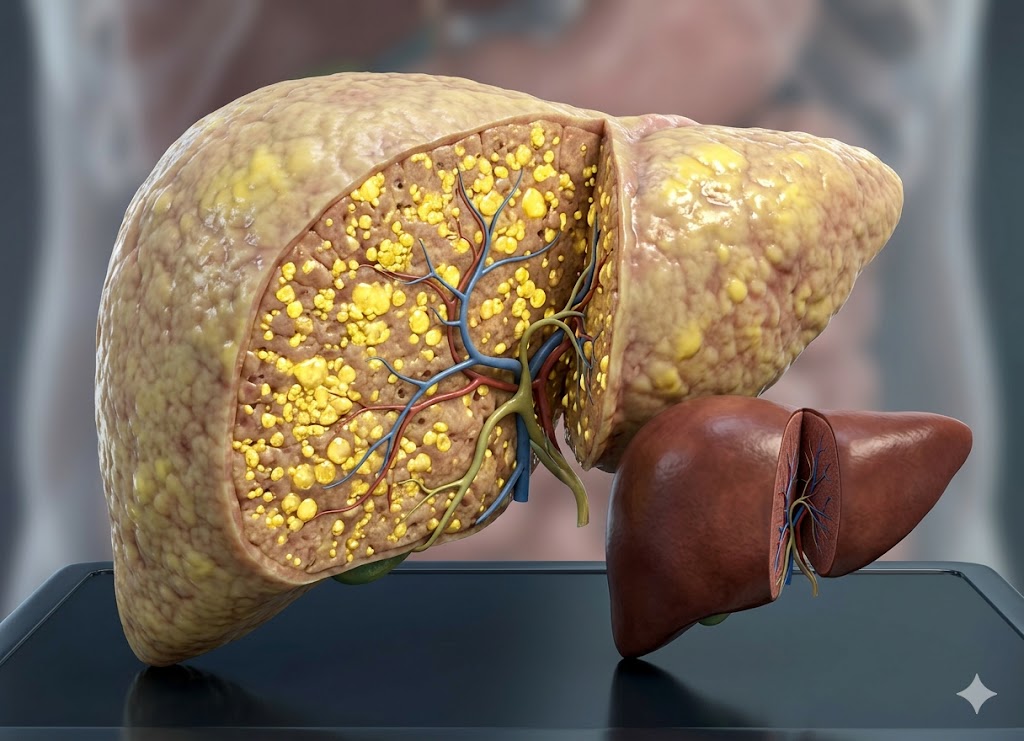
Fatty liver happens when extra fat builds up inside liver cells, slowly interfering with how the liver does its job. In the beginning, it usually causes no noticeable symptoms, which is exactly why it’s so easy to miss. But left unchecked, it can move from simple fat buildup to inflammation, scarring, and more serious liver damage.
The liver isn’t just another organ it handles metabolism, filters toxins, and keeps your energy levels balanced. As fatty liver worsens, the body often starts giving off small clues that something is off. Catching these clues early can make a real difference in stopping long-term damage before it sets in.
This guide walks through 11 warning signs that your fatty liver could be getting worse, what each one actually means, and when it’s time to get checked out.
What Is Fatty Liver?
Fatty liver is essentially a metabolic imbalance fat accumulates inside liver cells faster than the liver can burn it off or export it. It’s not really an “attack” in the way an infection is; it’s more of a slow drift that often stays invisible for a long time. A healthy liver holds a small amount of fat naturally, but once fat makes up more than 5–10% of the liver’s weight, doctors classify it as fatty liver.
There are two main categories. Non-alcoholic fatty liver disease ties back to insulin resistance, excess weight, high cholesterol/triglycerides, and inactivity. Alcohol-related fatty liver, on the other hand, comes from heavy, sustained drinking that disrupts how the liver handles fat.
What really matters is the trajectory. Simple fat buildup can sit unchanged for years in some people. In others, it quietly advances into inflammation, then scarring, and eventually cirrhosis a process driven by ongoing inflammation and cell stress that rarely announces itself with obvious symptoms.
Because it’s so quiet, fatty liver is often stumbled upon during a routine blood test or scan rather than found because someone felt sick. That’s actually good news in disguise: catching it early gives lifestyle changes a real chance to reverse the fat buildup.
What Are the Warning Signs of Worsening Fatty Liver Disease?
When fatty liver starts to get serious, the body sends out a mix of physical, internal, and functional red flags. These include yellowing skin (jaundice), fluid buildup in the belly or legs, constant tiredness, nausea, abdominal discomfort, bruising easily, darker urine, pale stools, spider-like blood vessels on the skin, and mental fog or confusion.
These symptoms typically show up once the damage has moved past simple fat storage into more advanced stages like heavy scarring or cirrhosis the point where the liver can no longer keep up with its normal jobs of filtering toxins, balancing fluids, and making key proteins.
To make sense of it all, it helps to sort these signs into three buckets: visible changes on the skin and body, internal feelings of being unwell, and shifts in how your body functions day to day. Each group points to a different kind of breakdown happening inside the liver.
Which Physical Changes on Your Skin and Body Signal Serious Liver Damage?
The physical signs of serious liver trouble include jaundice, swelling (edema), abdominal fluid buildup (ascites), and spider angiomas. These outward signs show up because the liver can no longer clear waste properly, manage fluid balance, or break down hormones the way it should. Here’s what each one means:
Jaundice
This is the textbook sign of a liver in trouble. It happens when the liver loses its ability to process bilirubin a yellowish pigment made when old red blood cells break down. Once bilirubin builds up in the blood, it starts showing in the skin and the whites of the eyes, giving them a yellow tint. Jaundice usually becomes visible once bilirubin levels climb to two or three times the normal range, which is a strong signal that liver function has taken a real hit.
Edema and Ascites
Both come down to fluid retention, driven mainly by two things happening in an advanced fatty liver: high pressure in the portal vein (portal hypertension) and low albumin levels. The pressure pushes fluid out of blood vessels, while a struggling liver can’t produce enough albumin the protein that normally keeps fluid inside the bloodstream. Together, this causes fluid to pool. In the legs and ankles, this shows up as swelling (edema); in the abdomen, it causes a distended, swollen belly known as ascites.
Spider Angiomas
These are tiny clusters of dilated blood vessels just under the skin, with a red dot in the center and thin lines branching outward hence the “spider” look. They form when estrogen levels rise in the blood, something a healthy liver normally keeps in check by metabolizing excess hormones. When the liver can’t keep up, estrogen builds up and causes these vessels to widen. Multiple spider angiomas are a strong clue that there’s underlying scarring.
What Internal Feelings and Symptoms Indicate Your Fatty Liver Is Progressing?
Internally, a worsening liver often shows up as deep, ongoing fatigue, nagging nausea, a noticeable drop in appetite, and a dull ache in the upper right side of the belly. These symptoms happen because the liver’s breakdown affects metabolism, toxin clearance, and nutrient processing and that ripple effect touches your whole body’s energy and digestion.
Chronic Fatigue
This isn’t your average tiredness it’s exhaustion that doesn’t go away with rest or sleep. It’s thought to come from a mix of factors: toxin buildup (like ammonia) affecting brain chemistry, disrupted energy metabolism, and the general inflammation that comes with advanced liver disease. When the liver can’t efficiently turn food into usable energy, the whole body feels the shortage.
Persistent Nausea and Loss of Appetite
As liver function drops, digestion suffers, often leading to ongoing nausea. On top of that, toxins building up in the blood can interfere with the brain’s appetite centers, causing a real drop in hunger. Over time, this can lead to unplanned weight loss and poor nutrition.
Pain or Discomfort in the Upper Right Abdomen
The liver sits inside a nerve-rich covering called Glisson’s capsule. When the liver swells from fat buildup or scarring, this capsule stretches, causing a dull, aching, or throbbing pain under the right rib cage. Early fatty liver usually doesn’t hurt at all, so ongoing pain is often a sign that inflammation and damage have picked up.
How Do Changes in Bodily Fluids and Functions Point to a Worsening Liver?
Shifts in urine, stool, and clotting ability are direct evidence that the liver is struggling to clear waste and make essential proteins. Here’s how that shows up:
Dark-Colored Urine
A severely damaged liver can’t properly push excess bilirubin into bile for removal through the intestines. Instead, the kidneys filter out the extra bilirubin, giving urine a dark, tea- or cola-like color a sign that the liver’s usual waste-clearing route is blocked up.
Pale or Clay-Colored Stools
Normal brown stool color comes from stercobilin, a byproduct of bilirubin released through bile into the intestines. When liver damage or a bile duct blockage stops bilirubin from getting there, stools lose their color and turn pale, gray, or clay-toned.
Tendency to Bruise or Bleed Easily
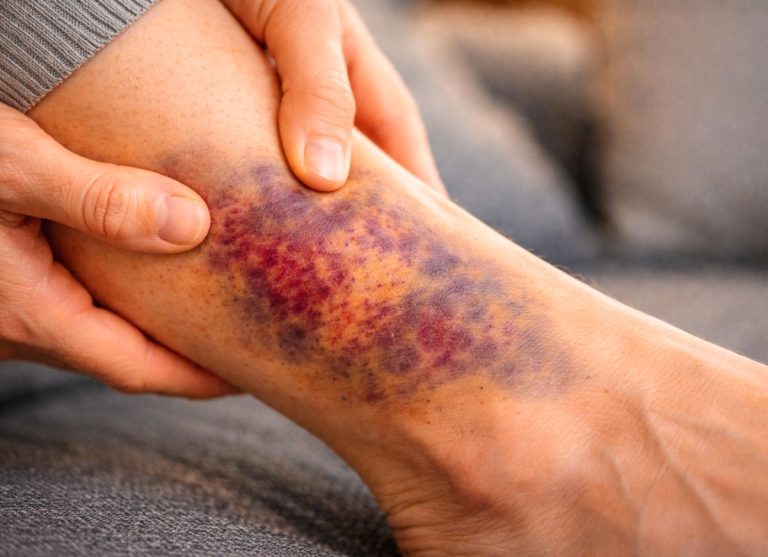
The liver makes most of the body’s blood-clotting proteins. When it’s badly damaged, clotting factor production drops sharply meaning small bumps can leave big bruises, minor cuts bleed longer than they should, and spontaneous nosebleeds or gum bleeding can occur. This is one of the more serious signs of advanced liver failure.
Can Mental Confusion Be a Sign of Advanced Liver Disease?
Yes mental confusion can point to a serious complication called hepatic encephalopathy. This happens when a badly damaged liver can no longer filter toxins out of the blood, letting them travel to the brain and disrupt normal brain function, sometimes causing noticeable changes in personality, alertness, and behavior.
The Mechanism
The main culprit is ammonia, produced by gut bacteria during protein digestion. A healthy liver converts ammonia into urea, which the kidneys then flush out safely. But in advanced liver disease, damaged cells can’t do this conversion properly, and blood often bypasses the liver entirely due to high portal pressure. Once ammonia reaches the brain, it causes swelling and messes with normal brain signaling.
Symptoms and Progression
Hepatic encephalopathy is usually described in stages:
- Mild: Subtle memory lapses, trouble concentrating, a short attention span, mild confusion, and disrupted sleep patterns (like napping during the day, staying up at night).
- Moderate: More obvious forgetfulness, sluggishness, slurred speech, out-of-character behavior, and a hand tremor called asterixis.
- Severe: Deep confusion, disorientation, extreme drowsiness, major personality shifts, and potentially a coma a medical emergency requiring immediate hospital care.
Any degree of mental change linked to liver disease is a serious signal that things have progressed significantly.
What Are the Stages of Fatty Liver Damage?
Fatty liver damage generally moves through four stages: simple steatosis, steatohepatitis (NASH for the non-alcoholic form, ASH for the alcohol-related form), fibrosis, and cirrhosis. It’s a spectrum starting with harmless fat buildup and, if unaddressed, potentially ending in permanent, widespread scarring.
Understanding these stages helps clarify what “getting worse” actually looks like from a medical standpoint. Here’s a closer look at each one.
What Is Simple Steatosis?
Simple steatosis is stage one fat builds up inside liver cells, but there’s little to no inflammation or cell damage yet. It’s generally harmless at this point and usually symptom-free, so most people don’t even know they have it. Technically, it’s diagnosed when more than 5% of liver cells contain fat.
This stage develops when fat is delivered to and made in the liver faster than the liver can burn or export it often driven by a diet high in sugar and unhealthy fats, insulin resistance, and excess weight.
At this stage, the liver’s structure and function are still intact, and the condition is usually reversible through lifestyle changes. A biopsy would show fat droplets in liver cells, but no inflammation or scarring in the surrounding tissue. The real danger isn’t the fat itself it’s the risk of moving into the next stage if the root causes aren’t dealt with.
How Does Steatohepatitis (NASH/ASH) Differ from Simple Fatty Liver?
The key difference is inflammation and active cell injury. Simple fatty liver is just fat sitting in the cells; steatohepatitis is what happens when that fat triggers the immune system to attack the stressed liver cells. This is the turning point where the disease becomes genuinely progressive.
Inflammation
Simple steatosis has no inflammation. In steatohepatitis, immune cells flood in, and this inflammation is what actually drives the damage forward.
There are two versions: Non-alcoholic Steatohepatitis (NASH), tied to metabolic syndrome, and Alcoholic Steatohepatitis (ASH), caused by heavy drinking.
Cell Damage and Death
Ongoing inflammation causes liver cells to swell up and die a process called “ballooning.” This repeated cell death kicks off the liver’s wound-healing response.
Potential for Progression
Simple steatosis tends to stay stable. Steatohepatitis, though, is an active disease the inflammation and cell death push the liver to lay down scar tissue (fibrosis) as it tries to repair itself.
Roughly 20% of people with NASH go on to develop advanced fibrosis or cirrhosis, which is why this stage is taken far more seriously than simple fat buildup. This is often when people start noticing vague symptoms like fatigue or discomfort under the right ribs.
What Is Liver Fibrosis?
Fibrosis is stage three the buildup of scar tissue in response to ongoing inflammation and injury. Scarring is normally how the body heals, but when liver injury keeps happening (as it does with steatohepatitis), that healing process goes into overdrive and scar tissue keeps accumulating.
This happens because repeated cell injury activates hepatic stellate cells normally dormant cells that, once triggered, start producing collagen and other scar-forming material.
At first, scarring forms around inflamed areas and blood vessels. Over time, these scar bands grow and link together, gradually replacing healthy liver tissue.
Fibrosis is graded from F0 (none) to F4 (cirrhosis). Early on (F1–F2), it can often be reversed if the underlying cause is addressed. By F3 (bridging fibrosis), the scarring becomes more extensive and starts to actually change the liver’s structure and blood flow.
What Happens When Fibrosis Progresses to Cirrhosis?
Cirrhosis (F4) is the final, irreversible stage the liver’s normal structure is replaced by scarred, nodular tissue. The organ becomes hard, shrunken, and lumpy, and its ability to function is severely limited. This isn’t just “more scarring” it’s a complete structural breakdown, with serious consequences:
Impaired Liver Function
Scar tissue blocks blood flow through the liver, so it can no longer properly process nutrients, hormones, drugs, or toxins. Fewer working liver cells also means less albumin and fewer clotting factors leading directly to jaundice, ascites, swelling, easy bruising, and hepatic encephalopathy.
Portal Hypertension
Scar tissue acts like a dam, backing up pressure in the portal vein. This is behind some of cirrhosis’s most dangerous complications, including swollen veins (varices) in the esophagus and stomach that can rupture and bleed severely, as well as ascites.
Increased Risk of Liver Cancer
Cirrhosis is the biggest single risk factor for liver cancer (hepatocellular carcinoma). Constant inflammation and rapid cell turnover in cirrhotic tissue create the perfect conditions for cancerous changes. Anyone with cirrhosis needs regular screening typically an ultrasound every six months.
Once cirrhosis sets in, treatment shifts to managing complications and slowing further decline, since the underlying damage is considered permanent. A liver transplant may be the only real cure for end-stage disease.
What Causes Fatty Liver to Get Worse?
Fatty liver worsens mainly due to an ongoing mix of metabolic issues, direct toxins, and other health conditions that fuel a repeating cycle of inflammation, cell death, and scarring. The biggest drivers of progression are poor diet, metabolic syndrome (obesity and insulin resistance), and continued alcohol use.
Let’s look at how each of these actually pushes the liver from harmless fat buildup toward serious failure.
How Does Diet and Metabolic Health Contribute to Fatty Liver Progression?
Diet and metabolic health are the leading non-alcohol-related drivers of liver damage. High-sugar, high-fat diets combined with obesity, insulin resistance, and type 2 diabetes create the perfect storm for inflammation. Together, they overload the liver with fat, trigger oxidative stress, and fuel the inflammatory response at the heart of metabolic liver disease.
Dietary Factors
The typical Western diet is a major contributor. Diets loaded with fructose found in sugary drinks and processed foods and saturated fat are especially damaging. Fructose is processed almost entirely by the liver and strongly encourages the creation of new fat inside liver cells, quickly raising fat content. Saturated fats add to fat buildup and can directly switch on inflammatory pathways, while also generating oxidative stress that overwhelms the body’s natural defenses.
Obesity and Insulin Resistance
Excess weight, especially around the belly, is closely tied to fatty liver progression. Fat tissue actively releases inflammatory chemicals (cytokines), and in obesity this creates chronic, low-grade inflammation throughout the body, including the liver.
Obesity is also a leading cause of insulin resistance when cells stop responding properly to insulin. This forces the pancreas to pump out more insulin, raising blood insulin levels. High insulin tells the liver to make and store more fat while blocking fat breakdown and export a vicious cycle that speeds up fat buildup and liver stress.
Can Continued Alcohol Consumption Accelerate Liver Damage?
Yes ongoing drinking is a major accelerator of liver damage, and it’s the primary driver behind Alcoholic Fatty Liver Disease, while also worsening metabolic fatty liver disease. Alcohol is directly toxic to liver cells, and breaking it down creates harmful byproducts that fuel inflammation, oxidative stress, and scarring pushing the liver quickly toward fibrosis and cirrhosis.
Direct Toxicity and Oxidative Stress
Breaking down alcohol produces acetaldehyde, a highly reactive, toxic compound. It damages cell structures, including the mitochondria that power liver cells, leading to cell death. This process also drains the liver’s natural antioxidant defenses, leaving it exposed to free radical damage a major trigger for chronic inflammation.
Promotion of Inflammation and Fibrosis
Alcohol makes the gut lining more permeable, letting bacterial toxins leak into the blood and travel to the liver. Once there, they activate immune cells called Kupffer cells, which release inflammatory chemicals and kick off a damaging inflammatory chain reaction.
On top of that, acetaldehyde directly activates hepatic stellate cells the collagen-producing cells behind scar formation. For someone already dealing with metabolic liver issues, even moderate drinking can act as a “second hit,” compounding the damage and speeding up progression. In these cases, cutting out alcohol entirely is the single most effective way to stop further damage.
What Other Factors Can Cause Fatty Liver Disease To Advance?
Beyond diet and alcohol, other things that can speed up liver damage include viral hepatitis co-infection, rapid weight loss, genetic factors, and certain medications. These can either add a whole new source of liver injury or make existing metabolic damage worse.
Viral Hepatitis
Having chronic viral hepatitis (especially Hepatitis C, and to a lesser degree Hepatitis B) alongside fatty liver can dramatically speed up scarring. Both conditions cause liver inflammation on their own, and together the damage is worse than either alone. People with both chronic Hepatitis C and metabolic fat buildup tend to develop cirrhosis and liver cancer faster and at younger ages.
Rapid Weight Loss
Slow, steady weight loss helps the liver but very rapid weight loss, often from crash diets or bariatric surgery, can backfire. A sudden flood of fat released from body stores can overwhelm the liver’s ability to process it, increasing oxidative stress and inflammation and temporarily worsening scarring. This is why doctors recommend losing weight gradually, around one to two pounds a week.
Genetic Factors and Medications
Some people are genetically more prone to liver damage progressing the PNPLA3 gene variant, for example, is linked to higher fat retention and a greater risk of advanced scarring and liver cancer.
Certain medications can also stress the liver, including some drugs for autoimmune conditions, heart disease, breast cancer, and seizures. In someone who already has fat buildup, adding a liver-taxing medication can accelerate damage which is why tracking all these overlapping risk factors matters so much.
Should You See a Doctor if You Have Signs of Worsening Fatty Liver?
Yes, absolutely these symptoms often mean the disease has already progressed to a serious stage like cirrhosis. Early fatty liver is typically silent, so once symptoms like jaundice, abdominal swelling, or confusion show up, it’s a clear sign the liver needs urgent medical attention.
When Is It Critical to Seek Immediate Medical Attention?
Get emergency care right away if you experience vomiting blood, black or tarry stools, sudden severe abdominal pain, or sudden, severe confusion or extreme drowsiness. These point to acute, life-threatening complications that need urgent treatment.
Vomiting Blood or Black/Tarry Stools
These usually signal bleeding from esophageal or stomach varices swollen veins caused by severe portal hypertension in cirrhosis. Their thin walls can rupture easily and cause massive, potentially fatal bleeding. This is a top-priority emergency.
Severe Abdominal Pain
A dull ache is common, but sudden, sharp, severe pain especially with fever could mean spontaneous bacterial peritonitis, a serious infection of abdominal fluid in cirrhosis patients that needs prompt antibiotics.
Sudden and Severe Mental Confusion or Drowsiness
A fast decline in mental clarity can mean hepatic encephalopathy is worsening rapidly, often triggered by infection, dehydration, or bleeding. This needs immediate hospital care to find the cause and bring ammonia levels down before it progresses to coma.
What Kind of Doctor Should You Consult for Liver Problems?
Start with your primary care doctor, who can do an initial workup and refer you to a gastroenterologist or hepatologist if needed.
Primary Care Physician
Your family doctor is the right first stop they’ll take your history, check for signs like liver enlargement or jaundice, and order initial liver function blood tests. They’ll also manage related conditions like diabetes and high blood pressure that often go hand in hand with fatty liver.
Gastroenterologist
This specialist handles the whole digestive system, including the liver. They can manage most stages of liver disease, run diagnostic procedures like endoscopies to check for varices, and interpret imaging and blood work.
Hepatologist
A hepatologist is a gastroenterologist with extra specialized training focused entirely on liver disease. You’d typically be referred here for the most complex or advanced cases severe cirrhosis, hepatic encephalopathy, liver cancer, or transplant evaluation.
What Can You Expect During a Diagnostic Evaluation for Liver Disease?
Expect a thorough medical history and physical exam, a set of blood tests, and imaging to check the liver’s structure and stiffness.
Medical History and Physical Examination
Your doctor will ask about symptoms, diet, alcohol use, medications, and family history, then check for liver enlargement, tenderness, and outward signs like jaundice, ascites, or spider angiomas.
Blood Tests
- Liver Function Tests: Measure liver enzymes (ALT, AST) released when cells are damaged, plus bilirubin, albumin, and clotting time.
- Complete Blood Count: A low platelet count can signal advanced fibrosis and portal hypertension.
- Other Tests: Screening for viral hepatitis, iron overload, and autoimmune markers.
Imaging Studies
An abdominal ultrasound is usually the first step it can spot steatosis (the liver looks brighter than normal) and signs of cirrhosis like a nodular surface. A FibroScan (transient elastography) measures liver stiffness to gauge how much scarring is present, quickly and painlessly. An MRI may add more detail, and a biopsy while still the gold standard is now used more selectively thanks to accurate non-invasive imaging.
Reverse Liver Damage From Fatty Liver Disease
Whether liver damage can be reversed depends heavily on how early it’s caught and how committed someone is to lifestyle changes. Early on, the outlook is genuinely good damage can often be completely undone.
At the simple steatosis stage, fat sits in liver cells without major inflammation or scarring. With weight loss, better diet, and more physical activity, the liver can shed the extra fat and return to normal.
Even once inflammation and early scarring set in, reversal is still possible in many cases:
Early-to-Moderate Fibrosis
At stages F1 and F2, the liver still has real regenerative capacity. Serious lifestyle changes can stop the inflammation and let the body gradually break down and remodel the early scar tissue.
Advanced Fibrosis
At stage F3, reversal gets much harder but isn’t impossible for everyone. It takes intensive, sustained lifestyle changes to stabilize the liver and keep it from tipping into cirrhosis.
Cirrhosis
Once scarring reaches stage F4, the damage is generally permanent the liver’s structure is fundamentally changed, and function is permanently limited.
At this point, treatment shifts from reversal to prevention stopping further decline, managing complications like portal hypertension and cancer risk, and preserving quality of life. Catching the warning signs early and acting during the reversible window is still the best protection against permanent damage.
Conclusion
Fatty liver is a quiet condition that can progress steadily if ignored, often without any early warning. But once symptoms start appearing, they usually mean the liver is under real strain and may be heading toward more serious stages.
Watching for changes in energy, digestion, weight, and skin or eye color can help catch a worsening liver early. With timely action better diet, regular exercise, and medical guidance many people can slow or even reverse the condition.
If you’re noticing persistent or worrying symptoms, don’t wait see a healthcare professional for a proper evaluation. Catching it early remains the best way to protect your liver and avoid long-term complications.
FAQs
What is fatty liver disease?
Fatty liver disease happens when excess fat builds up in the liver. It’s generally classified as non-alcoholic (NAFLD) or alcohol-related, depending on the cause.
Can fatty liver get worse over time?
Yes. Without lifestyle changes or treatment, it can progress to inflammation (steatohepatitis), fibrosis, and in severe cases, cirrhosis or liver failure.
What are early symptoms of fatty liver?
Early on, there are often no symptoms at all. Some people notice mild fatigue, discomfort under the right ribs, or general weakness.
How do I know if my fatty liver is getting worse?
Watch for persistent fatigue, abdominal swelling, jaundice, dark urine, or unexplained weight changes.
Is fatty liver reversible?
In many cases, yes through weight management, a healthier diet, regular exercise, and cutting back on alcohol if that’s a factor.
What foods should I avoid with fatty liver?
Generally, limit sugary foods, refined carbs, fried food, and excess saturated fat.
Can fatty liver cause serious complications?
Yes. Left untreated, it can lead to inflammation, cirrhosis, liver failure, and a higher risk of liver cancer.
Does fatty liver always show symptoms?
No. Many people have it for years without symptoms it’s often found through routine blood work or imaging.
When should I see a doctor?
If you have persistent fatigue, jaundice, abdominal pain, or abnormal liver test results, it’s time to see a doctor.
Can exercise help fatty liver?
Yes. Regular physical activity reduces liver fat, improves metabolism, and can slow or reverse progression when paired with dietary changes.