16 Common Cushing Syndrome Symptoms You Shouldn’t Ignore

Cushing syndrome can be difficult to recognize because it rarely starts with one obvious symptom. Instead, changes may develop slowly. You might notice weight gain around the abdomen, a rounder face, muscle weakness, poor sleep, mood changes, or bruises that seem to appear for no clear reason.
These changes can easily be blamed on stress, aging, diet, hormonal changes, or a busy lifestyle. That is one reason Cushing syndrome can go unnoticed.
Cushing syndrome develops when the body is exposed to excessive amounts of cortisol for a prolonged period. Cortisol is often called the stress hormone, but it has many important jobs. It helps regulate blood pressure, blood sugar, metabolism, inflammation, and the body’s response to stress.
When cortisol remains too high for too long, it can affect many parts of the body. Changes may involve the skin, muscles, bones, metabolism, cardiovascular system, sleep, mood, and reproductive health.
Cushing syndrome is rare, and many of its symptoms overlap with more common conditions. That means having one symptom does not necessarily indicate Cushing syndrome. However, several characteristic changes occurring together may warrant a medical evaluation.
Some of the more recognizable signs include central weight gain, a rounded face, increased fat around the upper back, purple stretch marks, easy bruising, muscle weakness, high blood pressure, high blood sugar, irregular menstrual periods, and changes in mood.
Below are 16 common Cushing syndrome symptoms and the reasons they may occur.
16 Common Symptoms of Cushing Syndrome
Central (Truncal) Obesity
One of the classic features of Cushing syndrome is weight gain that is concentrated around the abdomen and upper body.
Excess cortisol can alter how the body stores and uses fat, leading to increased fat around the trunk while the arms and legs may remain relatively thin. Muscle loss can make this contrast even more noticeable.
This type of fat distribution is not specific to Cushing syndrome, but when it occurs alongside other characteristic symptoms, it may be an important clue.
Moon Face (Facial Plethora)
People with Cushing syndrome may develop a noticeably rounder, fuller face, sometimes accompanied by facial redness.
This change is partly related to fat redistribution and may also involve fluid retention. Because facial changes can be quite noticeable, they may become one of the first physical differences a person or their family notices.
A round face alone does not mean someone has Cushing syndrome, but it becomes more significant when it appears alongside other symptoms.
Buffalo Hump (Dorsocervical Fat Pad)
A dorsocervical fat pad is an area of increased fat that develops around the upper back and base of the neck.
It is sometimes called a “buffalo hump.” Excess cortisol can contribute to this unusual distribution of body fat, although similar fat accumulation can occur with obesity, certain medications, and other medical conditions.
When an enlarged upper-back fat pad appears along with central weight gain, a round face, thin skin, and other signs of cortisol excess, doctors may consider Cushing syndrome as one possible cause.
Purple Striae
Stretch marks are common, but those associated with Cushing syndrome can have a distinctive appearance.
They may be wider and more noticeable than ordinary stretch marks and can appear reddish-purple or dark pink. Common locations include the abdomen, thighs, buttocks, hips, and breasts.
Long-term exposure to excess cortisol can thin the skin and reduce collagen, making it less able to withstand stretching. As a result, the underlying blood vessels may become more visible through the skin.
Thin, Fragile Skin and Easy Bruising
Excess cortisol can interfere with collagen and other proteins that help maintain the strength and structure of the skin.
As the skin becomes thinner and more fragile, even minor bumps may cause bruising. Bruises may appear more frequently, become larger, or take longer to disappear.
Thin skin and easy bruising are particularly important when they occur together with other signs of Cushing syndrome.
Poor Wound Healing
Cortisol also affects the body’s ability to repair damaged tissue.
People with Cushing syndrome may find that cuts, wounds, or surgical incisions take longer to heal than expected. The skin’s reduced strength and changes in immune function can also increase susceptibility to certain infections.
Poor wound healing is not unique to Cushing syndrome. Diabetes, poor circulation, nutritional deficiencies, certain medications, and other conditions can cause it as well.
Hirsutism and Virilization
Some women with Cushing syndrome develop increased androgen activity, which can lead to hirsutism, or excess coarse hair growth in areas such as the face, chest, abdomen, or back.
Changes may be particularly noticeable around the chin and upper lip. Some people may also experience acne or thinning scalp hair.
More significant androgen excess can occasionally cause signs of virilization, such as a deeper voice or male-pattern hair loss. These changes require medical evaluation because several hormonal conditions can cause them.
Acne
Hormonal changes associated with Cushing syndrome may contribute to acne or make existing acne worse.
Breakouts can appear on the face, chest, shoulders, or back. Some people may notice acne that develops later in adulthood or becomes more difficult to control than usual.
Acne by itself is very common and does not indicate Cushing syndrome. It becomes more relevant when it appears alongside other signs of excess cortisol or hormonal imbalance.
High Blood Pressure (Hypertension)
Cortisol plays an important role in regulating blood pressure. Excess cortisol can make blood vessels more responsive to hormones that cause them to constrict and can also influence the body’s handling of sodium and water.
As a result, Cushing syndrome can contribute to persistent high blood pressure.
Untreated hypertension can increase the risk of cardiovascular disease, stroke, kidney problems, and other complications, making blood pressure monitoring an important part of Cushing syndrome care.
High Blood Sugar (Hyperglycemia) and Diabetes
Cortisol naturally helps increase blood glucose when the body needs more energy. When cortisol levels remain elevated, however, this effect can become excessive.
High cortisol can encourage the liver to release more glucose and make the body less sensitive to insulin. Over time, this may result in persistent high blood sugar and, in some people, diabetes.
People with Cushing syndrome may therefore need regular monitoring of blood glucose and other metabolic measures.
Muscle Weakness (Proximal Myopathy)
Long-term cortisol excess can cause the body to break down muscle protein, leading to muscle weakness and loss of muscle mass.
The weakness often affects the muscles closest to the center of the body, particularly around the hips and shoulders.
A person may find it increasingly difficult to climb stairs, stand up from a chair, get out of bed, or lift their arms above their head. This type of weakness can interfere significantly with everyday activities.
Bone Loss (Osteoporosis)
Cortisol excess can have a major effect on bone health.
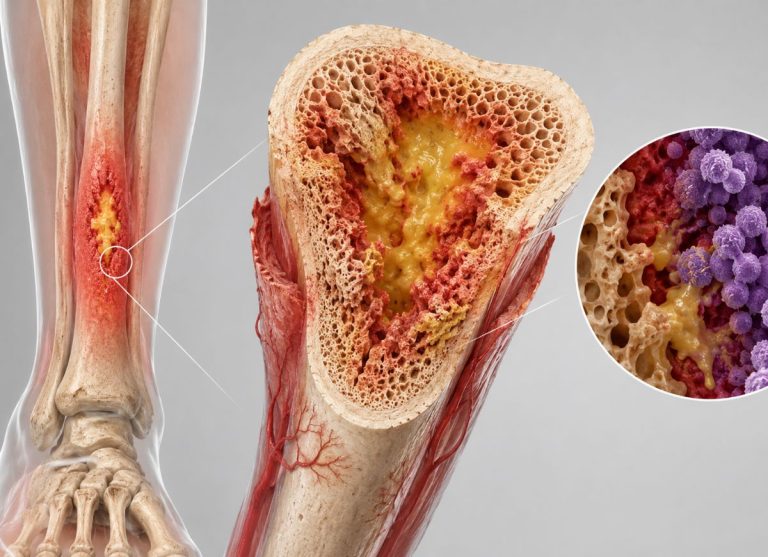
It can interfere with the activity of cells involved in building bone, reduce calcium absorption, and increase calcium loss. Over time, these changes can lower bone density and increase the risk of osteoporosis and fractures.
Fractures may occur in the spine, ribs, hips, or other areas, sometimes after relatively minor trauma.
Mood Instability and Irritability
Cushing syndrome can affect emotional well-being as well as physical health.
Some people experience increased irritability, emotional ups and downs, sudden anger, or difficulty managing normal stresses. Mood changes may be especially noticeable when they develop alongside sleep problems, fatigue, or anxiety.
These symptoms can be distressing for both the individual and their family, particularly when the emotional changes seem very different from the person’s usual behavior.
Depression and Anxiety
Depression and anxiety are also common among people with Cushing syndrome.
Someone may experience persistent sadness, loss of interest, excessive worry, nervousness, or panic-like symptoms. Emotional symptoms can range from mild to severe and may significantly affect daily life.
Anyone experiencing severe depression or thoughts of self-harm should seek urgent professional help, regardless of whether Cushing syndrome is suspected.
Cognitive Dysfunction
Some people with prolonged cortisol excess report problems with memory, concentration, and mental processing. These difficulties are often described as “brain fog.”
A person may struggle to remember information, stay focused on a task, find the right words, or process information as quickly as usual.
Chronic cortisol exposure can affect areas of the brain involved in memory and learning. Cognitive symptoms may improve when the underlying cortisol excess is successfully treated, although recovery can take time.
Sleep Disturbances
Cortisol normally follows a daily rhythm. Levels are generally lower at night and rise toward the morning.
Cushing syndrome can disrupt this pattern, with cortisol remaining higher than expected later in the day. This may contribute to difficulty falling asleep, frequent nighttime awakenings, or poor-quality sleep.
Poor sleep can then worsen fatigue, concentration problems, anxiety, and mood changes, creating a cycle that can make the condition even harder to manage.
What is Cushing Syndrome?
Cushing syndrome is a hormonal disorder caused by prolonged exposure to excessive cortisol or medications that act like cortisol.
Because cortisol affects many systems throughout the body, the condition can produce a wide range of physical, metabolic, emotional, and reproductive symptoms.
If untreated, significant cortisol excess can increase the risk of serious complications involving the heart, blood vessels, bones, muscles, blood sugar, and immune system.
Medical Definition of Cushing Syndrome
Cushing syndrome refers to the collection of signs and symptoms caused by prolonged exposure to excessive glucocorticoids, most commonly cortisol.
The excess may come from outside the body, such as long-term use of corticosteroid medications, or it may result from the body producing too much cortisol on its own.
This distinction is important because Cushing’s disease is a specific cause of Cushing syndrome. Cushing’s disease occurs when a pituitary tumor produces too much ACTH, which stimulates the adrenal glands to make excessive cortisol.
Doctors diagnose Cushing syndrome by looking at the overall pattern of symptoms and using laboratory tests to confirm abnormal cortisol production. Further testing is then used to determine what is causing the excess.
Cushing Syndrome Is Not The Same as Having High Cortisol
Having a temporarily elevated cortisol level does not automatically mean someone has Cushing syndrome.
Cortisol naturally rises and falls throughout the day. It can also temporarily increase during illness, physical stress, emotional stress, exercise, and other situations.
Cushing syndrome refers to a persistent, abnormal excess of cortisol or glucocorticoid activity that produces a characteristic pattern of health problems.
The difference is therefore not simply whether cortisol is high at one particular moment. Doctors look at whether cortisol production is persistently abnormal and whether the person has symptoms and test results consistent with Cushing syndrome.
What are the Causes of Cushing Syndrome?
Cushing syndrome has two broad categories of causes: exogenous causes, which come from outside the body, and endogenous causes, which occur when the body produces too much cortisol.
Taking Certain Medications
Long-term use of corticosteroid medications is the most common overall cause of Cushing syndrome.
Medications such as prednisone, prednisolone, and dexamethasone may be prescribed for conditions including autoimmune diseases, severe asthma, inflammatory disorders, and after certain organ transplants.
These medications mimic the effects of cortisol. When they are taken in sufficiently high doses for an extended period, they can produce physical changes similar to those caused by excess cortisol made by the body.
The risk depends on factors such as the medication, dose, duration of treatment, and how it is administered.
If corticosteroid medication is causing Cushing syndrome, treatment usually involves carefully reducing the dose when medically appropriate. These medications should not be stopped suddenly without medical supervision because the body may need time to restore its own cortisol production.
The Body’s Internal Causes
Endogenous Cushing syndrome occurs when the body produces too much cortisol because of an internal problem.
The main causes include:
Cushing’s disease: A usually benign pituitary tumor produces excess ACTH. The extra ACTH signals the adrenal glands to make too much cortisol.
Adrenal tumors: A tumor in an adrenal gland may produce cortisol independently of normal hormonal signals. Most adrenal tumors are benign, although malignant tumors can occur.
Ectopic ACTH production: Some tumors outside the pituitary gland can produce ACTH. This may cause the adrenal glands to produce excessive cortisol. Certain lung tumors are among the possible sources, although ectopic ACTH production can occur elsewhere in the body.
These conditions are uncommon, but identifying the source is essential because treatment depends on the underlying cause.
Cushing Syndrome Diagnosis
Diagnosing Cushing syndrome generally involves several steps.
A healthcare professional will first review symptoms, medical history, and medications, especially corticosteroid use. If Cushing syndrome is suspected, laboratory tests are used to determine whether cortisol levels are consistently abnormal.
No single test is perfect for every person, so doctors may use more than one test to confirm the diagnosis.
Common tests include:
- 24-hour urinary free cortisol: Measures cortisol released into the urine over a full day.
- Late-night salivary cortisol: Measures cortisol around bedtime, when levels should normally be low.
- Low-dose dexamethasone suppression test: Determines whether a small dose of dexamethasone appropriately suppresses the body’s cortisol production.
Once excess cortisol has been confirmed, additional testing is used to determine the cause.
Doctors may measure ACTH levels and use imaging studies such as an MRI of the pituitary gland or CT scans of the adrenal glands and other areas of the body. The exact tests depend on the initial results and the suspected source.
The Differences Between Cushing Syndrome and Other Conditions
Cushing Syndrome vs. Cushing’s Disease
Cushing syndrome and Cushing’s disease are related terms, but they do not mean exactly the same thing.
Cushing syndrome is the broader condition caused by prolonged exposure to excessive cortisol or glucocorticoid activity. It can result from corticosteroid medications or from the body’s own overproduction of cortisol.
Cushing’s disease is one specific cause of Cushing syndrome. It occurs when a usually benign tumor in the pituitary gland produces too much ACTH. The excess ACTH then stimulates the adrenal glands to produce excessive cortisol.
In simple terms, everyone with Cushing’s disease has Cushing syndrome, but not everyone with Cushing syndrome has Cushing’s disease.
Other causes include adrenal tumors and ectopic ACTH-producing tumors.
Cushing Syndrome vs. Polycystic Ovary Syndrome (PCOS)
Cushing syndrome and polycystic ovary syndrome (PCOS) can sometimes look similar, particularly in women.
Both may be associated with weight gain, irregular menstrual periods, acne, excess facial or body hair, and thinning scalp hair. However, the underlying causes are different.
Cushing syndrome is caused by prolonged exposure to excessive cortisol. PCOS is primarily associated with reproductive hormone imbalance, particularly elevated androgen activity, and is often accompanied by insulin resistance.
Some features are more suggestive of Cushing syndrome, including a rounder face, upper-back fat accumulation, fragile skin, easy bruising, wide purple stretch marks, and significant muscle weakness.
PCOS, on the other hand, is commonly associated with irregular ovulation and reproductive difficulties. Ovarian appearance on ultrasound may be considered as part of the evaluation, but it is not required for every PCOS diagnosis.
Because the conditions can overlap, doctors use the medical history, physical findings, hormone testing, and other appropriate investigations to distinguish them.
Can Cushing Syndrome be Managed Long-term?
Cushing syndrome can often be treated and managed, but the outlook depends heavily on its underlying cause and how quickly it is identified.
The main goal is to reduce excessive cortisol and prevent or treat complications such as high blood pressure, diabetes, osteoporosis, muscle weakness, and cardiovascular problems.
When corticosteroid medication is responsible, a doctor may gradually reduce the dose or change treatment when medically appropriate. The medication should be tapered carefully because suddenly stopping long-term corticosteroids can cause dangerous adrenal insufficiency.
For Cushing’s disease caused by a pituitary tumor, surgery to remove the tumor is often the primary treatment. Other options, including medication or radiation therapy, may be considered when surgery is unsuccessful, incomplete, or not appropriate.
Adrenal tumors may require surgery to remove the affected gland. When an ectopic ACTH-producing tumor is responsible, treatment usually focuses on finding and treating the underlying tumor.
Recovery does not always happen immediately after treatment. Cortisol levels, muscle strength, bone health, mood, weight, and other symptoms may take time to improve. Long-term follow-up is often necessary to monitor hormone levels and overall health.
FAQs
1. How serious is Cushing’s disease?
Cushing’s disease can be serious because prolonged cortisol excess affects many systems throughout the body.
If left untreated, it may contribute to high blood pressure, high blood sugar, osteoporosis, fractures, infections, blood clots, cardiovascular disease, mood disorders, and other complications.
The severity varies from person to person. Treatment can lower cortisol levels and reduce the risk of complications, although recovery may take time.
2. What age can Cushing’s start?
Cushing syndrome can occur at almost any age, although Cushing’s disease is most commonly diagnosed in adults.
Children can also develop the condition, although it is uncommon. In children, slowed growth combined with weight gain may be an important clue.
Because the condition can occur at different ages, symptoms and laboratory findings are more important than age alone when evaluating a possible diagnosis.
3. What is life expectancy with Cushing’s?
Life expectancy varies depending on the cause, severity, duration of cortisol excess, complications, and response to treatment.
People who receive effective treatment and maintain normal cortisol levels may have a much better outlook than those with prolonged untreated disease.
Because Cushing syndrome can affect the cardiovascular system, bones, blood sugar, immune system, and other organs, ongoing medical care is important even after treatment.
4. Which patient is most likely to have Cushing’s disease?
Cushing’s disease can occur in anyone, but it is more frequently diagnosed in adult women.
Suspicion may increase when several characteristic symptoms occur together, such as central weight gain, a round face, upper-back fat accumulation, purple stretch marks, thin skin, easy bruising, muscle weakness, high blood pressure, high blood sugar, irregular periods, acne, or increased facial hair.
Having one or two of these symptoms does not mean a person has Cushing’s disease. Doctors usually look for a recognizable pattern and then confirm cortisol excess with appropriate testing.
5. What organ is affected by Cushing’s disease?
Cushing’s disease begins in the pituitary gland, a small hormone-producing gland located at the base of the brain.
A pituitary tumor produces excess ACTH, which signals the adrenal glands to release too much cortisol.
Although the pituitary gland is the source of the problem, the effects of excess cortisol can involve the entire body. The skin, muscles, bones, heart, blood vessels, metabolism, reproductive system, immune system, and brain can all be affected.
6. What famous person has Cushing’s?
Amy Schumer publicly discussed her diagnosis of Cushing syndrome in 2024 after receiving comments about changes in her appearance.
Her experience helped draw attention to the fact that noticeable changes in weight or facial appearance can sometimes have an underlying medical explanation.
Cushing syndrome can affect body shape, facial appearance, energy levels, mood, and overall health. A person’s appearance alone cannot determine whether they have the condition, but persistent unexplained changes may warrant medical evaluation.
7. What are the final stages of Cushing’s disease?
Cushing’s disease does not have a standard set of “final stages” like some cancers do.
Instead, doctors consider how severe the cortisol excess is, whether the underlying cause is controlled, and whether complications have developed.
Severe untreated Cushing syndrome can lead to serious problems involving blood pressure, blood sugar, infections, blood clots, bones, muscles, and the cardiovascular system. In severe cases, these complications can become life-threatening.
Effective treatment can reduce cortisol levels and lower these risks, although recovery may take considerable time.
8. What is the best exercise for Cushing’s disease?
The safest type of exercise depends on a person’s muscle strength, bone density, balance, energy level, and overall health.
Gentle activities such as walking, swimming, cycling, stretching, balance exercises, and appropriately supervised strength training may be useful for some people.
Because Cushing syndrome can cause muscle weakness and bone loss, exercise should be introduced gradually. People with significant weakness, osteoporosis, fractures, dizziness, or other complications should speak with their healthcare professional before starting a new exercise program.
Conclusion
Cushing syndrome can be easy to overlook because many of its early symptoms resemble common problems such as stress, weight gain, poor sleep, hormonal changes, or aging.
However, a combination of central weight gain, a rounder face, upper-back fat accumulation, purple stretch marks, fragile skin, easy bruising, muscle weakness, high blood pressure, high blood sugar, mood changes, and sleep problems may warrant further evaluation.
The condition is uncommon, but prolonged cortisol excess can affect many parts of the body and lead to serious complications if it remains untreated. Recognizing the pattern of symptoms can help people seek medical advice and appropriate testing sooner.
If several unexplained changes are occurring at the same time, especially if they are becoming more noticeable or affecting daily life, talking with a healthcare professional is an important next step. Cushing syndrome cannot be diagnosed from symptoms alone, but recognizing the warning signs can help point toward the right evaluation and treatment.