
8 Common Symptoms of Atrial Flutter You Should Be Aware Of

Atrial flutter is an abnormal heart rhythm, also called an arrhythmia, in which the upper chambers of the heart beat very rapidly in an organized pattern. Because the heart may not pump blood as effectively during an episode, the condition can cause symptoms and may increase the risk of complications such as stroke or heart failure.
Some people with atrial flutter have few or no noticeable symptoms, while others experience palpitations, breathing difficulties, dizziness, or significant fatigue. Recognizing the possible symptoms can encourage timely medical evaluation and appropriate treatment. In this article, we’ll discuss the 8 most common symptoms of atrial flutter, what they may feel like, when medical attention is needed, and how the condition can affect daily life.
What Is Atrial Flutter and Is It a Serious Condition?
Atrial flutter is a type of abnormal heart rhythm in which the atria, or upper chambers of the heart, are driven by a rapid and organized electrical circuit. Unlike a normal heartbeat, this abnormal electrical activity causes the atria to beat much faster than they normally would.
Yes, atrial flutter is considered a medically important condition because it can affect how efficiently the heart pumps blood. It can also increase the risk of blood clots and stroke, particularly when it is not appropriately treated. In some people, a persistently fast heart rate can also weaken the heart muscle over time.
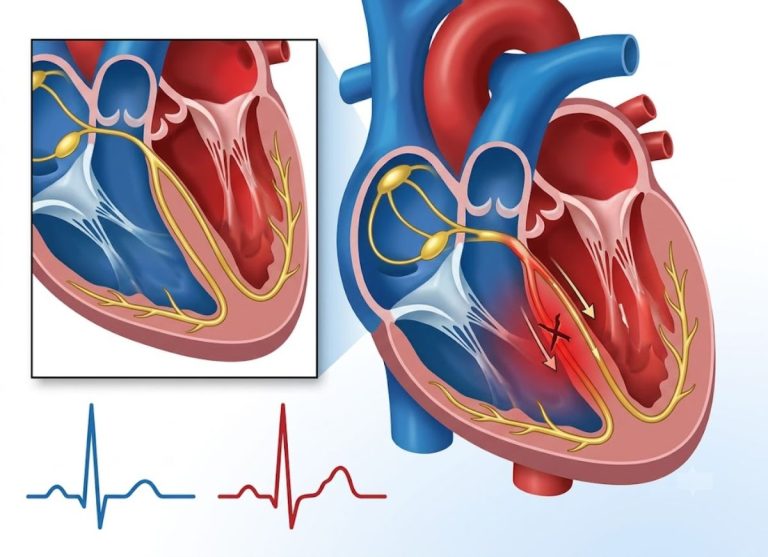
Normally, the heart’s natural pacemaker, called the SA node, controls the heartbeat. During atrial flutter, a circular electrical signal develops in the atrial tissue and repeatedly stimulates the upper chambers. The atrial rate can reach around 250 to 350 beats per minute. The AV node blocks some of these signals before they reach the ventricles, but the resulting ventricular heart rate may still be quite fast.
Medical Definition of Atrial Flutter
Medically, atrial flutter is classified as a type of macro-reentrant atrial tachycardia. It is a form of supraventricular tachycardia, meaning the abnormal rhythm begins above the ventricles.
The term “macro-reentrant” refers to a large electrical circuit that continuously travels through the atrial tissue. This repeated electrical loop causes the atria to contract at a very rapid rate, commonly between 250 and 350 beats per minute.
This pattern differs from atrial fibrillation, in which electrical activity is much more chaotic and irregular. Typical atrial flutter often involves an electrical circuit around the tricuspid valve in the right atrium. Because of this organized pattern, an atrial flutter ECG can show a characteristic “sawtooth” appearance.
The Heart During an Atrial Flutter Episode
During an atrial flutter episode, an abnormal electrical signal continuously travels through the atria instead of allowing the heart’s normal pacemaker to control the rhythm. The upper chambers therefore beat extremely quickly and may not contract normally.
This rapid electrical activity can have two important effects:
- The Gatekeeper Effect: The AV node acts as a filter and prevents every atrial impulse from reaching the ventricles. For example, a 2:1 conduction pattern can result in a ventricular rate around 150 beats per minute.
- Hemodynamic Compromise: When the ventricles beat too quickly, they may not have enough time to fill completely between contractions. This can reduce the amount of blood pumped to the body’s organs and contribute to symptoms such as dizziness, weakness, fatigue, or shortness of breath.
Risk Statistics and Demographics
Atrial flutter can occur in people of different ages and backgrounds, although certain groups have a higher risk.
- Prevalence: Atrial flutter is less common than some other arrhythmias but becomes more frequent with increasing age.
- Gender: Men are diagnosed with atrial flutter more often than women.
- Age: The likelihood of developing atrial flutter increases as people get older, particularly in those with other cardiovascular conditions.
- Race: Research has identified differences in the reported occurrence of atrial arrhythmias among racial and ethnic groups. However, the potential complications of atrial flutter can affect people from all backgrounds.
8 Key Warning Signs of Atrial Flutter
The eight key warning signs of atrial flutter include heart palpitations, shortness of breath, dizziness, fatigue, chest discomfort, anxiety, fainting (syncope), and reduced exercise tolerance. These symptoms can occur because the abnormal rhythm affects the heart’s ability to pump blood efficiently.
The meaning of atrial flutter becomes easier to understand when you consider how quickly the atria can beat during an episode. Although the AV node blocks many of the abnormal signals, the ventricles can still be driven at a rapid rate. This may reduce the amount of blood pumped with each heartbeat and contribute to a variety of symptoms.
What does a racing or fluttering heartbeat feel like?
A racing or fluttering heartbeat is commonly called a palpitation. It may feel like the heart is beating unusually fast, forcefully, or repeatedly in the chest, throat, or neck.
People experiencing atrial flutter may describe the sensation as rapid and steady pounding or as though the heart is beating unusually hard. The rhythm can feel different from the irregular sensation commonly associated with atrial fibrillation.
For example, someone at rest may suddenly notice their heart rate increasing well above its usual range. The sensation can sometimes be felt by placing a hand over the chest or checking the pulse at the wrist or neck. Some people also notice a distinct throat flutter or pounding sensation.
Episodes may begin suddenly and can last for minutes, hours, or longer. The rhythm may return to normal on its own or require medical treatment. Because palpitations can have many causes, an atrial flutter ECG may be needed to determine whether atrial flutter is responsible.
Why does atrial flutter cause shortness of breath?
Atrial flutter can lead to shortness of breath because the rapid heart rhythm can reduce the heart’s pumping efficiency. When the ventricles beat too quickly, they may not have enough time to fill properly between contractions.
This can reduce cardiac output, meaning less oxygen-rich blood is delivered to the body’s tissues. As the body attempts to meet its oxygen needs, breathing may become faster or more difficult.
Breathlessness can become especially noticeable during physical activity because the muscles require additional oxygen. If the heart is already beating rapidly and inefficiently, it may have less ability to increase its output in response to exercise.
In more serious cases, particularly when the ventricular rate is very fast, heart function can become significantly impaired. Fluid may also build up in the lungs if heart failure develops, causing breathing difficulties even while resting.
Dizziness and Lightheadedness During Atrial Flutter Episodes
Atrial flutter can cause dizziness or lightheadedness when the rapid heart rate reduces effective blood flow to the brain. The ventricles may not have enough time to fill completely before contracting, which can reduce cardiac output.
If blood pressure drops during an episode, the brain may temporarily receive less blood flow. This can create feelings of dizziness, weakness, lightheadedness, or a sensation that you may faint.
The symptoms can range from mild unsteadiness to a strong feeling that the room is moving or that you are about to lose consciousness. They may become worse during physical activity or when changing position.
Because dizziness can increase the risk of falls, particularly in older adults, repeated episodes should be discussed with a healthcare professional.
Unusual Fatigue and Physical Weakness
Unusual fatigue can occur when the heart is working rapidly but not pumping blood as efficiently as it should. During an atrial flutter episode, the heart may use more energy while delivering less effective circulation to the body.
This can produce a feeling of weakness or exhaustion that does not improve easily with ordinary rest. Everyday activities such as climbing stairs, walking, shopping, or completing household tasks may suddenly feel much more difficult.
Reduced cardiac output can also mean that muscles and organs receive less oxygen and nutrients than they need during activity. As a result, a person may experience persistent tiredness and reduced stamina.
Although fatigue is common and can have many causes, unexplained or persistent fatigue accompanied by palpitations or other heart-related symptoms deserves medical evaluation.
Chest Pain and Pressure (Angina)
Atrial flutter may sometimes be associated with chest discomfort, pressure, tightness, or pain. This can happen because a very fast heart rate increases the heart muscle’s demand for oxygen.
At the same time, rapid and inefficient heartbeats can affect the amount of blood reaching the heart muscle. In people with underlying coronary artery disease, this imbalance may contribute to angina.
Chest pain should never automatically be attributed to atrial flutter. Because chest discomfort can also be a sign of a heart attack or another emergency, sudden, severe, or persistent chest pain requires immediate medical attention.
Anxiety and the Psychological Impact of Arrhythmia
Anxiety can occur during atrial flutter and may develop as a response to the sudden physical sensations caused by the arrhythmia. Feeling a rapidly beating heart, difficulty breathing, dizziness, or a noticeable throat flutter can understandably be frightening.
Stress and adrenaline can also affect heart rate and may contribute to the onset or worsening of some arrhythmias. This can create a cycle in which the physical symptoms cause anxiety, while increased stress makes the symptoms feel more intense.
For some people, an unexplained wave of nervousness or panic may occur at the beginning of an episode. However, anxiety alone does not establish that atrial flutter is present, so recurring symptoms should be medically evaluated.
Fainting and Hemodynamic Instability (Syncope)
Fainting, or syncope, can occur when an abnormal heart rhythm causes a significant temporary reduction in blood flow to the brain. With a very rapid ventricular response, the ventricles may not have enough time to fill properly, potentially causing cardiac output and blood pressure to fall.
A loss of consciousness is an important warning sign, particularly when it occurs together with palpitations, chest discomfort, or shortness of breath.
Anyone who faints unexpectedly, especially during an episode of rapid or abnormal heart rhythm, should receive prompt medical evaluation. Emergency care may be necessary depending on the circumstances and accompanying symptoms.
Reduced Exercise Tolerance and Physical Decline
A sudden decrease in exercise tolerance can be another sign of atrial flutter. Because the heart may already be beating rapidly and inefficiently, it may struggle to increase its output enough to meet the body’s needs during physical activity.
Activities that were previously easy may begin to cause unusual breathlessness, weakness, or exhaustion. Someone may become winded after walking a short distance or climbing stairs that previously caused no difficulty.
A persistent and unexplained decline in exercise ability can indicate an underlying cardiovascular problem and should be discussed with a healthcare professional.
When Should You Seek Medical Attention for Atrial Flutter Symptoms?
The severity of the symptoms should guide how quickly you seek medical attention. Mild or intermittent symptoms such as occasional palpitations, unexplained fatigue, or brief lightheadedness should still be evaluated by a healthcare professional, particularly if they are new or recurring.
However, severe symptoms require urgent attention. Chest pain, significant difficulty breathing, fainting, or symptoms suggesting a stroke should be treated as medical emergencies.
Because atrial flutter can increase the risk of blood clots and stroke, sudden neurological symptoms such as facial drooping, arm weakness, confusion, or difficulty speaking require emergency medical care.
Some more urgent atrial flutter symptoms
Yes, some atrial flutter symptoms are more urgent than others. Severe symptoms may indicate that the abnormal rhythm is significantly affecting circulation or that another serious heart or neurological problem is occurring.
High-Urgency “Red Flags”:
Seek emergency medical attention for symptoms such as severe or persistent chest pain, fainting, severe shortness of breath, or sudden neurological changes.
A possible stroke can be remembered using the F.A.S.T. warning signs:
- Facial drooping
- Arm weakness
- Speech difficulty
- Time to call 911
Moderate-Urgency Symptoms:
Intermittent palpitations, a noticeable throat flutter, unexplained fatigue, or recurring lightheadedness may not always require emergency care, but they should not be ignored. These symptoms can indicate an underlying rhythm problem that needs medical assessment.
Information you should prepare for your doctor’s appointment
Preparing information before your appointment can help your healthcare provider understand your symptoms and determine what testing may be appropriate.
Maintaining a Symptom Diary
Keeping a symptom diary can be useful. Record each episode and include details such as:
- Date and Time: Write down when the flutter or rapid heartbeat begins and ends.
- Activity Level: Note whether you were resting, exercising, sleeping, or doing another activity.
- Sensation Detail: Describe whether the heartbeat felt fast, pounding, fluttering, regular, or irregular.
- Associated Symptoms: Record dizziness, chest discomfort, shortness of breath, weakness, or anxiety that occurred at the same time.
Medical History and Questions
Bring a current list of prescription medicines, over-the-counter medications, vitamins, and supplements. Also tell your doctor about relevant health conditions, previous heart problems, high blood pressure, thyroid problems, diabetes, or other medical concerns.
You may also want to ask questions such as:
- “What is my atrial flutter heart rate during an episode?”
- “Do I have a flutter with RVR (rapid ventricular response)?”
- “What is my risk of complications from atrial flutter or atrial fibrillation?”
- “Would medication or ablation be appropriate for my condition?”
Having this information ready can make it easier for your healthcare provider to evaluate your symptoms and plan appropriate care.
Self-Management and Monitoring
Daily Heart Rate Monitoring:
Monitoring your heart rate can help you recognize changes and provide useful information for your healthcare provider. You can check your pulse by placing two fingers on your wrist or neck and counting the beats for 30 seconds before multiplying the number by two.
A rapid heart rate, particularly when accompanied by dizziness, shortness of breath, chest discomfort, or fainting, should not be ignored. If you have already been diagnosed with atrial flutter, follow the monitoring and emergency instructions provided by your healthcare team.
Wearable devices and heart-rate monitors may also provide useful information. Some devices can detect unusually fast or irregular rhythms, although they cannot replace an ECG or professional medical diagnosis.
Stress Management:
Managing stress may be helpful as part of an overall heart-healthy routine. Stress can affect heart rate and may make symptoms feel more noticeable.
Several relaxation strategies can be incorporated into daily life:
- Deep Breathing Exercises: Slow, controlled breathing may help encourage relaxation and reduce physical tension.
- Mindfulness Meditation: Spending a few minutes focusing on the present moment may help reduce stress and anxiety.
- Progressive Muscle Relaxation (PMR): Alternately tightening and relaxing different muscle groups can help release physical tension.
- Yoga: Gentle yoga and stretching may support relaxation and general physical well-being when appropriate for your health condition.
These techniques can complement medical treatment, but they should not be used as a substitute for professional care when atrial flutter has been diagnosed or serious symptoms are present.
Conclusion
Atrial flutter is an abnormal heart rhythm that can produce symptoms ranging from noticeable palpitations and shortness of breath to dizziness, fatigue, chest discomfort, and reduced exercise tolerance. Some people may have few symptoms, which is why recognizing potential warning signs is important.
Although atrial flutter can sometimes occur without obvious symptoms, it can increase the risk of complications such as blood clots, stroke, and heart problems. Early evaluation can help identify the abnormal rhythm and determine whether medication, monitoring, cardioversion, ablation, or other treatment is appropriate.
If you experience severe chest pain, fainting, serious breathing difficulty, or signs of a stroke, seek emergency medical care immediately. For recurring or unexplained symptoms, arrange a medical evaluation so the underlying cause can be properly identified.
Frequently Asked Questions (FAQs)
Can atrial flutter go away on its own?
Atrial flutter can sometimes stop on its own, particularly when an episode is brief. However, the fact that an episode ends does not necessarily mean the condition has been resolved.
Atrial flutter can return and may increase the risk of complications, including blood clots and stroke. Depending on the person’s situation, treatment may involve medications, cardioversion, catheter ablation, or other approaches recommended by a healthcare professional.
What is the difference between atrial flutter and atrial fibrillation?
Both atrial flutter and atrial fibrillation are abnormal heart rhythms, but their electrical patterns are different.
Atrial flutter usually involves a rapid and organized electrical circuit in the atria, which can create a characteristic sawtooth pattern on an ECG. Atrial fibrillation involves more chaotic and disorganized electrical activity, producing an irregular heart rhythm.
Both conditions can increase the risk of blood clots and stroke, so medical evaluation and appropriate treatment are important.
How is atrial flutter diagnosed?
Atrial flutter is commonly diagnosed with an electrocardiogram (ECG or EKG), which records the heart’s electrical activity. The ECG may show the characteristic pattern associated with atrial flutter.
If episodes do not happen during a standard ECG, a Holter monitor, event monitor, or another form of longer-term heart monitoring may be recommended. Additional tests may also be used to evaluate heart structure and identify possible contributing conditions.
What triggers atrial flutter?
Atrial flutter can be associated with several factors and underlying conditions. These may include heart disease, high blood pressure, coronary artery disease, previous heart surgery, other arrhythmias, sleep problems, stress, and certain lifestyle factors.
Alcohol and excessive caffeine may affect heart rhythm in some people, although individual triggers can vary. Identifying personal triggers with the help of a healthcare professional can be useful.
Can atrial flutter cause a stroke?
Yes, atrial flutter can increase the risk of stroke. Rapid atrial activity can interfere with normal blood movement through the upper chambers, which may allow blood clots to form.
A clot can potentially travel through the bloodstream to the brain and cause a stroke. Depending on individual risk factors, doctors may recommend anticoagulant medication to lower this risk.
How is atrial flutter treated?
Treatment depends on the person’s symptoms, heart rate, overall health, and risk of complications. Options may include medications that control the heart rate or rhythm, as well as anticoagulants to reduce the risk of blood clots when appropriate.
Cardioversion may be used to restore a normal rhythm in certain situations. Catheter ablation is another treatment option that targets the abnormal electrical circuit responsible for atrial flutter. A healthcare professional can determine which approach is appropriate based on the individual’s circumstances.