
7 Warning Signs of Primary Aldosteronism You Shouldn’t Ignore
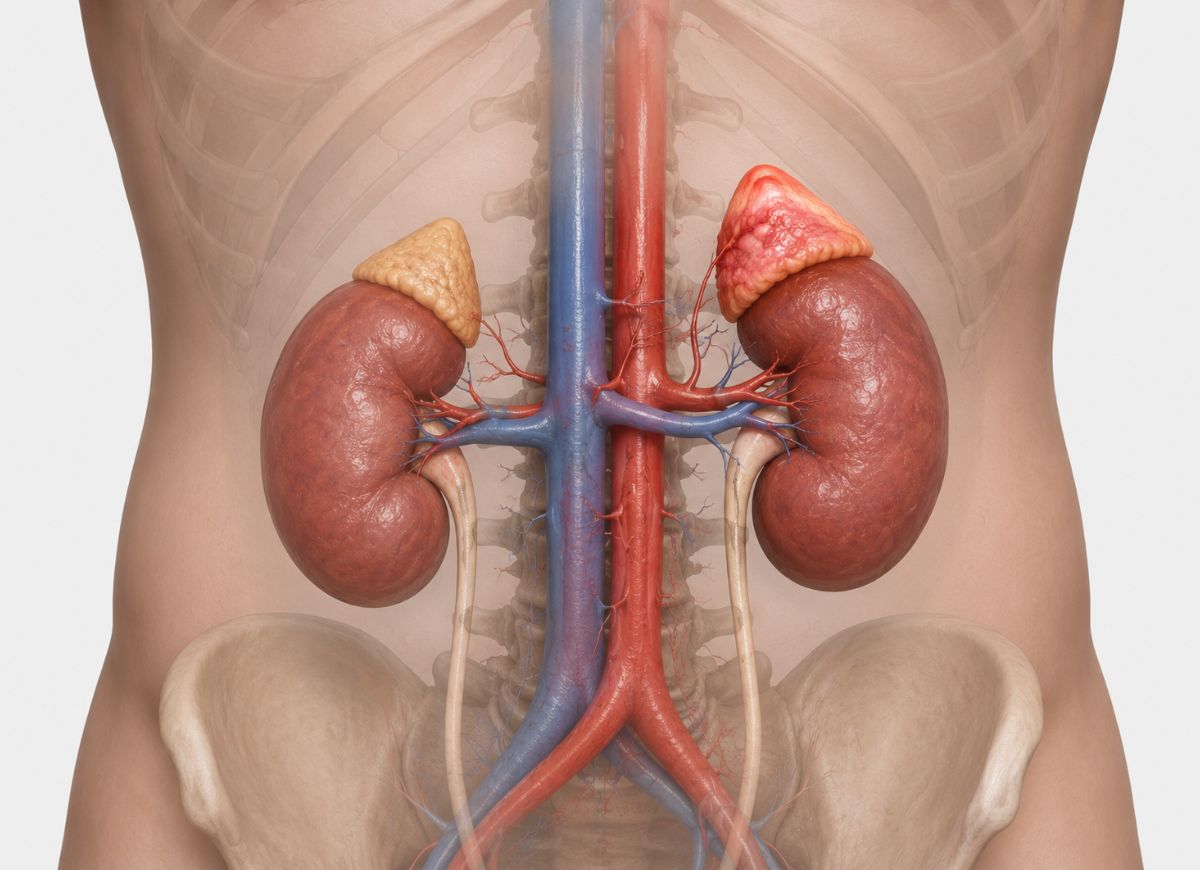
High blood pressure gets blamed on plenty of things stress, aging, extra weight, too much salt, or genetics. But there’s a hormonal cause that rarely makes the list, even though it may be hiding behind millions of hard-to-control cases: primary aldosteronism. This happens when the adrenal glands pump out too much aldosterone, a hormone that governs sodium, potassium, fluid levels, and blood pressure. Once aldosterone climbs too high, the body starts hoarding salt and water while flushing out potassium a combination that drives blood pressure up and can trigger symptoms that are easy to write off as something else.
This condition isn’t as rare as people assume. According to the Endocrine Society’s 2025 findings, somewhere between 5% and 14% of primary-care patients with hypertension and as many as 30% of those referred to specialty clinics may actually have primary aldosteronism. It’s frequently cited as the leading hormonal driver of secondary hypertension, with some reviews putting its prevalence at 14% among people newly diagnosed with high blood pressure.
What makes it tricky is that it doesn’t always announce itself. Some people just have blood pressure that won’t respond to treatment. Others deal with muscle weakness, headaches, exhaustion, needing to pee constantly, unusual thirst, tingling, or a racing heart especially once potassium drops. Naturally, all of that can look like dehydration, bad sleep, stress, or a medication side effect.
Below is a rundown of the seven symptoms tied to this condition, including some of the quieter clues that show up before an actual diagnosis is made.
What is Primary Aldosteronism?
Primary aldosteronism is a hormonal disorder in which the adrenal glands churn out too much aldosterone on their own, without the body asking for it and that excess directly causes high blood pressure along with low blood potassium (hypokalemia).
You may also see it called Conn’s syndrome, a name that stuck after a specific tumor type was linked to it. It’s one of the most common yet most overlooked causes of secondary hypertension, meaning the high blood pressure is really a symptom of a separate problem underneath. The adrenal glands, perched atop each kidney, produce a handful of essential hormones, and aldosterone’s job is keeping the body’s water and electrolytes in balance.
Normally, aldosterone release is closely managed by the renin-angiotensin-aldosterone system (RAAS), which reacts to shifts in blood pressure and sodium. In primary aldosteronism, that feedback loop breaks down completely, and the adrenal glands keep releasing aldosterone no matter what the body actually needs.
The fallout is that the kidneys are forced to hang onto sodium and dump potassium, which swells blood volume, pushes blood pressure up, and drains the body’s potassium reserves.
Why is Recognizing This Condition Important?
Catching primary aldosteronism matters because, unlike ordinary hypertension, it’s often treatable at the source and if it’s missed, it does considerably more damage to the heart, blood vessels, and kidneys than regular high blood pressure of the same severity.
Left unchecked, the constant flood of aldosterone harms the heart, arteries, and kidneys directly, separate from whatever it’s doing to blood pressure readings. That translates into a much steeper risk of stroke, heart attack, irregular heart rhythms like atrial fibrillation, and worsening kidney function.
Research consistently shows people with primary aldosteronism run into these complications far more often than people with typical hypertension even when their blood pressure numbers look identical. Finding it early and treating it properly can head off permanent organ damage and meaningfully improve someone’s long-term health.
A few points make the case for screening even clearer. Estimates now suggest primary aldosteronism could be present in 5–10% of everyone with hypertension, and in up to 20% of people whose blood pressure resists multiple medications.
That makes it a sizable public health issue tucked inside the much larger hypertension epidemic. Skipping the screening means a lot of patients end up on generic blood pressure treatments that never touch the actual hormonal cause.
When the culprit is a single adenoma a benign tumor on one adrenal gland removing that gland surgically can, for many patients, cure both the high blood pressure and the hormone imbalance outright. That’s a rare shot at eliminating hypertension without a lifetime of pills, and it’s an opportunity that’s lost entirely if the diagnosis never happens.
Whether treatment ends up being surgical or medical (using drugs like spironolactone or eplerenone that block aldosterone’s receptor), targeting the hormone directly does more than just lower blood pressure it also shields the heart from scarring, cuts the risk of arrhythmias, and protects kidney function in ways that standard blood pressure medications typically can’t match.
The Role of the Hormone Aldosterone
Aldosterone’s core job is regulating blood pressure and keeping sodium and potassium in balance. It’s a steroid hormone specifically a mineralocorticoid made in the zona glomerulosa, the outer layer of the adrenal cortex.
It does most of its work in the kidneys, acting on the distal tubules and collecting ducts. Its main task is holding onto sodium, which in turn controls blood volume and blood pressure. Whenever the body senses low blood pressure, low sodium, or high potassium, the RAAS system kicks in and tells the adrenal glands to release aldosterone.
That hormone then tells kidney cells to open more sodium channels, pulling sodium back out of the urine and into the bloodstream. Water tags along with the sodium, which increases the total fluid volume circulating through the body and that extra volume is what pushes blood pressure upward.
At the same time, aldosterone tells those same kidney cells to dump potassium into the urine for removal. This keeps potassium from building up to dangerous levels (hyperkalemia), which could otherwise throw off heart rhythm and nerve-muscle function. This trade-off sodium retention paired with potassium loss is essentially aldosterone’s signature move.
In primary aldosteronism, this whole system runs unchecked. The adrenal glands keep making aldosterone regardless of renin levels or blood pressure status, leading to nonstop, inappropriate sodium and water retention the direct source of the sustained hypertension seen in this condition.
Meanwhile, the ongoing potassium loss steadily depletes the body’s reserves, causing hypokalemia and the muscle weakness and heart palpitations that come with it.
6 Warning Signs and Symptoms of Primary Aldosteronism
Treatment-resistant High Blood Pressure
Blood pressure that refuses to respond to medication is the single most telling sign of primary aldosteronism, because the condition’s core mechanism nonstop sodium and water retention actively works against most standard blood pressure drugs.
Doctors label hypertension “resistant” when it stays above target (say, 130/80 mmHg) despite three or more blood pressure medications from different drug classes, ideally including a diuretic or when four or more drugs are needed just to keep it controlled. That scenario should prompt a doctor to consider a secondary cause, and primary aldosteronism tops that list.
The reason this resistance happens is simple: the problem is hormonal, not something rooted in blood vessel tone or lifestyle habits. Excess aldosterone keeps expanding fluid volume continuously. Diuretics try to push fluid out, but aldosterone’s pull toward sodium retention is often strong enough to override them. Drugs that widen blood vessels or slow the heart rate don’t touch the actual volume problem, so they tend to underperform here too.
The high blood pressure is mainly a volume issue more blood circulating through the system. Aldosterone keeps telling the kidneys to “hold the salt and water,” so plasma volume stays chronically elevated. That’s different from typical essential hypertension, which often has more to do with blood vessels tightening up.
People with primary aldosteronism also tend to develop hypertension earlier often in their 30s or 40s than is typical, and the numbers themselves tend to run higher and be harder to manage.
One telltale lab pattern shows up alongside the high aldosterone: renin, the enzyme that normally kicks off aldosterone production, is suppressed to very low levels. In a healthy person, high blood pressure alone would suppress renin somewhat. Here, aldosterone is being made independently of any normal trigger, and the resulting high blood pressure suppresses renin even further producing the classic high-aldosterone, low-renin combination that doctors look for.
Low Potassium Levels (Hypokalemia)
Low potassium brings on a specific set of nerve, muscle, and heart-related symptoms noticeable muscle weakness or cramping, deep fatigue, and palpitations or an irregular heartbeat. These all stem from potassium’s essential role in how nerve and muscle cells generate electrical signals.
Since aldosterone’s job includes pushing the kidneys to excrete potassium, the constant excess of the hormone in primary aldosteronism means potassium keeps getting flushed out through urine, gradually draining the body’s stores and lowering blood levels.
Not everyone with primary aldosteronism has overtly low potassium some sit in the low-normal range but when these symptoms do show up alongside hypertension, they’re a strong clue pointing toward the condition. Generally, the worse the potassium depletion, the more pronounced the symptoms.
Potassium sets up the electrical charge muscle cells need to contract and relax properly. When levels drop, that electrical signaling gets disrupted, making it harder for muscles to fire and reset. The result ranges from general weakness and heaviness in the limbs to painful cramps, spasms, or, in extreme cases, temporary paralysis.
The exhaustion people feel isn’t just from weak muscles it’s also the body working overtime to function normally amid the electrolyte imbalance, leaving a kind of tiredness that rest doesn’t fix.
The heart is especially sensitive to potassium swings. Low levels destabilize the heart’s electrical activity, making abnormal rhythms more likely. That can feel like fluttering, racing, or pounding in the chest, skipped beats, or in more serious cases, arrhythmias like atrial fibrillation one of the more dangerous outcomes of untreated hypokalemia.
Frequent Urination and Increased Thirst
Needing to pee constantly (polyuria) and feeling unusually thirsty (polydipsia) trace back to kidney damage caused by ongoing low potassium a specific issue called hypokalemic nephropathy. Chronic hypokalemia interferes with how well the kidney tubules respond to antidiuretic hormone (ADH).
ADH normally instructs the kidneys to hold onto water and produce concentrated urine. When potassium-related damage makes kidney cells less responsive to that signal, the kidneys lose their ability to concentrate urine and start releasing large amounts of diluted urine regardless of how hydrated the person actually is.
This unavoidable water loss leads to frequent urination, with larger total volumes and, often, more nighttime trips to the bathroom (nocturia).
That sets off a cycle that explains the accompanying thirst. Losing so much water through urine triggers the body’s dehydration alarms. The thirst center in the hypothalamus notices rising concentrations of solutes like sodium in the blood.
That triggers an intense urge to drink, pushing the person toward polydipsia the body’s attempt to make up for the fluid it’s losing through the kidneys and avoid serious dehydration.
The end result is a frustrating loop: drinking large amounts to satisfy an intense thirst, only for the kidneys to excrete it right back out as dilute urine because of the underlying ADH resistance. So when hypertension shows up alongside unexplained frequent urination and thirst, it’s worth treating as a red flag for primary aldosteronism it points straight to the kidney fallout from aldosterone-driven potassium loss.
Headaches and Blurred Vision
Ongoing headaches and blurry vision are common warning signs, though they’re not caused by high aldosterone directly they’re downstream effects of the severe, sustained high blood pressure the condition produces. Chronically elevated pressure puts enormous strain on the entire vascular system, and the delicate vessels in the brain and eyes are especially exposed to that stress.
When blood pressure stays dangerously high for long stretches, it can trigger a range of neurological and eye-related symptoms that signal organ damage is already underway. These symptoms usually mean the hypertension is poorly controlled and severe enough to need urgent evaluation of what’s causing it.
Since many people with hypertension have no symptoms at all, headaches or vision changes usually point to a more advanced stage of disease which fits the pattern often seen with primary aldosteronism.
The exact mechanism isn’t fully settled, but severe hypertension is believed to cause headaches by raising pressure inside the skull or altering blood vessels in the brain. These headaches tend to be pulsing, centered at the back of the head, and worse first thing in the morning, easing somewhat as the day goes on and blood pressure shifts naturally. New headaches like this in someone with stubborn high blood pressure are a meaningful clinical clue.
Extremely high blood pressure can also damage the tiny blood vessels feeding the retina the light-sensitive layer at the back of the eye. This is called hypertensive retinopathy, and it can cause fluid or blood to leak into retinal tissue, narrow the arteries, and swell the optic nerve (papilledema).
People may notice blurry vision, double vision, or, rarely, sudden vision loss. Finding hypertensive retinopathy during an eye exam is a clear sign of severe, body-wide vascular damage and a strong reason to investigate secondary causes like primary aldosteronism.
Main Causes of Primary Aldosteronism
The two leading causes of primary aldosteronism are an aldosterone-producing adenoma a benign tumor on a single adrenal gland and bilateral adrenal hyperplasia, where both adrenal glands become enlarged and overactive without any tumor. Together, these two account for more than 90% of all cases.
Either way, the outcome is the same: the adrenal glands make far too much aldosterone independently of the body’s normal renin-driven regulation. Still, telling these two apart matters enormously, because it completely changes the treatment plan.
A single adenoma is often curable with surgery, while hyperplasia in both glands is generally managed with medication for life. So part of diagnosing primary aldosteronism isn’t just confirming it exists it’s figuring out which of these two causes is behind it, usually through imaging and sometimes a procedure called adrenal vein sampling. Rarer causes include an inherited condition called familial hyperaldosteronism and, very occasionally, a cancerous adrenal tumor.
Aldosterone-Producing Adenoma (Conn’s Syndrome)
An aldosterone-producing adenoma is a small, benign tumor that forms in the outer layer of one adrenal gland and independently churns out excess aldosterone. It’s historically known as Conn’s syndrome, named for Dr. Jerome Conn, who first identified the condition back in 1955.
These tumors are “functional,” meaning they actively make hormones and they do so autonomously, ignoring the body’s usual feedback controls like the renin-angiotensin system.
The tumor keeps releasing high levels of aldosterone, producing the classic pattern of sodium retention, potassium loss, suppressed renin, and severe hypertension. These adenomas are usually small often under 2 centimeters and are behind roughly 30–40% of all primary aldosteronism cases.
By definition, an adenoma only affects one adrenal gland. That’s the key detail for treatment, since the other gland stays healthy, with its own aldosterone output suppressed by the tumor’s excess.
Because the source is confined to one removable tumor, surgical removal of that gland (adrenalectomy) is the definitive fix. For many patients especially younger ones this surgery can fully correct the hormone imbalance and resolve the hypertension, removing the need for blood pressure medication altogether.
Spotting the adenoma usually starts with a CT scan or MRI of the adrenal glands. But since harmless nodules are fairly common too, adrenal vein sampling (AVS) is often needed to confirm that the nodule seen on imaging is actually the source of the excess aldosterone before surgery is scheduled.
Bilateral Adrenal Hyperplasia
Bilateral adrenal hyperplasia (BAH) means both adrenal glands are enlarged and overactive, each contributing to excess aldosterone. Unlike an adenoma, which is one distinct tumor, hyperplasia is a broader dysfunction spread across the hormone-producing tissue of both glands.
Here, the cells of the zona glomerulosa multiply or grow larger, ramping up hormone output. The exact cause of the most common form idiopathic hyperplasia isn’t fully understood, but it’s the single most frequent cause of primary aldosteronism, making up about 60% of cases. Because both glands are involved, treatment looks very different than it does for an adenoma.
Since both glands are contributing to the problem, there’s no single spot to surgically remove. Taking out both adrenal glands would cause adrenal insufficiency, a serious condition that requires lifelong hormone replacement.
With surgery off the table, medication becomes the mainstay of treatment specifically mineralocorticoid receptor antagonists (MRAs), most commonly spironolactone or eplerenone. These drugs block aldosterone’s receptors in the kidneys and elsewhere, neutralizing the hormone’s harmful effects, normalizing potassium, controlling blood pressure, and protecting the heart and vessels.
This treatment is typically ongoing for life. The goal is managing the long-term effects of aldosterone excess, with regular checks on blood pressure, potassium, and kidney function to fine-tune dosing and watch for side effects.
Primary Aldosteronism Diagnosis
The aldosterone-renin ratio (ARR) is the standard screening test for primary aldosteronism and the first step in diagnosis. It’s a blood test that measures aldosterone (from the adrenal glands) and renin (from the kidneys) at the same time.
In a healthy person, these two hormones move together high renin drives up aldosterone, low renin means less aldosterone. The ARR test is designed to catch a breakdown in that relationship.
In primary aldosteronism, the adrenal glands make excess aldosterone regardless of what the body needs, and that excess suppresses renin production. So a positive ARR screen looks like high aldosterone paired with low renin, producing a notably elevated ratio.
Getting an accurate result requires some preparation, since several factors can skew the numbers.
Many blood pressure medications beta-blockers, ACE inhibitors, diuretics, among others can interfere with aldosterone and renin readings, causing false results. Doctors often ask patients to stop or switch certain medications for several weeks before testing.
Low potassium, itself a symptom of the condition, can artificially suppress aldosterone output, so correcting any potassium deficiency beforehand is important to avoid a falsely low reading.
Ideally, blood is drawn in the morning after the patient has been upright sitting, standing, or walking for at least two hours, which helps control for natural hormone fluctuations tied to time of day and posture.
The Difference Between Primary and Secondary Aldosteronism
Distinguishing primary from secondary aldosteronism is essential, since it determines where the aldosterone excess originates and that, in turn, shapes treatment. The core difference is where the problem starts: primary aldosteronism comes from an issue inside the adrenal glands themselves, driving autonomous hormone output.
Secondary aldosteronism, on the other hand, happens when the adrenal glands are working fine but are being over-stimulated by an outside factor usually the renin-angiotensin system. Both conditions involve high aldosterone, but renin levels are what separate them.
In primary aldosteronism, high aldosterone suppresses renin, so renin stays low. In secondary aldosteronism, the problem starts outside the adrenal glands, driving the entire RAAS system into overdrive so both renin and aldosterone run high.
Different Types of Primary Aldosteronism
While an adrenal adenoma or bilateral hyperplasia cause most cases, a handful of rarer subtypes add complexity to the picture.
Recognizing these variations matters for accurate diagnosis and tailored treatment, particularly when there’s a family history or an unusual presentation. These rarer forms include inherited conditions and, occasionally, malignant growths. One major genetic form is familial hyperaldosteronism (FH), which runs in families.
FH has several subtypes, including FH-I, also called glucocorticoid-remediable aldosteronism (GRA). In GRA, a genetic mutation puts aldosterone production under the control of ACTH, meaning it can actually be suppressed with steroid medications like dexamethasone. Other forms, like FH-II, involve adenomas or hyperplasia that run in families but don’t respond to glucocorticoid treatment.
Beyond inherited forms, malignant tumors represent another rare but serious subtype.
Aldosterone-producing carcinomas (APCs) are cancerous adrenal cortex tumors that independently secrete aldosterone. They make up less than 1% of primary aldosteronism cases but tend to be aggressive, often causing very high aldosterone, severe hypertension, and significant hypokalemia. Diagnosis is usually confirmed only after the tumor is surgically removed and examined.
Sometimes, hyperplasia affects just one adrenal gland instead of both a variant sometimes called primary adrenal hyperplasia which can behave like an adenoma and may respond to surgery.
In very rare instances, aldosterone-producing tumors can even develop outside the adrenal glands entirely, such as in the ovaries or kidneys, requiring more extensive imaging to track down the source.
After a Diagnosis
Once a positive ARR screen points toward primary aldosteronism, several more steps follow to confirm the diagnosis, pinpoint the exact cause, and map out the right treatment.
A positive screen alone isn’t enough it needs confirmation through one or more suppression tests designed to prove that aldosterone secretion truly isn’t responding to the body’s normal controls. Common options include the oral salt loading test, saline infusion test, or fludrocortisone suppression test.
These tests involve giving the patient a high salt load or a synthetic hormone. In a healthy person, this would shut down aldosterone production but in someone with primary aldosteronism, levels stay elevated regardless.
Once confirmed, the next step is figuring out whether the excess is coming from one adrenal gland or both, since that single distinction drives the entire treatment decision.
Doctors typically start with a high-resolution CT scan of the adrenal glands to look for a visible tumor or signs of enlargement. But a CT scan isn’t always definitive small adenomas can be missed, and harmless nodules are fairly common.
Adrenal vein sampling (AVS) is considered the gold standard for telling the two apart. It’s an invasive procedure where a catheter is guided into the veins draining each adrenal gland to measure aldosterone directly at the source, letting doctors compare output between the two sides.
The AVS results determine the path forward. If one gland is responsible (like with an adenoma), surgery to remove that gland is usually the preferred route and can often cure both the hypertension and hypokalemia. If both glands are involved, surgery isn’t an option, and the condition is instead managed long-term with medications like spironolactone or eplerenone that block aldosterone’s effects.
FAQs
1. Can high aldosterone cause weight gain?
High aldosterone can shift a person’s weight somewhat, mainly through fluid retention rather than actual fat gain. Since aldosterone tells the kidneys to hold onto sodium, water tends to follow it.
That can raise blood volume, push blood pressure up, and leave someone feeling puffy or bloated. The Endocrine Society notes that excess aldosterone leads to sodium retention, expanded fluid volume, high blood pressure, and, in more severe cases, low potassium.
2. How long can you live with hyperaldosteronism?
Many people live for years with hyperaldosteronism, particularly once it’s properly diagnosed and treated. The real concern isn’t the hormone level itself but the long-term toll it takes on the heart, blood vessels, kidneys, and brain.
Primary aldosteronism carries a higher risk of cardiovascular complications than ordinary hypertension, and it’s still frequently missed despite testing being available. With proper care medication or, in select cases, surgery many patients can lower those risks and get their blood pressure under better control.
3. What does high aldosterone feel like?
High aldosterone often doesn’t feel like anything obvious at first. Some people only find out through a routine blood pressure check. Others notice headaches, muscle weakness, fatigue, dizziness, thirst, frequent urination, numbness, cramps, or palpitations especially once potassium drops.
Johns Hopkins points out that excess aldosterone can cause high blood pressure and, for some people, low potassium. Since these symptoms can feel vague, blood testing is usually needed to confirm what’s going on.
4. How serious is high aldosterone?
High aldosterone can become serious if it’s never diagnosed or treated. Over time, it can lead to stubborn high blood pressure, low potassium, abnormal heart rhythms, kidney strain, heart disease, and a heightened stroke risk.
The Cleveland Clinic notes that untreated high blood pressure raises the risk of complications like heart attack and stroke, while low potassium can contribute to heart rhythm issues. Fortunately, treatment can make a real difference once the underlying cause is found.
5. What organs does aldosterone affect?
Aldosterone’s primary target is the kidneys, but its ripple effects extend across the whole cardiovascular system. The kidneys respond by holding onto sodium and releasing potassium, which raises fluid volume and blood pressure.
Since blood pressure affects circulation everywhere, high aldosterone can eventually put added strain on the heart, blood vessels, and brain. Research on aldosterone excess points to potential damage across the kidneys, cardiovascular system, and central nervous system.
6. Does drinking water lower aldosterone?
Drinking more water doesn’t fix high aldosterone on its own. Staying hydrated matters, but primary aldosteronism is a hormonal condition that usually needs medical evaluation and targeted treatment. Since excess aldosterone makes the kidneys hold onto salt and water, simply drinking more doesn’t correct the underlying hormone issue.
Healthdirect explains that excess aldosterone prompts the kidneys to retain salt, and that retained salt pulls water along with it, raising blood volume and blood pressure. Anyone with heart or kidney issues should check with a doctor before making major changes to fluid intake.
Conclusion
Aldosteronism is easy to overlook because it often just looks like ordinary high blood pressure. Some people show no clear symptoms at all. Others notice fatigue, headaches, muscle weakness, frequent urination, unusual thirst, numbness, cramps, or heart palpitations. These signs might seem minor on their own, but together they can point to a hormone imbalance affecting blood pressure, potassium, and fluid regulation.
The real risk is what happens if high aldosterone goes untreated it can gradually strain the heart, kidneys, blood vessels, and brain. That’s why persistent hypertension, low potassium, or blood pressure that just won’t budge shouldn’t be brushed off.
Testing can help separate this condition from more ordinary forms of high blood pressure. Once diagnosed, treatment might involve medication, lifestyle adjustments, or surgery if a single adrenal gland turns out to be the source. The right approach ultimately depends on the cause, how severe it is, and the person’s overall health.