
Diabetes and Alcohol: How to Protect Your Blood Sugar
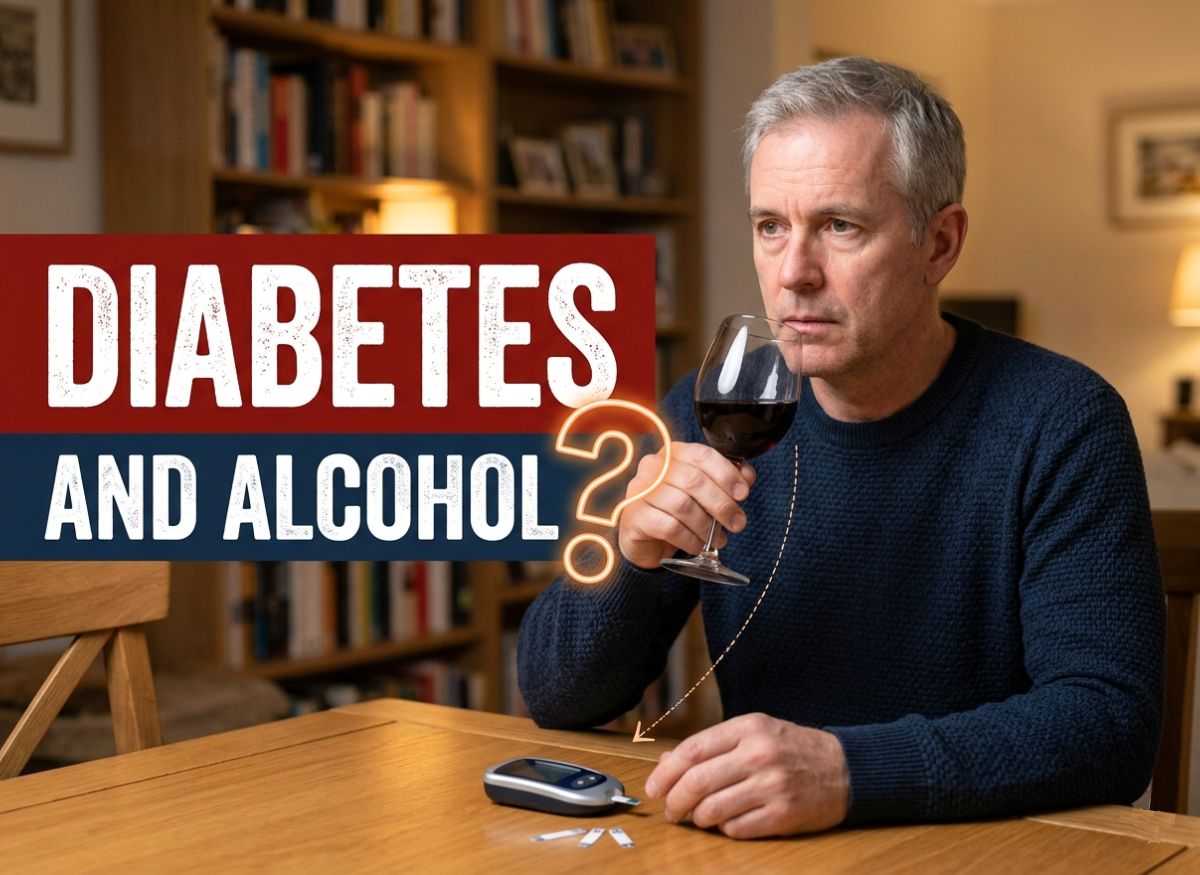
For many men, alcohol can be part of everyday life an after-work drink, a weekend gathering, or simply a way to relax at the end of the day. But after a diabetes diagnosis, those familiar habits can suddenly feel much more complicated. A question often comes up: can you still drink alcohol without putting your health at risk?
The issue is about more than simply changing a habit. It can involve social life, relaxation, personal identity, and the uncomfortable feeling that something familiar may need to be limited. Some men try to reduce their drinking but eventually return to old habits. This is not necessarily because they do not care about their health. Alcohol may have become connected with relaxing, socializing, or coping with stress.
Another complication is the way alcohol affects blood sugar. Its effects are not always straightforward. A drink may cause glucose to rise at first, while the alcohol itself can contribute to a blood sugar drop several hours later, including during sleep. This unpredictable pattern can create understandable concern.
The good news is that managing diabetes does not necessarily mean giving up everything you enjoy. It means understanding how alcohol affects your body and making more informed choices. In the sections below, you’ll learn about the risks of alcohol with diabetes, practical ways to protect your blood sugar, and important precautions to consider.
Effects of Alcohol With Diabetes on Blood Sugar?
Alcohol Causes Low Blood Sugar (Hypoglycemia)
Alcohol can cause low blood sugar, or hypoglycemia, in people with diabetes, making it one of the most important short-term risks to understand. The concern is not always an immediate drop. Alcohol can cause delayed hypoglycemia, which may happen several hours after drinking and can continue for many hours. This is especially important for people who use insulin or certain oral medications, such as sulfonylureas like glipizide or glyburide.
The main reason involves the liver. Normally, the liver releases glucose into the bloodstream between meals and during the night to help maintain stable blood sugar. When alcohol is being processed, however, the liver prioritizes breaking down alcohol and becomes less able to release glucose.
If someone is using insulin or a sulfonylurea, those medications may continue lowering blood sugar while the liver is not releasing enough glucose to compensate. As a result, glucose levels can fall significantly.
This is particularly concerning overnight because a person may be asleep and fail to recognize symptoms such as sweating, shakiness, or confusion. The risk can be greater when alcohol is consumed without food or after substantial physical activity, when the body’s available glucose stores may already be reduced.
Alcohol Causes High Blood Sugar (Hyperglycemia)
Alcohol can also contribute to high blood sugar, or hyperglycemia, particularly because many alcoholic drinks contain carbohydrates and added sugar. Although alcohol itself can interfere with the liver’s release of glucose, the carbohydrates in certain beverages can cause blood sugar to rise first. This can create a pattern in which glucose increases initially and then falls later.
- Sugary Mixers: Regular soda, fruit juice, tonic water, and sweetened syrups are common sources of extra sugar in alcoholic drinks. Cocktails made with these ingredients can contain a large amount of carbohydrates and may cause blood sugar to rise quickly.
- Carbohydrate-Rich Beverages: Some alcoholic drinks naturally contain more carbohydrates. Regular beer, for example, is made from grains and can provide a considerable amount of carbohydrates. Sweet wines, dessert wines, wine coolers, and hard ciders can also contain significant amounts of sugar.
- Overeating: Alcohol can affect judgment and may make it easier to overeat or choose high-carbohydrate snacks. These extra carbohydrates can further increase blood sugar and may need to be considered as part of an overall diabetes management plan.
Long-term Risks of Frequent Alcohol Use with Diabetes
Regular or excessive alcohol use can make diabetes more difficult to manage and may contribute to additional health problems. The long-term effects can go beyond the immediate risk of blood sugar becoming too high or too low.
- Worsening Neuropathy: Diabetes and heavy alcohol use can both contribute to peripheral neuropathy, which may cause numbness, tingling, or pain in the hands and feet. Having both risk factors may increase the severity of nerve problems. Alcohol can affect nerve cells directly, while unstable blood sugar can also contribute to nerve damage.
- Increased Triglycerides and Cardiovascular Risk: Alcohol can increase triglyceride levels because the liver processes alcohol in ways that can promote fat production. High triglycerides are associated with cardiovascular disease, which is already an important concern for people with diabetes. Excessive drinking may also contribute to high blood pressure.
- Liver Damage: The liver is responsible for processing alcohol, so frequent heavy drinking can place considerable stress on it. Over time, this may contribute to alcoholic fatty liver disease, alcoholic hepatitis, and cirrhosis. Because the liver also plays an important role in blood sugar regulation, liver damage can make glucose management more difficult.
- Difficulty with Weight Management: Alcohol can provide a significant number of calories without offering much nutritional value. Regularly consuming these calories may contribute to weight gain, including increased abdominal fat, which can worsen insulin resistance and make type 2 diabetes more difficult to manage.
Alcohol Interferes With Diabetes Medications
Alcohol can interact with diabetes medications and may increase the risk of unwanted effects, particularly when medications already lower blood sugar. In some situations, the combination can create serious health risks.
The exact interaction depends on the medication being used. Certain diabetes medicines are especially important to consider because they can increase the likelihood of hypoglycemia when combined with alcohol.
- Insulin and Sulfonylureas: Insulin and sulfonylureas lower blood glucose, while alcohol can reduce the liver’s ability to release glucose. Combining these effects may increase the risk of hypoglycemia. A low blood sugar episode can occur hours after drinking and may become severe if not recognized and treated.
- Metformin: Metformin generally does not cause low blood sugar by itself, but excessive alcohol consumption can increase the risk of a rare but serious complication called lactic acidosis. This involves a buildup of lactic acid in the blood. The risk is especially important during heavy or binge drinking.
- Other Oral Medications: Some other diabetes medicines, including meglitinides such as repaglinide, can also increase the risk of hypoglycemia when combined with alcohol. Anyone taking diabetes medication should discuss alcohol use and medication-specific risks with their healthcare provider.
Safe Drinking Guidelines for Managing Diabetes
Managing diabetes while drinking alcohol involves several important principles: moderation, preparation, blood sugar monitoring, and avoiding alcohol on an empty stomach. Taking precautions before, during, and after drinking can help reduce the risks of both high and low blood sugar.
Safe alcohol use is not only about which drink you choose. The way you drink matters too. Checking your glucose before drinking, planning to eat, pacing yourself, and choosing lower-sugar mixers can all be part of a safer approach. Monitoring should also continue afterward because alcohol’s effects on blood sugar can last for hours.
Most Important Rules Before Drinking
Preparing before you drink can provide an important safety buffer. A few simple precautions can help reduce the possibility of a dangerous blood sugar change.
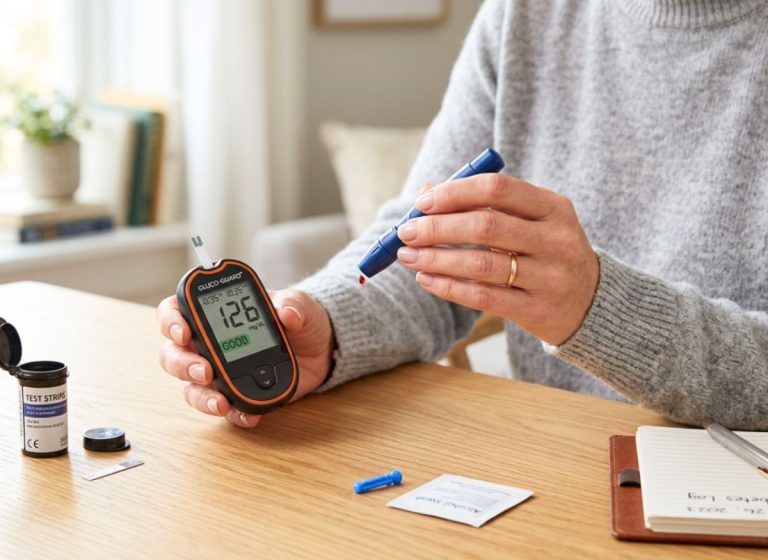
- Check Your Blood Sugar: Checking your glucose before drinking is an important first step. If your blood sugar is already low, alcohol may increase the risk of a further drop. If it is already high, sugary drinks may raise it even more. Knowing your glucose level before drinking gives you useful information for making a safer decision.
- Never Drink on an Empty Stomach: Eating before drinking is important. A meal containing carbohydrates, protein, and fat can slow alcohol absorption and provide a source of glucose while the liver processes alcohol. This can help reduce the risk of a rapid blood sugar decline.
- Wear Medical Identification and Inform Someone: Wearing a medical alert bracelet or necklace identifying you as having diabetes can be especially useful in an emergency. Symptoms of hypoglycemia, such as confusion, dizziness, or slurred speech, may be mistaken for intoxication. Letting someone you trust know that you have diabetes and what to do in an emergency can provide additional protection.
Steps While Drinking
While drinking, focus on pacing yourself, staying hydrated, choosing lower-sugar options, and keeping track of your blood sugar. These habits can help you stay more aware of both your alcohol intake and glucose levels.
- Pace Yourself and Stay Hydrated: Drinking slowly gives your body more time to process alcohol. Alternating alcoholic drinks with water, club soda, or another low-calorie beverage can help you drink less alcohol and reduce dehydration.
- Choose Your Drink and Mixers Wisely: Lower-carbohydrate choices may include light beer, dry wine, or distilled spirits with zero-calorie mixers. Choose diet soda instead of regular soda, club soda instead of sugary tonic, or water with fresh lemon or lime. Pre-made cocktail mixes are often high in sugar and carbohydrates.
- Continue to Monitor: Depending on how long you are drinking and your individual diabetes management plan, checking your blood sugar during the event may be useful. This is especially important if you notice symptoms that could be caused by either alcohol or hypoglycemia. A glucose check can help clarify what is happening.
Precautions After Drinking
Alcohol’s effects can continue long after the last drink. Because the liver may remain focused on metabolizing alcohol, its ability to release glucose can stay reduced. This can increase the risk of low blood sugar later, including during sleep.
- The Bedtime Blood Sugar Check: Check your blood sugar before going to bed after drinking. Knowing your glucose level can help you recognize whether you may be at increased risk of a nighttime low and whether you need to follow the plan recommended by your healthcare provider.
- Have a Prophylactic Snack: If your glucose is lower than expected or your healthcare provider has recommended a snack after drinking, a carbohydrate-containing snack with some protein may help provide a more sustained source of energy. Examples include whole-wheat toast with peanut butter, cereal with milk, or crackers with cheese.
- Set an Alarm: If you have consumed a significant amount of alcohol or have a history of nighttime hypoglycemia, your healthcare provider may recommend additional glucose checks during the night. In some situations, setting an alarm can provide an extra safety measure.
A Safe Amount of Alcohol
For adults who choose to drink, general moderation guidelines commonly describe up to one standard drink per day for women and up to two standard drinks per day for men. However, people with diabetes may have individual reasons to avoid alcohol or limit it further depending on their medications, glucose control, and overall health.
It is also important to understand what counts as one standard drink because serving sizes can vary considerably in bars and restaurants. In the United States, one standard drink is generally:
- Beer: 12 fluid ounces of regular beer at approximately 5% alcohol by volume (ABV). Strong craft beers and high-gravity beers may contain more alcohol and therefore represent a smaller serving by comparison.
- Wine: 5 fluid ounces of wine at approximately 12% ABV. Restaurant pours can sometimes be larger than this.
- Distilled Spirits (80-proof): 1.5 fluid ounces of spirits such as vodka, gin, rum, or whiskey.
These amounts are daily guidelines and should not be saved up and consumed all at once. Binge drinking can substantially increase the risk of hypoglycemia and other alcohol-related health problems.
Anyone with diabetes who drinks should discuss their individual situation with a healthcare provider, particularly if they use insulin or medications that can cause hypoglycemia.
Good and Bad Alcoholic Drinks For People with Diabetes
For people with diabetes who choose to drink, beverages with little or no added sugar may have a smaller immediate effect on blood glucose than sugary cocktails and sweet alcoholic drinks. Dry wines and distilled spirits with sugar-free mixers are examples of lower-carbohydrate choices, while sugary cocktails, sweet wines, and many regular beers contain more carbohydrates.
The carbohydrate content of a drink is only part of the picture, however. Alcohol itself can affect the liver’s ability to release glucose, meaning even low-carbohydrate drinks can contribute to delayed hypoglycemia.
The Best Low-Carb Alcohol Choices
Lower-carbohydrate options include distilled spirits with zero-calorie mixers, dry wines, and some light beers. These choices generally contain less sugar or carbohydrate than sweet cocktails and other sugary drinks.
- Distilled Spirits: Vodka, gin, rum, tequila, and whiskey contain little or no carbohydrate when consumed on their own. The mixer makes a major difference. Club soda, diet soda, diet tonic water, or plain water with lemon or lime can keep added carbohydrates low.
- Dry Wines: Dry red and white wines generally contain less sugar than sweet wines. Examples include Cabernet Sauvignon, Merlot, Pinot Noir, Sauvignon Blanc, and Pinot Grigio. Dry sparkling wines such as Brut Champagne or Prosecco can also be relatively low in carbohydrates.
- Light and Low-Carb Beers: Light and low-carb beers generally contain fewer carbohydrates than regular beer. Their exact carbohydrate content varies by brand, so checking the product information can help with planning.
Types of Alcoholic Beverages to Avoid
Drinks that contain large amounts of sugar or carbohydrates can make blood sugar management more difficult. Sugary cocktails, sweet wines, liqueurs, and many regular beers are examples of beverages that may need to be limited or avoided.
- Sugary Cocktails: Margaritas, piña coladas, and daiquiris can contain significant amounts of sugar, particularly when prepared with commercial mixes, syrups, or sweet fruit juices. These ingredients can cause a substantial rise in blood glucose.
- Sweet Wines and Dessert Wines: Sweet wines such as Riesling and Moscato, along with dessert wines like Port, Sherry, and ice wine, contain more residual sugar than dry wines. This can make them a higher-carbohydrate choice.
- Liqueurs and Cordials: Liqueurs such as Baileys Irish Cream, Kahlúa, Grand Marnier, and Amaretto are sweetened spirits and can contain considerable amounts of sugar. Adding them to cocktails or coffee can significantly increase the carbohydrate content.
- Regular Beer and Sweet Ciders: Regular beer can provide a substantial amount of carbohydrates, while darker or heavier craft beers may contain even more. Hard ciders can also be relatively high in sugar depending on the product.
Beer, Wine, and Spirits’ Impact on Blood Sugar
Beer, wine, and spirits can affect blood sugar differently depending largely on their carbohydrate content. Pure spirits contain little or no carbohydrate, dry wine generally contains a small amount, and regular beer often contains more. However, all alcoholic drinks can contribute to delayed hypoglycemia because of alcohol’s effects on the liver.
- Spirits (Vodka, Gin, Whiskey, Rum, Tequila): Pure distilled spirits generally contain zero carbohydrates. Their effect on blood sugar depends heavily on what is added to them. Using club soda or another zero-calorie mixer avoids adding significant carbohydrates, although the alcohol itself can still contribute to a later drop in blood sugar.
- Wine: Dry wine generally contains relatively few carbohydrates, while sweeter wines contain more sugar. A standard serving of dry wine may contain only a few grams of carbohydrates, whereas sweet and dessert wines can contain considerably more.
- Beer: Regular beer usually contains more carbohydrates than dry wine or pure spirits. Light beers tend to contain fewer carbohydrates, while some craft beers may contain substantially more. Checking the nutrition information for the specific beer can provide a more accurate estimate.
How to Find the Nutrition Information for Alcoholic Drinks
Nutrition information for alcoholic drinks can be found through online databases, manufacturer websites, and product-specific information. Because alcoholic beverages may not always display nutrition information in the same way as packaged foods, some research may be necessary.
- Use Online Databases and Calculators: Online nutrition databases and smartphone apps can provide information about the calories and carbohydrates in many alcoholic drinks. Resources such as CalorieKing, MyFitnessPal, and USDA FoodData Central can help you look up specific beverages or common cocktail ingredients.
- Check Brand Websites: Many alcohol manufacturers provide nutrition information on their websites, particularly for light beers, low-carb beverages, and newer products. Checking the brand’s website can sometimes provide more specific information about carbohydrates, calories, and alcohol content.
- Learn General Rules of Thumb: Knowing a few basic principles can make estimating easier. Pure distilled spirits generally contain no carbohydrates, dry wines tend to contain less sugar than sweet wines, and light beers usually contain fewer carbohydrates than regular beer. Liqueurs, meanwhile, are commonly sweetened and therefore tend to contain more sugar.
Advanced Considerations For Diabetics Who Drink
More advanced considerations include understanding the differences between Type 1 and Type 2 diabetes, using technology such as Continuous Glucose Monitors, recognizing the relationship between alcohol and ketoacidosis, and choosing appealing non-alcoholic alternatives.
These issues go beyond simply counting carbohydrates. Alcohol can interact with insulin, medications, hydration, and overall metabolic health, so people with diabetes may need to take additional precautions.
Risks of Drinking Alcohol Between Type 1 vs. Type 2 Diabetes
Alcohol can increase the risk of hypoglycemia in both Type 1 and Type 2 diabetes, but the level of risk depends heavily on the person’s treatment plan. People with Type 1 diabetes rely on injected or pumped insulin, so the combination of active insulin and reduced glucose release from the liver can create a significant risk of low blood sugar.
For people with Type 2 diabetes, the risk varies according to their treatment. Someone managing diabetes through lifestyle changes or taking medications such as metformin may have a different risk profile from someone using insulin or sulfonylureas. Those medications can significantly increase the possibility of hypoglycemia when combined with alcohol.
Regardless of diabetes type, basic precautions remain important: eat while drinking, monitor glucose as appropriate, avoid excessive alcohol, and make sure someone nearby knows about your diabetes.
Continuous Glucose Monitor (CGM)
A Continuous Glucose Monitor (CGM) can provide useful information about blood sugar while drinking. Unlike a single fingerstick measurement, a CGM can show current glucose levels as well as the direction in which those levels are moving.
This can be particularly helpful because alcohol-related symptoms and hypoglycemia can sometimes feel similar. CGM readings and trend arrows can provide additional information about whether glucose is stable, rising, or falling.
Many CGMs also include alerts for high and low glucose levels. These alarms may provide an additional safety measure, especially overnight when delayed hypoglycemia can occur after drinking.
Some systems also allow glucose information to be shared with a trusted person through a smartphone. This can provide another layer of support if the person is unable to respond to an alert.
Drinking Alcohol to Increase the Risk of Diabetic Ketoacidosis (DKA)
Alcohol can contribute to circumstances that increase the risk of Diabetic Ketoacidosis (DKA), particularly when drinking is heavy or combined with dehydration, vomiting, illness, or missed insulin.
DKA is a serious condition involving insufficient insulin, high blood sugar, dehydration, and an accumulation of ketones. Heavy alcohol use can contribute to dehydration and vomiting and may also affect eating and insulin routines.
It is also important to distinguish DKA from Alcoholic Ketoacidosis (AKA). Alcoholic ketoacidosis can occur in people with heavy alcohol use who are malnourished or dehydrated and may involve normal or low blood sugar rather than the high glucose typically associated with DKA.
For someone with diabetes, heavy drinking, missed insulin, dehydration, and ketone production can occur together and create a dangerous situation. Symptoms such as nausea, vomiting, and abdominal pain can also resemble a severe hangover, potentially making DKA harder to recognize.
For this reason, heavy drinking is particularly concerning for people with diabetes, especially when it occurs alongside illness, dehydration, or missed insulin doses.
Some Good Non-Alcoholic Drink
People with diabetes can still enjoy social occasions without alcohol, and there are many non-alcoholic options to choose from. Sparkling water or club soda with fresh lemon or lime is a simple choice that contains no alcohol and can be served in a way that feels similar to a traditional mixed drink.
For additional flavor, a small amount of cranberry or pomegranate juice can be added, although the carbohydrates should be considered. Mocktails can also provide more variety. A virgin mojito made with fresh mint, lime, and a sugar-free sweetener or diet lemon-lime soda can be a refreshing option.
Another possibility is a non-alcoholic spritzer made with sparkling water, a sugar-free syrup, and fresh fruit as a garnish. There are also many commercially available non-alcoholic beers, wines, and spirits.
When choosing packaged non-alcoholic beverages, it is still important to check the nutrition information. Some products can contain more sugar or carbohydrates than expected. Choosing carefully can make social drinking occasions enjoyable without adding unnecessary alcohol-related blood sugar risks.
FAQs
1. Can you drink alcohol when you have diabetes?
Yes, some people with diabetes can drink alcohol, but it requires careful consideration. Alcohol can affect blood sugar unpredictably, including causing a delayed drop several hours after drinking. This happens partly because alcohol interferes with the liver’s ability to release glucose.
If you choose to drink, moderation, eating beforehand or while drinking, and appropriate blood sugar monitoring can help reduce potential risks. Your healthcare provider can also advise whether alcohol is appropriate for your individual diabetes treatment plan.
2. What alcohol can diabetics not drink?
People with diabetes may want to avoid alcoholic drinks that are especially high in sugar and carbohydrates. Examples include:
- Sweet cocktails such as margaritas and piña coladas
- Liqueurs and dessert wines
- Sugary mixers such as regular soda and fruit juice
Lower-carbohydrate choices such as dry wine or spirits with no-sugar mixers may have less impact on blood glucose, but alcohol can still cause delayed hypoglycemia.
3. Can quitting alcohol reverse diabetes?
Stopping alcohol does not automatically reverse diabetes, but reducing or eliminating alcohol can support better diabetes management. Alcohol can contribute calories, weight gain, and difficulty maintaining stable blood sugar.
For some people with type 2 diabetes, lifestyle changes that include reducing alcohol may contribute to significant improvement and, in some cases, remission when combined with other appropriate changes.
4. What three drinks should diabetics avoid?
Three categories of drinks that can make blood sugar management more difficult include:
- Sugary cocktails containing syrups and sweet mixers
- Alcohol mixed with regular soda
- Sweetened fruit-based alcoholic beverages
These drinks can contain substantial amounts of carbohydrates and may cause blood glucose to rise quickly.
5. Is whisky good for diabetics?
Whisky contains little or no carbohydrate on its own, so it does not typically raise blood sugar directly through carbohydrates. However, alcohol can still increase the risk of delayed hypoglycemia, particularly when consumed without food or alongside certain diabetes medications.
Whisky is not a health-promoting drink, but when someone with diabetes chooses to drink, consuming it carefully and without sugary mixers may result in less immediate carbohydrate exposure than a sweet cocktail.
Conclusion
Living with diabetes does not necessarily mean that every part of your lifestyle has to disappear, but it does require greater awareness when alcohol is involved. What once seemed simple can become more complicated because alcohol may cause blood sugar to rise initially and then fall later.
The goal is informed decision-making rather than guesswork. Understanding how alcohol interacts with your blood sugar, medications, food, and overall health allows you to make more thoughtful choices. Eating before or while drinking, choosing lower-sugar options, pacing yourself, and monitoring glucose can all help reduce potential risks.
Your body already works hard to maintain stable blood sugar. Supporting that process does not always mean completely changing your lifestyle. It means making adjustments that help you stay in control. With better knowledge and appropriate precautions, you can make more informed decisions about alcohol while protecting your blood sugar and long-term health.