
6 Consequences of Untreated Cellulitis and Why Timely Treatment Is Crucial

Cellulitis is a bacterial infection of the skin that can affect people of any age. It often causes redness, swelling, warmth, and pain in the affected area. Although it may initially look like a small skin problem, cellulitis can become serious when it is not treated promptly. The infection commonly develops when bacteria such as Streptococcus or Staphylococcus enter the body through a cut, scrape, wound, or insect bite.
Antibiotics are usually effective for treating cellulitis. However, when the infection is ignored or treatment is delayed, it can spread and cause serious, sometimes life-threatening complications. This is why getting medical care quickly is important for recovery and for reducing the risk of further health problems.
In this article, we will look at the six major consequences of untreated cellulitis and explain why early medical treatment is so important. Whether you currently have cellulitis or simply want to understand its risks, this guide explains why quick action can lead to better outcomes.
What is the Definition of Cellulitis and Why is Prompt Treatment Vital?
Cellulitis is more than a surface-level skin problem. It is a bacterial infection that affects the deeper layers of the skin and the soft tissues underneath. Unlike minor skin irritation, cellulitis can reach the dermis and subcutaneous tissues, causing considerable inflammation, swelling, and discomfort.
Because the infection affects deeper tissues, it can sometimes move beyond the body’s local defenses. Understanding what cellulitis is and why prompt care matters is important because the infection can spread into the lymphatic system or bloodstream and potentially cause serious complications.
Common Signs and Symptoms of Cellulitis
Cellulitis commonly appears as an area of inflamed skin that may become worse within a short period. Typical signs include strong redness, swelling, tenderness, and warmth. In the beginning, these symptoms may look similar to a rash or allergic reaction, but cellulitis has several features that can help distinguish it.
Expanding Redness: The infected skin often looks red, swollen, and irritated. The edges of a cellulitis rash are usually not sharply defined and may continue spreading over hours or days.
Localized Heat: The affected area often feels noticeably warmer than the surrounding skin. This increased warmth is a common sign of infection.
Cellulitis Pain: Pain and tenderness are also common. The discomfort can range from mild soreness to intense or throbbing pain, especially when the infection affects an arm, hand, or leg.
Skin Texture Changes: In more advanced cases, the skin can develop a dimpled or pitted appearance known as “peau d’orange.” Swelling and inflammation can create this effect. Small red spots called petechiae or fluid-filled blisters known as bullae may also appear.
Systemic symptoms are especially important when determining cellulitis when to worry. Fever, chills, weakness, or a general feeling of illness can indicate that the infection is no longer limited to one area. Nearby lymph nodes may also become swollen as the lymphatic system works to respond to the infection. These signs should be evaluated by a healthcare professional as soon as possible.
How Does Cellulitis Typically Develop?
Cellulitis usually begins when bacteria get through a break in the skin’s natural protective barrier. Even a very small opening can provide bacteria with a way into deeper tissues. Common bacteria responsible for cellulitis include Staphylococcus and Streptococcus pyogenes.
Common Portals of Entry
Cellulitis caused by bacterial infection can begin through obvious injuries, but bacteria can also enter through tiny breaks in the skin that may be difficult to notice.
Visible Trauma: Cuts, scrapes, puncture wounds, and surgical wounds can all provide an opening for bacteria.
Skin Conditions: Cracked skin caused by athlete’s foot, eczema, or psoriasis can make it easier for bacteria to enter.
Insect and Animal Bites: Bites can create punctures through which bacteria can reach the tissue beneath the skin.
Chronic Conditions: Cellulitis lower leg infections are more common in people with edema or lymphedema because trapped fluid can make the tissues more vulnerable to infection.
Risk Factors and Progression
After bacteria enter the skin, they can multiply and release substances that damage surrounding tissue. The body responds with inflammation and increased blood flow, which produces the familiar redness, warmth, and swelling.
Some people have a greater risk of developing acute cellulitis and serious complications. People with diabetes or peripheral vascular disease may have poor circulation, making it harder for the immune system to reach the infected area. People with weakened immune systems are also more vulnerable to serious infections. For these high-risk individuals, recognizing symptoms early and beginning appropriate cellulitis therapy quickly can help reduce the chance of severe complications.
The 6 Dire Consequences of Untreated Cellulitis
The six major consequences of untreated cellulitis are sepsis, necrotizing fasciitis, osteomyelitis, permanent lymphatic damage, abscess formation, and endocarditis. When cellulitis is not properly treated, bacteria can move beyond the original area and invade deeper tissues or enter the bloodstream.
This can turn what began as a manageable skin infection into a medical emergency. Recognizing cellulitis when to worry is important because prompt cellulitis therapy can help prevent the infection from progressing.
The Progression to Life-Threatening Sepsis
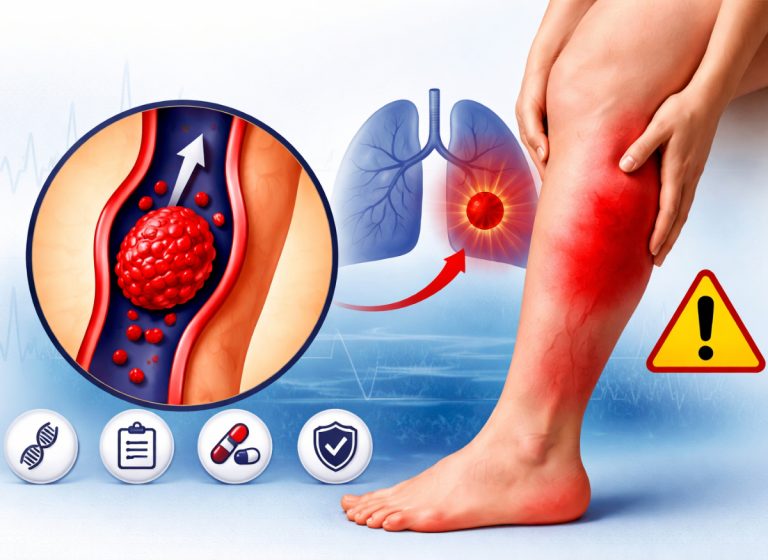
Untreated bacterial cellulitis can sometimes lead to sepsis when bacteria move from the infected tissue into the bloodstream. This can trigger a dangerous and uncontrolled response throughout the body. Sepsis is not simply the infection itself; it is the body’s extreme response to an infection.
This response can cause widespread inflammation, affect blood flow, and interfere with the normal function of vital organs. In severe cases, this may result in tissue damage, multiple organ failure, and death.
A cellulitis lower leg infection can progress to sepsis, particularly in older adults and people with conditions such as diabetes. Warning signs can include a very high or unusually low body temperature, rapid heart rate, confusion, or extreme tiredness. Sepsis is a medical emergency that requires immediate treatment and may require hospitalization or intensive care.
The Development of Necrotizing Fasciitis
In rare and extremely serious cases, acute cellulitis can progress into necrotizing fasciitis, sometimes called “flesh-eating disease.” While ordinary cellulitis affects the skin and nearby tissues, necrotizing fasciitis spreads much deeper and damages the fascia surrounding muscles and blood vessels.
Certain aggressive bacterial infections can produce toxins that interfere with blood flow and allow the infection to spread rapidly through the fascial tissues.
One important warning sign is cellulitis pain that is far more severe than the visible skin changes would suggest. Other symptoms can include rapidly appearing purple or black areas of skin and large, unpleasant-smelling blisters. Necrotizing fasciitis is a life-threatening surgical emergency and may require immediate removal of dead tissue.
Osteomyelitis: When the Infection Invades the Bone
When a cellulite infection develops close to a bone, bacteria can sometimes spread into the bone itself. This infection, called osteomyelitis, is a serious complication because bone infections can be difficult to treat.
Bone tissue does not have the same blood supply as many soft tissues, which can make it harder for the body’s immune system and medications to reach the infection effectively.
A wound that does not heal properly or deep bone pain that continues after the skin redness has improved can be a reason for concern. Treatment may require several weeks or months of antibiotics, and severe cases may require surgery to remove infected tissue. Early treatment can help prevent the infection from reaching the bone and causing lasting damage.
Permanent Damage to the Lymphatic System
Repeated cellulitis lower leg infections can damage the lymphatic system over time. Lymphatic vessels help remove excess fluid and waste from tissues. During a severe bacterial cellulitis infection, inflammation and edema can place significant stress on these vessels. Repeated infections may eventually cause scarring and damage to the lymph valves, contributing to lymphedema.
Lymphedema can cause long-lasting swelling that may not completely disappear. The buildup of protein-rich fluid can make the affected area more vulnerable to another cellulite infection. This creates a cycle in which repeated infections cause further lymphatic damage and make future infections more likely.
People with this condition may need careful skin care and long-term prevention strategies to reduce the risk of recurring cellulitis.
Abscess Formation and Localized Complications
Sometimes the immune system attempts to contain a cellulitis skin rash by surrounding the infection. This can lead to an abscess, which is a concentrated collection of pus beneath the skin. Unlike the widespread redness of cellulitis, an abscess is usually more localized and may feel like a painful lump.
An abscess can be difficult to treat with oral medication alone because the surrounding tissue can prevent medicine from reaching the center of the infection. A healthcare professional may need to perform an incision and drainage procedure to remove the infected material.
If an abscess is not treated, it can rupture or allow bacteria to spread into nearby tissues and potentially enter the bloodstream, resulting in a more serious bacterial infection.
Endocarditis: The Impact on Heart Health
One of the most serious possible complications occurs when bacteria from an infection such as arm cellulitis enter the bloodstream and travel to the heart. If the bacteria settle on the inner lining of the heart or its valves, they can cause a dangerous infection known as endocarditis.
Endocarditis can produce growths called vegetations, which consist of bacteria and cellular material. These growths can damage heart valves and interfere with normal heart function. In serious cases, heart failure may occur, or pieces of these growths can travel through the bloodstream and cause problems such as a stroke.
This is why acute cellulitis should not be treated as only a surface skin problem when symptoms are worsening or spreading.
Broader Aspects of Cellulitis Risk and Management
Understanding a cellulite infection involves more than looking at redness or swelling. It is also important to consider underlying risk factors, other skin conditions, and long-term prevention. Managing bacterial cellulitis properly includes recognizing people who are more vulnerable, distinguishing it from similar skin conditions, and taking steps to reduce future infections.
Who is at a higher risk for developing cellulitis complications?
Some people have a greater chance of developing cellulitis and experiencing serious complications. This is often related to health conditions that weaken the skin barrier or reduce the body’s ability to fight infection.
People with weakened immune systems may have more difficulty fighting bacteria such as Staphylococcus or Streptococcus. Diabetes can also increase the risk. High blood sugar can affect immune function, while diabetic neuropathy may reduce sensation in the feet and legs. As a result, small cuts or wounds may go unnoticed and develop into a larger cellulite infection.
Poor circulation, including circulation problems associated with peripheral artery disease, can also make it harder for oxygen and immune cells to reach infected tissues. Obesity may contribute as well, particularly when it is associated with cellulitis and edema. After a previous cellulitis lower leg infection, lymphatic drainage in the affected area may remain impaired, increasing the risk of future episodes.
Chronic Skin Conditions: Eczema and psoriasis can cause cracks in the skin, creating openings through which bacterial cellulitis can enter.
Lymphedema: Persistent swelling can weaken the skin and increase vulnerability to cellulitis.
Recent Surgery or Injury: Surgical cuts, puncture wounds, and other injuries can break the skin barrier and provide an entry point for a cellulite infection.
What is the difference between cellulitis and erysipelas?
Cellulitis and erysipelas are both bacterial skin infections that can cause redness, swelling, and warmth, but they generally affect different depths of tissue and may have different appearances. Erysipelas is more superficial and mainly affects the upper dermis and superficial lymphatic vessels.
Because it affects the upper layers of the skin, erysipelas usually produces a bright red lesion with clearly defined, raised edges. The border can be easy to distinguish from healthy skin, and the affected area may have a “peau d’orange” appearance. Streptococcus is the most common cause, and erysipelas can affect areas such as the face and upper legs.
In contrast, cellulitis affects deeper areas of the dermis and the subcutaneous fat. Because the inflammation is deeper, its borders are generally less distinct and gradually blend into the surrounding skin. Bacterial cellulitis can be caused by several types of bacteria, including Staphylococcus aureus and MRSA.
Both conditions require appropriate medical evaluation. Understanding differences in tissue depth, appearance, and possible causes can help healthcare professionals determine the right cellulitis therapy.
Depth of Infection: Erysipelas affects the upper dermis, while cellulitis involves deeper tissues and the subcutaneous fat.
Lesion Appearance: Erysipelas generally has sharply defined, raised borders, while cellulitis usually has less clearly defined edges.
Common Pathogens: Erysipelas is commonly linked to Streptococcus, while cellulitis may involve different bacteria, including Staphylococcus.
Prevention Ways
Preventing recurrent cellulitis requires consistent skin care and attention to health conditions that increase infection risk. Since a cellulite infection can weaken the skin’s defenses, protecting the skin barrier is an important part of prevention.
Daily washing with gentle, non-irritating products and regular use of moisturizers can help prevent dryness and cracks that allow bacteria to enter. For people experiencing cellulitis and edema, particularly in the legs, compression garments may help manage swelling when recommended by a healthcare professional.
Managing underlying medical conditions is also important. For people with diabetes, maintaining healthy blood sugar levels can support normal immune function. Checking the feet and legs regularly can help identify small cuts or injuries before they become infected. In some cases, a doctor may recommend preventive antibiotics for people who experience repeated infections.
Protect Your Skin: Use suitable footwear and protective clothing during activities such as gardening to reduce cuts and scrapes that can lead to bacterial cellulitis.
Manage Swelling: Elevating an affected limb, such as with calf cellulitis, can help reduce swelling and support fluid drainage.
Treat Fungal Infections Promptly: Athlete’s foot can cause cracks between the toes, so treating it early may help reduce opportunities for bacteria to enter the skin.
Are there long-term effects after recovering from severe cellulitis?
Recovering from acute cellulitis does not always mean that the skin and underlying tissues return completely to their previous condition. Severe infections can cause lasting changes, including damage to the lymphatic system. Inflammation may scar lymphatic vessels and contribute to chronic lymphedema. Ongoing cellulitis and edema can make another infection more likely.
Healed cellulitis may also leave changes in the skin’s color and texture. Post-inflammatory hyperpigmentation can result in brownish or purplish discoloration, while deeper tissues may develop scarring or thinning. Previous bacterial cellulitis can also weaken local defenses, making the affected area more vulnerable to another infection.
Chronic Pain and Discomfort: Damage caused by a deep bacterial cellulitis infection may leave some people with ongoing tenderness or changes in sensation in the hand or leg.
Impaired Skin Barrier: The skin may remain more fragile and less able to tolerate environmental stress after a serious infection.
Psychological Impact: Concerns about another cellulite infection can cause anxiety and stress, showing why long-term care should consider both physical and emotional needs.
Cellulitis and Its Impact on Lifestyle
Managing Work and Daily Activities
Cellulitis can interfere with everyday life, particularly when it affects the legs or feet. Pain, swelling, and reduced mobility can make ordinary activities difficult. Someone with cellulitis in the leg may struggle to walk, stand for long periods, or complete physically demanding work. A longer recovery can also result in missed work and difficulties with professional responsibilities.
Daily household activities, including shopping, cleaning, and childcare, can also become challenging. In some situations, rest may be necessary to support recovery and avoid activities that worsen symptoms. Severe infections may require hospitalization and intravenous antibiotics, which can further interrupt work and family routines.
Balancing recovery with everyday responsibilities can be difficult. Support from family members, coworkers, or healthcare providers may be helpful while the person focuses on treatment and recovery.
Mental and Emotional Health
Dealing with cellulitis can also affect emotional well-being, particularly when infections are severe or happen repeatedly. Worry about complications such as sepsis, mobility problems, or another infection may contribute to anxiety and stress.
Hospitalization and difficult treatments can sometimes leave patients feeling isolated, helpless, or frustrated. Long treatment periods and procedures such as surgical debridement may add to this emotional burden. Visible symptoms such as swelling, redness, or skin changes can also make some people feel embarrassed or self-conscious.
Long-term skin care, repeated medical visits, and lifestyle changes may become overwhelming. People living with chronic lymphedema or repeated treatments may benefit from emotional support alongside their physical care.
Professional support such as counseling or therapy can provide a place to discuss these feelings and learn coping strategies. Support groups for people dealing with chronic infections or similar conditions may also help individuals feel understood and less isolated.
Conclusion
Untreated cellulitis can be much more serious than it may initially appear. Possible complications include sepsis, deeper infections, permanent tissue damage, and other serious health problems. Getting treatment early can help stop the infection from spreading and reduce the chance of dangerous complications.
If you notice symptoms such as spreading redness, swelling, warmth, or pain, seek medical advice promptly. Early treatment can help control the infection and support recovery while reducing the risk of more serious problems.
FAQ
Can cellulitis affect the eyes or face?
Yes. Cellulitis can affect the face, including the area around the eyes. Facial or eye-area cellulitis requires urgent medical attention because it can develop into orbital cellulitis and potentially spread toward the brain. Prompt treatment is important to reduce the risk of complications.
How does cellulitis cause sepsis?
When cellulitis is not treated, bacteria can sometimes enter the bloodstream and trigger sepsis. Sepsis is a serious condition in which the body’s response to infection can cause widespread inflammation, organ damage, and potentially death. Early medical treatment can help reduce the risk of this progression.
Why are people with diabetes at higher risk for cellulitis complications?
People with diabetes may have poorer circulation and changes in immune function, which can make it harder for the body to fight bacterial infections. Reduced sensation caused by diabetic neuropathy can also make small wounds harder to notice. Early treatment and proper blood sugar management are important for reducing the risk of serious complications.
Can cellulitis be mistaken for other skin conditions?
Yes. Cellulitis can sometimes look similar to allergic reactions, insect bites, or other skin problems. Spreading redness, warmth, swelling, and pain are common signs. If the symptoms are getting worse quickly, medical evaluation is important.
What long-term effects can cellulitis leave behind?
Severe or repeated cellulitis can result in lasting skin changes, scarring, or lymphedema. Damage to the lymphatic system may cause chronic swelling and increase the risk of future infections. Regular skin care and monitoring can help manage these long-term effects.
How can cellulitis be prevented in people prone to recurrent infections?
People at higher risk can reduce their chances of recurrent cellulitis by maintaining good skin hygiene, managing conditions such as diabetes, protecting the skin from injuries, and controlling swelling when appropriate. In some high-risk cases, a healthcare professional may also recommend preventive antibiotics.