

10 Key Signs of Body Dysmorphic Disorder (BDD)
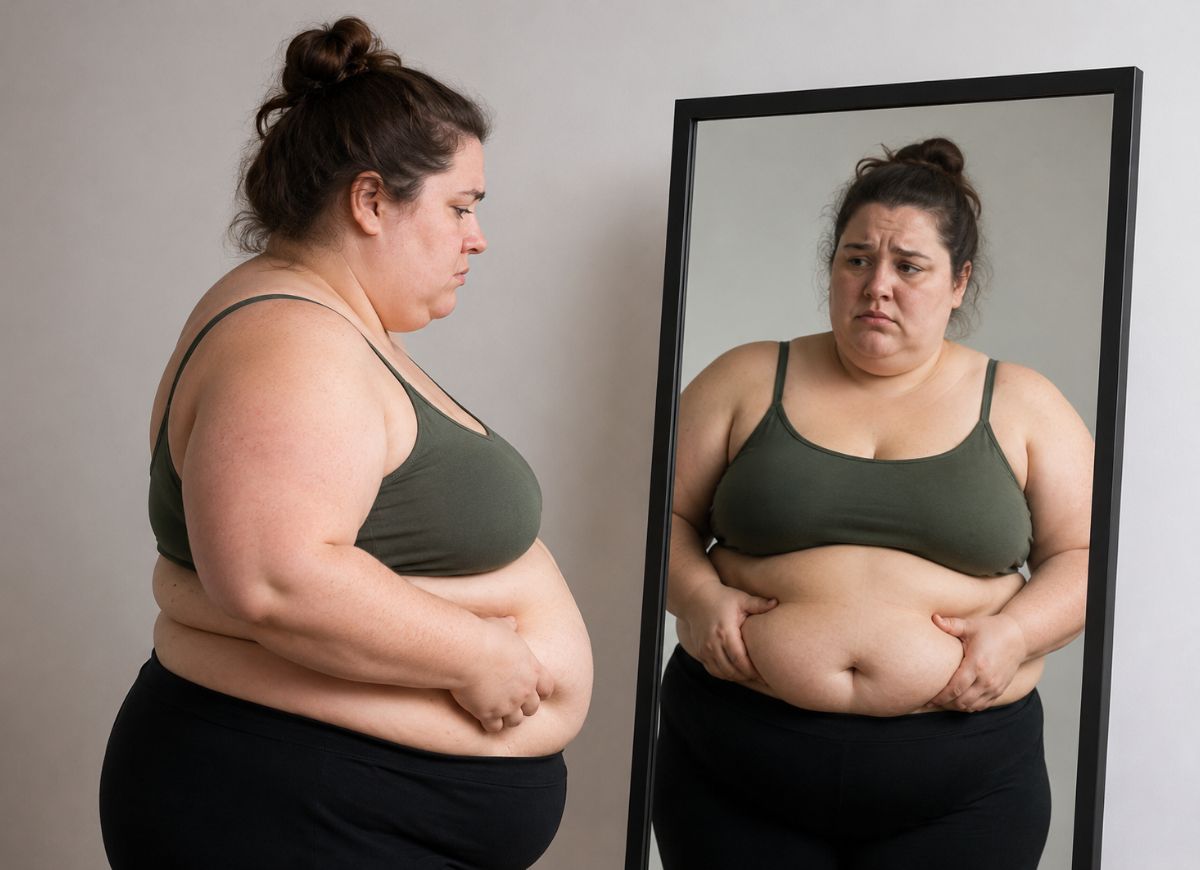
Has a teenager in your life ever fixated on a “flaw” that you can barely see or can’t see at all? Feeling a bit insecure is part of growing up, but for some young people, that self-consciousness tips into something far more consuming.
Body Dysmorphic Disorder (BDD) is a genuine mental health condition where a person becomes fixated on a perceived flaw in their looks a flaw that may be tiny or entirely invisible to everyone else. Despite how small the “defect” actually is, it can trigger crushing anxiety, shame, and emotional pain. People living with BDD often lose hours of their day to appearance-related worry: checking mirrors obsessively, sizing themselves up against others, or working hard to hide the feature they believe ruins their looks.
BDD isn’t rare. Estimates suggest it touches roughly 1.7% to 2.9% of people, putting it ahead of several better-known psychiatric conditions in terms of prevalence. It typically takes root during adolescence, with most cases emerging between ages 12 and 17. Because its symptoms can look like ordinary teenage self-doubt, though, BDD often goes unnoticed for years.
That’s exactly why spotting the warning signs matters so much for parents. If a teen suddenly pulls away from friends, becomes fixated on taking the “perfect” selfie, spends unusual amounts of time on grooming, or constantly needs to be told they look fine, it may point to something beyond ordinary self-esteem struggles. Left unaddressed, BDD can chip away at schoolwork, friendships, mental health, and overall quality of life and research links it to elevated rates of depression, anxiety, and suicidal thoughts.
The encouraging part is that catching it early and getting the right treatment can genuinely turn things around. This guide walks through 10 telltale signs of BDD, what they tend to look like day-to-day, and when it’s time to bring in professional support.
What is Body Dysmorphic Disorder (BDD)?
BDD sits within the obsessive-compulsive spectrum of mental health conditions. At its core is an overwhelming fixation on one or more appearance “flaws” that either can’t be seen by others at all, or are so minor they’d go unnoticed. Alongside this fixation come repetitive, ritual-like behaviors the person feels compelled to perform, and together these create real distress and interfere with everyday life.
What makes BDD so painful is the gap between perception and reality: the person genuinely experiences their “flaw” as grotesque or unbearable, even when there’s no evidence to back that up. This gap between what they see and what’s actually there is what separates BDD from ordinary appearance worries.
It’s worth stressing that BDD has nothing to do with vanity. It’s a legitimate and often agonizing psychiatric condition that can dominate someone’s choices, emotions, and day-to-day existence the preoccupations are unwanted, hard to shake, and can eat up hours at a time.
Is BDD Related to An Eating Disorder?
BDD and eating disorders can overlap and share some surface similarities both involve body dissatisfaction and compulsive rituals but they’re distinct diagnoses with different focal points.
BDD zeroes in on specific, localized “flaws” that can involve virtually any body part: skin (acne, scarring, wrinkles), hair (thinning, unwanted body hair), or facial features (the nose is the most common target, but eyes, teeth, and the chin come up too).
Eating disorders like anorexia and bulimia, on the other hand, revolve around body weight and shape, along with a fear of weight gain. Someone with an eating disorder might dislike their stomach or thighs, but that dissatisfaction is tied back to their overall weight. Someone with BDD might be at a completely healthy weight yet be utterly convinced their nose is crooked or their skin is disfigured.
The two conditions frequently co-occur many people who meet criteria for one also meet criteria for the other. Both involve ritual behaviors: eating disorders might involve calorie tracking, over-exercising, or purging, while BDD tends toward mirror-checking, skin-picking, or fishing for reassurance. Both can drive someone into social isolation. Treatment overlaps too (cognitive-behavioral therapy helps with both), but the specifics differ food and weight-focused exposure work for eating disorders versus mirror-checking and camouflage-focused exposure work for BDD.
Who is Most Affected by Body Dysmorphic Disorder?
BDD doesn’t discriminate by gender, age, or ethnicity, though it most often takes hold during early adolescence — a stretch of life defined by identity formation and social growth. Older assumptions painted it as mostly a women’s issue, but current evidence shows it affects men and women at roughly equal rates.
That said, what people obsess over often splits along gender lines. Men more frequently fixate on muscularity and build (a pattern known as muscle dysmorphia), hair thinning, and genital size. Women more often zero in on skin, stomach, weight, breasts, and legs.
Onset typically hits around age 12 or 13, though it can emerge at any life stage. Because it so often begins during these formative years, it can badly disrupt school performance, social development, and peer relationships effects that can follow someone well into adulthood.
Several risk factors make a person more vulnerable. Having a close biological relative with BDD or obsessive-compulsive disorder (OCD) points to a genetic component. Personality traits like perfectionism, neuroticism, and low self-esteem are strongly linked to the disorder as well. Difficult life experiences matter too people who were bullied, teased, neglected, or abused over their appearance during childhood face notably higher risk.
Constant exposure to media and cultural pressure around narrow, often unrealistic beauty ideals can further fuel BDD symptoms in people already prone to them. It’s this mix of genetics, psychology, and environment that shapes who ends up affected.
10 Key Signs of Body Dysmorphic Disorder
Preoccupation With Appearance
This is an intense, intrusive fixation on one or more “flaws” that others typically can’t even see. It’s not a passing thought or mild dissatisfaction it’s a relentless obsession that can occupy someone’s mind for hours on end, almost always framed in harsh, self-critical, shame-filled terms.
Someone with BDD might spend three to eight hours a day (sometimes more) thinking about their perceived defect. These thoughts arrive uninvited and are nearly impossible to shut off, making it hard to focus at school, work, or even in conversation. The “flaw” itself can be almost anything a nose they believe is misshapen, skin they see as covered in blemishes, an “asymmetrical” jaw, “thin” hair, or a barely visible scar they experience as a major disfigurement.
This goes well past ordinary worry. It becomes a conviction often held with total certainty despite pushback or reassurance from others that the flaw makes them ugly, deformed, or unlovable. Vivid mental images often accompany these thoughts, with the person replaying how “awful” they must look to everyone around them.
Because this internal experience is so powerful, it can dictate someone’s entire emotional state for the day, based purely on how they feel about their appearance in that moment. It creates a kind of chronic hyper-alertness about looks that makes it nearly impossible to think about anything else and it’s the underlying force driving every other symptom on this list, from compulsive checking to withdrawing from the world.
Compulsive and Repetitive Behaviors
These are ritual actions someone feels driven to perform because of their appearance-related obsessions attempts to examine, hide, or “fix” the perceived flaw. They’re not enjoyable; they’re a desperate bid to dial down anxiety and shame.
The relief is only ever temporary, though, and these rituals actually feed the obsessive cycle rather than breaking it, making the disorder worse over time. They also eat up enormous amounts of time and energy.
One common example is compulsive mirror-checking not a quick glance, but a drawn-out, ritualistic inspection from multiple angles and under different lighting. Some people go the opposite direction and avoid mirrors entirely, covering or removing them from their home.
Excessive grooming is another frequent pattern: endless hair-combing, repeated makeup application, or other lengthy rituals meant to perfect or hide the troubled area. Skin-picking is especially common and can be harmful attempts to smooth out minor imperfections that end up causing real scarring, which then becomes a fresh source of obsession.
Other compulsions include comparing themselves to other people, repeatedly asking for reassurance, changing clothes over and over, and spending hours researching cosmetic procedures online.
Social Avoidance
This is a pattern of pulling back from social life out of an intense fear of being judged or mocked for the perceived flaw. It stems from the belief that the “defect” is not only real but obvious, and that people will inevitably react to it with disgust.
It often starts small avoiding bright lighting, parties, dating, or public speaking. A person might refuse to be photographed or carefully manage the angle others see them from. As things progress, the avoidance can spread further, making it hard to go to work or school, run errands, or even leave the house. In severe cases, people with BDD can become housebound for months or years at a stretch.
This isn’t the same as general social anxiety it’s explicitly tied to appearance. Someone might turn down a promotion because it involves presenting to a room, cancel a date because their skin “looks bad” that day, or skip a family wedding convinced everyone will be staring at their nose. The underlying logic: if no one sees them, no one can judge them.
While this withdrawal offers a short-term sense of safety, the cost is steep. It breeds loneliness, isolation, and depression, blocks the formation of relationships, and strips away life experiences all while confirming the person’s belief that they’re fundamentally unacceptable, deepening the cycle further.
Camouflaging
This refers to the deliberate, often elaborate steps someone takes to hide or distract from their perceived flaw a direct response to shame and anxiety, and an attempt to keep others from noticing. The methods people use can be remarkably varied and creative, often demanding a lot of time, effort, and money.
Even though these strategies feel logical to the person doing them, they actually keep the disorder alive they prevent the person from ever discovering that their feared outcome (judgment, ridicule) probably wouldn’t happen anyway. Camouflaging keeps all the attention locked on the “flaw” and reinforces the idea that it must stay hidden.
Common tactics include heavy makeup to mask perceived skin issues sometimes applied in lengthy rituals the person feels they can’t leave home without. Clothing serves a similar purpose: baggy outfits to hide body shape, high collars to cover the neck, long sleeves even in hot weather. Hats, scarves, and sunglasses often get pressed into service too.
Beyond physical camouflage, people may adopt specific postures or habits someone worried about their profile might always angle to face people head-on, while someone self-conscious about their teeth might learn to talk and smile without showing them. These behaviors eventually feel automatic, but they demand constant mental effort, adding to the overall exhaustion of living with BDD.
Comparison Behavior
This is the compulsive habit of measuring one’s own looks especially the perceived flaw against everyone else’s. It’s not a casual, occasional glance; it’s frequent, automatic, and painful, and it serves to reinforce negative self-beliefs.
This comparing can happen anywhere on the bus, at the office, in a classroom, or scrolling through a phone. It’s usually laser-focused: someone fixated on their nose will scrutinize every nose they encounter; someone worried about their skin will scan everyone else’s complexion and always conclude their own falls short.
The comparisons are also heavily skewed. The person’s attention gravitates toward people who seem to have the “ideal” version of the feature they dislike in themselves, while everyone else gets ignored building an impossible standard they can never meet. Social media has made this dramatically worse, offering an endless supply of filtered, curated, digitally-altered images.
People with BDD may spend hours scrolling platforms like Instagram, constantly measuring their real appearance against these manufactured ones deepening dissatisfaction every time. Like the physical compulsions, this mental one offers no real relief; each comparison just confirms the belief “I’m flawed, and everyone else has it better,” trapping the person deeper in the obsession.
Reassurance Seeking
This compulsion involves repeatedly asking others to weigh in on the perceived flaw to try to ease anxiety questions like “Does my nose look huge?” or more subtle versions, like asking if they look okay before heading out the door.
The goal is to hear that the flaw isn’t noticeable, but any relief that comes from hearing this rarely lasts. That’s the frustrating paradox at the heart of this symptom: the person craves reassurance, yet their underlying belief is so entrenched that they can’t actually hold onto or trust the positive feedback.
A moment of calm after being reassured quickly gives way to doubt “they’re just being nice,” or “they didn’t really look.” That uncertainty rebuilds, and the urge to ask again returns. Over time this can strain relationships badly, as loved ones grow frustrated that no answer is ever enough, caught between wanting to help and knowing that reassuring or refusing to both seem to cause distress.
For the person with BDD, this isn’t fishing for compliments it’s a genuine, desperate attempt to check their perception against reality. But because that perception is so distorted, the alignment never actually happens, and the cycle just repeats.
Seeking Cosmetic Procedures
This is one of the more dangerous signs of BDD the belief that a surgical, dermatological, or dental fix can finally resolve the perceived flaw and end the distress. People with BDD are frequent seekers of cosmetic treatment, convinced that correcting this one thing will transform their whole life.
They may consult multiple surgeons or dermatologists, sometimes “shopping around” until someone agrees to perform the procedure. But these interventions almost never actually help BDD and can often make things worse. The real problem is one of distorted perception, not an objective physical flaw, so changing the body part doesn’t touch the underlying condition.
Outcomes tend to be poor. Most people with BDD who go through with cosmetic surgery see no real improvement in their symptoms, and many report feeling worse. After the procedure, attention often shifts to a new “flaw” in the results a slight asymmetry, a scar or the preoccupation migrates entirely to a different body part (a phenomenon sometimes called symptom shifting). Someone who has a rhinoplasty, for instance, might suddenly become fixated on their chin or skin instead.
This pattern illustrates that the specific body part was never really the issue it’s a symptom of something deeper. In rare, tragic cases, dissatisfaction with results has led to anger, lawsuits against surgeons, or even violence, which is exactly why responsible cosmetic practitioners are trained to screen for BDD and refer likely cases to mental health professionals rather than operating.
Significant Emotional Distress
Deep emotional pain is a defining feature of BDD, not a side effect. This isn’t ordinary low mood it’s a persistent state of turmoil that colors nearly everything in a person’s life.
Intense anxiety is common, especially in social settings where the person fears their “flaw” will be spotted and judged; this can escalate into full panic attacks. Shame and embarrassment run deep too, rooted in the belief that they’re deformed or ugly feelings that can spiral into worthlessness and self-loathing, making it hard to believe they deserve love or happiness.
Depression is extremely common alongside BDD, often growing out of the hopelessness and isolation the disorder creates. The nonstop mental battle, the rituals, and the withdrawal from life all drain a person’s energy over time, sometimes tipping into clinical depression.
Disgust both toward the perceived flaw and toward themselves overall is also frequently reported. All together, this creates an exhausting emotional burden, and the distress is severe enough that BDD carries alarmingly high rates of suicidal thinking and attempts higher than in the general population and higher than many other psychiatric conditions. This is a big part of why BDD needs to be taken seriously and addressed with real compassion and urgency.
Interference With Daily Functioning
For a BDD diagnosis, symptoms need to genuinely disrupt a person’s ability to function socially, academically, and professionally. These aren’t just internal struggles; they have real, tangible effects that can shrink a person’s world.
At school, a student might struggle to concentrate because their mind is consumed by appearance worries. They may skip class on “bad” days or drop out altogether because of social pressure. Time spent on mirror-checking or grooming rituals can also crowd out time for schoolwork.
At work, the anxiety of being seen by coworkers can make interviews and daily tasks unbearable, and people may turn down promotions that come with more visibility. In severe cases, someone may become unable to work at all, leading to financial strain and further eroding self-esteem.
Relationships take a hit too. Dating can feel impossible given fears around intimacy and rejection. Friendships wear thin as invitations get declined repeatedly. Families feel the strain of a loved one’s withdrawal, distress, and constant need for reassurance. Even simple errands grocery shopping, running to the store can start to feel like enormous obstacles.
This breakdown across every area of life shows how thoroughly BDD can dismantle someone’s world, leaving them isolated and unable to fully participate in it.
Lack of Insight
This describes how much a person recognizes that their beliefs about their looks are distorted rather than accurate. Insight exists on a spectrum. At one end, someone might have “good” or “fair” insight they know, on some level, that their concerns are overblown and that others don’t see them the way they see themselves.
Many people with BDD, though, have poor insight they’re largely convinced their perception is accurate, even if they can admit the reaction is a bit extreme. At the far end is absent insight, where the belief is essentially delusional: the person is completely certain their perceived flaw is real and severe, and no amount of evidence or argument can shift that.
This matters enormously for treatment. People with poor or absent insight are less likely to seek psychiatric help, because they don’t see their problem as psychological they see it as purely physical, fixable only through cosmetic means. They may become defensive or angry if BDD is even suggested, feeling as though their “real” problem is being dismissed. That makes it much harder for family to offer support, and for therapists to build trust.
A central goal of treatments like Cognitive-Behavioral Therapy (CBT) is gradually building insight helping the person question their beliefs, weigh the evidence, and start to see their experience through the lens of BDD rather than as objective fact.
What causes Body Dysmorphic Disorder?
There’s no single known cause of BDD researchers believe it emerges from a mix of biological, psychological, and environmental influences. Various risk factors create vulnerability, which certain life events or stressors can then trigger.
The interaction between someone’s genetics and brain chemistry, their personal experiences and personality, and the wider cultural environment all feed into the obsessive thinking, compulsive behavior, and distorted self-image that define BDD. Researchers continue exploring these pathways to build better, more targeted treatments.
Biological and Genetic Risk Factors
Genetics and brain biology appear to play a meaningful role in who develops BDD. The condition tends to run in families having a first-degree relative with BDD raises someone’s own risk.
There’s also a higher-than-average rate of Obsessive-Compulsive Disorder among relatives of people with BDD, reinforcing its place on the OCD spectrum. This family pattern hints at genetic vulnerability, though the specific genes involved haven’t been pinned down yet research is ongoing.
Brain science offers more clues. Imaging studies show structural and functional differences in the brains of people with BDD, particularly in regions tied to visual processing, emotional regulation, and habitual behavior. Some research suggests people with BDD may process facial and aesthetic details differently fixating on small details rather than perceiving the whole face or body.
Neurotransmitters matter too, particularly serotonin, which helps regulate mood, anxiety, and obsessive thinking. The fact that Selective Serotonin Reuptake Inhibitors (SSRIs) medications that target the serotonin system are effective for BDD lends weight to the idea that a neurochemical component is involved.
Environmental and Psychological Risk Factors
Life experiences and learned beliefs matter just as much as biology, often interacting with it. Difficult childhood experiences are among the most cited risk factors being teased, criticized, bullied, or abused over appearance significantly raises someone’s risk of developing BDD later on.
These experiences can lead a person to internalize the belief that their appearance is fundamentally flawed. Neglect or a lack of emotional validation in childhood can also plant the seeds of low self-esteem and insecurity that later show up as BDD.
Broader cultural forces play a role too. Media, advertising, and social media constantly promote narrow, often digitally-perfected beauty standards, and repeated exposure to these images fosters dissatisfaction and social comparison especially among adolescents still forming their sense of self.
On the personality side, perfectionism can push someone toward impossibly high standards for their looks and harsh self-criticism over minor “imperfections.” Neuroticism (a tendency toward anxiety and negative emotion), introversion, and heightened sensitivity to rejection are also linked to BDD.
Together, these environmental and psychological threads create the conditions for BDD to take hold, turning ordinary appearance concerns into something far more debilitating.
Treatment Options for Body Dysmorphic Disorder?
The most effective treatments for BDD combine specific psychotherapy especially Cognitive-Behavioral Therapy with medication, usually SSRIs. This combination is considered the gold standard and is backed by strong research evidence showing meaningful symptom reduction.
The aim isn’t to convince someone their perceived flaw doesn’t exist, but to help them change how they relate to their thoughts and reduce the compulsions keeping the disorder alive. Treatment plans are usually customized to the person’s symptoms and severity, and combining therapy with medication tends to produce the best results.
Effective Types of Psychotherapy
CBT tailored specifically for BDD, along with a key component called Exposure and Response Prevention (ERP), stands as the frontline psychological treatment because both directly target the distorted thoughts and compulsive behaviors driving the disorder.
Standard CBT helps someone identify, question, and reshape the irrational beliefs they hold about their looks. A therapist works alongside the client to weigh the evidence for and against beliefs like “everyone’s staring at my scar,” helping them spot cognitive distortions such as mind-reading or catastrophizing, and build more balanced ways of thinking. It also works to reduce how central appearance is to their overall sense of self-worth.
ERP takes this further by gradually and deliberately having the person face the situations that trigger their anxiety while resisting the urge to perform their usual rituals. Someone who camouflages skin concerns with heavy makeup, for example, might be guided to visit the grocery store for a few minutes wearing noticeably less. That’s the exposure. Resisting the urge to rush home and check the mirror is the response prevention.
Through repeated practice, the person discovers that their feared outcome being ridiculed, judged usually doesn’t happen, and their anxiety gradually eases without needing the ritual. This process, called habituation, breaks the link between obsession and compulsion and loosens BDD’s grip over time.
Medications to Treat BDD
SSRIs are the most well-researched and widely used medications for BDD. As a class of antidepressant, they work by boosting serotonin levels in the brain a neurotransmitter tied to mood, anxiety, and obsessive thought patterns.
Drugs like fluoxetine, sertraline, and escitalopram have shown in clinical trials that they can meaningfully ease BDD’s core symptoms reducing the intensity of obsessive thoughts, easing compulsions like mirror-checking and reassurance-seeking, and lifting some of the associated anxiety and depression.
For BDD, doses tend to run higher than for depression treatment, and it can take 10 to 12 weeks or longer to see real benefit. Staying consistent with medication and working closely with a prescriber is important for finding the right fit.
Side effects can happen but are usually manageable and tend to fade over time. Medication tends to work best paired with therapy like CBT plus ERP SSRIs can quiet the obsessive volume enough to make the hard work of exposure therapy more accessible.
The Differences Between Body Dysmorphic Disorder and Other Related Conditions
BDD and Normal Appearance Concerns
Most people feel dissatisfied with their looks sometimes, but BDD differs sharply in intensity, duration, and real-world impact. Ordinary appearance worries are mild and fleeting they don’t take over someone’s thoughts or actions.
Someone might feel self-conscious about a pimple before a big event but still show up and function fine. Someone with BDD might see that same pimple as a severe deformity, canceling plans, missing work, and spending hours trying to hide it. The difference comes down to the depth of preoccupation and how much it disrupts life.
BDD involves intrusive, hard-to-control thoughts that eat up at least an hour a day, often far more and this preoccupation brings real distress: heightened anxiety, shame, disgust, and depression well beyond what typical appearance worries produce.
Ordinary concerns pass and allow someone to refocus on other things. BDD preoccupations are persistent and consuming, making it nearly impossible to concentrate on work, school, or relationships for hours at a stretch. While the occasional bad-body-image day is universal, BDD can bring severe anxiety, social withdrawal, major depression, hopelessness, and even suicidal thoughts and it can push people to avoid social settings, drop out of school, lose jobs, or become housebound entirely.
BDD and Obsessive-Compulsive Disorder (OCD)
BDD and OCD are closely linked closely enough that BDD is officially classified under the Obsessive-Compulsive and Related Disorders category in the DSM-5. Both conditions share a core mechanism: obsessions (unwanted, intrusive, anxiety-provoking thoughts) paired with compulsions (repetitive behaviors performed to relieve that anxiety).
Someone with classic OCD might obsess over germs and compulsively wash their hands; someone with BDD obsesses over a perceived facial flaw and compulsively checks mirrors. The underlying loop anxious thought followed by ritual relief-seeking is essentially identical.
Where the two diverge is in what the obsessions are actually about. OCD obsessions can span all kinds of themes contamination, symmetry, fear of causing harm, unwanted thoughts. BDD obsessions are narrowly and specifically focused on perceived flaws in physical appearance.
What is Muscle Dysmorphia?
Muscle Dysmorphia is a specific form of BDD centered on the belief that one’s body isn’t muscular or lean enough. Sometimes informally called “bigorexia,” it mostly affects men, though women can experience it too. Unlike other BDD presentations that center on a specific “defect,” muscle dysmorphia is about a sense of inadequacy feeling too small or underdeveloped, no matter what’s objectively true.
People with this condition are often already quite muscular, but their distorted self-image keeps them from seeing that accurately. This drives compulsive behaviors aimed at building muscle and cutting body fat: excessive time in the gym (often at the expense of relationships, work, or family), extremely rigid high-protein diets, and constant physique-checking in mirrors.
One especially dangerous compulsion tied to muscle dysmorphia is misusing anabolic steroids or other performance-enhancing substances in pursuit of an idealized physique.
How do Professionals Use the DSM-5 to Diagnose BDD?
Clinicians rely on standardized DSM-5 criteria to diagnose BDD consistently and to separate it from other conditions and from ordinary appearance concerns.
Criterion A requires a preoccupation with one or more perceived flaws in appearance that are either invisible or barely noticeable to others capturing the core distorted self-perception at the heart of the disorder. Criterion B requires that the person perform repetitive behaviors (mirror-checking, excessive grooming, skin-picking, reassurance-seeking) or mental acts (comparing themselves to others) in response to these concerns the compulsions that define the disorder.
Criterion C requires that the preoccupation cause real, clinically significant distress or functional impairment socially, at work, or elsewhere. Criterion D rules out cases better explained by an eating disorder, particularly where the concern centers on weight or body fat.
FAQs
1. What age does BDD usually start?
BDD most commonly emerges during adolescence, with an average onset around age 16 to 17, though symptoms can start earlier. Because it tends to develop gradually, it can go unrecognized for years before diagnosis.
2. What does BDD fall under?
It’s classified as an obsessive-compulsive and related disorder in the DSM-5, sharing traits with OCD like intrusive thoughts and repetitive behaviors mirror-checking, reassurance-seeking, comparing, and excessive grooming among them.
3. Is BDD a serious mental illness?
Yes. It can significantly disrupt emotional well-being, daily functioning, relationships, and school or work life, and it’s linked to higher risk of self-harm and suicidal thoughts if left untreated.
4. Are people with BDD usually attractive?
BDD has no connection to actual attractiveness. It affects how someone perceives and interprets their looks, not how they objectively appear even conventionally attractive people can experience severe symptoms.
5. Is body dysmorphia a form of autism?
No, they’re separate conditions, though someone can have both. Autism involves communication, behavior, and social interaction differences, while BDD centers on appearance-related obsessions. A professional can help clarify what’s going on.
6. How do people with BDD see their face?
They tend to zero in intensely on specific features nose, skin, teeth, hair, symmetry that feel deeply flawed to them, even when others see nothing wrong. This can drive excessive mirror-checking, photo avoidance, or efforts to hide the disliked feature.
7. Who suffers most from body dysmorphia?
It can affect anyone, but symptoms most often begin in adolescence and young adulthood, a period shaped by social pressure, body image concerns, and heavy social media exposure.
8. Is dating someone with BDD hard?
BDD (not to be confused with Borderline Personality Disorder, or BPD) can add strain to relationships since appearance worries affect self-esteem and confidence. With understanding, communication, and treatment, though, many people with BDD build healthy, lasting relationships.
9. How to deal with a partner with body dysmorphia?
Patience and empathy go a long way. Listen without dismissing their feelings, but try to avoid constantly reassuring them about specific flaws, since that can reinforce the pattern. Encourage professional support, focus conversations on their strengths beyond appearance, and consider learning about BDD together.
Conclusion
Body Dysmorphic Disorder goes far beyond typical insecurity. It’s a serious condition that can reshape how someone sees themselves and moves through the world and because it so often starts in adolescence, parents, teachers, and healthcare providers all have a role to play in catching it early.
The 10 signs covered here from obsessive mirror-checking to social withdrawal, constant reassurance-seeking, and all-consuming preoccupation with a perceived flaw can help distinguish everyday appearance concerns from something more serious.
Early recognition genuinely makes a difference. The sooner BDD is identified, the sooner someone can access treatments like CBT that help rebuild healthier thought patterns, strengthen self-esteem, and ease the distress that comes with it.
If you notice these patterns in yourself, your child, or someone you care about, reaching out to a qualified mental health professional is a meaningful first step toward a healthier relationship with self-image.