
12 Leading Causes of High Liver Enzymes and How to Address Them
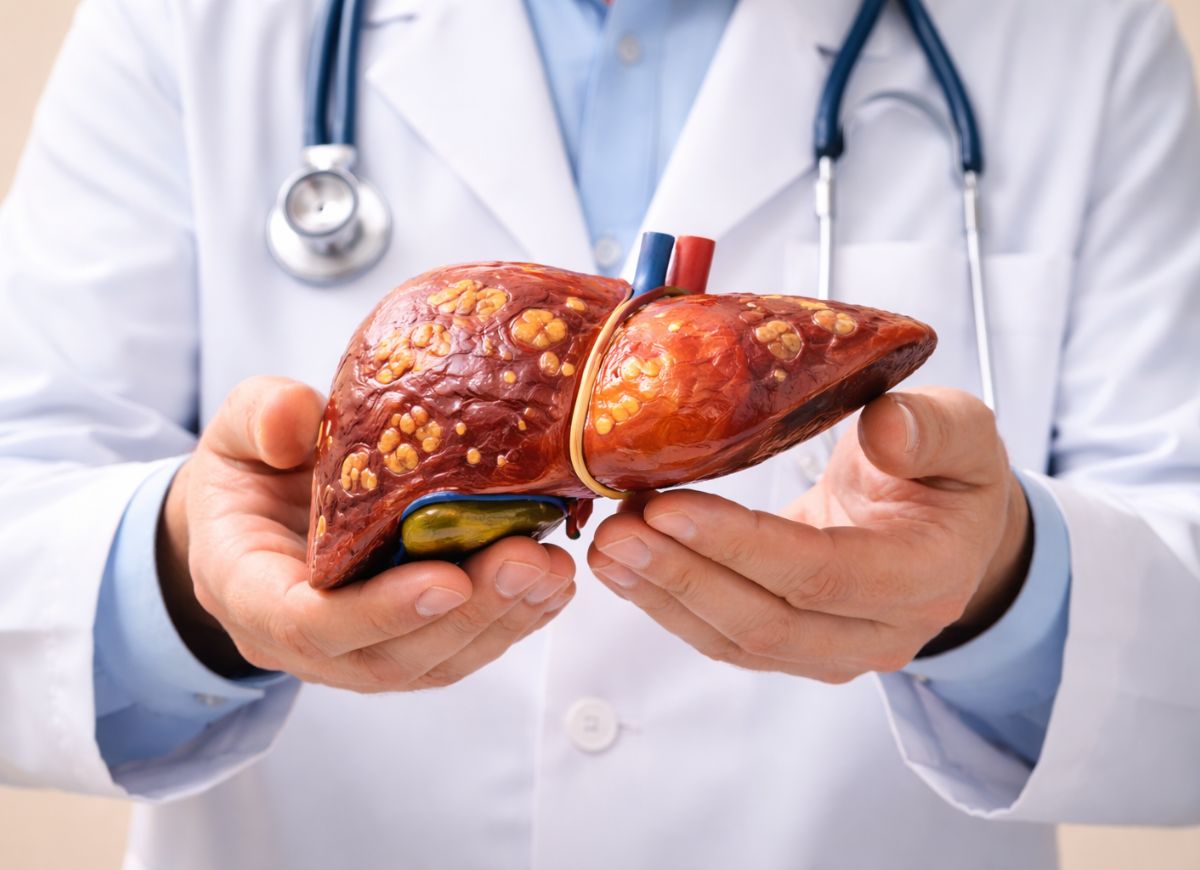
High liver enzymes are easy to overlook, but they can tell you a lot about your overall health. For people who drink alcohol regularly, elevated enzymes can be a red flag for liver stress or damage.
The American Liver Foundation says about 1 in 4 people in the U.S. have high liver enzymes, and alcohol is a leading cause. Research also shows that heavy drinking accounts for over 50% of liver damage cases, which is a serious concern for regular drinkers.
When liver enzymes such as ALT (alanine aminotransferase) and AST (aspartate aminotransferase) rise, it can mean the liver is inflamed or damaged.
Occasional spikes can come from medications or intense exercise. Persistent elevations, however, can lead to serious conditions like fatty liver disease, cirrhosis, or even liver failure. Alcohol is a major contributor, but many other causes exist, and some may surprise you.
Your liver detoxifies your body, breaks down food, and processes medications. When it is overwhelmed, it can’t do these jobs well, and its enzymes leak into your bloodstream, giving abnormal test results.
In people who drink heavily, the liver gets worse at breaking down alcohol. This causes inflammation and can lead to long-term damage.
This article covers 12 leading causes of high liver enzymes, including alcohol, and gives practical ways to address them. If you or someone you know drinks regularly, it’s important to understand the risks and take steps to protect your liver.
What is The Definition of High Liver Enzymes?
High liver enzymes means that proteins normally found inside liver cells, mainly ALT and AST, are leaking into the blood at abnormally high levels. It is a key sign of liver inflammation or cell damage.
This blood test result tells you the liver is under stress, but it is not a specific disease. It calls for a medical investigation to find the cause, which may be a temporary issue or a chronic condition.
Think of it as a check-engine light for your liver. It tells you something is wrong, but more tests are needed to learn what and how to fix it.
The liver is resilient and can regenerate well. But ongoing inflammation or injury can cause fibrosis (scarring), cirrhosis (advanced scarring), and liver failure if the root cause isn’t found and managed.
Normal Ranges for Liver Enzymes
Normal ranges are typically about 7 to 55 units per liter (U/L) for alanine transaminase (ALT) and 8 to 48 U/L for aspartate transaminase (AST). These values can vary slightly between laboratories.
Always interpret your results using the range given by the lab that ran your test. ALT is more specific to the liver because it is found in high amounts inside liver cells (hepatocytes). When those cells are damaged, ALT is released into the blood.
AST is also found in the liver, but it is present in other tissues too, including the heart, muscles, kidneys, and brain. So a raised AST with a normal ALT may point to a problem outside the liver, such as a muscle injury or a heart event.
Doctors look at more than the raw numbers. They consider how high the levels are: a mild increase (less than 5 times the upper limit of normal), a moderate increase, or a severe increase (more than 15 times the upper limit). They also look at the ratio of AST to ALT.
In most types of acute liver injury, ALT is higher than AST. An AST to ALT ratio above 2:1, however, strongly suggests alcoholic liver disease.
The pattern of enzyme elevation, together with other liver tests (like bilirubin and alkaline phosphatase), gives important clues to the diagnosis.
Are High Liver Enzymes Always a Sign of a Serious Problem?
No. Mild, temporary elevations can happen for harmless reasons that clear up on their own. Persistent or very high levels do need a thorough medical evaluation, but these markers can also fluctuate for reasons unrelated to chronic liver disease.
The liver is a central hub for metabolism, and many everyday activities and minor illnesses can stress it briefly. This causes a short spike in enzymes that goes away without treatment. That’s why a single high reading often leads to a “watch and wait” approach, with a repeat test in a few weeks or months.
Common temporary causes include:
- Strenuous exercise. Intense weightlifting or long-distance running can break down muscle temporarily, releasing AST into the blood.
- Medications and supplements. Some over-the-counter pain relievers, prescription drugs, and herbal supplements can briefly raise liver enzymes in sensitive people.
- Minor infections. Common colds or stomach bugs can trigger a short inflammatory response that affects the liver.
In many of these cases, once the cause is removed or resolved, liver cells recover and enzymes return to normal. The key is telling these temporary changes apart from persistent elevations that signal an ongoing liver problem needing medical care.
Top 12 Reasons for High Liver Enzymes
Non-alcoholic fatty liver disease (NAFLD)
This is the most common cause of abnormal liver enzyme tests in many parts of the world. Excess fat (triglycerides) builds up in liver cells in people who drink little or no alcohol.
NAFLD is strongly linked to metabolic syndrome, a group of conditions that includes obesity (especially belly fat), high blood pressure, high blood sugar (insulin resistance or type 2 diabetes), and abnormal cholesterol or triglycerides.
In its simplest form it is just fatty liver (steatosis). It can progress to non-alcoholic steatohepatitis (NASH), which involves both fat and inflammation and can lead to scarring (fibrosis) and cirrhosis.
Alcoholic liver disease (ALD)
Heavy, long-term drinking is a direct toxin to liver cells. Breaking down alcohol produces harmful byproducts that cause inflammation, oxidative stress, and eventually cell death.
ALD shows up as three overlapping conditions: alcoholic fatty liver (steatosis), alcoholic hepatitis (acute inflammation), and cirrhosis (advanced, irreversible scarring).
A classic blood test sign of ALD is an AST to ALT ratio above 2:1. The main treatment is stopping alcohol completely. If cirrhosis hasn’t developed yet, the liver can heal significantly.
Prescription and over-the-counter medications
Drug-induced liver injury (DILI) is a frequent cause of high liver enzymes, and hundreds of medications have been linked to it. Acetaminophen (Tylenol) is a leading cause, especially above the recommended daily dose or when combined with alcohol.
Other common culprits include certain antibiotics, NSAIDs like ibuprofen and naproxen, cholesterol-lowering statins, antifungal drugs, and some anticonvulsants. Usually the elevation is mild and resolves once the drug is stopped.
Herbal supplements
“Natural” doesn’t mean safe for your liver. Many herbal products can cause serious liver toxicity (hepatotoxicity). Well-known offenders include kava (used for anxiety), comfrey, chaparral, and black cohosh.
High-dose vitamin A supplements can also harm the liver. Because the supplement industry is loosely regulated, it’s hard to know the exact ingredients or purity of many products. That raises the risk of contamination with liver-damaging substances.
Viral Hepatitis (A, B, C)
These viruses infect and multiply inside liver cells, causing inflammation and damage.
- Hepatitis A is usually a short-term infection spread through contaminated food or water. It causes a sharp spike in enzymes but almost always clears completely and does not become chronic.
- Hepatitis B can be acute or chronic. Chronic hepatitis B is a major global health problem that can lead to cirrhosis and liver cancer if untreated.
- Hepatitis C is almost always chronic. For years it was a leading cause of cirrhosis and liver transplants, but modern direct-acting antiviral drugs now cure most people and prevent long-term damage.
Autoimmune Hepatitis
In this chronic disease, the immune system mistakes liver cells for invaders and attacks them. The constant attack causes ongoing inflammation and, if uncontrolled, severe damage, fibrosis, and cirrhosis.
It is more common in women. Treatment uses immunosuppressant drugs, such as corticosteroids and azathioprine, to calm the immune response and protect the liver.
Mononucleosis (mono)
Mono is caused by the Epstein-Barr virus (EBV) and is known for fever, sore throat, and extreme tiredness. In many patients the virus also causes mild, temporary liver inflammation.
This usually means a mild to moderate rise in liver enzymes that goes away fully as the person recovers. Cytomegalovirus (CMV) is another common virus that can affect the liver in a similar way.
Celiac Disease
Celiac disease is an autoimmune disorder triggered by gluten, a protein in wheat, barley, and rye. In people with celiac disease, gluten sets off an immune reaction that damages the small intestine.
It can also cause a mild to moderate rise in liver enzymes, sometimes as the very first sign of the disease. The liver inflammation is thought to be a general inflammatory response. For most patients, enzymes return to normal on a strict gluten-free diet.
Hemochromatosis
This genetic disorder makes the body absorb too much iron from food. The extra iron is stored in various organs, and the liver is one of the main sites.
Over time, iron overload causes oxidative stress and damage to liver cells. This leads to inflammation, fibrosis, and a very high risk of cirrhosis and liver cancer. It is diagnosed with blood tests for iron and ferritin and is managed well with therapeutic phlebotomy (regular blood removal) to lower the body’s iron stores.
Wilson’s Disease
Wilson’s disease is a rare inherited disorder in which the body can’t remove excess copper. Copper builds up to toxic levels, mainly in the liver, brain, and eyes. In the liver it causes inflammation and damage, which can appear as acute liver failure or chronic liver disease leading to cirrhosis.
A key diagnostic sign is Kayser-Fleischer rings, golden-brown rings around the cornea. Treatment is lifelong therapy with chelating agents, which are drugs that bind copper and help the body get rid of it.
Congestive Heart Failure
In severe heart failure, the heart can’t pump blood effectively around the body. Blood can back up in the veins leading to the liver, which is called hepatic congestion.
The higher pressure and lower oxygen supply can damage liver cells. This is sometimes called “congestive hepatopathy” or, in severe acute cases, “ischemic hepatitis” or “shock liver.” Liver enzymes rise, especially when the right side of the heart is failing.
Thyroid Disorders
The liver and thyroid are closely connected. Both hyperthyroidism (overactive thyroid) and hypothyroidism (underactive thyroid) can cause abnormal liver enzyme results.
The exact mechanisms are complex, but they involve changes in metabolic rate, blood flow, and the direct effects of thyroid hormones on liver cells. In most cases the elevation is mild and resolves once the thyroid condition is treated and hormone levels are back to normal.
Symptoms of High Liver Enzymes
Mildly high liver enzymes often cause no symptoms at all. When symptoms do appear, they point to a more significant liver problem. They can include fatigue, abdominal pain, jaundice, nausea, dark urine, and pale stools.
Many people find out they have high liver enzymes by chance during routine blood work and feel perfectly fine. This is common in early-stage conditions such as NAFLD or chronic viral hepatitis.
Symptoms usually appear only when inflammation or damage is substantial enough to affect the liver’s vital functions. Any symptoms should prompt a medical evaluation, since they may mean the liver disease is getting worse.
Subtle or Early Symptoms of High Liver Enzymes to Watch for
Early symptoms include ongoing fatigue, a general feeling of weakness or being unwell, mild discomfort or a dull ache in the upper right abdomen, and reduced appetite.
These symptoms are very non-specific. Many other health issues can cause them, so they are often blamed on stress, poor sleep, or lifestyle.
Fatigue and weakness are among the most common symptoms of liver disease. It can be deep, lasting exhaustion that rest doesn’t fix. The exact cause isn’t fully understood, but it is likely tied to changes in brain chemistry and energy metabolism from poor liver function.
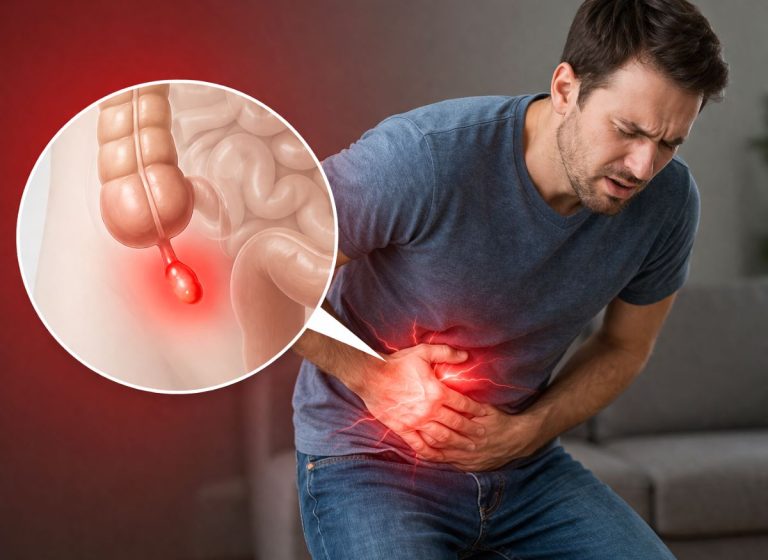
Upper right abdominal discomfort. The liver sits in the upper right abdomen, under the rib cage. When inflamed, it can swell and stretch the capsule around it (Glisson’s capsule), which contains nerve endings. This can cause fullness, pressure, or a dull ache. It is usually a constant discomfort rather than sharp, intense pain.
Reduced appetite and nausea. A struggling liver can affect digestion and metabolism, which lowers the desire to eat. You may also have mild, on-and-off nausea. Over time these can lead to unintentional weight loss.
Because these early signs are so vague, consider them alongside other risk factors, such as obesity, heavy drinking, or a known medical condition.
Symptoms Indicating a More Severe Liver Problem
These signs appear when the liver is failing at critical jobs like processing bilirubin, making clotting factors, and balancing fluid in the body.
Jaundice is a classic sign of liver dysfunction. The skin and whites of the eyes (sclera) turn yellow. It happens when the liver can’t process and remove bilirubin, a yellow pigment made when old red blood cells break down. Bilirubin builds up in the blood and deposits in tissues, causing the yellow color.
Dark urine and pale stools also come from impaired bilirubin handling. Excess bilirubin in the blood is filtered by the kidneys and passes into the urine, turning it dark, like tea or cola. Meanwhile, less bilirubin reaches the intestines, where it normally gives stool its brown color. Stools become pale, clay-colored, or gray.
Abdominal swelling (ascites) is one of the most serious liver symptoms. In advanced liver disease (cirrhosis), scarring can raise pressure in the blood vessels flowing through the liver (portal hypertension).
The liver also makes less albumin, a protein that helps keep fluid in the bloodstream. Together these cause fluid to leak into the abdomen. The result can be major swelling, discomfort, and a tight feeling in the belly.
Easy bruising and bleeding. The liver makes many of the proteins (clotting factors) needed for blood to clot. When liver function is badly impaired, it can’t make enough. You may bruise easily from minor bumps, bleed longer from cuts, or have spontaneous nosebleeds or bleeding gums.
Treatments for High Liver Enzymes
There is no one-size-fits-all treatment. It focuses on finding and managing the specific cause, which may involve lifestyle changes, medication adjustments, or targeted medical therapy for the diagnosed condition.
Elevated enzymes are a symptom, not the disease. Trying to lower the numbers without fixing the root problem doesn’t work, and it lets the underlying liver issue get worse.
The main goal is to stop or reverse the source of liver inflammation and damage. That requires a full diagnosis from a healthcare provider, who will recommend a plan for your situation, whether it’s fatty liver disease, viral hepatitis, or an autoimmune disorder.
Lifestyle Changes to Help Lower Liver Enzymes
Cut back on alcohol. For anyone with elevated liver enzymes, reducing alcohol helps whatever the cause. For alcoholic liver disease, complete and permanent abstinence is the single most important step. Alcohol is a direct liver toxin. Removing it lets liver cells recover from inflammation and can stop fibrosis from progressing.
Lose weight. Weight loss is the cornerstone of NAFLD treatment. Losing even 5-10% of your body weight can significantly reduce liver fat, inflammation, and enzyme levels. Aim for a sustainable mix of diet changes and more activity rather than crash diets.
Eat a liver-friendly diet. A healthy diet can greatly improve liver health. Avoid foods high in sugar (especially high-fructose corn syrup), refined carbohydrates, and unhealthy saturated and trans fats.
Focus instead on whole foods: fruits, vegetables, lean proteins (fish, poultry), whole grains, and healthy fats (avocado, nuts, olive oil). The Mediterranean diet is often recommended because it has been shown to reduce liver fat and improve metabolic health.
Stay active. Both aerobic exercise (brisk walking, jogging, cycling) and resistance training (weightlifting) can reduce liver fat, improve insulin sensitivity, and help with weight control. The general advice is at least 150 minutes of moderate aerobic activity per week, plus two or more days of strength training.
When to Seek Medical Help?
Lifestyle changes are key for many conditions, but they can’t cure a viral infection or stop an autoimmune attack on their own. In these cases you need specific medications to control the disease, prevent more liver damage, and manage complications. Follow your doctor’s guidance, since these treatments are highly specialized.
- Hepatitis C: Direct-acting antiviral (DAA) medications cure the infection in over 95% of cases. Liver enzymes return to normal and the disease stops progressing.
- Hepatitis B: Long-term antiviral medication suppresses the virus, reduces liver inflammation, and lowers the risk of cirrhosis and liver cancer.
- Autoimmune hepatitis: The goal is to suppress the overactive immune system. This usually means corticosteroids (like prednisone) to induce remission, followed by a long-term maintenance drug such as azathioprine.
- Wilson’s disease: Lifelong treatment with chelating agents (like penicillamine or trientine) or zinc salts removes excess copper and prevents it from building up again.
- Hemochromatosis: The main treatment is therapeutic phlebotomy, which regularly removes blood to reduce dangerous iron overload.
High Liver Enzymes Diagnosis
The Difference Between ALT and AST Levels in Diagnosis
The difference between ALT and AST levels is critical for narrowing down possible causes.
ALT is highly specific to the liver because it is found in the highest concentrations in liver cells (hepatocytes). So a significant rise in ALT almost always points to liver cell injury.
AST is less specific. It is present in the liver but also in the heart, skeletal muscles, kidneys, and brain. Damage to any of these can raise AST, so on its own it is a less precise sign of liver health.
Analyzed together, especially as the AST/ALT ratio, the two markers are much more useful. The ratio helps tell different liver diseases apart:
- Ratio less than 1: In most acute and chronic liver diseases, such as viral hepatitis or NAFLD, ALT is higher than AST.
- Ratio greater than 2: An AST/ALT ratio of 2:1 or higher is a strong, well-established sign of alcoholic liver disease (ALD). Alcohol toxicity directly depletes a substance in liver cells that is needed to make ALT, while also promoting the release of mitochondrial AST.
- Ratio greater than 1 but less than 2: A ratio that is raised but not as sharply as in ALD may appear in cirrhosis from non-alcoholic causes, such as viral hepatitis. It suggests more advanced liver scarring (fibrosis).
How to Investigate The Cause of High Liver Enzymes
Finding the cause is a methodical, multi-step process designed to rule diagnoses in or out. It starts with broad, non-invasive assessments and moves to more specific and, if needed, invasive procedures.
- Medical history review. The doctor reviews pre-existing conditions (like diabetes or obesity), all current medications (prescription and over-the-counter), herbal supplements, and lifestyle, especially alcohol use and diet.
- More specific blood work. If initial tests are abnormal, the doctor may order a viral hepatitis panel (Hepatitis A, B, and C), iron studies (to check for hemochromatosis), and tests for autoantibodies that can indicate autoimmune hepatitis.
- Non-invasive imaging. An abdominal ultrasound is often the first test. It shows the structure of the liver, detects fat buildup (steatosis), finds bile duct blockages, and spots tumors. A FibroScan (transient elastography) can measure liver stiffness, a reliable indicator of scarring or fibrosis.
- Liver biopsy. If the cause is still unclear after blood tests and imaging, or the severity of damage needs to be staged, a small sample of liver tissue may be examined under a microscope. This gives the most definitive information about inflammation, fibrosis, and the specific type of cell damage.
Can Rare Genetic Conditions Be a Reason for High Liver Enzymes?
Yes. Rare inherited conditions can be a real reason for chronically high liver enzymes, and they often go undiagnosed without specific testing. When more common causes like viral hepatitis, fatty liver disease, and alcohol use have been ruled out, doctors may look into these disorders.
These conditions disrupt normal metabolism, so harmful substances build up in the liver and cause progressive cell damage.
Hereditary hemochromatosis is an iron overload disorder in which a genetic mutation makes the body absorb too much iron from food. The extra iron is stored in various organs, with the liver as a primary site.
The iron is toxic to liver cells, leading to inflammation, fibrosis, and chronically high enzymes. It is diagnosed with blood tests measuring iron levels (ferritin and transferrin saturation) and confirmed with genetic testing.
Alpha-1 antitrypsin deficiency (AATD) is caused by a genetic defect that stops the liver from producing alpha-1 antitrypsin protein properly. A malformed version of the protein gets trapped inside liver cells. This causes damage and inflammation that can lead to cirrhosis and a higher risk of liver cancer.
Diagnosis involves a blood test to measure AAT levels, which may be followed by genetic testing to find the specific mutation.
Alcoholic Fatty Liver Disease vs. Non-alcoholic Fatty Liver Disease
Alcoholic fatty liver disease (AFLD) and non-alcoholic fatty liver disease (NAFLD) are two distinct conditions. Both involve extra fat in the liver, called steatosis, but their main difference is the cause.
Cause. AFLD is directly caused by chronic, heavy drinking. Breaking down alcohol in the liver creates toxic byproducts that disrupt normal fat processing, so fat builds up. NAFLD is not related to significant alcohol use. It is considered the liver form of metabolic syndrome and is strongly linked to obesity, insulin resistance, type 2 diabetes, and high cholesterol.
AST/ALT ratio. This is a classic way to tell them apart. In AFLD, AST is usually at least twice ALT (a ratio above 2:1). In NAFLD the pattern is usually reversed, with ALT higher than AST (a ratio below 1).
Progression and related risks. Both can progress from simple fatty liver to more severe forms: steatohepatitis (inflammation), fibrosis (scarring), cirrhosis, and liver cancer. NAFLD is closely linked to cardiovascular disease, a leading cause of death in these patients. AFLD often comes with other alcohol-related problems, such as pancreatitis or alcoholic neuropathy.
Treatment. The two are treated very differently. For AFLD, the cornerstone is complete and permanent abstinence from alcohol, which can often reverse the fatty liver stage. For NAFLD, treatment centers on lifestyle changes, including lasting weight loss through diet and exercise, and managing related conditions like diabetes and high cholesterol.
FAQs
1. What happens if liver enzymes are high?
High liver enzymes usually mean the liver is under stress or damaged. Enzymes like alanine aminotransferase (ALT) and aspartate aminotransferase (AST) are released into the blood when liver cells are damaged, often because of inflammation.
Raised levels may point to fatty liver disease, viral hepatitis, cirrhosis, or drug-induced liver injury.
High enzymes don’t always cause immediate symptoms. Left unchecked, though, chronic elevation can lead to severe liver damage and complications like liver failure. Early detection and treatment are key to managing and reversing liver damage.
2. Can I get my liver enzymes back to normal?
In many cases, yes, especially once the underlying cause is found and treated. The liver has a remarkable ability to heal. Lifestyle changes such as drinking less alcohol, keeping a healthy weight, improving your diet, and staying active can help lower enzyme levels.
Medications may also be prescribed for specific liver conditions. If the damage is severe or chronic, enzyme levels may not return to normal and you may need long-term management. Follow your healthcare provider’s advice and check your liver function regularly.
3. When do doctors worry about high liver enzymes?
Doctors start to worry when levels are well above normal and stay that way over time.
Short-term spikes can happen because of temporary factors like intense exercise or certain medications. Consistently high levels, especially more than three times the normal range, can signal an underlying liver problem.
Doctors are particularly concerned if enzymes keep rising despite lifestyle changes or treatment. In those cases they often order further tests, such as ultrasounds, liver biopsies, or blood tests, to find the cause and severity of the liver dysfunction.
4. What should I eat if I have high liver enzymes?
A liver-friendly diet is crucial for managing the condition and supporting liver healing. Focus on a balanced diet rich in antioxidants and healthy fats.
Eat plenty of fruits and vegetables, especially leafy greens, berries, and cruciferous vegetables (such as broccoli and Brussels sprouts), which can help reduce liver inflammation. Whole grains, lean proteins (like fish, poultry, and legumes), and healthy fats from avocado, olive oil, and nuts are also good for the liver.
Avoid foods high in saturated fats, refined sugars, and processed foods, since they can add to liver fat and worsen liver function. Drink plenty of water and cut down on alcohol as well.
5. What does it feel like if your liver enzymes are high?
Often you feel nothing, especially early on. When symptoms do appear, they may include fatigue, nausea, vomiting, and discomfort or pain in the upper right abdomen, where the liver is.
You may also notice jaundice (yellowing of the skin and eyes) and dark urine. If enzymes are significantly elevated, you might have unexplained weight loss or a feeling of fullness in the abdomen.
These symptoms are common to many liver conditions, so see a doctor for a proper diagnosis if you have them.
6. How long is it safe to have high liver enzymes?
Having elevated liver enzymes for a short time isn’t necessarily dangerous, but prolonged or consistently high levels can be harmful.
The liver can tolerate mild, temporary elevation without significant damage. If levels stay high for weeks, months, or years, though, they can lead to chronic liver disease and complications like fibrosis or cirrhosis.
Monitor your enzyme levels with regular blood tests and take steps to address the cause. Your doctor will guide you and may recommend lifestyle changes or medications to restore liver function and prevent long-term damage.
7. What is the no. 1 food that causes fatty liver?
The biggest culprits are foods high in refined sugars and unhealthy fats. Sugary drinks (like soda and fruit juice), processed snacks, fast food, and foods high in trans fats are all known to promote fat buildup in the liver.
These foods can increase insulin resistance, which leads to fat accumulating in liver cells and the development of NAFLD. To prevent or manage fatty liver, eat less of them and focus on whole, unprocessed foods such as fruits, vegetables, whole grains, and lean proteins.
8. What time of day are liver enzymes the highest?
Liver enzyme levels naturally vary through the day and are typically higher in the morning.
Research suggests they tend to peak shortly after waking and may fall as the day goes on. Food intake, activity level, and your body’s natural circadian rhythm can all influence this.
The timing can differ from person to person. Regular monitoring by a healthcare professional, especially if you’re being treated for liver issues, helps track these changes and keep management on course.
Conclusion
Never ignore high liver enzymes. They can be an early sign of liver stress or damage. Understanding the cause, whether it’s alcohol, poor diet, or an underlying health condition, is essential to managing your liver health.
With the right diet, lifestyle changes, and medical treatment, you can bring enzyme levels down and improve liver function. Regular check-ups with your doctor will help monitor your enzymes and catch any liver problems early.
Protecting your liver today can prevent more serious complications tomorrow. Stay informed, stay healthy, and keep your liver in top shape.