
5 Common Symptoms of a Jellyfish Sting and How to Monitor It
A jellyfish sting happens when its tentacles touch the skin and release venom, leading to pain, irritation, and other reactions. Most stings are minor and improve naturally, but some may cause intense pain, allergic reactions, or effects throughout the body. The severity can depend on the jellyfish species and how sensitive the person is. Jellyfish stings are especially common in coastal areas and during warmer seasons when jellyfish are more active. Knowing the symptoms and understanding how to monitor and care for a sting can help reduce complications.
Symptoms can range from redness, swelling, and itching at the affected area to more serious problems such as blisters, nausea, dizziness, or breathing difficulties. Prompt first aid and careful monitoring can help control discomfort, reduce the chance of infection, and identify situations that require medical attention. This article explains five common symptoms of jellyfish stings and provides guidance for monitoring and caring for them.
The Common Signs of a Jellyfish Sting
Coming into contact with a jellyfish while swimming can quickly turn a relaxing day in the water into a painful experience. Although people sometimes call it a jellyfish bite, the injury is actually caused by venom released from microscopic stinging cells called nematocysts located on the tentacles.
Symptoms usually appear very quickly after the tentacles touch the skin. Identifying these signs can help determine that a jellyfish caused the injury and can guide appropriate first-aid measures and decisions about when medical care may be needed.
Visual Presentation: What It Looks Like on the Skin
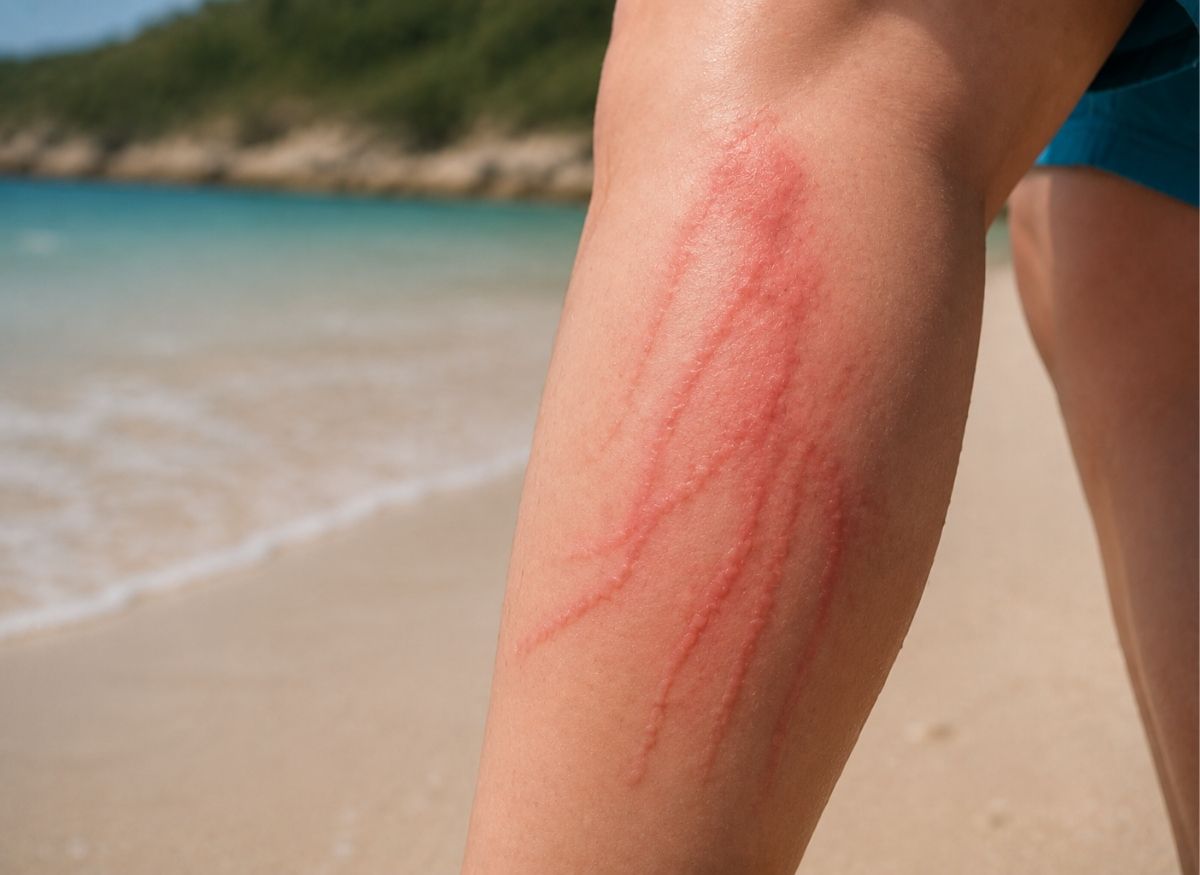
A jellyfish sting can have a distinctive appearance. The marks may follow the shape or movement of the tentacle across the skin, creating what can look like a visible “tentacle print.”
Linear, Whip-Like Tracks
One of the most recognizable signs is the sudden appearance of raised, linear marks along the area touched by the tentacle. These streaks can resemble thin whip marks on the skin. Depending on the jellyfish species and the amount of contact, the marks may appear bright pink, red, purple, or even dark brown.
Raised Welts and Hives (Urticaria)
Within a short time after the venom enters the skin, an inflammatory reaction can develop. The affected area may become covered with raised welts, groups of hives, or small fluid-filled blisters. If pieces of a tentacle remain in the water or break apart, the reaction may appear as scattered red patches instead of clearly defined linear marks.
Sensation Profile: What It Feels Like
The sensation caused by a jellyfish sting is usually immediate and can change as time passes after the initial contact.
Immediate Electric Burning: The pain from a jellyfish sting generally begins as soon as the nematocysts make contact with the skin. It may feel sharp, piercing, or intensely burning. Some people describe the sensation as similar to a hot burn or several bee stings occurring at once.
Radiating and Throbbing Ache: The strongest sharp pain may occur during the first one to two hours. As the initial sensation decreases, it can develop into a deeper, throbbing ache. In some cases, the discomfort may spread away from the original sting and extend along an arm or leg.
Varying Species Severity: The intensity of a sting depends greatly on the species involved. A Moon Jelly may cause relatively mild discomfort, while a Portuguese Man-of-War can produce much more severe pain and systemic effects. Box jellyfish stings can also cause serious reactions and may affect the cardiovascular system.
Swelling and Intense Itching
Swelling and significant itching are common signs that the body is reacting to the venom introduced into the skin.
Localized Edema
The body releases inflammatory substances, including histamine, around the affected area. Blood vessels become more permeable, allowing fluid to move into surrounding tissues. As a result, the skin may become swollen, tight, and puffy. If the sting occurs around a joint such as the wrist or ankle, swelling can temporarily make movement more difficult.
The Urge to Scratch
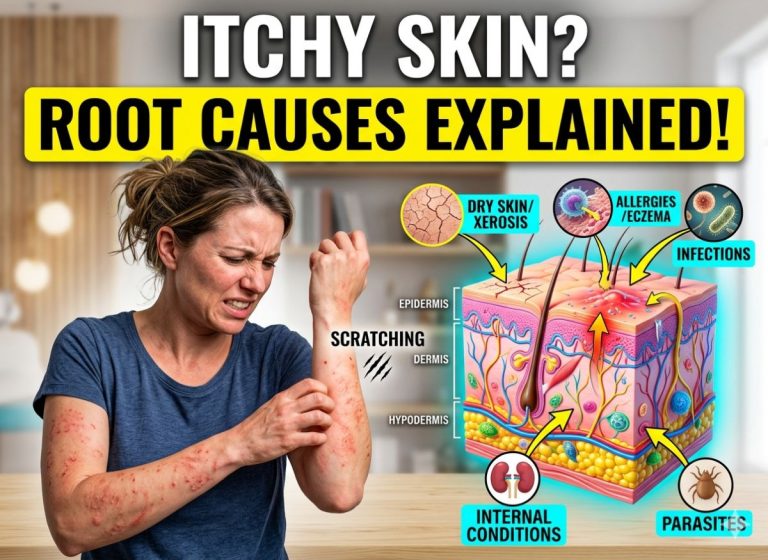
As the initial burning sensation begins to settle, intense itching may become more noticeable. The itching can continue for several days and sometimes longer. Scratching should be avoided because friction can irritate the damaged skin and may disturb any remaining stinging cells, potentially causing additional venom release.
Severe Symptoms of a Jellyfish Sting to Watch For
Most jellyfish stings cause localized pain and skin irritation, but some encounters can become serious or even life-threatening. Severe reactions may occur because of an allergic response to marine proteins or because a highly venomous species delivers a large amount of toxin into the body.
Knowing the warning signs of a serious reaction is important because they require urgent medical attention rather than routine home care.
Signs of a Severe Allergic Reaction (Anaphylaxis)
Anaphylaxis is a rapid and potentially life-threatening allergic reaction that can affect multiple parts of the body. It may occur when a person who is sensitive to jellyfish venom experiences another sting.
Respiratory Distress and Airway Closure
Breathing problems are among the most concerning symptoms. A person may feel that the throat is becoming tight or closing. Wheezing, persistent coughing, sudden hoarseness, or difficulty breathing can also occur.
Angioedema and Widespread Hives
A severe allergic reaction can cause swelling beneath the skin, particularly around the face. Watch for sudden swelling of the eyelids, lips, tongue, or throat. Widespread itchy hives may also appear on areas of the body that were not directly exposed to the tentacles.
Cardiovascular Collapse (Anaphylactic Shock)
A severe allergic response can cause blood pressure to drop rapidly. Possible warning signs include:
- A fast, weak, or difficult-to-detect pulse.
- Severe dizziness, confusion, or a feeling of faintness.
- Fainting or loss of consciousness.
Emergency Action Step
If someone develops symptoms of anaphylaxis after a jellyfish sting, seek emergency medical assistance immediately. If the person has a prescribed epinephrine auto-injector, such as an EpiPen, it should be used according to their emergency plan. Immediate treatment is essential when breathing or circulation is affected.
Systemic Symptoms of Severe Envenomation
Systemic envenomation can happen when a highly venomous jellyfish or extensive tentacle exposure introduces enough toxin to affect organs, muscles, or the nervous system.
- Violent Muscle Spasms: Severe poisoning can cause powerful and uncontrollable muscle cramps. The spasms may affect the arms, legs, abdomen, or lower back and can make standing or sitting difficult.
- Persistent Gastrointestinal Distress: Mild nausea can occur after a painful sting, but severe envenomation may cause repeated vomiting, strong abdominal cramps, and significant stomach discomfort.
- Neurological Deterioration: Serious toxin exposure can interfere with normal nerve function. Symptoms may include severe headache, agitation, slurred speech, poor coordination, or difficulty controlling movement.
High-Risk Species and Specific Syndromes
Some coastal regions are home to particularly dangerous jellyfish species. Exposure to these animals may require specialized emergency treatment.
Irukandji Syndrome
Irukandji syndrome is associated with very small jellyfish found mainly in tropical waters. The initial sting may seem minor, but significant symptoms can develop within approximately 20 to 45 minutes.
Possible symptoms include severe widespread pain, heavy sweating, vomiting, very high blood pressure, and an intense feeling that something terrible is about to happen.
Box Jellyfish Envenomation
Indo-Pacific box jellyfish have extremely potent venom that can affect the skin, nervous system, and heart. A severe sting may produce extreme pain, shock, and potentially cardiac arrest within a short period.
If a box jellyfish sting is suspected, emergency medical services should be contacted immediately. First-aid measures should follow local medical guidance while emergency assistance is being arranged.
The Immediate First Aid for a Jellyfish Sting
When a jellyfish sting occurs, the actions taken during the first few minutes can help reduce further exposure and manage the resulting pain and skin reaction.
The injury is an envenomation caused by microscopic nematocysts located along the jellyfish tentacles. Proper first aid focuses on getting out of the water safely, dealing with remaining tentacles, and watching for serious symptoms.
The Critical 4-Step First Aid Protocol
If you or someone with you is stung by a jellyfish, use the following sequence while keeping the person’s overall condition in mind.
Step 1: Immediately and Calmly Exit the Water
The first priority is to leave the water safely. Sudden pain can cause panic, weakness, muscle cramps, or shock, increasing the risk of drowning. Remaining in the water may also expose the person to additional tentacles.
Step 2: Rinse Liberally with Sea Water Only
After reaching safety, rinse the affected area with seawater. This can help remove loose tentacles and remaining stinging cells without the same risk of triggering them that freshwater may cause.
Step 3: Deactivate the Venom with Household Vinegar
The original source recommends applying household white vinegar to the affected area to help deactivate remaining nematocysts. However, first-aid recommendations can differ by jellyfish species and location, so local beach or emergency guidance should be followed when available.
Step 4: Carefully Remove Remaining Tentacles
After treating the area according to local first-aid guidance, carefully remove visible tentacle pieces. Tweezers, a stick, or gloved hands can be used to avoid direct contact. Avoid rubbing the skin because mechanical pressure can worsen the reaction.
Pervasive First-Aid Myths to Avoid
Several commonly repeated home remedies can make a jellyfish sting worse. Avoid methods that increase friction or may stimulate remaining stinging cells.
- Never Use Fresh Water: Freshwater may cause remaining nematocysts to discharge additional venom in some jellyfish species.
- Never Use Urine: Urine is not a reliable treatment for jellyfish stings and may irritate the affected area or worsen the reaction.
- Never Apply Alcohol or Spirits: Alcohol-based substances may irritate the skin and are not recommended as a general jellyfish-sting treatment.
- Never Rub the Wound with Sand: Sand, towels, or vigorous rubbing can increase friction and may cause remaining stinging cells to discharge.
Post-First Aid Pain Management
After visible tentacles have been removed and the initial first-aid steps have been completed, attention can shift toward controlling pain, itching, and swelling.
The Hot Water Soak Method: Warm or hot-water immersion may help reduce pain from some jellyfish stings. The water should be hot but not hot enough to burn the skin, and the affected area can be immersed for an appropriate period while monitoring comfort and skin temperature.
Topical and Oral Recovery: For continuing itching and irritation, over-the-counter treatments such as hydrocortisone cream or an oral antihistamine may provide relief for some people. Pain relievers such as ibuprofen or acetaminophen can also help manage lingering discomfort when they are safe for the individual to use.
Knowing When to Seek Emergency Care
Emergency medical help is important if the person has difficulty breathing, chest tightness, severe muscle spasms, widespread symptoms, fainting, or other signs of a serious reaction. Extra caution is also appropriate when a young child is involved or when the sting affects sensitive areas such as the eyes.
For uncomplicated localized stings, appropriate first aid and careful monitoring can help support recovery while watching for symptoms that become worse or spread.
Differences Between Various Marine Animal Stings
Coastal waters contain many different marine animals, and not every painful injury in the ocean is caused by a jellyfish. Being able to distinguish between different types of marine injuries is useful because their first-aid needs can vary considerably.
Jellyfish stings mainly involve surface envenomation, while other marine animals may cause punctures, cuts, embedded spines, or other forms of tissue injury.
Jellyfish Stings vs. Stingray Injuries
Jellyfish stings and stingray injuries are caused by very different mechanisms and usually have different appearances and symptoms.
The Jellyfish Encounter (Surface Envenomation)
A jellyfish sting occurs when tentacles touch the skin and microscopic nematocysts release venom.
- Wound Appearance: Red, purple, or brown linear tracks and raised welts may appear. Puncture wounds and significant bleeding are generally not typical.
- Sensation: The pain is often sudden and burning, followed by itching or a lingering ache.
- Immediate Response: First aid depends on the species and local recommendations. Avoid rubbing the area and carefully remove visible tentacles while following appropriate local guidance.
The Stingray Strike (Traumatic Penetration)
A stingray injury usually happens when someone accidentally steps on a ray in shallow water. The animal can respond defensively by driving its tail barb into the skin, commonly around the foot or ankle.
- Wound Appearance: A stingray injury may cause a deep puncture or laceration, bleeding, swelling, and sometimes retained fragments.
- Sensation: Pain can be immediate and extremely intense, often becoming severe over the first several minutes.
- Immediate Response: Hot-water immersion is commonly used for pain relief from stingray injuries. Because these wounds can contain foreign material and marine bacteria, professional medical evaluation is important.
Critical Medical Warning: Stingray injuries should be medically assessed, particularly when the wound is deep, heavily bleeding, located near a joint, or may contain a retained barb. Medical professionals can evaluate the wound, consider imaging, provide tetanus protection, clean the injury, and determine whether additional treatment is needed.
Other Common Marine Stings: Sea Urchins and Coral Abrasions
Other common marine injuries include sea urchin punctures and coral scrapes.
Sea Urchin Stings: These injuries can occur when someone steps on or grabs a sea urchin. Its brittle spines may penetrate the skin and break underneath the surface, leaving painful dark fragments or puncture marks. Hot-water soaking may help with discomfort, while visible fragments may need careful removal.
Coral Scrapes: Coral can cause superficial cuts and abrasions when skin brushes against its rough structure. The area may become irritated, red, and itchy. Cleaning the wound thoroughly can help remove debris and lower the risk of infection.
Can a Marine Injury Leave a Permanent Scar?
Yes, serious marine injuries can sometimes leave lasting marks. The possibility of scarring depends on the type of marine animal, the severity of the tissue damage, the person’s healing process, and how the wound is cared for.
Dermal Necrosis and Keloids
Highly venomous marine stings can cause significant tissue injury in severe cases. When deeper skin tissue is damaged, the body produces collagen as part of the healing process. Excessive or abnormal scar formation can result in raised scars or keloids.
Post-Inflammatory Pigmentation Changes
After the inflammation from a jellyfish sting or another marine injury settles, some people may develop darker areas of skin known as post-inflammatory hyperpigmentation. These marks can remain for months and may take considerable time to fade.
The Role of Secondary Infections
A secondary infection can make tissue damage and scarring more likely. Scratching an itchy sting can break the skin and create an opening for bacteria, potentially turning a minor injury into a more serious wound.
At-a-Glance Marine Sting Identification Guide
The following comparison can help distinguish common marine injuries:
- Jellyfish Sting: Surface lines or welts; burning and itching; generally no deep puncture; follow appropriate local jellyfish first-aid guidance.
- Stingray Strike: Deep puncture or laceration; severe pain; possible bleeding; requires medical evaluation.
- Sea Urchin: Multiple puncture points or embedded dark fragments; deep aching pain; careful removal and medical assessment when needed.
- Coral Scrape: Jagged superficial scratches; irritation and possible minor bleeding; thorough cleaning is important.
Conclusion
Most jellyfish stings are mild and improve with appropriate first aid, but it is still important to recognize signs that may indicate a more serious reaction. Common symptoms include pain, redness, swelling, itching, and sometimes blistering. Careful monitoring can help identify worsening symptoms and determine when professional treatment is needed.
Preventive steps can also lower the risk of being stung. Checking local beach warnings, using protective clothing in jellyfish-prone waters, and avoiding areas with large jellyfish concentrations can all help. Understanding the symptoms and responding appropriately allows swimmers, beachgoers, and coastal residents to enjoy the water more safely.
FAQ
What happens when a jellyfish stings?
A jellyfish sting occurs when its tentacles touch the skin and release venom through microscopic stinging cells. The reaction depends on the jellyfish species and the individual’s sensitivity. Common effects include sharp or burning pain, redness, itching, and swelling at the contact site.
Some people may also develop small blisters. More serious stings can cause nausea, muscle cramps, dizziness, breathing problems, or other systemic symptoms. Recognizing these reactions helps determine when additional medical attention may be necessary.
What are the common symptoms of a jellyfish sting?
Common symptoms include localized pain, redness, inflammation, itching, swelling, and sometimes blistering. The discomfort may last for several hours or longer depending on the species and severity of the sting.
Rarely, a jellyfish sting can produce more widespread symptoms such as nausea, headache, rapid heartbeat, dizziness, or fainting. These signs should be taken seriously and may require urgent medical care.
How should a jellyfish sting be treated?
First aid depends on the jellyfish species and local medical recommendations. In general, the person should safely leave the water, avoid rubbing the affected skin, and carefully deal with any remaining tentacles according to local guidance. Pain relief and measures for itching or swelling may also be useful.
Freshwater, urine, and vigorous rubbing should generally be avoided because they can worsen some jellyfish stings. Larger, more painful, or unusual stings may require professional medical treatment.
Can jellyfish stings be dangerous?
Most jellyfish stings are not life-threatening, but certain species can cause severe reactions. Box jellyfish and Portuguese Man-of-War encounters can produce significant pain and potentially dangerous systemic effects.
Warning signs include difficulty breathing, chest discomfort, severe dizziness, fainting, rapid heartbeat, widespread hives, or serious muscle symptoms. Emergency medical attention should be obtained if these symptoms occur.
How can jellyfish stings be prevented?
Reducing the risk of a jellyfish sting starts with paying attention to local beach warnings and swimming advisories. Protective clothing, including wetsuits or stinger suits, can provide additional protection in areas where jellyfish are common.
Avoid swimming where jellyfish blooms have been reported, teach children to stay alert around marine life, and learn about local jellyfish species and seasonal patterns. Taking these precautions can significantly reduce the chance of an unpleasant encounter.