
10 Simple Daily Diets For Gallstones to Keep Gallstones From Acting Up
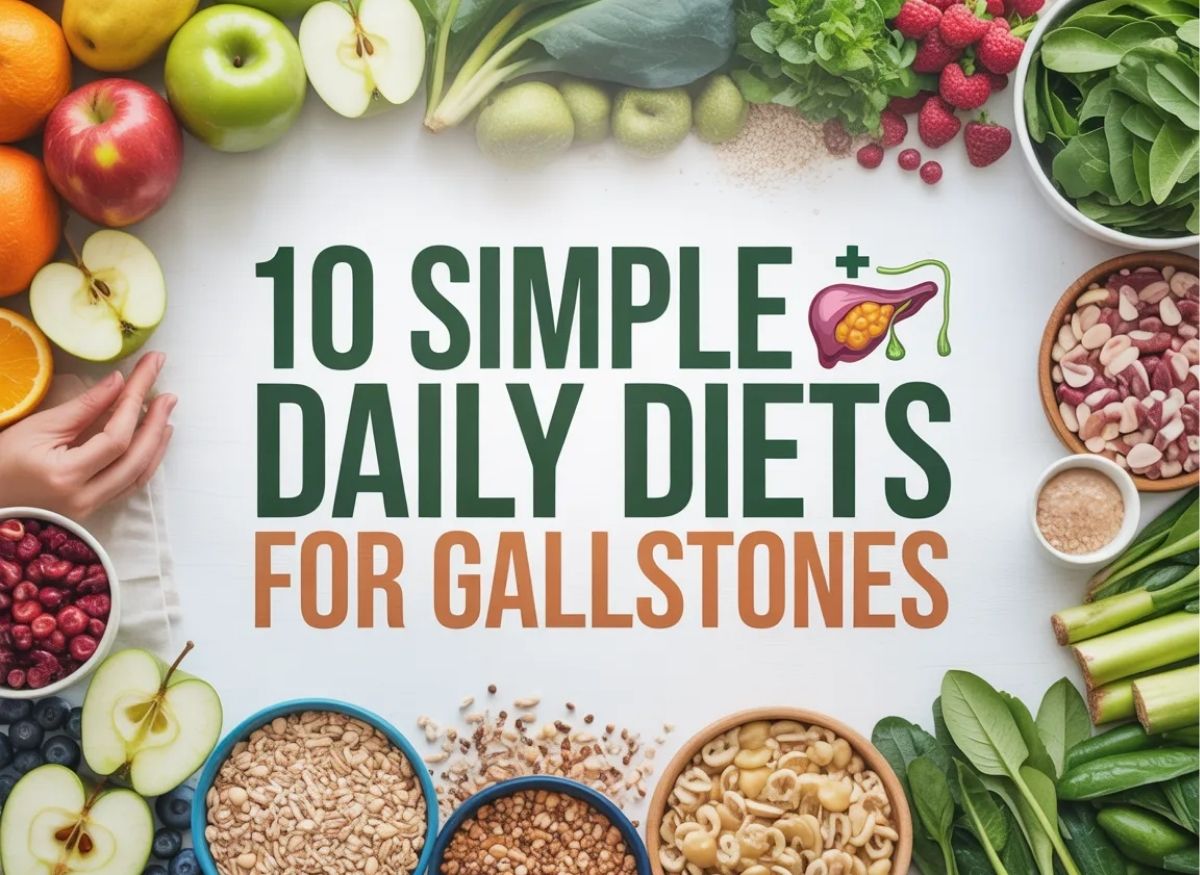
Choosing the right diet for gallstones can go a long way toward preventing flare-ups and keeping day-to-day discomfort in check. Gallstones often form silently, but the symptoms they cause tend to be closely tied to everyday eating patterns, especially the balance of nutrients and how meals are timed.
The gallbladder helps digest fat by releasing bile whenever food enters the digestive system. When meals are too heavy, skipped, or inconsistent, the gallbladder can contract more forcefully or irregularly, raising the risk of pain. That’s why many people notice symptoms shortly after eating certain foods rather than at random.
The good news is that an effective gallstone-friendly diet doesn’t require extreme restrictions or complicated meal plans. It’s really about building steady, supportive habits that ease strain on the digestive system. Small, consistent changes can make a real difference over time.
This guide focuses on simple daily eating habits that are practical, sustainable, and designed to help keep gallstones from flaring up. These strategies aim to support smoother digestion and build a routine your body can rely on.
Diets for Gallstones Can Directly Impact Gallstone Formation
Understanding how diet influences gallstones starts with bile chemistry. What you eat each day directly affects the balance of cholesterol, bile salts, and bilirubin in bile, which ultimately determines whether gallstones form.
A diet high in saturated fat and cholesterol, combined with low fiber intake, can overload bile with cholesterol. When that imbalance happens, bile becomes “supersaturated,” meaning it can no longer keep cholesterol fully dissolved. That’s exactly the environment gallstones need to develop.
The gallbladder plays a key supporting role here. While the liver produces bile continuously, the gallbladder stores and concentrates it between meals. When food, fat especially, comes in, the gallbladder contracts and releases bile into the small intestine to aid digestion.
This system works best with balanced, supportive eating habits. Poor habits can disrupt bile’s chemical stability, while consistent, nutrient-rich meals help maintain proper flow and composition. Over time, these daily choices determine whether bile stays stable or starts forming the crystals that lead to gallstones.
What Are Gallstones and How Do They Form?
Gallstones are hardened, pebble-like deposits that form inside the gallbladder when substances in bile, mainly cholesterol or bilirubin, become overly concentrated and start to crystallize. Medically, this process is called cholelithiasis.
Gallstone formation begins with a chemical imbalance in bile. When the ratio of cholesterol, bile salts, and other components gets thrown off, tiny crystals start forming. Over time, these crystals can grow into solid stones.
There are two main types of gallstones, each with different causes and different levels of dietary influence.
Cholesterol Gallstones
Cholesterol gallstones are the most common type, making up roughly 80% of cases in many populations. They’re typically yellow-green and form when bile contains excess cholesterol.
Under normal conditions, bile salts act like natural detergents, helping dissolve cholesterol and keep it in liquid form. But diets high in saturated fat and cholesterol, combined with low fiber, can overwhelm that system.
This is exactly where a properly structured gallstone-friendly diet matters. When bile becomes supersaturated, excess cholesterol starts crystallizing into a thick, sludge-like substance. Over time, these microscopic crystals cluster together and grow into stones ranging from tiny grains to larger, more problematic formations.
Pigment Gallstones
Pigment gallstones are smaller, darker, and made mostly of bilirubin, a substance produced when red blood cells break down. These stones are less directly tied to diet and more commonly linked to underlying medical conditions.
Conditions like liver cirrhosis, biliary infections, or blood disorders such as sickle cell anemia can raise bilirubin levels in bile. When bilirubin binds with calcium, it forms hard, brittle stones. Diet has less influence on this type, but maintaining overall liver and digestive health can still offer some support.
Diet Plays a Central Role in Gallstone Prevention
For most people, preventing gallstones comes down to avoiding cholesterol stone formation, which is exactly where diet plays such an important role. A well-balanced diet helps maintain proper bile composition, keeping cholesterol dissolved rather than crystallizing. It also supports regular gallbladder contraction, which prevents bile from becoming stagnant, another key factor in stone formation.
On the flip side, irregular eating patterns, excess fat intake, and low-fiber diets can slow bile movement and raise the risk of imbalance. Following consistent, balanced eating habits helps support healthy bile flow, reduce cholesterol saturation, and significantly lower the risk of developing gallstones over time.
How High-Fat and Low-Fiber Meals Trigger a Gallbladder Attack
Understanding how diet affects symptoms starts with how the body responds to fat. High-fat meals can trigger gallbladder attacks because they cause strong contractions of the gallbladder, which can push an existing gallstone into a bile duct and cause a painful blockage.
When fat enters the digestive system, specialized cells in the small intestine release a hormone called cholecystokinin (CCK). This hormone signals the gallbladder to contract and release bile into the small intestine to help digest fat.
With poorly balanced eating habits, meals especially high in fat, fried foods, greasy meats, heavy desserts, can trigger an excessive release of CCK. That leads to a forceful gallbladder contraction. If gallstones are already present, this sudden pressure can dislodge one and push it into the narrow cystic duct or common bile duct.
Once a blockage occurs, the gallbladder keeps contracting against the obstruction, and pressure builds. This causes the intense, cramping pain known as biliary colic, one of the most common gallstone symptoms.
Why Low-Fiber Diets Increase the Risk of Gallstone Attacks
Fiber intake, soluble fiber especially, is a key piece of an effective gallstone-friendly diet. Fiber plays an important role in regulating bile composition and lowering the odds of gallstones forming.
Soluble fiber binds to bile acids in the intestines and helps carry them out of the body through digestion. Since bile acids are made from cholesterol, the liver has to pull more cholesterol from the bloodstream to make new bile. This process helps lower the amount of cholesterol that ends up in bile stored in the gallbladder.
With a low-fiber diet, the opposite happens. More bile acids get reabsorbed, less cholesterol leaves the body, and bile stays rich in cholesterol. Over time, that raises the risk of bile becoming supersaturated, allowing cholesterol crystals to form and eventually develop into gallstones.
The Combined Impact of High Fat and Low Fiber
High-fat, low-fiber eating patterns together create a cycle that both triggers symptoms and encourages gallstone formation. High-fat foods increase gallbladder contractions, raising blockage risk, while low fiber intake encourages cholesterol-rich bile to develop.
That’s why a balanced, gallstone-friendly diet focuses on moderate fat intake alongside adequate fiber. Supporting steady bile flow and proper bile composition helps reduce both the risk of gallstone formation and the likelihood of painful attacks.
10 Simple Diets for Gallstones Prevention Strategies
The most effective approach for gallstones centers on simple, consistent eating strategies that support healthy bile composition and regular gallbladder function. This includes increasing fiber intake, choosing healthier fats, prioritizing lean protein, staying well hydrated, and keeping regular meal patterns.
Together, these approaches help lower cholesterol levels in bile, keep bile from becoming overly concentrated, and encourage the gallbladder to empty efficiently. These are key factors in lowering gallstone risk and preventing existing stones from causing symptoms.
A well-balanced, gallstone-friendly diet doesn’t rely on strict restriction. It’s built on sustainable food choices you can actually maintain long term. Focusing on these core strategies makes it easier to support both gallbladder health and overall wellbeing.
The strategies below target specific mechanisms involved in gallstone formation, from reducing cholesterol saturation in bile to improving digestive flow and metabolic balance.
What Are the Best High-Fiber Foods in Diets for Gallstones?
High-fiber foods are a key part of an effective gallstone-friendly diet, especially ones offering a mix of soluble and insoluble fiber. Foods like oats, beans, lentils, apples, citrus fruits, carrots, barley, and leafy greens support digestion and help reduce gallstone risk.
Fiber helps regulate cholesterol levels and promotes smoother digestion, both essential for maintaining healthy bile composition. A varied intake of fiber-rich foods supports a stable internal environment where gallstones are less likely to form.
To understand this better, it helps to look at the two main types of fiber and what each one offers.
Diet 1: Emphasize Soluble Fiber
Soluble fiber dissolves in water, forming a gel-like substance in the digestive tract. This gel binds to cholesterol and bile acids, preventing them from being reabsorbed into the bloodstream.
As a result, these substances get carried out of the body, forcing the liver to pull more cholesterol from the blood to produce new bile acids. This lowers the cholesterol concentration in bile stored in the gallbladder, reducing gallstone risk.
Including soluble fiber is one of the most important pieces of a gallstone-friendly diet. Great sources include oatmeal, barley, apples, oranges, pears, strawberries, nuts, flaxseeds, beans, lentils, peas, and cucumbers.
Diet 2: Incorporate Insoluble Fiber
Insoluble fiber doesn’t dissolve in water. Instead, it adds bulk to stool and helps move food more efficiently through the digestive system, supporting regular bowel movements and overall digestive health. A well-functioning digestive system contributes to better bile regulation, which matters for gallbladder function.
Within a balanced approach, insoluble fiber may also help reduce reabsorption of certain bile-related compounds tied to gallstone formation. Good sources include whole-grain bread, brown rice, legumes, leafy greens like spinach and kale, almonds, walnuts, and vegetables like cauliflower and green beans.
Why Fiber Is Essential in Diets for Gallstones
Fiber plays a central role here by helping lower cholesterol levels and support efficient digestion. Together, these help maintain a healthier bile balance and reduce the chance of it becoming supersaturated.
When fiber intake stays consistent and well-balanced, the gallbladder is better supported in doing its job. That lowers the risk of both gallstone formation and painful flare-ups. Prioritizing fiber daily makes it easier to build an eating pattern that supports long-term gallbladder health.
What Is the Difference Between Healthy Fats and Fats to Avoid in Diets for Gallstones?
Understanding fat quality matters a lot when building an effective gallstone-friendly diet. The key difference comes down to how different fats affect bile composition and gallbladder function.
Healthy fats, monounsaturated and polyunsaturated types, can support gallbladder health when eaten in moderation. They encourage gentle, regular gallbladder contractions, helping bile flow smoothly instead of sitting stagnant.
Unhealthy fats, saturated and trans fats especially, raise cholesterol levels in bile. This increases the risk of bile becoming supersaturated, the primary cause of cholesterol gallstones. Because of this, a successful gallstone-friendly diet focuses on choosing the right types of fat rather than cutting fat out entirely.
Diet 3: Choose Monounsaturated and Polyunsaturated Fats
Monounsaturated and polyunsaturated fats are considered beneficial here. These fats show up in foods like olive oil, avocados, nuts such as almonds and walnuts, and seeds like flaxseeds and chia seeds.
Eaten in moderate amounts, these fats help stimulate gentle gallbladder contractions. That regular movement keeps bile from sitting too long in the gallbladder, reducing the chance of it becoming overly concentrated and forming stones.
Omega-3 fatty acids, a type of polyunsaturated fat found in fatty fish like salmon, mackerel, and sardines, offer additional benefits too. They have anti-inflammatory properties that support overall digestive and metabolic health.
Diet 4: Minimize Saturated Fats
Saturated fats should be limited because of their direct effect on cholesterol levels. These fats show up commonly in fatty cuts of red meat, poultry skin, full-fat dairy like butter and cheese, and tropical oils like coconut and palm oil.
Eating a lot of saturated fat raises LDL cholesterol in the bloodstream. Since the liver uses cholesterol from the blood to make bile, higher LDL levels mean more cholesterol getting secreted into bile. That raises the risk of bile becoming supersaturated and forming gallstones. Cutting back on saturated fat is one of the most effective ways to lower gallstone risk.
Diet 5: Eliminate Trans Fats
Trans fats are the most harmful type and should be avoided entirely. These often show up on ingredient labels as “partially hydrogenated oils” and are commonly found in fried foods, baked goods like cookies and pastries, processed snacks, shortening, and some margarines.
Trans fats don’t just raise LDL cholesterol, they also lower HDL cholesterol, which plays a protective role in the body. This imbalance creates an unfavorable environment for bile composition and significantly raises gallstone risk. Avoiding trans fats entirely is one of the most important steps for maintaining gallbladder health.
The type of fat you eat has a direct impact on gallbladder function and how bile forms. A balanced, gallstone-friendly diet prioritizes healthy fats in moderate amounts while limiting or cutting out harmful ones.
Focusing on fat quality rather than total fat restriction makes it possible to support regular bile flow, maintain healthier cholesterol levels, and reduce gallstone risk over time.
Which Lean Proteins and Plant-Based Options Should You Choose in Diets for Gallstones?
Choosing the right protein sources is an important piece of an effective gallstone-friendly diet. The goal is giving the body enough protein for satiety, muscle maintenance, and overall health without adding the saturated fat that contributes to gallstone formation.
Lean animal proteins like skinless chicken or turkey breast, fish, and low-fat dairy are excellent choices. Plant-based options like beans, lentils, tofu, and tempeh offer additional benefits too, since they’re naturally low in fat and rich in fiber.
A well-balanced approach focuses on replacing high-fat red and processed meats with these healthier alternatives. This simple shift can significantly lower cholesterol levels in bile and support better gallbladder function.
Diet 6: Choose Lean Animal Proteins
Lean animal proteins are a key piece here because they provide essential nutrients without excess saturated fat. Instead of fatty cuts of red meat, processed meats, or high-fat poultry, skinless chicken or turkey breast is a better choice. These deliver high-quality protein while keeping fat intake lower.
Fish is another great option, salmon, tuna, and mackerel especially. These provide protein along with omega-3 fatty acids, which offer anti-inflammatory benefits and support overall digestive health.
For dairy, low-fat or fat-free options like milk, yogurt, and cottage cheese are preferable. They offer calcium and protein without the extra saturated fat that can negatively affect bile composition.
Diet 7: Embrace Plant-Based Proteins
Plant-based proteins play a central role here since they’re naturally low in saturated fat and often high in fiber. Legumes like black beans, kidney beans, chickpeas, lentils, and split peas are excellent choices, offering a powerful combination of protein and soluble fiber that helps manage cholesterol and supports healthy bile balance.
Soy-based foods like tofu, tempeh, and edamame are valuable additions too. They’re versatile, nutrient-dense, and easy to work into a variety of meals. Including more plant-based meals throughout the week is one of the most effective strategies here, helping reduce overall saturated fat intake while improving digestive health.
Protein matters, but the type you choose has a direct impact on gallbladder health. Diets high in fatty meats can raise cholesterol levels in bile, increasing gallstone risk.
A well-structured approach prioritizes lean and plant-based protein sources that support balanced digestion and healthier bile composition. Thoughtful protein choices make it easier to maintain a diet that supports long-term gallbladder health while still meeting daily nutritional needs.
How do hydration and meal timing prevent gallstones?
Staying well hydrated keeps bile fluid and less concentrated, while consistent meal timing ensures the gallbladder contracts regularly, preventing bile from stagnating and forming the sludge that leads to stones. These two habits are fundamental to maintaining proper bile flow and consistency, directly addressing the physical conditions that let gallstones develop.
These simple lifestyle adjustments can genuinely have a big impact on gallbladder function.
Diet 8: Stay Well-Hydrated
Bile is mostly water. When you’re dehydrated, your body’s fluids, bile included, become thicker and more concentrated. This sluggish, concentrated bile is far more likely to crystallize into cholesterol and bilirubin deposits. Think of sugar dissolving in water, it dissolves easily in a full glass but forms crystals in a small, saturated amount. Drinking plenty of water throughout the day (aim for at least eight 8-ounce glasses) helps keep bile thin and flowing freely, reducing the risk of sludge and stone formation.
Diet 9: Avoid Skipping Meals
Going long stretches without eating, whether from skipping breakfast or extended fasting, can hurt gallbladder health. During fasting, the gallbladder doesn’t get the hormonal signal (CCK) to contract and release bile. That lets bile sit and stagnate in the gallbladder for extended periods, becoming increasingly concentrated. Research has shown that prolonged fasting and “yo-yo” dieting are significant risk factors for developing gallstones.
Diet 10: Eat Smaller, More Frequent Meals
Rather than large, infrequent meals that trigger overly forceful gallbladder contractions, eating four to five smaller, balanced meals and snacks throughout the day is ideal. This pattern stimulates gentle, regular gallbladder contractions, ensuring bile gets emptied from the gallbladder regularly and doesn’t stagnate or over-concentrate. It keeps the whole biliary system active and efficient, significantly lowering the risk of both gallstone formation and painful attacks.
Other Key Factors in Managing Gallbladder Health
While a well-balanced, gallstone-friendly diet plays a central role in prevention and symptom control, managing gallbladder health goes beyond daily food choices. It also means understanding common medical myths, recognizing how weight changes affect bile composition, adjusting diet after surgery, and steering clear of harmful trends without scientific backing.
A complete approach combines evidence-based nutrition with awareness of the risk factors that can disrupt the biliary system. This helps make sure any changes you make actually support gallbladder function rather than unintentionally raising complication risk.
Are Gallbladder Cleanses or Flushes a Safe Option in Diets for Gallstones?
Gallbladder cleanses or flushes are often promoted online as part of alternative approaches, but they’re neither safe nor scientifically supported. These methods typically involve drinking large amounts of olive oil mixed with citrus juice, sometimes with Epsom salts, over a short period.
Claims suggest this process forces the gallbladder to expel gallstones. Medical research has consistently shown this isn’t true. What comes out after a flush isn’t actual gallstones, it’s soft, soap-like formations created by a chemical reaction between oil and digestive fluids.
More importantly, these practices carry real health risks. Artificially forcing the gallbladder into intense contraction can dislodge a gallstone and cause it to get trapped in a bile duct. This can lead to serious complications, including:
- Acute pancreatitis, where digestive enzymes back up into the pancreas, causing severe inflammation and pain
- Cholangitis, a dangerous infection of the bile ducts that can cause fever and jaundice and requires urgent treatment
- Biliary colic, a painful gallbladder attack triggered without resolving the underlying issue
For these reasons, an evidence-based approach to gallstones focuses on gradual, sustainable dietary changes rather than extreme or unproven cleansing methods.
Can Rapid Weight Loss or Fasting Increase Risk in Diets for Gallstones?
Yes, rapid weight loss and prolonged fasting can significantly raise gallstone risk, even alongside an otherwise healthy diet. This comes down to two key physiological effects.
First, during rapid fat loss, the liver processes a large amount of stored fat, leading to increased cholesterol secretion into bile and making it more likely to become supersaturated. This is the primary driver of cholesterol gallstone formation.
Second, when calorie intake is very low, in extreme diets or fasting especially, the gallbladder doesn’t contract as often. Since the gallbladder relies on food intake, fat particularly, to trigger bile release, reduced stimulation can lead to bile stasis. That means bile stays in the gallbladder longer, becoming thicker and more concentrated.
This combination of cholesterol-rich bile and reduced gallbladder activity creates ideal conditions for gallstones to form.
Key Risk Considerations
- Rapid weight loss exceeding about 1.5 kg (3 pounds) per week significantly raises risk
- Very-low-calorie diets (VLCDs) and post-surgical weight loss phases are particularly high-risk periods
- Gallbladder stasis from low fat intake or prolonged fasting contributes to stone formation
What Is the Safe Approach Within Diets for Gallstones?
The most effective strategy is gradual, consistent weight management supported by a balanced diet. A safe rate of weight loss is typically around 0.5 to 1 kg (1 to 2 pounds) per week.
This approach helps maintain healthier bile composition while making sure the gallbladder keeps contracting regularly. Including moderate amounts of healthy fats in the diet also supports normal bile flow and prevents stagnation. Combining steady weight loss with nutrient-rich eating makes it possible to reduce gallstone risk while supporting long-term digestive health.
The Difference Between Preventative Diets for Gallstones and Post-Gallbladder Removal Diets
Understanding the difference between preventative and post-surgical eating patterns matters when building an effective approach to gallstones. Both emphasize whole, balanced foods, but their goals and strategies differ, since one supports a functioning gallbladder while the other adapts to life without one.
Preventative eating patterns are designed to reduce strain on the gallbladder and lower stone formation risk. The focus is on maintaining healthy bile composition and encouraging regular, gentle gallbladder contractions, which helps keep bile from becoming stagnant and overly concentrated with cholesterol.
To achieve this, preventative diets include moderate amounts of healthy fats, high-fiber foods, and lean protein. These nutrients stimulate the gallbladder in a controlled way, letting it release bile efficiently without triggering excessive pressure or discomfort. The overall goal is keeping the gallbladder functioning smoothly and consistently.
How Do Post-Gallbladder Removal Diets Differ?
After gallbladder removal (cholecystectomy), the body no longer has a storage reservoir for bile. Instead, bile flows continuously from the liver into the small intestine. This changes how fat gets digested and requires some adjustment in eating habits.
Unlike preventative eating, post-surgical diets focus on minimizing digestive discomfort and helping the body adapt to this new bile flow pattern. Large or high-fat meals can be harder to digest since bile is no longer released in concentrated amounts exactly when needed.
As a result, post-gallbladder removal diets typically emphasize:
- Smaller, more frequent meals to support steady digestion
- Lower overall fat intake, especially early after surgery
- Easily digestible foods that reduce bloating or diarrhea risk
Over time, many people can gradually reintroduce moderate amounts of healthy fats, but the approach stays more cautious compared to preventative eating.
Key Differences in Diets for Gallstones vs Post-Surgery
The core distinction comes down to how each diet interacts with bile flow and gallbladder function:
- Preventative diets aim to regulate and support gallbladder activity
- Post-removal diets focus on adapting digestion without a gallbladder
- Preventative diets include moderate fat to stimulate bile release, while post-surgery diets often limit fat initially
- Both approaches emphasize fiber, lean protein, and whole foods, but for different physiological reasons
Why This Distinction Matters
Choosing the right approach depends on whether the gallbladder is still present and functioning. Preventative diets help reduce the likelihood of stone formation and painful attacks, while post-surgical diets are designed to improve comfort and digestion after the organ’s been removed. Understanding these differences makes it easier to follow an approach that fits the body’s actual needs, supports long-term digestive health, and lowers complication risk.
Conclusion
Managing gallstone symptoms is less about strict restriction and more about building a steady, supportive routine. The gallbladder responds best to consistency, balanced meals, regular timing, and avoiding sudden strain on the digestive system.
Small adjustments throughout the day can add up to a lasting impact. Choosing lighter meals, avoiding long fasting stretches, and staying properly hydrated all contribute to a more stable digestive environment. Over time, these habits can help reduce how often and how intensely gallbladder flare-ups happen.
Rather than focusing on what to cut out, the emphasis should be on building a rhythm your body can rely on. When daily eating patterns become more predictable, the gallbladder is less likely to react suddenly or painfully. With the right approach, these simple habits can support long-term comfort and make gallstone symptoms feel a lot more manageable.