
10 Common Perimenopause Symptoms Every Woman Over 40 Should Watch For
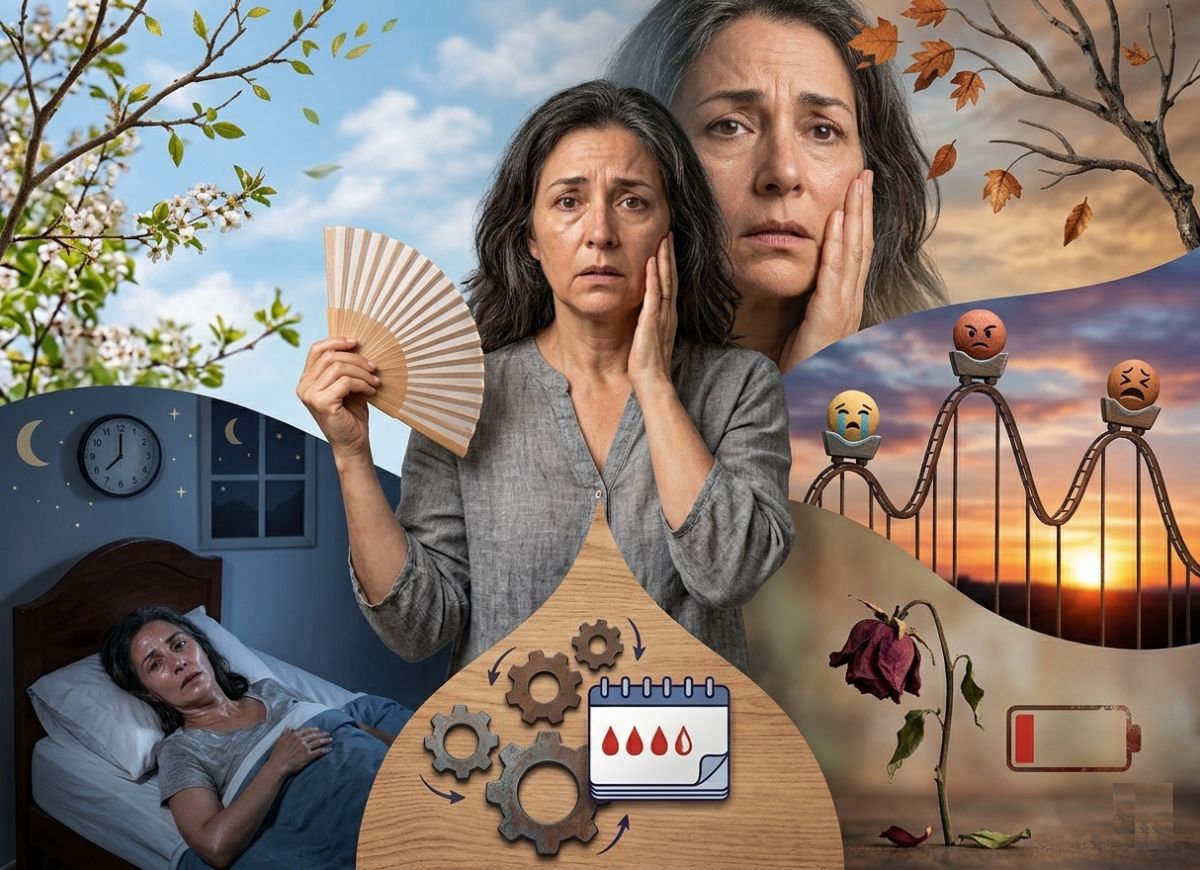
As women move into their 40s, they may notice a variety of physical, emotional, and hormonal changes. Some changes happen gradually and may be easy to overlook, while others can have a noticeable effect on everyday life. One of the major biological transitions that can begin during this period is perimenopause, the stage leading up to menopause.
Perimenopause does not look exactly the same for every woman. Some experience noticeable symptoms for several years, while others have relatively mild changes. Hormonal fluctuations can affect menstrual cycles, sleep, mood, body temperature, sexual health, skin, hair, and many other areas of well-being.
One of the earliest noticeable changes is often a shift in the menstrual cycle. Periods may become shorter, longer, heavier, lighter, or less predictable. Other symptoms can include hot flashes, night sweats, fatigue, difficulty sleeping, mood changes, reduced libido, and problems with concentration.
Because some of these changes can easily be blamed on stress or ordinary aging, it is useful to understand the signs that may occur during the menopausal transition. Recognizing these changes can help women decide when lifestyle adjustments may be useful and when it is appropriate to speak with a healthcare professional.
This guide explores the most common symptoms of perimenopause, less commonly discussed changes, the difference between perimenopause and PMS, how early perimenopause differs from premature menopause, and ways to manage symptoms.
What Is the Perimenopause Transition?
Perimenopause is the period when the body gradually moves toward menopause. During this stage, ovarian activity becomes less predictable, and reproductive hormone levels—particularly estrogen and progesterone—begin to fluctuate.
The transition can last for several years. Although it commonly begins during the 40s, it can start earlier for some women. The duration also varies considerably from one person to another.
As ovarian function changes, ovulation becomes less regular. These changes can affect the menstrual cycle and produce a wide variety of physical and emotional symptoms.
How Is Perimenopause Defined Medically?
Perimenopause is generally identified by changes in menstrual patterns and the appearance of symptoms associated with the menopausal transition.
As the number and function of ovarian follicles decline with age, hormone production becomes less predictable. The brain responds by increasing follicle-stimulating hormone (FSH) in an effort to stimulate the ovaries. However, ovarian hormone production can still fluctuate significantly during this time.
Estrogen can rise and fall unpredictably rather than declining in a smooth, steady pattern. Progesterone production may also become less consistent as ovulation occurs less frequently.
These hormonal changes can explain why one month may feel completely different from the next. A woman may experience hot flashes, sleep problems, mood changes, breast tenderness, irregular bleeding, or other symptoms that vary in intensity.
Estrogen affects much more than reproductive health. It has roles in bone health, temperature regulation, brain function, skin, blood vessels, and vaginal and urinary tissues. As estrogen fluctuates, changes can occur in several body systems.
Perimenopause is usually diagnosed based on a person’s age, symptoms, and menstrual history. Hormone tests such as FSH are not always helpful in typical cases because hormone levels can change considerably from day to day.
Perimenopause vs. Menopause
Although the terms are often used interchangeably, perimenopause and menopause describe different stages.
Perimenopause is the transition leading up to menopause. During this period, the ovaries are still functioning, but ovulation and hormone production become increasingly irregular.
Menopause is reached when a woman has gone 12 consecutive months without a menstrual period and there is no other medical explanation for the absence of menstruation.
After that point, a woman is considered postmenopausal.
Perimenopause may last several years, while menopause itself is technically identified at a specific point—the date of the final menstrual period, which can only be confirmed retrospectively after 12 months without menstruation.
The average age of menopause in the United States is around 51, although the timing varies.
Pregnancy is still possible during perimenopause because ovulation can continue to occur even when periods become irregular. Once menopause has been reached, natural pregnancy is no longer possible.
10 Common Perimenopause Symptoms
1. Hot Flashes
Hot flashes are among the most recognizable symptoms of perimenopause. They involve a sudden sensation of heat that may affect the face, neck, chest, or upper body.
Some women also experience sweating, flushing, chills afterward, or a noticeable increase in heart rate.
Hormonal fluctuations can affect the brain’s temperature-regulation system, making the body more sensitive to even small changes in temperature.
Hot flashes may last for several minutes and can happen during the day or at night. Nighttime episodes are often called night sweats and can interfere with sleep.
Certain factors may trigger or worsen hot flashes, including:
- Spicy foods
- Caffeine
- Alcohol
- Warm environments
- Stress
- Emotional changes
Keeping the bedroom cool, wearing breathable clothing, managing stress, and identifying individual triggers may help some women reduce discomfort.
2. Changes in Menstrual Cycle Length
Changes in the menstrual cycle are often among the earliest signs of perimenopause.
Periods may begin arriving sooner than expected, making cycles shorter. Later in the transition, cycles may become longer and increasingly unpredictable.
A woman who previously had very regular periods may suddenly notice that the timing is changing from month to month.
These changes occur because ovulation becomes less predictable as ovarian function changes.
A skipped period can also happen during perimenopause. However, because pregnancy remains possible until menopause has been confirmed, pregnancy should be considered when appropriate.
3. Changes in Menstrual Flow
The amount of menstrual bleeding can also change during perimenopause.
Some periods may become lighter than usual, while others may be noticeably heavier or last longer. Spotting between periods can also occur.
Hormonal fluctuations can cause changes in the development and shedding of the uterine lining. When ovulation does not occur regularly, progesterone production can also become inconsistent, contributing to irregular bleeding.
Although some menstrual changes are common during perimenopause, extremely heavy, prolonged, or unusual bleeding should be evaluated by a healthcare professional. Heavy bleeding can sometimes lead to anemia or may have another underlying cause.
4. Sleep Problems
Difficulty sleeping is another common concern during perimenopause.
Some women struggle to fall asleep, while others wake repeatedly throughout the night or wake earlier than expected. Night sweats can obviously interfere with sleep, but sleep problems may also occur without hot flashes.
Hormonal fluctuations, stress, anxiety, changes in body temperature, and other age-related factors can all contribute to sleep disturbances.
Poor sleep can then worsen daytime fatigue, irritability, concentration difficulties, and emotional symptoms.
Maintaining a regular sleep schedule, keeping the bedroom cool, reducing caffeine later in the day, and developing a relaxing nighttime routine may help improve sleep quality.
5. Mood and Emotional Changes
Hormonal changes during perimenopause can be accompanied by changes in mood.
Some women report increased irritability, anxiety, emotional sensitivity, or feelings of sadness. Others may notice that emotions seem stronger or less predictable than before.
Sleep deprivation, life stress, changing hormone levels, and other physical symptoms can all contribute to emotional difficulties.
Women with a history of depression, anxiety, PMS, or postpartum depression may be particularly attentive to changes in their mood.
Persistent depression, severe anxiety, or thoughts of self-harm should not simply be attributed to perimenopause. These symptoms deserve prompt professional support.
6. Brain Fog and Concentration Problems
Some women experience what is commonly called brain fog during perimenopause.
This may involve difficulty concentrating, forgetting small details, struggling to find words, or feeling mentally less sharp than usual.
Hormonal changes, particularly fluctuations in estrogen, may play a role. However, poor sleep, stress, anxiety, and fatigue can also affect memory and concentration.
These changes are generally not considered evidence of dementia. Still, sudden, severe, or progressively worsening cognitive problems should be medically evaluated rather than automatically attributed to menopause.
7. Vaginal Dryness and Genitourinary Changes
Declining or fluctuating estrogen can affect the tissues of the vagina and urinary tract.
Women may experience:
- Vaginal dryness
- Burning or irritation
- Itching
- Pain during sex
- Increased urinary urgency
- More frequent urination
- Recurrent urinary tract infections
These symptoms are often grouped under the term genitourinary syndrome of menopause (GSM), although they may begin during perimenopause.
Vaginal moisturizers, lubricants, and certain prescription treatments can help depending on the symptoms and individual medical history.
8. Reduced Libido and Changes in Sexual Function
A decrease in sexual desire can occur during perimenopause, although the experience varies greatly between women.
Hormonal changes may play a role, but libido is influenced by many factors. Vaginal dryness, painful intercourse, poor sleep, stress, mood changes, relationship factors, and general health can all affect sexual interest.
Reduced sexual desire is therefore not simply a result of one hormone becoming lower. Addressing the physical and emotional factors involved can often make a difference.
9. Weight and Metabolic Changes
Many women notice changes in body composition during their 40s and 50s.
Weight may become easier to gain and harder to lose, while body fat may increasingly accumulate around the abdomen.
Hormonal changes may contribute, but aging, muscle loss, sleep changes, physical activity, diet, stress, and other metabolic factors also play important roles.
Regular resistance training, cardiovascular activity, adequate protein intake, sufficient sleep, and a balanced diet can support healthy weight and metabolic function.
10. Changes in Skin and Hair
Estrogen contributes to skin structure, moisture, and collagen production. As hormone levels change during the menopausal transition, some women notice that their skin becomes drier or thinner.
Other possible changes include:
- Increased dryness
- More visible fine lines
- Reduced skin elasticity
- Changes in hair texture
- Hair thinning
- More brittle hair
Some women may also notice increased facial hair because the balance between estrogen and androgen hormones changes.
Gentle skincare, adequate hydration, sun protection, and a nutrient-rich diet can help support healthy skin and hair.
Less Common Signs of Perimenopause
Not every perimenopause symptom receives as much attention as hot flashes and irregular periods.
Some women experience joint or muscle aches, stiffness, or a general feeling of physical discomfort. Hormonal changes may influence inflammation and connective tissues, although joint pain can also have many other causes.
Heart palpitations can also occur. These may feel like fluttering, pounding, skipped beats, or a racing heart. Hormonal fluctuations, stress, anxiety, caffeine, and sleep deprivation may contribute.
However, new or persistent palpitations should not automatically be blamed on perimenopause. A healthcare professional may need to rule out heart rhythm problems, anemia, thyroid disorders, or other conditions.
Migraines and headaches may also change during the transition. Women who are sensitive to hormonal fluctuations can experience changes in migraine frequency or severity.
Digestive symptoms such as bloating, gas, constipation, or changes in bowel habits may also occur. These symptoms are not specific to perimenopause, so other causes should be considered when they persist.
For joint discomfort, regular low-impact activity, strength exercises, maintaining a healthy weight, and appropriate medical evaluation may help.
For digestive symptoms, adequate fiber, fluids, physical activity, and identifying individual food triggers may be useful.
If heart palpitations occur frequently or are accompanied by chest pain, fainting, severe shortness of breath, or other concerning symptoms, prompt medical assessment is important.
Perimenopause Symptoms vs. PMS Symptoms
Perimenopause and premenstrual syndrome (PMS) can share several symptoms, including:
- Mood changes
- Irritability
- Bloating
- Breast tenderness
- Fatigue
- Headaches
The major difference is the overall pattern.
PMS generally follows a predictable menstrual cycle. Symptoms usually appear during the days or weeks before a period and improve once menstruation begins.
Perimenopause tends to be less predictable. Periods may become irregular, symptoms may appear at different points in the cycle, and symptoms such as hot flashes, night sweats, vaginal dryness, and significant sleep changes may become more noticeable.
A woman who has always experienced PMS may therefore notice that her symptoms become different or less predictable as she enters perimenopause.
Tracking periods and symptoms for several months can be useful when discussing these changes with a healthcare provider.
Early Perimenopause vs. Premature Menopause
Early perimenopause and premature menopause are not the same thing.
Perimenopause can naturally begin in the 40s and sometimes somewhat earlier. During this period, ovarian function becomes less predictable, but periods and ovulation may continue.
Premature ovarian insufficiency (POI) refers to loss or significant reduction of ovarian function before age 40. It is different from ordinary perimenopause and can have important implications for fertility and long-term health.
POI can be associated with genetic conditions, autoimmune disorders, certain medical treatments, or sometimes no identifiable cause.
Women who develop menstrual irregularities or menopausal symptoms before age 40 should speak with a healthcare professional for pro