7 Leading Causes of Diverticulitis Everyone Should Know About
Digestive discomfort often starts out mild, but for millions of people it can turn into something much more serious. An estimated 200,000 people in the United States are affected by diverticulitis each year, and hospitalizations tied to the condition have been climbing steadily over the past decade. Even more notable, nearly half of adults over 60 have diverticula, small pouches in the colon, that can become inflamed and trigger this painful condition. These figures point to a question more people are asking: what actually causes diverticulitis?
Interest in the underlying causes has grown as the condition shows up more often in younger adults, not just older populations. Researchers are taking a closer look at lifestyle shifts, modern eating habits, and declining physical activity levels. What was once viewed mainly as an age-related issue is now understood to be shaped heavily by everyday habits built up over time. That shift has made understanding these causes genuinely useful, not just interesting.
For many people, diverticulitis first shows up as sudden abdominal pain, sometimes with fever, bloating, or changes in bowel habits. These symptoms rarely appear out of nowhere, though. Low fiber intake, chronic constipation, obesity, smoking, and even certain medications can all play a role in triggering inflammation in the colon. This article walks through seven leading causes of diverticulitis worth knowing about. Recognizing these risk factors early makes it easier to make informed choices that support digestive health and lower the odds of a painful flare-up down the line.
What is Diverticulitis?
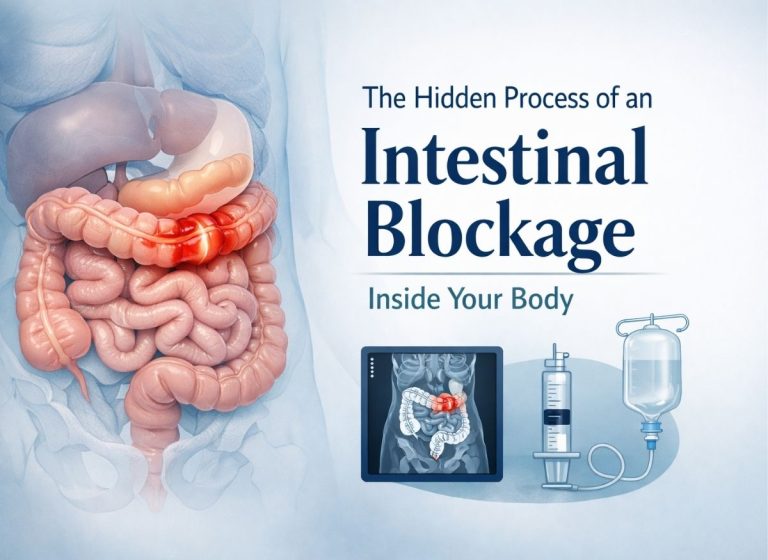
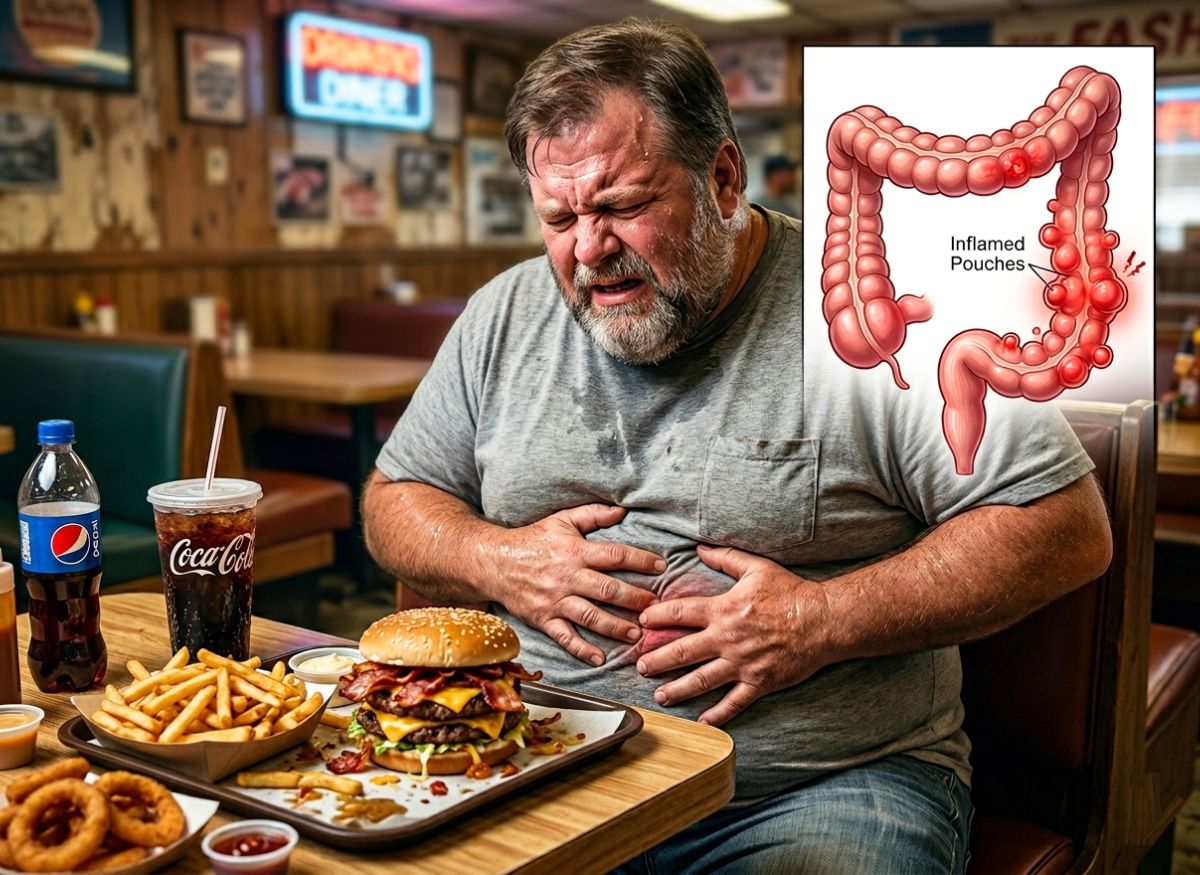
Diverticulitis is the inflammation, and often infection, of pre-existing diverticula, small pouches that bulge outward from the lining of the colon. This inflammatory process typically starts when one of these pouches becomes blocked or develops a tiny tear, allowing bacteria to leak into the surrounding tissue. The formation of the pouches themselves, a condition called diverticulosis, is a necessary first step, but it’s the specific triggering event within one or more pouches that actually causes diverticulitis.
The underlying process unfolds in stages. First, elevated pressure inside the colon, often driven by chronic constipation and straining, pushes the inner lining outward through weak points in the colon’s muscular wall. These weak spots tend to occur where blood vessels pass through the muscle layer. Once these pouches exist, they become potential trouble spots. Diverticulitis itself begins when the narrow opening of a pouch gets blocked, usually by a small, hardened piece of stool known as a fecalith.
That blockage traps bacteria inside the pouch, cuts off blood flow to its thin walls, and raises internal pressure. This creates conditions ripe for bacterial overgrowth, which can eventually erode the wall and cause a small tear or perforation. Once colonic bacteria leak through that opening, the immune system responds with localized inflammation, swelling, pain, and infection. Put simply, diverticulitis isn’t caused by the pouches existing, it’s caused by a specific complication that develops within them.
Primary Causes of Diverticulitis
Low-Fiber Diets
A low-fiber diet is one of the leading contributors to diverticulitis because it directly encourages the formation of diverticula by raising pressure inside the colon. Not getting enough fiber leads to smaller, harder stools that are difficult to pass, which causes constipation and repeated straining during bowel movements. That straining generates real pressure inside the colon, pushing the inner lining outward through naturally weak points in the colon wall and creating the pouches associated with diverticulosis. The diet itself doesn’t cause inflammation directly, but it sets up the structural conditions that make diverticulitis possible.
Reduced Stool Bulk and Softness: Dietary fiber, insoluble fiber especially, absorbs water and adds bulk to stool, making it softer, heavier, and easier for the colon to move along. A low-fiber diet does the opposite, producing small, dense, hard stools. The colon’s muscles have to work much harder to move this kind of stool, which significantly raises pressure in certain segments of the colon, the sigmoid colon in particular, where pressure already tends to run highest.
Increased Intraluminal Pressure: Based on Laplace’s law, pressure inside a cylinder is inversely related to its radius. When stool volume is low, the colon’s diameter narrows, and the muscle contractions needed to move it generate much higher localized pressure. Over years, this sustained pressure can push the innermost layers of the colon wall through the outer muscle layer, forming diverticula.
Setting the Stage for Inflammation: By encouraging diverticulosis to develop, a low-fiber diet creates the necessary groundwork for diverticulitis. Most people with diverticulosis never experience symptoms, but having numerous pouches raises the statistical odds that one will eventually become obstructed and inflamed. Historical trends back this up, diverticular disease rose sharply in Western countries throughout the 20th century, tracking closely with the shift toward processed, low-fiber diets.
Inflammation
Inflammation is what turns a diverticulitis flare-up from a quiet, asymptomatic condition into an acute, painful one. It starts when a blockage or small tear in a diverticulum lets colonic bacteria escape into nearby tissue, triggering a strong immune response. That response is what causes the swelling, localized pain, and fever associated with a flare-up, as the immune system works to contain the infection. How severe the episode becomes depends largely on the extent of the tear and how well the body manages to wall off the infection.
The path from a stable pouch to an active flare-up follows a fairly predictable sequence. It starts with a blockage at the opening of the diverticulum, most often caused by a small, hardened piece of stool called a fecalith. That blockage traps fecal matter and bacteria inside the pouch, creating a closed, high-pressure space. Bacteria multiply quickly, and the rising pressure cuts off blood flow to the pouch’s thin wall, leading to tissue damage. That weakened tissue can then erode and develop a small tear, or in more serious cases, a larger perforation.
Once the colon wall is breached, bacteria and inflammatory substances spill into the surrounding fat tissue and potentially into the abdominal cavity. The body responds immediately, sending white blood cells to the site, which leads to pus formation. If the body successfully contains the infection, a small, localized inflammation or abscess may form. If it doesn’t, the infection can spread further, leading to more dangerous complications like widespread peritonitis, a serious, life-threatening condition.
Obesity
People with a higher body mass index, especially those carrying more weight around the waist, face a notably higher risk. Obesity keeps the body in a state of chronic, low-grade inflammation. Inflammatory compounds released by fat tissue can make the body more prone to exaggerated inflammatory responses, including in the colon. On top of that, increased abdominal fat raises pressure inside the abdomen, which can both encourage diverticula formation and raise the risk of perforation.
Sedentary Lifestyle
Not getting enough regular physical activity is its own independent risk factor. Exercise helps keep bowel function and colonic movement running smoothly, cutting down transit time and helping prevent constipation. A sedentary lifestyle tends to do the opposite, slowing bowel movements and contributing to the kind of sustained pressure inside the colon that encourages diverticula to form.
Smoking
Smoking cigarettes is linked to a higher risk of both developing diverticulitis and experiencing more serious complications, like abscesses or perforations, once it develops. The exact mechanism isn’t fully understood, but smoking is known to weaken immune function, reduce blood flow to the colon, and promote inflammation throughout the body, all of which can make someone more vulnerable to infection and slower to heal once a diverticulum becomes inflamed.
Aging
As the body ages, connective tissue throughout the body changes, including in the colon. Collagen in the colon wall gradually loses some of its strength and elasticity. That structural weakening makes the wall more prone to bulging outward under pressure. Age-related changes in colon movement and nerve function can also slow transit time and raise pressure further. Combined with decades of everyday habits, like a less-than-ideal diet, this ongoing stress on an increasingly weaker structure makes diverticula formation almost a common part of aging for many people in Western countries.
Genetics
Diverticulitis isn’t a classic inherited disease in the traditional sense, but there’s strong evidence pointing to a genetic component. Twin studies have found a higher concordance rate for diverticular disease among identical twins compared to fraternal twins, suggesting a hereditary influence. People with a parent, sibling, or child who’s had diverticulitis face a notably higher risk of developing it themselves. Researchers suspect certain genes tied to connective tissue formation, colon movement regulation, or neuromuscular and immune function may be involved. This genetic link may help explain why some people develop severe diverticular disease at a young age, even without other obvious risk factors present.
Diverticulitis Diagnosis
Diagnosing suspected diverticulitis usually involves several tests aimed at confirming inflammation, ruling out complications, and excluding other possible conditions. A doctor typically starts with a physical exam, checking for tenderness in the abdomen, especially the lower left side. Confirming the diagnosis, though, usually requires more specific testing. A CT scan of the abdomen and pelvis is considered the gold standard for diagnosing acute diverticulitis. This imaging method gives doctors detailed, cross-sectional views of the colon, making it possible to clearly see inflamed pouches, thickening of the colon wall, and complications like an abscess or perforation.
Blood tests are also a standard part of the workup. These check for signs of infection, mainly by measuring white blood cell count, an elevated count (leukocytosis) suggests the body is actively fighting an infection. C-reactive protein, another blood marker, can also be checked since its levels rise in response to inflammation. Once the acute episode has fully resolved, usually after 6 to 8 weeks, a colonoscopy may be recommended to examine the full colon and rule out other conditions, like colorectal cancer, which can sometimes cause similar symptoms.
Imaging Studies: A CT scan is the preferred approach during an acute episode since it’s highly effective at spotting inflamed pouches and identifying serious complications like fistulas or bowel obstruction.
Laboratory Analysis: Blood tests offer important evidence of a systemic inflammatory or infectious response, helping distinguish diverticulitis from other, non-infectious causes of abdominal pain and guiding decisions like whether antibiotics are needed.
Follow-up Evaluation: A colonoscopy is intentionally delayed until acute inflammation has settled down, to avoid the risk of perforating an already weakened colon wall, and it serves as an important tool for long-term monitoring and screening.
Diverticulosis and Other Medical Conditions
Diverticulosis and Diverticulitis
These two terms often get used interchangeably in everyday conversation, but they describe two very different stages of the same underlying condition in the colon. Diverticulosis simply refers to the presence of small, bulging pouches, diverticula, in the wall of the large intestine. These pouches form at weakened points in the colon wall, usually from years of increased pressure needed to move low-fiber stool.
For most people, diverticulosis causes no symptoms at all, many don’t even know they have it unless it’s found incidentally during a colonoscopy or other screening. It’s extremely common, affecting more than half of adults over 60 in Western countries. Diverticulitis, on the other hand, happens when one or more of these pouches becomes inflamed or infected. That’s the point where symptoms actually show up.
Inflammation is thought to occur when a small piece of stool gets trapped in a pouch, allowing bacteria to multiply, or when a pouch erodes a nearby blood vessel, triggering inflammation and potentially a small tear. This leads to the classic symptoms: acute abdominal pain, fever, nausea, and noticeable changes in bowel habits. Understanding this distinction matters for both patients and doctors, since the two conditions are managed very differently.
Diverticulosis (The Condition): This is a chronic, structural state defined by the presence of diverticula. It isn’t an illness in itself, more of a precursor. Management focuses on preventing complications, mainly through a high-fiber diet that keeps stool soft and reduces pressure in the colon.
Diverticulitis (The Complication): This is an acute event involving inflammation or infection. It calls for active medical treatment, which can range from oral antibiotics and a liquid diet for mild cases, all the way to hospitalization, IV antibiotics, or surgery for more severe complications like an abscess or perforation.
A Simple Way to Think About It: Picture diverticulosis as potholes in a road, they’re there, but they may never cause a problem. Diverticulitis is more like a car hitting one of those potholes and blowing a tire or getting into an accident, a sudden event that needs immediate attention and repair.
Diverticulitis and Irritable Bowel Syndrome (IBS)
Diverticulitis and IBS get mixed up fairly often since both can cause abdominal pain, cramping, bloating, and changes in bowel habits like constipation or diarrhea. But they’re fundamentally different conditions in terms of cause, underlying pathology, and how they’re diagnosed. Diverticulitis is a structural, inflammatory condition where pouches in the colon become infected. Its symptoms tend to be acute and localized, often showing up as sharp, persistent pain in the lower left abdomen, along with signs of systemic infection like fever, chills, and elevated white blood cell counts.
IBS, by contrast, is a functional gastrointestinal disorder, sometimes described as a disorder of gut-brain interaction. With IBS, the digestive tract looks structurally normal on imaging and endoscopy, there’s no visible inflammation, infection, or damage. Symptoms instead stem from miscommunication between the brain and gut, leading to heightened sensitivity and altered gut movement. IBS pain tends to be more chronic, crampy, and widespread, and it’s often noticeably better or worse around a bowel movement.
Unlike diverticulitis, IBS doesn’t come with fever or other signs of acute infection. IBS is diagnosed based on symptom patterns, using criteria like the Rome IV guidelines, only after other structural conditions have been ruled out. Telling the two apart matters a lot, since their treatments are completely different, and a misdiagnosis can delay proper care.
Underlying Pathology: Diverticulitis involves a clear, visible problem, inflamed or infected diverticula. IBS is functional, with no visible structural abnormality; the issue lies in how the gut works and processes signals.
Symptom Presentation: Diverticulitis typically shows up as an acute episode with severe, localized pain and infection markers (fever, elevated inflammatory levels). IBS symptoms are chronic, recurring, and usually tied to bowel movements, without the systemic signs of infection.
Diagnostic Approach: Diverticulitis is confirmed through objective findings on a CT scan and blood work. IBS is diagnosed based on specific symptom criteria and by ruling out other conditions, since diagnostic tests typically come back normal.
Can Certain Medications Increase Your Risk of Diverticulitis?
Regular use of certain common medications has been linked to a higher risk of developing diverticulitis and experiencing more serious complications. These drugs don’t cause diverticula to form in the first place, but they can create conditions where existing pouches are more likely to become inflamed or lead to worse outcomes. The most commonly implicated group is NSAIDs, nonsteroidal anti-inflammatory drugs, which includes over-the-counter options like ibuprofen and naproxen, along with prescription-strength versions.
Regular NSAID use is thought to damage the protective lining of the colon, making it harder for the colon to heal itself. This can weaken the wall of a diverticulum, leaving it more vulnerable to small tears and subsequent inflammation. NSAIDs can also raise the risk of diverticular bleeding, a fairly common complication. Corticosteroids (prednisone, for example) are another concern. These powerful anti-inflammatory drugs suppress immune function, which can mask the early warning signs of infection. As a result, when diverticulitis does develop in someone taking steroids, it’s often more advanced by the time it’s caught, with a higher risk of severe complications like perforation or sepsis.
Opioid pain medications can also raise risk by slowing gut movement and causing significant constipation, which increases pressure inside the colon and can worsen existing diverticula. This underscores why it’s worth discussing all medication use with a healthcare provider, particularly for anyone with known diverticulosis.
NSAIDs: Long-term or frequent use can compromise the colon wall’s integrity, potentially setting off the inflammatory process behind diverticulitis or leading to bleeding episodes.
Corticosteroids: By dampening the body’s natural immune response, steroids can let a minor diverticular inflammation progress to a life-threatening perforation before classic symptoms like fever even show up.
Opioids: Their constipating effect directly raises mechanical stress on the part of the colon wall where diverticula sit, increasing the chances a pouch becomes blocked and inflamed.
FAQs
1. What foods should you avoid if you have diverticulitis? During a flare-up, low-fiber, easily digestible foods are usually recommended to ease strain on the colon. Fatty foods, fried items, red meat, refined grains, and heavily processed snacks can make symptoms worse. Spicy foods, alcohol, and caffeine may also irritate the digestive tract for some people. Once symptoms improve, gradually reintroducing a high-fiber diet is usually recommended to support long-term gut health.
2. Can you reverse diverticulosis? Once diverticula have formed, they can’t be fully reversed. Progression can be slowed or prevented, though. A fiber-rich diet, staying hydrated, and regular physical activity all help support bowel health and lower the risk of those pouches becoming inflamed.
3. What is the best way to prevent diverticulitis? Prevention comes down to supporting healthy digestion overall. A diet rich in fruits, vegetables, whole grains, and legumes helps keep stool soft and reduces pressure in the colon. Staying hydrated, exercising regularly, and avoiding smoking all help lower the risk of inflammation and flare-ups.
4. What are the red flags for diverticulitis? Warning signs include ongoing lower abdominal pain, fever, nausea, vomiting, and noticeable changes in bowel habits like constipation or diarrhea. Severe pain, an inability to pass stool, or signs of infection should be treated as urgent and warrant medical attention.
5. What is poop like with diverticulosis? Bowel movements can vary quite a bit. Some people experience constipation with hard, dry stools, while others notice more irregular patterns. Straining during bowel movements is common and can add pressure to the colon walls.
6. How long does it take to recover from diverticulitis? Mild cases often improve within a few days to a week with proper treatment. More severe cases can take several weeks to resolve, especially if complications develop or hospitalization is needed. Recovery time really depends on severity and how early treatment starts.
Conclusion
Diverticulitis doesn’t develop overnight. It’s usually the result of long-term habits, dietary patterns, and lifestyle choices that gradually take a toll on digestive health. Understanding the leading causes of diverticulosis gives people a real advantage, making it possible to take action before symptoms ever appear or worsen. Small changes can make a meaningful difference. Increasing fiber intake, staying active, and paying attention to early warning signs can all help lower the odds of a painful flare-up. Awareness also encourages timely medical care, which plays a major role in avoiding complications down the line.
By understanding these seven leading causes of diverticulosis, people gain practical insight into how the condition develops and how it can be managed, or even avoided altogether. Long-term digestive health comes down to consistent care, informed choices, and a proactive approach to overall wellbeing.