
Understanding Autoimmune Thyroiditis and Its Impact on Hormonal Imbalance
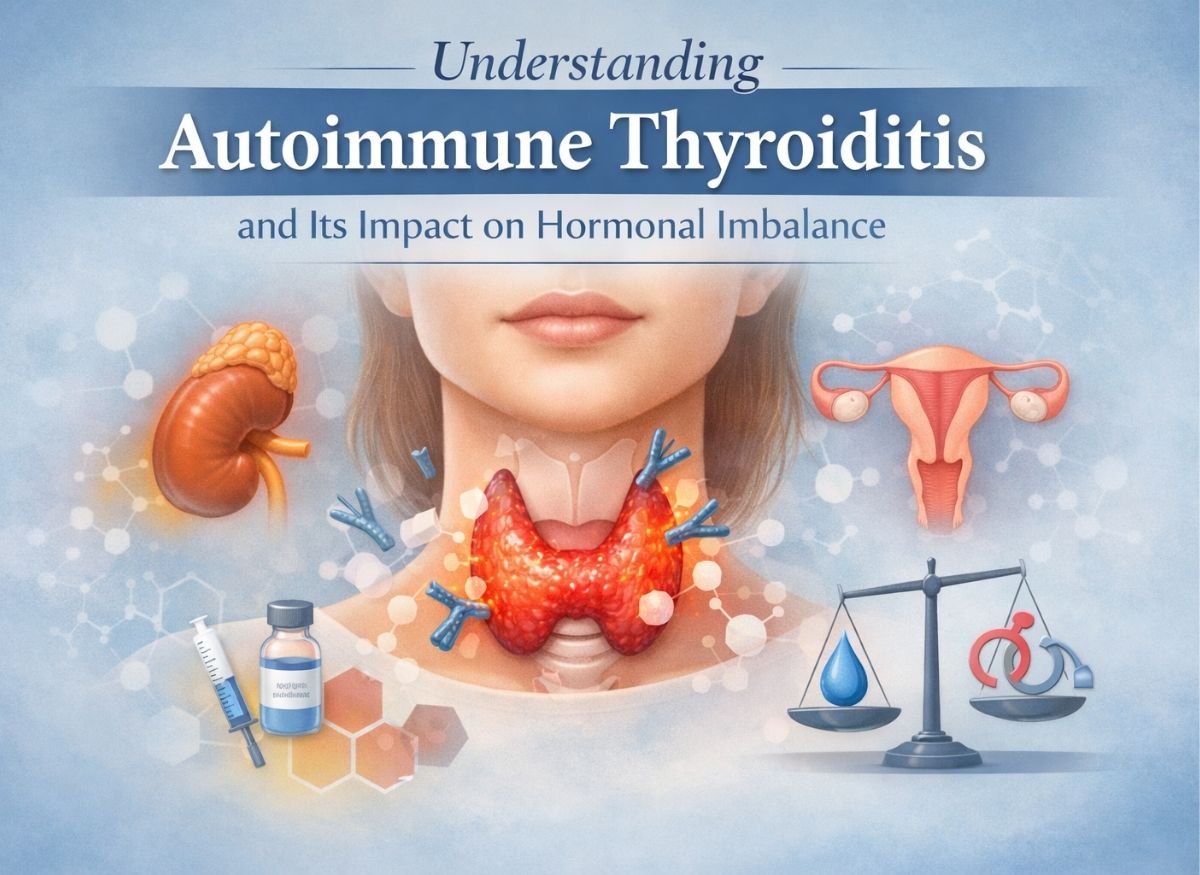
Autoimmune thyroiditis, better known as Hashimoto’s thyroiditis, affects millions of people worldwide, yet many go years without a diagnosis. It happens when the immune system mistakenly attacks the thyroid gland. The resulting chronic inflammation eventually leads to hypothyroidism, or an underactive thyroid.
The thyroid regulates metabolism, energy production, and hormone balance. When autoimmune thyroiditis disrupts these jobs, it can cause extreme fatigue, unexplained weight gain, low mood, and trouble concentrating.
What many people don’t realize is that the condition is closely tied to wider hormonal imbalances. These reach beyond thyroid hormones to other hormones that control metabolism, reproductive health, and overall vitality, which makes the health picture more complicated.
Understanding this link is the foundation of a good treatment plan. This article explains how autoimmune thyroiditis leads to hormonal imbalance, which symptoms to watch for, and how lifestyle changes, diet, and medical care can help you manage it.
How Does Autoimmune Thyroiditis Cause Hormonal Imbalance?
Autoimmune thyroiditis, especially Hashimoto’s disease, gradually weakens the thyroid’s ability to make the hormones that regulate metabolism. That triggers a chain reaction across several body systems, including the adrenal glands, sex hormones, and metabolic processes. It starts when the immune system targets thyroid tissue, causing chronic inflammation and destroying the cells that make thyroxine (T4) and triiodothyronine (T3).
As thyroid function drops, the brain’s control system responds by producing more thyroid-stimulating hormone (TSH) to push the gland harder. A damaged thyroid can’t keep up, so the cycle continues and thyroid hormone regulation keeps getting worse. The effects spread well beyond metabolism.
The adrenal glands come under chronic strain from the low thyroid output, which unbalances cortisol. Sex hormones such as estrogen and progesterone are disturbed too, often causing irregular periods and fertility problems. The body also uses glucose less effectively, which can lead to insulin resistance. In short, autoimmune thyroiditis doesn’t stay in the thyroid. It creates a hormonal imbalance across the whole body.
What is Autoimmune Thyroiditis?
Autoimmune thyroiditis is a group of disorders in which the immune system attacks the thyroid, and Hashimoto’s disease is the most common and best known. It is marked by specific autoantibodies, mainly Thyroid Peroxidase (TPO) antibodies and Thyroglobulin (Tg) antibodies. These target enzymes and proteins the thyroid needs to make hormones, causing inflammation and, eventually, tissue damage.
In Hashimoto’s, the immune response is long-lasting and slowly destroys the thyroid’s follicular cells. Early on, damaged cells may release a surge of stored hormone, causing a temporary overactive phase called Hashitoxicosis. As the disease advances, hypothyroidism takes over, and the thyroid can no longer meet the body’s needs.
- TPO Antibodies: These are a hallmark marker, found in over 90% of Hashimoto’s cases. They attack thyroid peroxidase, an enzyme essential for making thyroid hormone, causing oxidative stress and cell damage inside the gland.
- Tg Antibodies: These target thyroglobulin, the protein used to store thyroid hormone. They are less specific to Hashimoto’s than TPO antibodies, but their presence still points to an autoimmune attack on the thyroid.
Over time, the ongoing attack scars the gland (fibrosis) and steadily reduces its function, sometimes leading to permanent hypothyroidism. Symptoms vary along the way, so regular checks of thyroid function and autoimmune markers are essential for managing the condition and limiting its effect on your health.
How Does Autoimmune Thyroiditis Cause Hormonal Imbalance?
In Hashimoto’s disease, your immune system attacks your thyroid. Over time, the chronic inflammation and damage prevent the gland from making the hormones your metabolism depends on. T3 and T4 control energy production, body temperature, and much more. When their levels fall out of range, the problems reach beyond the thyroid to other hormones as well.
Think of the thyroid as a car’s engine. When it’s damaged, it runs poorly. Your brain tries to compensate by telling the thyroid to make more hormone, but a damaged gland can’t respond. This sets off a chain reaction in other hormonal systems, producing tiredness, weight gain, and problems with periods and fertility.
Adrenal Hormones (Cortisol)
Your adrenal glands help you respond to stress by producing cortisol. With autoimmune thyroiditis, your body is already under strain because the thyroid is struggling. This can lead to too much cortisol, which brings anxiety and sleep problems, or too little, which leaves you exhausted. Thyroid hormones also help the body process cortisol, so when the thyroid isn’t working well, balancing your stress hormones becomes harder.
Sex Hormones (Estrogen, Progesterone, Testosterone)
Reproductive hormones are strongly affected. In women, low thyroid function can cause irregular periods, difficulty getting pregnant, or a lack of ovulation. In men, it can lower testosterone, leading to low energy, reduced libido, and muscle weakness. The thyroid and reproductive hormones are closely connected, so when one is out of balance, the others tend to follow.
Insulin
Thyroid hormones also influence how your body handles glucose. When they run low, metabolism slows and your cells use glucose less efficiently. This can cause insulin resistance, where your body needs more insulin to keep blood sugar in check. The result may be weight gain and a higher risk of diabetes.
How Does Autoimmune Thyroiditis Disrupt the Endocrine System?
Picture your endocrine system as a finely tuned orchestra, with each hormone playing its own instrument and the thyroid acting as the conductor. When autoimmune thyroiditis damages the thyroid, the whole orchestra drifts out of sync, and the effects cascade like dominoes through other hormones.
Thyroid Failure and Pituitary Compensation
The thyroid makes T3 and T4 to regulate metabolism. When output falls, the pituitary gland in your brain signals the thyroid to make more. A damaged thyroid can’t answer that call, and this broken feedback loop throws other hormones off balance.
Adrenal Stress Response
A struggling thyroid puts extra stress on the body, so the adrenal glands overwork. This can produce too much cortisol (anxiety and sleep trouble) or too little (fatigue and poor stress tolerance).
Impact on Reproductive Health
The pituitary gland controls both thyroid and reproductive hormones, so when it falls out of sync, reproductive health suffers. Women may have menstrual problems or trouble conceiving. Men may develop lower testosterone, which reduces energy and libido.
What Are the Symptoms of Hormonal Imbalance Linked to Autoimmune Thyroiditis?
Hashimoto’s sets off a cascade of hormonal imbalances, and the resulting symptoms are often missed or blamed on stress or aging. Common ones include persistent fatigue, unexplained weight changes, mood swings, “brain fog,” irregular periods, and changes in hair, skin, and nails.
The thyroid influences nearly every function in the body through the hormones it makes. When it falters, metabolism slows, immune function suffers, and other hormones go out of balance, which amplifies these symptoms.
What Are the Common Physical Symptoms?
Physical symptoms come from thyroid hormone deficiency and the slowdown of bodily processes that follows. Common ones include:
- Persistent Fatigue: Often the most debilitating symptom. It is deeper than ordinary tiredness and doesn’t ease with sleep. Thyroid hormones are vital for energy production in cells, and adrenal problems and unbalanced cortisol further drain energy and disturb sleep.
- Unexplained Weight Gain: A lower metabolic rate makes the body better at storing fat and holding fluid, especially in the face, hands, and feet. It can happen even when diet and exercise haven’t changed.
- Cold Intolerance: With less thyroid hormone, the body makes less heat, so you may feel cold even in comfortable temperatures. It is most noticeable in the hands and feet and can come with shivering.
- Dry Skin, Hair Loss, and Brittle Nails: Skin turns dry and flaky, hair thins or falls out (often the outer third of the eyebrows), and nails become brittle.
- Digestive Issues: A slower metabolism affects the gut and can cause chronic constipation. Lower stomach acid also weakens digestion and nutrient absorption, which can worsen deficiencies.
- Brain Fog: A hallmark symptom, showing up as poor concentration, memory lapses, and mental sluggishness because low thyroid hormone affects brain function.
What Are the Common Mood and Cognitive Symptoms?
Mood and cognitive symptoms are among the most significant yet most overlooked effects, driven by disrupted thyroid hormones and cortisol. The brain depends on thyroid hormones, so low levels can cause both mental health and thinking problems. These are often mistaken for a primary psychological disorder or plain stress. Here is how they show up:
- Depression and Anxiety: Depression is one of the most common mental health symptoms. Thyroid hormones, especially T3, help regulate mood-controlling neurotransmitters like serotonin and norepinephrine. Without enough of them, the brain can resemble clinical depression, with persistent sadness, apathy, and loss of interest. The autoimmune condition and the stress it creates can also drive anxiety, including constant worry, panic attacks, and feeling overwhelmed by everyday stress.
- Brain Fog: This mental cloudiness comes from reduced energy metabolism in brain cells when thyroid hormone is low. The brain processes information less efficiently, so concentrating, thinking quickly, and making decisions all become harder. Tasks that need focus can feel overwhelming.
- Memory Problems and Difficulty Concentrating: Thyroid hormones support memory and learning by promoting neurogenesis (new brain cells) and synaptic plasticity (the ability of brain cells to form and strengthen connections). When levels are low, these functions weaken, making it hard to remember recent events or facts. Many people struggle to focus and feel mentally tired, which is frustrating at home and at work.
Can Autoimmune Thyroiditis Affect Menstrual Cycles and Fertility?
Yes. Autoimmune thyroiditis can seriously affect menstrual cycles and fertility by upsetting the hormonal balance needed for ovulation, conception, and pregnancy. Beyond regulating metabolism, the thyroid influences reproductive health, so when it is compromised, the hormonal pathways behind the cycle and fertility are disturbed. Here is how:
- Menstrual Irregularities: These are a hallmark of hypothyroidism, which often accompanies autoimmune thyroiditis. Some women have anovulatory cycles, where no egg is released, making conception difficult. Others have heavy or prolonged bleeding (menorrhagia), infrequent periods (oligomenorrhea), or no periods at all (amenorrhea). Thyroid hormones are needed for proper signaling between the brain (hypothalamus and pituitary) and the ovaries.
- Challenges with Conception and Implantation: Conception needs ovulation, which hypothyroidism can prevent. Even when ovulation happens, the second half of the cycle may suffer from low progesterone. Progesterone prepares the uterine lining for a fertilized egg to implant and grow. Without enough of it, the uterus may not accept the egg, leading to infertility or early miscarriage.
- Increased Risk of Pregnancy Complications: When thyroiditis is poorly controlled, pregnancy carries higher risks, including early miscarriage, pre-term labor, preeclampsia (high blood pressure), and placental abruption. Thyroid hormone is also critical for the baby’s brain development, and very low levels in the mother can lead to developmental delays or cognitive problems later in the child’s life.
What are the Management Strategies for Hormonal Imbalance Caused by Autoimmune Thyroiditis?
Managing this imbalance takes a two-part approach: treat the immediate hormone deficiency and address the underlying autoimmune activity. Thyroid hormone replacement is the cornerstone of medical treatment, but lifestyle and dietary changes are just as important for calming the autoimmune side, reducing inflammation, and supporting the endocrine system. Tackling both the root causes and the consequences gives you the best chance at long-term improvement.
What are the Conventional Medical Treatments for Restoring Balance?
Conventional treatment aims to restore thyroid hormone balance, relieve hypothyroid symptoms, and stabilize thyroid function. The main tool is thyroid hormone replacement, which makes up for the gland’s reduced output. Because the underlying problem is autoimmune, replacement alone is often not enough, and the immune system’s effect on the thyroid needs attention too. The main options are:
1. Levothyroxine (T4-Only Therapy)
Levothyroxine is the most commonly prescribed medication for hypothyroidism caused by autoimmune thyroiditis. It is a synthetic version of thyroxine (T4), and the body converts it into the active hormone triiodothyronine (T3) as needed. It is usually taken once a day on an empty stomach for proper absorption.
Doses are adjusted using regular blood tests for Thyroid Stimulating Hormone (TSH) and Free T4. The goal is to bring TSH into the target range (usually 0.5–2.5 mIU/L), which reflects normal thyroid function. Careful tracking of symptoms and lab results is needed to find the right dose.
2. Combination Therapy (T3/T4)
Some people don’t feel fully well on levothyroxine alone, often because they don’t convert T4 to T3 efficiently. Causes can include nutrient deficiencies (such as selenium or zinc), genetic variations, or high cortisol. In these cases, a combination of T4 and T3 may work better. It can be given as:
- Synthetic T4/T3 Medications: These contain both hormones and are often used when levothyroxine alone doesn’t give a full response.
- Natural Desiccated Thyroid (NDT): Made from pig thyroid glands, NDT contains T4, T3, and other thyroid cofactors. Some patients who prefer a natural option choose it.
3. Optimizing the Dose
Finding the right dose is gradual. The doctor starts low and raises it every 4–6 weeks, checking TSH, Free T4, and Free T3, until symptoms improve and lab values reach the target range. Too much thyroid hormone can cause hyperthyroid symptoms like anxiety, heart palpitations, and insomnia. Too little leaves hypothyroid symptoms such as fatigue, weight gain, and cold intolerance unresolved.
What are the Key Lifestyle and Dietary Approaches for Support?
The best results come from pairing medical treatment with lifestyle and diet changes. The goals are to reduce inflammation throughout the body, calm the immune system, and supply the nutrients that support the thyroid and adrenal glands. Used alongside medication, these steps address both the root of the autoimmune problem and its symptoms. With consistent effort, they can reduce flare-ups, steady hormone levels, and improve overall well-being. The key parts of a supportive plan are:
Adopting an Anti-Inflammatory or Autoimmune-Friendly Diet
Diet plays a major role in autoimmune conditions. A nutrient-dense, anti-inflammatory diet helps reduce flare-ups and supports the thyroid. The source suggests the first step is going gluten-free, since gluten sensitivity is strongly linked to Hashimoto’s. Cutting other common inflammatory foods, such as dairy, soy, and processed sugar, helps many people as well.
A more thorough option is the Autoimmune Protocol (AIP), which removes foods that may be triggering inflammation so you can identify your own sensitivities. Nutrients such as selenium, zinc, iodine, iron, and B vitamins should come from whole foods to support thyroid function and lower autoimmune activity.
Managing Stress to Support Adrenal Health
Chronic stress is a major driver of autoimmune flare-ups and adrenal problems, so managing it is crucial for hormonal balance. Mindfulness meditation, deep breathing, yoga, and time in nature all help regulate the Hypothalamic-Pituitary-Adrenal (HPA) axis, which controls cortisol production.
Cortisol also affects how T4 is converted to T3, so controlling stress can improve hormone balance. Regular relaxation practices reduce anxiety and support the adrenal glands, giving your hormones a steadier base.
Ensuring Adequate, High-Quality Sleep
Sleep is essential for hormone regulation and immune function. Poor sleep disrupts cortisol rhythms and raises inflammation, which worsens autoimmune symptoms. Aim for 7–9 hours of good, uninterrupted sleep each night.
A consistent schedule, a dark and cool bedroom, and no blue light before bed all help. Quality sleep supports the thyroid and adrenals by allowing the recovery and cell repair that hormone production depends on.
Is It Possible to Fully Balance Hormones While Managing an Autoimmune Condition?
Yes, functional hormonal balance is achievable with autoimmune thyroiditis, though it takes steady effort and an integrated approach. The condition itself may be lifelong, and antibodies may persist. Even so, immune activity can often be reduced enough to reach a functional remission. The autoimmune process may not vanish completely, but its clinical impact can be kept small. The main principles are:
- Remission as the Goal: The aim is to bring the autoimmune response into remission by reducing the immune attack on the thyroid. This often shows up as falling TPO and thyroglobulin (Tg) antibodies. Getting there takes dietary changes, stress management, and attention to gut issues like dysbiosis. Restoring immune balance is critical for limiting thyroid damage.
- Comprehensive and Personalized Management: Balance takes more than a normal TSH. It means optimizing thyroid hormone replacement, supporting adrenal function, balancing sex hormones, and stabilizing blood sugar and insulin. Because the process is highly individual, it needs regular monitoring and adjustment to keep the thyroid, adrenal, and metabolic systems working properly.
- Symptom Resolution Defines Success: Real success is measured by how you feel, not only by lab numbers. Better energy, mental clarity, emotional stability, and relief from physical symptoms such as joint pain are signs that balance has been reached. This whole-person approach lets you thrive rather than merely get by. Long-term success is realistic but depends on ongoing commitment to lifestyle changes and consistent care.
Can Managing Autoimmune Thyroiditis Improve Other Autoimmune Conditions?
Yes, managing autoimmune thyroiditis well can improve other autoimmune conditions you may also have. This relates to polyautoimmunity, meaning more than one autoimmune disease in the same person.
It’s common for someone with Hashimoto’s to also have another autoimmune disorder, such as celiac disease, rheumatoid arthritis, Sjögren’s syndrome, or lupus. All share the same root problem: a dysregulated immune system that attacks the body’s own tissues and causes chronic inflammation and damage.
Because the immune system sits at the center of these conditions, calming it in one disease can help the others. The key is to address the underlying immune dysfunction rather than treating each disease in isolation. The main strategies are:
1. Anti-inflammatory Diet
An anti-inflammatory diet is a cornerstone strategy for thyroiditis and overall immune health. Cutting inflammatory triggers such as gluten, dairy, and processed sugar can noticeably reduce the systemic inflammation that drives many autoimmune diseases. A nutrient-rich, whole-food diet also supports immune regulation with essential vitamins, minerals, and antioxidants.
What to focus on:
- Gluten-Free: Gluten is known to worsen autoimmune responses, especially in people with thyroid conditions, so removing it completely is often helpful.
- Anti-inflammatory Foods: Omega-3 rich foods such as fatty fish (salmon, mackerel), flaxseeds, and walnuts help reduce inflammation. Leafy greens, turmeric, ginger, and berries are good additions too.
- Eliminate Processed Sugars: Cutting sugar helps control inflammation and supports immune function.
2. Stress Reduction
Chronic stress contributes heavily to autoimmune flare-ups. It raises cortisol, which disrupts immune function and can worsen autoimmune symptoms, thyroiditis included. Meditation, yoga, and deep breathing calm the body’s stress response, lower cortisol, and help rebalance the immune system.
Stress management tips:
- Mindfulness Meditation: Regular practice has been shown to lower cortisol and support immune health.
- Yoga: A daily routine reduces stress and also improves flexibility, circulation, and general physical health.
- Adequate Sleep: 7–9 hours of good sleep is essential for immune function and stress recovery.
3. Gut Health Restoration
The gut is central to immune regulation, since a large share of immune cells live in the intestinal lining. When the gut is leaky (increased intestinal permeability), toxins, undigested food particles, and other inflammatory agents can enter the bloodstream and trigger an immune response. Healing the gut is therefore a key part of managing thyroiditis and improving overall health, because it reduces the inflammation behind many autoimmune diseases.
How to improve gut health:
- Gut-Healing Foods: Bone broth, collagen, and fermented foods such as sauerkraut and kefir support gut integrity and balance.
- Eliminate Inflammatory Triggers: As noted earlier, gluten and dairy can worsen gut inflammation, so removing them can help restore gut health.
4. Hormonal Balance
Balancing hormones, especially thyroid hormones, is essential for managing autoimmune thyroiditis and its symptoms. Thyroid hormone replacement is the main medical treatment, but diet, stress management, and sleep also help optimize thyroid function. For people with several autoimmune diseases, such as rheumatoid arthritis or Sjögren’s syndrome, addressing the thyroid through lifestyle changes can improve overall hormonal balance.
Supportive measures:
- Thyroid Hormone Therapy: For many people, adjusting thyroid hormone levels with medication is essential for controlling symptoms.
- Herbal Supplements: Herbs like ashwagandha may help regulate stress and support thyroid health.
Combining dietary changes, stress management, gut restoration, and hormonal balance can improve your thyroid health and may also ease other autoimmune conditions. These habits support the whole immune system, leading to less inflammation, better immune function, and a better quality of life.
Conclusion
Autoimmune thyroiditis doesn’t only change thyroid hormone levels. Damage to the gland can set off a cascade of hormonal imbalances with far-reaching effects on your health. Managing them is critical for improving quality of life and lowering the risk of complications such as infertility, cardiovascular problems, and severe fatigue.
A holistic approach lets you take control of your health and restore hormonal balance. Stay proactive in tracking your symptoms and work closely with a healthcare provider to build a treatment plan tailored to you.
With the right approach, you can reduce the effects of autoimmune thyroiditis and live a healthier, more balanced life. If you notice symptoms of thyroid imbalance, don’t wait to get support. Early action can make a big difference to your long-term health.
Ek zaroori note: source mein kuch claims (jaise sab ke liye gluten/dairy-free diet, “remission” ka claim, aur TSH ki 0.5–2.5 range) medical guidelines mein universally accepted nahi hain. Maine intent same rakhne ke liye unhein waisa hi rakha hai, lekin publish karne se pehle kisi medical reviewer se check karwana behtar hoga. Agar chahein to main in jagahon par halka sa “may help” / “some people” jaisa softer wording bhi laga sakta hoon.