
3 Common EVALI Symptoms to Recognize
Have you been vaping and started experiencing shortness of breath, unusual tiredness, or feeling sick in a way that seems different from a normal cold? EVALI, short for e-cigarette or vaping product use-associated lung injury, is a serious condition involving lung damage linked to vaping. It can affect breathing, energy levels, digestion, and overall well-being. In some cases, symptoms develop gradually over several days or weeks rather than appearing all at once.
EVALI gained widespread attention during the 2019 outbreak in the United States. By February 18, 2020, 2,807 hospitalized EVALI cases or deaths had been reported across all 50 states, Washington, D.C., and two U.S. territories. The outbreak also included 68 confirmed deaths across 29 states and Washington, D.C. These figures highlight why symptoms associated with vaping should not simply be dismissed, even in young or otherwise healthy people.
Recognizing EVALI can be difficult because its symptoms may resemble pneumonia, influenza, COVID-like illness, stomach problems, or general exhaustion. Some people first notice coughing, chest pain, or difficulty breathing, while others experience fever, nausea, weakness, or loss of appetite. Because these symptoms overlap with many other conditions, medical evaluation is often needed, particularly when there is a history of vaping.
This article covers 3 common EVALI symptoms and explains how they may appear in everyday life. The goal is not to make every cough seem alarming, but to help you recognize patterns that may deserve attention, especially when symptoms begin after vaping or continue to get worse.
What is EVALI (E-cigarette or Vaping use-Associated Lung Injury)?
EVALI is a serious respiratory condition involving lung inflammation and injury associated with the use of e-cigarettes or vaping products. It became a major public health concern during the 2019 outbreak of severe lung injuries among people who used vaping products.
What Does The Term EVALI Mean?
EVALI stands for E-cigarette or Vaping product use-Associated Lung Injury. The term describes lung injury identified in someone who uses e-cigarette or vaping products after other possible causes have been ruled out.
EVALI is considered a clinical diagnosis of exclusion. This means doctors need to investigate other possible explanations for lung injury before reaching an EVALI diagnosis. These may include bacterial or viral pneumonia, influenza, COVID-19, autoimmune conditions, or certain environmental exposures.
The evaluation may involve a detailed medical history, physical examination, laboratory testing, and imaging such as a chest X-ray or CT scan.
The lung damage associated with EVALI can appear in several forms. One possible pattern is chemical pneumonitis, in which inhaled chemicals such as vitamin E acetate irritate and inflame lung tissue. This inflammation can cause fluid and inflammatory cells to build up around the alveoli, the tiny air sacs responsible for exchanging oxygen and carbon dioxide.
In severe cases, the inflammation may contribute to Acute Respiratory Distress Syndrome (ARDS). This serious condition causes fluid to leak into the lungs and can make breathing extremely difficult.
Lung tissue from some EVALI patients has also shown patterns similar to organizing pneumonia and diffuse alveolar damage. These findings reflect the significant inflammatory response that can occur in the lungs.
Ultimately, an EVALI diagnosis involves connecting a person’s vaping history with an otherwise unexplained acute lung injury after other causes have been investigated.
Is EVALI a Common Condition?
EVALI is not considered a common condition. The largest increase in cases occurred during the 2019-2020 outbreak, and reported cases later declined substantially. However, serious vaping-related lung injuries can still occur, particularly among people using certain unregulated THC products.
According to the Centers for Disease Control and Prevention (CDC), 2,807 hospitalized EVALI cases or deaths were reported during the outbreak period. The sudden increase in cases brought greater attention to the potential health risks associated with vaping.
The decline in reported cases followed increased public awareness about the risks of certain vaping products, especially THC products obtained through informal sources.
The CDC also identified vitamin E acetate as a chemical strongly associated with the outbreak. This finding led to increased concern about unregulated products containing potentially harmful additives. Healthcare providers also became more familiar with EVALI and more likely to ask patients about vaping history when evaluating unexplained lung symptoms.
Even though the outbreak subsided, the potential risk has not completely disappeared. Unregulated vaping products may contain harmful substances or contaminants, and isolated cases can still occur.
Because EVALI is diagnosed after other causes have been considered, it may also be difficult to identify when a detailed history of vaping is not obtained. For this reason, vaping history can be an important part of evaluating unexplained respiratory symptoms.
3 Common EVALI Symptoms
Shortness of Breath and Chest Pain
Shortness of breath and chest pain are common symptoms associated with EVALI. Chest discomfort may range from a dull ache to sharper pain that becomes worse when taking a deep breath. Breathing problems can develop gradually over several days or weeks, although some cases may become severe more quickly.
At first, a person may only feel short of breath during exercise or other physical activity. As lung injury progresses, breathing difficulty may occur even while resting. Severe breathlessness can make simple activities, including speaking in complete sentences, increasingly difficult.
This happens because inflammation and fluid in the lungs can interfere with the normal exchange of oxygen and carbon dioxide.
Chest pain can also vary from person to person. Some people experience sharp pain that becomes worse when coughing or inhaling deeply. This type of pain is sometimes called pleuritic chest pain and may occur when the tissues surrounding the lungs become inflamed.
Others may notice pressure, tightness, or a dull ache behind the breastbone. Because chest discomfort can have many causes, including serious heart conditions, medical evaluation may be necessary to determine what is causing it.
For someone who uses vaping products, worsening shortness of breath combined with persistent chest pain is an important warning sign that should receive prompt medical attention.
Nausea and Vomiting
Digestive symptoms can also occur with EVALI. These may include nausea, vomiting, diarrhea, and abdominal pain. In some cases, gastrointestinal symptoms appear before breathing problems by several days.
This can make EVALI particularly difficult to recognize. Someone experiencing vomiting or stomach pain may initially assume they have food poisoning, a stomach virus, or another digestive illness.
During the 2019 outbreak, many hospitalized EVALI patients reported gastrointestinal symptoms. When digestive problems occur alongside a recent history of vaping, healthcare professionals may consider EVALI among the possible causes.
The exact reason EVALI can produce gastrointestinal symptoms is not completely understood. The widespread inflammatory response associated with lung injury may affect other parts of the body as well.
This is why a person who seeks medical care for unexplained nausea, vomiting, or abdominal discomfort should mention any recent vaping activity. A vaping history can provide an important clue when symptoms do not have an obvious explanation.
For people who vape, new and unexplained gastrointestinal symptoms should be taken seriously, especially if breathing problems, chest discomfort, fever, or unusual fatigue develop at the same time.
Fever and Fatigue
EVALI may also cause general symptoms such as fever, chills, fatigue, and unintended weight loss. These symptoms can resemble common viral infections, including influenza, which may make the condition difficult to recognize in its early stages.
Someone may initially assume they have a cold or flu and delay medical attention. In some cases, several days of fever, chills, severe tiredness, or a general feeling of illness can occur before breathing problems become more noticeable.
EVALI can also resemble infectious pneumonia. Fever may be mild or more pronounced and can occur alongside chills or other signs of systemic inflammation.
Fatigue may be particularly intense. A person may feel unusually drained, have little energy for normal activities, or experience a reduced appetite that contributes to weight loss.
When flu-like symptoms occur in someone who vapes, especially when they continue for several days or appear alongside digestive or respiratory symptoms, medical evaluation may be important. The combination of vaping exposure, gastrointestinal problems, and breathing difficulties can raise concern for EVALI.
What causes EVALI?
Vaping products most strongly associated with the EVALI outbreak were THC-containing products, particularly cartridges obtained from informal or illicit sources. Many of these products contained vitamin E acetate, an additive used as a thickening or diluting agent.
During the CDC investigation, vitamin E acetate was detected in lung fluid samples from 48 of 51 EVALI patients tested across 16 states. It was not detected in samples from healthy comparison participants. These findings provided important evidence connecting vitamin E acetate with the outbreak.
Vitamin E acetate can be safe when used in certain products or taken appropriately, but inhaling it appears to present a different risk. Researchers believe it may interfere with normal lung function and affect the protective substances that help the lungs work properly.
The greatest concern during the outbreak involved unregulated products. Many people diagnosed with EVALI reported obtaining THC-containing vaping products from informal sources, including friends, family members, or illicit sellers, rather than regulated dispensaries.
Products from unregulated sources may not undergo reliable quality or safety testing. Their ingredients can vary, and they may contain additives or contaminants that are not listed on the label.
Vitamin E acetate was used in some illicit THC cartridges because it could act as a thickening agent and could be mixed with THC oil without creating an obvious difference in appearance.
Although the strongest association during the outbreak involved illicit THC products, some EVALI patients reported using only nicotine-containing products. This suggests that other chemicals or contaminants may also contribute to lung injury.
For this reason, avoiding unverified vaping products is especially important.
When to Seek Medical Help?
Some EVALI symptoms require immediate medical attention. These include severe difficulty breathing, gasping for air, persistent or intense chest pain, confusion, changes in alertness, or a bluish color around the lips or face.
These signs can indicate that the lungs are not providing enough oxygen to the body. Severe oxygen deprivation can become life-threatening and may lead to respiratory failure or other serious complications.
Severe shortness of breath is more than simply feeling winded after activity. It may involve struggling to breathe, being unable to speak comfortably in complete sentences, feeling as though you cannot get enough air, or visibly working harder to breathe.
Chest pain should also be taken seriously. Although chest discomfort can occur with EVALI, severe or persistent chest pain can have other serious causes, including heart problems.
Low oxygen levels may cause a bluish appearance around the lips, face, or fingernails. Because the brain is sensitive to reduced oxygen, a person may also become confused, disoriented, unusually sleepy, or difficult to wake.
A very high or persistent fever can also be concerning, particularly when it occurs with worsening respiratory symptoms or signs of severe illness.
If severe symptoms occur in someone who has been vaping, seek emergency medical care immediately. Do not wait for the symptoms to disappear on their own.
When seeking treatment, tell the healthcare team about recent vaping. Include information about what was used, such as THC or nicotine products, and where the product came from. This information can help healthcare professionals consider EVALI and other possible causes more accurately.
EVALI Diagnosis
There is no single test that definitively confirms EVALI. Instead, doctors generally diagnose it by combining a history of vaping with symptoms, imaging findings, laboratory tests, and the exclusion of other possible causes.
A detailed medical history is an important first step. Clinicians may ask whether the person has used e-cigarettes or vaping products during the 90 days before symptoms began. They may also ask what types of products were used, whether they contained THC or nicotine, where they were obtained, and how frequently they were used.
Chest imaging is usually an important part of the evaluation. A chest X-ray may be performed first, while a CT scan can provide more detailed information about the lungs.
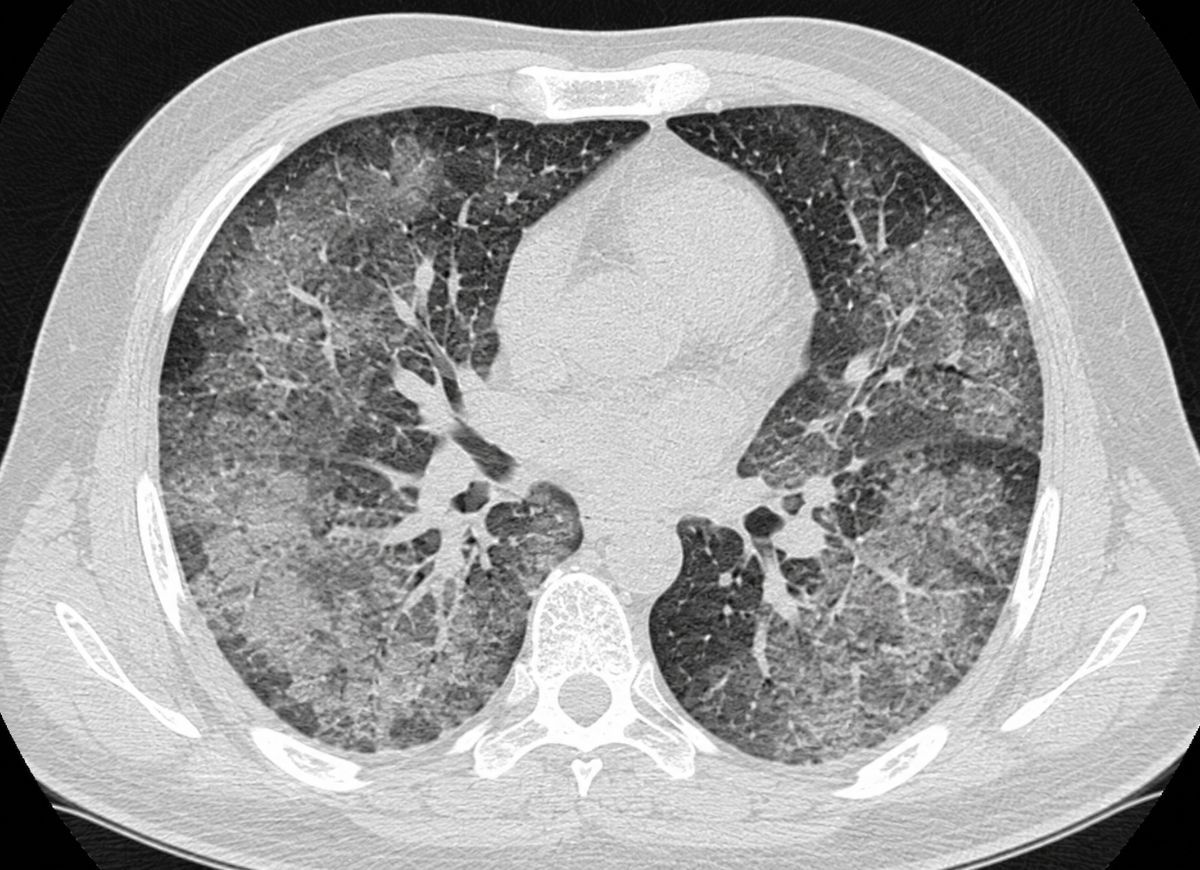
EVALI may produce diffuse, bilateral ground-glass opacities on CT imaging. These appear as hazy areas within the lungs and can reflect inflammation or fluid.
Doctors also need to rule out other conditions that can cause similar lung symptoms. Testing may include blood work to evaluate infection and inflammation, respiratory viral testing for illnesses such as influenza and RSV, and cultures when bacterial infection is suspected.
In more complicated cases, doctors may perform bronchoalveolar lavage (BAL). During this procedure, a sterile fluid is introduced into part of the lung and then collected for testing. It can help evaluate possible infections and, in some circumstances, test for substances such as vitamin E acetate.
Potential Long-term Effects of EVALI
Many people with EVALI recover after receiving appropriate treatment, but some may experience ongoing health problems. The possible long-term effects can depend on how severe the original lung injury was.
One concern is reduced lung function. Some people may continue to experience shortness of breath during physical activity, a persistent cough, or the need for respiratory support after leaving the hospital.
Severe lung injury may also result in permanent scarring, sometimes called pulmonary fibrosis. Scarred lung tissue can become less flexible and may interfere with normal breathing. In serious cases, ongoing shortness of breath or supplemental oxygen may be required.
A severe hospitalization can also affect emotional well-being. Some survivors may experience anxiety, depression, or post-traumatic stress symptoms following a frightening illness or period of respiratory distress.
Other concerns may include ongoing respiratory symptoms, the need for medications such as inhalers or corticosteroids, or continued follow-up with a lung specialist.
Follow-up appointments may include lung function testing, such as spirometry, to monitor how well the lungs are recovering.
EVALI vs. Bacterial Pneumonia or COVID-19
EVALI can be difficult to distinguish from other respiratory conditions because symptoms such as coughing, fever, chest discomfort, and shortness of breath can occur with several illnesses.
EVALI involves lung injury associated with vaping exposure rather than a typical bacterial or viral infection. During the 2019 outbreak, vitamin E acetate was strongly associated with many cases, particularly those involving illicit THC vaping products.
Bacterial pneumonia is caused by bacteria such as Streptococcus pneumoniae, while COVID-19 is caused by the SARS-CoV-2 virus. Because these conditions have different causes, their treatments can also differ.
The symptoms can provide clues but cannot confirm the diagnosis on their own. EVALI may include significant gastrointestinal symptoms such as nausea, vomiting, or diarrhea. Bacterial pneumonia may involve a productive cough and localized chest pain, while COVID-19 can include symptoms such as loss of taste or smell.
Because these patterns can overlap, medical testing and a detailed vaping history are important when doctors are trying to distinguish EVALI from infection.
Official Guidance on Preventing EVALI
The clearest way to reduce the risk of EVALI is to avoid e-cigarettes and vaping products, particularly products containing THC. Public health authorities have emphasized the risks associated with vaping, especially when products come from informal or unregulated sources.
The majority of EVALI cases identified during the outbreak were associated with THC-containing products. People who do not currently use tobacco products are advised not to start using e-cigarettes or other vaping devices.
For people who continue to vape, avoiding unregulated products is particularly important. Do not purchase vaping products from friends, family members, illicit sellers, or other informal sources. These products may not have reliable quality control and may contain harmful additives.
It is also important not to modify vaping products or add substances that were not intended by the manufacturer. This includes adding oils, THC concentrates, diluents, or other substances to vaping liquids.
Adults who smoke tobacco and have completely switched to vaping should still pay attention to symptoms such as coughing, shortness of breath, chest pain, nausea, or other unexplained health changes. Anyone who develops concerning symptoms should seek medical advice.
Young people and pregnant individuals should avoid using e-cigarettes and vaping products.
FAQs
1. Can EVALI heal on its own?
EVALI should not be considered a condition that is safe to simply wait out at home. While mild irritation from vaping may improve after stopping, actual EVALI can become serious and may require oxygen, imaging, medication, or hospitalization.
During the 2019 outbreak, the CDC reported 2,807 hospitalized EVALI cases or deaths and 68 confirmed deaths by February 18, 2020. These numbers demonstrate that EVALI can become a serious illness.
Anyone who vapes and develops chest pain, shortness of breath, worsening cough, fever, vomiting, or severe weakness should seek medical evaluation.
2. How do you feel with EVALI?
EVALI can feel like a combination of a respiratory illness, flu-like infection, and stomach illness. Symptoms may include shortness of breath, coughing, chest pain, fever, chills, fatigue, nausea, vomiting, diarrhea, and reduced appetite.
Some people notice greater breathing difficulty during physical activity, while others may feel generally unwell before their respiratory symptoms become more obvious.
3. How long do you have to vape to develop EVALI?
There is no specific amount of time that guarantees a person will or will not develop EVALI. CDC surveillance criteria have linked EVALI to vaping product use within the 90 days before symptoms begin.
The risk may vary depending on the product used, how often it is used, where it was obtained, the substances it contains, and individual factors.
4. Is 10 puffs of vape a day bad?
Even a small amount of vaping can expose the lungs to nicotine, ultrafine particles, flavoring chemicals, metals, and other substances.
Using fewer puffs may reduce exposure compared with heavier use, but it does not make vaping harmless. If someone develops coughing, wheezing, chest tightness, or shortness of breath, continuing to vape may worsen irritation or symptoms.
5. How long for EVALI?
Recovery from EVALI can vary significantly from one person to another. Some people improve within days or weeks after receiving treatment and stopping vaping, while others may need a longer recovery period.
Severe cases may require oxygen, intensive care, or mechanical ventilation, which can extend recovery. Follow-up is important because some people may continue to experience breathing problems after the initial illness.
The CDC stopped national EVALI case reporting in February 2020 after the number of cases declined, but EVALI remains a serious condition associated with vaping exposure.
6. Does EVALI come on suddenly?
EVALI can develop quickly, but it may also build gradually over several days or weeks. Some people initially experience cough, fatigue, fever, nausea, or mild chest discomfort before developing more noticeable breathing problems.
Other people may experience a much faster decline, with severe shortness of breath or chest pain requiring urgent medical care.
Any sudden or worsening breathing problem after vaping should be taken seriously.
7. How painful is EVALI?
EVALI can cause chest pain or discomfort in some people. The pain may occur with coughing, deep breathing, or chest inflammation. Others may experience more pressure or discomfort than sharp pain.
Pain severity does not necessarily indicate how serious the lung injury is. Someone can have significant lung inflammation without experiencing severe pain. Changes in breathing and other worsening symptoms are therefore important warning signs.
Conclusion
EVALI is more than an ordinary cough or temporary irritation from vaping. It is a serious form of lung injury that can affect breathing, energy levels, digestion, and overall health.
Symptoms such as shortness of breath, chest pain, coughing, fever, nausea, vomiting, diarrhea, or unusual fatigue should not be ignored, particularly when they occur after using vaping products.
One reason EVALI can be difficult to recognize is that it can resemble other illnesses, including the flu, pneumonia, stomach infections, or viral conditions. Early symptoms may therefore seem harmless or unrelated to vaping.
If someone develops possible EVALI symptoms, stopping vaping and seeking appropriate medical advice are important steps. Medical professionals may need to check oxygen levels, perform imaging, look for infection, and investigate other possible causes of the symptoms.
Severe, sudden, or worsening breathing problems require urgent medical attention. Recognizing the warning signs early can help a person get evaluated before the condition becomes more serious.