
Hiatal Hernia: Causes, Symptoms, Risks, and Treatment Options
You finish a meal and notice a slow, burning feeling moving upward behind your chest. Later, when you lie down, the discomfort may become even more noticeable.
Sometimes, the sensation continues toward your throat and leaves behind an unpleasant sour taste that is difficult to ignore.
Many people assume these symptoms are simply caused by excess stomach acid. However, reflux symptoms are not always caused by acid alone.
In some situations, the underlying problem is structural and involves the relationship between the stomach and diaphragm.
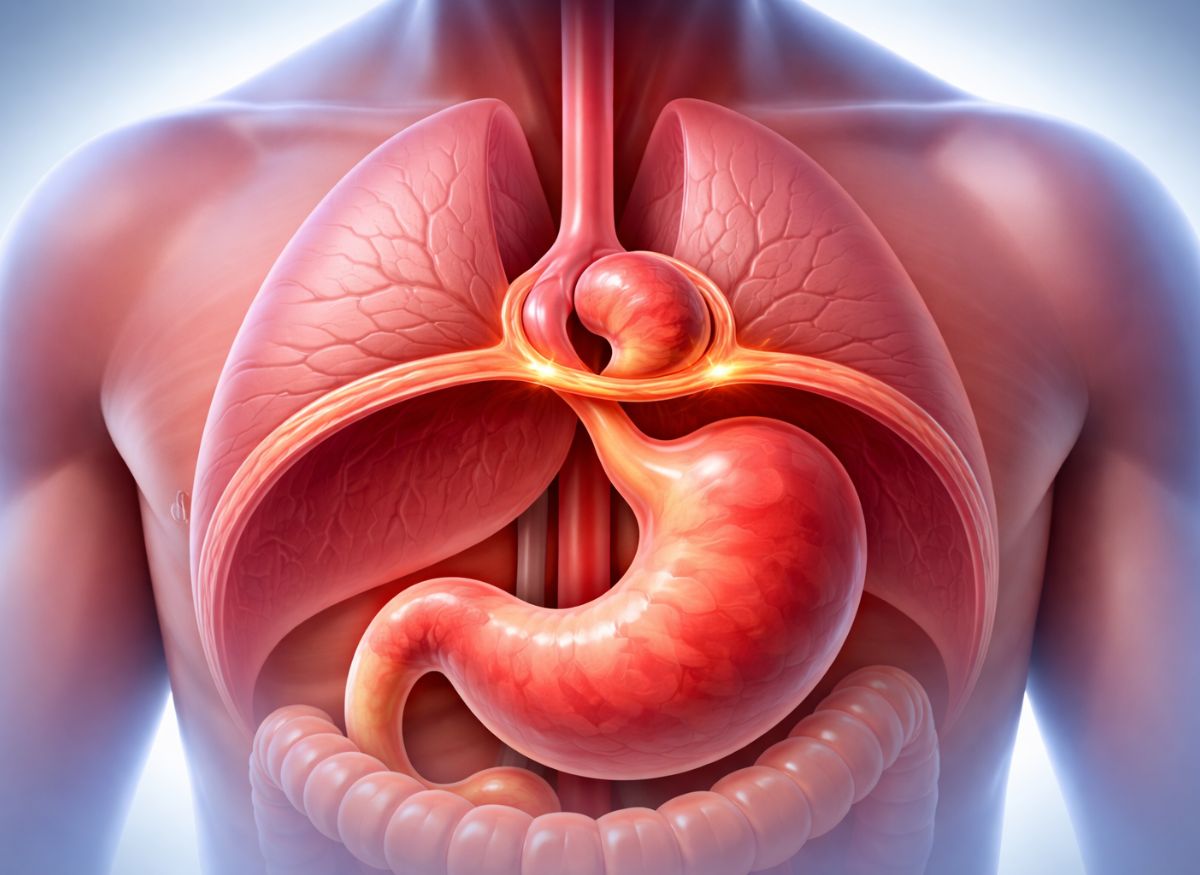
A hiatal hernia develops when part of the stomach moves upward through the diaphragm, the muscular structure separating the chest from the abdomen.
This shift can interfere with the body’s natural protection against reflux, allowing symptoms to become more frequent or persistent.
Hiatal hernias are relatively common, particularly among older adults. However, many people may not realize they have one because symptoms can be mild or mistaken for ordinary indigestion.
Understanding hiatal hernia can make it easier to recognize why certain symptoms occur and when they may require medical attention.
The sections below explain how a hiatal hernia develops, its common symptoms, possible complications, how it is diagnosed, and the treatment options available.
What Is a Hiatal Hernia?
A hiatal hernia occurs when part of the stomach pushes through the diaphragm and enters the chest cavity. The stomach moves through a natural opening in the diaphragm known as the esophageal hiatus.
The diaphragm is a strong muscle that separates the chest from the abdominal organs. Besides helping with breathing, it also provides support that helps keep stomach contents from moving upward.
The esophagus passes through the esophageal hiatus before connecting to the stomach.
Normally, this opening is tight enough to help keep the stomach in its proper position. With a hiatal hernia, however, the opening may become weakened or enlarged.
This allows a portion of the stomach to move upward, particularly when pressure inside the abdomen increases, such as during straining or heavy lifting.
The change in position can also affect the lower esophageal sphincter. Normally, the diaphragm provides additional support to this valve and helps prevent stomach contents from flowing backward.
When the stomach moves upward, that support may become less effective.
As a result, stomach contents, including acid, can move back into the esophagus more easily. This can cause symptoms such as heartburn and regurgitation.
This allows part of the stomach to move upward, particularly during activities that increase abdominal pressure, including straining or lifting.
The change in anatomy can affect the function of the lower esophageal sphincter. The diaphragm normally supports this valve and helps keep stomach acid from flowing back into the esophagus.
When the stomach shifts upward, this natural support can become weaker.
Consequently, stomach contents may travel upward into the esophagus more easily, resulting in symptoms such as heartburn and regurgitation.
Types of Hiatal Hernia
Knowing the different types of hiatal hernia can help explain why symptoms differ from person to person and why some cases are relatively mild while others may require urgent treatment.
Sliding Hiatal Hernia (Type I)
A sliding hiatal hernia is the most common type and accounts for most cases. With this form, both the stomach and the gastroesophageal junction move upward through the esophageal hiatus and into the chest.
Because the connection between the esophagus and stomach changes position, the natural barrier that helps prevent reflux may become less effective.
For this reason, sliding hiatal hernias are closely associated with reflux symptoms such as frequent heartburn and regurgitation.
Many sliding hernias are small and may not produce noticeable symptoms unless reflux occurs.
Paraesophageal Hernia (Type II–IV)
A paraesophageal hernia is less common but can be more concerning. In this type, the gastroesophageal junction generally remains in its usual position while part of the stomach moves upward beside the esophagus.
This unusual positioning creates the possibility that the stomach could become trapped.
In more serious cases, the blood supply to the displaced portion of the stomach can become restricted. This may result in strangulation or obstruction and requires urgent medical treatment.
Because of these potential complications, paraesophageal hernias are more likely to require surgical assessment, even when symptoms are not severe.
Mixed Forms
Mixed hiatal hernias contain characteristics of both sliding and paraesophageal hernias.
The stomach and gastroesophageal junction move upward, while another section of the stomach may also push through the diaphragm beside the esophagus.
These hernias are generally associated with more advanced structural changes and can cause both reflux-related symptoms and mechanical problems.
Their complexity can influence treatment decisions, particularly if symptoms become more severe or complications occur.
What Causes Hiatal Hernia
A hiatal hernia can develop when weakness in the diaphragm combines with increased pressure inside the abdomen.
Over time, these factors may allow part of the stomach to move upward through the esophageal hiatus.
Several factors can contribute to this process:
- Increased intra-abdominal pressure: Repeated pressure inside the abdomen can contribute significantly to hernia formation. Chronic coughing, heavy lifting, and frequent straining caused by constipation may gradually place stress on the supporting tissues.
- Obesity and central fat distribution: Excess abdominal fat can increase pressure inside the abdomen, making herniation more likely. It is considered one of the important modifiable risk factors.
- Aging and weakening of the diaphragm: As people age, connective tissues may become less strong and flexible. The esophageal hiatus can also widen, making it easier for the stomach to shift upward.
- Pregnancy: Pregnancy can temporarily increase pressure inside the abdomen and may contribute to hiatal hernia development, particularly when other risk factors are present.
- Smoking: Smoking can affect tissue strength and the body’s ability to heal, potentially weakening structures that support the diaphragm and esophageal junction.
- Genetic predisposition: Some people may naturally have weaker connective tissues, which can increase their susceptibility to developing a hernia.
- Previous abdominal surgery or trauma: Surgery or injury involving the abdomen can change normal anatomy or weaken supporting structures, potentially increasing the risk of herniation.
Health authorities such as the National Institute of Diabetes and Digestive and Kidney Diseases emphasize that these factors may work together rather than acting independently.
Signs and Symptoms of Hiatal Hernia
Hiatal hernia symptoms can vary considerably. Some people have no noticeable symptoms at all, while others experience ongoing discomfort that affects their everyday activities.
Common Hiatal Hernia Symptoms
- Heartburn, particularly after eating or when lying down
- Acid reflux or regurgitation of stomach contents
- Burning or discomfort behind the breastbone
- Difficulty swallowing (dysphagia), especially after larger meals
These symptoms are commonly associated with reflux and can overlap with Gastroesophageal reflux disease.
Less Obvious Symptoms
- Persistent coughing or throat irritation
- Hoarseness, especially in the morning
- Becoming full quickly after eating a small amount
- Bloating and frequent belching
Because these symptoms can resemble other conditions, they may be overlooked or attributed to unrelated digestive problems.
Warning Signs (Seek Medical Attention)
Certain symptoms should be evaluated promptly because they can signal complications or another serious condition:
- Severe or ongoing chest pain, particularly because heart-related causes need to be ruled out
- Vomiting blood or passing black, tar-like stools
- Sudden or progressively worsening difficulty swallowing
- Persistent nausea or repeated episodes of vomiting
These symptoms may be associated with bleeding, obstruction, or other complications that require urgent evaluation.
Complications of Hiatal Hernia
When a hiatal hernia is not properly managed, complications can develop, particularly when chronic reflux and structural changes continue over time.
- Chronic GERD: Repeated reflux can gradually damage the lining of the esophagus.
- Esophagitis Inflammation: Repeated exposure to stomach acid can cause inflammation of the esophageal lining.
- Esophageal strictures: Repeated damage and scarring can narrow the esophagus, making swallowing more difficult.
- Barrett’s esophagus: Long-term changes to the esophageal lining can occur and may increase the risk of esophageal cancer.
- Ulcers or bleeding: Continued irritation can damage the lining and potentially result in ulcers or bleeding.
- Strangulated hernia: This uncommon but serious complication occurs when the blood supply to part of the stomach becomes blocked and requires emergency treatment.
How Hiatal Hernia Is Diagnosed
Diagnosing a hiatal hernia involves looking at symptoms together with appropriate medical testing. Because many symptoms resemble those of other reflux conditions, a diagnosis may require more than a physical assessment alone.
Medical History and Symptom Evaluation
The evaluation usually begins with a detailed medical history.
A healthcare professional may ask how often symptoms occur, when they appear, and what seems to trigger them. Heartburn or regurgitation that becomes worse after eating or when lying down may raise suspicion of a hiatal hernia.
Other factors may also be considered, including age, body weight, smoking history, chronic coughing, and repeated straining.
Doctors also look for warning signs such as bleeding, unexplained weight loss, or ongoing difficulty swallowing. These symptoms may suggest complications or another underlying condition.
Imaging and Diagnostic Tests
- Barium swallow X-ray: You drink a contrast liquid that coats the upper digestive system. X-ray images are then taken to show the position and shape of the esophagus and stomach. This can help identify whether part of the stomach has moved above the diaphragm and provide information about the size of the hernia.
- Upper endoscopy (EGD): A thin, flexible camera is guided through the mouth into the esophagus and stomach. This allows doctors to look directly for inflammation, ulcers, narrowing, and other signs of damage. It can also help identify complications associated with long-term reflux.
- Esophageal manometry: This test measures pressure and muscle coordination within the esophagus. It can show how effectively the lower esophageal sphincter works and whether abnormal muscle movement may be contributing to symptoms.
- pH monitoring for acid reflux: A small monitoring device measures acid exposure inside the esophagus for 24 hours or longer. It can help determine the severity of reflux and establish whether symptoms occur alongside acid exposure.
Treatment Options for Hiatal Hernia
Treatment depends on several factors, including the severity of symptoms, the type of hernia, and whether complications are present.
Many people can manage their symptoms with lifestyle changes and medication, while some cases may require surgery.
Lifestyle and Non-Medical Management
Lifestyle changes are often the first step in managing symptoms.
- Eating smaller, more frequent meals: Smaller portions can reduce pressure on the stomach and may help limit reflux episodes.
- Avoiding trigger foods: Spicy, fatty, and acidic foods may make symptoms worse by affecting the lower esophageal sphincter or increasing acid-related discomfort.
- Weight management: Losing excess weight can reduce pressure within the abdomen and may improve reflux symptoms.
- Elevating the head during sleep: Raising the head of the bed can help reduce the upward movement of stomach contents while sleeping.
- Avoid lying down after meals: Staying upright for two to three hours after eating can help reduce the chance of reflux.
Medications
Medication may be recommended when lifestyle changes do not provide enough relief.
- Antacids: These medications neutralize stomach acid and can provide quick, temporary relief.
- H2 receptor blockers: These reduce stomach acid production and generally provide longer-lasting relief than antacids.
- Proton pump inhibitors (PPIs): These medications strongly reduce acid production and are commonly used when symptoms are persistent or complications are present.
Although these medications can be effective, long-term use of acid-suppressing drugs should be considered carefully.
Potential concerns include nutrient absorption problems, an increased risk of certain infections, and the need to periodically reassess whether continued treatment is necessary.
Surgical Treatment
Surgery may be considered when symptoms remain severe, do not respond adequately to treatment, or complications develop.
Indications
- Symptoms that remain uncontrolled despite medication
- Complications such as bleeding or strictures
- Paraesophageal hernia because of the potential risk of strangulation
Common Procedures
- Nissen fundoplication: The upper portion of the stomach is wrapped around the lower esophagus to reinforce the barrier against reflux.
- Hiatal hernia repair (laparoscopic approach): Minimally invasive surgery is used to move the stomach back into its proper position and tighten the opening in the diaphragm.
Recovery and Outcomes
Most hiatal hernia procedures are performed laparoscopically, which can allow shorter hospital stays and a faster recovery.
Many patients experience substantial improvement in reflux symptoms and overall quality of life. However, ongoing follow-up may still be necessary to monitor for recurrence or symptoms that continue after treatment.
Prevention Strategies for Hiatal Hernia
Not every hiatal hernia can be prevented, but certain habits may lower the risk and help reduce worsening symptoms.
- Maintain a healthy body weight: Reducing pressure inside the abdomen may lower the risk of herniation and reflux.
- Avoid heavy lifting without proper technique: Using appropriate lifting methods can reduce unnecessary strain on the diaphragm.
- Treat chronic cough and constipation early: Addressing these problems can reduce repeated coughing and straining that may place stress on the esophageal hiatus.
- Quit smoking: Stopping smoking may help protect connective tissues and support the body’s healing processes.
- Adopt long-term dietary awareness: Balanced meals and reasonable portion sizes can help minimize reflux triggers over time.
Hiatal Hernia vs GERD: Understanding the Connection
Hiatal hernia and Gastroesophageal reflux disease are closely connected, but they describe different conditions. Understanding how they differ can help explain why symptoms and treatments vary.
- Not all reflux equals hiatal hernia:
Acid reflux can occur even when a person does not have a hiatal hernia. GERD may result from problems with the lower esophageal sphincter even when the stomach remains in its normal position. - Hiatal hernia increases the risk of GERD:
When part of the stomach moves above the diaphragm, the support provided to the lower esophageal sphincter can become weaker. This makes it easier for stomach acid to travel back into the esophagus. Because of this, a hiatal hernia can contribute significantly to chronic reflux. - Differences in mechanism and treatment focus:
GERD primarily involves excessive exposure of the esophagus to stomach contents and problems with the lower esophageal sphincter. Treatment commonly focuses on lifestyle changes and reducing acid production.
Hiatal hernia, on the other hand, is a structural problem. Although it frequently contributes to reflux, treatment may also need to address the anatomical changes, particularly when the hernia is more severe. - Why some patients have both conditions:
Some people develop GERD because of a hiatal hernia, while others may have both conditions separately. Since the symptoms can overlap, some patients improve with medication alone, whereas others may need additional treatment.
When Should Patients See a Doctor?
Hiatal hernia symptoms may initially be mild, but certain symptoms and patterns should prompt a medical evaluation.
- Persistent or worsening symptoms: Heartburn, regurgitation, or discomfort that continues or becomes more severe should be assessed, especially if it begins interfering with everyday life.
- Poor response to over-the-counter treatment: When antacids or acid-reducing medications provide little relief or only help temporarily, additional evaluation may be needed to determine the underlying cause.
- Alarm symptoms: Gastrointestinal bleeding, unexplained weight loss, or anemia should be evaluated promptly because they can signal complications or another serious condition.
- Recurrent nighttime reflux: Frequent reflux at night or symptoms that repeatedly interrupt sleep may indicate more significant reflux and can increase the risk of esophageal irritation.
Conclusion
Hiatal hernia is a common condition that can develop gradually and may go unnoticed for a long time.
Although it is common, the condition can usually be managed with appropriate lifestyle changes and medical care when necessary.
Recognizing symptoms early, particularly persistent heartburn or reflux that does not seem typical, can help people seek evaluation sooner and receive appropriate treatment.
Simple adjustments, such as changing meal habits, maintaining a healthy weight, and avoiding personal reflux triggers, may help reduce symptoms.
Most people with a hiatal hernia do not need surgery. With proper medical guidance and consistent management, symptoms can often be controlled while reducing the risk of complications.
FAQs
1. What are hiatal hernia causes?
A hiatal hernia develops when part of the stomach moves through the diaphragm because of a combination of structural weakness and increased pressure inside the abdomen.
Factors that may contribute include aging, obesity, chronic coughing, heavy lifting, and repeated straining during bowel movements.
Pregnancy and inherited differences in connective tissue may also contribute to the risk.
2. What are some hiatal hernia weird symptoms?
In addition to the more familiar symptoms of heartburn, a hiatal hernia may sometimes be associated with less obvious symptoms.
These can include a persistent dry cough, frequent throat clearing, or a hoarse voice that is particularly noticeable in the morning.
Some people may also experience a feeling of something being stuck in the throat, ear discomfort, or increased dental sensitivity related to acid exposure.
These symptoms may be associated with silent reflux rather than the classic burning sensation of heartburn.
3. Can a small hiatal hernia cause symptoms?
Yes. Although many small hiatal hernias do not produce noticeable symptoms, some can still cause discomfort.
When symptoms occur, they are commonly related to acid reflux and may include mild heartburn or occasional regurgitation.
Even a relatively small hernia can affect the function of the lower esophageal sphincter, which may explain why symptoms do not always correspond to the size of the hernia.
4. What does a hiatal hernia feel like?
The experience can differ from one person to another, but many people describe a burning sensation or pressure behind the breastbone.
Discomfort may become more noticeable after eating, lying down, or bending forward. Some people experience a feeling of heaviness or tightness in the chest, while others notice a sour taste moving upward into the throat.
Symptoms may come and go and are often more noticeable after large meals or later in the evening.
5. Where is hiatal hernia pain located on women?
Hiatal hernia discomfort is generally felt in the upper abdomen or behind the breastbone and can occur regardless of gender.
In women, the sensation may sometimes be experienced as pressure in the chest, upper abdomen, or lower rib area. The discomfort may travel upward toward the throat and, in some cases, toward the back.
Because chest pain can have many possible causes, including heart-related conditions, severe, unusual, or unexplained chest pain should always be evaluated promptly.