12 Warning Alert Signs of Chronic Kidney Disease Most People Overlook
The signs of chronic kidney disease often show up quietly and in ways that are easy to miss. Many people assume early symptoms are minor or temporary, only to find out later that their kidney function has already dropped. This slow progression is exactly why early awareness matters.
Chronic kidney disease affects millions of people worldwide and is closely tied to conditions like high blood pressure and diabetes. The kidneys filter waste, balance fluids and regulate essential nutrients. When their function starts to decline, the body sends subtle signals that are often mistaken for everyday tiredness or small health changes.
What makes these signs so concerning is how easily they blend into daily life. A slight drop in energy, mild swelling or small changes in urination may not seem serious. But when they persist or appear together, they may point to an underlying problem that needs attention. Spotting these early warnings can lead to timely evaluation and protect your long-term health.
What Is Chronic Kidney Disease?
To understand the signs of chronic kidney disease, it helps to know how the condition develops and why it goes undetected for so long. It is a long-term condition marked by gradual, irreversible loss of kidney function over months or years. As the decline continues, the kidneys become less able to filter waste, balance fluids and keep the body’s chemistry stable.
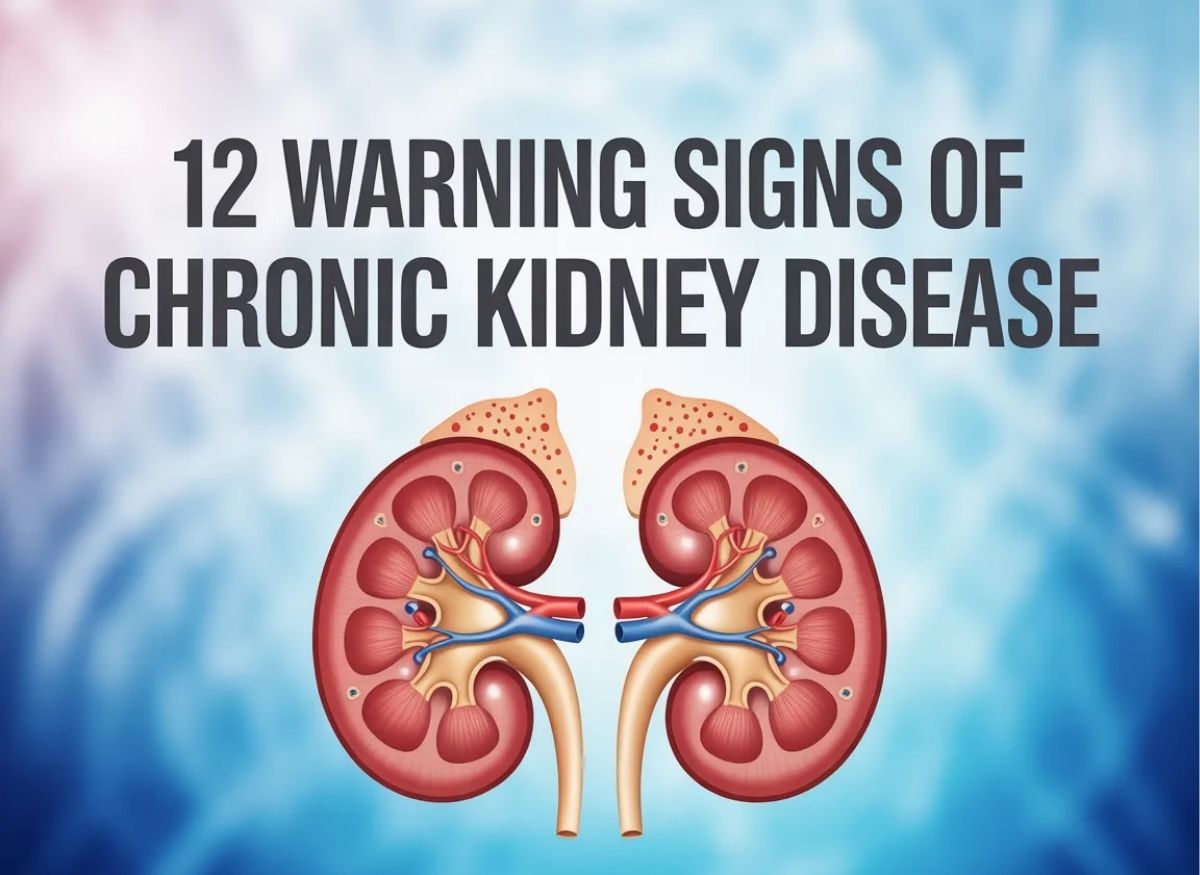
The kidneys are two bean-shaped organs just below the rib cage, each about the size of a fist. Despite their size, they do complex and essential work. Every minute they filter roughly half a cup of blood, removing metabolic waste, excess electrolytes and surplus fluid to make urine. They also regulate blood pressure through the renin-angiotensin system, produce erythropoietin to support red blood cell formation, and keep minerals such as sodium, potassium, calcium and phosphorus in balance.
At the heart of kidney function are microscopic filtering units called nephrons, about one million per kidney. In chronic kidney disease, nephrons are progressively damaged by conditions such as diabetes, hypertension or chronic inflammation. As more are lost, the remaining ones work harder to compensate, and that extra workload speeds up further damage, creating a cycle of declining function.
A key reason the signs are so often missed is the body’s ability to adapt. Early on, the kidneys compensate for lost function, so everything seems normal. This masks the condition and delays diagnosis until a large share of kidney function is gone. By the time fatigue, swelling or urination changes appear, the disease may already be advanced.
What Are the Stages of Chronic Kidney Disease?
CKD is divided into five stages based on the estimated glomerular filtration rate (eGFR), a measure of how efficiently the kidneys filter waste from the blood. Knowing the stages shows when the signs are likely to appear and how the disease evolves.
Stage 1 (eGFR 90 or higher)
The earliest phase. Kidney damage is present, but function is normal or near normal, and most people notice no signs.
It is usually found indirectly, through protein in the urine (proteinuria), blood in the urine or imaging that shows structural abnormalities. Though there are no symptoms, damage is already happening. Management focuses on controlling contributing conditions such as diabetes and high blood pressure, and early action here can greatly slow progression.
Stage 2 (eGFR 60-89)
Mild loss of kidney function. Filtration is slightly reduced, but the body compensates well, so symptoms are minimal or absent.
Some people may notice very subtle signs, such as mild fatigue or slight changes in urination, which are usually overlooked. Lifestyle habits matter more now: controlling blood pressure and blood sugar, cutting back on sodium and staying active all help preserve kidney function.
Stage 3 (eGFR 30-59)
Moderate kidney damage, and often the point where signs become noticeable. It has two sub-stages:
- Stage 3a: eGFR 45-59
- Stage 3b: eGFR 30-44
As function drops further, the body struggles to keep its balance. Waste accumulates in the blood, causing fatigue, weakness, swelling in the legs or ankles and changes in urination frequency.
Complications may start to appear, including anemia from reduced erythropoietin, bone and mineral disorders from calcium and phosphorus imbalances, and early strain on the heart. Medical monitoring becomes essential, and treatment is adjusted to slow progression and manage complications.
Stage 4 (eGFR 15-29)
Severe kidney damage. Signs are usually more pronounced and affect daily life: persistent fatigue, fluid retention, shortness of breath and trouble concentrating. Toxin buildup in the blood (uremia) may affect appetite, sleep and general well-being, and electrolyte imbalances can raise the risk of heart rhythm problems.
This stage is critical for planning. Providers often begin preparing patients for kidney replacement therapy such as dialysis or transplantation, since early planning reduces complications and improves outcomes.
Stage 5 (eGFR below 15)
The most advanced stage, also called end-stage renal disease (ESRD). Kidney function is severely impaired, and the body can no longer remove waste or maintain fluid balance.
Signs are severe and may include extreme fatigue, swelling, nausea, confusion and difficulty breathing. Without treatment, toxin and fluid buildup becomes life-threatening. Kidney replacement therapy is needed to sustain life, either dialysis, which filters the blood artificially, or a kidney transplant.
12 Subtle Signs of Chronic Kidney Disease
The signs often start as subtle changes that develop gradually. CKD rarely causes obvious symptoms early on. It progresses quietly, with mild warnings that are easily blamed on stress, aging or a temporary illness.
Common early indicators include persistent fatigue, sleep problems, dry or itchy skin, changes in urination, swelling, reduced appetite, muscle cramps, a metallic taste in the mouth and shortness of breath. They may seem unrelated at first, but together they reflect the kidneys’ declining ability to filter waste, regulate fluids and maintain balance.
The body’s adaptability is what makes this so worrying. The kidneys can compensate for damage for a long time, delaying symptoms, so by the time clear signs appear a lot of function may be lost. That is why spotting these subtle symptoms matters, especially if you have risk factors like diabetes or high blood pressure.
Is Persistent Fatigue a Sign of Chronic Kidney Disease?
Yes. Persistent fatigue is one of the earliest and most common signs, often appearing before more recognizable symptoms.
This isn’t normal tiredness that rest fixes. It is a deep, ongoing lack of energy that interferes with concentration, physical activity and daily responsibilities. Many people feel constantly drained even after a full night’s sleep. Two changes drive it:
- Toxin buildup (uremia): As kidney function declines, the body filters waste less efficiently, and substances like urea and other metabolic toxins accumulate. This toxic internal environment disrupts how cells work, lowering energy production and both mental and physical performance. You may feel tired, unfocused and sluggish. It is one of the most overlooked signs because it is easily blamed on lifestyle.
- Anemia: Healthy kidneys make erythropoietin (EPO), a hormone that tells the bone marrow to produce red blood cells, which carry oxygen to tissues and muscles. When kidney function drops, EPO falls, fewer red blood cells are made, and anemia follows. With less oxygen delivered, muscles tire faster and the brain struggles to focus, leading to weakness, breathlessness with activity and constant exhaustion. Anemia often develops in the moderate stages and worsens as the disease advances, which is why fatigue is such a consistent and impactful sign.
Can Trouble Sleeping Indicate Kidney Problems?
Yes. Sleep trouble is an often-overlooked sign, especially in early to moderate stages. CKD affects more than filtration; it can disrupt the body’s internal balance in ways that interfere with sleep, leaving you unrested even after a full night in bed.
Typical problems include difficulty falling asleep, frequent waking, or waking up unrefreshed. These aren’t simply lifestyle issues. They come from physiological changes as kidney function declines.
- Toxin accumulation (uremia): When the kidneys don’t filter well, toxins like urea build up and can affect the central nervous system and disrupt the natural sleep-wake cycle, causing restlessness, trouble staying asleep and general discomfort at night. Toxin buildup can also contribute to restless legs syndrome, an uncontrollable urge to move the legs, often with tingling or crawling sensations that get worse at night and make it hard to relax.
- Sleep apnea and breathing disruptions: Obstructive sleep apnea, with repeated breathing pauses during sleep, oxygen drops and frequent waking, is much more common in people with CKD. Fluid retention is one factor: when you lie down, excess fluid can shift toward the neck and upper airway, narrowing the passage and making obstruction more likely. Uremia may also interfere with the brain’s breathing control centers, causing irregular breathing during sleep. The effects go beyond poor sleep. Repeated oxygen deprivation stresses the cardiovascular system and can worsen kidney damage by affecting blood flow and vessel health.
Dry and Itchy Skin With Kidney Health
Dry, itchy skin is an overlooked sign that becomes more noticeable as kidney function declines. CKD affects the regulation of minerals, fluids and waste products, and when that balance is disrupted it can show on the skin in ways people often misunderstand.
This symptom, called pruritus, is not just a surface problem. It reflects deeper changes as the kidneys lose their ability to filter blood.
- Mineral imbalance and skin irritation: A main cause is an imbalance between phosphorus and calcium. Healthy kidneys remove excess phosphorus, but as function declines phosphorus rises (hyperphosphatemia). The body tries to restore balance by pulling calcium from bones, which can form calcium-phosphate deposits in the skin. These microscopic deposits irritate nerve endings and cause persistent, widespread itching that often doesn’t respond to moisturizers or antihistamines and may worsen at night.
- CKD-mineral and bone disorder: As the disease progresses, mineral disruption grows more complex. High parathyroid hormone (PTH), which helps regulate calcium and phosphorus, can add to itching. This is part of a broader complication called CKD-mineral and bone disorder (CKD-MBD), which affects bones, skin and soft tissue and makes itching more frequent and severe in advanced stages.
- Skin dryness (xerosis): Often one of the earlier visible signs. Uremia can reduce activity of sweat and oil glands, so skin loses moisture and becomes dry, rough and less elastic. This weakens the skin barrier and increases sensitivity. Dryness plus mineral imbalance can make itching persistent and hard to manage.
- Nerve involvement: Toxins in the blood can affect nerve function and alter signals between skin and brain, a condition sometimes called uremic neuropathy. It can cause tingling, burning or itching with no visible cause, and the sensation can feel constant and hard to relieve.
A Frequent Need to Urinate
Needing to urinate often, especially at night, can be one of the earlier signs. CKD affects how efficiently the kidneys filter and concentrate urine. As this declines, the body may make larger amounts of more dilute urine, causing more trips to the bathroom day and night.
It often goes unnoticed because people blame more fluids or minor lifestyle changes. When it becomes persistent, it may reflect early changes in kidney function.
- Impaired urine concentration: Healthy kidneys concentrate urine well, especially during sleep, which conserves water and prevents night waking. In CKD, nephron damage reduces this ability, and the kidneys struggle to reabsorb water, producing larger volumes of dilute urine. You may urinate more often even without drinking more. Nighttime urination (nocturia) is particularly common, and waking two or more times a night can be an early indicator.
- Fluid redistribution at night: Fluid tends to pool in the legs and ankles during the day, especially with mild swelling. When you lie down, it returns to the bloodstream and increases the volume the kidneys must filter, raising urine production during sleep and adding to nocturia.
Blood in Your Urine
Blood in the urine (hematuria) is one of the more serious signs and should never be ignored. CKD can damage the kidneys’ delicate filtering system, letting substances that normally stay in the bloodstream leak into the urine.
Normally the kidneys’ filters, the glomeruli, are highly selective. They let waste and excess fluid pass into urine while keeping components like red blood cells in circulation. When damaged, they weaken and become more permeable, allowing blood cells through.
Hematuria takes two forms. Sometimes blood is visible, turning urine pink, red or dark brown. Other times it is microscopic and only found by lab testing. Even when invisible, it can indicate kidney damage.
- Glomerular damage: Damage to the glomeruli is a key mechanism. High blood pressure, diabetes or inflammatory diseases like glomerulonephritis can injure these filters, which then lose the ability to retain blood cells. Blood in the urine is a strong sign that the filtration barrier is compromised, and the damage can worsen over time if not caught early.
- When blood and protein appear together: Hematuria often occurs with protein leakage (proteinuria). Filters damaged enough to let red blood cells through often let proteins like albumin escape too. Blood and protein together strongly indicate significant kidney dysfunction and possibly progressive disease.
Blood in the urine can also come from urinary tract infections, kidney stones or bladder problems. Still, its link to filter damage makes it one of the most important signs to investigate. Any visible blood should be evaluated by a healthcare professional as soon as possible so the cause can be found and further damage prevented.
What Is the Significance of Foamy Urine?
Foamy or bubbly urine is another important, often overlooked sign. It may indicate excess protein in the urine (proteinuria). Occasional bubbles can come from a strong stream, but urine that is consistently frothy, like soap suds, may suggest a filtration problem.
Healthy kidneys keep large molecules like albumin out of the urine. When the glomeruli are damaged, they lose that ability. Albumin leaks into the urine and changes its properties: because it lowers surface tension, urine forms persistent foam when it hits the toilet bowl. This is often one of the earliest detectable signs, sometimes appearing before any other symptom.
Persistent Puffiness Around the Eyes
Persistent puffiness around the eyes (periorbital edema) can be one of the more specific signs, especially when it recurs without an obvious cause. CKD can impair the kidneys’ ability to retain essential proteins, causing fluid shifts that show up in delicate areas like the face.
It is closely tied to loss of albumin, which maintains oncotic pressure and keeps fluid inside blood vessels. When damaged filters let albumin leak into the urine (proteinuria), blood albumin falls and fluid escapes into surrounding tissues.
The area around the eyes is especially sensitive to this. The skin is thin and the tissue underneath is loose, so fluid collects easily and puffiness is most noticeable in the morning after lying flat for hours.
- A sign of protein loss: Unlike general swelling, eye puffiness is more specifically linked to protein loss from kidney dysfunction. Heavy albumin loss makes it hard for the body to keep fluid balanced, which can indicate more significant damage to the filtering units and may be associated with nephrotic syndrome. In that context it is not a cosmetic issue but a sign of systemic imbalance.
- Why it appears more in the morning: During sleep, leaked fluid redistributes across the body. Because your face is level with the rest of you when lying down, fluid collects more easily around the eyes, making puffiness most obvious on waking. As the day goes on and you stay upright, gravity pulls fluid downward, often reducing facial swelling while increasing swelling in the lower legs.
Don’t dismiss persistent puffiness, especially alongside foamy urine, fatigue or leg swelling. It may signal significant protein loss and calls for medical evaluation. Early testing and management help prevent further kidney damage.
Can Swollen Ankles and Feet Be a Symptom?
Yes. Swelling in the ankles and feet (peripheral edema) is one of the more common and visible signs, especially as the disease progresses. The kidneys regulate fluid and sodium balance. When function declines, the body retains too much sodium, and since water follows sodium, fluid builds up in tissues. Gravity pulls it to the lower body, especially the feet, ankles and lower legs.
- Fluid retention and sodium imbalance: Healthy kidneys continuously filter out excess sodium and water. In CKD this becomes less efficient, sodium accumulates and draws water with it, causing fluid overload. This causes swelling and can also raise blood pressure, further straining the kidneys.
- Characteristics of edema: Kidney-related swelling is often pitting edema: pressing a finger into the skin leaves a temporary dent, showing fluid has collected in the tissues rather than being caused by inflammation alone. Early on, swelling may be mild and only noticeable by evening. As function declines it becomes more persistent and pronounced, sometimes climbing the legs or affecting the hands.
Is a Poor Appetite a Warning Sign?
Yes. Persistent loss of appetite can be a more serious sign, particularly as the disease progresses. CKD limits the body’s ability to clear waste from the blood, and when toxins build up they affect multiple systems, including digestion and appetite regulation.
This is often linked to uremia, where urea and creatinine accumulate in the blood. As levels rise, they can affect the brain’s appetite centers and the digestive system, causing nausea, reduced hunger and even vomiting. Food becomes unappealing, and people may find they are eating less without meaning to.
- Uremic effects on digestion: High waste levels can irritate the digestive system. Urea can break down into ammonia in the stomach, inflaming the lining in a way similar to gastritis. This causes constant fullness, discomfort or nausea, all of which reduce the desire to eat. Over time it becomes one of the more noticeable signs, especially with fatigue or weight changes.
- Risk of malnutrition: Prolonged poor appetite has serious nutritional consequences: unintentional weight loss, muscle wasting and nutrient deficiencies. This state, sometimes called protein-energy wasting, weakens the body, lowers immune function and worsens overall health. Because appetite declines gradually, it is often not recognized until significant weight has been lost.
Why Might Muscle Cramps Occur With Kidney Disease?
Muscle cramps are a common and often painful sign, usually caused by electrolyte imbalances and disrupted muscle and nerve function. The kidneys maintain the balance of calcium, potassium, sodium and phosphorus. When function declines, this balance is upset, increasing muscle irritability and involuntary contractions.
- Electrolyte imbalance and muscle function: Healthy muscle depends on stable electrolytes. In CKD, phosphorus often rises while calcium may drop, making muscles and nerves more sensitive and raising the chance of sudden cramps or spasms. Potassium and magnesium disturbances can also contribute. The cramps often hit the legs and may be worse at night, interfering with sleep.
- Fluid shifts and circulation: Poorly regulated fluid balance can affect how muscles receive oxygen and nutrients. Reduced blood flow, particularly in the lower legs, raises cramping risk. This is especially relevant for people with conditions like diabetes, which often coexist with kidney disease.
Changes in Taste (Metallic Taste)
Yes. A persistent metallic or ammonia-like taste is one of the more advanced signs. CKD lets waste products build up in the blood, which directly affects how food tastes and how the mouth feels.
This symptom, called dysgeusia, is closely linked to uremia. When the kidneys can’t clear waste efficiently, substances like urea accumulate in the blood. They can enter saliva, where they break down into ammonia, creating a metallic or chemical taste, often with unpleasant, ammonia-like breath.
Waste products in saliva change normal taste perception. Foods may taste different, dull or unpleasant. Protein-rich foods like meat are often reported as especially strong or bitter, leading people to avoid them. Some lose interest in eating altogether because food is no longer enjoyable. This is more than a sensory quirk; it reflects a systemic imbalance and is usually associated with more advanced kidney dysfunction.
Taste changes can seriously affect diet. When food is unappealing, people eat less, which can cause weight loss, nutrient deficiencies and muscle wasting. Since appetite is already reduced in many people with CKD, this symptom can speed up nutritional decline, and poor nutrition then weakens the body further.
Shortness of Breath
Shortness of breath is one of the more serious signs and often means the disease has progressed and is affecting multiple body systems. It has two main causes, both direct results of declining kidney function: fluid buildup in the lungs and reduced oxygen delivery from anemia.
- Fluid overload: When the kidneys can’t remove excess fluid, it can collect in the lungs (pulmonary edema), making it harder for them to expand and exchange oxygen. You may feel breathless even at rest or notice it worsens when lying down. It can feel sudden and intense, sometimes with coughing or chest heaviness. This is a medical emergency needing immediate attention.
- Anemia: Healthy kidneys produce erythropoietin, which stimulates red blood cell production. As function declines, fewer red blood cells are made and the body carries less oxygen. To compensate, breathing rate increases, causing a gradual breathlessness, especially with exertion. Unlike fluid-related breathlessness, this develops more slowly but can still greatly affect daily function.
The Primary Causes and Risk Factors for Chronic Kidney Disease
Knowing the causes behind the signs is essential for prevention and early action. CKD doesn’t develop suddenly. Usually it results from long-term damage to the kidneys’ filtering system caused by underlying health conditions. The two leading causes are diabetes and high blood pressure, which together account for most cases worldwide. Both put continuous stress on the kidneys and gradually damage their ability to filter blood.
- Diabetes and kidney damage: Diabetes is the most common cause. Prolonged high blood sugar damages the tiny blood vessels inside the kidneys, part of the nephrons that filter waste. High glucose thickens and weakens these vessels, reducing efficiency and letting protein leak into urine. Called diabetic nephropathy, it progresses slowly but can cause significant damage if blood sugar isn’t well controlled, directly contributing to signs like swelling, fatigue and urination changes.
- High blood pressure and kidney strain: The kidneys rely on a network of delicate vessels to filter blood. Consistently high pressure puts excessive force on them, causing them to narrow, weaken or scar and reducing blood flow within the kidneys. As circulation declines, so does kidney function, and waste and fluid gradually build up, driving progression.
Other important risk factors include:
- Family history of kidney disease: Genetic predisposition can increase vulnerability.
- Cardiovascular disease: Poor heart and blood vessel health affects kidney circulation.
- Obesity: Excess weight raises the risk of diabetes and high blood pressure.
- Older age: Kidney function naturally declines over time.
- Smoking: Damages blood vessels and reduces oxygen supply to tissues.
These factors often interact, increasing the burden on the kidneys and speeding up damage.
The kidneys contain millions of microscopic filters that are highly sensitive to long-term stress. Damage from diabetes and high blood pressure is gradual and cumulative, which is why signs often appear late, after significant function is lost. Controlling blood sugar and blood pressure early is the most effective way to protect the kidneys and slow progression.
Who Is Most at Risk for Chronic Kidney Disease?
Certain groups are more likely to develop CKD because of long-term strain on the kidneys or underlying conditions. Since the disease develops gradually, identifying risk factors is an important step in early detection and prevention. Higher-risk groups include:
- People with diabetes: Long-term high blood sugar damages the kidneys’ tiny blood vessels, reducing their ability to filter waste. Diabetes is the leading cause worldwide.
- People with high blood pressure: Elevated pressure constantly strains the filtering system, damaging vessels and accelerating decline.
- Adults over 60: Kidney function decreases naturally with age, and older adults are more likely to have reduced filtration capacity.
- Family history of kidney disease: Close relatives with kidney disease can raise your risk even without other conditions.
- Obesity: Excess weight raises the risk of diabetes and high blood pressure, the main drivers of kidney damage, and adds metabolic stress on the kidneys.
Belonging to one or more of these groups doesn’t guarantee kidney disease, but it makes regular monitoring more important. Because signs can stay subtle for a long time, higher-risk people benefit from routine check-ups, including blood and urine tests. Early detection allows timely action to slow progression and protect long-term kidney health.
Conclusion
The signs of chronic kidney disease are often subtle, but they carry important messages about your overall health. What seems like minor discomfort or routine tiredness can gradually reflect declining kidney function if left unaddressed.
CKD can progress silently, but early detection creates a real chance to slow it and reduce complications. Paying attention to patterns, especially when several symptoms appear together, is one of the best ways to take control early.
If any of the signs in this article sound familiar, now is the time to act. Consider scheduling a simple check-up or talking to a healthcare professional about your symptoms. Even basic tests can bring clarity and peace of mind. Staying informed is the first step, but acting on that knowledge is what protects your long-term health.
Frequently Asked Questions About Signs of Chronic Kidney Disease
Can kidney disease be cured?
CKD usually can’t be cured because the damage is often permanent, but it can be managed effectively, especially when found early. According to the Centers for Disease Control and Prevention, about 15% of U.S. adults (roughly 37 million people) have CKD, and many can significantly slow progression with proper treatment. Managing blood pressure and blood sugar early can reduce the risk of kidney failure and improve long-term outcomes.
Can you have chronic kidney disease without symptoms?
Yes, and this is one of the most concerning aspects. The Centers for Disease Control and Prevention reports that as many as 9 in 10 adults with CKD don’t know they have it, because early signs are subtle or completely absent. Routine screening is especially important for high-risk people, even when nothing feels wrong.
What are the very first signs of chronic kidney disease?
The earliest signs are mild and easy to overlook: persistent fatigue, urination changes and foamy urine from protein leakage. According to the National Kidney Foundation, protein in the urine can show up years before standard blood tests detect a significant decline in kidney function. Recognizing these early signs can help prevent further damage.
How fast does chronic kidney disease progress?
It varies with the underlying cause and how well it is managed. Research from the National Institute of Diabetes and Digestive and Kidney Diseases shows that people with poorly controlled diabetes or high blood pressure may see a much faster decline in kidney function than those who manage these conditions well. Proteinuria is also a key indicator: higher protein levels in the urine are strongly linked to faster progression.
Can drinking more water improve kidney function?
Staying hydrated supports kidney health, but it doesn’t reverse CKD. The National Kidney Foundation stresses that while adequate hydration helps the kidneys clear waste, drinking excessive water doesn’t repair damage and may be harmful in advanced stages when fluid balance is impaired. Balanced hydration, not overconsumption, is the recommended approach.
Is chronic kidney disease life-threatening?
It can become life-threatening if it reaches advanced stages. According to the World Health Organization, kidney disease is among the top causes of death worldwide, and its burden keeps rising with increasing diabetes and hypertension. In late stages, kidney failure requires dialysis or transplantation to sustain life. However, recognizing the signs early can significantly reduce the risk of severe complications and improve survival.