
10 Alarming Signs of Tetanus and What They Mean for Your Health
Have you ever wondered how a small cut or unnoticed wound could lead to a life-threatening infection?
It may sound surprising, but tetanus still affects thousands of people around the world every year, even in an age of advanced medicine and vaccines. Global health estimates put annual cases in the tens of thousands, with the highest risk in regions where vaccination rates are low.
In countries with strong immunization programs, tetanus has become rare, but it hasn’t disappeared. The United States reports around 30 cases each year, and nearly all involve people who weren’t fully vaccinated or didn’t get booster shots on time.
What makes tetanus so dangerous is how quietly it can begin. The bacteria enter through cuts, puncture wounds, or small injuries you might not think twice about. Once inside, they release toxins that attack the nervous system, and symptoms can escalate quickly without early treatment.
The fatality rate ranges from 10% to over 20%, and it’s significantly higher in older adults or those who don’t receive prompt care. In severe cases, breathing difficulties, muscle spasms, and heart instability can become life-threatening within a short time.
Despite being preventable, tetanus remains a serious concern because its early signs are often misunderstood or ignored. Jaw stiffness, muscle tightness, or unusual discomfort around a wound can all be early warnings. Below are 10 alarming signs of tetanus and what they mean, so you can recognize the danger early and act before it becomes critical.
The 10 Critical Signs
1. Lockjaw (trismus). The hallmark sign of tetanus: painful spasms and tightening of the jaw (masseter) muscles that make it extremely difficult or impossible to open the mouth. It’s often the first symptom, typically appearing 3 to 21 days after infection. It interferes with speaking, chewing, and swallowing, risking malnutrition and dehydration. The sensation isn’t mere stiffness but a powerful, involuntary clamping, as if the jaw were locked shut. It occurs because the tetanospasmin toxin reaches the shortest nerve pathways first, including those controlling facial and jaw muscles. It may begin as a minor ache and worsen over hours or days, sometimes accompanied by risus sardonicus, a fixed “sardonic smile” with raised eyebrows and an open grin caused by facial muscle spasms. Lockjaw after a skin-breaking injury should always prompt urgent medical evaluation, since it signals a potent neurotoxin at work and more severe symptoms likely to follow.
2. Pronounced neck stiffness. This usually follows lockjaw and shows the toxin spreading to more muscle groups. It may be difficult or painful to bring the chin to the chest or turn the head side to side. The cause is the same: the toxin blocks the inhibitory signals that let muscles relax, leaving them in constant contraction. This progression from localized jaw stiffness to widespread rigidity is a key feature of generalized tetanus, the most common form.
3. Difficulty swallowing (dysphagia). Spasms in the throat and esophagus make eating and drinking dangerous, raising the risk of aspiration, where food or liquid enters the lungs and can cause pneumonia.
4. Board-like abdominal rigidity. The abdomen becomes hard as a board due to sustained involuntary contraction of the abdominal wall. It can be very painful and may be mistaken for another acute abdominal condition if the other tetanus symptoms aren’t considered.
5. Opisthotonos (severe back arching). One of the most striking signs, this extreme hyperextension results from violent spasms of the back muscles, forcing the head, neck, and spine into a complete arch. The body may arch so rigidly that only the back of the head and the heels touch the surface. It signals that the toxin has extensively infiltrated the central nervous system, and it requires intensive care, since respiratory complications are often fatal without advanced support.
6. Painful full-body spasms (tetanic seizures). These aren’t epileptic seizures but full-body muscle convulsions of excruciating pain. They can be set off by the slightest stimulus, a loud noise, bright light, or a gentle touch, and are powerful enough to cause muscle tears, fractures, and vertebral compression. If the chest and larynx muscles clamp down during a spasm, breathing becomes impossible and respiratory arrest can follow.
7. High fever and profuse sweating. As constant muscle activity drives metabolism sky-high, the body responds with a persistent high fever and drenching sweats.
8. Severe blood pressure fluctuations. Typically appearing one to two weeks into severe illness, these swings show the toxin disrupting the autonomic nervous system, which controls involuntary functions like heart rate, blood pressure, digestion, and temperature. This instability is a major cause of death even among patients who survive the initial breathing crisis, since it can lead to sudden cardiac arrest or stroke, and it’s among the hardest aspects of severe tetanus to manage.
9. Rapid or irregular heartbeat. Patients may swing between severe hypertension and a racing heart (tachycardia over 100 bpm) and profound low blood pressure with a slow heart rate (bradycardia). These swings strain the cardiovascular system, and arrhythmias can further raise the risk of cardiac failure, because the toxin interferes with neurotransmitters regulating heart and vascular tone.
10. Dangerous temperature extremes. The body’s thermostat can also fail, causing extremely high fever (hyperpyrexia) or, less commonly, hypothermia. These signal a critical, often terminal phase unless stabilized in an ICU with sophisticated monitoring and medication.
What Is Tetanus?
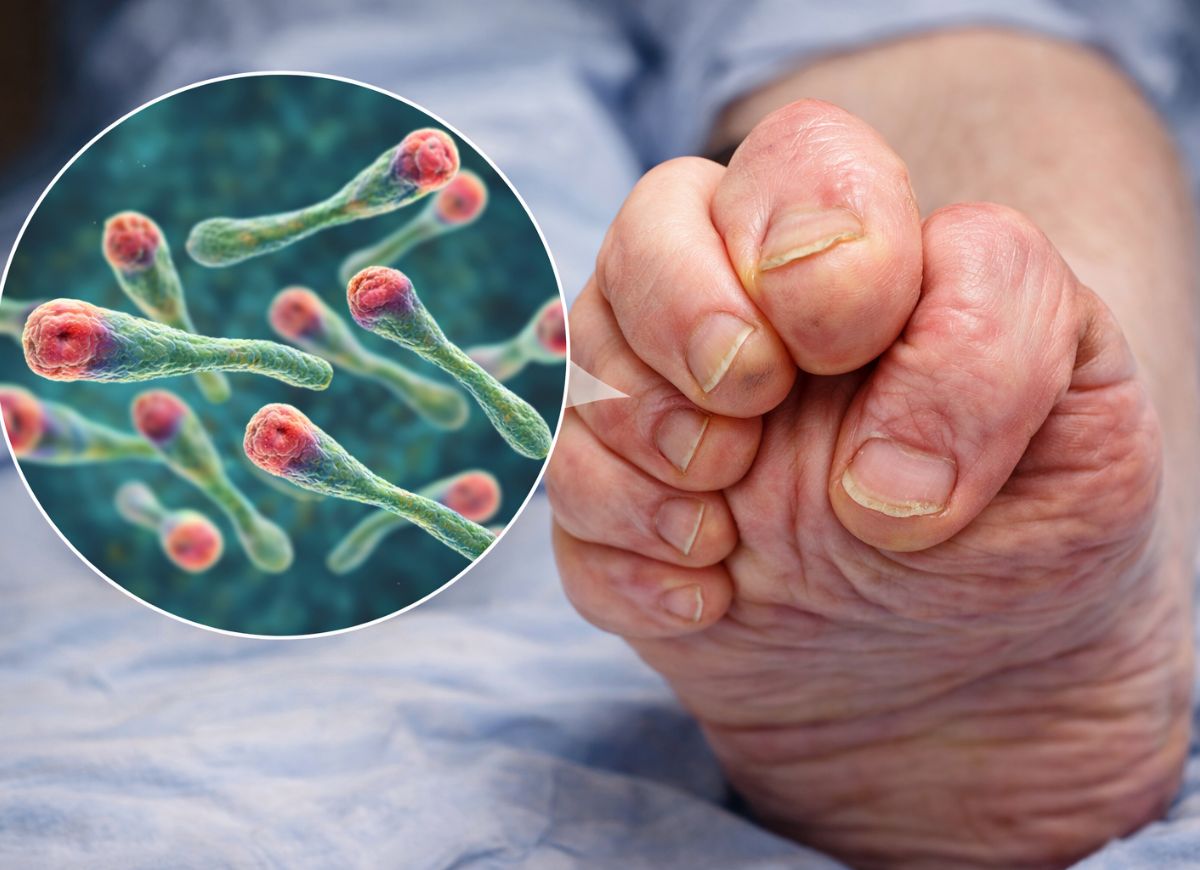
Tetanus is a serious, often fatal, non-contagious infection of the nervous system caused by a potent neurotoxin produced by the bacterium Clostridium tetani. It causes progressively painful muscle spasms, starting with the jaw and spreading through the body, sometimes powerful enough to fracture bones and cause respiratory failure.
C. tetani is an anaerobic, rod-shaped bacterium whose spores are found everywhere in the environment, especially in soil, dust, and the feces of animals like horses and cows. The spores are extremely resilient, surviving for years despite heat, drying, and chemical disinfectants. They’re harmless on intact skin or if swallowed, but dangerous when they enter a wound, particularly one with low oxygen.
In a suitable environment, such as dead tissue in a deep puncture wound, the spores germinate into active bacteria, which multiply and produce tetanospasmin. This toxin travels along peripheral nerves or through the bloodstream to the brain and spinal cord, where it binds irreversibly to nerve endings and blocks the release of inhibitory neurotransmitters (GABA and glycine) that allow muscles to relax. Without that brake, motor neurons fire uncontrollably, causing the constant contraction, rigidity, and spasms that define tetanus.
How People Get Tetanus
Tetanus occurs when spores enter through a break in the skin and germinate in a low-oxygen environment. It isn’t passed from person to person; it comes from the environment. Any wound, large or small, can become contaminated, but some create ideal conditions for the bacteria:
- Deep puncture wounds from a nail, splinter, or thorn, where depth limits oxygen and the object can carry spores deep into tissue
- Crush injuries, which kill tissue and create a large oxygen-deprived area
- Severe burns, which damage skin and make infection easier
- Wounds contaminated with soil, dust, or manure
- Animal bites or scratches, which can inject bacteria deep into tissue
- Non-sterile procedures, like unhygienic piercings, tattoos, or contaminated needles, particularly among people who inject drugs
- Chronic sores, such as diabetic ulcers or bedsores
A common misconception is that rust causes tetanus. It doesn’t; rusty objects are simply often found outdoors where spores are abundant, and their rough surfaces can make deeper, more damaging wounds.
What to Do If You Recognize the Signs
If you notice signs like lockjaw or unexplained muscle stiffness, seek emergency medical care immediately. Tetanus is a life-threatening emergency requiring hospitalization and ICU treatment, and it can progress with alarming speed, so any delay raises the risk of severe complications and death.
By the time symptoms appear, the toxin has already begun affecting the central nervous system, and its effects can’t be reversed. Treatment therefore focuses on neutralizing circulating toxin, stopping further toxin production, managing severe symptoms, and providing life support until the body recovers. Recovery often takes weeks or months, since the body must grow new nerve endings to replace those the toxin damaged.
The main cause of death is respiratory failure, when laryngeal and chest muscles spasm and breathing becomes impossible. Patients often need a tracheotomy and mechanical ventilation. Autonomic instability can trigger sudden cardiac arrest, and the spasms themselves can fracture the spine and tear muscles.
ICU treatment includes Tetanus Immune Globulin (TIG) to neutralize the toxin, high-dose antibiotics like metronidazole to kill the bacteria, and strong muscle relaxants and sedatives to control spasms. Without round-the-clock advanced care, the prognosis is extremely poor.
First Aid for a Tetanus-Prone Wound
First aid means controlling bleeding, cleaning the wound thoroughly, applying antibiotic ointment, and covering it, followed by prompt medical evaluation. Good wound care lowers the spore count and infection risk, but it doesn’t replace professional assessment, especially for deep, dirty, or puncture wounds. A provider must check the wound and your vaccination history to decide whether you need a booster or Tetanus Immune Globulin.
- Stop the bleeding. Apply firm, direct pressure with a clean cloth or bandage. For severe bleeding, keep pressure on and get emergency help.
- Clean thoroughly. This is the most critical step. Wash with mild soap and clean running water for several minutes, gently scrubbing out dirt and debris. Avoid harsh substances like hydrogen peroxide or iodine on simple cuts, though a doctor may recommend them for serious wounds.
- Apply antibiotic ointment. After drying, a thin layer of an over-the-counter ointment such as Neosporin or Polysporin keeps the surface moist and adds a barrier against infection.
- Cover it. Use a sterile bandage or gauze, changing it at least daily or whenever it gets wet or dirty.
- See a doctor promptly, especially if the wound is deep, came from a dirty or rusty object, or you’re unsure of your vaccination status or it’s been over five years since your last booster.
How Tetanus Is Diagnosed
Unlike many infections, tetanus can’t be confirmed by a blood test or lab culture. Diagnosis rests almost entirely on clinical findings: the pattern of symptoms and the patient’s history.
The most telling sign is trismus, often with risus sardonicus. Doctors also look for generalized muscle stiffness, painful spasms triggered by minimal stimuli like noise or touch, and signs of autonomic dysfunction. History matters too, particularly vaccination status and any recent injury; a deep or contaminated wound, even a splinter, thorn, or insect bite, in someone unvaccinated or behind on boosters raises suspicion considerably.
One bedside tool is the spatula test: touching the back of the throat with a sterile instrument. Normally this triggers a gag reflex and the person pushes the instrument away. In tetanus, spasm of the masseter muscles makes the patient involuntarily bite down on it, a highly specific response.
Tetanus vs. Other Causes of Lockjaw
Trismus can have many other, more common causes. What distinguishes tetanus is its progression and the systemic symptoms that accompany it. Tetanus rarely stays isolated to the jaw: it’s followed by descending rigidity in the neck, trunk, and limbs, often ending in full-body spasms. Other causes stay localized.
- Dental and throat infections are the most frequent cause: a dental abscess, inflammation around an impacted wisdom tooth, or tonsillitis can spread inflammation to the chewing muscles. Look for severe localized pain, visible jaw or neck swelling, fever, and an identifiable infection source, with stiffness that doesn’t spread beyond the head and neck.
- Temporomandibular joint (TMJ) disorders involve dysfunction of the jaw joint and surrounding muscles, with chronic jaw pain, clicking or popping, and headaches. The limitation is mechanical or pain-related rather than the unyielding spasm of tetanus, fluctuates over time, and doesn’t come with generalized spasms or autonomic instability.
- Drug-induced dystonic reactions from antipsychotics (like haloperidol) or anti-nausea drugs (like metoclopramide) can cause involuntary contractions in the jaw, tongue, and neck. The onset is sudden and can mimic tetanus, but it’s tied to a specific drug and resolves after stopping it and treating with anticholinergic medication.
Types of Tetanus
Tetanus appears in four clinical forms, varying with toxin spread and immune status.
Generalized tetanus accounts for over 80% of cases and is the most severe. The toxin spreads widely through blood and lymph to motor neurons throughout the central nervous system. It follows a descending pattern: lockjaw and facial spasms, then neck stiffness, swallowing difficulty, and rigidity in the abdomen and limbs, progressing to violent full-body spasms and life-threatening autonomic dysfunction.
Localized tetanus is uncommon, with spasms and rigidity confined to the area of the injury. A leg wound might cause persistent painful contractions only in that limb. It’s usually milder, but spasms can last weeks, and it can precede generalized tetanus, so it still needs immediate care.
Cephalic tetanus is a rare and dangerous form that typically follows head or face injuries or chronic ear infections. The toxin affects the cranial nerves, most often causing facial nerve palsy alongside trismus, a confusing picture of one-sided facial weakness with a locked jaw. It carries a high risk of progressing to generalized tetanus and a poor prognosis.
Neonatal tetanus is generalized tetanus in newborns, usually within the first month of life. It results from an unimmunized mother passing no protective antibodies, combined with umbilical stump infection from unhygienic cutting or care. Early signs are inability to suckle and excessive crying, progressing rapidly to severe spasms. It remains a major cause of infant death where maternal immunization is low.
How the Tetanus Vaccine Works
The tetanus vaccine is a toxoid vaccine: rather than targeting the bacterium itself, it neutralizes the toxin. The disease isn’t caused by bacteria invading tissue but by tetanospasmin, so the vaccine trains the body to defend against the toxin specifically.
Manufacturers grow C. tetani in a lab to produce large amounts of toxin, then detoxify it, typically with formaldehyde. This makes the toxin harmless while preserving its surface shape and markers, producing the tetanus toxoid.
When injected, the toxoid prompts the immune system to build antitoxin antibodies shaped to bind tetanospasmin. These circulate in the blood, providing active immunity. If a vaccinated person later gets a contaminated wound and the bacteria start producing toxin, the antibodies bind and neutralize it before it reaches nerve endings.
Protection is maintained through a childhood primary series (DTaP), followed by Td or Tdap boosters every ten years throughout adulthood.
Frequently Asked Questions
What are the chances of getting tetanus from a small cut?
Quite low if you’re fully vaccinated, but not zero. Even small cuts can let bacteria in, especially if exposed to soil, dust, or animal waste. Risk rises if the cut isn’t cleaned properly or becomes deep or infected. Wash wounds thoroughly and watch for unusual symptoms, especially if your vaccination status is uncertain.
Is 72 hours too late for a tetanus shot?
No. Ideally you’d get it as soon as possible after a potentially contaminated injury, but getting it within a few days still offers meaningful protection. For high-risk wounds or incomplete vaccination history, doctors may also give tetanus immune globulin for immediate protection.
What happens if tetanus goes untreated?
It can become severe and life-threatening. The toxin causes progressive stiffness and intense spasms that can spread throughout the body and interfere with breathing, swallowing, and heart function, potentially causing respiratory failure or cardiac problems. Early treatment is critical.
Can my body naturally fight off tetanus?
Not effectively once the toxin begins affecting the nervous system. The toxin acts faster than a strong immune response can develop, which is why vaccination, preparing the body in advance, is essential.
Why is tetanus called “the grinning death”?
Because of risus sardonicus, the facial muscle contraction that creates a rigid, forced smile or grimace. It’s one of the more recognizable signs of advanced tetanus and reflects how deeply the toxin affects nerve and muscle control.
How long can you have tetanus without knowing?
The incubation period usually runs about 3 to 21 days after exposure, with no symptoms at all, though it can be shorter or longer depending on the wound’s location and severity. Once symptoms start, the illness can progress rapidly over days, so early recognition and treatment matter.
Which organ does tetanus affect?
The nervous system, including the brain and spinal cord pathways that control muscle movement. The toxin disrupts the signals that regulate muscle relaxation, causing persistent stiffness and painful spasms. It looks like a muscle problem, but the underlying issue is neurological.
Who is most at risk?
People who aren’t fully vaccinated or have missed boosters. Older adults are especially vulnerable since immunity fades without regular boosters. Outdoor workers like farmers, gardeners, and construction workers face greater exposure, and people with limited access to healthcare or wound care are more likely to develop complications.
Which wounds carry the highest risk?
Deep puncture wounds, because they create the low-oxygen environment bacteria thrive in. Injuries from nails, splinters, animal bites, or contaminated sharp objects are higher risk. Wounds containing dirt, rust, or organic material deserve attention even if they look small, and proper cleaning and medical evaluation can make a big difference.
The Bottom Line
Tetanus may seem like a disease of the past, but it remains a real and serious threat when prevention is overlooked. Early signs can be subtle, yet progression can be rapid and severe without treatment. Staying current on vaccinations, cleaning even minor wounds properly, and paying attention to unusual symptoms are simple but powerful ways to protect yourself. Tetanus is largely preventable, but only when awareness meets action. Knowing what to look for and responding early gives you the best chance of avoiding complications and recovering fully.