The Hidden Process of an Intestinal Blockage Inside Your Body
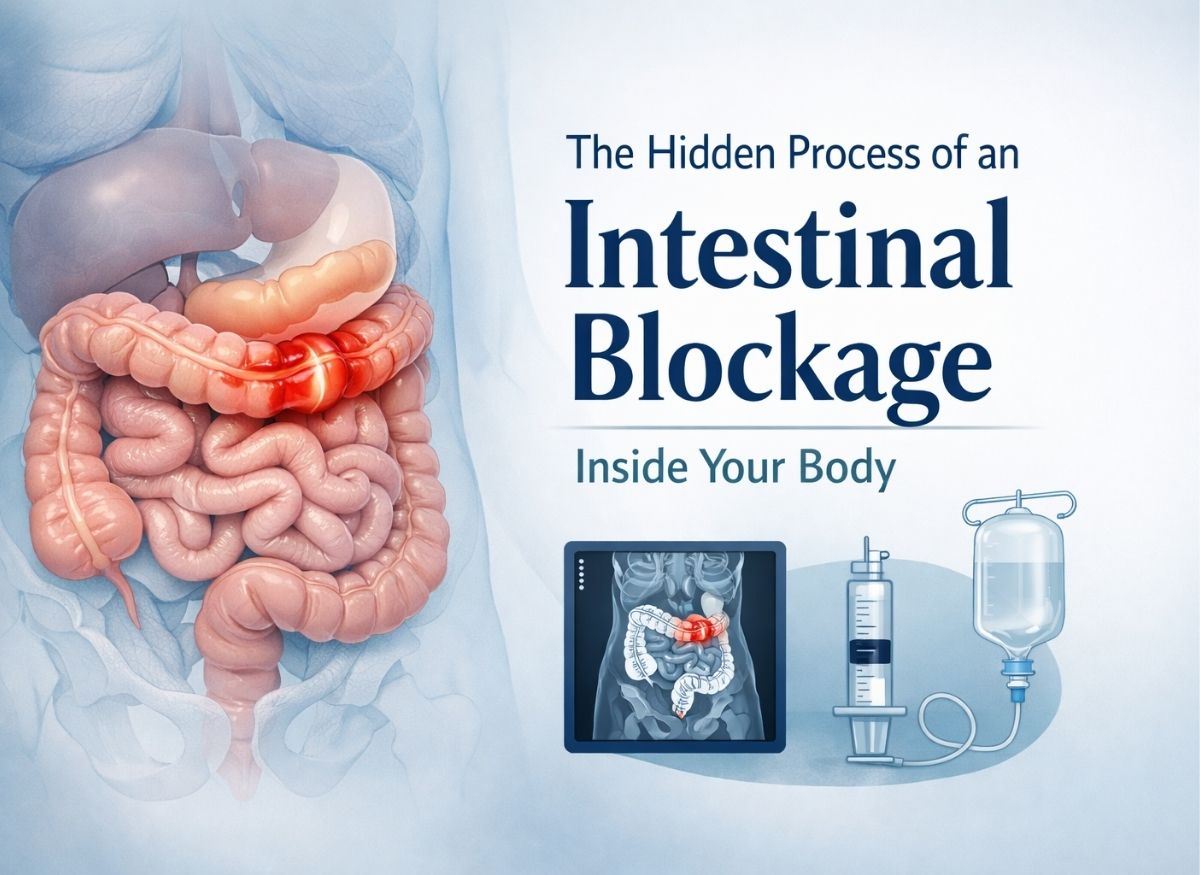
An intestinal blockage is a serious digestive emergency, but many people do not realize how quickly it can affect the body. At first, the symptoms may appear similar to ordinary constipation, gas, or bloating. However, beneath these seemingly common symptoms, a dangerous series of changes can develop within the digestive tract.
When an intestinal blockage occurs, food, digestive fluids, and gas can no longer move normally through the intestines. As these materials accumulate behind the obstruction, pressure inside the bowel begins to rise. This can cause significant swelling, interfere with blood circulation, damage intestinal tissue, and, in severe cases, cause the bowel to rupture.
Knowing what happens during an intestinal blockage is important because early recognition can lead to faster medical treatment. In this guide, we’ll explain how an obstruction affects the digestive system, why symptoms can become severe, what causes blockages, and which complications make the condition an emergency.
Effects of an Intestinal Blockage on the Digestive System
An intestinal blockage can set off a rapidly worsening chain of events within the digestive system. As food, fluids, and gas become trapped behind the obstruction, the intestine begins to expand. Increasing pressure can interfere with circulation, cause inflammation, damage the bowel wall, and eventually result in tissue death or perforation.
The digestive tract does not simply stop functioning when an obstruction develops. The stomach, intestines, pancreas, and liver continue producing digestive secretions, while bacteria in the intestine continue generating gas. Because these materials cannot move normally past the blockage, they accumulate in the affected section of the bowel.
As the amount of trapped material increases, pressure inside the intestine rises. This pressure places stress on the intestinal wall and can compress blood vessels supplying the bowel. If circulation becomes severely restricted, the affected tissue may no longer receive enough oxygen.
The longer a significant obstruction remains untreated, the greater the risk of serious complications. Complete or strangulated blockages are particularly concerning because they can interfere with blood supply and progress to irreversible bowel injury.
Initial Impact of an Intestinal Blockage on Digestive Function
The first major effect of an intestinal blockage is the interruption of normal movement through the digestive tract. Food, fluid, and gas that would normally travel through the intestines become trapped above the obstruction.
The intestines normally use rhythmic muscular contractions called peristalsis to move digestive contents forward. When an obstruction develops, these contractions may continue, but the contents cannot pass through the blocked area. Instead, the intestinal muscles push against the obstruction, contributing to increased pressure and cramping.
At the same time, the body continues producing digestive fluids. The stomach produces acid, the liver produces bile, the pancreas releases digestive enzymes, and the intestines contribute additional fluid. Swallowed air and gas produced by intestinal bacteria also add to the buildup.
As these materials accumulate, the bowel stretches and becomes distended. This can produce visible abdominal swelling, discomfort, cramping, and a feeling of fullness.
In more severe cases, substantial amounts of fluid can become trapped inside the small intestine. This significant distension places additional stress on the bowel wall.
This early stage is important because continued pressure can eventually begin affecting blood flow. If the obstruction remains untreated, the condition may progress from discomfort and bloating to impaired circulation, tissue injury, and potentially bowel perforation.
Progression of the Digestive Domino Effect in an Intestinal Blockage
As an intestinal blockage continues, the physiological effects can become increasingly serious.
The trapped contents cause the intestine to expand, increasing the pressure inside the bowel. This rising pressure can compress veins and lymphatic vessels in the intestinal wall. When drainage becomes impaired, fluid begins to accumulate within the bowel wall, causing swelling and congestion.
The body can also lose significant amounts of fluid from the bloodstream into the intestinal cavity. This process is sometimes called third-spacing. Although a large amount of fluid may be present inside the intestine, that fluid is no longer available to circulate throughout the body.
As circulating blood volume decreases, dehydration and low blood pressure can develop. The heart may beat faster in an attempt to maintain circulation, while vital organs may receive less blood.
If pressure continues increasing, arterial blood flow can eventually become impaired. This deprives the intestinal tissue of oxygen and nutrients, causing ischemia.
Prolonged ischemia can result in necrosis, meaning sections of the bowel tissue begin to die. Once the bowel wall becomes severely damaged, it can lose its structural strength.
In the most severe cases, the damaged bowel may develop a hole or rupture. Intestinal contents and bacteria can then escape into the abdominal cavity, potentially causing severe infection, sepsis, and other life-threatening complications.
Disruption of Fluid Balance and Nutrient Absorption in an Intestinal Blockage
An intestinal blockage can significantly interfere with the body’s fluid balance and normal absorption processes.
Under normal circumstances, the small intestine absorbs water, electrolytes, vitamins, minerals, and nutrients from digested food. During an obstruction, however, digestive contents cannot move through the affected area normally.
Large quantities of fluid can accumulate inside the intestine, while inflammation and swelling can interfere with normal intestinal function. This means the body may become dehydrated even though the bowel itself contains a substantial amount of fluid.
Vomiting can make the fluid imbalance even worse. Repeated vomiting can cause the body to lose water and important electrolytes such as sodium, potassium, and chloride.
Electrolytes are essential for proper nerve function, muscle activity, and normal heart rhythm. Significant disturbances can therefore create additional health risks.
As dehydration becomes more severe, blood pressure may fall and blood flow to organs such as the kidneys can decrease. Severe cases can lead to acute kidney problems and other complications.
The inability to properly process and absorb nutrients can also contribute to weakness and reduced energy, particularly when the obstruction persists.
Can an Intestinal Blockage Cause the Bowel to Rupture?
Yes, a severe intestinal blockage can cause bowel perforation, which is one of the most dangerous complications of an obstruction.
As gas, fluid, and digestive contents continue accumulating behind the blockage, the bowel becomes increasingly stretched. Rising pressure can restrict blood flow to the intestinal wall.
When the bowel does not receive enough oxygen and nutrients, ischemia develops. If blood flow is not restored, the affected tissue can become necrotic and lose its normal strength.
Eventually, the weakened section of intestine may tear or rupture. When this occurs, bacteria and intestinal contents can enter the abdominal cavity.
This can cause peritonitis, a serious infection and inflammation of the abdominal lining. The infection may then spread throughout the body and result in sepsis, which can cause widespread organ dysfunction.
In severe cases, septic shock can develop, leading to dangerously low blood pressure and failure of vital organs.
Certain types of obstruction can carry a particularly high risk of rapid complications. A closed-loop obstruction, for example, occurs when a section of bowel becomes blocked at two points, allowing pressure to rise quickly. Large bowel obstructions can also become dangerous when significant distension develops.
Causes of an Intestinal Blockage
An intestinal blockage occurs when the normal passage of food, fluids, and gas through the digestive tract is interrupted.
There are two broad categories of intestinal obstruction:
- Mechanical obstruction: A physical barrier prevents intestinal contents from moving forward.
- Non-mechanical obstruction: The intestine stops moving properly even though there is no physical object blocking the passage.
Mechanical causes create a structural barrier, while non-mechanical causes are usually related to impaired intestinal movement. Identifying the underlying cause is important because treatment depends heavily on what is causing the obstruction.
Mechanical Causes of an Intestinal Blockage
Mechanical obstructions occur when something physically narrows, compresses, twists, or blocks the intestinal passage.
Adhesions
One common cause is abdominal adhesions. These are bands of scar tissue that may form after abdominal or pelvic surgery.
Adhesions can pull on or bend sections of the intestine, narrowing the passage and sometimes causing a complete obstruction. They may develop shortly after surgery or even years later.
Hernias
Hernias occur when part of the intestine pushes through a weakened area of the abdominal wall.
If the bowel becomes trapped within the hernia, intestinal contents may no longer pass normally. In severe cases, the blood supply to the trapped bowel can also become restricted, creating a medical emergency.
Tumors
Tumors can also obstruct the intestine. A growth may develop inside the intestinal wall or press against the bowel from outside.
In the large intestine, colorectal cancer is an important potential cause of obstruction. The narrowing may develop gradually before eventually becoming severe enough to block intestinal contents.
Crohn’s Disease and Strictures
Inflammatory conditions such as Crohn’s disease can cause repeated inflammation of the intestinal wall.
Over time, chronic inflammation may result in scar tissue and narrowing known as a stricture. A severe stricture can restrict the movement of food and digestive contents.
Volvulus and Intussusception
A volvulus occurs when a section of intestine twists around itself. This can block intestinal contents and may also cut off the blood supply.
Intussusception occurs when one part of the intestine slides into another section, somewhat like the parts of a collapsible telescope. It can produce an obstruction and may interfere with circulation.
Both conditions can require urgent medical treatment.
Non-Mechanical Causes of an Intestinal Blockage (Paralytic Ileus)
A non-mechanical obstruction occurs when the intestine stops moving effectively even though there is no physical barrier.
This condition is commonly called paralytic ileus. The bowel muscles fail to contract normally, so food, fluid, and gas cannot progress through the digestive tract.
Surgery
Abdominal surgery is a common trigger. Handling the intestines during an operation, along with the effects of anesthesia and other medications, can temporarily slow intestinal movement.
Infection and Inflammation
Inflammation or infection inside the abdomen can also interfere with normal bowel movement.
Conditions such as pancreatitis, appendicitis, and peritonitis can affect the intestinal muscles and their nerve signals. Severe systemic infections, including sepsis, may also reduce intestinal activity.
Medications
Certain medications can slow the digestive system. Opioid pain medicines are particularly well known for reducing intestinal movement and causing constipation.
Other medications, including some antidepressants and anticholinergic drugs, can also contribute to reduced bowel motility.
Electrolyte Imbalances
Normal intestinal muscle function depends on balanced levels of electrolytes such as potassium, magnesium, and calcium.
When these levels become abnormal, intestinal contractions may weaken. Severe electrolyte disturbances can therefore contribute to functional obstruction.
Other possible triggers include serious illness, abdominal trauma, and reduced blood flow to the intestines.
Symptoms of an Intestinal Blockage
An intestinal blockage can produce several symptoms as food, fluid, and gas accumulate behind the obstruction.
Common symptoms include:
- Cramping abdominal pain
- Nausea
- Vomiting
- Abdominal swelling or bloating
- Constipation
- Difficulty passing gas
- Inability to pass stool or gas in a complete obstruction
The exact symptoms depend on factors such as the location of the blockage, whether it is partial or complete, and how quickly it develops.
Four Hallmark Signs of an Intestinal Blockage
1. Cramping Abdominal Pain
Abdominal pain is one of the most common symptoms.
The pain may occur in waves as the intestines contract against the obstruction. This type of pain is often called colicky pain.
As the condition progresses, pain may become more constant and severe. A sudden change from intermittent cramping to persistent severe pain can be a warning sign of complications, including impaired blood flow.
2. Nausea and Vomiting
As digestive contents accumulate, nausea and vomiting can occur.
The contents of vomit may initially consist of food or stomach contents. Depending on where the blockage occurs and how advanced it becomes, vomiting may later contain bile or, in severe cases, material with a fecal odor.
3. Abdominal Bloating and Distension
Trapped gas and fluid can cause the abdomen to become increasingly swollen.
The abdomen may feel tight, uncomfortable, or firm. Distension can become more pronounced as the obstruction continues.
4. Inability to Pass Stool or Gas
A complete obstruction can prevent stool and gas from moving through the intestine.
This condition, known as obstipation, is an important warning sign. People with partial obstructions may still pass some stool or gas, so the presence of bowel movements does not necessarily rule out an obstruction.
Symptom Differences Based on Location of Intestinal Blockage
Symptoms can differ depending on whether the obstruction occurs in the small intestine or large intestine.
Small Intestinal Blockage
Small bowel obstructions often develop relatively quickly.
Pain may be crampy and centered around the middle of the abdomen. Vomiting is often prominent and may occur earlier because the obstruction is closer to the stomach.
Abdominal swelling may occur, although it can vary depending on the location and severity of the obstruction.
Large Intestinal Blockage
Large bowel obstructions may develop more gradually.
Abdominal distension is often prominent because the colon can become significantly expanded by trapped gas and stool.
Changes in bowel habits and worsening constipation may occur before the obstruction becomes complete. Vomiting may occur later, particularly as the obstruction becomes more advanced.
Treatment Options for an Intestinal Blockage
Treatment depends on the cause, severity, location, and whether complications have developed.
Some partial or uncomplicated obstructions may be managed without immediate surgery, while complete obstructions or cases involving damaged bowel may require an operation.
The main goals of treatment are to relieve pressure, correct dehydration and electrolyte abnormalities, restore intestinal function when possible, and prevent complications such as ischemia or perforation.
Non-Surgical Treatment for a Partial Intestinal Blockage
When appropriate, a partial obstruction may initially be managed with close medical observation and supportive treatment.
Bowel Rest
Patients may be instructed not to eat or drink temporarily. This reduces the amount of material entering the digestive tract while doctors monitor whether the obstruction improves.
Intravenous Fluids
IV fluids can help replace fluid lost through vomiting and fluid trapped inside the intestines.
Electrolytes may also need to be corrected to restore normal body function.
Nasogastric Decompression
A nasogastric tube may be inserted through the nose into the stomach to remove accumulated fluid and air.
This can decrease abdominal pressure, reduce vomiting, and relieve discomfort.
Patients are monitored for signs that the obstruction is improving, such as decreasing abdominal swelling and the return of bowel function.
Surgical Treatment for a Complete Intestinal Blockage
A complete intestinal obstruction often requires urgent medical and sometimes surgical treatment.
The purpose of surgery is to identify and remove the source of the obstruction and preserve as much healthy intestine as possible.
If adhesions are responsible, surgeons may release the scar tissue. A trapped hernia may need to be repaired. If a tumor or severely damaged section of intestine is responsible, part of the bowel may need to be removed.
The surgeon also checks whether the affected bowel remains healthy.
If the bowel tissue is viable, the two ends may be reconnected. If the tissue is severely damaged or infection is present, a temporary or permanent stoma may sometimes be necessary.
Emergency surgery becomes especially important when there are signs of bowel ischemia, necrosis, perforation, or serious infection.
What You Should Never Do With an Intestinal Blockage
Suspected intestinal blockage should not be treated like ordinary constipation.
One of the biggest risks is delaying medical evaluation in the hope that symptoms will disappear. A serious obstruction can continue progressing even when symptoms initially seem manageable.
Taking laxatives or using enemas without medical advice can also be dangerous when a blockage is suspected. These treatments may increase pressure within an obstructed bowel and potentially worsen complications.
Eating large amounts of solid food can add to the accumulation of material behind the obstruction.
It is also important not to ignore worsening abdominal pain, increasing swelling, repeated vomiting, or an inability to pass gas or stool.
These symptoms require prompt medical assessment rather than home treatment.
How to Reduce Your Risk of an Intestinal Blockage
Not every intestinal blockage can be prevented. Conditions such as adhesions, tumors, hernias, and certain intestinal diseases may occur despite healthy habits.
However, several measures can support digestive health and reduce some risk factors.
Stay Hydrated
Adequate fluid intake helps keep stool softer and easier to pass. Dehydration can contribute to constipation by causing the colon to absorb more water from stool.
Eat an Appropriate Diet
For most healthy adults, a balanced diet containing fiber from fruits, vegetables, whole grains, and other plant foods supports regular bowel function.
However, people who have intestinal narrowing, previous obstructions, or certain digestive conditions may be advised to follow a lower-fiber or low-residue diet. Dietary recommendations should therefore be individualized.
Stay Physically Active
Regular movement supports normal bowel activity. Walking and other forms of physical activity can encourage intestinal movement and help maintain regular bowel habits.
Review Medications
Some medications, particularly opioid pain relievers, can slow intestinal movement and cause significant constipation.
If these medications are necessary, ask a healthcare provider about ways to reduce constipation and maintain bowel function.
Pay Attention to Warning Signs
Persistent bloating, repeated constipation, abdominal discomfort, vomiting, or changes in bowel habits should not be ignored, particularly when symptoms are worsening.
Early medical evaluation can help identify an underlying problem before it progresses into a severe obstruction.
Conclusion
An intestinal blockage is much more than ordinary constipation or temporary digestive discomfort. When food, fluid, and gas become trapped, pressure inside the intestine can rise rapidly and interfere with normal circulation.
If the obstruction continues, dehydration, electrolyte disturbances, reduced blood flow, tissue death, bowel perforation, and serious infection can develop.
Understanding the symptoms and knowing when to seek medical care can help prevent dangerous delays in treatment.
Severe or persistent abdominal pain, significant abdominal swelling, repeated vomiting, or an inability to pass stool or gas should be treated as warning signs requiring urgent medical evaluation.
Frequently Asked Questions About Intestinal Blockage
Can an intestinal blockage go away on its own?
Some partial intestinal obstructions may improve with medical treatment, bowel rest, fluids, and close monitoring. A complete obstruction generally requires urgent medical treatment and may require surgery.
How do doctors confirm an intestinal blockage?
Doctors usually combine a physical examination with imaging studies. A CT scan is commonly used to identify the location and cause of an obstruction, while abdominal X-rays or ultrasound may also be used depending on the situation.
Is an intestinal blockage always painful?
Pain is common, but the intensity and pattern can vary. Some people initially experience intermittent cramping, while others may develop more severe or constant pain as the condition progresses.
Can you still eat if you have an intestinal blockage?
If an intestinal blockage is suspected, you should not continue eating without medical guidance. Additional food can increase the amount of material accumulating behind the obstruction and may worsen symptoms.
What is the first warning sign of an intestinal blockage?
Cramping abdominal pain is a common early warning sign. It may occur alongside bloating, nausea, vomiting, constipation, or difficulty passing gas.
How quickly can an intestinal blockage become dangerous?
A serious intestinal blockage can deteriorate rapidly, particularly when blood flow to the bowel becomes restricted. Ischemia, tissue death, perforation, and infection can develop if treatment is delayed.
Can constipation turn into an intestinal blockage?
Severe constipation and fecal impaction can sometimes cause an obstruction, but ordinary constipation does not automatically progress to an intestinal blockage. Persistent or severe constipation accompanied by pain, vomiting, swelling, or inability to pass gas requires medical evaluation.