What Is the Intracept Procedure? A Complete Guide to Back Pain Relief
Chronic back pain touches almost every part of daily life sleep, work, exercise, even simple errands become harder. For people who’ve already tried medication, physical therapy, and injections without much success, finding something that actually works can feel discouraging. The Intracept procedure is a minimally invasive option built specifically for certain kinds of long-term low back pain. Rather than just managing symptoms, it goes after one of the nerves believed to be generating the pain signal itself.
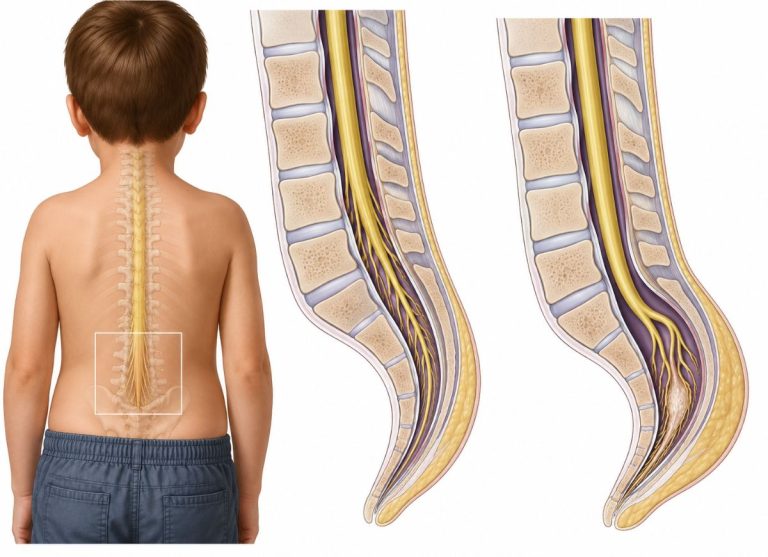
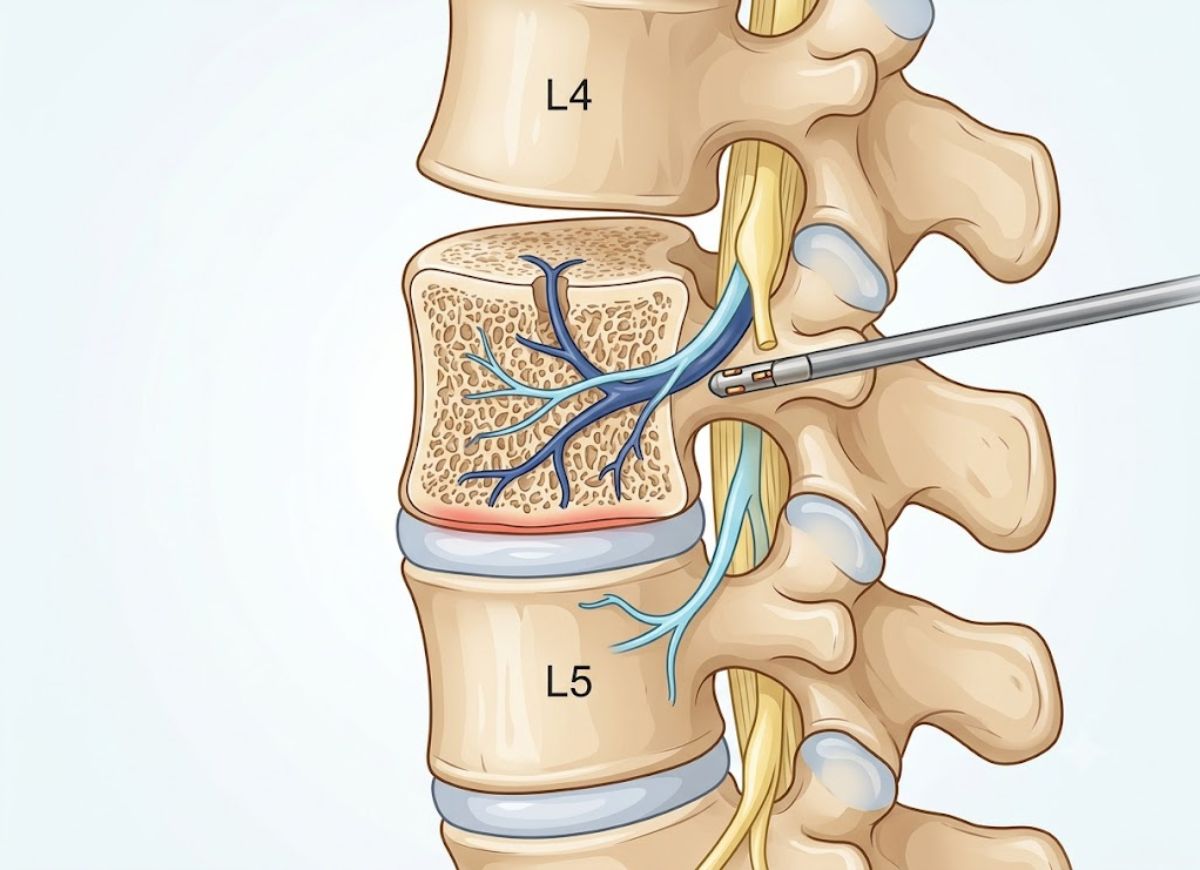
The target is the basivertebral nerve a nerve that carries pain messages from injured tissue inside the vertebrae. During the procedure, a physician uses a thin device to apply radiofrequency energy that switches off this nerve’s ability to transmit pain. Because it addresses the source rather than the symptoms, it’s become a notable option for people dealing with chronic vertebrogenic low back pain.
Low back pain is extremely common studies suggest roughly 4 out of 5 adults will deal with it at some point, and for many, it becomes a long-running problem lasting months or years. For the right candidates, Intracept can meaningfully cut pain levels and restore day-to-day function.
Unlike conventional spine surgery, there’s no cutting of muscle, no bone removal, and nothing implanted. It’s usually done through a tiny incision in well under an hour, and most people ease back into normal life gradually afterward.
That said, Intracept isn’t a fit for every kind of back pain. Before considering it, it helps to understand who qualifies, how it’s performed, what the risks look like, and what results to realistically expect. This guide walks through all of that.
What is the Intracept Procedure for Back Pain?
The Intracept Procedure is a minimally invasive treatment aimed at the basivertebral nerve inside the vertebrae, intended to provide lasting relief for chronic vertebrogenic low back pain. It’s a targeted, research-backed therapy focused on shutting down pain signals rather than changing the spine’s structure.
Intracept Procedure and How It Works
Intracept is an outpatient procedure that uses radiofrequency energy to ablate essentially switch off the basivertebral nerve, stopping it from carrying pain signals from a damaged vertebra up to the brain. Unlike bigger surgeries that remove discs or fuse bones together, Intracept works at the nerve level, interrupting the pain pathway right where it starts. The whole thing is done under live imaging for accuracy, and most patients go home the same day.
The approach is precise and direct. Using a small incision in the lower back and fluoroscopy (real-time X-ray) for guidance, the physician threads a specialized probe through a bony passage called the pedicle and into the body of the vertebra.
Once the probe reaches the base of the basivertebral nerve, it releases a measured dose of radiofrequency energy. The resulting heat forms a small lesion that disables the nerve it can no longer send pain messages.
Think of the basivertebral nerve like a faulty wire in a building’s alarm system. When the vertebral endplates are damaged, that wire keeps tripping false alarms pain back to the brain. Intracept is like an electrician tracking down that one bad wire and cutting it. The alarm goes quiet, but the rest of the building’s structure is untouched.
What is Vertebrogenic Back Pain?
Vertebrogenic pain is a specific category of chronic low back pain that comes from damage to the vertebral endplates the cartilage caps at the top and bottom of each vertebra.
Over time, wear, injury, or degeneration can crack and inflame these endplates. That damage sends pain signals through one specific pathway the basivertebral nerve, which enters the back of the vertebra and branches out to the endplates. That makes vertebrogenic pain its own distinct diagnosis, separate from other common back problems.
It’s worth distinguishing it from similar conditions. Discogenic pain comes from a damaged or herniated disc that may irritate nearby nerve roots. Sciatica happens when a nerve root gets compressed, producing sharp pain that shoots down the leg. Facet arthropathy is arthritis in the small joints linking the vertebrae together.
Vertebrogenic pain, by contrast, is “axial” centered in the midline of the lower back. It tends to feel deep, aching, or burning, and typically gets worse with prolonged sitting, bending forward, or lifting, since those movements load extra stress onto the damaged vertebral bodies. It generally doesn’t radiate down the legs, which sets it apart clinically.
Types of Back Pain The Intracept Procedure Treats
Intracept is FDA-approved specifically for chronic low back pain of vertebrogenic origin, confirmed through defined diagnostic criteria it isn’t a catch-all treatment for back pain in general. The best candidates are people whose pain has been clinically traced to the vertebral bodies themselves, not the discs, facet joints, or nerve roots. That precision is a big reason for its strong outcomes among properly selected patients.
Candidates typically have dealt with chronic low back pain for at least six months and haven’t found lasting relief through conservative treatment physical therapy, anti-inflammatory medication, chiropractic care, or steroid injections.
When those options fall short and the pain pattern points toward a vertebrogenic cause, Intracept becomes worth considering. The deciding diagnostic factor is the presence of Modic Type 1 or Type 2 changes on a recent MRI.
These Modic changes are markers seen in the bone marrow near the vertebral endplates Type 1 reflects swelling and inflammation, Type 2 reflects fatty tissue replacing normal marrow. Both are strongly linked to the kind of endplate damage that drives vertebrogenic pain, offering visual confirmation that the basivertebral nerve is likely involved.
Who is a Candidate for the Intracept Procedure?
A good candidate is typically someone who has had chronic low back pain for more than six months, hasn’t responded to conservative treatment, and shows specific endplate damage on MRI.
Picking the right patient is the single most important factor in getting good results from this therapy. That means carefully reviewing symptoms, history, and imaging findings to confirm the pain is truly coming from the vertebrae.
Intracept Procedure for Back Pain
You may be a reasonable candidate if the following sounds familiar and if so, it’s worth bringing up with a spine specialist:
You’ve had moderate-to-severe low back pain for six months or longer.
You’ve genuinely tried non-surgical treatment for at least six months without lasting improvement physical therapy, activity changes, NSAIDs, chiropractic care, or spinal injections.
Your pain sits mainly in the midline of your lower back (“axial” pain) and feels deep, aching, burning, or throbbing. Some spillover into the buttocks or thighs can happen, but it’s not the sharp, shooting leg pain typical of sciatica.
Your pain reliably worsens with prolonged sitting, bending forward, or lifting movements that put extra load on the front of the vertebral bodies.
Your lumbar MRI shows Modic Type 1 or Type 2 changes somewhere between L3 and S1 key markers of the inflammation and endplate damage tied to vertebrogenic pain.
Diagnostic Criteria for Undergoing The Intracept Procedure
Because the goal is to treat only patients likely to benefit, the diagnostic process is thorough and structured. A qualified doctor works through several steps to confirm vertebrogenic pain and rule out other causes.
1. Comprehensive Clinical Evaluation
This starts with a detailed history when the pain began, what it feels like, what makes it better or worse, and everything you’ve already tried. Then comes a physical exam checking range of motion, strength, reflexes, and specific movements meant to reproduce your pain and pinpoint its source.
2. Advanced Imaging Studies
An MRI of the lumbar spine is central to diagnosis. While X-rays show bone alignment, MRI reveals the soft tissue detail needed including the endplates and bone marrow itself.
3. Identification of Modic Changes
The deciding MRI finding is Modic changes, usually somewhere between L3 and S1.
Type 1 changes show up as bright signal on T2-weighted images and dim signal on T1 a sign of active inflammation and bone marrow swelling.
Type 2 changes appear bright on both T1 and T2 marrow tissue that’s been replaced with fat, a sign of longer-term degeneration.
The physician also needs to match where these changes appear on the MRI with where the patient actually feels pain. Combining the clinical picture with the imaging findings is what confirms candidacy.
Conditions Disqualifying From the Intracept Procedure
Certain conditions can rule a patient out, either because they raise procedural risk or reduce the odds of success. The procedure is very safe for the right patients, but screening is essential.
Active infection whether systemic (like sepsis) or localized near the surgical site is an absolute no-go, since introducing instruments could spread it and cause serious complications like osteomyelitis or an abscess.
Intracept relieves pain but doesn’t stabilize the spine. Conditions like high-grade spondylolisthesis or severe scoliosis need a structural fix, such as fusion, instead.
Because the procedure uses X-ray guidance and anesthesia, it’s not performed during pregnancy, and its safety hasn’t been established in children or adolescents whose spines are still developing.
Severe, uncontrolled heart or lung disease can make anesthesia unsafe. And if your main symptom is sharp pain shooting down the leg, that usually points to nerve root compression a different problem Intracept isn’t designed to treat.
Radiofrequency energy could also interact with implanted devices like pacemakers or spinal cord stimulators. It’s not an automatic disqualifier, but it needs coordination with a cardiologist or device specialist first.
What are the Benefits and Risks of the Intracept Procedure?
The main draw of Intracept is a minimally invasive approach paired with durable pain relief. The risks are relatively minor infection, bleeding, and nerve injury similar to other spinal procedures.
Main Benefits of The Intracept Procedure
The strongest advantages come from combining lasting pain relief with a technique that doesn’t disturb the spine’s structure a combination well supported by clinical data.
It’s done through one or two incisions under a centimeter each, avoiding the muscle dissection of open surgery. That means less post-op pain, minimal blood loss, and less scarring.
Nothing permanent stays behind no screws, rods, or cages which removes the long-term risks that come with hardware: loosening, breakage, infection, or future revision surgery.
Perhaps most importantly, Intracept doesn’t change how the spine moves. Fusion surgery permanently locks vertebrae together, eliminating motion at that segment. Intracept only disables a nerve, so normal flexibility is preserved which may help avoid Adjacent Segment Disease, a common downside of fusion where nearby vertebrae wear out faster from added stress.
The evidence backing it is strong, too. The SMART Trial a Level 1 randomized controlled study found statistically significant improvements in pain and function versus a control group. Follow-up data shows these gains hold for more than five years after just one treatment.
Recovery is also easier than major surgery: most people go home the same day, return to desk work within days to a week, and work back up to full activity over the following weeks.
Potential Risks and Side Effects of the Intracept Procedure
Complications are uncommon, but patients should understand the possibilities as part of informed consent. The risk profile is comparable to other minimally invasive spine procedures.
Any incision carries a small infection risk at the skin or, rarely, deeper in the spine. Sterile technique and preventive antibiotics keep this risk low.
Minor bleeding near the incision is possible, and in rare cases a hematoma could form and need draining if it presses on nearby nerves.
There’s a small risk of nerve root injury as instruments pass through the pedicle continuous X-ray guidance helps minimize this. Nerve injury could cause temporary or, rarely, permanent numbness, weakness, or leg pain.
Extremely rarely, instrument placement could cause a vertebral fracture.
Afterward, soreness at the incision and some stiffness or spasm in the lower back for a few days to weeks is normal and usually manageable with ice, rest, and medication.
Results also aren’t universal some patients get only partial relief, and a small number see none. Careful patient selection is what drives the high success rates seen in trials.
What to Expect During Recovery From the Intracept Procedure
Recovery generally means going home the same day, a few weeks of manageable soreness, and noticeable improvement building over the following months.
What Happens On the Day of the Intracept Procedure?
The procedure itself usually takes 60–90 minutes. You’ll arrive a couple of hours early for paperwork and prep.
1. Pre-Operative Preparation
You’ll change into a gown, have vitals checked, get an IV line placed, and meet briefly with the anesthesiologist and surgeon to go over the plan.
2. Anesthesia
You’ll be positioned face-down in the operating room and given either general anesthesia or monitored sedation (conscious sedation), depending on your case.
3. The Procedure
After sterilizing the skin, the surgeon makes a small incision about the size of a baby aspirin over the target vertebra. A hollow needle (cannula) is guided through the pedicle into the vertebral body, creating a path to the basivertebral nerve. A radiofrequency probe is then inserted and positioned precisely, delivering energy for roughly 15 minutes to ablate the nerve. The instruments are removed and the tiny incision closed with a strip or single stitch.
4. Post-Procedure
You’ll be monitored in recovery as anesthesia wears off, then discharged once alert and comfortable. Since you’ll have had sedation or anesthesia, you’ll need someone to drive you home.
Typical Recovery Timeline After the Intracept Procedure
Recovery unfolds gradually relief isn’t usually instant, since it depends on inflammation settling down and the nerve ablation taking full effect.
First 24–72 hours: Rest is the priority. Expect soreness at the incision and some stiffness, manageable with ice and prescribed medication. Avoid strenuous activity.
First two weeks: Light activity like walking is encouraged to promote circulation and reduce stiffness. Avoid lifting over 10 pounds, bending, or twisting. Desk-job patients often return to work within days to a week, with frequent breaks to move around.
Weeks two to six: Activity increases gradually as incision soreness fades. Physical therapy may begin here, focused on gentle stretching and core strengthening. Lifting restrictions loosen based on progress.
Month two to three and beyond: This is typically when patients notice the most meaningful improvement, as inflammation fully resolves and the nerve ablation’s effects become clear. Most return to their normal activities, exercise, and hobbies with substantially less pain.
How Effective is the Intracept Procedure for Long-term Pain Relief?
Intracept has strong long-term data behind it, with most patients maintaining results five years or more after a single treatment a key reason it’s seen as a lasting solution rather than a stopgap.
The core evidence comes from the SMART Trial (Surgical Multi-Center Assessment of RF Ablation for the Treatment of Vertebrogenic Back Pain), a Level I randomized controlled study the gold standard in clinical research.
Early results were strong: at one year, nearly 75% of Intracept patients saw more than a 50% drop in pain scores, along with meaningful gains on the Oswestry Disability Index (ODI), a standard functional measure.
Two-year follow-up confirmed these gains held steady, ruling out a short-lived effect.
The five-year data is the most compelling piece: more than five years out, 66% of patients still reported over 50% pain reduction, 47% saw a 20+ point ODI improvement, and 34% were completely pain-free.
Opioid use also dropped substantially among patients in the trial further reinforcing Intracept’s standing as an effective, durable treatment for chronic vertebrogenic low back pain.
Practical Considerations and Alternatives to the Intracept Procedure
Choosing Intracept also means weighing it against other treatments, understanding insurance coverage, finding a qualified provider, and looking at the clinical evidence supporting it all important pieces of the decision.
Intracept Procedure and Other Pain Treatments Like Nerve Blocks
Intracept differs from nerve blocks and traditional radiofrequency ablation (RFA) in what it targets and what it’s meant to achieve. It specifically ablates the basivertebral nerve inside the vertebral body the nerve responsible for vertebrogenic pain aiming for a one-time, implant-free, long-term fix.
A nerve block, by contrast, is mostly diagnostic or short-term: injecting anesthetic (sometimes with steroid) around a suspected pain-generating nerve. Relief usually lasts hours to weeks, not months or years.
Traditional RFA also uses heat, but targets different nerves typically the medial branch nerves supplying the facet joints, a separate source of back pain. It’s effective for facet pain, but since those nerves can regrow, the procedure often needs repeating every 6–18 months.
Is the Intracept Procedure Covered By Insurance?
Insurance coverage for Intracept has improved substantially. A major turning point was the introduction of a Category I CPT billing code, which reflects broader medical acceptance and opened the door to wider reimbursement.
Medicare now covers Intracept nationwide for patients who meet the clinical criteria six-plus months of chronic low back pain with matching Modic changes on MRI.
Several major private insurers including Aetna, Cigna, Humana, and various Blue Cross Blue Shield plans have also issued favorable coverage policies, recognizing both its effectiveness and its potential to reduce long-term costs tied to repeat treatments and opioid use.
Still, coverage isn’t guaranteed and depends on your specific plan and history, so it’s worth confirming benefits before scheduling anything.
Start by calling the member services number on your insurance card and asking about coverage for the relevant CPT code and your plan’s policy on vertebrogenic back pain treatment.
Prior authorization is almost always required your doctor’s office will submit clinical notes, MRI findings, and documentation of failed conservative treatment to establish medical necessity.
If a request is denied, that’s not the end of the road denials often come down to missing paperwork, and an appeal with additional documentation or a letter of medical necessity can often turn things around.
How to Find a Doctor Qualified to Perform the Intracept Procedure
Because Intracept requires specialized training on a unique target the basivertebral nerve not every spine specialist performs it. Training is provided directly by the device manufacturer, Relievant Medsystems.
The most reliable starting point is the manufacturer’s official physician-finder tool, which lists trained providers searchable by location.
Beyond that, ask your current pain management physician, physiatrist, orthopedic spine surgeon, or neurosurgeon directly even if they don’t perform it themselves, they can usually refer you to someone who does. A primary care doctor can also point you toward a spine center or pain clinic offering advanced treatment options.
When evaluating a provider, look for board certification in a relevant specialty Pain Medicine, Anesthesiology, Orthopedic Surgery, or Neurosurgery and ask directly about their experience with Intracept specifically, including case volume and typical outcomes.
A qualified physician will do a full evaluation physical exam, history review, and MRI analysis to confirm Modic changes and walk you through the risks, benefits, and alternatives before confirming candidacy.
Specific Patient Outcomes Reported in Clinical Studies
The strongest evidence for Intracept’s effectiveness comes from the SMART trial and its long-term follow-up, offering concrete, measurable outcomes rather than anecdotal reports.
At the five-year mark, patients showed a mean pain score reduction of more than 50% from baseline.
Function also improved substantially, measured via the ODI a standard tool assessing how back pain affects daily tasks like walking, lifting, and sleeping. Five-year data showed a mean ODI improvement of 25.9 points, a clinically meaningful shift.
Opioid use dropped sharply too nearly 75% of patients who were using opioids at baseline had stopped entirely by the five-year mark.
Patient satisfaction has remained high throughout, with most trial participants saying they’d recommend the procedure to others with similar pain.
And unlike treatments that require repeating, Intracept’s five-year data shows the initial gains hold steady over time reinforcing its design as a single, lasting treatment rather than a recurring one.
FAQs
1. Is the Intracept Procedure the same as ablation?
It uses a form of radiofrequency ablation, but it’s distinct from standard nerve ablation instead of targeting joint-related nerves, it specifically targets the basivertebral nerve inside the vertebrae to interrupt vertebrogenic pain signals.
2. How painful is the Intracept Procedure?
Most patients tolerate it well, since anesthesia is used throughout. Afterward, some temporary soreness or bruising is common but typically eases during normal healing. Discomfort levels vary by individual and by how many levels are treated.
3. How long does the burn take for Intracept?
The radiofrequency energy itself is applied for just a few minutes per nerve treated. The full procedure usually takes under an hour, depending on how many vertebral levels are involved.
4. How long after Intracept will I feel better?
It varies some notice improvement within weeks, others over several months, as inflammation subsides and the nerve’s ablation takes full effect.
5. Are you put to sleep for an Intracept Procedure?
Usually not with full general anesthesia sedation combined with local anesthetic is more common, though the exact approach depends on the facility and patient.
6. What is the success rate of Intracept?
Clinical studies show meaningful improvement in pain and function for a significant share of patients, though outcomes vary depending on whether the pain truly matches the vertebrogenic profile this procedure treats.
7. What are the restrictions after Intracept?
Early on, avoid heavy lifting and strenuous activity that stresses the back. Light walking is usually fine, with a gradual return to normal activity guided by your provider.
Conclusion
The Intracept procedure offers a minimally invasive path forward for people with chronic vertebrogenic low back pain who haven’t found lasting relief elsewhere. By disabling the basivertebral nerve, it aims to cut pain signals at the source and restore daily function.
It isn’t the right fit for every type of back pain, though proper evaluation is essential to confirm the pain is actually coming from the targeted nerve.
Understanding how the procedure works, what recovery looks like, and what results are realistic can help guide the decision. For anyone still dealing with chronic low back pain, talking it through with a qualified provider is the best next step toward finding lasting relief.