
10 Warning Symptoms That Could Indicate Iron Deficiency
Iron is an essential mineral that supports many important functions in the body. One of its most important roles is helping produce hemoglobin, the protein in red blood cells responsible for carrying oxygen throughout the body. When iron levels become too low, the body may struggle to transport oxygen efficiently, resulting in a variety of symptoms.
Iron deficiency is one of the most common nutritional deficiencies worldwide, affecting more than 2 billion people. Despite how widespread it is, many people overlook its early warning signs and assume that tiredness or weakness is simply caused by stress, lack of sleep, or a busy lifestyle.
Low iron can affect much more than energy levels. As the body’s iron stores decline, it can influence immune function, concentration, physical performance, and overall well-being.
Research suggests that iron deficiency affects a substantial number of women of reproductive age, while pregnancy can increase the body’s need for iron considerably. When iron deficiency progresses to anemia, symptoms can become more noticeable and interfere with everyday activities.
If you regularly feel unusually tired, weak, pale, dizzy, or short of breath, iron deficiency could be one possible explanation. Recognizing the warning signs early can encourage you to seek appropriate testing and treatment before the problem becomes more severe.
This article discusses 10 important symptoms of iron deficiency, along with its major causes, risk factors, diagnosis, dietary sources, and frequently asked questions.
10 Key Warning Signs of Iron Deficiency
1. Unusual Tiredness and Fatigue
Persistent fatigue is one of the most recognizable symptoms of iron deficiency.
When the body does not have enough iron, it may not be able to produce sufficient hemoglobin. Because hemoglobin carries oxygen through the bloodstream, reduced levels can limit the amount of oxygen reaching tissues and muscles.
As a result, you may feel unusually tired or lack the energy needed for everyday activities. This fatigue may continue even after getting adequate sleep and can feel different from ordinary tiredness after a busy day.
If persistent fatigue occurs alongside other symptoms of iron deficiency, it may be worth discussing with a healthcare professional.
2. Pale Skin (Pallor)
Pale skin, known medically as pallor, can sometimes occur when iron levels are low.
Hemoglobin gives blood its characteristic red color, which contributes to the normal color of the skin and mucous membranes. When hemoglobin levels fall, the skin may appear paler than usual.
Paleness may be especially noticeable on the face, inside the lips, gums, or the lower eyelids.
Although changes in skin color can have many causes, persistent pallor combined with fatigue or weakness may warrant a medical evaluation.
3. Shortness of Breath, Headaches, or Dizziness
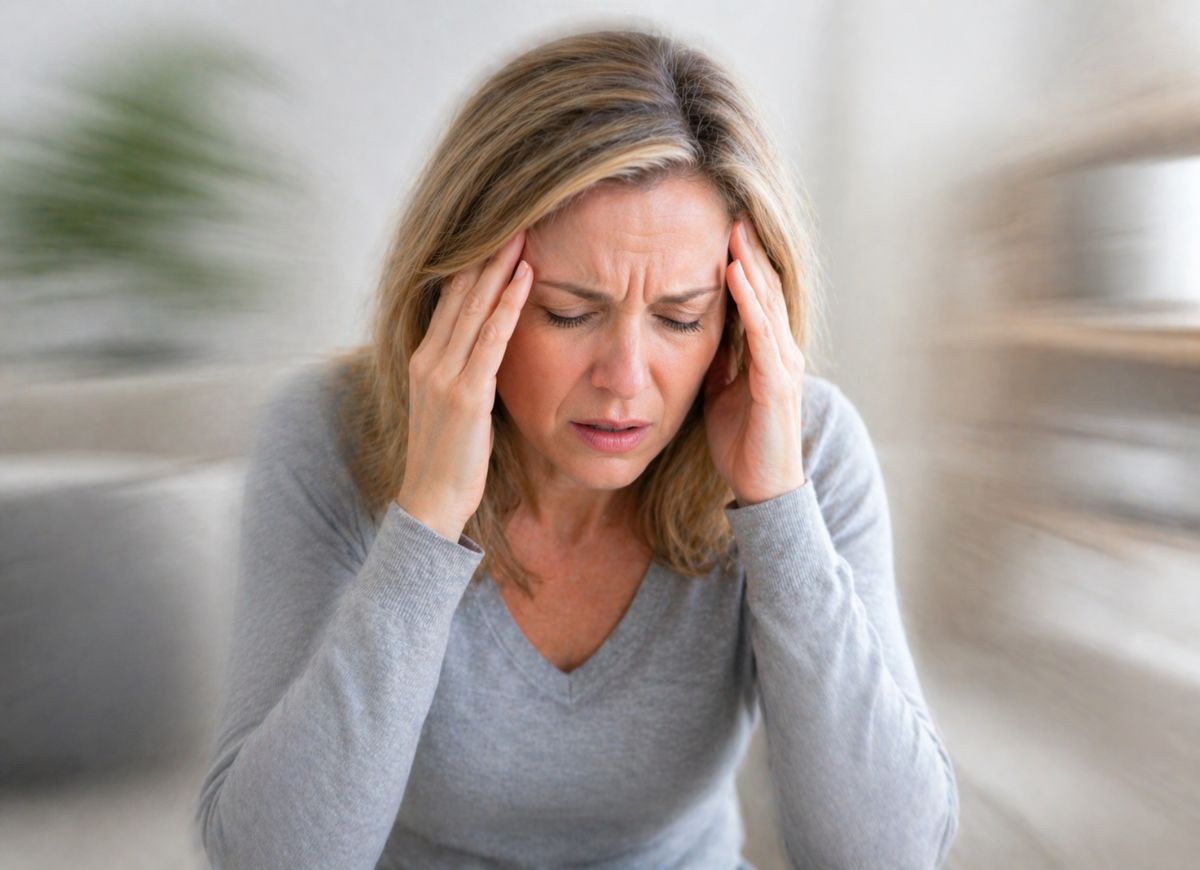
Iron deficiency can contribute to shortness of breath, headaches, and dizziness, particularly when it progresses to anemia.
When there is not enough hemoglobin available to transport oxygen, the body may have to work harder to meet its oxygen needs. Physical activities that were once easy, such as walking or climbing stairs, may leave you feeling unusually breathless.
Reduced oxygen delivery can also contribute to headaches or lightheadedness. Some people may feel dizzy when standing, exercising, or performing other activities.
If shortness of breath or dizziness is persistent or severe, it is important to seek medical advice because these symptoms can have many possible causes.
4. Dry, Damaged Hair and Skin
Iron deficiency may also affect the health and appearance of the skin and hair.
When oxygen delivery is reduced, the body prioritizes essential organs and functions. As a result, tissues such as the skin and hair may not receive the same resources needed to maintain normal growth and repair.
The skin may become dry or appear pale, while hair may become weaker, more brittle, or thinner.
Some research has also found an association between low ferritin, the protein that stores iron, and hair loss, particularly among women.
Hair and skin changes alone do not confirm an iron deficiency, but they can be worth discussing with a healthcare provider when they occur alongside other symptoms.
5. Restless Legs Syndrome (RLS)
Iron deficiency is associated with restless legs syndrome (RLS), a condition that creates an uncomfortable urge to move the legs.
People with RLS may experience sensations such as tingling, crawling, pulling, or discomfort in their legs. These symptoms often become more noticeable when resting and may be especially troublesome during the evening or at night.
The exact connection between iron deficiency and RLS is not completely understood. However, iron is involved in dopamine function, and dopamine plays an important role in movement control.
If unusual leg sensations repeatedly interfere with rest or sleep, discussing them with a healthcare professional may help identify the underlying cause.
6. Brittle or Spoon-Shaped Fingernails
Iron deficiency can sometimes affect the nails.
As the deficiency progresses, fingernails may become weak, brittle, or more likely to split and break.
In more pronounced cases, a condition called koilonychia may develop. This causes the nails to become unusually thin and concave, creating a spoon-shaped appearance.
Spoon-shaped nails are not common in every person with iron deficiency, but when they occur alongside other symptoms, they can be an important clinical clue.
7. Swollen or Sore Tongue
A sore, swollen, pale, or unusually smooth tongue can sometimes be associated with iron deficiency.
The condition may cause the tongue to feel tender or sensitive. Changes in the tongue can occur because iron is involved in maintaining healthy tissues and normal cellular function.
Inflammation and loss of the normal surface texture may make eating or speaking uncomfortable in some cases.
Because tongue changes can have several causes, persistent symptoms should be evaluated rather than automatically attributed to low iron.
8. Cold Hands and Feet
Some people with iron deficiency report frequently feeling cold, particularly in their hands and feet.
When oxygen delivery is reduced, the body may prioritize circulation to vital organs. This can contribute to less noticeable warmth in the extremities.
As a result, the hands and feet may feel unusually cold even when the surrounding temperature is comfortable.
Cold extremities can also occur for many other reasons, so this symptom is more meaningful when it appears together with other signs of iron deficiency.
9. Frequent Infections
Iron plays an important role in normal immune system function.
It supports the development and activity of various immune cells that help the body respond to infections. When iron levels are inadequate, immune function may be affected.
Some people with iron deficiency may therefore experience infections more frequently, although recurrent infections can have numerous possible causes.
If you are repeatedly getting sick or recovering slowly from infections, a healthcare professional can help determine whether iron deficiency or another issue may be involved.
10. Unusual Cravings (Pica)
Pica is an unusual condition involving persistent cravings to consume substances that do not provide nutritional value.
It is particularly associated with iron deficiency. Some people develop a strong craving for ice, known as pagophagia. Others may crave substances such as dirt, clay, chalk, paper, or starch.
The exact reason iron deficiency can trigger pica is not fully understood. However, the association between pica and low iron is well recognized.
Unusual cravings should not be ignored, especially when they occur alongside fatigue, weakness, pale skin, or other signs of iron deficiency. Appropriate testing can help determine whether low iron is responsible.
What Are the Primary Causes of Iron Deficiency?
Iron deficiency usually develops for one of three major reasons:
- Not getting enough iron through food
- Having difficulty absorbing iron
- Losing more blood and iron than the body can replace
These causes may occur individually or together. Over time, continued iron loss or inadequate absorption can gradually deplete the body’s iron stores and eventually lead to iron deficiency anemia.
An Inadequate Diet
Not getting enough dietary iron is an important cause of iron deficiency.
The body gets iron primarily through food, so consistently eating a diet that contains few iron-rich foods can eventually reduce iron stores.
Dietary iron comes in two main forms: heme and non-heme iron.
Heme iron is found mainly in animal foods such as meat, poultry, and fish. It is generally absorbed more efficiently by the body.
Non-heme iron comes primarily from plant foods such as beans, lentils, spinach, fortified cereals, nuts, and seeds. The body does not absorb this form as efficiently as heme iron.
People following vegetarian or vegan diets can still obtain enough iron from food, but they may need to pay closer attention to their overall intake and food combinations.
Vitamin C can improve the absorption of non-heme iron. Combining foods such as beans or lentils with tomatoes, bell peppers, citrus fruits, or other vitamin C-rich foods can help the body absorb more iron.
In contrast, compounds found in tea and coffee, as well as calcium, can reduce the absorption of non-heme iron when consumed at the same time.
A generally limited or repetitive diet can also increase the risk of iron deficiency, particularly when it contains few nutrient-dense foods.
Blood Loss
Blood loss is another major cause of iron deficiency because red blood cells contain a significant amount of the body’s iron.
When blood is lost, iron is lost with it. If the body cannot replace that iron quickly enough, its stores gradually decline.
Blood loss may be obvious and sudden, or it may occur slowly over a long period without being noticeable.
Heavy Menstrual Bleeding
Heavy menstrual bleeding is a common cause of iron deficiency among women of reproductive age.
Losing substantial amounts of blood every month can make it difficult to maintain adequate iron stores through diet alone.
Women who experience unusually heavy or prolonged periods may therefore be at greater risk of developing iron deficiency.
Gastrointestinal Blood Loss
Slow blood loss from the digestive tract can also contribute to iron deficiency, particularly among older adults and men.
Potential causes include stomach ulcers, gastritis, esophagitis, hemorrhoids, intestinal polyps, and colorectal conditions.
Certain medications, including nonsteroidal anti-inflammatory drugs such as aspirin and ibuprofen, can also increase the risk of gastrointestinal bleeding.
Other situations that may cause iron loss include major surgery, significant injuries, frequent blood donation, and certain parasitic infections.
The Body Sometimes Fails to Absorb Iron
A person can develop iron deficiency even when their diet contains adequate iron if the digestive system cannot absorb enough of it.
Most dietary iron absorption occurs in the upper portion of the small intestine, particularly the duodenum.
Conditions that damage or inflame the intestinal lining can interfere with this process.
Celiac Disease
Celiac disease is a well-known example. In people with celiac disease, exposure to gluten triggers an immune reaction that damages the lining of the small intestine.
Because this lining is responsible for absorbing nutrients, the damage can interfere with the absorption of iron and other essential nutrients.
Inflammatory Bowel Disease
Conditions such as Crohn’s disease and ulcerative colitis can also affect iron absorption.
Inflammation in the digestive tract may interfere with normal nutrient absorption and can sometimes contribute to blood loss as well.
Certain Surgeries
Some digestive surgeries can reduce the body’s ability to absorb iron.
For example, gastric bypass surgery may change the normal path food takes through the digestive system and reduce exposure to areas where iron is primarily absorbed.
Dietary and Medication Factors
Certain compounds in food can interfere with non-heme iron absorption. These include phytates found in whole grains and legumes, polyphenols in tea and coffee, and calcium.
Medications that reduce stomach acid, including proton pump inhibitors and some antacids, may also interfere with iron absorption in certain people.
Who Is Most at Risk for Developing Iron Deficiency?
Women and Children
Women and children are among the groups more likely to develop iron deficiency because their bodies may have increased iron requirements.
For women of reproductive age, menstrual blood loss is an important risk factor. Heavy periods can cause iron stores to decline over time.
Pregnancy increases iron requirements even further. During pregnancy, the body needs additional iron to support the increased blood volume and the development of the fetus and placenta.
Women who begin pregnancy with low iron stores may therefore have a greater risk of developing iron deficiency.
Infants and young children are also vulnerable because they grow rapidly and need iron to support increasing blood volume, muscle development, and overall growth.
Full-term babies generally have iron stores that help support them during the first several months of life. After that, they need dietary sources of iron.
Premature infants may be at greater risk because they can have lower iron stores at birth.
Toddlers who consume large amounts of cow’s milk and have limited diets may also be more likely to develop iron deficiency because cow’s milk contains relatively little iron.
Teenagers are another group at risk because rapid growth increases iron requirements. Adolescent girls may have an additional risk because menstruation adds regular iron loss.
Vegetarians and Vegans
People following vegetarian or vegan diets may have a higher risk of low iron stores because plant foods primarily provide non-heme iron, which is less readily absorbed than heme iron.
This does not mean that plant-based diets cannot provide enough iron. Foods such as lentils, beans, tofu, seeds, nuts, and leafy greens can be valuable sources.
However, the body absorbs non-heme iron less efficiently.
Certain plant compounds, including phytates, can also interfere with absorption. Tea and coffee contain polyphenols that may reduce iron absorption when consumed with meals.
Cooking, soaking, and preparing plant foods appropriately can help reduce some of these effects.
People following plant-based diets can improve iron absorption by combining iron-rich foods with vitamin C sources such as citrus fruits, strawberries, tomatoes, or bell peppers.
Frequent Blood Donors
People who donate blood regularly may be at increased risk of iron deficiency because blood donation removes iron from the body.
A whole-blood donation can remove a significant amount of iron. Although the body gradually replaces the lost blood cells, frequent donations can reduce iron stores faster than they are replenished.
This is especially important because ferritin, which reflects stored iron, can become low before hemoglobin falls enough to prevent someone from qualifying as a donor.
Frequent donors should pay attention to their dietary iron intake and discuss iron testing with a healthcare professional when appropriate.
Blood donation centers may provide guidance about maintaining adequate iron stores, particularly for people who donate regularly.
Iron Deficiency Diagnosis
Diagnosing iron deficiency typically involves a medical history, physical examination, and blood tests.
A complete blood count (CBC) is often one of the initial tests. It measures characteristics of red blood cells and includes important markers such as hemoglobin and hematocrit.
In more advanced iron deficiency anemia, red blood cells may become smaller and paler than normal.
However, the CBC can remain normal during the early stages of iron deficiency. Additional tests are therefore often needed to evaluate the body’s iron stores.
An iron panel may include:
- Serum ferritin: Reflects stored iron and is an important marker of iron stores.
- Serum iron: Measures the amount of circulating iron.
- Total iron-binding capacity (TIBC): Estimates how much iron the blood can bind.
- Transferrin saturation: Indicates how much of the iron-transport protein transferrin is carrying iron.
Low ferritin, low serum iron, elevated TIBC, and low transferrin saturation can support a diagnosis of iron deficiency.
Reference ranges vary among laboratories and individuals, so test results should be interpreted in the context of symptoms and other clinical findings.
The Difference Between Iron Deficiency and Iron Deficiency Anemia
Iron deficiency and iron deficiency anemia are related, but they are not exactly the same condition.
Iron deficiency occurs when the body’s stored iron becomes depleted. During the early stages, hemoglobin may still remain within the normal range.
A person may have few symptoms or may experience nonspecific problems such as fatigue.
Iron deficiency anemia develops when iron levels become low enough to interfere with the body’s ability to produce adequate hemoglobin and healthy red blood cells.
At this stage, symptoms may become more noticeable and can include significant fatigue, weakness, dizziness, pale skin, shortness of breath, and heart palpitations.
The progression can generally be described in three stages:
Stage 1: Iron Depletion
The body’s stored iron, reflected in ferritin levels, begins to decline. Hemoglobin and other blood measurements may still be normal.
Stage 2: Iron-Deficient Erythropoiesis
Iron availability decreases further, affecting the production of new red blood cells. Serum iron and transferrin saturation may fall, although anemia has not yet fully developed.
Stage 3: Iron Deficiency Anemia
Iron stores become significantly depleted, and there is not enough iron to support normal hemoglobin production. Hemoglobin and hematocrit levels decrease, resulting in anemia.
Which Foods Are Best for Increasing Iron Intake?
Iron-rich foods fall into two broad categories: heme iron and non-heme iron.
Heme iron is found in animal foods and is generally absorbed more efficiently.
Good sources include:
- Beef and lamb
- Poultry such as chicken and turkey
- Organ meats
- Seafood such as oysters, clams, and sardines
Non-heme iron is found in plant foods and fortified products.
Good sources include:
- Lentils
- Chickpeas
- Beans
- Tofu
- Pumpkin and sesame seeds
- Nuts
- Spinach and other leafy greens
- Iron-fortified cereals
- Fortified breads
Because non-heme iron is less readily absorbed, combining these foods with vitamin C can help.
For example, you can add lemon juice to a spinach salad, eat bell peppers with beans, or have citrus fruit alongside an iron-rich meal.
Eating some animal-based foods alongside plant sources can also improve the absorption of non-heme iron.
Certain foods and beverages can interfere with iron absorption. These include tea, coffee, calcium-rich foods, and foods high in phytates.
If you are trying to increase iron absorption, consider consuming tea and coffee between meals rather than with iron-rich foods.
Can You Have Too Much Iron in Your Body?
Yes. Although iron is essential, having too much iron can also be harmful.
Iron overload occurs when excess iron accumulates in the body. Because the body has limited ways to eliminate excess iron, high levels can gradually build up in organs.
One cause is hereditary hemochromatosis, a genetic condition that causes the body to absorb too much iron from food.
Excess iron can accumulate in organs such as the liver, heart, and pancreas and may eventually cause serious health problems.
Iron overload can also develop for other reasons, including repeated blood transfusions, certain liver conditions, and prolonged use of high-dose iron supplements.
Taking large amounts of iron without confirming that you actually have a deficiency can be harmful. Iron supplements should therefore be used according to appropriate medical guidance.
Symptoms of iron overload can include fatigue, joint discomfort, and abdominal pain, which can overlap with symptoms of other conditions.
Secondary iron overload can occur because of another medical condition or treatment rather than a genetic disorder. People who receive frequent blood transfusions may be at increased risk because each transfusion introduces additional iron into the body.
For this reason, iron supplementation should be based on an appropriate evaluation rather than self-treatment.
FAQs
1. What Happens When Your Iron Is Very Low?
When iron levels become very low, the body may not have enough iron to produce adequate hemoglobin.
This can eventually result in iron deficiency anemia, which may cause severe fatigue, weakness, dizziness, pale skin, and shortness of breath.
Low iron can also affect concentration and cognitive function. In some cases, iron deficiency may affect immune function as well.
Severe or untreated deficiency can lead to more serious complications, particularly when anemia becomes significant.
2. What Foods Are High in Iron?
Iron-rich foods include both animal and plant sources.
Heme iron sources include beef, poultry, fish, and other seafood.
Non-heme sources include:
- Lentils
- Beans
- Spinach
- Tofu
- Quinoa
- Seeds
- Fortified cereals
Combining plant-based iron sources with vitamin C-rich foods can improve absorption.
3. What Do You Crave if Your Iron Is Low?
Some people with significant iron deficiency develop pica, which involves cravings for substances that are not normally considered food.
Ice is a common craving and is specifically known as pagophagia. Other cravings may include dirt, clay, chalk, starch, or paper.
If you experience unusual cravings, particularly for non-food substances, speak with a healthcare provider because this can be associated with iron deficiency.
4. What Drink Is High in Iron?
Most beverages are not major sources of iron, but some drinks may provide iron or help improve iron absorption.
Iron-fortified fruit juices can contribute to iron intake. Drinks containing ingredients such as spinach or kale may also provide some non-heme iron.
Vitamin C-rich beverages can help the body absorb plant-based iron more efficiently.
Tea and coffee, however, can reduce iron absorption when consumed with iron-rich meals. Drinking them between meals may help minimize this effect.
5. Does Low Iron Affect Sleep?
Low iron may affect sleep, particularly when it is associated with restless legs syndrome.
RLS can cause an uncomfortable urge to move the legs, often becoming more noticeable at night or while resting. These sensations can make it difficult to fall asleep or stay asleep.
Because iron is involved in dopamine-related processes, low iron levels have been linked with RLS in some people.
If sleep problems occur alongside other symptoms of iron deficiency, discussing iron testing with a healthcare professional may be appropriate.
6. How Long Does It Take to Correct Iron Deficiency?
The time required to correct iron deficiency depends on how severe the deficiency is, its underlying cause, and how well the person responds to treatment.
Some people begin to notice improvement within a few weeks after appropriate treatment, but rebuilding the body’s iron stores can take several months.
It is important to follow the treatment plan provided by your healthcare professional and complete the recommended course of supplementation when prescribed.
7. How Can You Boost Iron Levels Quickly?
Increasing iron intake through appropriate foods can help support recovery.
Heme iron from foods such as meat, poultry, and seafood is generally absorbed more efficiently than non-heme iron from plant foods.
Plant sources such as beans, lentils, spinach, tofu, and fortified cereals can also contribute significantly to iron intake.
Pairing plant-based iron sources with vitamin C-rich foods can improve absorption.
When dietary changes are not enough, a healthcare professional may recommend an iron supplement based on blood test results and the underlying cause of the deficiency.
8. What Are the Three Stages of Iron Deficiency?
Iron deficiency generally progresses through three stages:
- Iron depletion: Iron stores begin to fall, but hemoglobin may still remain normal.
- Iron deficiency without anemia: Iron availability decreases further, and symptoms may develop even though hemoglobin has not yet fallen into the anemic range.
- Iron deficiency anemia: Iron levels become low enough to significantly impair hemoglobin production, causing anemia and more pronounced symptoms.
9. Which Organ Is Most Affected by Anemia?
Anemia affects the entire body because reduced hemoglobin means less oxygen is delivered to tissues.
The heart may be particularly affected in severe anemia because it has to work harder to circulate blood and compensate for reduced oxygen delivery.
Over time, severe untreated anemia can place additional strain on the cardiovascular system.
The brain can also be affected, potentially causing problems such as difficulty concentrating, dizziness, or reduced mental alertness.
10. Can Low Iron Cause Weight Gain?
Low iron does not directly cause weight gain.
However, iron deficiency can cause fatigue and weakness, which may make it harder to remain physically active. Reduced activity can indirectly contribute to changes in weight in some people.
Other medical conditions that cause both fatigue and weight changes may also need to be considered.
If unexplained weight changes occur together with symptoms of low iron, it is best to discuss them with a healthcare professional rather than assuming iron deficiency is the sole cause.
Conclusion
Iron deficiency is common and generally treatable, but recognizing the warning signs early can help prevent the condition from progressing to iron deficiency anemia.
Symptoms such as persistent fatigue, pale skin, dizziness, shortness of breath, cold hands and feet, restless legs, brittle nails, and unusual cravings can sometimes point to low iron.
However, these symptoms can also occur with other health conditions, so proper testing is important before starting treatment or taking iron supplements.
A balanced diet that includes iron-rich foods, along with appropriate medical treatment when necessary, can help restore iron levels.
If you are experiencing ongoing symptoms that may indicate iron deficiency, talk with a healthcare professional about appropriate blood tests and possible causes. Identifying and treating the underlying problem can help restore energy and support overall health.