
10 Warning Signs of Low Blood Pressure (Hypotension)
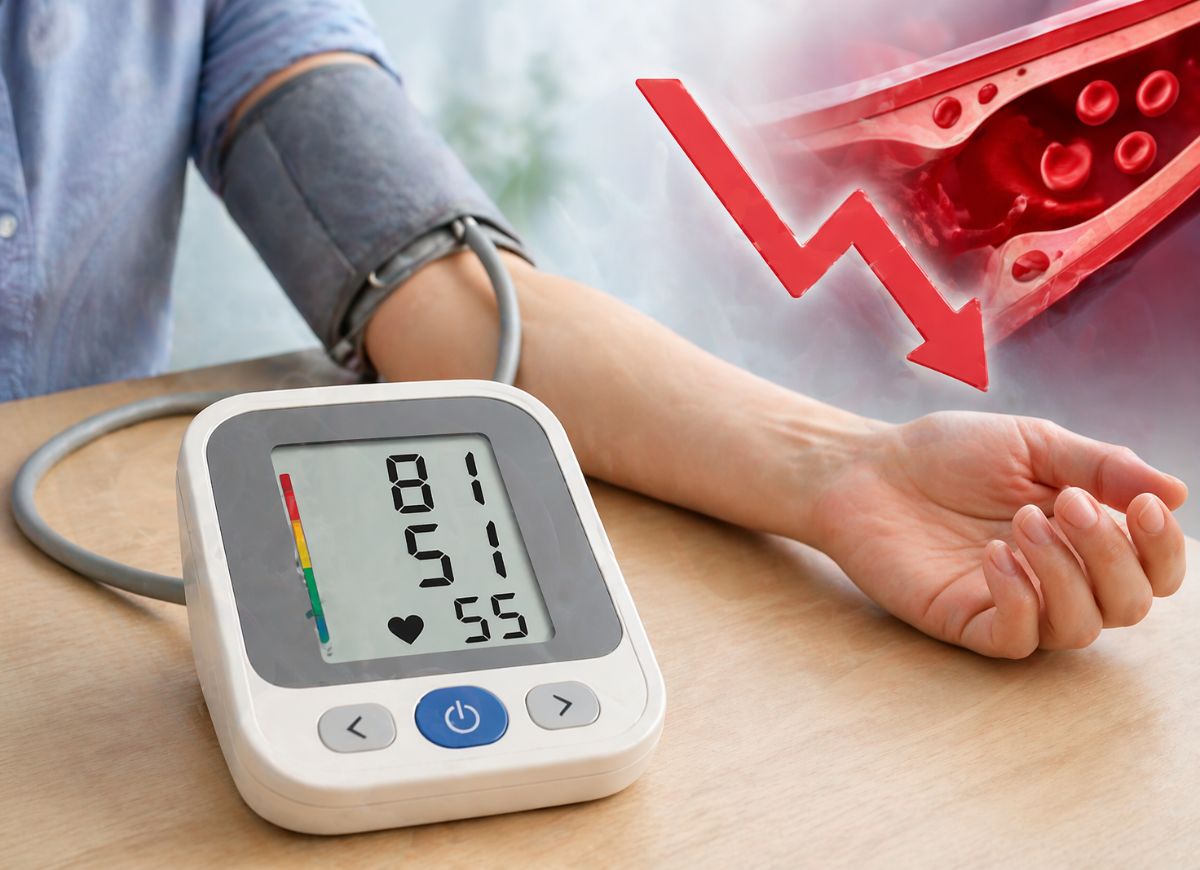
Low blood pressure, also known as hypotension, may appear harmless, but it can sometimes signal an underlying health problem. Generally, hypotension refers to a blood pressure reading below 90/60 mm Hg. When blood pressure becomes too low, the body may struggle to deliver enough oxygen and nutrients to its organs and tissues.
Some people naturally have low blood pressure without experiencing any problems. Others may develop symptoms such as dizziness, weakness, fatigue, or fainting. These symptoms can indicate that the body is not maintaining adequate circulation.
It is estimated that around 10% to 20% of people experience symptoms related to low blood pressure at some point, although the exact frequency varies depending on factors such as age, lifestyle, and overall health.
Hypotension becomes more common with age, particularly among adults over 65. Changes in the arteries and the circulatory system can make it harder for the body to regulate blood pressure effectively. However, low blood pressure can affect people of any age.
One challenge is that symptoms may be mistaken for temporary tiredness or dehydration. In some cases, however, hypotension can be associated with medications, dehydration, heart conditions, or hormonal problems.
If you frequently feel lightheaded, weak, or close to fainting, it is worth paying attention to these symptoms. Recognizing the warning signs of hypotension can help you determine when medical evaluation may be necessary.
This article covers 10 common warning signs of low blood pressure, along with its causes, potential complications, and ways to monitor blood pressure at home.
What Is Low Blood Pressure (Hypotension)?
Low blood pressure, or hypotension, is generally defined as a blood pressure reading below 90/60 millimeters of mercury (mmHg). A reading is commonly written as “90/60,” with the first number representing systolic pressure and the second representing diastolic pressure.
Systolic pressure measures the pressure in your arteries when the heart contracts and pumps blood. Diastolic pressure measures the pressure between heartbeats, when the heart is resting.
When blood pressure becomes too low, blood may not circulate through the body efficiently enough to provide tissues and organs with the oxygen-rich blood they require.
However, a low blood pressure reading does not automatically mean there is a health problem. Some young, physically active people and trained athletes naturally have blood pressure in the lower range without experiencing any symptoms. This is sometimes referred to as asymptomatic or constitutional hypotension.
When a person has no symptoms and their body is functioning normally, treatment may not be necessary.
The situation is different when low blood pressure causes symptoms. Signs such as lightheadedness, blurred vision, weakness, or fatigue can indicate that the brain and other organs are not receiving adequate blood flow.
Symptomatic hypotension can have many possible causes, including dehydration, medication effects, and conditions involving the heart, endocrine system, or nervous system.
A sudden decrease in blood pressure can also be concerning, particularly in someone whose blood pressure is normally higher. A significant drop can cause noticeable symptoms and may indicate an acute medical problem.
For this reason, the actual blood pressure number is only part of the picture. Symptoms and the circumstances surrounding the low reading are also important when determining whether hypotension requires attention.
The Different Types of Hypotension
Hypotension can occur in several forms, and identifying the type can help explain why symptoms occur.
Orthostatic Hypotension
Orthostatic hypotension, also called postural hypotension, occurs when blood pressure drops after moving from a sitting or lying position to standing.
Gravity causes blood to temporarily collect in the legs and lower body. Normally, the body quickly responds by increasing the heart rate and tightening blood vessels to maintain blood flow to the brain.
When this response is delayed or insufficient, blood pressure may fall and cause dizziness or lightheadedness.
Dehydration, certain medications, and prolonged bed rest are common factors associated with orthostatic hypotension.
Postprandial Hypotension
Postprandial hypotension occurs within about one to two hours after eating.
Digestion requires increased blood flow to the stomach and intestines. In some people, especially older adults, the body may not compensate adequately by tightening blood vessels elsewhere. As a result, blood pressure can fall and cause symptoms such as dizziness or weakness.
Neurally Mediated Hypotension
Neurally mediated hypotension (NMH) occurs when communication between the nervous system and cardiovascular system causes an inappropriate drop in blood pressure.
It can affect younger people and may be triggered by standing for a long period or experiencing an emotionally stressful event.
In these situations, the heart rate and blood pressure may suddenly decrease, which can result in lightheadedness or fainting.
10 Warning Signs of Low Blood Pressure
1. Dizziness or Lightheadedness
Dizziness and lightheadedness are among the most common symptoms associated with hypotension. They can occur when blood flow to the brain temporarily decreases.
The brain requires a continuous supply of oxygen and nutrients to function properly. When blood pressure drops, the circulation needed to maintain normal brain function may become insufficient, especially during sudden changes in position.
This is particularly common with orthostatic hypotension. When you quickly stand after sitting or lying down, gravity causes blood to move toward your legs and abdomen.
Normally, specialized sensors called baroreceptors detect the change and trigger the heart to beat faster while blood vessels tighten. These responses help maintain blood pressure and keep blood flowing to the brain.
With hypotension, this compensation may not happen quickly or effectively enough. The temporary reduction in brain blood flow can cause lightheadedness, unsteadiness, or a sensation that the surroundings are moving or spinning.
2. Fainting (Syncope)
A significant drop in blood pressure can sometimes result in fainting, medically known as syncope.
Fainting occurs when the brain temporarily does not receive enough blood flow to maintain consciousness. A mild reduction may cause dizziness, while a more substantial or sudden decrease can lead to a brief loss of consciousness.
Several factors can contribute to fainting. Vasovagal syncope, for example, may occur after emotional distress, prolonged standing, or exposure to certain triggers. These situations can cause the heart rate and blood pressure to fall suddenly.
Dehydration, overheating, and some medications may also increase the risk of fainting.
Before fainting, a person may experience presyncope, which can include lightheadedness, blurred or tunnel vision, muffled hearing, nausea, or weakness.
Although fainting is usually brief, it can be dangerous because a person may fall and become injured.
3. Changes in Vision
Low blood pressure can cause temporary changes in vision, including blurring, dimming, or tunnel vision.
The eyes and optic system depend on adequate blood flow to deliver oxygen and nutrients. When blood pressure falls significantly, circulation to these sensitive structures may temporarily decrease.
As a result, vision may begin to appear dim or gray, almost as though the surrounding lights have been turned down. In more pronounced episodes, peripheral vision may fade and create a tunnel-like visual effect.
Changes in vision can occur shortly before fainting and may indicate that blood flow to the brain and visual system has temporarily decreased.
If visual symptoms occur repeatedly with low blood pressure, they should not be ignored.
4. Nausea
Nausea can occur during an episode of low blood pressure and may be related to changes in circulation and nervous system activity.
The autonomic nervous system helps regulate involuntary functions such as blood pressure and digestion. When blood pressure drops, changes in this system can affect normal digestive activity and contribute to feelings of queasiness.
Nausea may also occur alongside dizziness. The balance system in the inner ear communicates with the brain and can be affected by changes associated with reduced blood flow.
When dizziness or disorientation develops, these signals can contribute to nausea.
For this reason, nausea during hypotension may occur as part of the body’s broader response to reduced circulation.
5. Fatigue or Weakness
Low blood pressure may cause fatigue or weakness because reduced circulation can limit the amount of oxygen and nutrients reaching the body’s tissues.
Cells need oxygen to produce energy and carry out their normal functions. When circulation is inadequate, muscles and organs may not work as efficiently, which can leave a person feeling unusually tired or weak.
This type of fatigue may feel different from normal tiredness after exercise. Some people may experience a persistent lack of energy that makes ordinary activities feel more difficult.
When weakness or fatigue occurs frequently alongside other symptoms of hypotension, identifying the underlying cause is important.
6. Difficulty Concentrating
Hypotension can sometimes be associated with difficulty concentrating, mental sluggishness, or what people commonly describe as brain fog.
The brain requires a steady supply of oxygen and glucose to support attention, memory, and other cognitive functions. When blood flow is reduced, these processes may become more difficult.
A person may find it harder to focus on a task, follow a conversation, process information, or remember something they would normally recall easily.
During more significant episodes, reduced brain perfusion may also contribute to confusion or disorientation. This can be particularly concerning in older adults or people with other health conditions.
7. Cold, Clammy, and Pale Skin
During a significant drop in blood pressure, the body may redirect blood toward vital organs such as the brain and heart.
To do this, the sympathetic nervous system can cause blood vessels near the skin and extremities to narrow. This response reduces blood flow to the surface of the body.
As a result, the skin may become pale and feel cold. The same stress response can activate sweat glands, causing the skin to feel clammy.
Cold, pale, and clammy skin can be a warning sign of severe circulatory problems, particularly when it occurs together with weakness, confusion, rapid breathing, or a weak pulse.
8. Rapid, Shallow Breathing
Rapid, shallow breathing, or tachypnea, can occur when the body is struggling to maintain adequate circulation.
When blood pressure falls severely, tissues may not receive enough oxygen. The body detects this change and can respond by increasing the breathing rate in an effort to improve oxygen delivery.
The respiratory system works to bring more oxygen into the lungs so that available blood can carry as much oxygen as possible.
Rapid, shallow breathing can indicate significant physiological stress, especially when it occurs with other symptoms such as confusion, pale skin, weakness, or a weak pulse.
9. Unusual Thirst
Excessive thirst may accompany low blood pressure, particularly when dehydration is responsible for the decrease in blood pressure.
Fluids make up a major portion of blood volume. When the body loses too much fluid through sweating, vomiting, diarrhea, fever, or inadequate fluid intake, blood volume can decrease.
The brain detects changes in the body’s fluid balance and triggers thirst to encourage fluid replacement.
If low blood pressure occurs together with strong thirst, dehydration may be an important contributing factor.
Replacing lost fluids can help restore blood volume and may improve blood pressure when dehydration is the underlying cause.
10. Low Mood or Depressive Symptoms
Some research has found an association between chronically low blood pressure and depressive symptoms, although the relationship is complex and is still being studied.
One possible explanation is that reduced blood flow may affect brain function and contribute to symptoms such as fatigue, reduced concentration, and low mood.
There can also be considerable overlap between symptoms of hypotension and depression. Persistent fatigue, weakness, difficulty concentrating, and reduced energy can occur with both conditions.
Living with ongoing physical symptoms can also affect emotional well-being.
Because the relationship is not fully understood, depressive symptoms should not automatically be attributed to low blood pressure. Persistent changes in mood should be discussed with a healthcare professional so that other possible causes can be considered.
What Are the Common Causes of Low Blood Pressure?
The main causes of hypotension generally fall into three broad categories: reduced blood volume, underlying medical conditions, and medication effects.
Dehydration
Dehydration is one of the most common causes of low blood pressure.
When the body loses more fluid than it replaces, blood volume decreases. This means the heart has less blood available to pump through the circulatory system, which can cause blood pressure to fall.
Fluid loss can occur because of excessive sweating, fever, vomiting, diarrhea, or simply not drinking enough.
The body initially tries to compensate by increasing the heart rate and narrowing blood vessels. However, significant fluid loss can overwhelm these mechanisms.
Even relatively mild dehydration can cause dizziness, weakness, or fatigue in some people.
Replacing lost fluids can help restore blood volume and improve blood pressure when dehydration is the underlying cause.
Medical Conditions
Several medical conditions can contribute to hypotension, particularly conditions involving the heart, endocrine system, or severe infections.
Conditions that reduce the heart’s ability to pump blood effectively can lower blood pressure. Examples include a very slow heart rate, certain heart valve problems, heart attack, and heart failure.
Hormonal disorders can also affect blood pressure. Adrenal insufficiency, hypothyroidism, and other endocrine problems may interfere with the body’s ability to maintain normal circulation.
Severe infections can sometimes lead to septic shock. In this situation, widespread changes in blood vessels can cause a dangerous fall in blood pressure.
A severe allergic reaction can also result in anaphylaxis, which may cause blood vessels to widen rapidly and blood pressure to fall.
Major blood loss, whether caused by an injury or internal bleeding, can significantly reduce blood volume and lead to hypotension.
Blood pressure can also naturally decrease during the early stages of pregnancy as the circulatory system adapts to the body’s changing demands.
Medications
Many prescription and over-the-counter medications can lower blood pressure as either their intended effect or a side effect.
Blood pressure medications are an obvious example, but several other drug classes can also contribute to hypotension.
Diuretics such as furosemide and hydrochlorothiazide increase the amount of sodium and water removed by the kidneys. This can reduce blood volume and lower blood pressure.
Beta-blockers such as metoprolol and atenolol can slow the heart rate and reduce the force of heart contractions, which may lower blood pressure.
Prazosin can relax blood vessels and reduce blood pressure. ACE inhibitors and angiotensin II receptor blockers (ARBs), such as lisinopril and losartan, also lower blood pressure by affecting blood vessel tone.
Levodopa-containing medications and tricyclic antidepressants such as amitriptyline may contribute to orthostatic hypotension in some people.
Medications such as sildenafil can also lower blood pressure because they promote blood vessel relaxation. Combining certain blood-pressure-lowering medications with nitrates can cause a dangerous drop in blood pressure.
If you suspect that a medication is causing low blood pressure, speak with your healthcare provider rather than stopping the medication on your own.
When Is Low Blood Pressure Considered an Emergency?
Low blood pressure requires immediate medical attention when it occurs with signs of shock or severe circulatory problems.
Warning signs can include:
- Significant confusion or changes in alertness
- Cold, pale, clammy, or bluish skin
- Rapid, shallow breathing
- A weak, rapid pulse
- Severe weakness or fainting
These symptoms can indicate that the body is not delivering enough oxygen-rich blood to vital organs.
Confusion or a significant change in mental status can occur when the brain is not receiving adequate blood flow. A person may become disoriented, unusually agitated, difficult to wake, or unable to respond normally.
The skin may become cold and pale because the body redirects blood away from the extremities and toward vital organs. Sweating can make the skin feel clammy.
Breathing may become faster as the body attempts to compensate for reduced oxygen delivery.
The heart may also beat rapidly in an effort to maintain circulation. However, when blood volume or pressure is severely reduced, the pulse may feel weak or difficult to detect.
If you or someone else has these symptoms, treat the situation as a medical emergency and contact emergency medical services immediately. Do not attempt to drive yourself to the hospital.
How to Accurately Measure Your Blood Pressure at Home
Monitoring blood pressure at home can help you and your healthcare provider understand how your readings change over time.
For the most reliable results, use a clinically validated automated monitor with an upper-arm cuff. Wrist and finger devices are generally considered less reliable.
Preparation is also important. Avoid caffeine, exercise, and smoking for at least 30 minutes before taking a reading. Empty your bladder beforehand because a full bladder can affect the measurement.
Sit quietly in a chair with your back supported and both feet flat on the floor for at least five minutes before checking your blood pressure. Avoid talking or watching television during this rest period.
Place the cuff directly on your bare upper arm, approximately one inch above the elbow crease. It should fit comfortably and securely.
Rest your arm on a flat surface so that your upper arm is approximately level with your heart.
Take two or three readings, leaving about one minute between measurements, and record the results. Taking readings at consistent times, such as in the morning and evening, can make it easier to identify patterns.
Keep a record of your readings and share it with your healthcare provider when discussing your blood pressure.
The Difference Between Hypotension and Hypertension
Hypotension and hypertension both involve blood pressure, but they describe opposite conditions.
Hypotension generally refers to blood pressure below 90/60 mmHg, while hypertension refers to consistently elevated blood pressure. The article’s general comparison identifies 130/80 mmHg or higher as a clinical threshold for hypertension.
The main concern with hypotension is often the symptoms it causes. Dizziness, fainting, weakness, and vision changes can interfere with daily activities and increase the risk of falls.
Hypertension, on the other hand, may not cause noticeable symptoms even when it is damaging blood vessels and organs over time.
Severe untreated hypotension can result in inadequate blood flow to vital organs and, in extreme cases, shock.
Long-term hypertension is associated with an increased risk of serious conditions such as heart disease, heart attack, stroke, and kidney problems.
Management also differs. Depending on the cause, hypotension may be addressed through adequate hydration, dietary adjustments, compression garments, or medications that help raise blood pressure.
Hypertension is commonly managed through lifestyle measures such as regular physical activity and dietary changes, along with medications that lower blood pressure when necessary.
Complications of Chronic Low Blood Pressure
Occasional mild dizziness may not cause lasting problems, but chronic or symptomatic hypotension can increase the risk of complications.
One of the most immediate concerns is falling. Sudden dizziness or fainting can cause a person to lose their balance, potentially resulting in fractures, head injuries, or other trauma. This can be especially concerning for older adults.
Persistent low blood pressure can also reduce blood flow to vital organs. When the brain does not receive adequate circulation, symptoms such as confusion and difficulty concentrating may occur.
The heart can also be affected if it does not receive enough blood through the coronary arteries. This may contribute to symptoms such as chest discomfort and, in severe situations, more serious cardiovascular problems.
A sudden and severe decline in blood pressure can result in shock. This is a life-threatening condition in which the body’s organs do not receive enough blood and oxygen and requires immediate medical treatment.
FAQs
1. What Is Dangerously Low Blood Pressure?
Dangerously low blood pressure generally refers to hypotension that causes significant symptoms or prevents vital organs from receiving enough blood.
A reading below 90/60 mmHg is commonly used as a general definition of low blood pressure, but the number alone does not determine how dangerous a reading is.
Severe hypotension may cause dizziness, fainting, confusion, shock, or other signs of inadequate circulation. A sudden drop without an obvious explanation can be particularly concerning.
Anyone experiencing severe symptoms associated with very low blood pressure should seek immediate medical attention.
2. How Do You Treat Low Blood Pressure Immediately?
If you experience symptoms such as dizziness or feel as though you may faint, sit or lie down in a safe place to reduce the risk of falling.
If dehydration is suspected, drinking fluids may help restore blood volume.
Some people may be advised to increase salt intake for certain forms of hypotension, but this should be discussed with a healthcare professional because extra sodium is not appropriate for everyone.
Avoiding alcohol can also help because alcohol may lower blood pressure.
These measures do not replace medical evaluation. Persistent or severe symptoms should be assessed by a healthcare provider.
3. What Should You Avoid Eating or Drinking When BP Is Low?
People with low blood pressure may need to be careful with alcohol because it can relax blood vessels and potentially lower blood pressure further.
Large meals may also contribute to postprandial hypotension in some people. Smaller, more frequent meals may be better tolerated.
Refined carbohydrates and highly sugary foods may also contribute to fluctuations in blood sugar and should generally be consumed as part of a balanced diet rather than relied upon to manage blood pressure.
A diet containing vegetables, fruits, whole grains, and lean protein can support overall health.
4. Should I Be Worried if My BP Is 100/60?
A blood pressure reading of 100/60 mmHg is on the lower side but is not necessarily dangerous by itself.
Some people naturally have readings in this range without experiencing any health problems.
However, if a reading of 100/60 is accompanied by dizziness, weakness, fatigue, fainting, or other concerning symptoms, it is worth discussing with a healthcare provider.
Persistent low readings can sometimes be related to dehydration, medications, heart conditions, or hormonal disorders.
5. What Is a Good Diet if You Have Low Blood Pressure?
Maintaining adequate fluid intake is important because dehydration can make hypotension worse.
Some people with certain forms of low blood pressure may benefit from additional dietary sodium, but the appropriate amount depends on their overall health and should be discussed with a healthcare provider.
A balanced diet containing whole grains, lean proteins, vegetables, fruits, and iron-rich foods can support general health.
Smaller, more frequent meals may also help people who experience blood pressure drops after eating.
Alcohol should generally be limited because it can lower blood pressure.
6. Can Low Blood Pressure Cause a Stroke?
Low blood pressure does not typically cause a stroke directly. However, severe or prolonged reductions in blood flow to the brain can create serious complications.
In some situations, inadequate circulation may contribute to temporary neurological symptoms or increase concern about cerebral blood flow.
Because both very low and very high blood pressure can be associated with health risks, persistent abnormal readings should be evaluated by a healthcare professional.
7. Can Drinking More Water Help Low Blood Pressure?
Drinking water can help improve blood pressure when dehydration is contributing to hypotension.
Dehydration reduces blood volume, making it more difficult for the heart to maintain adequate circulation. Replacing lost fluids can restore blood volume and may improve blood pressure.
Staying adequately hydrated is particularly important during hot weather, illness, or periods of increased fluid loss.
However, people with certain heart, kidney, or other medical conditions may have specific fluid restrictions, so individual advice from a healthcare provider is important.
8. What Is the Ideal Blood Pressure for Seniors?
There is not one single blood pressure reading that is ideal for every older adult.
Around 120/80 mmHg is often considered a healthy reference point for adults, but blood pressure targets can vary depending on a person’s overall health, medications, and other medical conditions.
Blood pressure often increases with age because arteries can become less flexible over time.
Older adults should monitor their blood pressure regularly and discuss their individual target range with their healthcare provider.
Healthy eating, regular physical activity, and appropriate weight management can also support healthy blood pressure.
Conclusion
Low blood pressure, or hypotension, can sometimes be harmless, but persistent or symptomatic hypotension may indicate an underlying problem.Recognizing symptoms such as dizziness, fainting, fatigue, weakness, vision changes, nausea, or difficulty concentrating can help you identify when further evaluation may be needed.
Dehydration, medications, heart conditions, hormonal disorders, and other health problems can all contribute to low blood pressure. Understanding the potential cause is important for choosing the right approach to management.Maintaining adequate hydration, following a balanced diet, monitoring blood pressure, and attending regular medical checkups can help support healthy circulation.
If you experience repeated dizziness, fainting, severe weakness, or other concerning symptoms, speak with a healthcare professional. Severe symptoms accompanied by signs of shock require immediate emergency medical attention.Early recognition and appropriate treatment can help reduce complications and support better overall well-being.