
7 Symptoms of Low Heart Rate You Should Take Seriously
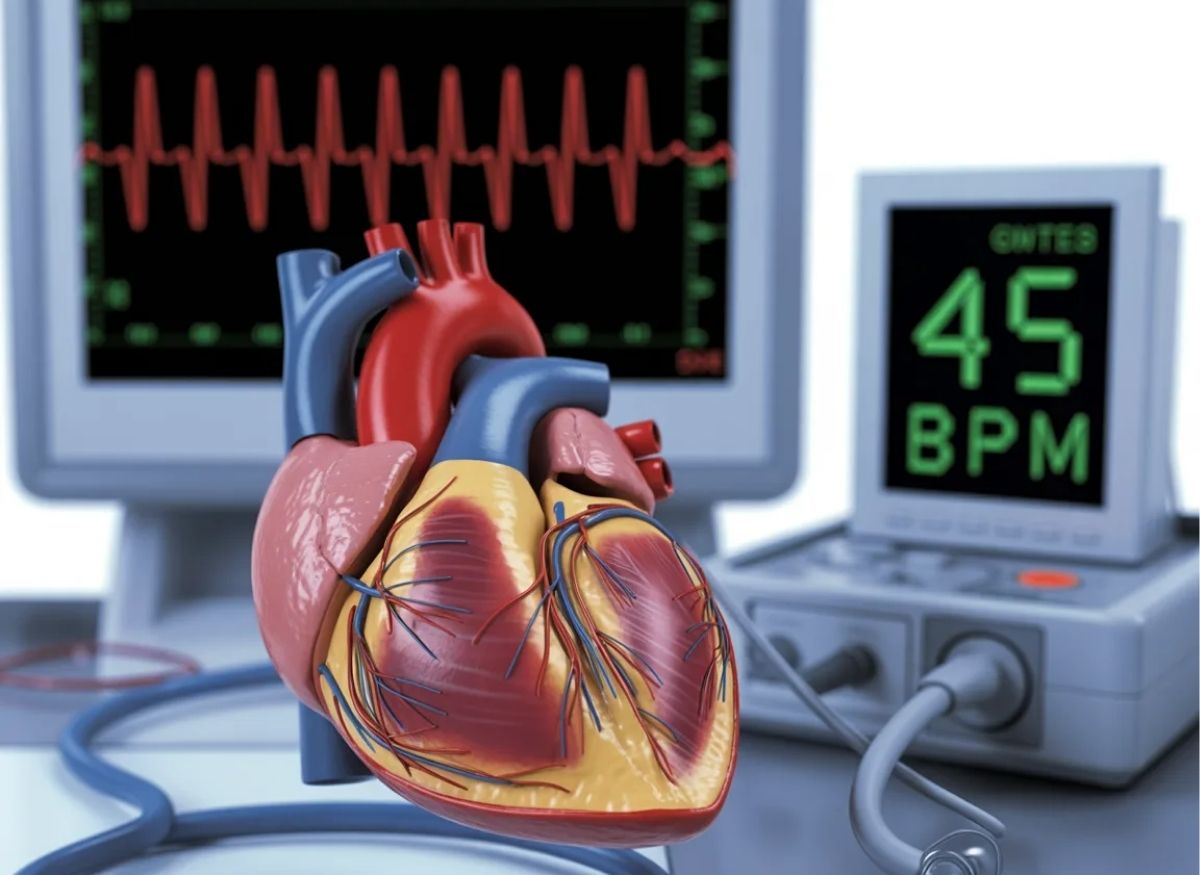
A low heart rate, medically known as bradycardia, means the heart is beating fewer than 60 times per minute in adults. While a slower heart rate can be completely normal during rest or in well-trained athletes, it can sometimes point to an underlying problem when it causes symptoms or reduces normal blood flow. Since the heart supplies oxygen-rich blood throughout the body, changes in its rhythm can affect how you feel and function.
The warning signs of a low heart rate are not always easy to recognize, especially when they appear slowly. Symptoms such as tiredness, dizziness, or breathlessness may be mistaken for stress, lack of sleep, or other everyday problems. In this article, we’ll discuss the main symptoms of low heart rate, what they may mean, and when medical attention may be necessary.
What is Bradycardia (Low Heart Rate)?
The low heart rate meaning in medicine is more complicated than simply looking at a number. Bradycardia is generally defined as a heart rate below 60 beats per minute, but the number alone does not determine whether the condition is healthy or concerning.
The heart depends on an electrical system controlled by the sinoatrial node, which acts as its natural pacemaker. When the heart is beating too slowly, it can have different explanations. For some people, especially highly trained athletes, a slower heartbeat reflects an efficient heart that pumps a large amount of blood with each beat. For others, it may indicate that the electrical system is not producing or transmitting signals properly.
Defining the Threshold: When is a Pulse Rate Too Slow?
For many adults, a resting pulse 50 or a pulse rate 56 is below the usual resting range of 60 to 100 beats per minute. However, the reason behind the slower rate is just as important as the number itself.
The slow pulse medical term, bradycardia, can describe both a healthy athlete with a heart rate 48 and an older person with a heart rate 55 bpm who feels faint or weak.
A healthy athlete may have a low heart rate while resting but still be able to increase it quickly during exercise. With pathological bradycardia, however, the heart may struggle to increase its rate when the body needs more blood and oxygen.
The Phenomenon of Athletic Bradycardia
Highly trained athletes can naturally have a low resting heart rate that might appear unusual on a medical monitor. A heart rate 40s is not uncommon among endurance athletes.
Regular training can make the heart larger and stronger, allowing it to pump more blood with each contraction. Exercise can also increase vagal tone, meaning the parasympathetic nervous system has a stronger slowing effect on the heart while the body is resting.
For these individuals, a really slow heart rate may reflect cardiovascular efficiency rather than heart failure. Their heart simply does not need to beat as frequently to provide the body with enough blood during rest.
Physiological vs. Pathological Bradycardia
The main concern with a low heart pulse is when the slow rhythm results from an electrical, structural, or chemical problem. If electrical signals become delayed or blocked as they travel through the heart, the heart may not beat quickly enough to meet the body’s needs.
Signs of low heart rate such as dizziness, shortness of breath, weakness, and near-fainting can suggest that the slower rhythm is affecting circulation. Unlike a well-conditioned athlete, someone with pathological bradycardia may not be able to increase their heart rate appropriately when their body demands more blood flow.
Additionally, the relationship between blood pressure and heart rate can provide useful information. A patient with low heart rate high blood pressure may have a specific physiological response or may be affected by medications such as beta-blockers. In contrast, low bp and low heart rate together can indicate a serious circulation problem, especially when symptoms are present.
Understanding Nocturnal Heart Rates
A low heart rate while sleeping can be normal. During deep sleep, the body’s demand for oxygen and energy decreases, and the heart may naturally slow into the 40s or low 50s.
However, a resting pulse 50 that occurs alongside loud snoring, gasping, or interrupted breathing may be associated with sleep apnea. Sleep apnea can cause repeated drops in blood oxygen and changes in heart rate during the night.
7 Key Symptoms of Bradycardia (Low Heart Rate) You Can’t Ignore
The importance of a low heart rate is usually determined not only by the number shown on a monitor but also by whether it produces symptoms. When the heart beats too slowly, the body may not receive enough blood and oxygen to function normally.
Whether someone has a resting pulse 50 or a heart rate 40s, the following symptoms can be important warning signs.
Dizziness and Lightheadedness
Dizziness and lightheadedness are common signs of low heart rate. When the heart beats too slowly, it may not pump enough blood to the brain, particularly when a person stands up quickly.
This can create a feeling of being unsteady, weak, or as though you might lose your balance. When this repeatedly occurs with a slow heart rate, it should not simply be dismissed.
Profound and Unexplained Fatigue
A pathological low heart rate meaning can involve persistent and unusual tiredness. When the heart is not pumping enough blood, muscles and organs may not receive the oxygen they need.
This can result in fatigue that does not improve easily with rest. Everyday activities such as walking, shopping, or doing household chores may suddenly feel much harder than usual.
Shortness of Breath (Dyspnea)
Shortness of breath is not always caused by a lung problem. A low heart rate can also make it difficult for the cardiovascular system to provide enough blood and oxygen during activity.
When the heart cannot increase its rate to meet physical demands, breathing may become faster or more difficult. In more serious situations, reduced heart function may also contribute to fluid buildup in the lungs.
Fainting (Syncope)
Fainting is one of the more concerning signs of low heart rate. If the heart rate becomes extremely slow or pauses, the brain may temporarily receive insufficient blood flow, causing a person to lose consciousness.
Whether it is associated with a heart rate 40s or a significant conduction problem, fainting in the setting of bradycardia requires medical evaluation because it may indicate an unstable heart rhythm.
Confusion and Memory Issues
Bradycardia can sometimes be associated with confusion or difficulty concentrating when the brain does not receive adequate blood flow.
Some people may describe this as brain fog, mental sluggishness, or short-term memory problems. Persistent cognitive symptoms occurring alongside a low heart rate should be discussed with a healthcare professional.
Chest Pain (Angina)
A really slow heart rate can sometimes be associated with chest discomfort when the heart and other tissues are not receiving enough oxygen-rich blood.
Chest pain should always be taken seriously, particularly when it occurs together with a slow pulse, breathing difficulties, weakness, or dizziness. People with hypertension and low heart rate may require further medical assessment when these symptoms occur together.
Marked Difficulty with Exercise
A healthy heart normally increases its rate when physical activity begins. In people with chronotropic incompetence, the heart may not increase its rate enough to meet the body’s needs.
For example, if a heart rate 55 bpm remains unusually low while walking uphill, climbing stairs, or exercising, the person may become unusually tired or short of breath. This can be a sign that the heart is not responding properly to increased physical demand.
When is a Low Heart Rate Considered a Medical Emergency?
A low heart rate becomes more concerning when it affects circulation and the function of vital organs. While a resting pulse 50 may be normal for some people, bradycardia heart rate can become an emergency when it is accompanied by serious symptoms.
The greatest concern is when the brain, heart, or lungs are not receiving enough blood and oxygen.
Red Flags: The “Call 911” Criteria
A very slow heart rate accompanied by certain symptoms requires immediate medical attention.
Syncope (Fainting): If someone with a heart rate 40s or lower loses consciousness, the situation should be treated seriously. Fainting may indicate that the brain is not receiving enough blood because of an abnormal heart rhythm.
Acute Chest Pain: Chest pressure or severe chest pain occurring with a low heart rate can indicate a serious problem involving the heart and requires urgent evaluation.
Respiratory Distress: Severe difficulty breathing, gasping, or a wet-sounding cough may indicate that the heart is not pumping effectively and that fluid may be building up in the lungs.
Altered Mental Status: Sudden confusion, extreme sleepiness, or difficulty recognizing people can indicate that the brain is not receiving enough oxygenated blood.
Hemodynamics: High Blood Pressure vs. Low Blood Pressure
Blood pressure can provide additional information when evaluating a low heart rate.
Low BP and Low Heart Rate: When both blood pressure and heart rate are very low, the body may not be receiving adequate circulation. This combination can become dangerous, particularly when accompanied by fainting, confusion, weakness, or other serious symptoms.
Low Heart Rate High Blood Pressure: A combination of hypertension and low heart rate can have several possible explanations. In some situations, it may be related to medications or a physiological response to increased pressure inside the skull. When symptoms occur alongside this combination, medical assessment is important.
The Dangers of “Waiting it Out”
Some people may be tempted to wait for a heart rate 55 bpm or pulse rate 56 to return to normal. However, if the slow heart rate is caused by an underlying electrical problem, it may require medical treatment.
A heart rate 48 accompanied by confusion, dizziness, or shortness of breath should not be ignored. Emergency medical care allows healthcare professionals to monitor the rhythm and provide appropriate treatment if the heart rate becomes dangerously slow.
When to Schedule a Doctor’s Visit (Non-Emergency)
Even without severe emergency symptoms, a low resting heart rate should be evaluated when it repeatedly causes problems such as:
- Exercise Intolerance: Your resting pulse 50 remains unusually low during activity and you become weak or short of breath.
- Chronic Fatigue: You feel unusually exhausted every day even after getting adequate sleep.
- Recurrent Lightheadedness: You regularly feel dizzy or woozy, especially when moving from sitting or lying down to standing.
How Do Doctors Officially Diagnose Bradycardia?
Diagnosing a low heart rate usually involves more than simply checking the pulse. Because bradycardia heart rate can come and go, doctors may use several tests to determine whether the heart’s natural pacemaker is too slow or whether electrical signals are being blocked.
The Electrocardiogram (ECG/EKG): The Electrical Snapshot
A 12-lead EKG is one of the main tools used to identify the medical term for slow heartbeat. Electrodes placed on the chest and limbs record the heart’s electrical activity.
The P-Wave and QRS Complex: Doctors examine the pattern and timing of the electrical waves. With a heart rate 40s or heart rate 48, the time between beats may be longer than usual.
Identifying the Type: An EKG can help determine whether the person has sinus bradycardia, where the natural pacemaker is slow, or a heart block, where electrical signals are delayed or interrupted.
Ambulatory Monitoring: Catching the Intermittent Slowdown
A resting pulse 50 may not occur continuously. Some people experience their slowest heart rates at night or only during episodes of dizziness.
Because a standard EKG records only a short period of heart activity, doctors may use portable monitors for longer observation.
Holter Monitor: A Holter monitor is a portable EKG device that records heart activity continuously, commonly for 24 to 48 hours. It can help connect a pulse rate 56 with symptoms such as fatigue or dizziness.
Event Monitors and Patch Recorders: When symptoms occur less frequently, longer-term monitors can be worn for several days or weeks. These devices can help record the heart rhythm around the time symptoms occur.
The Stress Test: Testing the “Engine” Under Load
Doctors may also want to see how the heart responds during physical activity. If you have a heart rate 55 bpm at rest but the rate does not increase appropriately during exercise, this may indicate chronotropic incompetence.
- Exercise Stress Test: During treadmill or other monitored exercise, doctors measure heart rate and blood pressure to see whether the heart responds appropriately to increased demand.
- Hemodynamic Assessment: This can also help doctors examine how low heart rate high blood pressure or other blood-pressure changes occur during activity.
Blood Work and Metabolic Screening
Sometimes the slow pulse medical term is connected to a condition outside the heart itself. Blood tests can help identify possible causes.
- Electrolytes: Abnormal potassium or calcium levels can interfere with the heart’s electrical activity.
- Thyroid Function (TSH): An underactive thyroid can contribute to a low resting heart rate.
- Drug Screen: Doctors may review medications, including beta-blockers and other drugs, that can slow the heart rate.
Different Types of Low Heart Rate
To understand why a person has a low heart rate, doctors first need to determine which part of the heart’s electrical system is involved.
The heart normally creates an electrical signal in the upper right chamber and then sends that signal through the conduction system to the lower pumping chambers. With a bradycardia heart rate, the issue may involve the natural pacemaker or the pathways that carry the electrical signal.
Sinus Bradycardia: The Sluggish Pacemaker
Sinus bradycardia occurs when the sinoatrial, or SA, node sets the heart rate below 60 beats per minute. A low resting heart rate is common among highly trained athletes, including people with a heart rate 40s.
However, the SA node can also become abnormal. This may lead to sick sinus syndrome, where the heart pauses, fails to increase its rate during activity, or switches between slow and fast rhythms. This pattern can sometimes be called Brady-Tachy Syndrome.
Atrioventricular (AV) Block: The Broken Connection
Even when the natural pacemaker works properly, the electrical signal may not reach the ventricles correctly. This is known as heart block and can range from mild to severe.
First-Degree Block: The electrical signal reaches the ventricles but takes longer than normal. It may not cause noticeable symptoms and can be discovered during an EKG.
Second-Degree Block: Some electrical signals reach the ventricles while others are blocked. This can produce an irregular pulse, skipped beats, dizziness, or a pulse rate 56 that feels unusual.
Third-Degree (Complete) Heart Block: This is the most serious type of heart block. Electrical signals from the upper chambers do not properly reach the lower chambers. The ventricles may rely on a slower backup rhythm, sometimes producing a heart rate 40s or even lower. This can cause fainting and requires urgent medical attention.
Hemodynamic Impact and Blood Pressure Interactions
Different types of bradycardia can affect blood pressure in different ways. In some cases, the body attempts to compensate for a low heart rate meaning by changing blood vessel tone, which can affect blood pressure.
In severe heart block, the heart rate can fall suddenly and the body may not be able to compensate effectively. This can result in low bp and low heart rate and may lead to inadequate circulation.
Determining whether a resting pulse 50 represents a stable rhythm or an abnormal pattern of blocked electrical signals is an important part of a cardiology evaluation.
Why Is a Low Heart Rate Often Considered Normal in Athletes?
A low resting heart rate is common among endurance athletes and can be a normal result of long-term cardiovascular training. A resting pulse 50 or heart rate 48 might be concerning in some people but may be completely normal for a highly conditioned athlete.
Regular aerobic exercise can make the heart more efficient, allowing it to pump more blood with every beat. As a result, the heart does not need to beat as often while the person is resting.
Cardiac Hypertrophy and Stroke Volume
One reason athletes develop a low heart rate is increased stroke volume. Long-term endurance training can cause the heart to adapt structurally, particularly the left ventricle.
As the heart becomes stronger and can move more blood with every contraction, it may maintain normal circulation with fewer beats per minute. This can explain why some highly trained individuals naturally have a low resting heart rate.
Vagal Tone and Autonomic Dominance
Exercise training can also increase vagal tone, which refers to the influence of the vagus nerve on the heart. The vagus nerve helps slow the heart rate during rest.
In highly trained athletes, this effect can be strong enough that a really slow heart rate or heart rate 40s occurs without causing symptoms. When physical activity begins, the heart should still be able to increase its rate appropriately.
Distinguishing Efficiency from Pathology
The important distinction is whether the person has symptoms. An active person with a pulse rate 56 or heart rate 55 bpm may have a healthy slow resting rhythm if they feel well and their heart rate rises normally during exercise.
By contrast, someone with pathological bradycardia may experience signs of low heart rate such as dizziness, severe fatigue, fainting, or poor exercise tolerance. The inability to increase the heart rate when activity begins can be an important clue.
The Role of Heart Rate Variability (HRV)
People with a low heart pulse may also have changes in heart rate variability. While the medical term for slow heartbeat, bradycardia, describes the average number of beats per minute, HRV looks at the variation in time between individual beats.
A healthy cardiovascular system continually adjusts heart rhythm in response to breathing, activity, and other factors. A heart rate variability low reading may sometimes occur alongside stress, illness, or other physiological changes and should be interpreted in the proper clinical context.
Conclusion
A low heart rate is not always a sign of a serious problem. It can be a normal finding during sleep, rest, or in well-trained athletes. However, when bradycardia causes symptoms such as dizziness, unusual fatigue, shortness of breath, fainting, chest pain, or difficulty exercising, it deserves medical attention.
If you repeatedly experience symptoms associated with a low heart rate, speaking with a healthcare professional can help determine the underlying cause. Proper testing can identify whether the slow rhythm is related to medications, the heart’s electrical system, another health condition, or normal physiological adaptation.
Frequently Asked Questions (FAQ) About Low Heart Rate
What is considered a low heart rate?
A low heart rate in adults is generally defined as fewer than 60 beats per minute. However, this does not automatically mean there is a health problem. Athletes and physically fit individuals can naturally have lower resting rates. The presence of symptoms and the underlying cause are important when determining whether the rate is concerning.
What causes a low heart rate?
A low heart rate can occur naturally during sleep or as a result of regular physical training. Other possible causes include problems with the heart’s electrical system, thyroid conditions, electrolyte imbalances, and certain medications. Identifying the underlying cause is important when the heart rate remains low or produces symptoms.
What are the symptoms of a low heart rate?
Possible symptoms include dizziness, lightheadedness, unusual fatigue, shortness of breath, fainting, confusion, chest discomfort, and difficulty exercising. Some people with a low heart rate have no symptoms at all. Symptoms become particularly important when they are new, persistent, or getting worse.
Is a low heart rate dangerous?
A low heart rate is not necessarily dangerous. It may be normal in athletes or during sleep. However, bradycardia can become serious when it reduces blood flow to the brain, heart, or other organs or when it causes significant symptoms. Fainting, severe chest pain, breathing difficulty, or sudden confusion require urgent medical attention.
How is a low heart rate diagnosed?
Doctors may use an ECG or EKG to examine the heart’s electrical activity. If the slow rhythm occurs only occasionally, a Holter monitor, event monitor, or patch recorder may be used for longer-term monitoring. Blood tests can also help identify issues involving electrolytes, thyroid function, or medications.
How is a low heart rate treated?
Treatment depends on the reason for the slow heart rate and whether symptoms are present. Some people may not need treatment, particularly when the low rate is a normal result of fitness or rest. If medications or another medical condition are responsible, addressing the underlying cause may help. In certain serious cases involving the heart’s electrical system, a pacemaker may be considered.