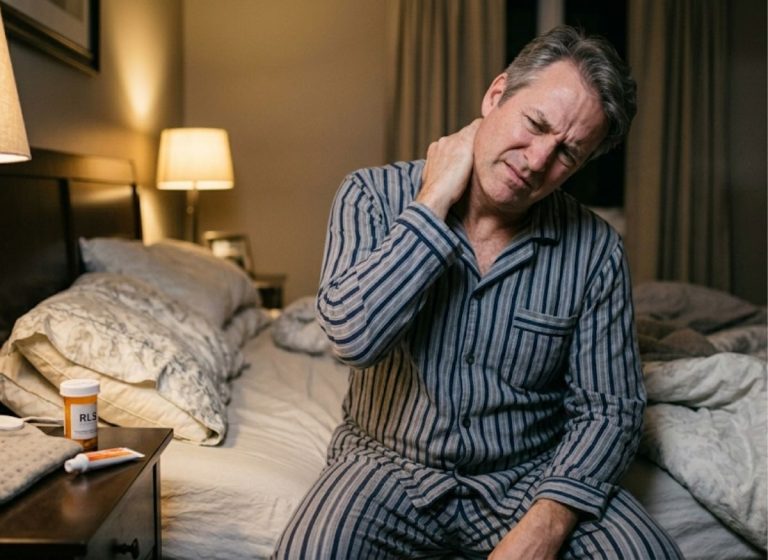

Itchy Skin at Night: 6 Common Causes and How to Find Relief

Itchy skin at night is something many people experience, and it can become especially frustrating when it keeps you from getting a good night’s sleep. The medical term for itching is pruritus. In many cases, nighttime itching is temporary and harmless, but it can also be linked to conditions such as dry skin, eczema, allergies, or other skin disorders. Occasionally, persistent itching may be associated with an underlying health problem involving the liver, kidneys, thyroid, or other systems.
Finding the reason behind nighttime itching is important because treatment depends on the cause. Dry air, warm showers, irritating fabrics, laundry products, skin conditions, and even normal changes in the body’s daily rhythm can all make itching worse after bedtime.
The experience can range from a mild annoyance to severe itching that repeatedly interrupts sleep. Although itching may seem like a simple skin problem, nighttime symptoms can involve several factors, including skin moisture, body temperature, hormones, environmental triggers, nerve activity, and existing medical conditions.
6 Primary Causes of Nighttime Itching
Chronic Dermatological Conditions
Existing skin conditions are among the most common reasons itching becomes worse at night. Eczema (atopic dermatitis), psoriasis, and hives can all cause significant nighttime discomfort.
Eczema is often associated with a weakened skin barrier, which makes it harder for the skin to retain moisture and protect itself from irritants. Skin moisture can decrease during the night, leaving already-sensitive skin feeling dry and irritated. Psoriasis can also cause intense itching because of inflamed, thickened, and scaly patches.
Some people with inflammatory skin conditions notice that symptoms become more noticeable in the evening. Natural changes in hormones, body temperature, skin hydration, and inflammatory activity throughout the day may all contribute.
Environmental Irritants in the Bedroom
Your bedroom may contain triggers that are easy to overlook. Spending several uninterrupted hours in contact with bedding, clothing, detergents, and other materials can expose the skin to irritants for a long period.
Dry indoor air is a common contributor. Heating during colder weather and air conditioning during warmer months can lower humidity, causing the skin to lose moisture. When the skin becomes excessively dry, it may develop tiny cracks and become more sensitive.
Laundry products can also be responsible. Fragrances, dyes, detergents, and fabric softeners may irritate sensitive skin or cause contact dermatitis. Some people experience itching without an obvious rash.
Bedding and sleepwear can make the problem worse as well. Wool and some synthetic fabrics may feel irritating, especially when they trap heat and sweat. Choosing soft, breathable materials and fragrance-free laundry products may help reduce nighttime irritation.
Circadian Rhythms and Natural Body Shifts
Nighttime itching can sometimes occur even when the skin appears healthy. The body’s circadian rhythm affects several processes, including temperature regulation, hormone production, blood flow, and skin hydration.
As the body prepares for sleep, changes in skin temperature and blood flow can affect how nerve endings respond to sensations. This may make a mild itch feel more noticeable once you are lying quietly in bed.
Because there are fewer distractions at night, you may also become more aware of physical sensations that were easy to ignore during the day.
Natural changes in substances involved in inflammation and allergic responses may also influence nighttime itching. Together with increased moisture loss and changes in body temperature, these shifts can make itching feel stronger after bedtime.
This is one reason some people experience itching when trying to sleep even though they have no diagnosed skin condition or obvious allergy.
Internal Systemic Diseases
Persistent itching without an obvious rash can sometimes be associated with an underlying medical condition. Generalized pruritus, particularly when it affects much of the body, may occur with chronic kidney disease or certain liver disorders.
When kidney function is significantly impaired, changes in the body’s waste balance can contribute to itching. Certain liver conditions, especially those that interfere with normal bile flow, can also cause widespread itching.
Other possible causes include thyroid disorders and iron deficiency. An overactive thyroid may increase warmth and skin sensitivity, while an underactive thyroid can contribute to dry skin. Iron deficiency may also be associated with generalized itching in some people.
Rarely, persistent unexplained itching can occur alongside certain cancers, including lymphoma. This does not mean nighttime itching automatically indicates cancer, but unexplained, persistent, or widespread symptoms deserve medical evaluation.
Neurological and Psychological Factors
Not every itch begins in the skin. Sometimes the nervous system itself can produce or amplify an itching sensation. Neuropathic itch may occur when nerves are irritated or damaged, including in certain neurological disorders or after nerve compression.
This type of itching can feel different from ordinary dry-skin irritation. People may describe it as crawling, tingling, burning, or pins-and-needles sensations. Because the underlying problem involves nerve signaling, ordinary moisturizers may provide little relief.
Stress and anxiety can also make itching worse. The connection between the brain and skin is strong, and emotional stress can aggravate inflammatory skin conditions or increase awareness of physical sensations.
At night, when daily distractions disappear, even a small itch can become much more noticeable. Scratching then irritates the skin further, creating a cycle in which itching leads to scratching and scratching causes more itching.
Pest Infestations and Bites
Insects and parasites are another possible explanation for nighttime itching. Bed bugs, for example, hide in places such as mattress seams and may bite while a person is sleeping. Their bites can appear as itchy red bumps, sometimes occurring in clusters.
Scabies is another important possibility. It is caused by microscopic mites that burrow into the outer layer of the skin. The itching associated with scabies is often much worse at night.
Common areas include the spaces between the fingers, wrists, waist, feet, and other skin folds. Itching around the buttocks or genital area may also occur.
If several people in the same household develop intense nighttime itching, or if you notice a characteristic rash or burrow-like lines, medical evaluation is important because scabies requires specific treatment.
Most Effective Ways to Get Relief from Nighttime Itching
Relieving nighttime itching usually involves two goals: calming the skin in the short term and identifying the trigger so the problem does not continue.
Because dryness, heat, irritation, and existing skin conditions can all contribute, simple changes to your evening routine may make a noticeable difference.
Targeted At-Home Remedies for Immediate Relief
Start with gentle skin care. A lukewarm bath or shower can help soothe irritated skin, while very hot water should generally be avoided because it can remove natural oils and increase dryness.
For some people, colloidal oatmeal added to bath water can help calm irritated or itchy skin. After bathing, gently pat the skin dry instead of rubbing it.
Moisturizing immediately afterward is especially helpful. Apply a thick, fragrance-free cream or ointment while the skin is still slightly damp. Ingredients such as ceramides or petrolatum can help support the skin barrier and reduce moisture loss.
For localized itching, such as itchy feet at night, a cool compress can provide temporary relief. Avoid placing ice directly against the skin.
If dry indoor air appears to be contributing to your symptoms, a cool-mist humidifier may help. Keeping indoor humidity at a comfortable level can reduce excessive skin dryness, particularly during colder months.
Proactive Lifestyle Adjustments to Break the Cycle
Long-term prevention starts with creating a skin-friendly sleep environment. Keep the bedroom comfortably cool and avoid excessive layers that cause overheating or sweating.
Choose loose, breathable sleepwear and bedding. Cotton and other soft materials may be more comfortable for sensitive skin than rough wool or fabrics that trap heat.
Pay attention to your laundry products as well. If you suspect irritation, try fragrance-free detergent and skip fabric softeners or heavily scented dryer products.
Certain foods and drinks may worsen itching for some individuals. Alcohol can contribute to flushing and warmth, while spicy foods may increase body temperature. If you notice that a particular food or drink consistently makes nighttime itching worse, keeping a symptom diary may help identify a pattern.
Stress management is another useful part of the routine. A short period of deep breathing, gentle stretching, meditation, or another relaxing activity before bed can help reduce tension and make it easier to stop focusing on the itch.
Is It Ever Necessary To See a Doctor for Nighttime Itching?
Occasional nighttime itching often improves with basic skin care and environmental changes. However, persistent, severe, or unexplained itching should not simply be ignored.
A healthcare professional can help determine whether the problem is caused by a skin condition, medication, infection, allergy, nerve problem, or an underlying medical disorder.
Red Flags and Systemic Warning Signs
Seek medical advice if itching continues without an obvious explanation, particularly when there is no visible rash.
It is especially important to get evaluated if the itching occurs with symptoms such as unexplained weight loss, persistent fever, significant night sweats, unusual fatigue, yellowing of the skin or eyes, changes in urination, or other unexplained symptoms.
Widespread itching that continues for several weeks despite appropriate moisturizers and environmental changes also deserves attention.
Persistent itching can interfere with sleep, concentration, mood, and daily functioning. Finding and treating the underlying cause can therefore be important even when the condition is not dangerous.
Signs of Infection and Advanced Treatment Options
Repeated scratching can damage the skin and create an opening for bacteria. Seek medical attention if an itchy area becomes increasingly painful, swollen, hot, or tender.
Pus, significant drainage, crusting, rapidly spreading redness, or red streaks may indicate an infection that requires prompt evaluation.
A doctor can also determine whether symptoms are caused by scabies or another infestation and prescribe the appropriate treatment.
When ordinary skin care is not enough, a dermatologist may recommend prescription treatments. Depending on the cause, these can include topical corticosteroids, calcineurin inhibitors, phototherapy, or medications aimed at specific types of itching.
The appropriate treatment depends on the diagnosis, so prescription therapies should be used under medical guidance.
Advanced Diagnostics and Related Conditions for Nocturnal Pruritus
When nighttime itching continues despite basic care, identifying the underlying cause becomes more important. Doctors generally begin with a detailed history and skin examination before deciding whether additional testing is necessary.
Clinical Diagnostic Pathways
During an evaluation, a dermatologist may ask when the itching began, where it occurs, whether a rash is present, what makes it better or worse, and whether anyone else in the household has similar symptoms.
The doctor may also look for signs of chronic scratching, including thickened or irritated skin.
Depending on the symptoms, testing may include:
Comprehensive Blood Panels: Blood tests may help evaluate conditions involving the liver, kidneys, thyroid, blood cells, or iron levels when a systemic cause is suspected.
Dermatopathology and Biopsy: If the skin has an unusual appearance or a specific skin disorder is suspected, a small biopsy may be taken for laboratory examination.
Dermoscopy for Infestations: A dermatologist may use a dermatoscope to examine suspicious areas when scabies or another skin infestation is being considered.
The exact tests depend on the person’s symptoms and medical history. Not everyone with nighttime itching needs extensive testing.
Aquagenic Pruritus vs. Nocturnal Pruritus
Aquagenic pruritus is different from ordinary nighttime itching. People with this condition develop intense itching, prickling, or burning sensations after contact with water, even though the skin may appear normal.
Bathing or swimming can trigger symptoms, which may continue after the person dries off. This can make an evening shower particularly uncomfortable for someone with aquagenic pruritus.
The exact cause is not fully understood, and the condition can sometimes be associated with other medical disorders. Anyone who repeatedly develops severe itching after water exposure should discuss the symptoms with a healthcare professional.
Localized Nocturnal Itching and Special Cases
Sometimes nighttime itching affects only one area of the body. The location can provide useful clues about the possible cause.
Itchy Feet and Extremities
Itching on the soles of the feet or around the toes can result from dry skin, eczema, fungal infections such as athlete’s foot, or irritation caused by heat and sweating.
The warmth created by socks, blankets, and bedding can make symptoms more noticeable at night. Persistent scaling, cracking, peeling, or redness between the toes may suggest a fungal infection and should be evaluated if it does not improve.
Rectal and Anal Itching
Nighttime anal itching, also called pruritus ani, can have several causes. Moisture, irritation, certain foods, skin conditions, hemorrhoids, and infections may all contribute.
Pinworms are another possible cause, particularly in children. They tend to become active around the anus at night, which can produce intense itching. A healthcare professional may recommend a tape test when pinworms are suspected.
Pregnancy-Related Itching
Itching during pregnancy can occur because the skin stretches and becomes more sensitive. However, intense itching—particularly on the palms of the hands or soles of the feet—should be discussed with a healthcare professional.
Intrahepatic cholestasis of pregnancy (ICP) is a liver-related condition that can cause significant itching and requires medical evaluation because it can affect pregnancy management and the baby’s health.
What is the difference between itch caused by dry skin (xerosis) versus an allergic reaction?
Understanding the difference between dry skin and an allergic reaction can make it easier to choose the right approach for nighttime itching. Although both can cause a strong urge to scratch, they involve different processes.
Xerosis: The Structural “Prickly” Itch
Xerosis is the medical term for excessively dry skin and is one of the most common causes of itching.
When the skin loses too much moisture, its protective outer barrier becomes less effective. Dry indoor air, frequent bathing, hot water, harsh soaps, and certain skin conditions can all contribute.
Dry skin often feels tight, rough, flaky, or prickly. Common areas include the shins, arms, elbows, and other areas that become especially dry during colder or low-humidity weather.
Nighttime can make the sensation more noticeable because of changes in skin hydration and the increased attention we naturally give to physical sensations when lying quietly in bed.
Allergic Reaction: The Inflammatory “Burning” Itch
An allergic reaction occurs when the immune system responds to a substance it considers harmful. Possible triggers include certain fragrances, detergents, cosmetics, medications, foods, or other allergens.
Histamine and other inflammatory chemicals can produce itching along with redness, swelling, hives, or raised bumps.
If the itching appears shortly after using a new product or coming into contact with a particular material, an allergic or contact reaction may be possible.
However, itching without a rash does not automatically rule out an allergy, and a healthcare professional may be needed to determine the actual cause.
Treatment Pathways and Strategic Differences
The treatment approach depends on what is causing the itching.
For dry skin, the main goal is to restore and protect the skin barrier. Thick, fragrance-free moisturizers and ointments are often more helpful than lightweight lotions. Applying them after bathing while the skin is still slightly damp can help retain moisture.
For allergic or inflammatory reactions, treatment may involve avoiding the trigger and using appropriate medications. Antihistamines may help with certain histamine-related conditions, while topical corticosteroids may be recommended for some inflammatory skin problems.
Identifying the specific trigger is important because simply treating the itching without addressing the cause may allow the problem to return.
Conclusion
Itchy skin at night can make it difficult to relax and get the restorative sleep your body needs. The cause may be something simple, such as dry skin, warm bedding, or an irritating laundry product, but nighttime itching can also be associated with eczema, allergies, infections, nerve-related conditions, or certain medical disorders.
Simple changes can often help. Keep your bedroom comfortably cool, avoid very hot showers, use gentle skin-care products, moisturize regularly, and choose breathable sleepwear and bedding.
If the itching is severe, widespread, persistent, or accompanied by other unusual symptoms, it is important to speak with a healthcare professional. Finding the underlying cause is the most effective way to manage ongoing nighttime itching and protect your sleep and overall well-being.
(FAQ) About Itchy Skin at Night
Why does my skin itch at night?
Several factors can make itching worse after bedtime, including dry skin, low humidity, warm bedding, irritation from fabrics or laundry products, and existing conditions such as eczema or psoriasis. Natural changes in body temperature, hormones, and skin hydration may also make an itch feel more noticeable at night.
Can stress cause itchy skin at night?
Yes. Stress can worsen itching, particularly in people who already have eczema, hives, or another inflammatory skin condition. Stress can also make you more aware of physical sensations, while repeated scratching can further irritate the skin. Relaxation techniques and good sleep habits may help reduce this cycle.
How can I stop itchy skin at night naturally?
Start by moisturizing with a gentle, fragrance-free cream or ointment before bed. Keep the bedroom comfortably cool, avoid hot showers, and choose loose-fitting, breathable sleepwear. A cool compress may provide temporary relief for localized itching. If symptoms continue despite these measures, consider seeing a healthcare professional to determine the cause.
Is itchy skin at night a sign of a serious health condition?
Usually, nighttime itching is related to a skin or environmental issue and is not a sign of something serious. However, persistent or widespread itching without an obvious cause can sometimes be associated with conditions involving the liver, kidneys, thyroid, blood, or nervous system. Seek medical advice if the itching continues or occurs alongside symptoms such as unexplained weight loss, fever, night sweats, yellowing of the skin or eyes, or significant fatigue.
Can dry air cause itchy skin at night?
Yes. Low humidity can remove moisture from the skin and leave it dry, tight, and itchy. Heating and air conditioning can make this worse. Using a humidifier when needed and applying a thick moisturizer before bed can help protect the skin from excessive dryness.
Can certain fabrics cause itchy skin at night?
Yes. Rough materials such as wool and some synthetic fabrics can irritate sensitive skin or trap heat and sweat. Choosing soft, breathable sleepwear and bedding, such as cotton, may reduce irritation and make nighttime itching less likely.