
Food Poisoning (Foodborne Illness) – Causes and Symptoms
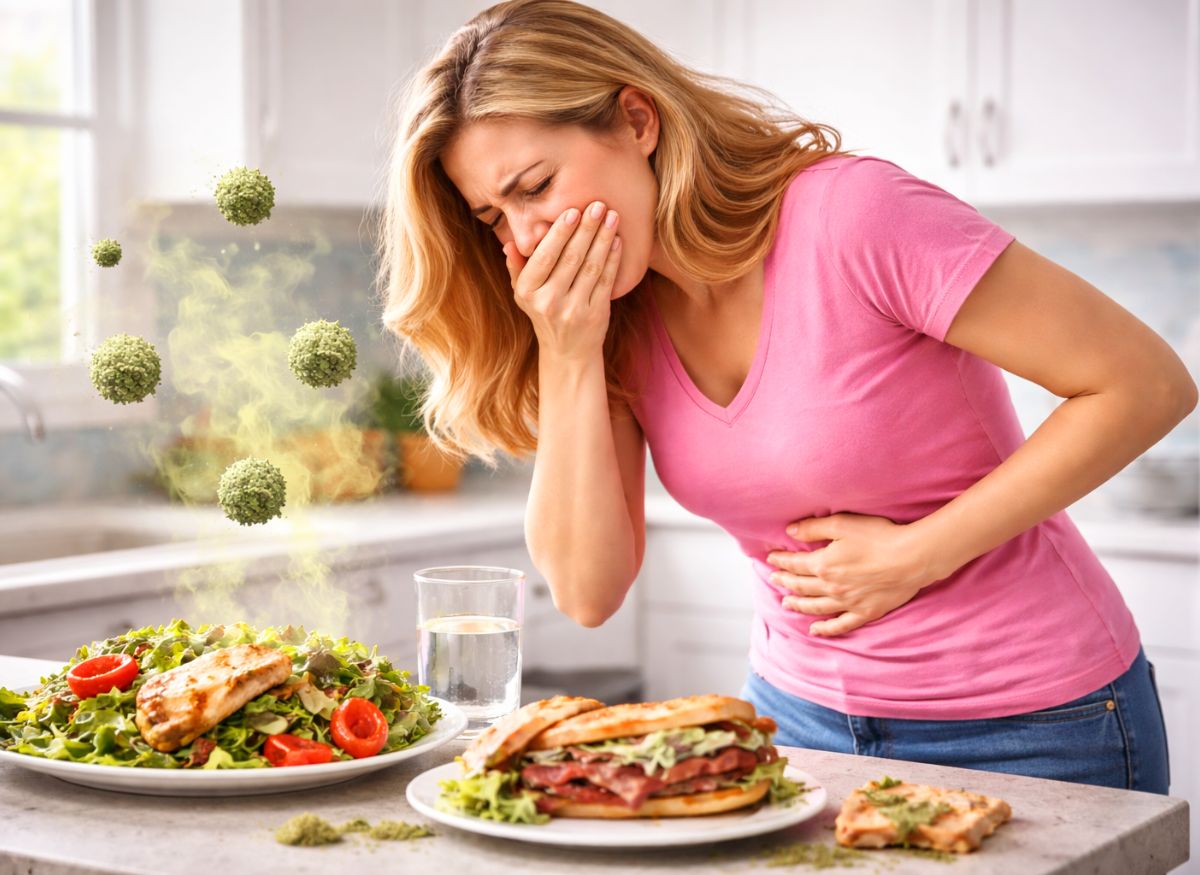
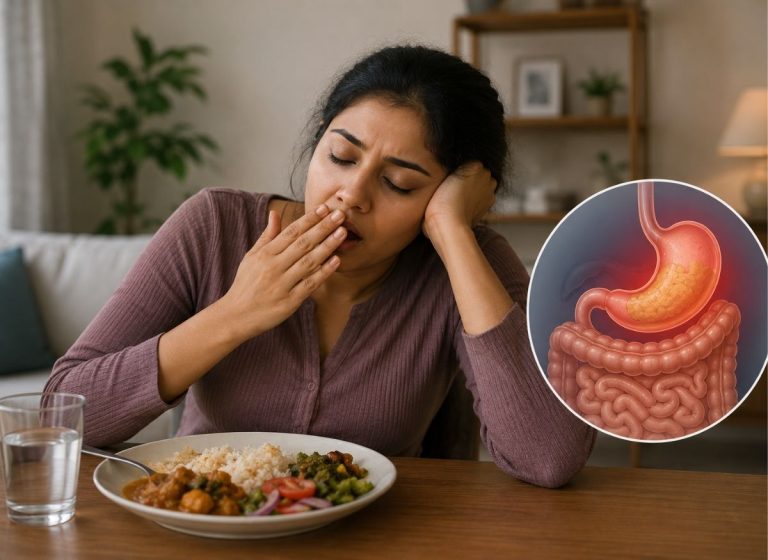
You finish a meal that seemed perfectly normal, then within hours your stomach starts to turn.
Nausea builds fast. Vomiting follows. What felt like an ordinary day can suddenly become intense discomfort that’s hard to push through.
Food poisoning is far more common than most people think.
Data from the Centers for Disease Control and Prevention shows that roughly one in six people in the United States gets sick from contaminated food or drinks each year, and this results in an estimated 48 million people getting sick.
Despite those numbers, most cases never make the news. Public attention usually goes to large outbreaks or food recalls, like contaminated deli meats tied to Listeriosis.
In everyday life, though, food poisoning usually happens quietly, one person at a time.
It develops after eating food contaminated with bacteria, viruses, parasites, or toxins. Symptoms can show up within hours or take days, depending on the cause.
While many cases are mild and clear up on their own, some can become serious, especially in young children, older adults, pregnant women, and people with weakened immune systems.
Understanding how food poisoning happens, recognizing early symptoms, and knowing when to act can meaningfully reduce the risks involved.
The sections below cover the causes, symptoms, treatment options, and practical prevention strategies.
What Is Food Poisoning?
Food poisoning is an illness that comes from eating contaminated food or drinks. The contamination may involve infectious organisms or toxins that throw off normal digestive function.
Several types of contaminants are responsible:
Bacteria: Common culprits include pathogens like Salmonella and E. coli. These organisms can multiply in food that’s stored improperly or undercooked, producing symptoms that range from mild diarrhea to severe illness.
Viruses: Viruses like Norovirus spread easily through contaminated food, water, or surfaces. They’re a leading cause of outbreaks, especially in crowded settings.
Parasites: Organisms like those causing Giardiasis can enter the body through contaminated water or undercooked food, leading to prolonged digestive symptoms.
Toxins: Some cases come from toxins produced by bacteria, or ones naturally present in certain foods. These can act fast, sometimes causing symptoms within hours of eating.
Contamination can happen at multiple stages, from production all the way to preparation:
- Improper handling: Food prepared without proper sanitation can introduce harmful microorganisms.
- Undercooking: Insufficient cooking fails to kill bacteria and parasites, especially in meat, eggs, and seafood.
- Cross-contamination: Raw foods can pass pathogens to cooked or ready-to-eat items through shared surfaces or utensils.
- Poor hygiene: Unwashed hands or contaminated water sources significantly raise the risk of spreading infection.
Understanding these pathways explains why food poisoning stays so common, and why safe food practices matter so much in everyday life.
Common Causes of Food Poisoning
Food poisoning isn’t a single illness, it’s a group of illnesses caused by different pathogens and toxins.
Each cause follows its own pattern, including how quickly symptoms show up, how severe they get, and which foods are most often involved.
Bacterial Causes
Bacteria remain the leading cause of foodborne illness worldwide. They grow quickly in food kept at unsafe temperatures and can produce toxins or directly invade the digestive tract.
Salmonella infection: One of the most frequently reported causes. It’s commonly tied to raw or undercooked poultry, eggs, and contaminated produce. Symptoms usually start within 6 to 48 hours and include diarrhea, fever, and abdominal cramps. Most cases last several days, but dehydration can develop if fluid intake isn’t enough.
Escherichia coli infection: Certain strains, especially E. coli O157:H7, produce toxins that damage the lining of the intestines. This can cause severe abdominal pain and bloody diarrhea. In some cases, particularly among children and older adults, complications like kidney injury can develop.
Listeriosis: Unlike most bacteria, Listeria can grow even at refrigerator temperatures. It’s often found in unpasteurized dairy, deli meats, and ready-to-eat foods. Symptoms may take days or even weeks to appear. This infection is especially dangerous for pregnant women, since it can lead to miscarriage or serious infection in newborns.
Campylobacter infection: A common cause of bacterial diarrhea, often linked to undercooked poultry and contaminated water. Symptoms typically include diarrhea, fever, and cramping within 2 to 5 days of exposure. In rare cases, it may lead to complications affecting the nervous system.
Common sources include raw or undercooked meat, eggs, unpasteurized milk, contaminated vegetables, and improperly stored food.
Viral Causes
Viruses are a major cause of outbreaks, particularly where food passes through many hands. Unlike bacteria, viruses don’t multiply in food, they spread through contamination.
Norovirus infection: The most common cause of foodborne illness worldwide. It spreads easily through contaminated food, water, or surfaces. Symptoms often start suddenly within 12 to 48 hours and include vomiting, watery diarrhea, and stomach cramps. Outbreaks are common in schools, cruise ships, and restaurants.
Hepatitis A: This virus affects the liver and spreads through contaminated food or water. Symptoms may take weeks to appear and include fatigue, nausea, abdominal discomfort, and jaundice. Unlike typical food poisoning, recovery can take several weeks.
Common sources include contaminated water, raw or undercooked shellfish, and food handled by infected people who don’t practice proper hygiene.
Viral infections often spread quickly between people and are closely tied to hygiene and sanitation.
Parasitic Causes
Parasitic infections are less common but often lead to symptoms that stick around longer, since the organisms can persist in the digestive system.
Giardiasis: Caused by microscopic parasites found in contaminated water. Symptoms include prolonged diarrhea, bloating, gas, and fatigue. Illness can last weeks if untreated.
Toxoplasmosis: Often linked to undercooked meat or contaminated food and water. Many people have mild symptoms or none at all, but this infection can be serious during pregnancy or for people with weakened immunity.
Common sources include undercooked meat, untreated water, and poor sanitation.
Parasitic infections tend to have longer incubation periods and may cause lingering digestive symptoms rather than sudden illness.
Toxin-Related Causes
Not all food poisoning involves infection. Some cases come from toxins that act quickly after being eaten.
Bacterial toxins: Certain bacteria, like Staphylococcus aureus, produce toxins in food before it’s even eaten. These toxins can cause symptoms within a few hours, often bringing sudden nausea and vomiting without fever.
Chemical contamination: Exposure to pesticides, heavy metals, or cleaning agents can contaminate food. Symptoms vary depending on the substance and may include gastrointestinal distress or neurological effects.
Natural toxins: Some foods naturally contain harmful compounds, like certain toxic mushrooms or seafood that accumulates marine toxins. These can cause symptoms ranging from vomiting to neurological disturbances.
Toxin-related food poisoning often comes on fast, sometimes within 1 to 6 hours, and may not involve infection at all.
Risk Factors of Food Poisoning
While anyone can get food poisoning, certain conditions raise both the likelihood of infection and the risk of severe outcomes.
Young children and older adults: Immune defenses are either still developing or have declined with age, making it harder to fight off infections and raising the risk of dehydration.
Pregnant women: Changes in the immune system increase vulnerability to infections like Listeria. Some pathogens can cross the placenta and affect the fetus, making prevention especially important.
Weakened immune system: People undergoing cancer treatment, living with chronic illness, or taking immunosuppressive medications have a reduced ability to fight off infections.
Chronic diseases: Conditions like diabetes or kidney disease can impair immune response and slow recovery. These individuals are more likely to develop complications.
Consumption of high-risk foods: Raw seafood, undercooked meat, unpasteurized dairy, and food prepared under poor hygiene conditions carry a higher risk of contamination. Street food and improperly stored leftovers add to the exposure too.
Travel and environmental exposure: Traveling to areas with limited sanitation or unsafe water raises the risk of exposure to contaminated food and drinks.
People in these high-risk groups are more likely to develop severe symptoms, need hospitalization, or face complications.
Early recognition and prompt care matter a lot in these populations.
Signs and Symptoms of Food Poisoning
Food poisoning can show up with a wide range of symptoms, depending on the cause, how much contaminated food was eaten, and a person’s overall health.
In many cases, symptoms start suddenly and can escalate quickly, especially within the first 24 hours.
Common Food Poisoning Symptoms
Nausea and vomiting: Often the earliest signs. Vomiting can start abruptly, particularly in toxin-related cases, and can lead to rapid fluid loss.
Diarrhea (watery or bloody): Watery diarrhea is common with viral infections, while bloody diarrhea may point to bacterial causes like E. coli or other invasive pathogens.
Abdominal cramps: Cramping can range from mild discomfort to severe pain, usually from inflammation and irritation of the intestinal lining.
Fever: A low to moderate fever often signals an immune response to infection, particularly with bacterial or parasitic causes.
Fatigue: Weakness and low energy are common due to dehydration, reduced food intake, and the body’s effort to fight off infection.
These symptoms may show up together or in different combinations, and their intensity can shift over time.
Timeline of Symptoms
When symptoms start offers important clues about the cause.
Understanding this timeline helps guide diagnosis and pinpoint the likely source of contamination.
Food Poisoning Onset: hours to days after exposure
Symptoms can begin as early as 1 to 6 hours after eating contaminated food, or take up to several days to appear.
Duration: typically 1-7 days
Most cases resolve within a few days, but some infections can last longer, especially parasitic or severe bacterial illnesses.
Rapid onset (within hours)
Often tied to preformed toxins, like those produced by bacteria such as Staphylococcus aureus. Vomiting is usually the dominant symptom.
Delayed onset (1-3 days or longer)
More commonly linked to infections from bacteria or viruses, where the organism needs time to multiply in the body.
Severe Symptoms (Medical Emergency)
Certain symptoms signal a higher risk of complications and call for immediate medical attention:
Signs of dehydration: Dry mouth, dizziness, reduced urination, and dark-colored urine suggest significant fluid loss.
High fever: A persistent fever above 38.5°C may point to a more serious infection.
Blood in stool: This may signal intestinal damage or infection with invasive bacteria.
Persistent vomiting: Being unable to keep fluids down raises the risk of severe dehydration.
Neurological symptoms: Rare but serious signs like blurred vision, muscle weakness, or difficulty speaking can occur in toxin-related cases, including certain forms of contaminated seafood.
Prompt evaluation matters when these symptoms show up, since early treatment can prevent complications.
Complications of Food Poisoning
Most cases of food poisoning resolve without lasting effects, but complications can develop, particularly in vulnerable people or severe infections.
Dehydration (most common): Fluid loss through vomiting and diarrhea can lead to significant dehydration, especially in children and older adults.
Electrolyte imbalance: Imbalances in sodium, potassium, and other electrolytes can affect muscle function, heart rhythm, and overall stability.
Kidney failure: Severe infections, particularly from E. coli, may lead to complications like hemolytic uremic syndrome, which affects kidney function.
Long-term digestive issues: Some people develop ongoing symptoms like irritable bowel patterns or lingering sensitivity after recovery.
Sepsis: In rare cases, infection can spread into the bloodstream, triggering a life-threatening systemic response that needs urgent medical care.
Diagnosis of Food Poisoning
In mild cases, testing may not be necessary, but more severe or prolonged symptoms call for further evaluation.
Medical history and recent food intake:
Evaluation starts with a detailed history. You may be asked about foods eaten over the past 24 to 72 hours, recent travel, water sources, and whether others who shared the same meal got similarly sick. The timing between eating and symptom onset helps narrow down the likely cause.
Stool tests to identify pathogens:
Stool analysis is commonly used in moderate to severe cases. It can detect the bacteria, viruses, or parasites behind the illness. This matters especially when symptoms include high fever, bloody diarrhea, or prolonged illness.
Blood tests in severe cases:
Blood tests may be run to check dehydration, electrolyte imbalances, kidney function, and signs of systemic infection. These are critical when complications are suspected.
Outbreak investigation (public health tracking)
When multiple cases trace back to a common source, public health authorities may investigate to identify the contaminated food and stop further spread. This involves tracing food sources, testing samples, and monitoring affected populations.
Treatment Options
Home Care
Supportive care is the main approach for mild to moderate food poisoning, focused on preventing dehydration and letting the body recover.
Hydration (oral rehydration solutions): Replacing lost fluids is essential. Oral rehydration solutions with water, salts, and glucose restore fluid balance more effectively than plain water alone.
Rest: Adequate rest lets the body direct energy toward fighting infection and recovering from fluid loss.
Light, bland diet (BRAT-style foods): Foods like bananas, rice, applesauce, and toast are easier to digest and help reduce irritation. Gradually reintroducing normal foods is recommended as symptoms improve.
Medications
Medications may help relieve symptoms or treat specific causes, but should be used carefully.
Anti-nausea medications: These help control vomiting and improve the ability to stay hydrated.
Anti-diarrheal drugs (with caution): These may reduce diarrhea but aren’t always recommended, especially in infections where the body needs to clear out the pathogen. Use should be guided by symptom severity and clinical advice.
Antibiotics (only for specific bacterial infections): Antibiotics aren’t routinely used for most food poisoning cases. They’re reserved for confirmed bacterial infections like Listeriosis, or severe cases involving high-risk individuals.
Hospital Care
Hospital treatment becomes necessary when symptoms are severe, complications develop, or the patient belongs to a high-risk group.
IV fluids for severe dehydration: Intravenous fluids quickly restore hydration when oral intake isn’t possible due to persistent vomiting.
Electrolyte correction: Imbalances in sodium, potassium, and other electrolytes get corrected to stabilize body functions.
Monitoring in high-risk patients: Patients like young children, older adults, pregnant women, and those with chronic illness may need close observation to prevent complications and support recovery.
What to Eat and Avoid During Food Poisoning
Nutrition during food poisoning should focus on easing digestive stress while maintaining hydration.
Eating too soon or choosing the wrong foods can make symptoms worse, especially nausea and diarrhea.
Recommended Foods
Rice: Plain white rice is easy to digest and helps absorb excess fluid in the intestines, which may reduce diarrhea.
Bananas: Gentle on the stomach and rich in potassium, helping replenish electrolytes lost through vomiting and diarrhea.
Toast: Plain, dry toast provides simple carbohydrates without irritating the digestive tract.
Soup (especially clear broths): Broths provide hydration, sodium, and warmth, which can be soothing during recovery.
These foods are often grouped into a bland diet approach and should be introduced gradually as symptoms start improving.
Foods and Drinks to Avoid
Dairy products: Milk and cheese can be harder to digest during illness and may worsen diarrhea, especially if temporary lactose intolerance develops.
Fatty or fried foods: High-fat foods slow digestion and can aggravate nausea and cramping.
Alcohol: Alcohol contributes to dehydration and can irritate the stomach lining.
Caffeine: Caffeinated drinks may increase intestinal activity and worsen fluid loss.
Avoiding these until full recovery helps prevent symptoms from coming back and supports healing.
Food Poisoning Prevention Strategies
Preventing food poisoning comes down to consistent hygiene and safe food handling. Small daily habits can meaningfully cut down risk.
Wash hands properly: Washing hands with soap and water before handling food and after using the restroom is one of the most effective preventive steps.
Cook food thoroughly: Proper cooking destroys harmful bacteria and parasites, especially in meat, poultry, eggs, and seafood.
Avoid cross-contamination: Keep raw and cooked foods separate. Use different cutting boards and utensils to prevent bacteria transfer.
Store food at safe temperatures: Refrigerate perishable foods promptly. Bacteria grow rapidly between 4°C and 60°C, often called the danger zone.
Avoid unsafe water and raw foods: Drink clean, treated water and be cautious with raw or undercooked foods, particularly in areas with uncertain sanitation.
Food Safety Tips at Home and Outside
Food safety takes attention both in the kitchen and when eating out.
Safe cooking temperatures: Make sure foods reach appropriate internal temperatures. Poultry, for example, should be cooked thoroughly until juices run clear and no pink remains.
Refrigeration rules: Don’t leave perishable food at room temperature for more than two hours. Store leftovers in airtight containers and reheat thoroughly before eating.
Street food precautions: Choose vendors with good hygiene practices. Freshly cooked, hot food is generally safer than food that’s been sitting out.
Travel safety tips: When traveling, avoid tap water in areas with unsafe supplies. Choose bottled or treated water, and avoid raw vegetables or unpeeled fruits unless they’ve been properly washed.
When to See a Doctor
Most food poisoning cases improve within a few days, but certain situations call for medical evaluation.
Symptoms lasting more than 3 days: Persistent symptoms may point to a more serious infection or complication.
Severe dehydration: Signs like dizziness, minimal urination, or extreme weakness need prompt treatment.
High-risk individuals: Young children, older adults, pregnant women, and those with chronic illness or weakened immunity should seek care sooner.
Blood in stool or severe abdominal pain: These may suggest a more serious bacterial infection or intestinal damage.
FAQs
1. How quickly does food poisoning onset?
Onset depends on the type of contaminant:
- 1-6 hours: Often caused by toxins (rapid onset, mainly vomiting)
- 6-48 hours: Common with bacterial infections like Salmonella
- 1-3 days or longer: Typical for viral or parasitic infections
The timing between eating contaminated food and symptoms starting can help identify the likely cause.
2. What are the most common symptoms of food poisoning?
Symptoms usually involve the digestive system and may include:
- Nausea and vomiting
- Diarrhea (watery or sometimes bloody)
- Abdominal cramps
- Fever
- Fatigue and weakness
3. What is the typical food poisoning timeline?
Food poisoning generally follows this pattern:
- Exposure: Eating contaminated food
- Incubation period: Hours to days before symptoms begin
- Active illness: Symptoms peak within 1-3 days
- Recovery: Most people improve within 1-7 days
Some infections may last longer, especially parasitic or severe bacterial cases.
4. How long does food poisoning last?
In most cases, food poisoning lasts 1 to 3 days, with gradual improvement after that. Mild viral cases often resolve quickly, while bacterial infections may last up to a week.
More severe infections or complications can stretch out recovery time.
5. How soon after food poisoning do you vomit?
Vomiting can start as early as 1-6 hours after eating contaminated food, especially in toxin-related cases.
With bacterial or viral infections, vomiting usually starts later, often within 12-48 hours.
Rapid onset with intense vomiting often points to preformed toxins rather than infection.
6. What are the main types of food poisoning?
Food poisoning can be grouped based on the cause:
- Bacterial: e.g., Salmonella infection
- Viral: e.g., Norovirus infection
- Parasitic: e.g., Giardiasis
- Toxin-related: caused by bacterial toxins, chemicals, or natural toxins