
5+ Traits of Highly Sensitive People and How to Thrive
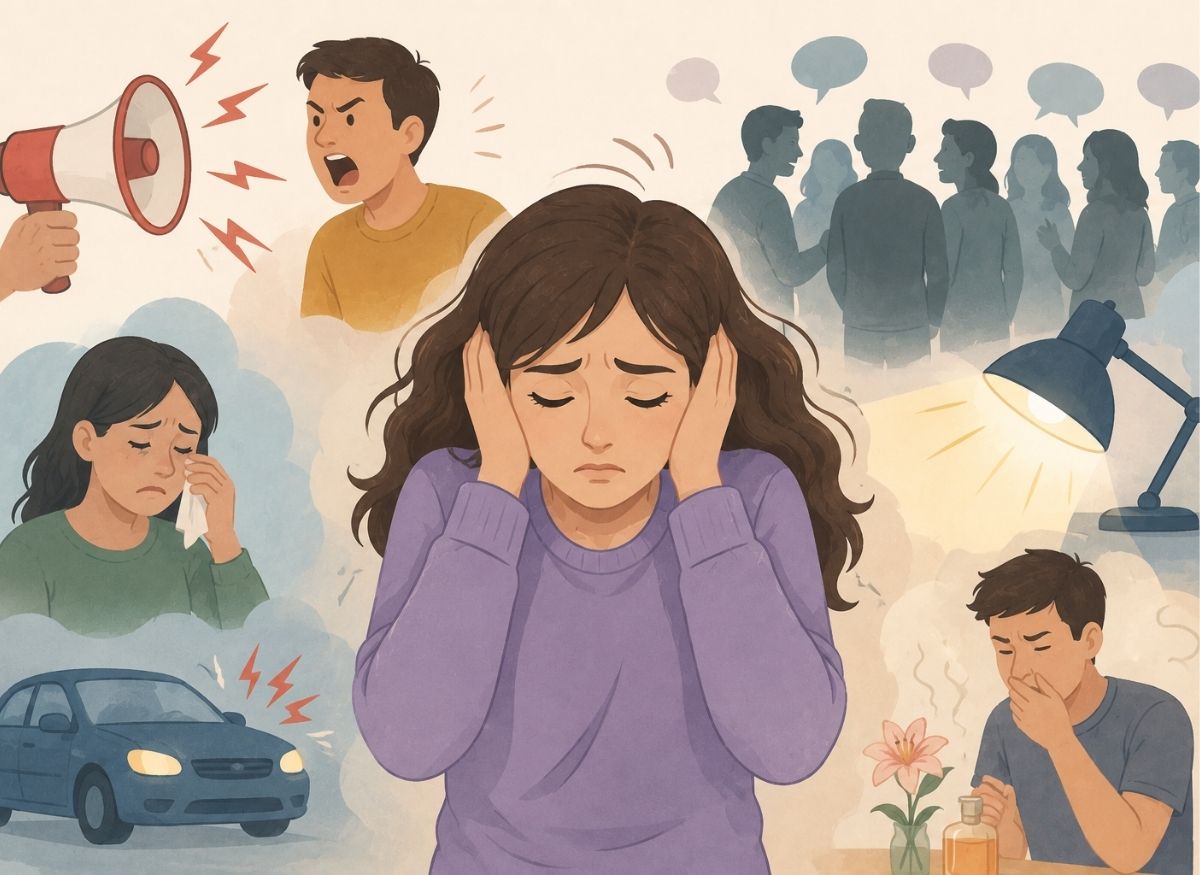
Being a highly sensitive person (HSP) is a personality trait that affects how someone perceives and processes stimuli, both emotional and environmental. Highly sensitive people often experience emotions more intensely, notice subtle changes in their surroundings, and can become easily overwhelmed by loud noises, crowded spaces, or emotionally charged situations.
While this sensitivity can be challenging in certain circumstances, it also comes with real strengths, like empathy, intuition, and creativity. Understanding these traits and learning how to thrive as a highly sensitive person can improve relationships, mental well-being, and overall quality of life.
HSPs may struggle in fast-paced environments or under constant stress, but with self-awareness and intentional strategies, they can turn sensitivity into an advantage rather than a limitation. Below, we explore five common traits of highly sensitive people and practical approaches to thrive while honoring this unique temperament.
What is a Highly Sensitive Person?
A Highly Sensitive Person is defined by an innate, biologically driven trait known as Sensory Processing Sensitivity (SPS). This neurological wiring means highly sensitive people process physical, emotional, and social information much more deeply than most people.
Being highly sensitive isn’t a conscious choice, a psychological flaw, or a condition needing a cure. It’s a neutral, naturally occurring trait found in roughly 20% of the population, as well as in over 100 other animal species. The term was coined by psychologist Dr. Elaine Aron in the 1990s to describe people with a finely tuned nervous system that fundamentally shapes how they experience the world.
For an HSP, the brain’s processing centers are wired to notice subtleties in the environment more readily, which also makes them more vulnerable to becoming overwhelmed by high levels of stimulation. Researchers use the acronym DOES to describe the four core pillars of the trait.
The Four Pillars of the HSP Trait (DOES)
Depth of Processing is the cornerstone of the trait. Highly sensitive people naturally reflect on their experiences, connect current events to past memories, and think through future possibilities more thoroughly than others. This contributes to the intuition, conscientiousness, and insight commonly seen in HSPs, letting them notice connections others miss.
Overstimulation is a direct consequence of processing the world so deeply. Because their sensory filters are so porous, HSPs absorb a large volume of environmental input, becoming mentally and emotionally tired faster than less sensitive people. In high-sensory environments, an HSP can quickly feel frazzled and need to withdraw somewhere quiet and dim to recover.
Emotional Responsiveness and Empathy explains why HSPs feel emotions, both positive and negative, with real intensity. They don’t just observe the world, they feel it, experiencing joy, sorrow, or awe deeply enough to move them to tears. This wiring also means they often absorb the emotional states of people around them, feeling another person’s pain or anxiety almost as their own, which makes them supportive but easily drained companions.
Sensitivity to Subtleties describes the ability to notice fine details others miss, a shift in someone’s tone of voice, a faint smell, or discomfort from harsh lighting. The flip side of this is a heightened capacity for joy, since HSPs can be deeply moved by art, music, or subtle flavors that others might barely register.
Core Traits of Highly Sensitive People
The traits of an HSP can be grouped into six interconnected characteristics that shape how they experience the world.
1. Deep processing. HSPs naturally pause to reflect before speaking or acting, running information through a kind of internal “pause-and-check” system. This makes them thoughtful and able to connect ideas in creative ways, though it also means being rushed into a decision can lead to overthinking or analysis paralysis.
2. Susceptibility to overstimulation. Because their sensory and emotional filters are so porous, HSPs’ nervous systems take in a constant stream of environmental data. Noisy offices, crowded gatherings, or chaotic spaces can trigger sensory burnout quickly, meaning regular solitude and quiet downtime aren’t optional, they’re necessary to recharge.
3. High empathy and emotional responsiveness. HSPs don’t just observe others’ emotions, they tend to absorb them, driven by a highly active mirror neuron system. This allows for exceptionally deep, authentic relationships, but can leave an HSP emotionally drained if they don’t protect their boundaries.
4. Acute sensitivity to subtleties. HSPs are often the first to notice harsh lighting, a subtle shift in someone’s mood, or an intricate layer in a piece of music. This makes them highly intuitive and skilled at reading a room.
5. A rich, intricate inner life. Deep processing naturally leads to a vivid internal world: symbolic dreams, strong imagination, and a visceral connection to art, music, and nature. This inner landscape fuels personal growth, creativity, and reflection.
6. A deep aversion to violence and cruelty. Because they feel so intensely, most HSPs have a strong, even physically uncomfortable, reaction to violence, cruelty, or injustice. Graphic media or witnessing unkindness can leave a lasting impression, feeding a strong sense of morality and a desire for a more compassionate world.
Reframing Sensitivity: Weakness or Strength?
Society often mistakes sensitivity for fragility or shyness, sometimes telling HSPs to “toughen up.” But when properly understood and managed, these traits become real strengths:
- Wisdom and innovation. Deep processing might slow down quick decisions, but it’s also the source of strong strategic thinking, insightful questions, and creative problem-solving.
- Authentic connection. Intense empathy makes HSPs exceptional educators, counselors, artists, and friends who can sense unspoken needs and create a sense of safety for others.
- Intuition and precision. Awareness of subtle details translates into strong intuition and careful, high-quality work, whether in a creative craft or navigating workplace dynamics.
- A built-in self-care alarm. Even overstimulation can be reframed positively: it acts as an internal signal that pushes HSPs to practice self-care, set boundaries, and resist an overly hectic pace of life.
How Highly Sensitive People Can Flourish
Thriving as an HSP isn’t about changing your fundamental biology or forcing yourself to fit a loud, fast-paced world. It’s about designing a lifestyle that respects a highly responsive nervous system.
Managing Overstimulation and Preventing Burnout
Create a sensory sanctuary. Set aside a room or quiet corner as a personal retreat, free of clutter, with soft lighting and comforting textures. Returning to this space after a loud or crowded environment gives your mind a safe place to decompress.
Schedule proactive downtime. Don’t wait until you’re depleted to rest. Block out unstructured downtime on your calendar the same way you would an appointment, whether that’s 20 minutes of quiet between meetings or an entire “do-nothing” evening.
Set firm boundaries. Because of their empathy, HSPs often struggle with people-pleasing and overcommitting. Learning to say a confident “no” to draining obligations is a genuine act of self-care, and it’s essential for staying healthy enough to fully show up for the commitments you do keep.
Use practical sensory tools. Noise-canceling headphones can block disruptive sound in public spaces or open offices. Polarized sunglasses can reduce glare from harsh lighting. Loose, soft clothing can eliminate unnecessary physical irritation. These small adjustments meaningfully reduce daily sensory drain.
Excelling in Careers and Relationships
Career alignment matters. HSPs tend to burn out in high-pressure, chaotic work environments, but thrive in roles offering autonomy, meaning, and quieter spaces. Their emotional intelligence and empathy make them well-suited to counseling, education, therapy, HR, and healthcare. Their depth of processing and attention to detail suit research, writing, financial analysis, and art. As leaders, they tend to be conscientious and attuned to their team’s unspoken needs.
Relationships benefit from open communication. HSPs form strong, meaningful bonds thanks to their ability to notice subtle shifts in a loved one’s tone or body language. To keep relationships healthy, it helps to openly explain that the need for solitude is a physiological necessity, not a reflection of how they feel about the relationship.
Daily Habits for Long-Term Well-Being
Prioritize 8 to 9 hours of sleep. Since the brain absorbs so much subtle data during the day, it needs adequate time at night to process it. A calming, consistent bedtime routine, reading, gentle stretching, journaling under dim light, helps signal it’s time to wind down.
Support your nervous system through diet. Heavy caffeine, artificial additives, or refined sugar can push an already-stimulated nervous system into anxiety or jitters. Whole foods, proper hydration, and regular meals help keep blood sugar stable and reduce emotional volatility.
Spend time in nature regularly. Natural environments, the sound of a breeze, rustling trees, the scent of earth, have a grounding effect that reduces mental fatigue and lowers stress hormones. Even a short walk in a park or time with houseplants can help discharge accumulated stress.
Make room for creative outlets and self-compassion. Painting, writing, music, gardening, or cooking gives an outlet for deep thoughts and intense emotions. Just as importantly, replacing self-criticism with self-compassion, treating your own sensitivity with the same kindness you’d offer someone else, is essential to thriving.
Common Misconceptions
High Sensitivity vs. Introversion and Social Anxiety
These concepts often overlap but aren’t the same thing. Introversion is about social energy: introverts find prolonged social interaction draining and need solitude to recharge. High sensitivity is about how the nervous system processes all incoming information, sensory, cognitive, and emotional.
An HSP might leave a loud event early not because they dislike socializing, but because flashing lights and overlapping conversations triggered overstimulation. Notably, while about 70% of HSPs are introverts, the remaining 30% are extroverts who genuinely crave social engagement, but who still process those interactions deeply enough to need quiet time afterward to recover.
High sensitivity is also distinct from social anxiety, which is a fear-based condition centered on dread of judgment or humiliation. Someone with social anxiety might avoid an event out of fear of being judged; an HSP might avoid it to manage potential sensory overload. Recognizing the difference matters, since mislabeling sensitivity as anxiety can lead to the wrong coping strategies.
The Science Behind Sensory Processing Sensitivity
High sensitivity is a heritable, genetically influenced trait supported by neuroimaging research. Studies using fMRI show that HSP brains display distinct, more reactive activity when processing ordinary information.
Heightened insular activity. When exposed to social or emotionally evocative situations, HSPs show significantly greater activation in the insula, the brain region that integrates sensory perception with emotional self-awareness. This helps explain the strong gut reactions and intense processing HSPs experience.
An enhanced mirror neuron system. Mirror neurons help people understand others’ intentions and mirror their feelings. A more active version of this system is part of why HSPs can so readily read a room or absorb someone else’s emotional state. The trait is also linked to gene variations affecting serotonin and dopamine, neurotransmitters that shape mood and how the brain reacts to the environment.
Classic HSP vs. High Sensation Seeking HSP
Not all HSPs express the trait the same way. A subgroup known as High Sensation Seeking (HSS) HSPs challenges the stereotype that all highly sensitive people are cautious homebodies who avoid change.
An HSS/HSP experiences a genuine internal tension between two systems: a drive toward thrill-seeking and novelty, and the deep sensory processing that comes with being an HSP. They get bored quickly with routine and crave travel, creative projects, or big changes, but because they’re still an HSP at their core, they can become just as overwhelmed by the very adventures they sought out and need real recovery time afterward.
High Sensitivity (SPS) vs. Sensory Processing Disorder (SPD)
These are sometimes confused because both involve an intense reaction to sensory input, but they’re fundamentally different.
SPS (high sensitivity) involves a deep, organized style of processing. The brain takes in a lot of environmental information and analyzes it thoroughly, which can cause situational overstimulation but doesn’t impair someone’s ability to function. It’s a normal variation of temperament found in about 20% of people, and it comes with real advantages like empathy and creative problem-solving.
SPD (Sensory Processing Disorder) is a distinct neurological condition where the nervous system struggles to properly organize or interpret sensory input, leading to disorganized or maladaptive responses. For comparison: an HSP wearing a scratchy sweater might find the texture distracting and annoying; someone with SPD might experience that same input as intensely painful or threatening, potentially triggering an involuntary, severe reaction.
Frequently Asked Questions
What does it mean to be a highly sensitive person?
It means having a trait marked by heightened awareness of subtleties in the environment, emotions, and sensory input. HSPs process information deeply, notice what others overlook, and feel emotions intensely. This can lead to stress or overstimulation, but it also supports empathy, intuition, and creativity.
What are common traits of HSPs?
Deep emotional processing, heightened empathy, strong intuition, sensitivity to stimuli, and careful decision-making, along with a tendency to be overwhelmed by noise, crowds, or high pressure. These same traits also enable deep connection with others and creative thinking.
How can HSPs manage overstimulation?
By creating an environment that reduces excess stress and input: quiet breaks, mindfulness, structured routines, limiting exposure to chaotic settings, using noise-canceling headphones, and identifying personal triggers early.
Can HSPs thrive in fast-paced work environments?
Yes, with the right strategies, setting boundaries, prioritizing tasks, taking breaks, and choosing roles that make use of their empathy and attention to detail. Self-awareness and intentional planning make it possible to succeed under pressure while protecting mental and emotional well-being.
How can HSPs turn their traits into strengths?
By leaning into what comes naturally: empathy, creativity, attention to detail, and thoughtful problem-solving. Understanding and embracing sensitivity, rather than fighting it, helps build deeper relationships and contribute unique perspectives at work and in the community.
The Bottom Line
Being a highly sensitive person comes with both real challenges and remarkable strengths. Sensitivity can make everyday situations feel overwhelming, but it also enables deep empathy, heightened awareness, and creative insight. By understanding the traits that define high sensitivity and building habits around stress management, boundaries, and emotional health, HSPs can turn sensitivity into a genuine source of strength rather than a limitation. With mindfulness and intentional self-care, highly sensitive people can build resilience, creativity, and meaningful connection while protecting their well-being.