
12 Uremia Symptoms That Could Signal Kidney Failure
Feeling constantly worn out, queasy, or oddly foggy-headed isn’t always just stress or a busy stretch. Sometimes it’s your kidneys quietly signaling that something’s wrong. Uremia a buildup of waste products in the blood caused by declining kidney function tends to creep in gradually, often well before more obvious signs of kidney failure show up.
Kidney disease is far more common than most people assume. In the U.S. alone, roughly 37 million adults about 15% of the population live with chronic kidney disease (CKD), and a large share don’t find out until complications set in. Uremia typically shows up in the later stages of kidney disease, which is exactly why early recognition matters so much. Globally, kidney-related conditions affect more than 850 million people, many unaware that subtle shifts in energy, appetite, or bodily function could be an early warning sign.
What makes uremia tricky is how ordinary its symptoms can seem at first. Fatigue, a poor appetite, swollen hands or feet, nausea, trouble sleeping, persistent itching, or a metallic taste in the mouth can feel like minor annoyances. Others notice changes in urination, shortness of breath, or brain fog and chalk it up to something else entirely. Because the body can compensate for failing kidneys for quite a while, many people don’t realize how serious things have gotten until the disease has already progressed.
This guide covers 12 symptoms of uremia that could point to kidney failure. Some are subtle, some overlap with everyday complaints, and a few are genuinely alarming. Knowing what to watch for can help you get checked out sooner, protect your kidney health, and avoid complications before they become life-threatening.
What is Uremia and Its Link to Kidney Failure?
Uremia is a serious condition marked by a buildup of urea and other nitrogen-based waste products in the blood, occurring when the kidneys can no longer filter toxins effectively. It represents the final stage of chronic kidney disease also called end-stage renal disease (ESRD) and shows up as a complex syndrome affecting multiple organ systems at once.
How is Uremia Medically Defined?
Medically speaking, uremia is a clinical syndrome that results from toxins, metabolic waste, and electrolytes accumulating in the blood due to severe kidney dysfunction. It isn’t defined by a single number it’s the full collection of signs and symptoms that appear once the kidneys lose their ability to excrete waste, regulate metabolism, and produce hormones.
The word itself literally translates to “urine in the blood,” which sums up the core problem pretty well. Doctors typically monitor this through blood tests measuring two key markers: Blood Urea Nitrogen (BUN) and creatinine. Urea comes from the liver breaking down protein, while creatinine comes from muscle metabolism healthy kidneys clear both efficiently.
In kidney failure, BUN and creatinine levels climb, serving as important indicators of uremia. But it’s worth understanding that these two markers only scratch the surface the actual symptoms of uremia come from a much wider range of toxins that don’t get measured routinely. So the real diagnosis rests on the whole clinical picture: symptoms, physical exam findings, and lab results together, not just elevated BUN or creatinine alone.
Why Does Kidney Failure Lead to Uremia?
Kidney failure leads directly to uremia because the kidneys’ core job filtering waste out of the bloodstream stops working properly, letting toxins build up to dangerous levels. The kidneys process roughly 180 liters of blood a day, removing metabolic waste, excess salt, and water, which then leaves the body as urine.
This filtration process (glomerular filtration) keeps the body’s internal chemistry stable. When kidney disease whether from diabetes, high blood pressure, or an acute injury causes the glomerular filtration rate (GFR) to drop, waste products like urea, creatinine, uric acid, and other uremic toxins stop being cleared properly. As they build up, they start to affect nearly every organ system in the body.
This toxin buildup disrupts cell function, fluid balance, electrolyte levels, and hormone production. Retained nitrogen waste, for instance, contributes directly to confusion and fatigue, while the inability to get rid of excess fluid and sodium leads to swelling and high blood pressure. The entire cluster of symptoms known as uremic syndrome is essentially the body’s response to this systemic toxin buildup once the kidneys stop doing their job.
12 Key Symptoms of Uremia
Fatigue and Weakness
This is one of the earliest and most common symptoms, and it comes from two things happening together. First, toxin buildup in the blood slows down various metabolic processes, leaving you feeling sluggish. Second, failing kidneys produce less erythropoietin (EPO), a hormone that tells the bone marrow to make red blood cells. Fewer red blood cells means less oxygen reaching your muscles and brain a condition called anemia which shows up as persistent tiredness and low energy.
Loss of Appetite and Nausea
As uremic toxins accumulate, they irritate the digestive system. This often leads to a constant feeling of fullness, reduced interest in eating, and waves of nausea, especially in the morning. Food starts to seem unappealing, which can compound poor nutrition over time.
Unexplained Weight Loss
This follows naturally from the appetite loss and nausea above. When the body isn’t taking in enough calories and nutrients, it starts breaking down its own muscle and fat reserves, leading to a noticeable, unintended drop in weight.
Metallic Taste in the Mouth (Dysgeusia)
A particularly telling symptom is a lingering metallic or ammonia-like taste in the mouth. This happens because urea in the blood can break down in saliva into ammonia, causing an unpleasant taste and bad breath (sometimes called uremic fetor). It can make food taste “off,” further reducing appetite.
Itchy Skin (Uremic Pruritus)
This one’s especially uncomfortable. While the exact mechanism is complicated, it’s thought to involve phosphate and other uremic toxins depositing in the skin. The result can be intense, widespread itching that doesn’t ease up with scratching and it can seriously affect day-to-day comfort and sleep.
Muscle Cramps and Twitches
Electrolyte imbalances particularly calcium and phosphorus combined with nerve irritation from toxin buildup can trigger frequent muscle cramps, especially in the legs, along with involuntary twitching. These can be painful and especially disruptive at night.
Vomiting
While nausea often shows up earlier, persistent vomiting signals more advanced uremia. Ongoing irritation of the digestive tract makes it hard to keep food or fluids down, which can lead to dehydration and serious malnutrition.
Swelling (Edema) in Hands and Feet
When kidneys are significantly damaged, they lose their ability to clear excess sodium and fluid from the body. This fluid retention typically shows up as swelling in the hands, feet, ankles, and face and in severe cases, fluid can accumulate around the heart and lungs.
Shortness of Breath
This can happen through two different mechanisms. First, excess fluid can build up in the lungs (pulmonary edema), making breathing feel labored. Second, failing kidneys can’t clear acid from the blood effectively, leading to metabolic acidosis the body compensates by breathing faster and deeper (sometimes called Kussmaul breathing) to expel carbon dioxide, which itself can feel like shortness of breath.
Confusion and Difficulty Concentrating (“Uremic Encephalopathy”)
This is a sign that toxin buildup is starting to affect the brain and nervous system. It can show up as memory trouble, difficulty focusing, or personality changes like apathy or irritability. As it progresses, it can lead to deeper confusion, drowsiness, and eventually coma.
Seizures
Seizures represent a severe stage of uremic brain involvement. Extreme toxicity disrupts normal electrical activity in the brain, causing convulsions. This is a medical emergency signaling a dangerously advanced level of uremia.
Uremic Frost
This is a rare, late-stage sign of severe, untreated uremia. When urea levels in the blood get extremely high, some of it gets excreted through sweat and as that sweat evaporates, it leaves behind a fine, white, powdery residue on the skin, resembling frost. Seeing this is an unmistakable sign of critical, advanced kidney failure.
What Causes Uremia?
Kidney failure is the primary, defining cause of uremia though it’s worth noting that other conditions can temporarily raise blood urea levels (called azotemia) without producing the full clinical syndrome. True uremia, with its complete range of symptoms, is a hallmark of advanced kidney failure specifically.
The underlying causes are usually chronic diseases that gradually wear down kidney function over time. Diabetes and high blood pressure are the two most common culprits uncontrolled blood sugar damages the kidneys’ small blood vessels, while high blood pressure damages the larger arteries, both impairing filtration.
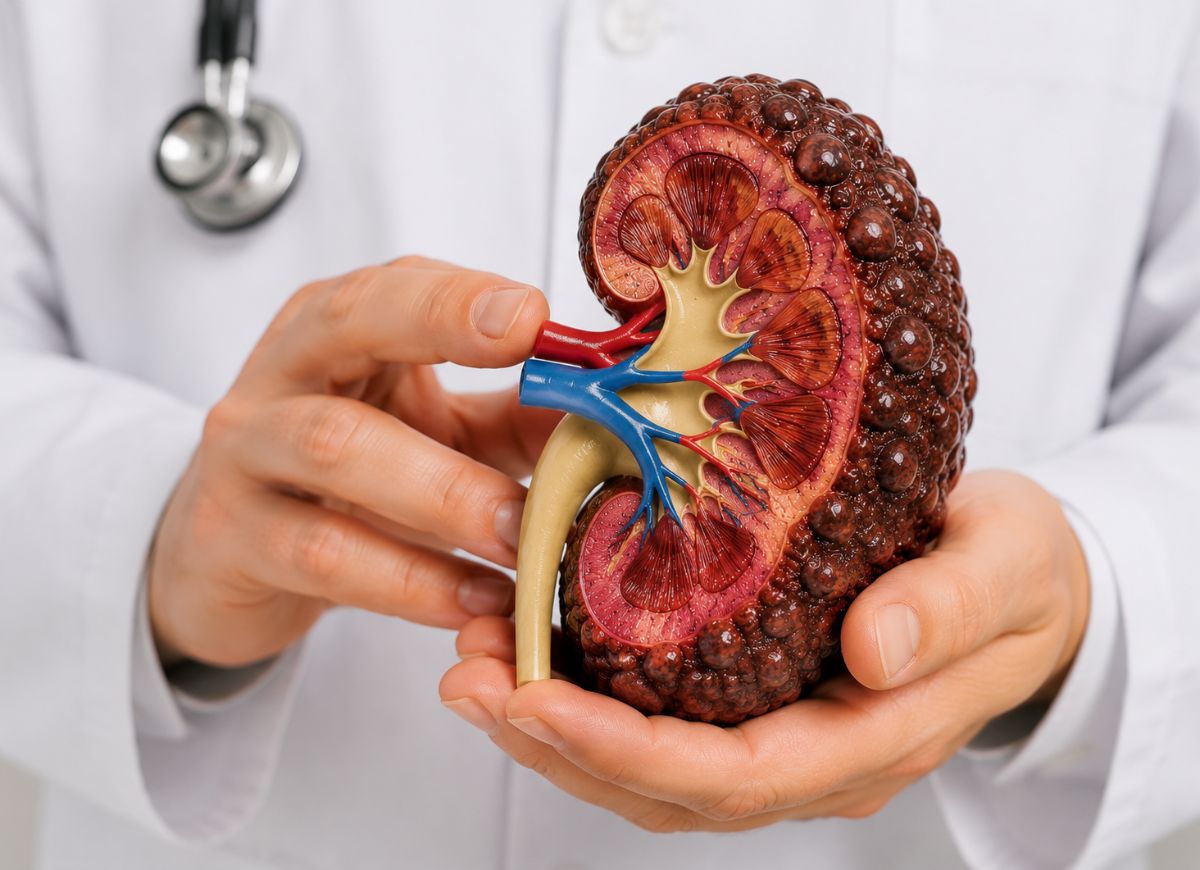
Other significant causes of CKD leading to uremia include glomerulonephritis (inflammation of the kidney’s filtering units), polycystic kidney disease (a genetic condition causing cyst growth), and long-term urinary tract blockages from things like kidney stones or an enlarged prostate.
Acute kidney injury a sudden episode of kidney failure from severe infection, dehydration, or certain medications can also lead to uremia quickly if it isn’t treated in time. In every case, the common thread is the same: the kidneys can no longer filter properly, and toxic waste builds up as a result.
When to Seek Medical Help?
If you suspect uremia, the right move is emergency medical attention this isn’t something to manage at home, and it isn’t something over-the-counter remedies can fix. This is especially urgent if you’re dealing with severe symptoms like shortness of breath, chest pain, significant confusion, extreme lethargy, seizures, or uncontrollable vomiting.
These symptoms mean uremic toxins have reached a critical level and are actively harming the brain, heart, and lungs. When seeking care, be ready to describe your symptoms, when they started, and how severe they are, along with your medical history including diabetes, high blood pressure, or any prior kidney issues and a list of current medications.
At the hospital, doctors will run a physical exam and urgent blood and urine tests to check kidney function specifically BUN, creatinine, and electrolyte levels. These confirm the diagnosis and how severe it is. Treatment for severe uremia usually means immediate hospitalization, often with dialysis to filter waste from the blood mechanically and stabilize the patient. Uremia isn’t something to wait out prompt care matters a great deal for the outcome.
Uremia Diagnosis
Doctors diagnose uremia by combining a physical exam, patient history, and a specific set of lab and imaging tests to assess kidney function and identify what’s causing the failure. The first and most important step is blood testing to check nitrogen waste levels.
Blood Urea Nitrogen (BUN) and serum creatinine are the key indicators significantly elevated levels point to the kidneys failing to filter these substances. The BUN-to-creatinine ratio can also hint at the underlying cause. A broader metabolic panel checks for electrolyte imbalances like elevated potassium or low calcium and metabolic acidosis, both common in advanced kidney disease.
To measure the extent of damage more precisely, doctors often order urine tests, particularly a creatinine clearance test, which compares creatinine in a 24-hour urine sample against blood levels to calculate the Glomerular Filtration Rate (GFR) the most reliable gauge of kidney function.
A GFR below 15 mL/min points to end-stage renal disease, the stage where uremia typically appears. Urinalysis also checks for protein or blood in the urine, which can hint at the specific type of kidney disease involved. Imaging, like a kidney ultrasound, rounds out the picture, helping identify blockages, cysts, or scarring behind the failure.
Primary Treatment Options for Uremia
Treatment for uremia isn’t aimed at curing the syndrome directly it targets the underlying problem: kidney failure itself. Since the kidneys can’t perform their essential functions anymore, treatment has to replace them artificially. The main approach is renal replacement therapy (RRT), which includes dialysis and kidney transplantation.
Dialysis mechanically filters waste and excess fluid from the blood. There are two main types: hemodialysis, where blood is pumped through an external machine to be cleaned and returned, usually done at a clinic several times a week; and peritoneal dialysis, where the lining of the patient’s own abdomen acts as a natural filter, using a sterile fluid instilled through a catheter to absorb waste before being drained.
Dialysis manages symptoms and sustains life, but it isn’t a cure. A kidney transplant is the definitive treatment replacing the failed kidney with a healthy one from a living or deceased donor can restore normal function entirely and eliminate the need for dialysis. It does, however, require lifelong immunosuppressant medication to prevent rejection.
Alongside RRT, supportive care typically includes strict dietary changes (limiting protein, sodium, potassium, and phosphorus), blood pressure medication, treatments for anemia (like erythropoietin-stimulating agents), and bone health support (phosphate binders and vitamin D).
The Difference Between Uremia and Azotemia
The key difference: azotemia is a lab finding, while uremia is the full clinical syndrome that develops when azotemia goes untreated and becomes severe. Azotemia simply means elevated levels of nitrogen-containing compounds mainly urea and creatinine in the blood. It’s measurable and objective, and by itself doesn’t necessarily mean someone feels sick. Mild or moderate azotemia can exist without any noticeable symptoms it’s essentially an early warning that the kidneys aren’t clearing waste efficiently.
Uremia, by contrast, is what happens when that azotemia becomes severe enough to start affecting multiple organ systems fatigue, nausea, confusion, itching, metallic taste, and the rest of the symptoms covered above.
A helpful way to think about it: azotemia is the smoke detector going off a warning sign while uremia is the actual fire causing visible damage. Azotemia gets diagnosed from a blood test; uremia gets diagnosed from the presence of this full clinical picture in someone with confirmed end-stage kidney failure. So everyone with uremia has azotemia, but not everyone with azotemia has uremia.
Long-term Complications If Uremia is Not Treated
Left untreated, uremia is fatal, with serious long-term consequences touching nearly every system in the body.
One of the most severe outcomes is advanced cardiovascular disease uremic toxins speed up arterial hardening, raise blood pressure, and can inflame the lining of the heart, significantly raising the risk of heart attack, stroke, and heart failure. In fact, heart-related events are the leading cause of death among patients with end-stage renal disease.
Beyond the heart, untreated uremia leads to renal osteodystrophy, a bone disease that develops because failing kidneys can no longer activate vitamin D or balance calcium and phosphate, resulting in weak, fracture-prone bones and chronic pain. Severe anemia is another major complication, since the kidneys stop producing erythropoietinleading to debilitating fatigue, weakness, and breathlessness.
Neurologically, toxin buildup causes uremic encephalopathy lethargy, confusion, seizures, and eventually coma. The digestive system suffers too, with ongoing nausea and vomiting leading to malnutrition. Without renal replacement therapy, these combined failures ultimately lead to multi-organ collapse and death.
FAQs
1. What is the main cause of uremia?
Uremia happens when the kidneys lose their ability to filter waste from the blood efficiently, letting urea and other toxins accumulate and affect nearly every organ. The most common cause is chronic kidney disease, often from long-term diabetes or high blood pressure, along with acute kidney injury from sudden illness or injury. Kidney infections, autoimmune kidney disease, urinary tract obstruction, or certain medications can also contribute. In short, uremia signals that the kidneys are overwhelmed and can’t maintain the blood’s chemical balance anymore.
2. What is the difference between urea and uremia?
Urea is simply a waste product formed when the body breaks down protein normally filtered out by the kidneys and eliminated in urine. Uremia isn’t a substance at all; it’s the clinical condition that develops when urea and other waste build up in the blood because the kidneys can’t filter them properly. Uremia affects the whole body, causing symptoms like fatigue, nausea, swelling, confusion, and muscle cramps. Urea is a chemical; uremia is what happens when too much of it and related toxins accumulates.
3. What does urine look like with uremia?
Urine changes vary quite a bit. Some people notice reduced output, others urinate more frequently but in smaller amounts. Urine may look dark, concentrated, or foamy from protein leakage, and microscopic blood can sometimes be present. These changes tend to be subtle and may not be obvious until kidney dysfunction is fairly advanced, which is why blood tests and monitoring for other symptoms matter more than urine appearance alone.
4. How does uremia affect the brain?
Uremia can significantly affect brain function because toxin buildup interferes with nerve and neurotransmitter activity. Early on, this might look like trouble concentrating, memory lapses, irritability, or mild confusion. As it worsens, drowsiness, disorientation, tremors, seizures, or even stupor can follow. The brain is highly sensitive to chemical imbalances in the blood, so even subtle mood, attention, or sleep changes can be an early clue that kidney function is declining.
5. What food to avoid when urea is high?
When urea levels rise, the goal is easing the load on the kidneys. That usually means cutting back on high-protein foods like red meat, processed meats, full-fat dairy, and protein supplements, since excess protein increases urea production. Sodium, potassium, and phosphorus may also need moderation depending on individual kidney function. A diet built around vegetables, fruits, whole grains, and lean protein tends to help manage urea levels while still supporting overall health, and fluid intake may need adjusting depending on how impaired kidney function is.
6. How serious is uremia?
Uremia is serious and potentially life-threatening, since it means the kidneys aren’t clearing toxins effectively anymore. Left untreated, it can lead to fluid overload, heart complications, nerve damage, severe fatigue, nausea, and eventual multi-organ dysfunction. How serious it gets depends on the underlying cause, how quickly kidney function is declining, and any other health conditions involved. Catching it early and managing it properly can stabilize things and prevent complications which is exactly why recognizing the symptoms matters.
7. How long can you survive uremia?
It really depends on how early it’s caught, how it’s treated, and what’s causing it. Mild or early-stage uremia can sometimes be managed for years with careful monitoring, diet changes, and medication. Left untreated, severe uremia can become fatal within weeks to months due to complications like heart failure, electrolyte imbalances, or infection. In advanced cases, dialysis or a kidney transplant may be necessary for longer-term survival which underscores why timely care matters so much.
8. At what uremia level is dialysis required?
Dialysis is generally considered once BUN and creatinine rise to levels causing symptoms or threatening organ function, or when GFR drops significantly. Signs pointing toward needing dialysis include persistent nausea, vomiting, severe fatigue, swelling, confusion, or shortness of breath. The exact threshold differs from patient to patient depending on kidney function, overall health, and how they’re responding to treatment a nephrologist weighs lab results, symptoms, and history to decide the right timing.
Conclusion
Uremia is a warning sign that the kidneys are struggling to clear toxins from the body. Its symptoms fatigue, nausea, swelling, confusion, changes in urination, and more can start out subtle but escalate quickly. Recognizing these early signs and understanding what’s driving them matters for getting timely care.
With proper monitoring, dietary changes, medication, and, in severe cases, dialysis, many people manage uremia effectively. The key is not brushing off subtle changes, paying attention to lab results, and seeking medical guidance promptly. Awareness and early action go a long way toward protecting kidney health, avoiding serious complications, and maintaining quality of life.